
Three Months, One Leadership Role, and No Update: What Does Hiring Silence Say?
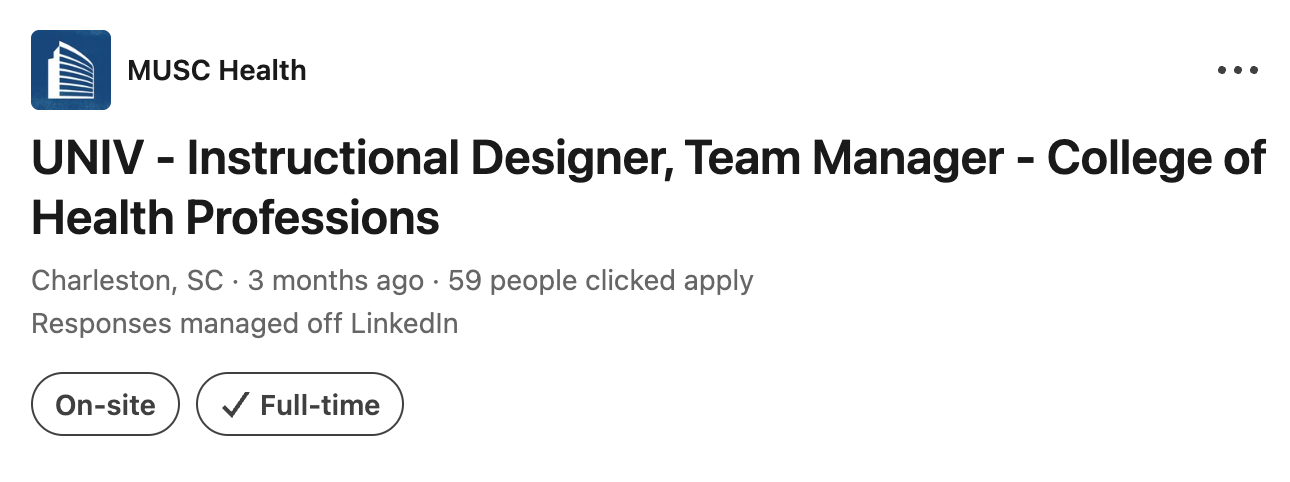
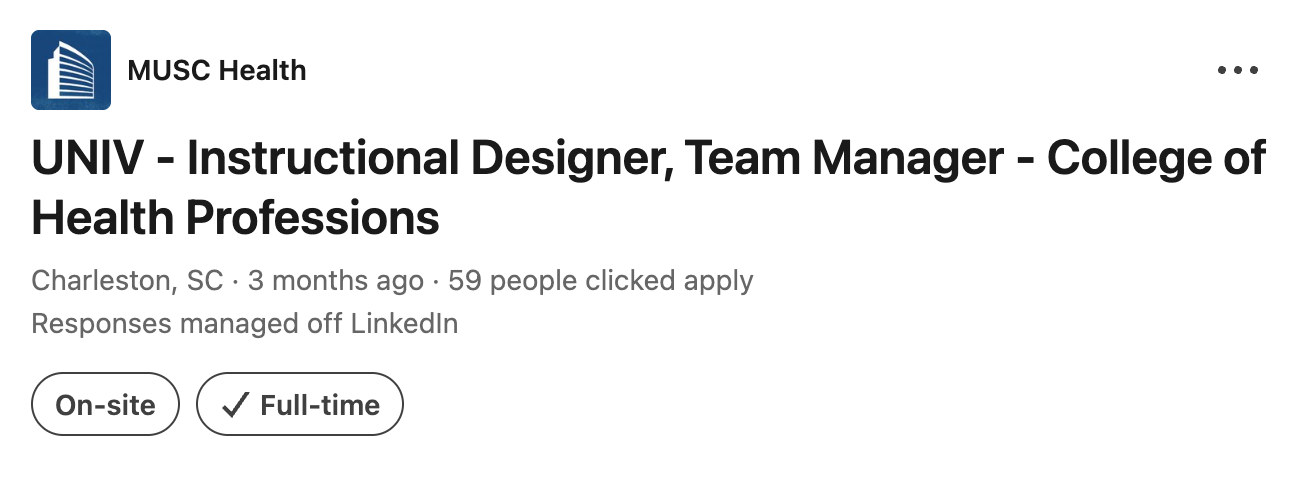
Three months after a leadership position is posted, what should applicants—and the team waiting for that leader—expect? I applied for MUSC Health’s Instructional Designer, Team Manager position in the College of Health Professions and have not received an update, a rejection letter, or any indication of where my application stands. T
he attached listing shows that the position was posted three months ago. That does not establish whether the search remains active, an offer is pending, or the posting simply has not been updated. Still, the absence of communication leaves me wondering: Has this role been filled, and if not, what is delaying the decision?
If the position remains unfilled, has no candidate met the requirements in three months? Are the expectations aligned with the compensation, on-site requirements, and available talent? Could budget approval be delaying a hire while the posting remains visible? Perhaps the responsibilities are being revised, a search committee is navigating competing priorities, or a finalist declined an offer. An internal candidate could be under consideration, or an organizational change could have paused the process.
These are hypothetical explanations, not claims about MUSC Health. Without an update, applicants cannot know whether a search is progressing, paused, or already complete.
The team’s experience also matters. If this leadership seat has been vacant for three months, how is the team being supported? An interim leader may be providing excellent coverage, but is that person carrying another full-time workload? Who is setting priorities, supporting professional development, resolving competing requests, and making decisions about instructional quality?
A vacant position does not necessarily mean an absence of leadership, but prolonged coverage arrangements raise reasonable questions about workload, continuity, and whether employees have the support they need.
I recognize that hiring takes time, particularly in complex institutions, and submitting an application does not guarantee an interview or an offer. Still, timely communication is a reasonable professional expectation. A brief update that a search is ongoing, delayed, closed, or being reconsidered would demonstrate respect for candidates’ time. How can organizations make their hiring communication reflect the professionalism they expect from applicants?
I welcome perspectives from candidates, hiring managers, and teams navigating extended searches. For more of my thoughts on leadership, hiring, and the workplace, follow along at https://NielFlamm.com/blog.