
The Tiny Device I Wish I Had Taken Seriously Years Ago
The Tiny Device I Wish I Had Taken Seriously Years Ago
How a Continuous Glucose Monitor Helped Me Build Better Habits
I'm going to be super vulnerable.
One of the reasons my body is in the shape it's in today is because I didn't manage my diabetes and insulin resistance the way I should have.
I ate poorly.
I didn't exercise consistently.
I rarely checked my blood glucose.
Why? Because the traditional process was a drag.
It went something like this...
* Wash my hands.
* Get the glucose monitor.
* Find a test strip.
* Grab the lancet.
* Stick my finger.
* Hope I got just the right amount of blood on the strip.
* Wait for the reading.
* Write it down.
* Do it all over again several times a day.
And let's not forget...it hurts. Fingertips have a lot of nerve endings, and after enough finger sticks, you start looking for reasons to skip it.
So I skipped it.
Looking back, I wish I hadn't.
Today, I live with an above-the-knee amputation, kidney failure requiring dialysis, and vision problems. While many factors can contribute to complications like these, years of poorly managed diabetes likely played a significant role in my situation.
I can't change those decisions.
But I can change today's.
Better Habits Beat Perfect Habits
I've known about Continuous Glucose Monitors (CGMs) for years.
The idea always made perfect sense.
Put on a sensor.
Go live my life.
See my glucose levels throughout the day instead of taking occasional snapshots.
Notice trends.
Get alerts.
Share the data with my endocrinologist.
The problem?
Because I'm not insulin-dependent, Medicare doesn't cover one for me. My diabetes has been managed with oral medications in the past and now Ozempic, so I didn't qualify for an insurance-paid CGM.
When Stelo became available, I jumped at the chance.
It's based on Dexcom technology, works through a subscription, and gives me exactly what I wanted—continuous insight into what my blood sugar is doing without constantly stabbing my fingers.
Even better, the data can be shared with my endocrinologist, giving us much better information than a handful of random finger-stick readings.
A Pleasant Surprise
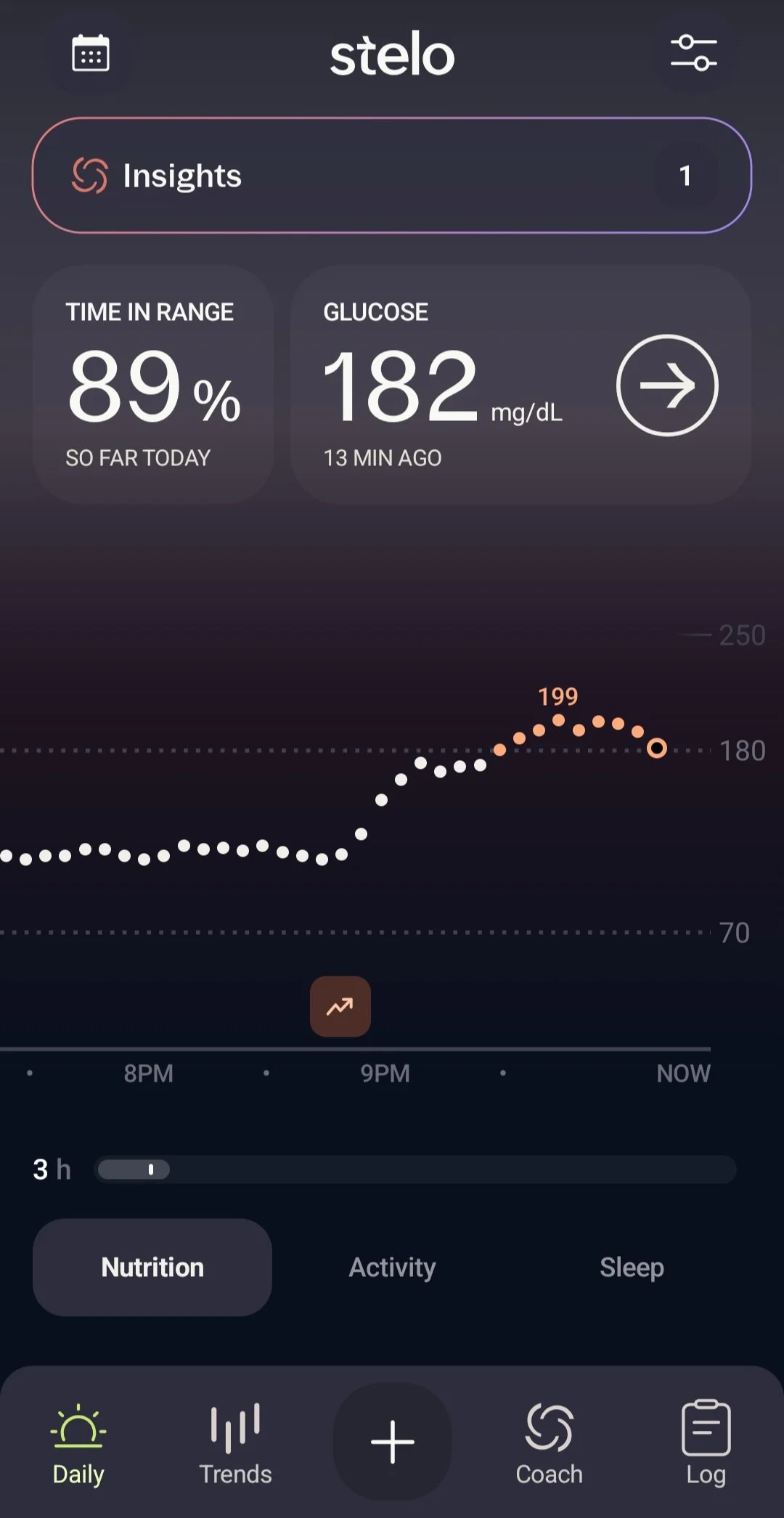
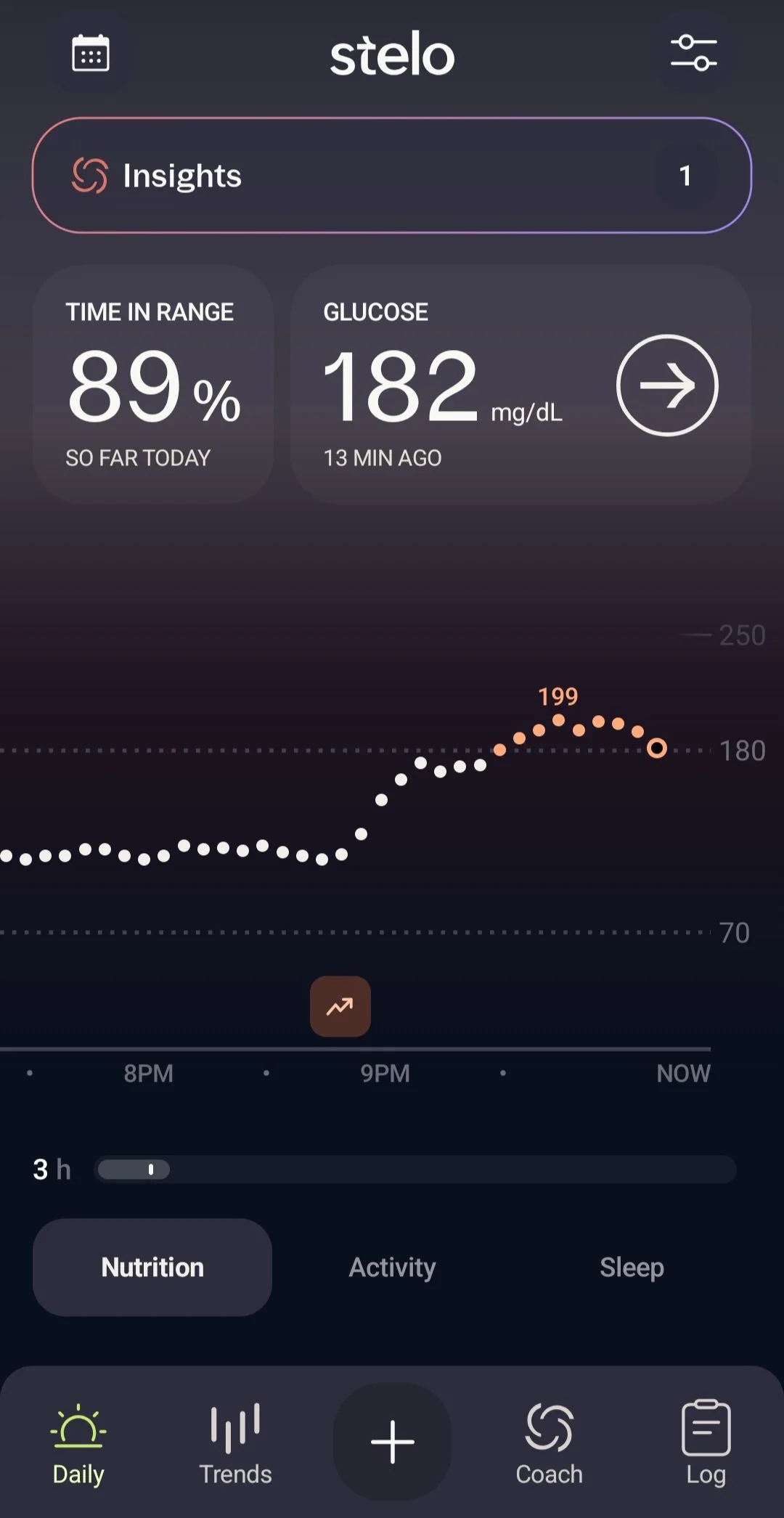
Recently, I opened the Stelo app on my Android phone and immediately noticed something had changed.
Wow.
The redesign is impressive.
Unfortunately, I didn't take screenshots of the old version, but it was functional—it got the job done.
The new version feels much more polished and informative.
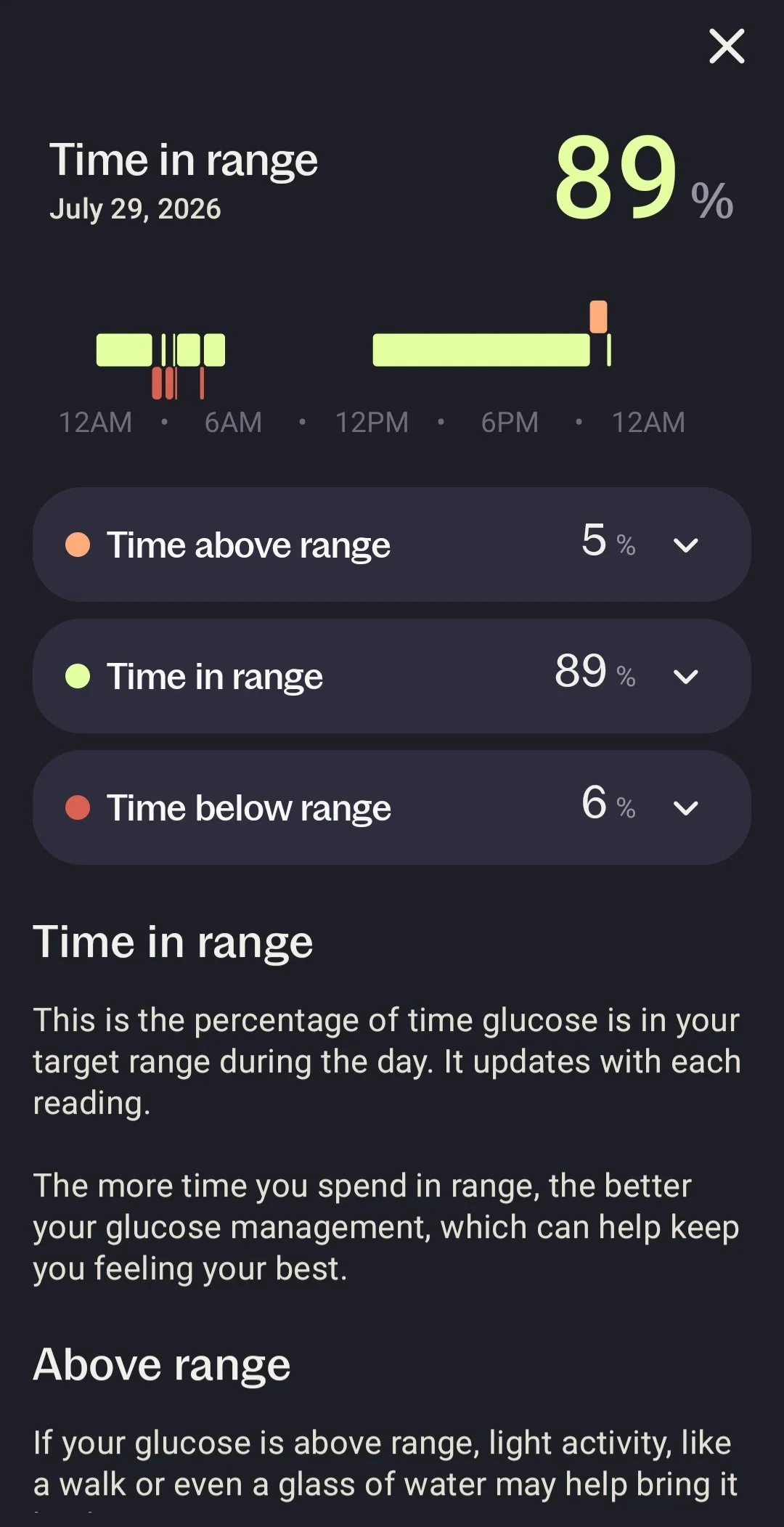
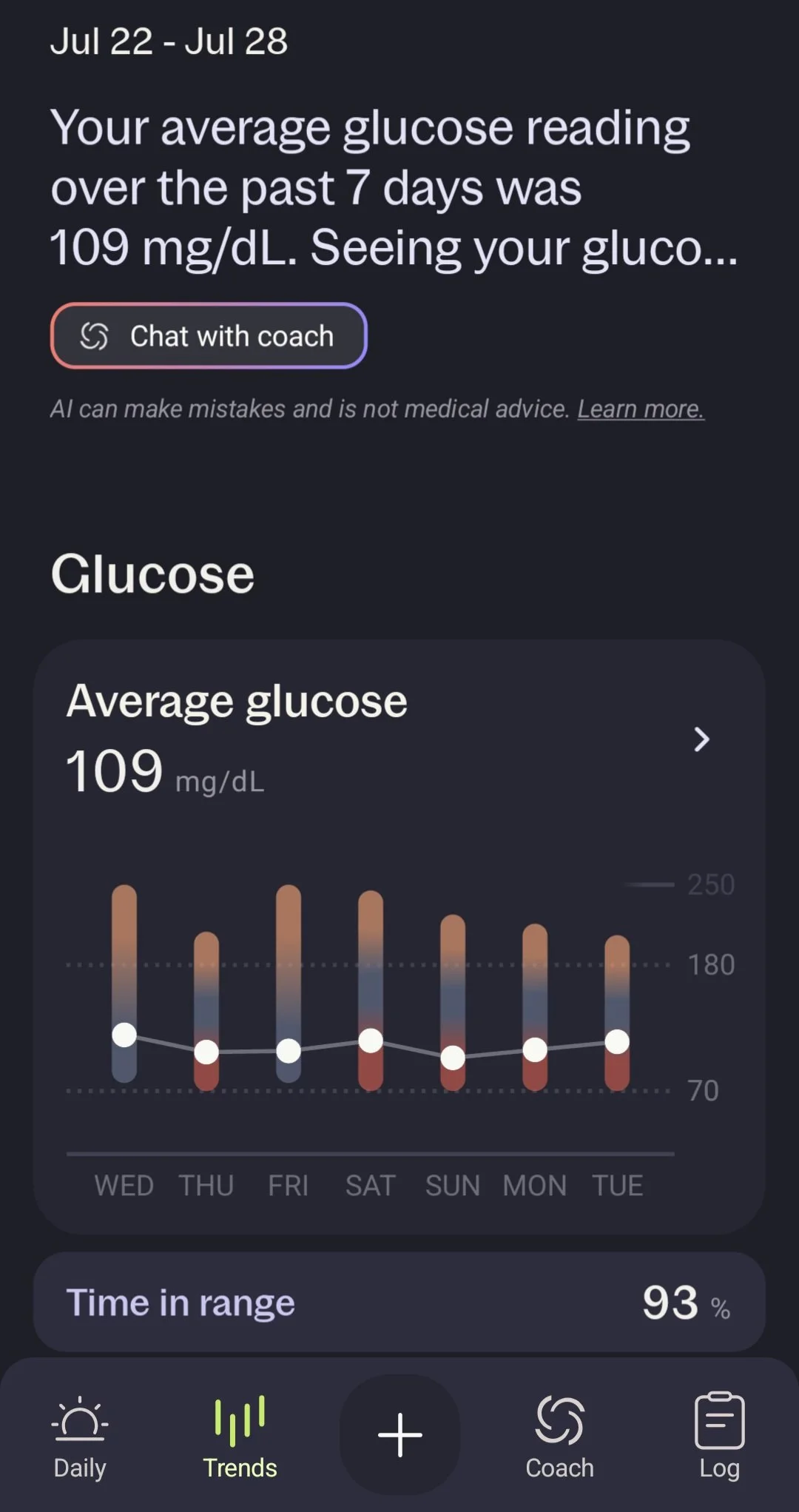
Now I can quickly see:
* The percentage of time I'm in my target range.
* Whether I'm running above, within, or below that range.
* Seven-day glucose trends in an easy-to-read graph.
* Additional ways to connect and review my data.
It's one of those updates that isn't just prettier—it actually makes the information easier to understand at a glance.
If You're On the Fence...
Whether someone is diabetic, prediabetic, or simply curious about how food, stress, exercise, or sleep affects blood sugar—and doesn't qualify for an insurance-sponsored CGM—I think Stelo is worth looking into.
No, this isn't sponsored.
Nobody sent me a free device.
Nobody paid me to write this.
I'm simply sharing something that has made it easier for me to build healthier habits.
If one small sensor can help someone avoid even a fraction of what I've gone through, then sharing my story is worth it.
Sometimes the biggest improvements don't come from massive life changes.
Sometimes they come from removing one small barrier that kept us from doing the right thing in the first place.
If sharing my story encourages even one person to take control of their health before complications develop, then being vulnerable today was absolutely worth it.
Join the discussion on NielFlamm.com.