
We Expect What We Inspect
A few weeks ago, I wrote about my experience at a local Starbucks where the music being played didn't exactly sound like it came from the corporate-approved playlist. Think death metal, explicit rap, and enough profanity to make me wonder if someone had hijacked the speakers.
I submitted feedback through the Starbucks website chat because I thought someone should know. My goal wasn't to get anyone in trouble. It was simply to share a customer experience that didn't match what I've come to expect from Starbucks.
Fast forward to today.
As I write this blog post, I'm sitting in that same Starbucks.
Something feels different.
I believe the store manager is here. I could be wrong, but here's why I think so:
The music isn't death metal, trap music, or The Best of "Weird Al" Yankovic. It's what I'd expect to hear in a Starbucks.
She's spent a significant amount of time working on an iPad, which looked like inventory or operational work.
She's now working tableside on a laptop.
I overheard what sounded like a discussion about scheduling with one of the baristas.
None of those things stood out to me the last Sunday I visited.
There's an old saying I've used throughout my career:
We expect what we inspect.
Whether you're leading a coffee shop, a Fortune 500 company, or a small business, it's difficult to know what's really happening if leaders never spend time where the work is being done.
Now, am I the reason she's here today?
Probably not.
Did my feedback play some small role?
Maybe.
I have no way of knowing, and I'm not going to pretend otherwise.
What I do know is this: today's customer experience feels noticeably different from the one I wrote about a few weeks ago. The atmosphere is calmer, the music fits the environment, and it feels more like the Starbucks experience I expected in the first place.
Sometimes customers don't expect perfection.
They simply want to know someone is paying attention.
What do you think? Have you ever noticed a business improve after you provided respectful, constructive feedback? I'd love to hear your experience.
Join the discussion on NielFlamm.com.
📊 The Good, the Bad, and the Website Metrics
Transparency matters.
One of the things I want to do with NielFlamm.com is share the journey—the wins, the losses, and everything in between. So today, I thought I'd pull back the curtain a bit.
First, thank you.
Seriously.
Whether you've visited once, read a blog post, watched one of my movie reviews, listened to a podcast, or stopped by to see what kind of internet garbage I posted this week, I appreciate you. Even more, thank you to everyone who has taken the time to send feedback, leave comments, or reach out directly. It means more than you probably realize.
Now for the numbers.
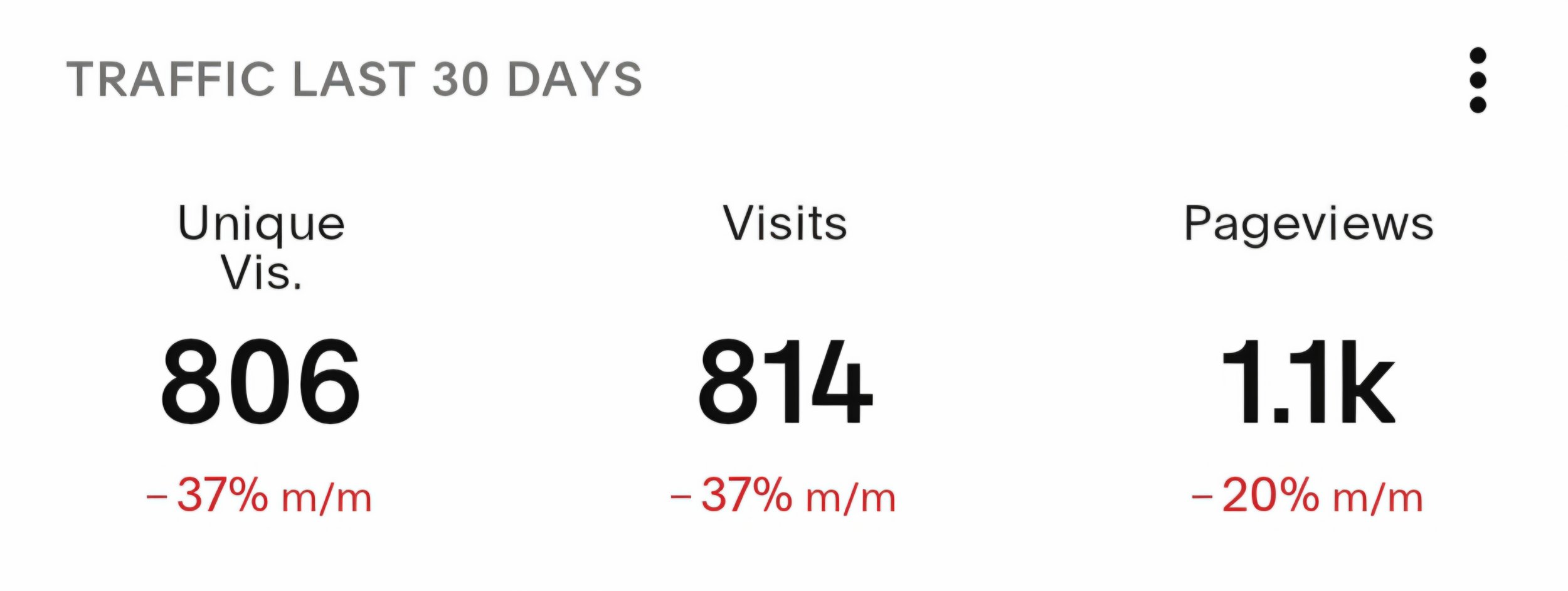
Compared to last month:
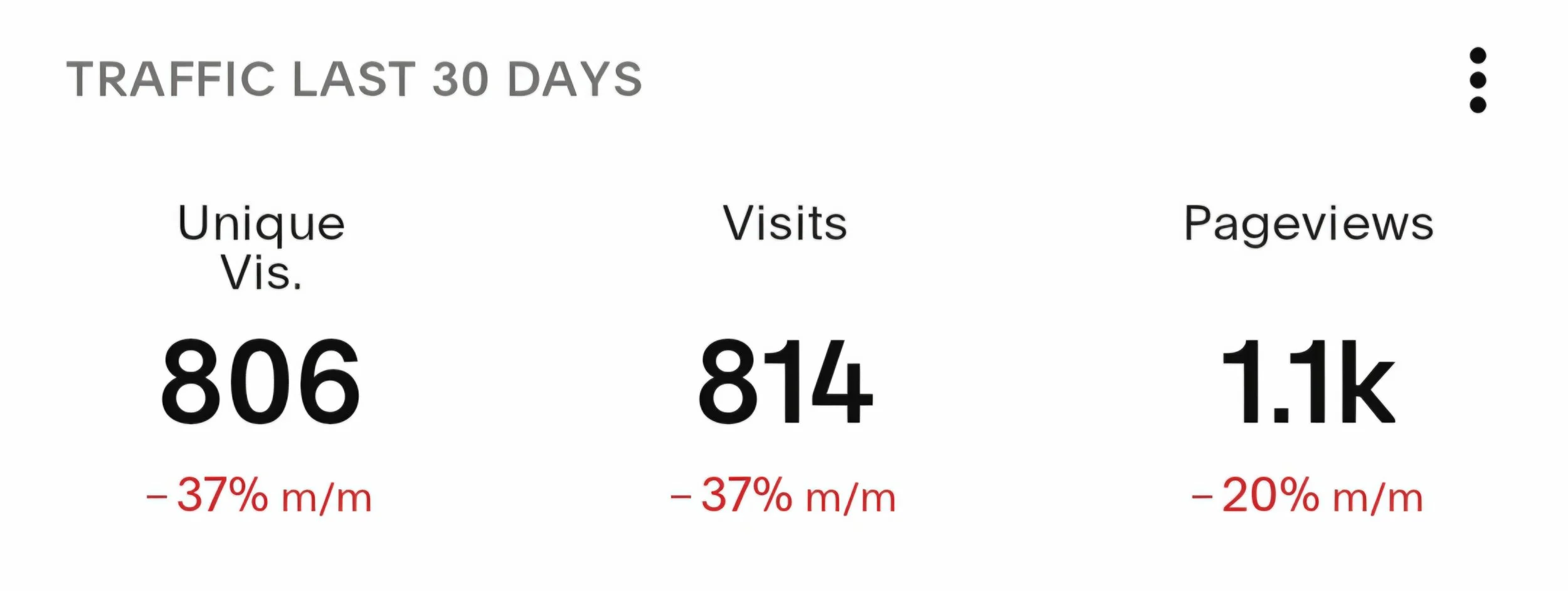
Unique Visits are down about 37%.
Visits are also down about 37%.
Page Views are down about 20%.
Do I love seeing that? Of course not.
Do I panic? Also no.
The reality is... I don't know exactly why.
It could be seasonal. Summer vacations, kids out of school, people spending more time outside than staring at another screen (probably a healthy decision).
It could be that social media algorithms decided my posts should be shown to approximately three people, and one of them was probably my mom.
It seems my content isn’t resonating as much.
Maybe people are just busy.
Maybe search engine rankings shifted.
Maybe some readers are waiting for me to write about something they're especially interested in.
Or maybe the internet decided to internet.
The honest answer is... I don't know.
I enjoy creating content, and I'm continuing to invest in making the site better.
Over the last couple of months, I've added a few tools.
I've talked quite a bit about using ChatGPT to help organize ideas and polish content. My website is hosted on Squarespace, and I recently added Linguise to provide translations into multiple languages.
None of these companies are sponsors...
...yet. 😄
One interesting thing Linguise lets me see is which translated versions of the site are being viewed.
The results surprised me.
The most viewed translated language?
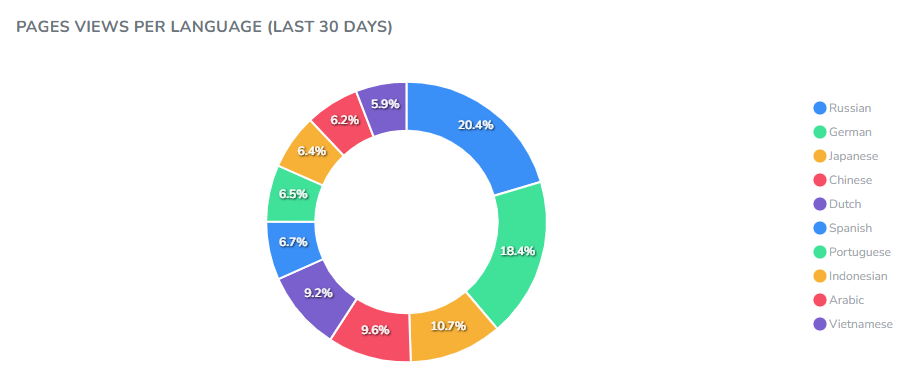
Russian.
That's right...
Russian.
Tell Comrade Putin I said hello.
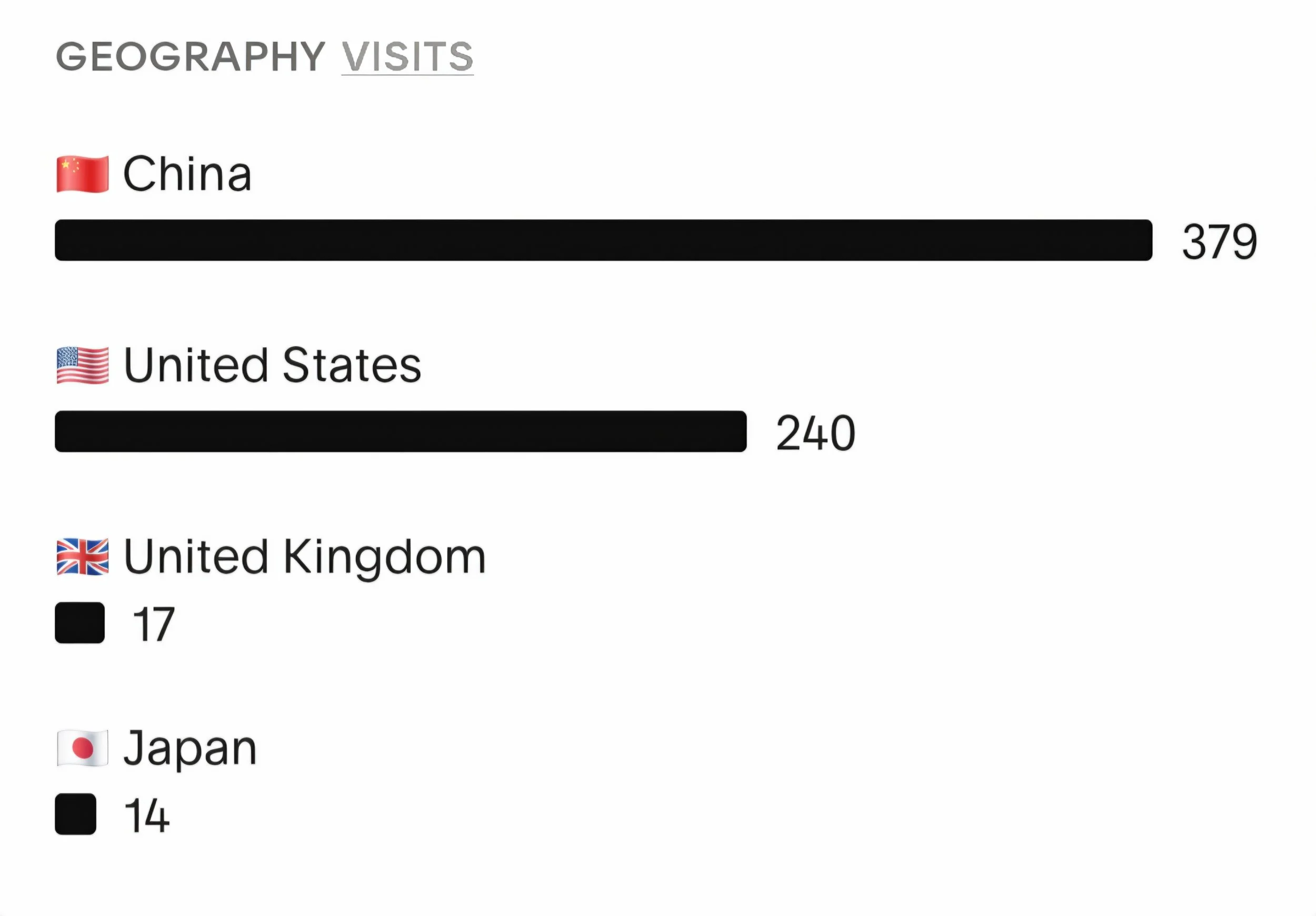
After Russian came German, Japanese, and Chinese, even though most of my overall traffic still comes from China.
I honestly don't know what to make of that yet, but it's fascinating to watch.
The analytics raise more questions than answers, and that's part of the fun.
For those who have followed along, you already know this isn't my profession.
I'm not a programmer.
I'm not a marketer.
I'm not in corporate communications.
I'm just someone with life experiences, stories, opinions, recovery, movie reviews, technology observations, customer service experiences, and the occasional questionable joke that I hope connects with someone somewhere in the world.
If something resonates with you, fantastic.
If something doesn't, I'd like to know that too.
I'd love your feedback.
Leave a comment on the site or email me at niel@nielflamm.com.
Please tell me what you like.
Please tell me what you skip.
Please tell me what you'd like to see more of.
This website has always been about starting conversations, and I hope we keep having them.
Thank you for being part of the journey.
Here's to next month's numbers... hopefully they're pointing in the other direction.
Expectations Matter: Why I Share Feedback
If you think I'm being a Karen or a Keith (my apologies to everyone with those names, especially my friend Karen Romero), that isn't my intent.
I believe people and companies can't fix what they don't know.
I look for feedback all the time. Sometimes it's a bitter pill to swallow, but I know it's one of the best ways for me to improve, grow, and become better.
On my way to bring a recovery meeting to a detox behavioral health facility, I stopped at my local SONIC in Mount Pleasant. A fresh burger with pickles, onions, lettuce, and tomato (no cheese, please—I'm lactose intolerant... probably TMI 😄), a large order of tater tots, and an extra-large The Coca-Cola Company Zero—my favorite—sounded perfect for the 30-minute drive.
To make things quick and easy, I ordered through the app.
When I pulled into the drive-in stall, the carhop told me, "We're out of Coke Zero. Would you like Diet Coke instead?"
My real answer was no—I didn't want Diet Coke. I accepted it because I wasn't going to make an issue out of it. I also tipped the carhop, as I always do. The carhop didn't create the problem.
Later, I filled out the customer survey.
I wasn't looking for a free meal, a coupon, or any compensation. I shared an observation. At another fast-food chain, if a location runs out of a drink or food item, it disappears from the app. That means I know before I order that the item isn't available. It sets the right expectation from the beginning and prevents disappointment.
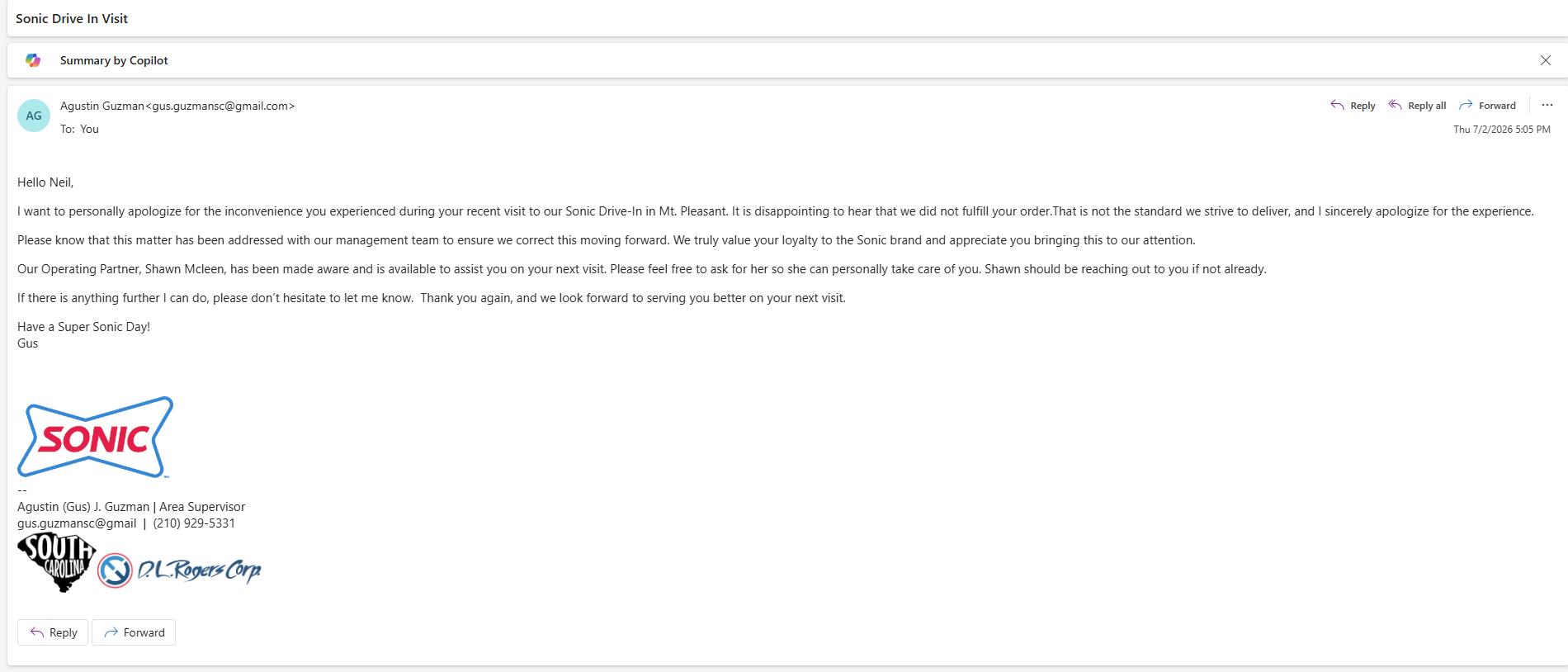
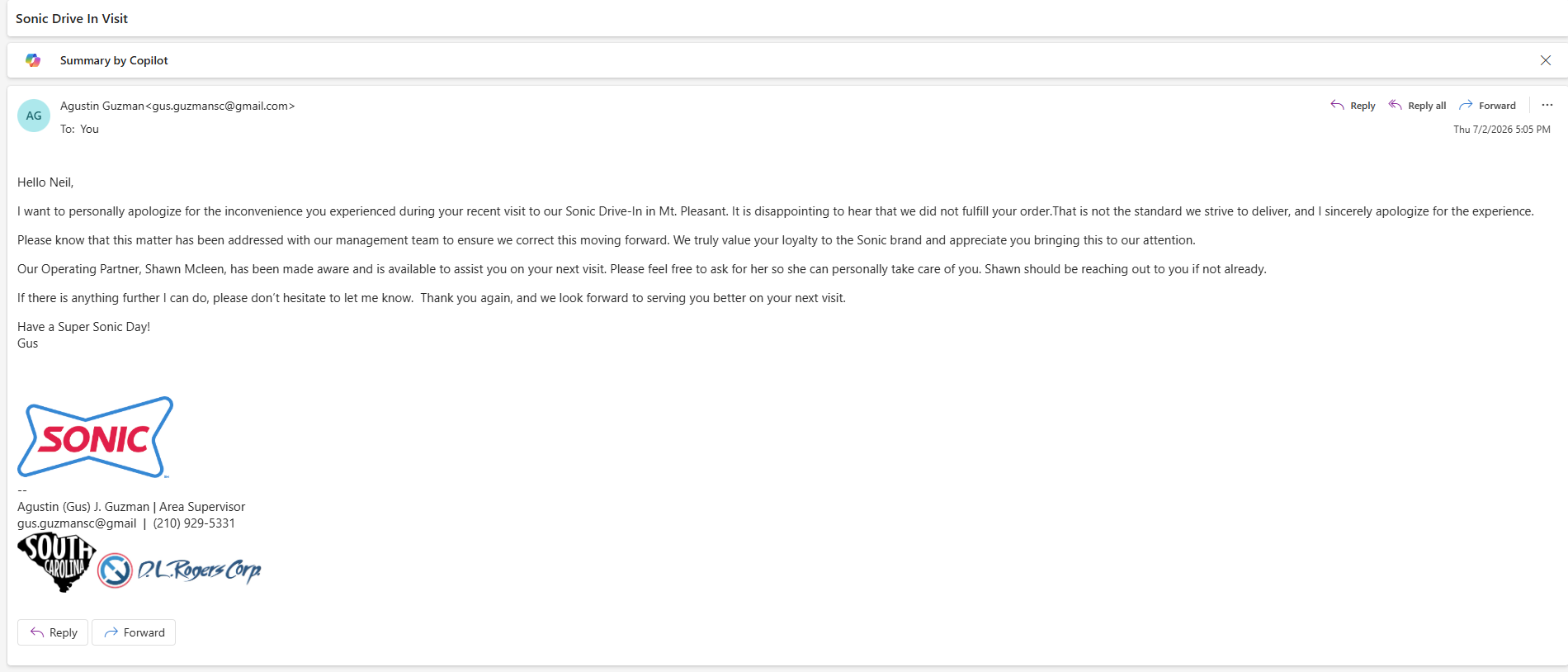
After submitting my feedback, I received a response telling me that "Shawn McLean" would be reaching out to me.
Guess what didn't happen?
Shawn McLean never contacted me.
From my perspective, that created two customer experience misses.
First, the app told me Coke Zero was available when it wasn't.
Second, I was told someone would contact me, but I haven't heard from anyone.
Neither issue was a major problem on its own. Together, though, they reminded me how important expectations are.
They also reminded me of Natalie Beckerman's book, When Did You Stop Caring?
I love technology. I appreciate mobile ordering. I enjoyed the burger. The pickles were outstanding.
But I value companies that do what they say they're going to do even more.
That's why I share feedback—not to complain, but because I genuinely believe companies can't improve what they don't know exists. Every piece of feedback is an opportunity to make the experience better for the next guest.
Join the discussion: what company has impressed you by setting the right expectations and then exceeding them?
NielFlamm.com/blog
We Inspect What We Expect
I've been using the phrase "We tolerate what we allow."
Full disclosure—I didn't come up with it. A former colleague, now a friend, shared it with me years ago, and it has stuck ever since.
He also left me with another one that's just as powerful:
"We inspect what we expect."
I've been thinking about that as I continue writing about Nextdoor's value proposition, its identity, and what I see as opportunities to improve the platform.
Some may call what I'm doing trolling.
I call it inspecting.
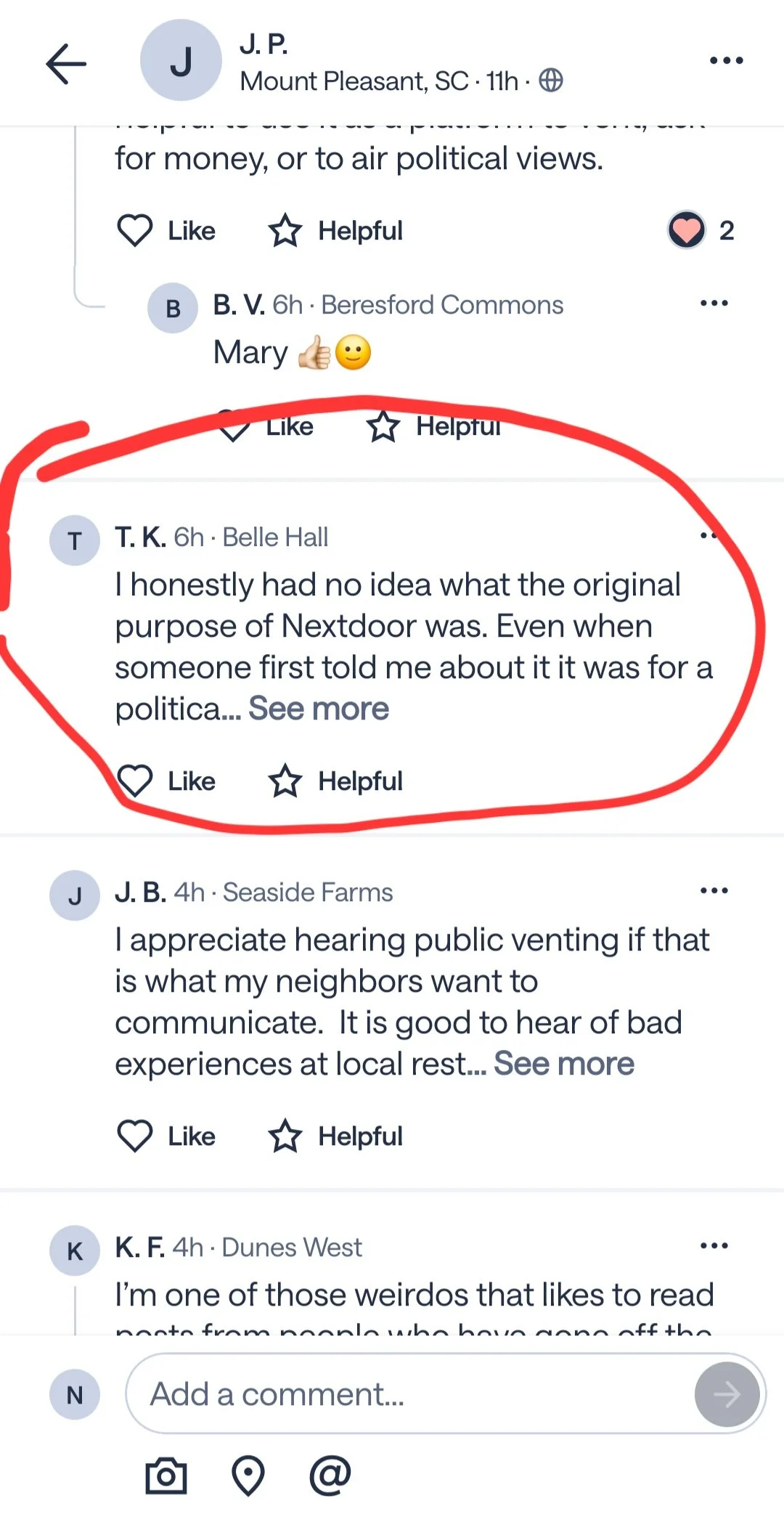
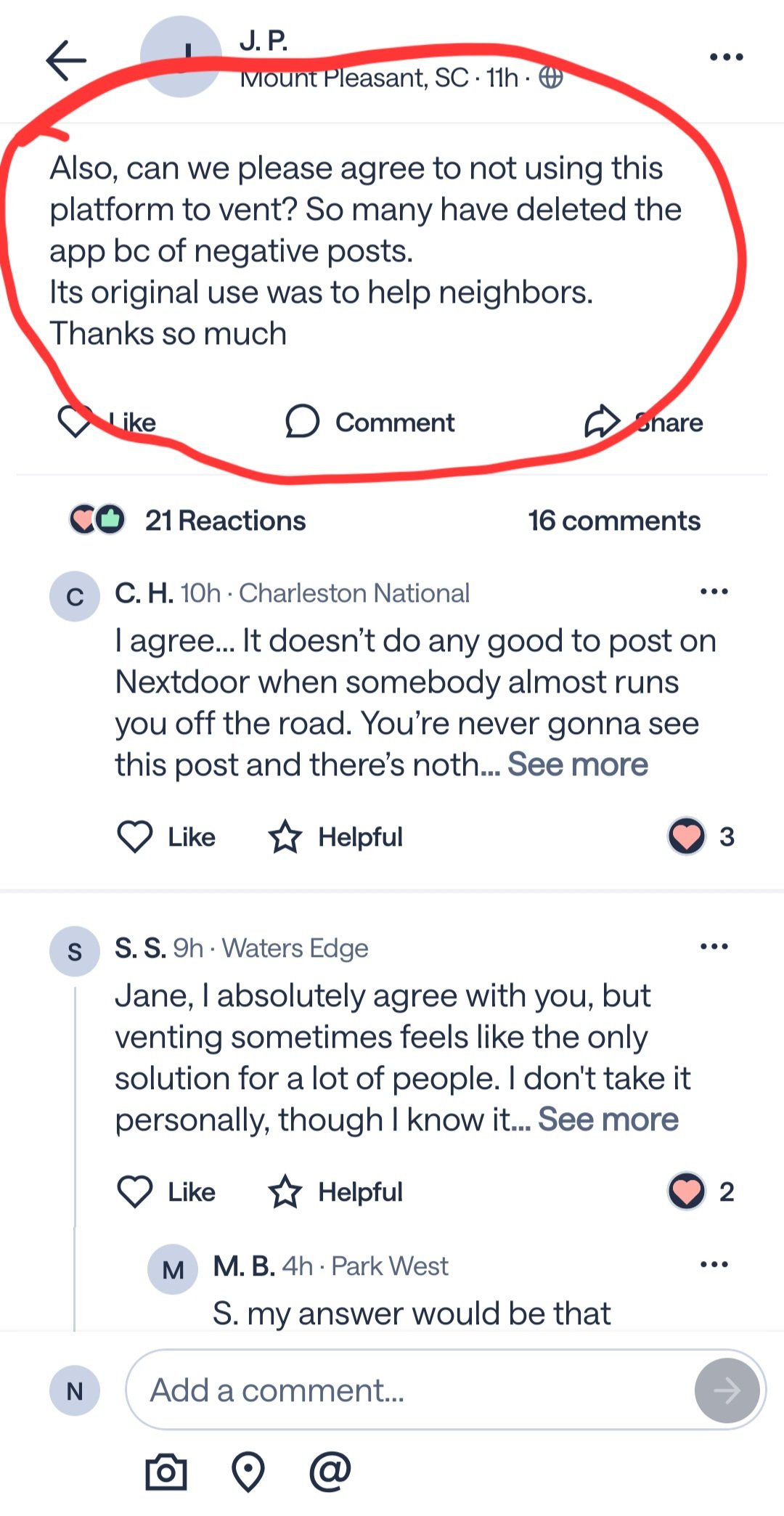
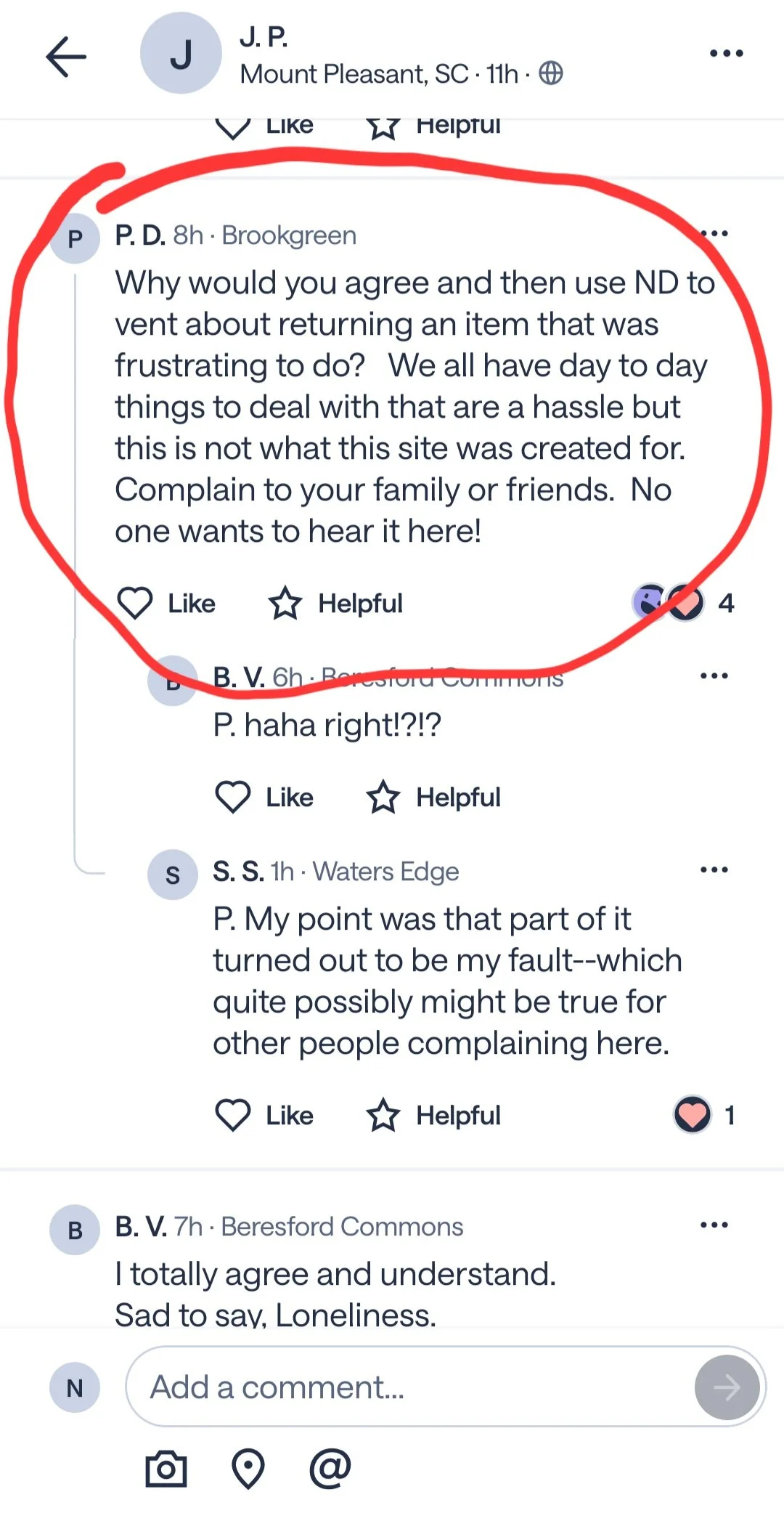
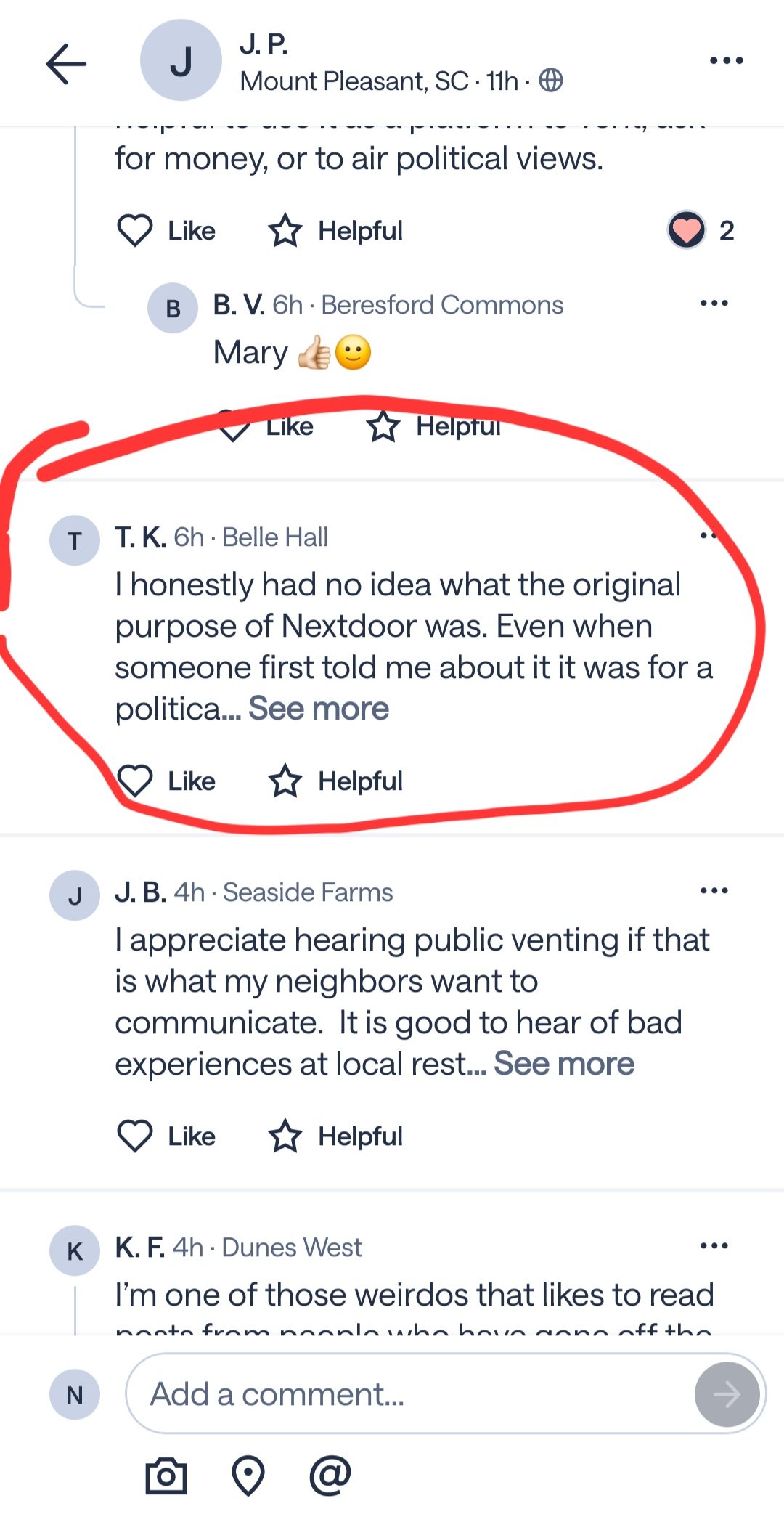
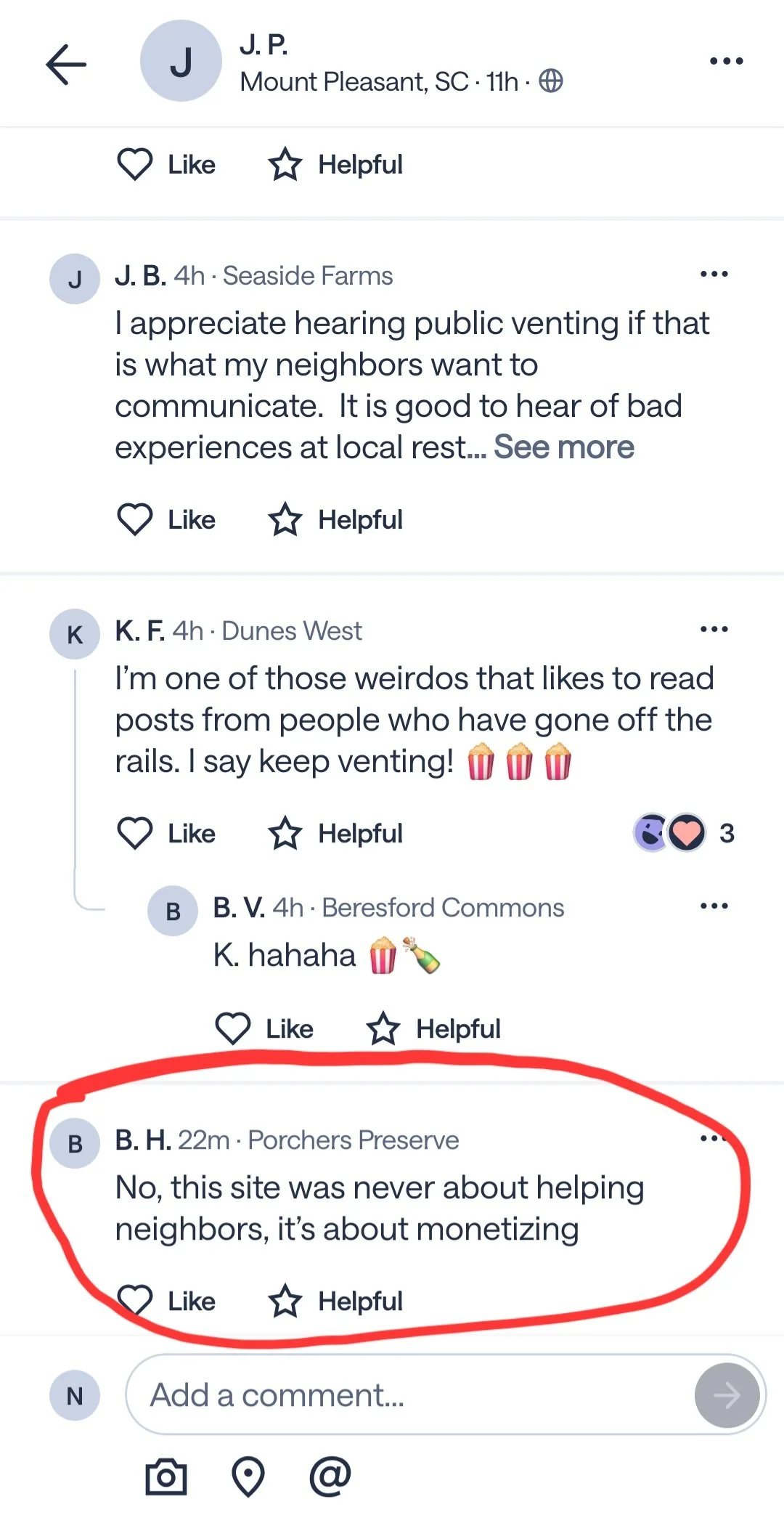
Recently, I was viewing Nextdoor through an account that doesn't use my real name or address. I came across a post encouraging neighbors to stop complaining, stop deleting the app, and focus on being more positive.
The intent was good.
Then I read the comments.
One person pointed out the irony of telling others not to complain while complaining.
Another questioned what the platform's purpose even is.
Another expressed the opinion that the platform's primary goal is monetization and enriching company leadership.
Whether you agree with those comments or not, they reveal something important.
They're signals.
They're feedback.
They're opportunities to inspect the experience people are actually having.
That's why I keep returning to the question of identity.
What is Nextdoor's purpose today?
If leadership expects neighbors to have productive, positive interactions, then it's worth inspecting whether the product, moderation model, communication, and overall user experience are supporting that expectation.
As the saying goes:
We inspect what we expect.
In my opinion as a shareholder, if those questions had been asked consistently over the past two years, the conversation around Nextdoor might look very different today.
There's nothing wrong with being on podcasts. If leadership spends more time speaking than inspecting the platform, listening to feedback, and experiencing neighborhoods firsthand, they shouldn't be surprised when the market, users, and shareholders do the inspecting for them.
Join the discussion on NielFlamm.com.
When the Playlist Becomes the Customer Experience
This afternoon I was doing what I normally do on a weekend—working on my blog (yes... more of my "I hate Nextdoor" content), stopping at Costco Wholesale, then settling into the Starbucks on Highway 41 in Mount Pleasant, near Rivertowne.
My order? A Venti Black Iced Tea with an extra pump of Classic and a Cheese Danish. Great combination.
I arrived around 5:00 PM and planned to spend a couple of hours writing. Around 6:30 PM, something changed.
The café music stopped.
Then music started playing from a different source somewhere in the back of the store. First came death metal. Then a rap song filled with profanity, including the N-word. Curious, I asked Shazam what it was. The only thing it identified was a sample from Star by Sly and the Family Stone. (Yes, I'm old enough to remember them.)
It was one of those moments where you wonder who is actually in charge of the customer experience.
For full transparency, I laughed at myself because I've been on the other side.
When I was about 13, I was helping run the Village Delicatessen in Westbury. Before customers came in, I'd blast Def Leppard's Hysteria while drinking wine coolers. Later, while working at Piece By Peace on the Upper East Side, someone decided that Darude's "Sandstorm" was appropriate store music. In both cases, though, the music stopped when customers walked in.
Today, I provided feedback while I was still in the store using the Starbucks website chat. I explained exactly what happened, noted that I had short videos of both songs, and even offered to share them with local management.
After about 20 minutes of answering questions, I was asked to call a phone number instead.
That experience was more disappointing than the music.
Here are my suggestions for Starbucks:
• If a customer clearly states they're trying to provide store feedback, don't spend 20 minutes collecting information only to redirect them to another channel.
• Customer experience impacts revenue. I skipped the grilled cheese and left.
• Consider creating or expanding a Customer Experience QA team that periodically visits stores, much like secret shoppers. Today's technology makes it easier than ever to understand what customers actually experience in your locations.
One final thought.
I don't care what's on the secret menu nearly as much as I care about feeling heard, welcomed, and valued as a customer.
If you'd like to see the short videos from today's visit, they're available at NielFlamm.com/videos/starbucks.
I'd love to hear from others in customer experience, retail, hospitality, and leadership.
How should companies make it easier for customers to provide feedback before they decide not to come back?
Join the discussion on NielFlamm.com.