
Nextdoor Has an AI Day. Maybe It Needs a Communication Day.
I came across an interesting HR Brew article about Nextdoor's HR team dedicating one full day every month to AI experimentation.
Full article:
https://www.hr-brew.com/stories/nextdoors-hr-team-halts-people-work-once-a-month-and-dedicates-the-day-to-ai
First, credit where it's due.
As someone with a Learning & Development background, I like this idea.
Nextdoor Head of People Tony Castellanos told HR Brew that the HR team clears its calendars one day each month—no meetings, interviews, or reports—so employees can experiment with AI and build solutions.
That's experiential learning.
That's giving employees permission to experiment, iterate, and learn.
I can get behind that.
But given everything I've been documenting about Nextdoor, another thought immediately crossed my mind:
Could we dedicate one day to communication?
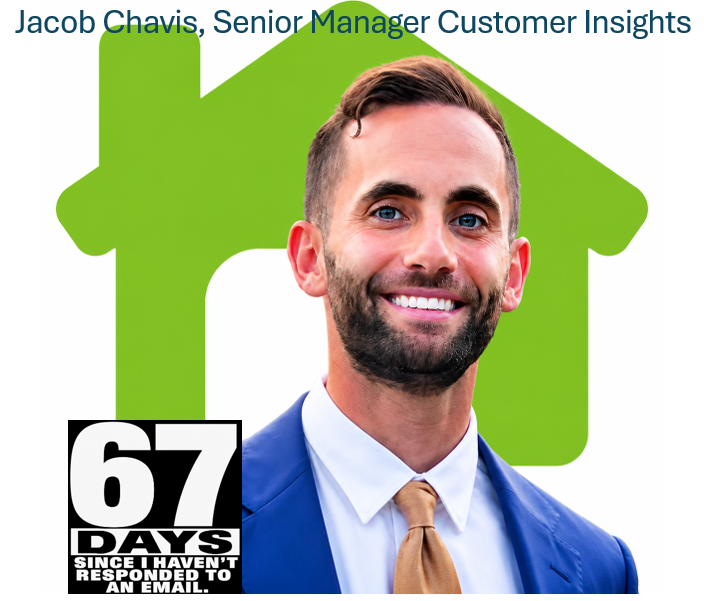
I've spent more than two months trying to obtain a Nextdoor Insights study from Jacob Chavis.
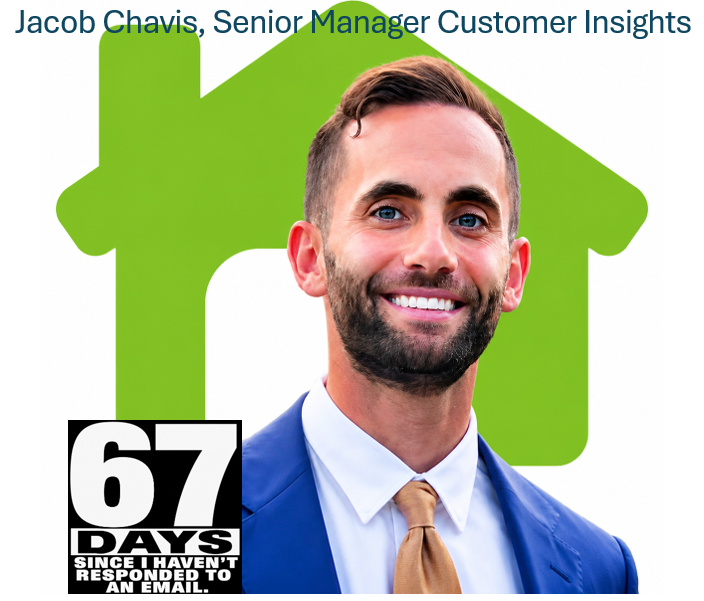
I've contacted Jacob, Nirav Tolia, Sarah Leary, Investor Relations, and Communications.
Then Nextdoor published another Insights report directing readers who want detailed information to—you guessed it—Jacob Chavis.
I followed those instructions again.
Short email. Kinder, gentler reset. Two studies requested.
I'm still waiting.
That's why this article fascinates me.
Nextdoor can pause routine HR work for an entire day each month so employees can explore AI.
Great.
But technology doesn't solve every organizational problem.
Sometimes the solution isn't another AI agent.
Sometimes it's:
"Hey, somebody answer that email."
HR Brew also reports that Nextdoor's "People Brain" reviews content published to public channels to help ensure messaging and policy align with the People team's core content.
Now that makes me curious.
If AI is helping evaluate Nextdoor's public messaging, I'd love to know what it thinks about:
Community without conversation.
Communication posts with comments disabled.
Research advertised as available while requests go unanswered.
A shareholder spending more than two months asking for an answer.
Maybe those aren't AI problems.
Maybe they're leadership and execution problems.
I've repeatedly said I want Nextdoor and NXDR to succeed. I'm a shareholder. Financially, that's in my interest.
AI Days could genuinely improve efficiency.
But innovation shouldn't distract from the basics.
Artificial intelligence is impressive.
Answering an email doesn't require it.
Perhaps alongside AI Day, Nextdoor should try a Communication Day.
I'll volunteer my inbox for the pilot.
Full timeline at NielFlamm.com/blog.

Day 50: Three Posts, One Question—Where's the Shareholder Value?
Today, Nextdoor published three LinkedIn posts.
Oh, and NXDR is up about $0.05 today.
I mention the stock price because it's relevant to the discussion—not because one day's movement changes my outlook.
1. The Q2 Earnings Call
Nextdoor announced its 2026 Q2 Earnings Call and invited shareholders to submit questions.
On paper, that's encouraging.
In reality, I don't expect a question from an everyday shareholder to reach the executives during the call.
Why?
Because today is Day 50 since I requested a study from Jacob Chavis.

Fifty days.
No acknowledgment.
No response.
If a shareholder can't receive a reply to a straightforward request over 50 days, why should I believe an individual shareholder's question will make it to the floor while institutional investors are waiting in line?
2. Emergency Management
The second post was a repost highlighting emergency management.
I applaud Nextdoor for sharing information that can help keep neighborhoods informed and safe.
That aligns with what I believe the platform should do.
While it wasn't original content, it promoted something worthwhile.
3. A Day in the Life of an Intern
The third post featured design intern Bekah Hufnagel, showcasing a day in the life at Nextdoor's new Dallas headquarters.
It highlighted beautiful office space, food, amenities, activities, and what appeared to be an outstanding intern experience.
Good for Bekah.
Every intern deserves to have a meaningful experience.
It also made me reflect on my own summer internship with the MTA in Brooklyn, New York.
There were no catered lunches.
No coffee bars.
No games.
No flashy headquarters.
The biggest perk I remember was receiving a subway pass so I could travel from Harlem to work each day.
Times change, and workplaces evolve.
But as a shareholder, I still ask the same question:
Is the squeeze worth the juice?
How many of these interns will ultimately join Nextdoor full-time?
How many will build long-term careers there?
What measurable return does this investment provide?
These experiences don't happen by accident.
Leadership approves budgets.
Leadership establishes priorities.
Leadership decides where capital is invested.
Nirav Tolia himself appeared with the interns, as shown on his X account, reinforcing the importance of the program.
Meanwhile, shareholders continue waiting for a return.
Nextdoor currently pays no dividend.
My concern isn't that interns are having a positive experience.
It's whether the company is allocating resources in ways that create lasting value for employees, users, advertisers, and shareholders alike.
That's the question I continue asking.
Join the discussion at NielFlamm.com/blog. Leave some feedback—I'd love to hear from you.
The Writing on the Wall? Why I Remain Bearish on Nextdoor (NXDR)
I remain bearish on Nextdoor (NYSE: NXDR).
Ironically, I don't want to be.
As a shareholder, I want the company to succeed. I want it to create value for users, advertisers, employees, and shareholders. If it consistently did that, I believe the market would reward it.
So why am I bearish?
It's not one issue. It's an accumulation of them.
A corporate culture that, from my perspective, has resulted in 49 days without responding to a shareholder's request.

An unpaid moderation model I've questioned for weeks, with concerns echoed by others.
Strategic decisions I believe deserve scrutiny, such as maintaining a Dallas headquarters.
A shift toward monetization that risks alienating the small businesses that helped build the platform.
Today, I found another reason.
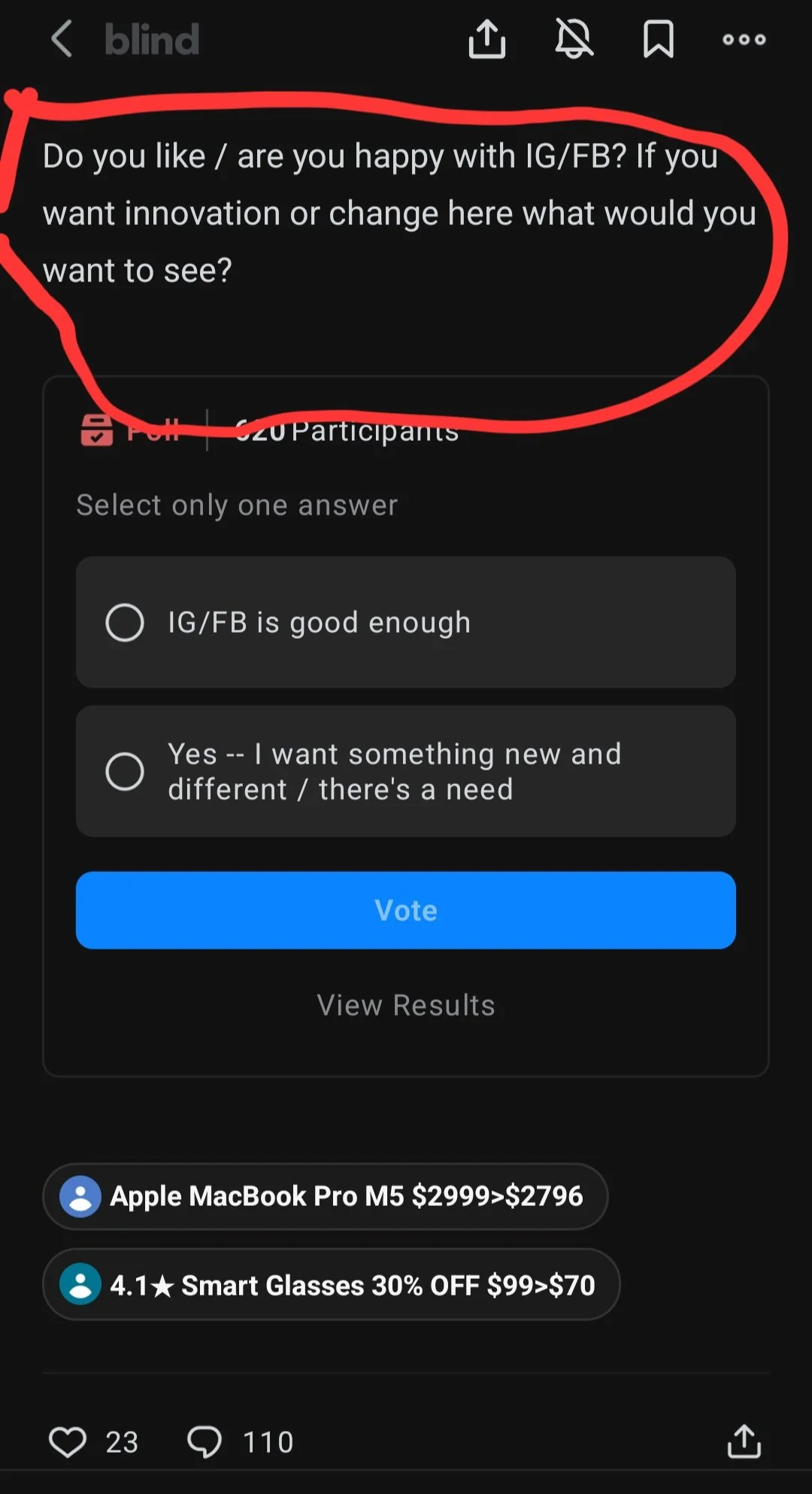
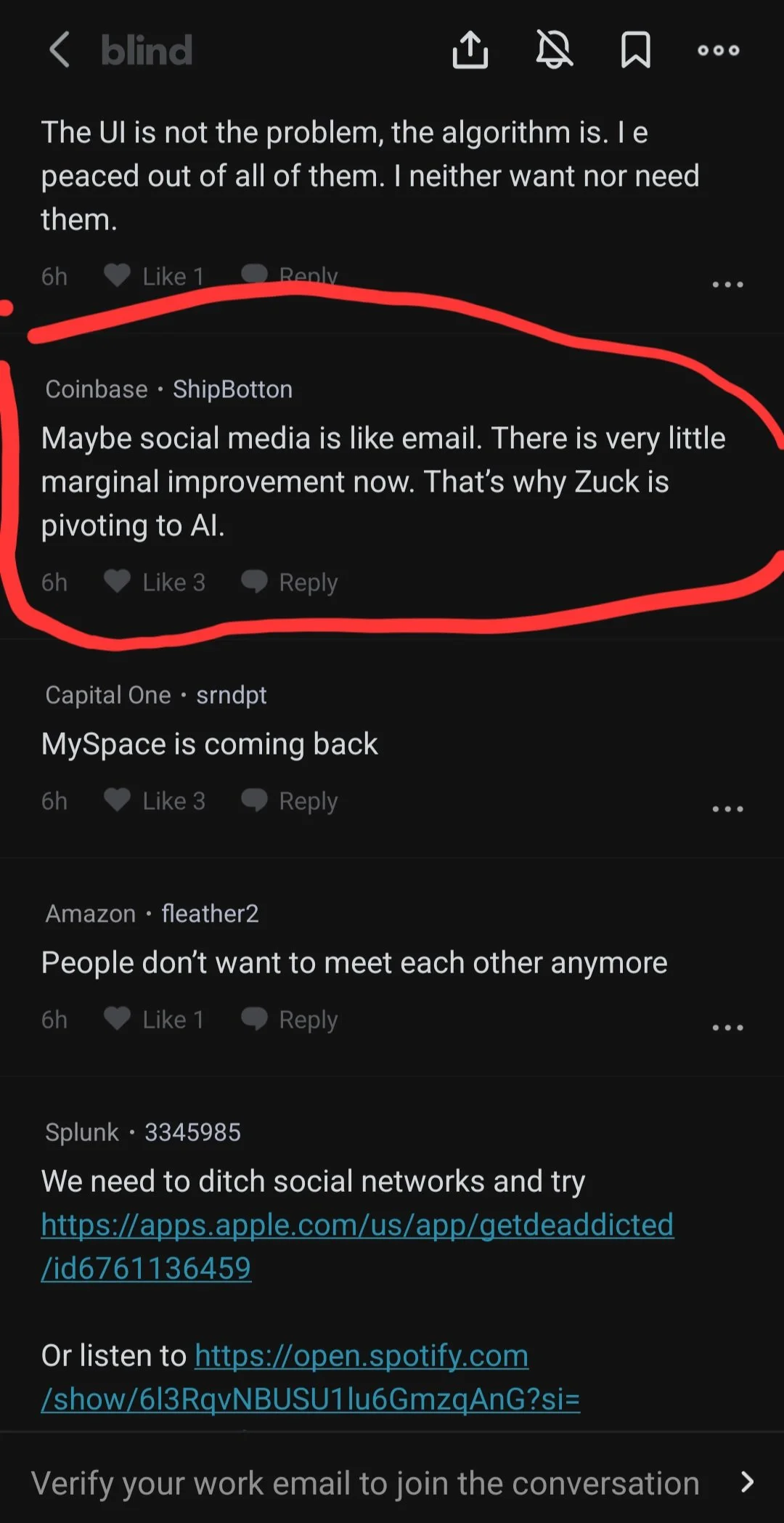
While browsing the Blind app for discussions about Nextdoor, I instead found a conversation about the future of social media.
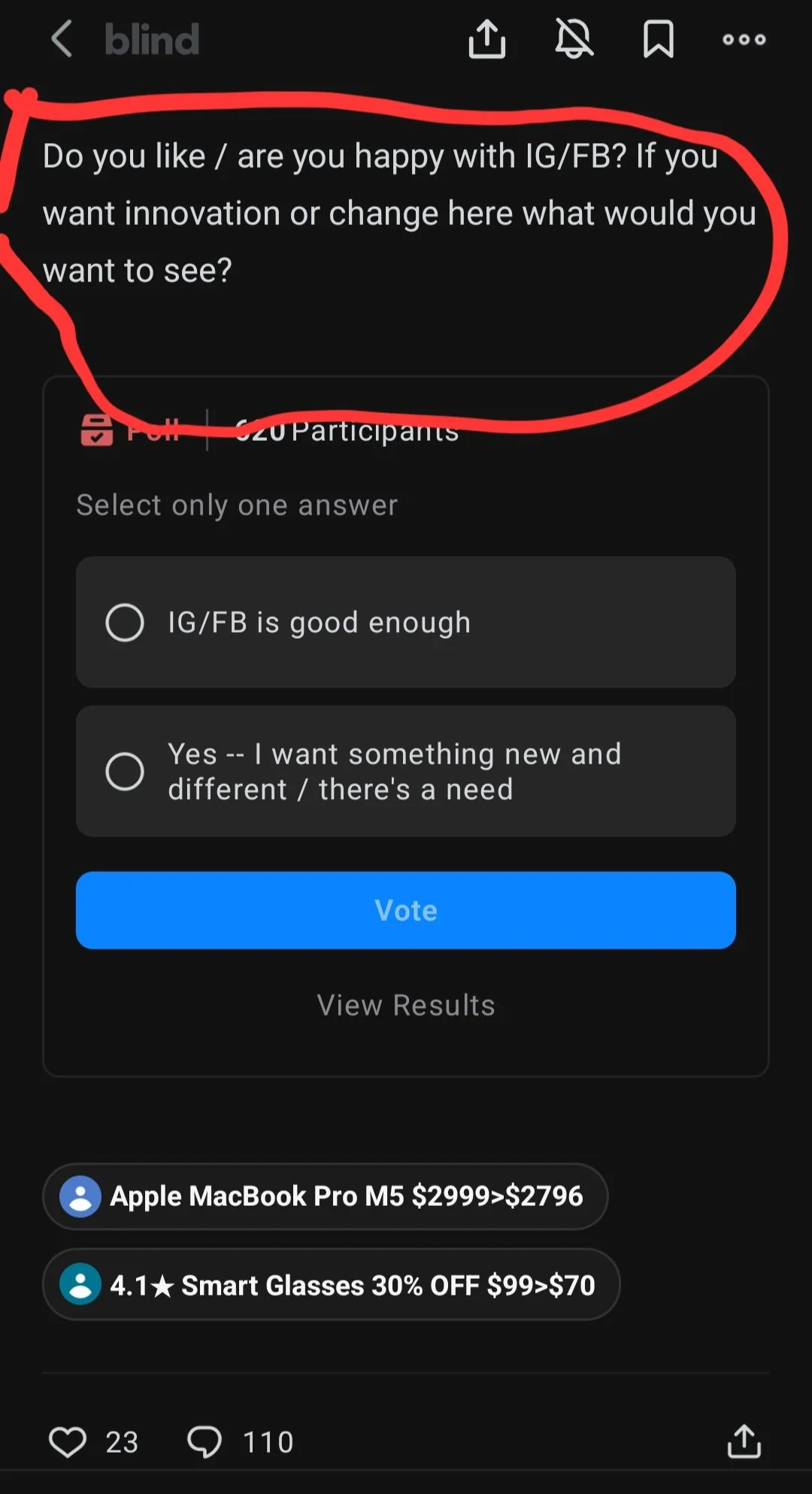
One person wrote:
"Maybe social media is like email. There is very little marginal improvement now."
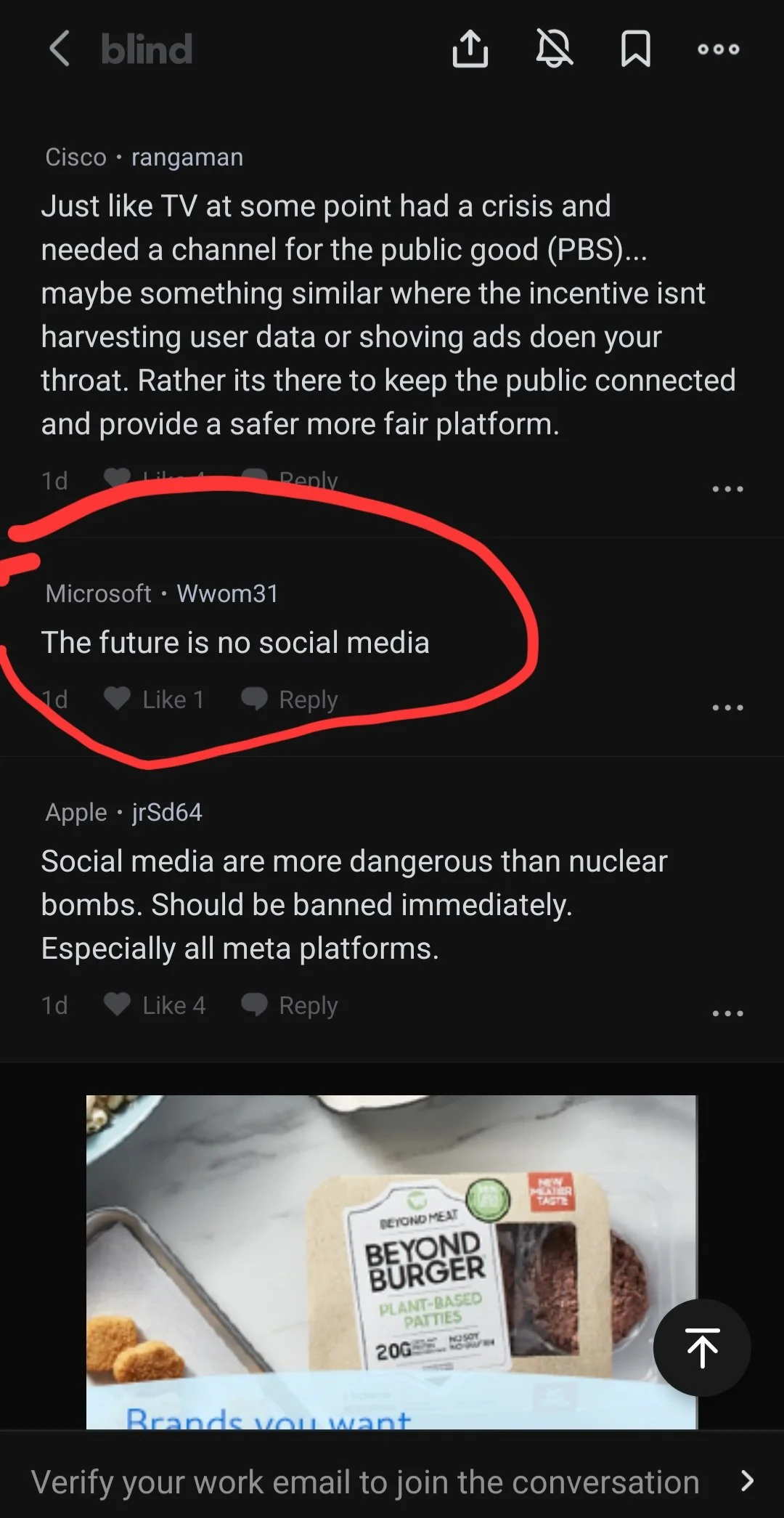
Another said:
"The future is no social media."
Whether you agree or not, it raises an interesting question.
If people increasingly view social media as a mature—or even declining—category, what does that mean for platforms still trying to define their place?
To me, Nextdoor competes for more than users.
It competes for time, attention, and trust.
If users question social media as a whole, platforms must offer something truly different.
I believe Nextdoor is drifting away from what originally made it valuable: connecting neighbors, supporting local businesses, and building stronger communities.
Instead, I see businesses questioning new fees, users questioning moderation, and unresolved communication issues.
For full transparency, I have not shorted NXDR. I own shares because I want the company to succeed.
My bearish outlook isn't personal.
It's based on my observations as a shareholder and user over the past seven weeks.
I'd be happy to be proven wrong.
But until I see meaningful change, the writing is on the wall.
Join the discussion at NielFlamm.com/blog. Leave some feedback—I'd love to hear from you.
From Bagels to Battlefields: When a Breakfast Question Becomes a Food Fight
Sometimes I think Nextdoor deserves a new slogan.
Not "The neighborhood network."
Maybe...
"The Maury Povich Platform."
Because all that's missing is someone virtually throwing a chair while Maury announces...
"You ARE the father!"
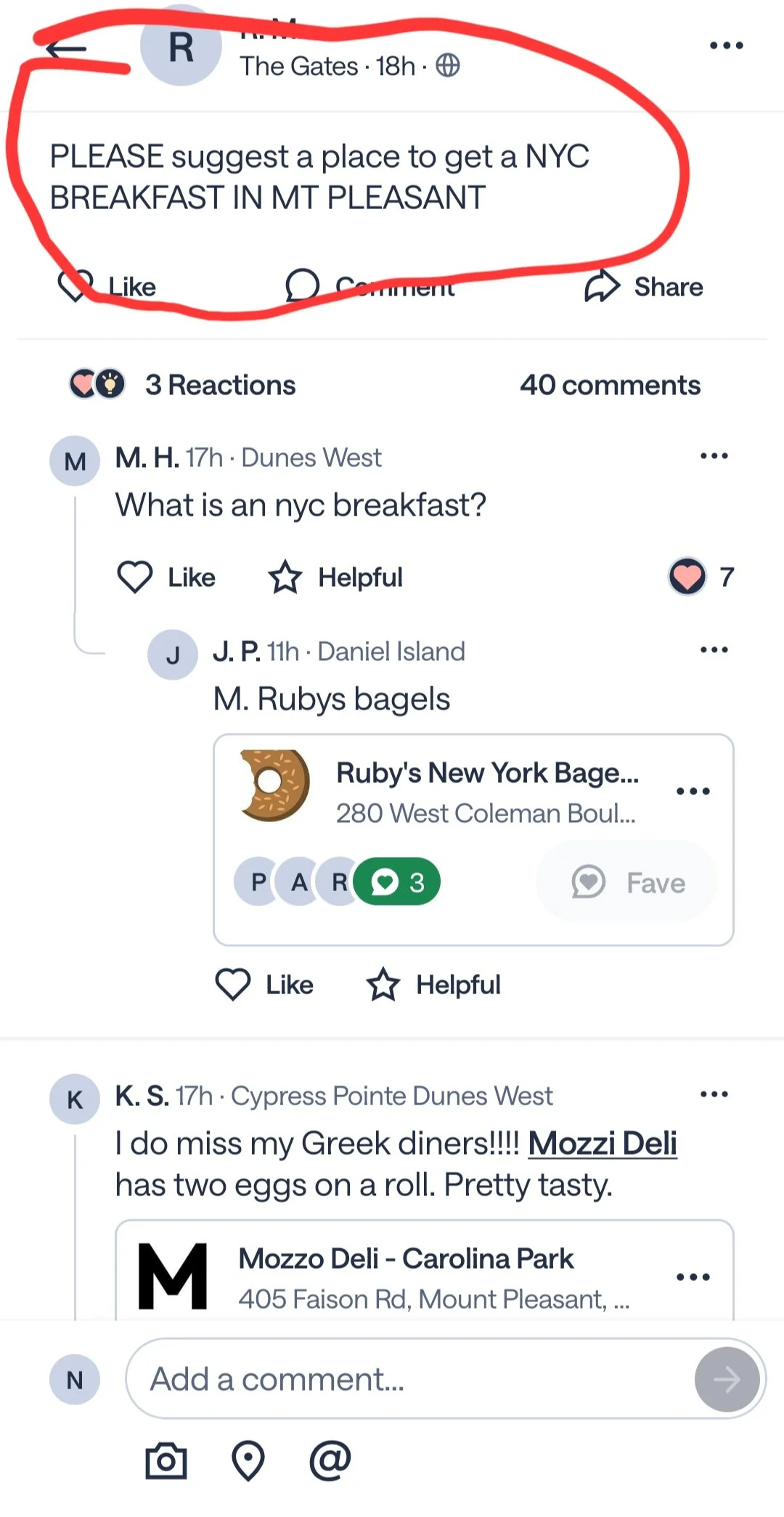
A neighbor recently asked a simple question:
"Please suggest a place to get a NYC breakfast in Mount Pleasant."
Seems harmless enough.
If someone moved from New York and misses a bagel, a bacon, egg, and cheese on a hard roll, or a classic deli breakfast, why not ask the neighbors?
At first, that's exactly what happened.
People recommended restaurants.
They shared favorites.
The conversation was helpful.
Then...
It went off the rails.
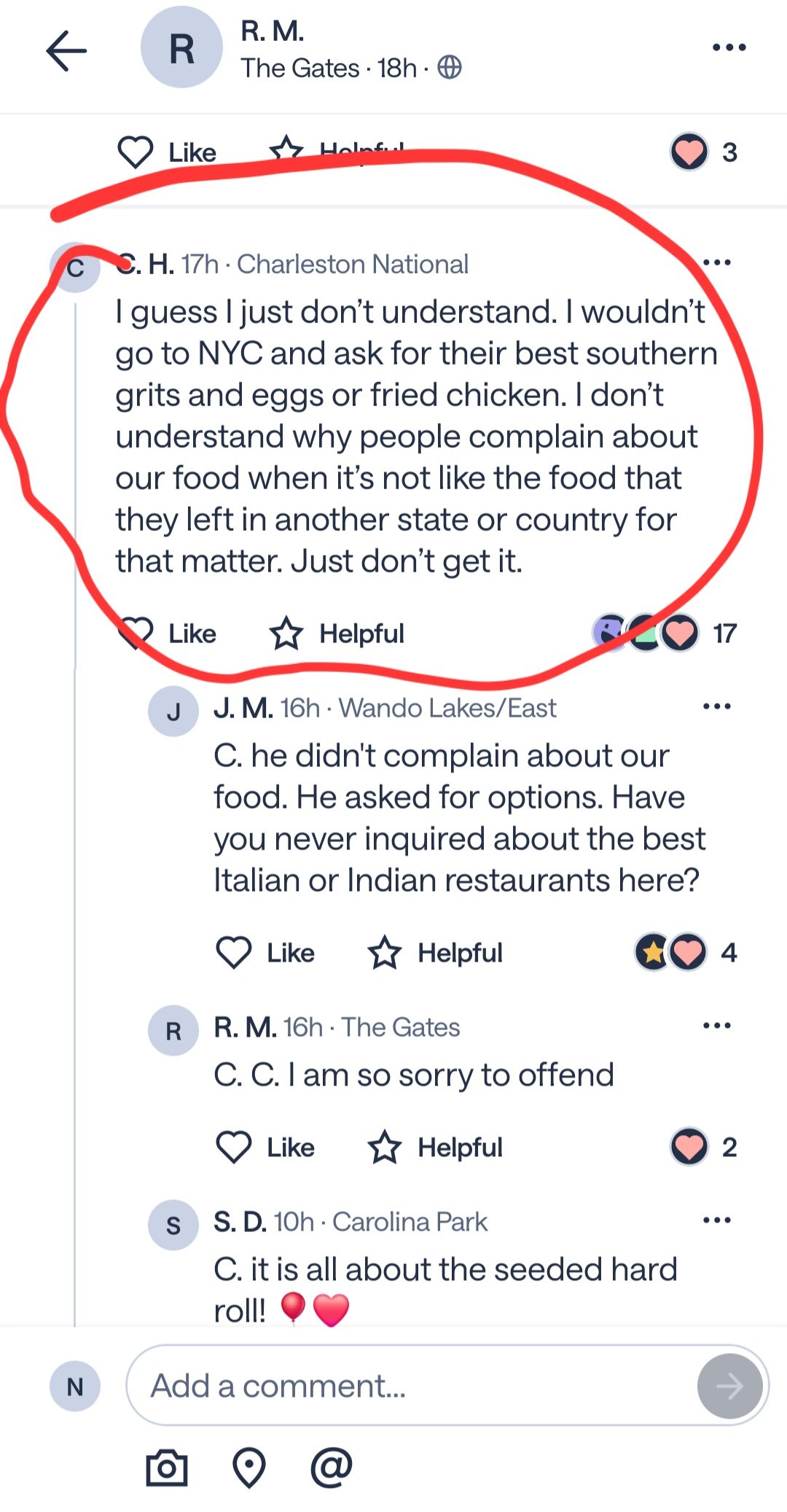
Someone responded that they "just didn't get it," suggesting they wouldn't go to New York asking for Southern grits or fried chicken and questioning why people move somewhere only to ask for food from another place.
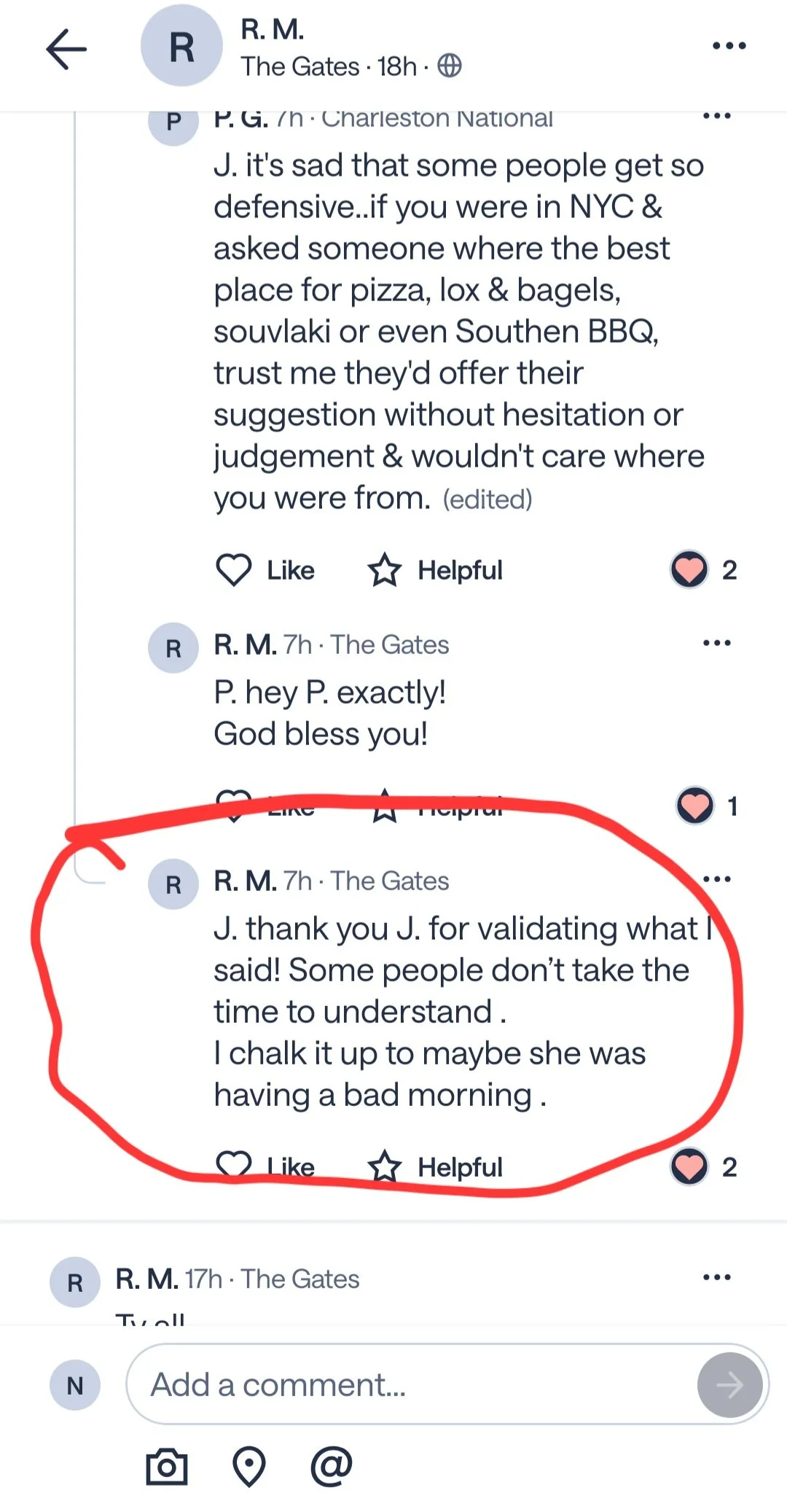
Except...
That's not what the original poster asked.
They weren't criticizing Charleston.
They weren't saying New York was better.
They wanted a recommendation for a meal that reminded them of home.
Thankfully, several neighbors pointed that out, and the original poster even responded by saying:
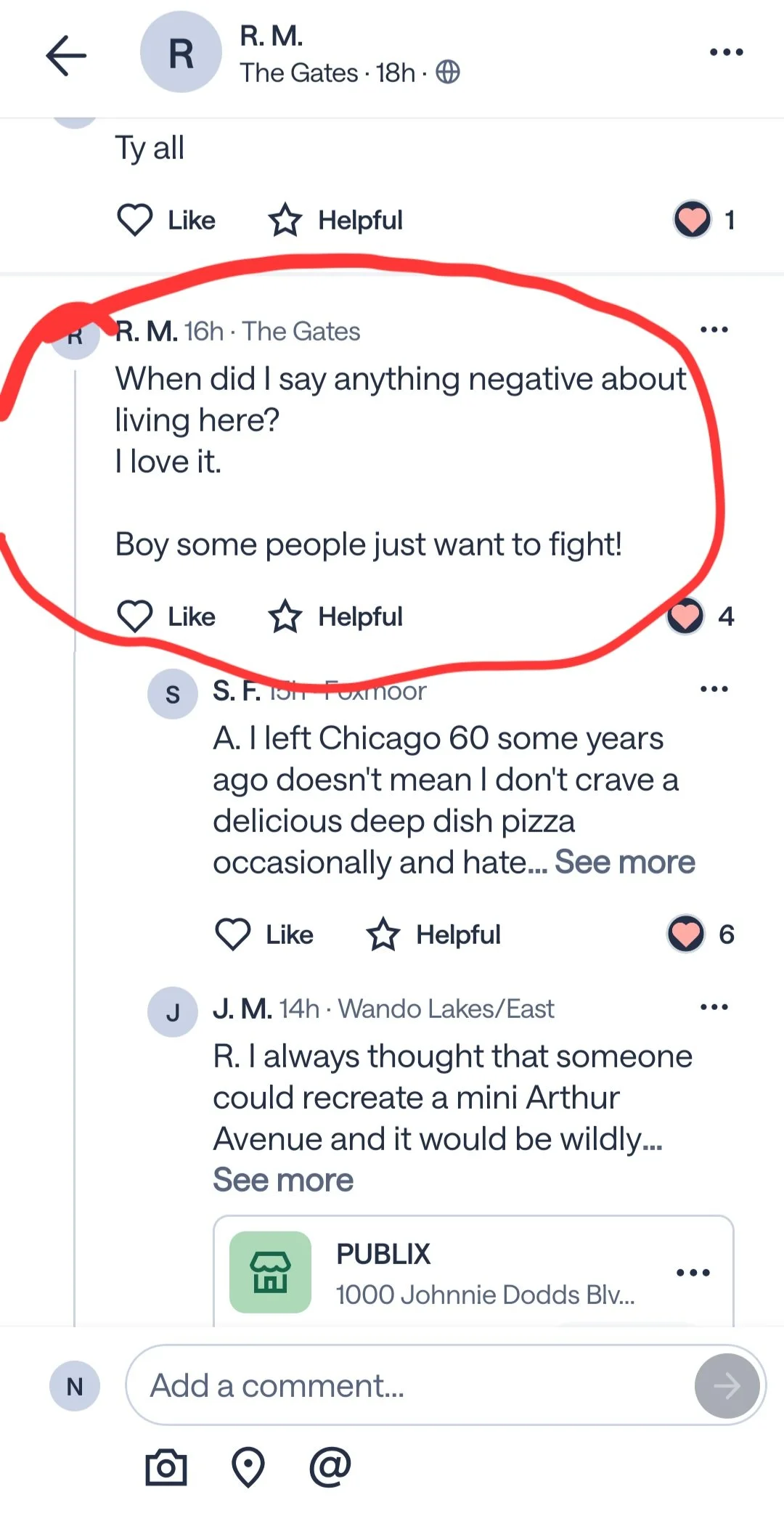
"When did I say anything negative about living here? I love it. Boy, some people want to fight!"
That comment resonated with me.
Because it highlights something I've been writing about for weeks.
Not every discussion needs to become an argument.
Not every question deserves to be interpreted as an attack.
Sometimes people want information.
Which got me thinking...
Maybe Nextdoor doesn't need to connect every nearby resident into one giant conversation.
Maybe there's another approach.
What if I could choose which neighbors I wanted to engage with?
Just because someone lives three houses away doesn't mean I want every post I make open to their opinions. In real life, we all have neighbors we enjoy talking to and others we coexist with. Why not let users customize their neighborhood feed around the people they actually want to interact with, while still keeping the platform hyperlocal?
Maybe I don't want every one of my real-life neighbors commenting on every post I make.
Maybe there's someone down the street with whom I've had a fence dispute, a tree dispute, or whom I don't get along with.
In real life, we avoid each other.
Why should every online conversation become another opportunity for conflict?
Giving people more control over who participates in their conversations might reduce unnecessary friction while still preserving the local community that makes Nextdoor unique.
Because right now, too often, simple questions become debates, debates become judgments, and judgments become entertainment.
That's why I jokingly call it "The Maury Povich Platform."
The platform has tremendous potential.
The challenge is creating an environment where curiosity doesn't automatically turn into conflict.
#NiravTolia, the ball's in your court. Whatcha going to do?
Join the discussion at NielFlamm.com/blog. I'd love to hear your thoughts.
#Nextdoor#NXDR#Leadership#Community#CorporateCulture#CustomerExperience#ProductManagement#Neighborhoods#SocialMedia#Innovation
Citizen Alert vs. Neighborhood Chatter: Which Delivers More Value?
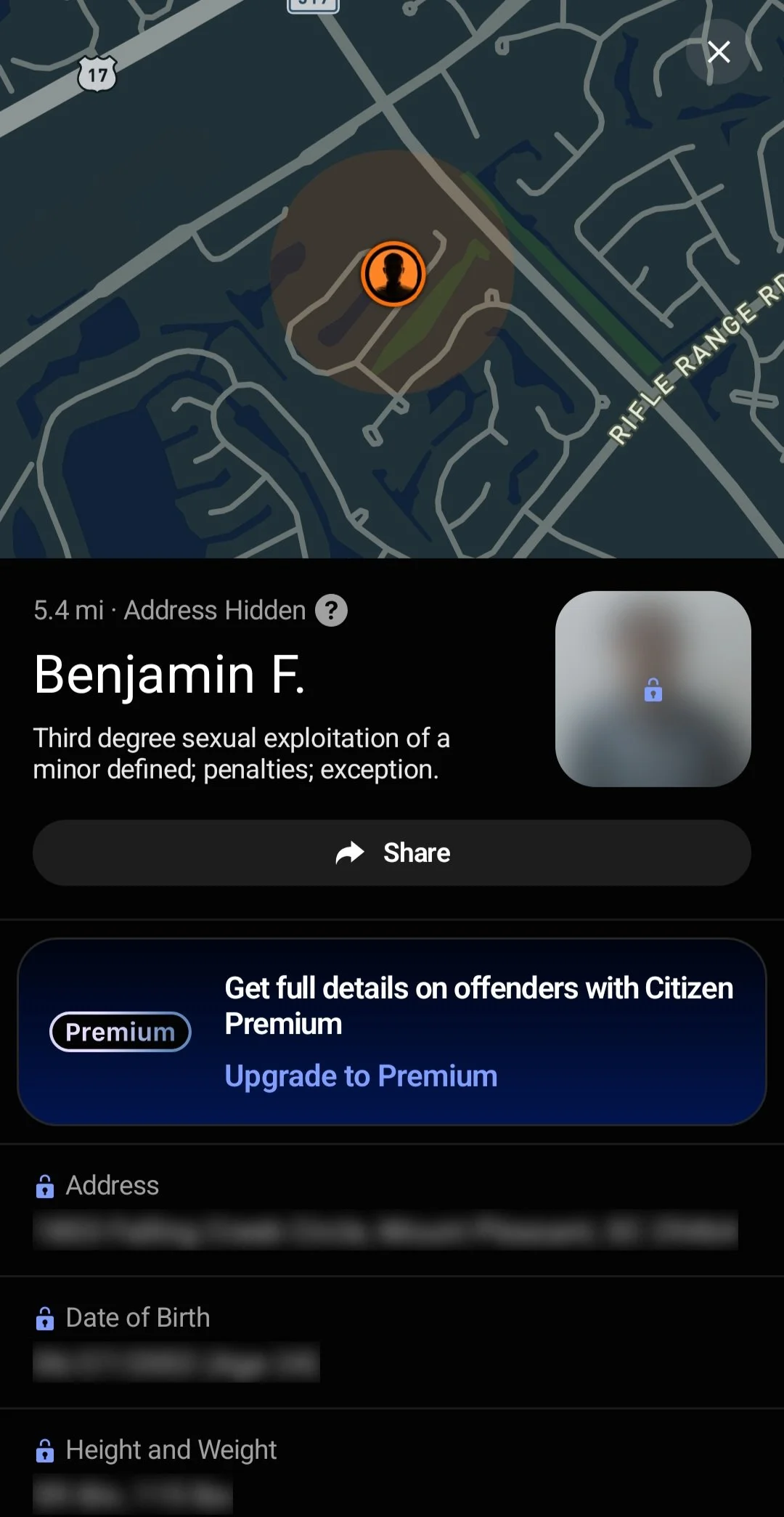
Tonight, I was at Mount Pleasant Towne Center waiting to see Motor City (video review coming later tonight at https://NielFlamm.com/videos).
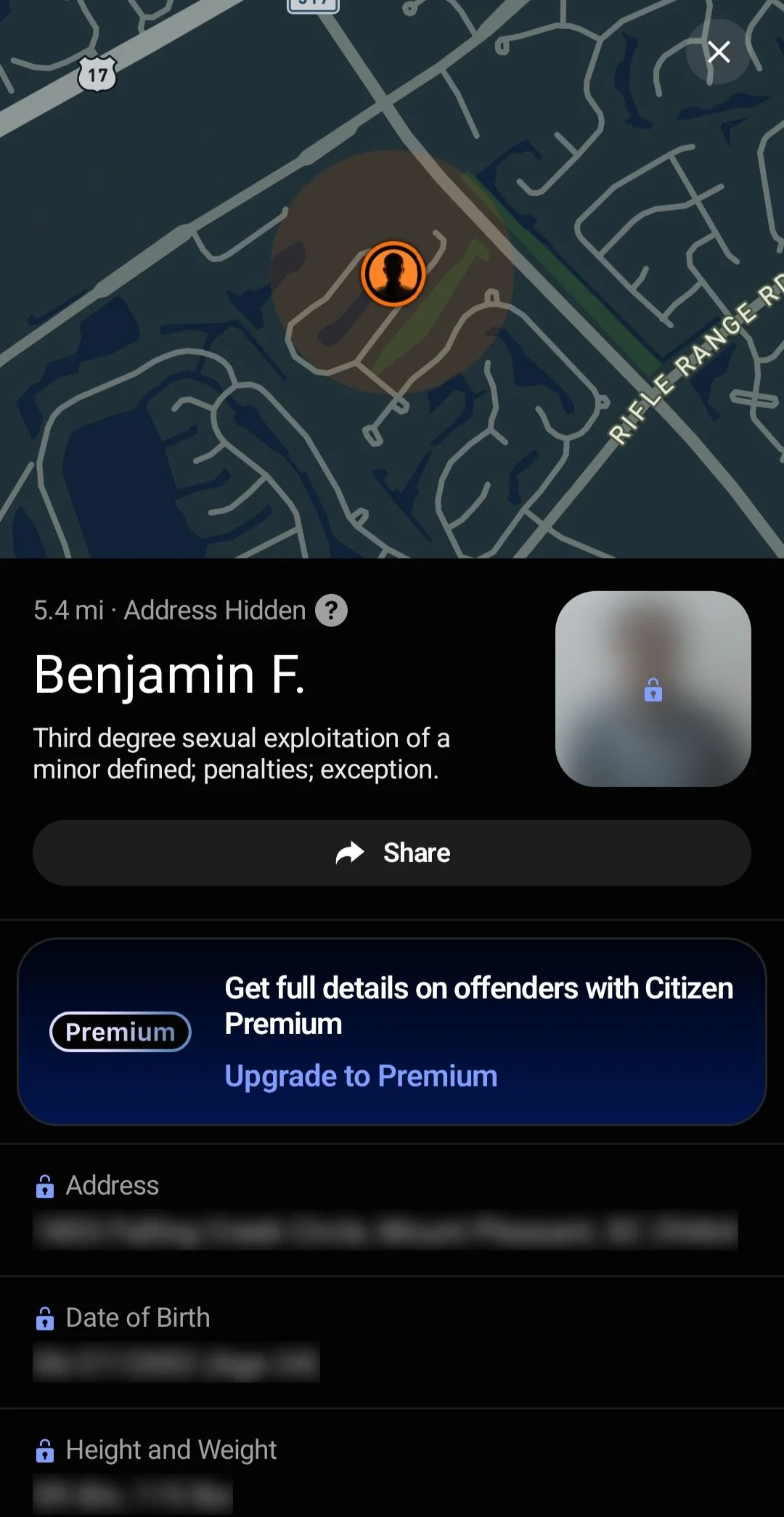
While I was there, my phone buzzed with a Citizen notification.
The alert informed me that there was a newly registered sex offender in my area. The screenshot is attached.
To be clear, this isn't a discussion about the individuals on the registry, the constitutionality of registries, or the criminal justice system. Those are separate conversations.
The registry exists.
What struck me was the timeliness and usefulness of the information.
I don't currently have young children in my guardianship, but knowing that a new registrant has moved into the area is information many people may find relevant.
Citizen offered additional details through its paid subscription, including the registrant's name, address, and other information.
Instead of subscribing, I spent a few extra minutes on the South Carolina Sex Offender Registry and was able to locate the publicly available information myself:
That experience reinforced something I've been thinking about while comparing neighborhood apps.
Too often, what I see on Nextdoor are lengthy discussions about HOA disputes (after covenants were voluntarily signed at closing), complaints about barking dogs, arguments over young people on e-bikes, or other neighborhood frustrations.
Those conversations have their place.
But receiving a timely notification about publicly available safety-related information felt significantly more valuable.
For me, that's where Citizen currently provides something I haven't experienced with Nextdoor.
Technology should help people become more informed about their communities—not just more informed about neighborhood disagreements.
Join the discussion at NielFlamm.com/blog. Leave some feedback—I'd love to hear from you.