
Progressive Snapshot Turned Safe Driving Into a Game… Now Let’s Level It Up! 🚗🎮
About a month ago, I called Progressive because my auto insurance had gone up about $60 a month. The explanation? “Inflation.” I wasn’t exactly thrilled.
I asked if there was any way to lower my premium without reducing my coverage.
The answer from the general customer service line?
“You can take an instructor-led, state-approved, eight-hour defensive driving course for about $125… and maybe your insurance will go down.”
Maybe?
No thanks.
I’ve already sat through a driving class once in my younger years because I was… let’s just say “an enthusiastic driver.” Once was enough.
So I started shopping around.
Then something interesting happened.
Apparently, the AI gods heard my frustration because I received an email from Progressive asking me to call a special number to discuss my policy.
I spoke with a fantastic representative who asked a few smart questions and introduced me to Progressive Snapshot.
Without changing my coverage, he reduced my premium by almost $200 per month.
That’s not Monopoly money.
That’s real movie money.
That’s dinner-out money.
That’s “I don’t feel quite as offended opening my insurance bill” money.
Then the game began…
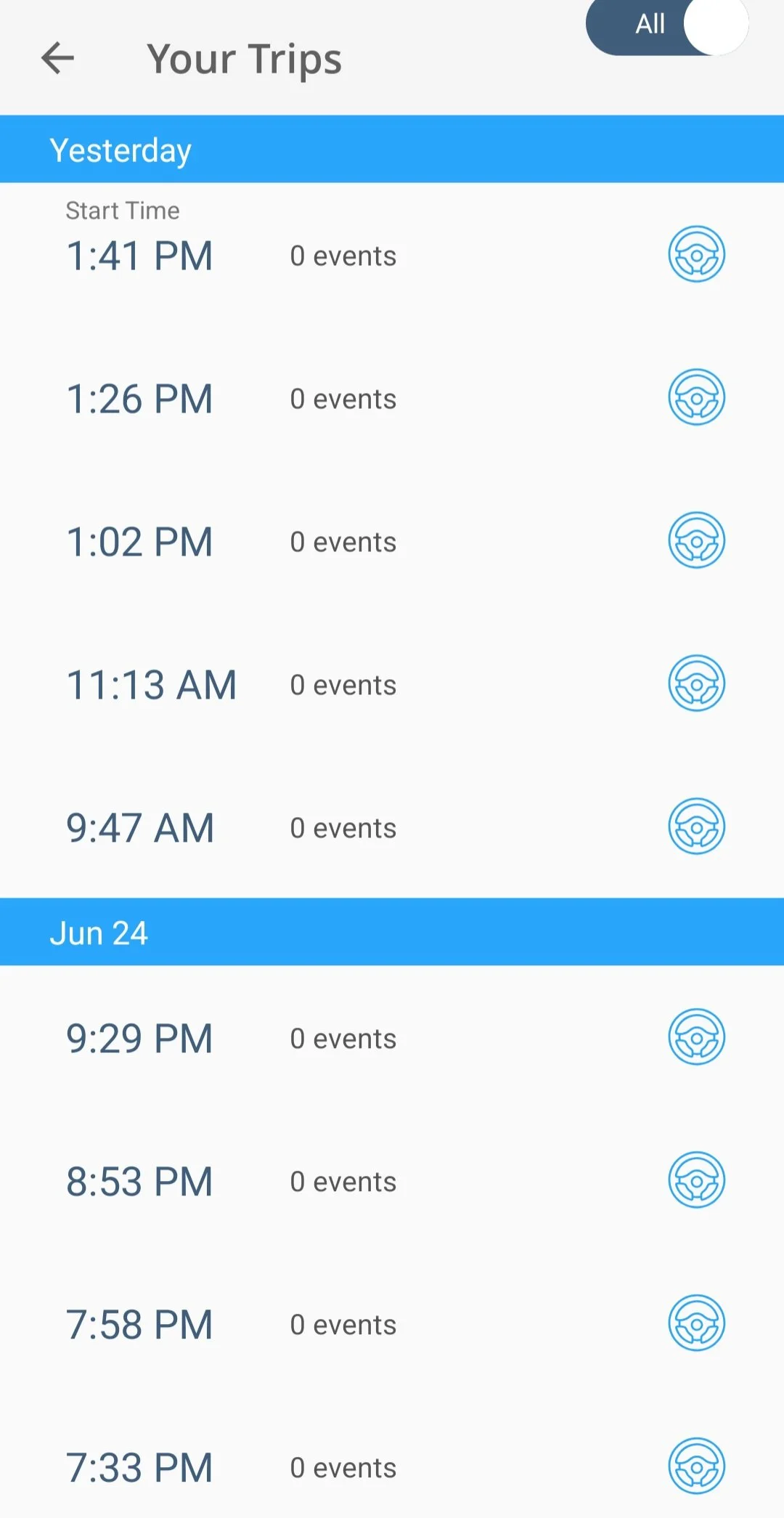
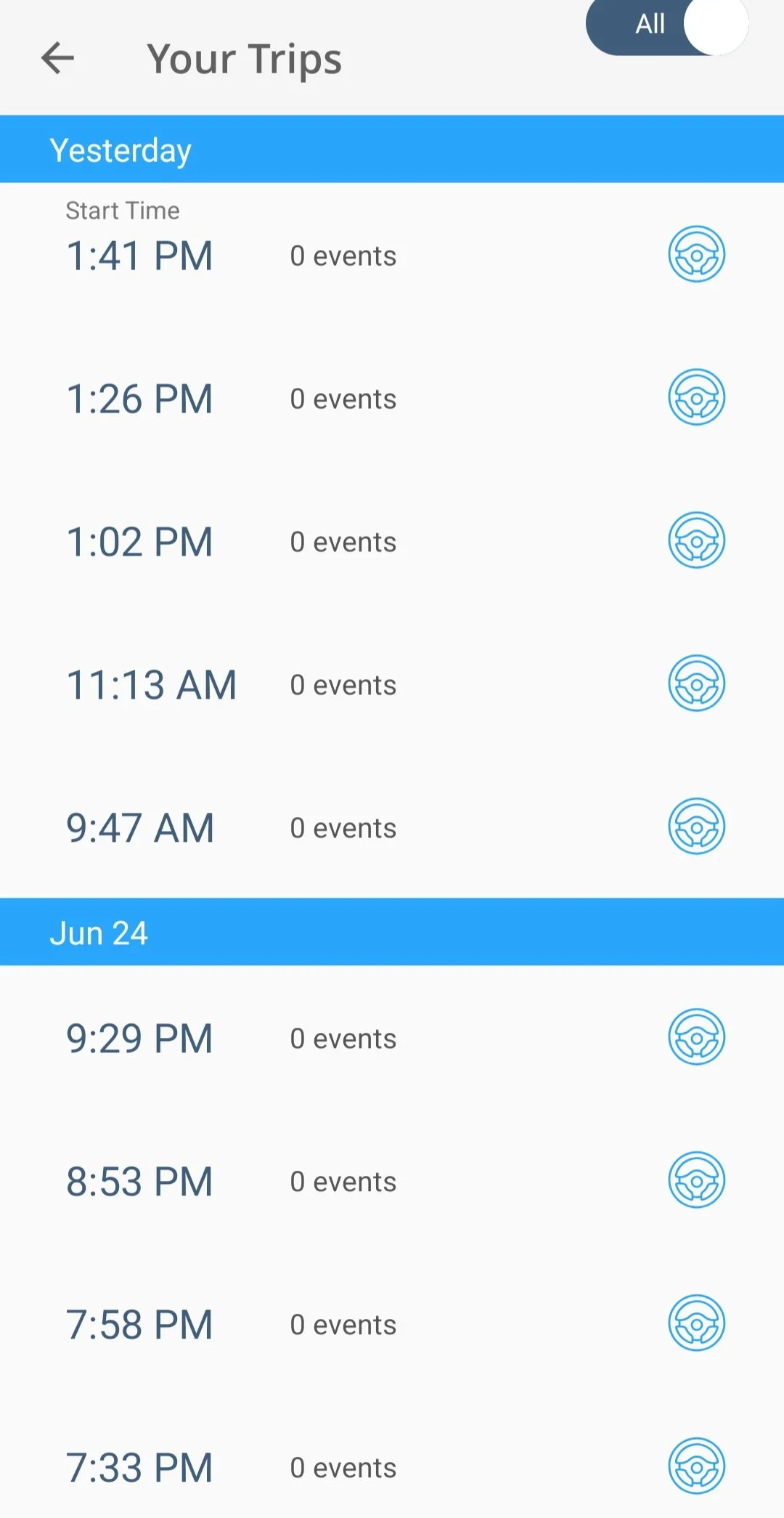
Snapshot tracks driving habits through my phone and gives you feedback after every trip.
Did I accelerate too aggressively?
Did I brake smoothly?
Did I leave enough following distance?
Was I distracted by my phone?
Every trip gets scored.
Naturally, my Learning & Development brain immediately recognized what Progressive had built.
This isn’t just telematics.
It’s gamification.
I check my score after almost every drive.
Last week I was sitting at 2 Stars during the introductory period.
Today?
3 Stars.
My new goal?
5 Stars.
Progress.
Feedback.
Small wins.
Visible performance metrics.
Those are many of the same ingredients that make great Learning & Development programs successful. When learners can see progress and understand how to improve, engagement increases.
Apparently, the same thing happens with drivers.
But I have one suggestion…
Progressive—and every other insurance company—should consider rewarding the use of turn signals.
Seriously.
I see people driving every make and model imaginable.
Every age.
Every gender.
Every demographic.
One thing they often seem to have in common?
Apparently, they believe turn signals are an optional factory upgrade.
They’re not.
Using a turn signal before changing lanes or making a turn communicates intent to everyone around. If more drivers consistently signaled, I suspect we’d see fewer avoidable crashes and near misses.
I’d genuinely love to read a large, well-designed epidemiological study examining whether consistent turn signal use correlates with reduced collision rates.
(I’m looking in your direction, Nextdoor. Publish the full study if you do one.)
Since Snapshot already uses a smartphone rather than an OBD-II device for many drivers, future technology could recognize turn signal activation alongside other safe driving behaviors.
Imagine earning points for:
Using your turn signal consistently
Smooth lane changes
Safe following distance
Gentle braking
Staying off your phone
Now that’s a leaderboard I’d happily compete on.
Progressive, if you’re looking for ideas on how to gamify turn signal use, I’d be happy to consult.
And finally…
A friendly reminder to everyone:
Don’t forget to check your vehicle’s turn signals.
And while you’re at it…
Top off your blinker fluid.
Nextdoor's Latest "Study" or Just Another Sales Pitch?
For months, I've been requesting transparency from Nextdoor leadership regarding the surveys and research they publish. I've asked for methodology, sample sizes, demographics, confidence intervals, moderation metrics, and the data behind the headlines.
The questions have largely gone unanswered.
Now we're presented with another report claiming that 74% of Nextdoor neighbors are open to switching home insurance providers. To me, this comes across more like a marketing vehicle designed to encourage insurance companies to advertise on the platform rather than independent research.
Suppose the data is legitimate; great. Show us the methodology. Show us the complete report. Let everyone evaluate the findings for themselves.
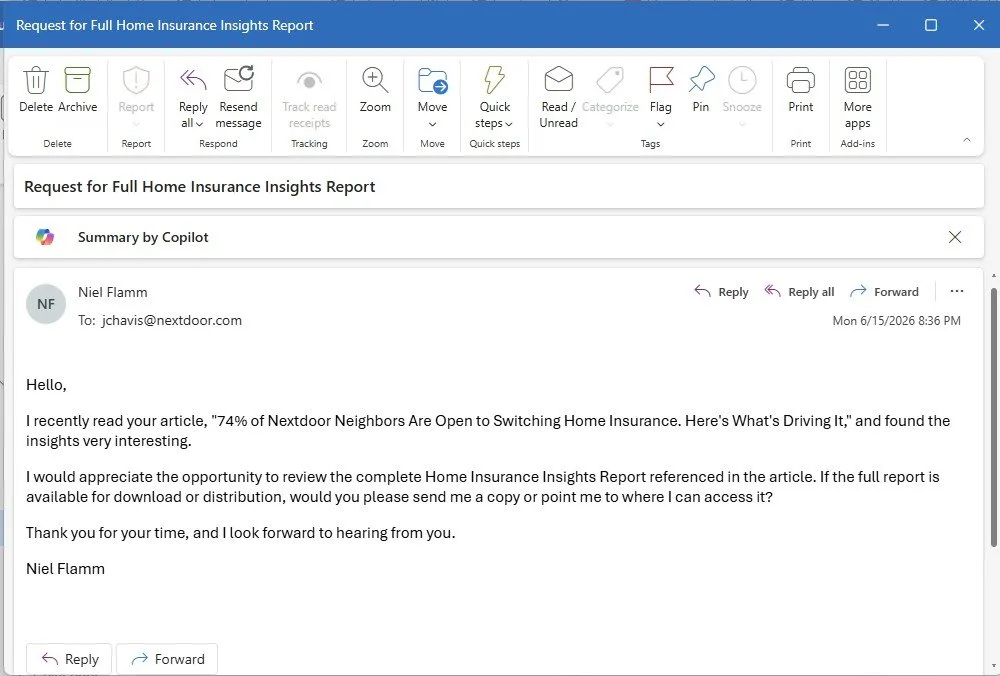
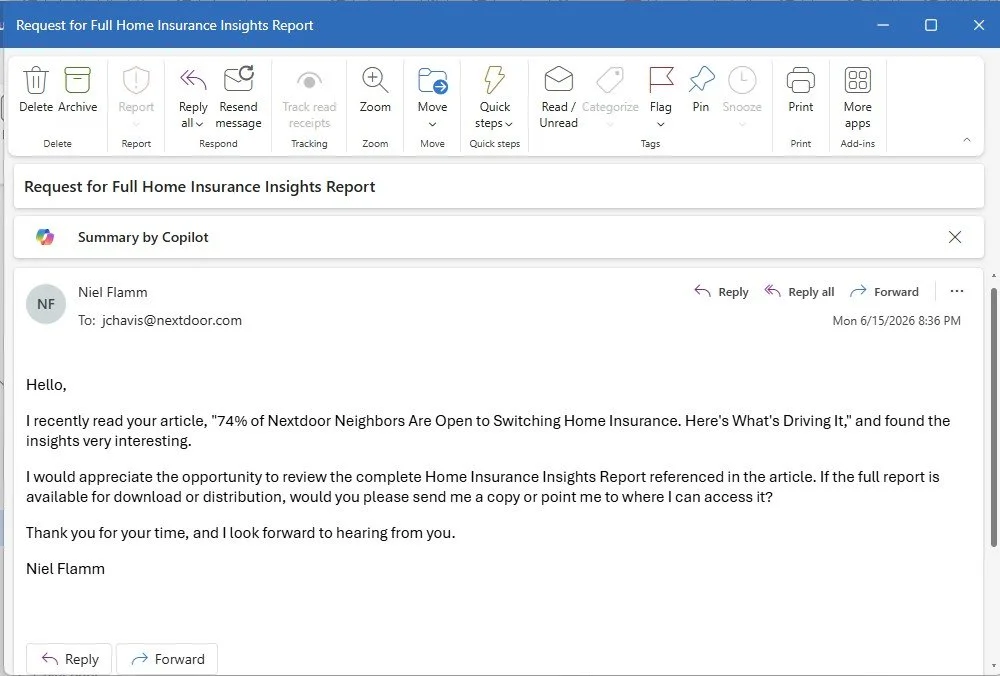
Today I sent an email to Jacob Chavis requesting the comprehensive research behind the study. We'll see what happens.
Based on my past interactions with the company, I don't have high expectations. Requests for information have historically gone unanswered or taken an unreasonable amount of time to respond.
Transparency builds trust. Marketing headlines without supporting data create more questions.
I'll happily update this post if and when the full report is provided.