
Sometimes Saving Money Costs You More: A Lesson From My Fuel Tank
There was a piece of advice I heard about a month ago that I never got around to sharing. As I was driving to a local detox facility to bring a recovery meeting, it came back to me.
It was one of those simple pieces of car care advice that makes perfect sense once someone explains it.
Most gasoline sold in the United States contains ethanol. The exact blend varies depending on the season and location. Alcohol has impressive cooling properties. That reminded me of my drinking days.
Back then, a bottle of Jack Daniel's often lived in the freezer. Since alcohol freezes at a much lower temperature than water, there was no need for ice. If I was drinking it straight—or with Coke—it stayed ice cold without getting watered down. (Side note: Applebee's serves Pepsi products. Jack & Pepsi? No thank you.)
Anyway... back to the car.
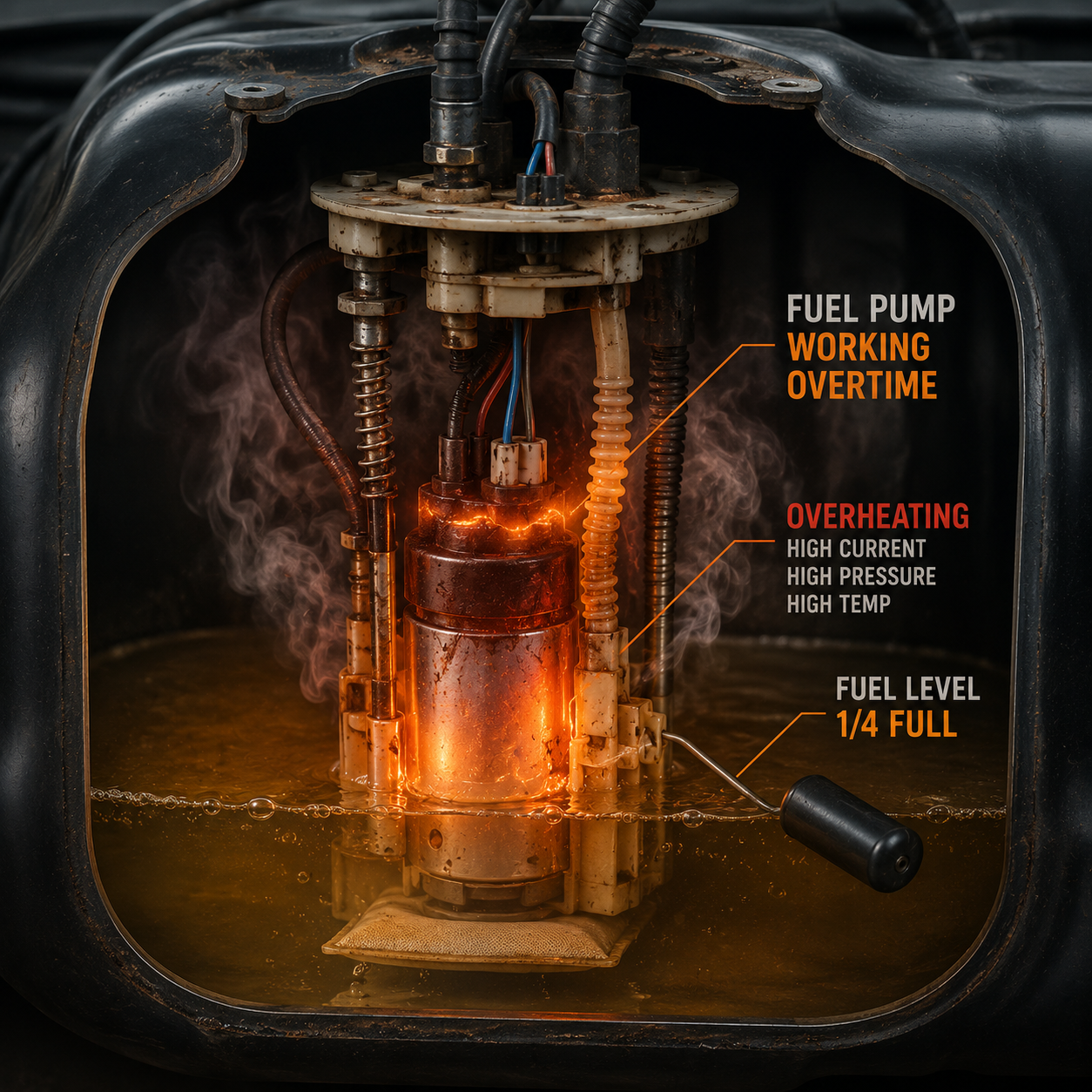
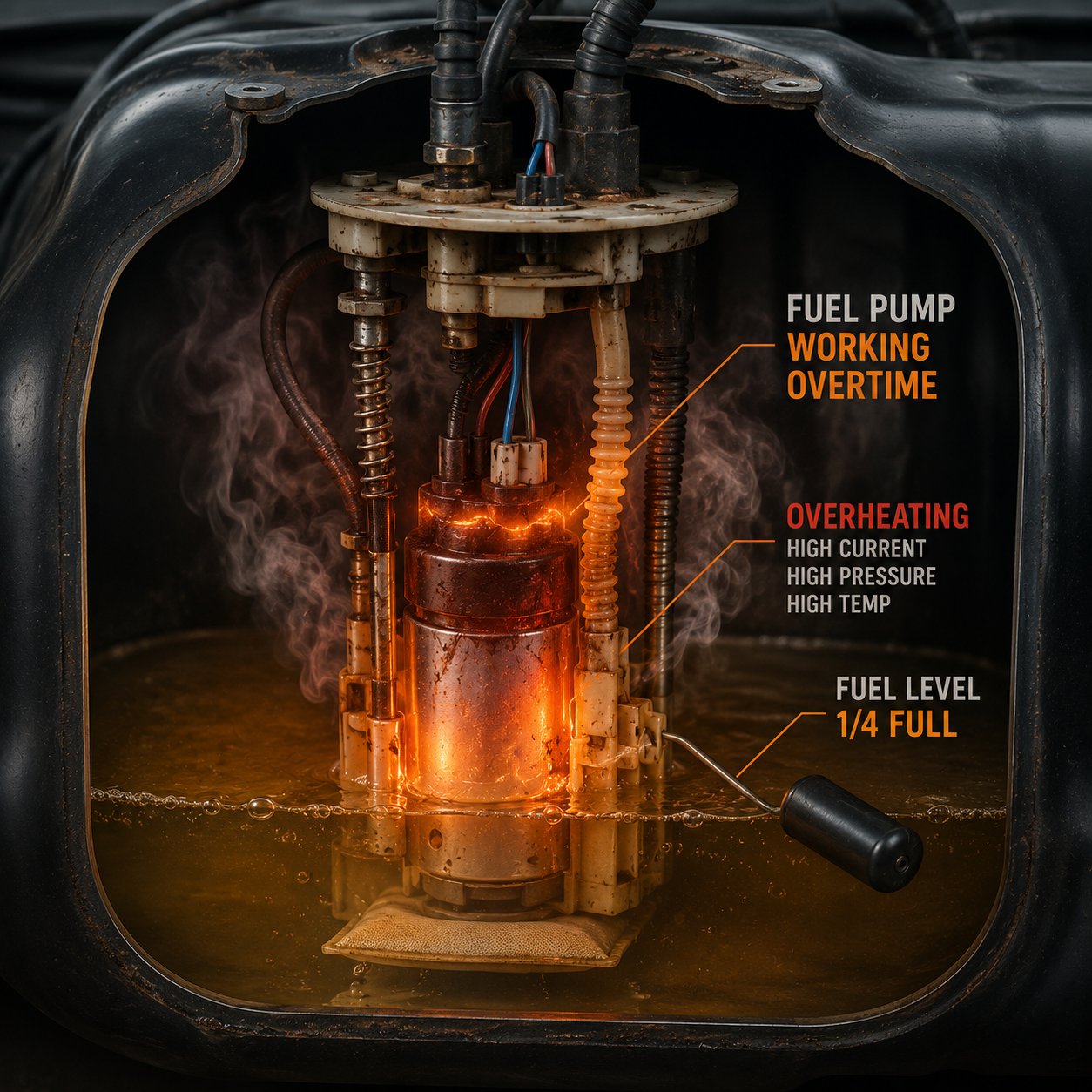
I recently heard that during the hot summer months, it's a good idea to keep your gas tank at least half full whenever possible. Why? Because the electric fuel pump sits inside the gas tank. The gasoline surrounding it helps keep the pump cool while it's working, and having more fuel available reduces the chances of the pump working harder than it needs to.
That advice made a lot of sense.
Unfortunately, I didn't follow it.
Not too long ago, I found myself driving around with less than a quarter tank of gas. I was trying to time the market, waiting to see if gas prices would drop a few cents before filling up.
Then it hit me.
The price of gasoline might fluctuate by a few dollars per tank. Replacing a failed fuel pump can cost hundreds—or even well over a thousand dollars once you factor in labor. On many vehicles, the technician has to remove the fuel tank to access the pump.
That's a pretty expensive way to save five bucks.
Sometimes we focus so much on saving a little today that we forget the much higher cost tomorrow.
I think I'll stick with keeping my tank at least half full from now on. My wallet—and hopefully my fuel pump—will thank me.
Join the discussion on NielFlamm.com.
Peace, Serenity... and the World's Longest Car Horn
Today I was reminded that peace and serenity aren't destinations—they're things I have to keep practicing every single day.
I've shared this story before, but it still makes me laugh... and cringe.
On my way home from my initial retina detachment consultation in Hanahan, South Carolina, traffic came to a complete crawl. Bumper-to-bumper. I was actually doing fine with it. Traffic happens.
Then someone decided the shoulder was their own personal VIP lane.
They flew past everyone who had been patiently waiting and squeezed right in front of me.
At that exact moment, my serenity clocked out for the day.
I didn't give a polite courtesy honk.
I didn't tap the horn to let them know I was there.
I introduced them to the entire catalog of my car horn.
And I kept introducing it.
For so long... that I literally wore out my car horn.
Yes... I broke my horn.
I actually heard it take its last breath.
I'm pretty sure if my BMW could talk, it would've said, "Niel... buddy... enough already."
I estimate I was honking continuously for at least 15 minutes.
The person who cut me off probably forgot about me after 30 seconds.
Meanwhile, I was apparently auditioning to be the Low Country Symphony's first horn section.
Looking back, it's hilarious.
It's also a little wild.
For me, that's what alcoholism can look like today. It isn't that I'll pick up a drink—that was never my first thought, and recreational drugs weren't my thing either. Instead, it can show up as anger, self-righteousness, and reacting in ways that make absolutely no sense.
I've never repaired the horn.
Not because I don't have the time.
Not because I don't have the money.
I haven't fixed it because, in my mind, I haven't yet truly learned how to share the road with other people. Until I make more progress on that, the broken horn serves as a daily reminder that I still have work to do.
Recovery isn't about becoming perfect.
It's about recognizing when I'm the problem, owning it, laughing at myself when appropriate, and trying to do a little better tomorrow than I did today.
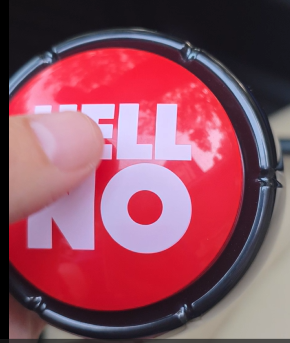
Recently, an awesome friend from one of my recovery meetings thought of me. She knows this story. She knows I still wrestle with the rage that can pop up out of nowhere—and she knows I've been driving around with a silent horn ever since.
She surprised me with the perfect gift.
I laughed immediately.
Now I need to mount it on my dashboard.
If you want to see what she gave me—and hear some of the hilarious things it says—head over to:
Oh... and before anyone points it out, ignore the lack of manicure in the video. Dialysis, life, and recovery have been keeping me just a little busy.
Who knew one broken horn would become one of my biggest recovery reminders?
Life has a funny way of teaching us lessons.
Sometimes those lessons arrive with a whisper.
Sometimes they arrive with 15 minutes of uninterrupted honking.
Thanks for reading, and if this story made you smile—or reminded you of one of your own moments of insanity—leave a comment. I'd love to hear it.
Join the discussion on NielFlamm.com.
Handicap Parking: It’s Not a Suggestion, It’s a Necessity
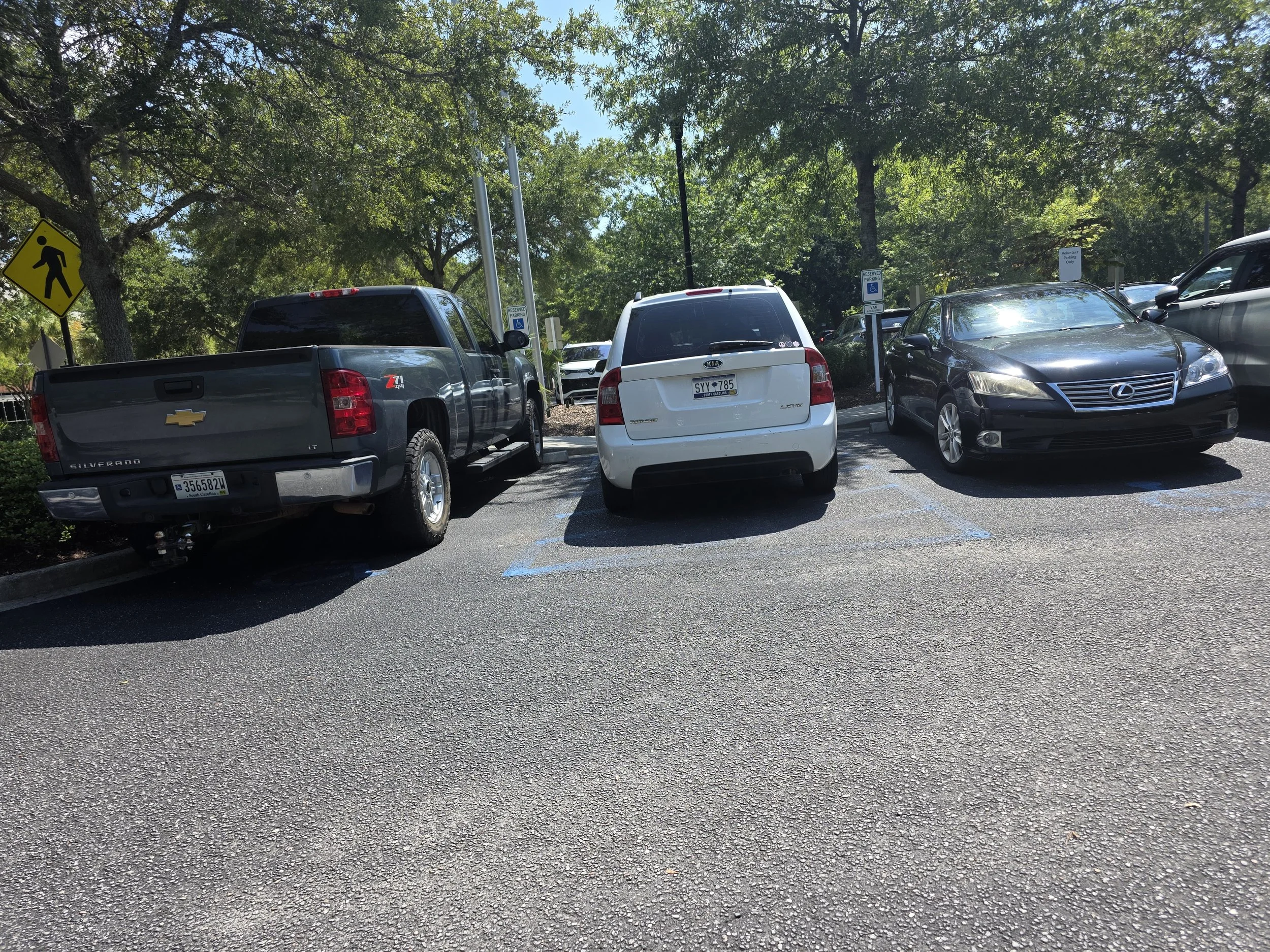
This morning I arrived at the hospital to visit my mom. Like many mornings recently, it’s another chapter of balancing life, family, dialysis, and everything else that comes with it.
As I pulled into the parking lot, I started looking for a handicap-accessible parking spot. I have a handicap plate. Not because it’s convenient. Not because I want a closer walk.
I have one because I’m an above-the-knee amputee and I live with ESRD (End Stage Renal Disease). Some days the extra distance isn’t just a few more steps — it’s a lot more energy, more strain, and more effort.
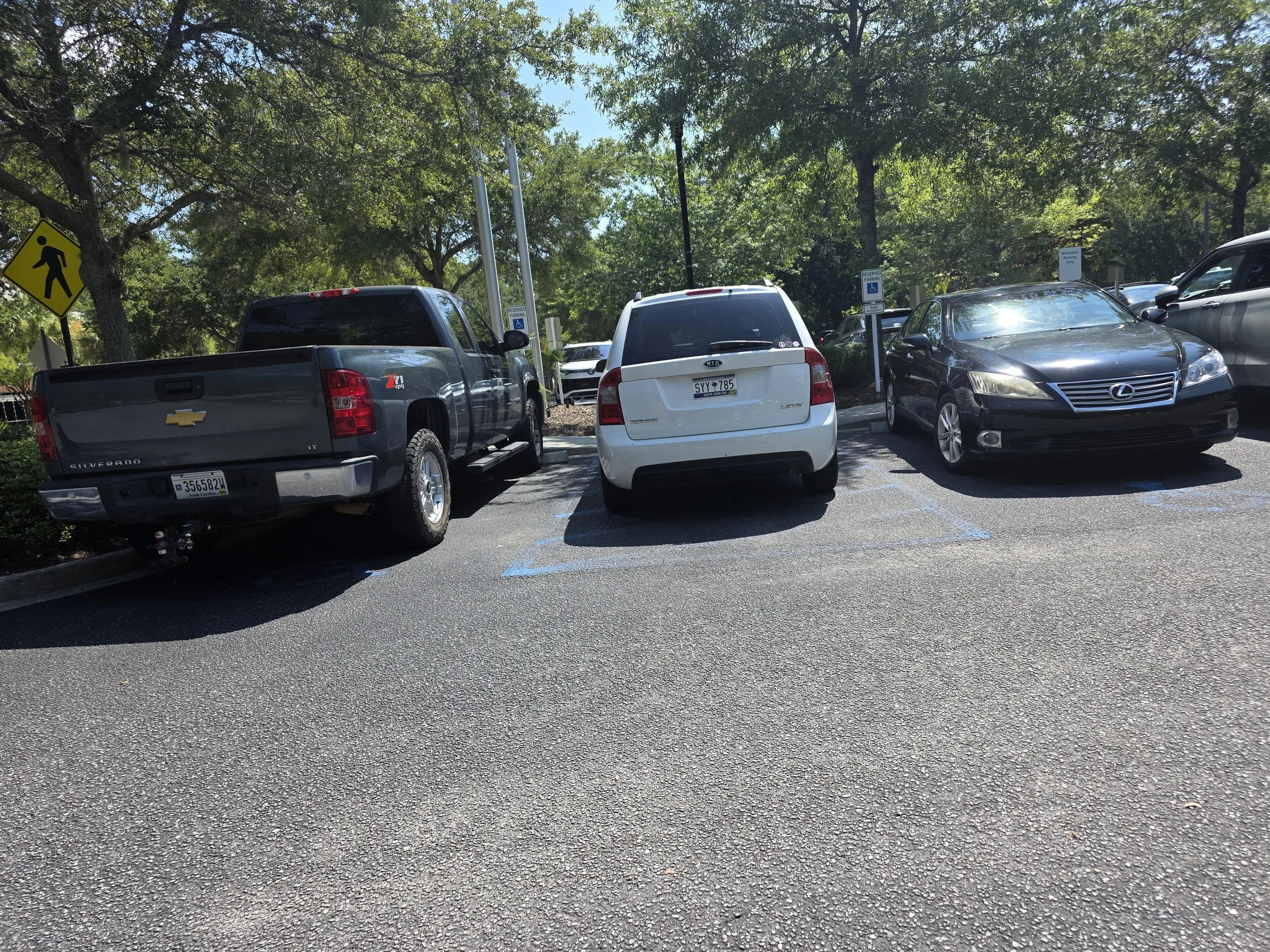
There were no handicap spots available.
Then I noticed something.
Apparently, when the designated spots are full, someone decided the solution was simple: create their own spot.
A spot that wasn’t actually a parking spot.
Maybe they were in a hurry. Maybe they had a reason. Maybe they thought, “I’ll only be a minute.”
But here’s the thing — hospitals are one of the places where accessibility matters the most. People coming through those doors may be dealing with challenges you can see and many you can’t.
The lines, signs, and designated spaces aren’t there for decoration. They exist because someone may be walking on a prosthetic leg. Someone may be recovering from treatment. Someone may be helping a loved one while fighting their own battle.
I don’t expect special treatment. I expect people to think beyond themselves.
A little awareness and consideration go a long way.
Because one day, the spot you think doesn’t matter may be the spot you truly need.
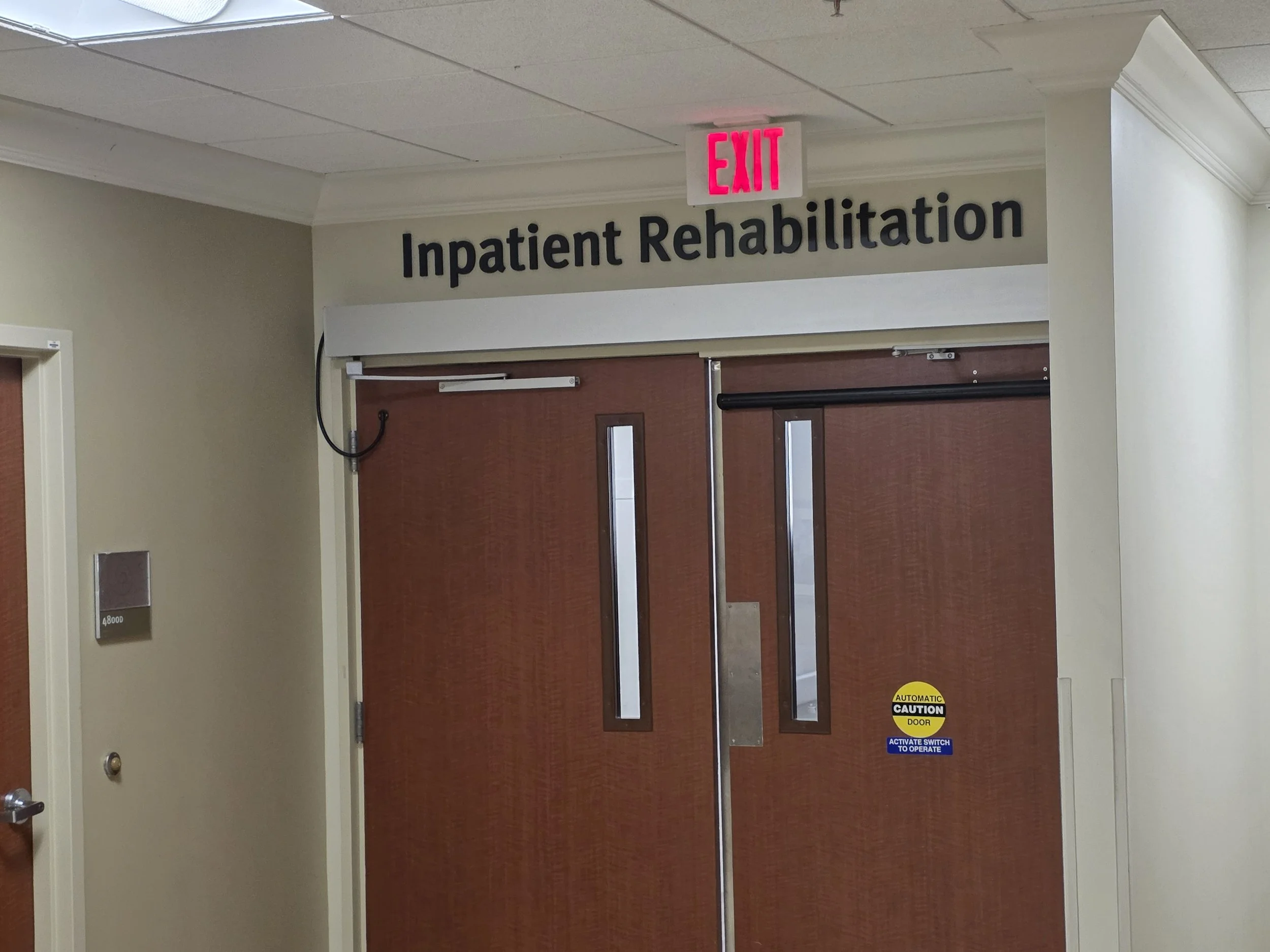
Back Where I Never Wanted to Be
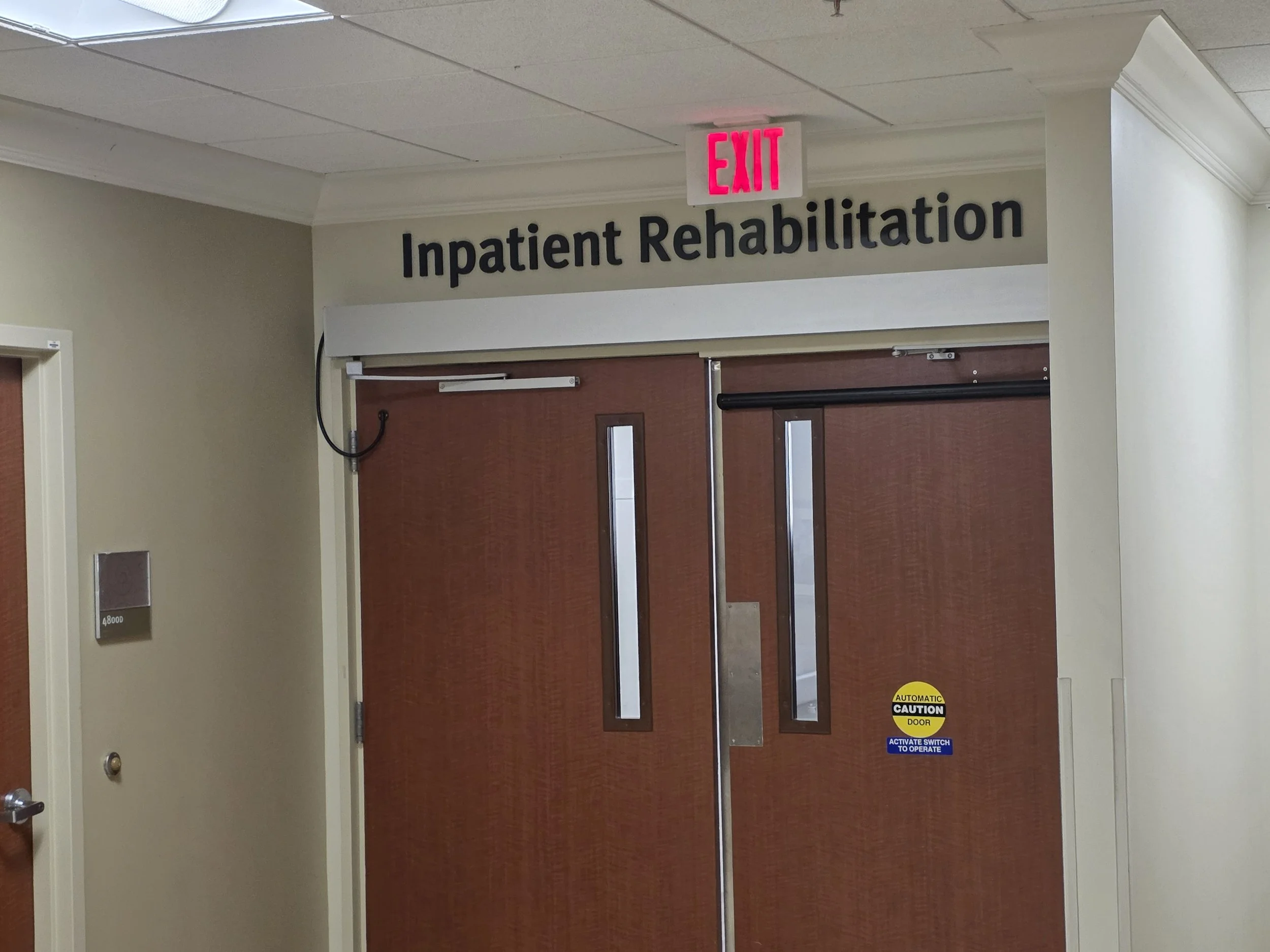
There are places in life you hope you never have to visit again.
For me, the hospital is one of them.
This time, I’m not here as the patient. I’m here as a visitor and caregiver for my mother.
In 2023 and 2024, the hospital became a place I knew far too well. My first extended stay came after a severe allergic reaction to an antibiotic. The second marked the beginning of my End Stage Renal Disease journey. Those experiences changed my life in ways I never imagined.
After each acute hospital stay, I was transferred to a physical rehabilitation unit. One of the most eye-opening lessons I learned was that simply lying in a hospital bed can cost you about 10 percent of your strength each day. It’s amazing how quickly the body can weaken when it’s not moving.
During rehab, the therapists asked me a question I’ll never forget:
“What kind of quality of life do you want to have?”
That question became my motivation.
The first rehabilitation stay lasted about two weeks. The second was about a week. Every exercise, every painful step, every frustrating moment had one goal—to reclaim as much of my independence as possible.
Walking through these same hallways today feels surreal. There are familiar faces everywhere. Several providers have recognized me, which is both heartwarming and a little funny. It’s strange when people remember you not because you were a regular customer, but because they helped you through some of the hardest chapters of your life.
Now the roles have changed.
I’m the one sitting beside the bed.
I’m the one encouraging someone else.
I’m the one helping navigate questions, translating when needed, and trying to bring a little comfort during an uncertain time.
Life has a funny way of bringing us full circle.
As difficult as hospitals can be, they also remind us of something important: healing doesn’t always happen the way we expect. Sometimes we’re the ones receiving the care. Other times, we’re fortunate enough to be the ones giving it.
If there’s one lesson I’ve learned, it’s that difficult seasons don’t last forever. They shape us, strengthen us, and prepare us to help someone else when their turn comes.
So today, I’m choosing gratitude—for the caregivers, for the second chances I’ve been given, and for the opportunity to be there for my mother the same way so many people were there for me.
Tomorrow may bring new challenges, but it also brings new hope. And hope is a powerful medicine.
Leadership Starts with How I Treat the "Little Person"
Today, while making my usual social media rounds, I shared my dissatisfaction with Nextdoor, its culture, and CEO Nirav Tolia.
I started thinking about where I learned one of the most valuable lessons of my life.
It wasn't in a boardroom or a Stanford classroom.
It came from working everyday jobs—sweeping floors in a deli, delivering newspapers, cleaning gum off a movie theater carpet, and doing the kinds of jobs that keep society moving.
Those experiences taught me a simple creed:
Treat everyone as if they were the CEO.
The person making the sandwich at Jersey Mike's. The attendant pumping gas in Oregon. The landscaping crew cleaning up the neighborhood. The janitor, the cashier, the receptionist, the call center agent.
Everyone deserves to be acknowledged. Everyone deserves to be heard.
That's where I believe the culture problem at Nextdoor begins.
I'm not a billionaire investor. I'm not a celebrity entrepreneur. I don't have a television show or a Founding Shark title. And I don't automatically agree with every mention of AI as the solution to everything.
Does that mean my feedback should be ignored? My questions silenced? My LinkedIn account blocked for expressing shareholder concerns?
Leadership isn't measured by how you treat influential people. It's measured by how you treat the person with no power at all.
I'd rather treat the building environmental services engineer like they're the CEO than imitate a CEO who dismisses the little person.
Because one approach builds loyalty and trust.
The other builds resentment.