
From Flushing to Westbury: When Home Makes the Wrong List
Every once in a while, something pops up on social media that makes you stop scrolling.
I recently watched this Facebook Reel:
https://www.facebook.com/reel/861451983514866
As I watched it, one thing immediately caught my attention—and not in a good way.
The first city mentioned in the reel was Westbury, New York.
That one hit a little differently.
I was born in Flushing, Queens, but I grew up in Westbury. That wasn't just a place on a map—it was home.
I attended the Westbury Public Schools.
I worked on Post Avenue.
I delivered newspapers through the neighborhoods.
I spent countless hours walking those streets, making friends, growing up, and creating memories that still stick with me today.
No town is perfect. Every community has challenges, and every place changes over time. But when the very first thing people hear about a town is something negative, it's disappointing for those of us who remember so many good moments there.
When I think of Westbury, I don't immediately think about headlines.
I think about riding my bike.
I think about neighbors.
I think about school.
I think about my first jobs.
I think about learning responsibility by delivering newspapers, long before GPS and smartphones existed.
Those experiences helped shape who I am today.
Maybe that's why this reel struck a nerve. It's a reminder that a city is much more than whatever story happens to be trending online at the moment.
To everyone who grew up in Westbury, I'd love to hear what you remember most. What was your favorite place? What do you miss? What memories still make you smile?
Take a look at the reel and let me know your thoughts:
Citizen Alert vs. Neighborhood Chatter: Which Delivers More Value?
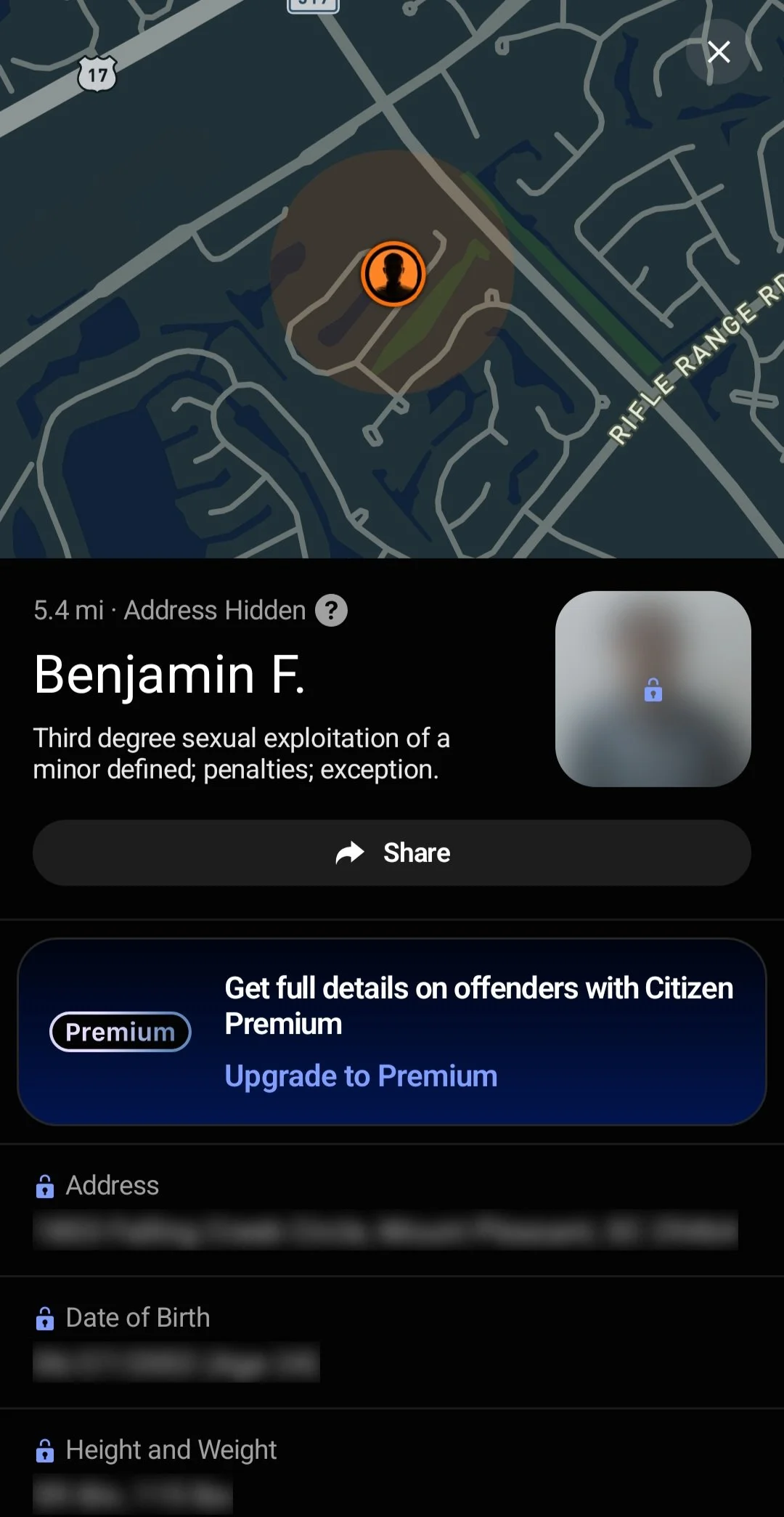
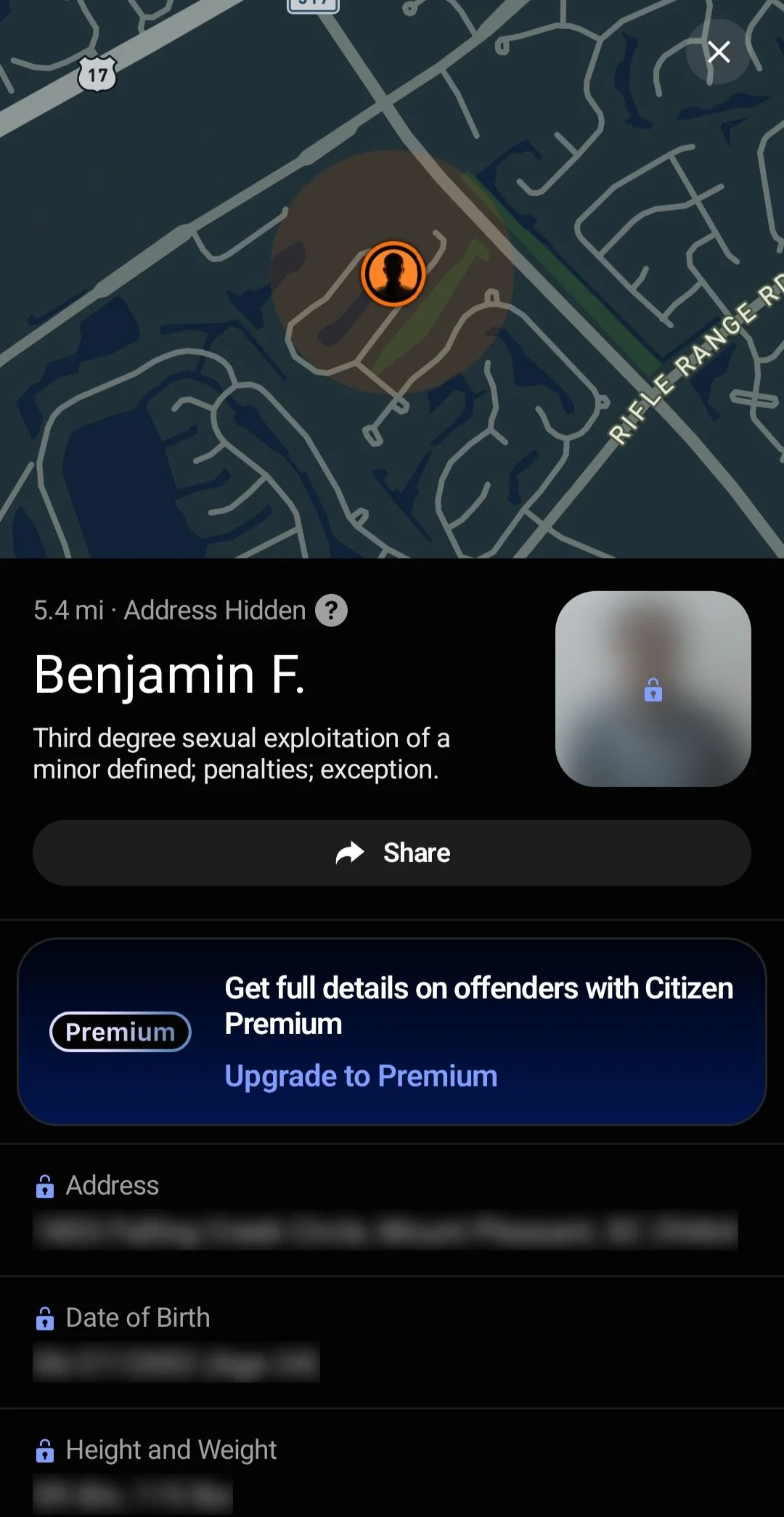
Tonight, I was at Mount Pleasant Towne Center waiting to see Motor City (video review coming later tonight at https://NielFlamm.com/videos).
While I was there, my phone buzzed with a Citizen notification.
The alert informed me that there was a newly registered sex offender in my area. The screenshot is attached.
To be clear, this isn't a discussion about the individuals on the registry, the constitutionality of registries, or the criminal justice system. Those are separate conversations.
The registry exists.
What struck me was the timeliness and usefulness of the information.
I don't currently have young children in my guardianship, but knowing that a new registrant has moved into the area is information many people may find relevant.
Citizen offered additional details through its paid subscription, including the registrant's name, address, and other information.
Instead of subscribing, I spent a few extra minutes on the South Carolina Sex Offender Registry and was able to locate the publicly available information myself:
That experience reinforced something I've been thinking about while comparing neighborhood apps.
Too often, what I see on Nextdoor are lengthy discussions about HOA disputes (after covenants were voluntarily signed at closing), complaints about barking dogs, arguments over young people on e-bikes, or other neighborhood frustrations.
Those conversations have their place.
But receiving a timely notification about publicly available safety-related information felt significantly more valuable.
For me, that's where Citizen currently provides something I haven't experienced with Nextdoor.
Technology should help people become more informed about their communities—not just more informed about neighborhood disagreements.
Join the discussion at NielFlamm.com/blog. Leave some feedback—I'd love to hear from you.
America’s 250th Birthday: A Neighborhood Celebration or Another Nextdoor Food Fight?
As America approaches its 250th Independence Day celebration, communities across the country should be preparing for backyard cookouts, parades, fireworks, veterans being honored, and neighbors coming together to celebrate a remarkable milestone in our nation’s history.
Instead, many neighborhood conversations seem destined to become the annual debate we’ve all seen before:
“My dog is scared of fireworks!”
“It’s only one night a year!”
“Think of the veterans!”
“Think of the babies!”
“Someone parked in front of my house!”
“Who left the empty beer cans in the cul-de-sac?”
These discussions aren’t unique to any one platform, but they highlight a broader issue.
For all the talk about connecting neighbors, Nextdoor often seems to amplify unresolved disagreements among people who live only blocks apart. The platform excels at surfacing conflict but struggles to transform it into constructive dialogue.
Ironically, I think Nextdoor should stop pretending otherwise.
Lean into the tabloid nature of neighborhood life. Let people laugh at the leaf blower complaints, HOA disputes, missing packages, rogue fireworks, and parking wars. If engagement is the goal, embrace what users already gravitate toward, grow weekly active users, sell more advertising, and ultimately create profitability that benefits the shareholders who continue to support the company.
Because if the platform isn’t going to unite neighbors, it might as well entertain them.
Hopefully, when America celebrates 250 years of independence, we’ll spend more time waving flags and less time arguing over who left their trash cans out too long.
Happy early 250th, America.