

Day 58: Trust Is the Foundation—But How Strong Is the Verification?

It's Day 58.
At some point, I have to wonder whether my continued attempts to engage Nextdoor have actually made their way into a C-Suite conversation.
"What are we going to do about this guy?"
"Don't engage."
"Don't respond."
Or maybe nobody has discussed it at all.
I genuinely don't know.
Who wants to spill the tea? ☕
While posting about a free mystery movie screening in Las Vegas—link is on NielFlamm.com/blog—I came across another post from CEO Nirav Tolia on X.
Nirav discussed a decision Nextdoor made approximately 15 years ago: requiring real names and verifying physical addresses.
His central point was:
"Trust was always going to be the foundation for Nextdoor's community."
He also wrote that Nextdoor asks people to verify who they are and "stand behind what they said."
That's a compelling message.
There's just a problem.
My own experiment suggests the verification system isn't nearly as airtight as that rhetoric makes it sound.
I previously tested Nextdoor's verification process using a pseudonym—a play on Nirav's own name—and a corresponding email account.
I was able to establish an account that did not represent my actual name or residence.
I'm deliberately not going to publish step-by-step instructions for bypassing Nextdoor's verification. The point isn't to teach people how to exploit it.
The point is that I was able to do it.
That matters when the CEO publicly describes verified identity and physical address as the foundation of trust.
It raises questions I'd like Nextdoor to answer:
How frequently does Nextdoor audit its verification system?
How does it identify accounts that successfully pass verification using inaccurate information?
What happens when location-based verification conflicts with actual residency?
And what quality controls exist around newly established addresses where third-party verification data may be limited?
Those questions aren't attacks.
They're exactly the questions I believe a company should be asking itself when trust is part of its value proposition.
I have plenty of time to think about these things.
And since I'm now on Day 58 without receiving the study or having the conversation I've repeatedly requested, I've spent some of that time examining the platform instead.
That's the irony.
Nextdoor talks about people standing behind what they say.
I'm standing behind what I'm saying.
I'm asking Nextdoor to do the same.
Trust isn't created because a CEO says it's foundational on a podcast.
Trust is created when the product, policies, and actions support the claim.
So, Nextdoor: rather than another Day 59, how about a conversation?
Join the discussion at NielFlamm.com/blog. Leave some feedback—I'd love to hear your perspective.

Day 36: What Gets Highlighted Says a Lot

Today marks Day 36 since I requested a copy of a Nextdoor study. I still haven't received the study or a response.
I spent some time viewing my local neighborhood on Nextdoor using a non-personal address and a parody email address. I noticed considerably more moderation activity today than I saw the last two weeks. Whether that's coincidence or simply increased activity, it was noticeable.
I also hope Jacob Chavis' next career opportunity is a significant one. The internet has a long memory, and prospective employers often review a candidate's public work and online presence. One question they may ask is why a Senior Manager didn't respond to a straightforward request for a study referenced by the company.
Today's featured story on Nextdoor highlights Dallas neighbors helping protect eaglets. It's a positive community story, and it's interesting that the featured neighborhood is in the Dallas area, where CEO Nirav Tolia is based.
What I continue not to see are deeper discussions about how the platform itself operates:
- How are volunteer moderators selected?
- What training and oversight do they receive?
- How are moderation standards updated and communicated?
- What accountability exists when users question moderation decisions?
Community success stories deserve attention, but so do the governance and transparency practices that shape the community experience.
As both a shareholder and a former user, I'll continue asking those questions.
Join the discussion on NielFlamm.com.

Day 33: Silence, Culture, and the Identity of Nextdoor

Today marks Day 33 since I requested a copy of a Nextdoor study from Senior Manager Jacob Chavis, as directed in a company communication. I still haven't received the study or a response.
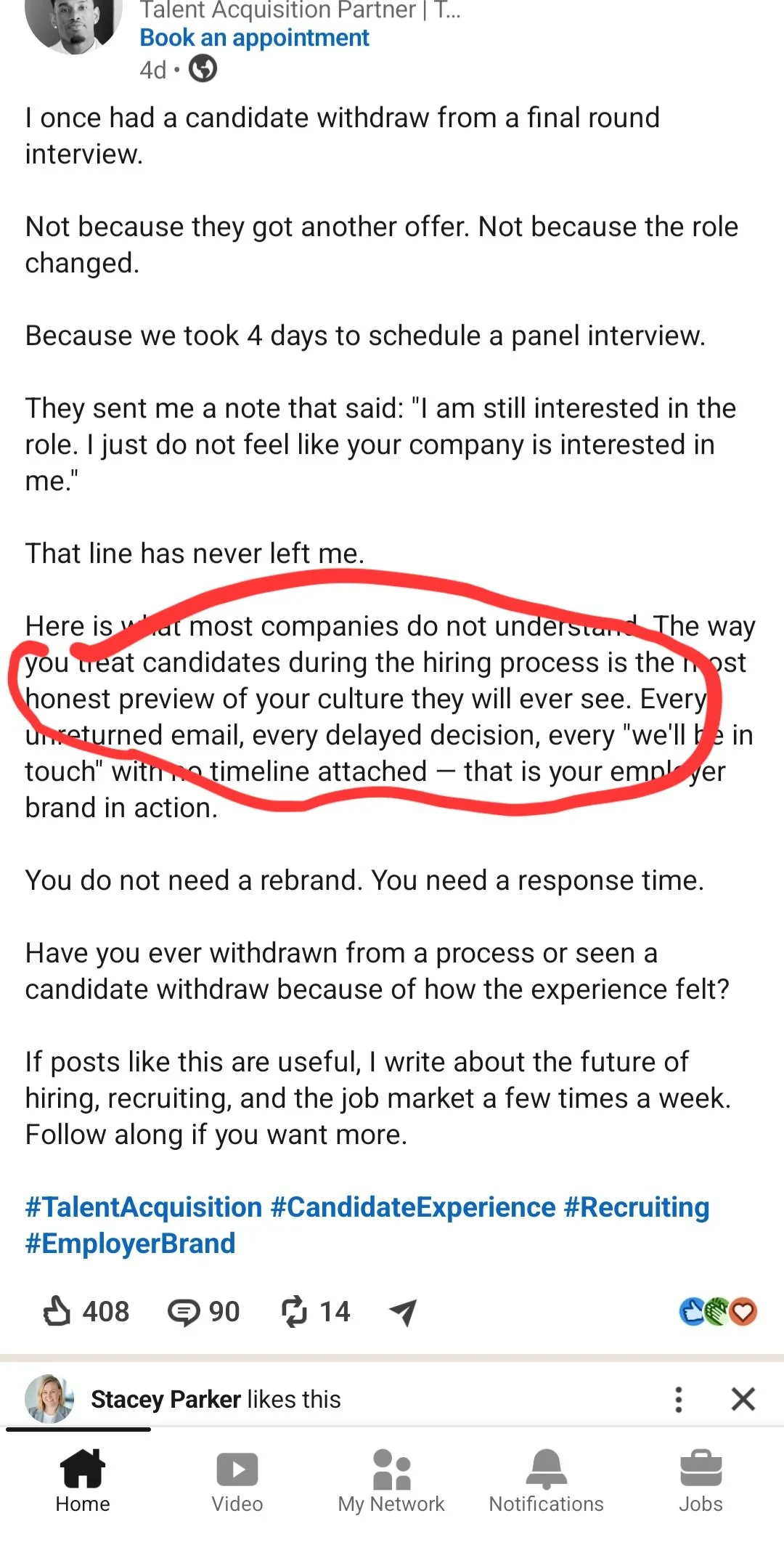
While scrolling LinkedIn today, I came across a post discussing company culture, particularly how culture is reflected in hiring and leadership. It made me think about my own experience. If this is how a straightforward request is handled, it raises questions for me about the culture that supports that experience.
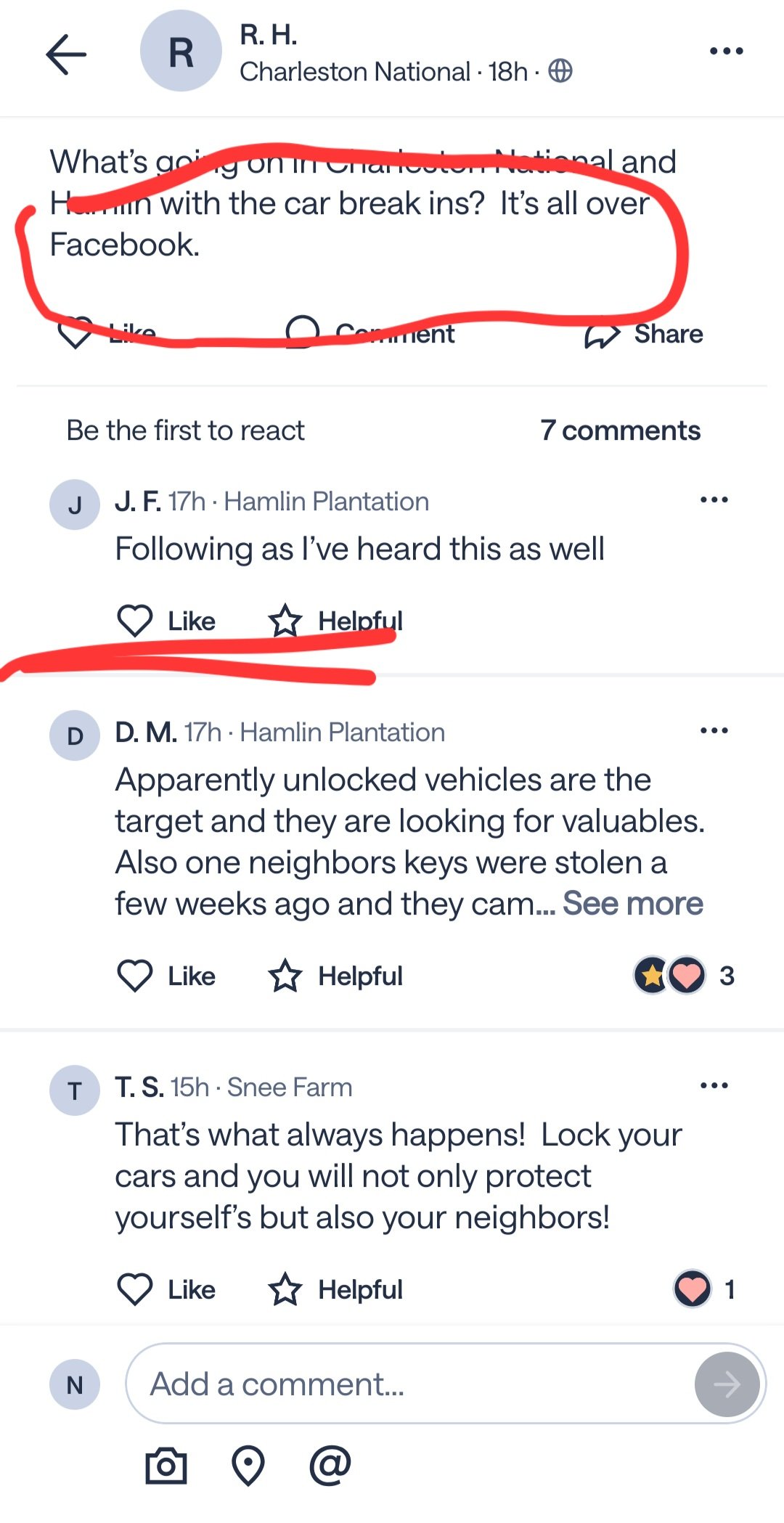
I also noticed a post on Nextdoor where someone asked what was happening in their subdivision, only to be told the information was on Facebook instead.
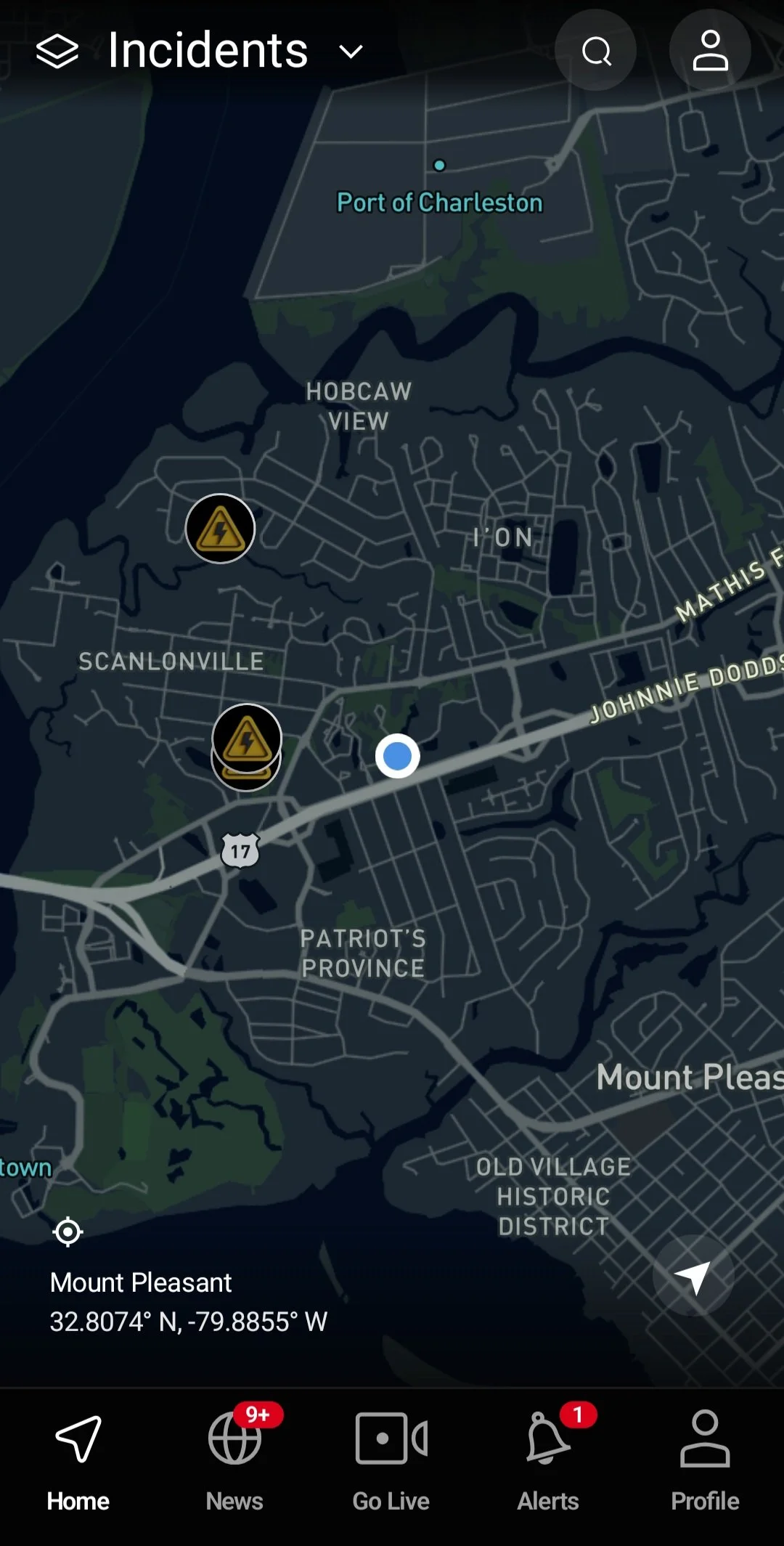
Then I opened Citizen. Within seconds, I saw real-time information about power outages within about a mile of my location. No wall of text. No advertisement every few posts. No constant stream of email notifications filling my inbox.
That got me thinking about identity.
What problem is Nextdoor trying to solve in 2026?
Is it the best place for timely neighborhood information, or have users found faster, less intrusive alternatives? If important neighborhood updates are happening elsewhere and competing platforms provide real-time information with fewer interruptions, that's a question worth asking.
As both a shareholder and a user, I believe these are important conversations. Products evolve, user expectations change, and listening to feedback has always been one of the best ways to stay relevant.
What do you think the future of neighborhood platforms looks like?
Human Connection or Digital Conflict?
I recently watched Nirav Tolia's interview discussing AI, community, reducing friction, and helping neighbors connect.
Interview:
https://www.youtube.com/watch?v=ZwwDTRW8UEw
I agree with one thing completely:
People are finding each other.
The question is what happens next.
Because for many users, the experience isn't neighbors discovering friendship over lemonade and block parties.
It's neighbors finding each other, arguing about politics, barking dogs, leaf blowers, parking spaces, HOA elections, e-bikes, and whatever crisis is occurring on any given Tuesday.
Let's call it what it is.
For many communities, Nextdoor has become the digital equivalent of a daytime talk show.
The audience shows up for the drama.
The platform sells ads to the demographic.
The outrage generates engagement.
The engagement generates impressions.
The impressions generate revenue.
In the interview, Nirav talks about reducing friction and enabling more human connection through AI. That's a compelling vision.
But friction isn't always the problem.
Sometimes friction is the product.
The challenge isn't helping neighbors find each other.
They already found each other.
The challenge is figuring out whether the platform is creating stronger communities or simply creating a more efficient way for people to yell at one another.
As a shareholder, that's the discussion I'd like to see.
Not the narrative.
The reality.
While Nextdoor stock is no longer at its lows, it still hovers around the $2 range and remains far removed from the promises that accompanied its public debut.
Perhaps the next phase isn't another story about AI and human connection.
Perhaps it's a story about transparency, accountability, and understanding what keeps people coming back in the first place.
I'd encourage anyone interested in social media, community platforms, AI, or shareholder governance to watch the interview and decide for themselves.
Subscribe to NielFlamm.com.
#Nextdoor #NiravTolia #ArtificialIntelligence #Community #HumanConnection #SocialMedia #Technology #Shareholders #CorporateGovernance #DigitalCommunities #ProductStrategy #Transparency #InvestorRelations #CustomerExperience