
A Reminder: How Did It Get to This With Nextdoor?
For a platform built around communication, neighborhoods, and “trust,” it’s remarkable how little communication Nextdoor has provided when difficult questions are asked.
This is a reminder—this didn’t start with me trying to point out flaws.
It started around mid-2025 with simple observations:
inconsistent moderation
vague policy enforcement
suspended users with little transparency
unanswered questions
Comments are turned off on corporate platforms, and a disconnect between marketing and user experience.
Instead of engagement, the silence grew. No outreach. No meaningful dialogue. No willingness to publicly discuss concerns.
I’ve positioned myself as someone who wants to be an ally—to help improve the platform and strengthen trust. But under the leadership of #NiravTolia, that opportunity hasn’t been taken.
That’s the irony. A company centered around “neighbors talking to neighbors” stopped talking.
Over time, I documented the contradictions:
PR messaging vs. platform reality
“trust” vs. opaque moderation
“community” vs. restricted communication
One major concern is the unpaid moderator model:
limited accountability
inconsistent enforcement
little transparency
metrics, transparency, and alignment
engagement vs. reality analysis
bringing in a QA leader for moderation consistency
Those offers were not acted on.
Instead: silence.
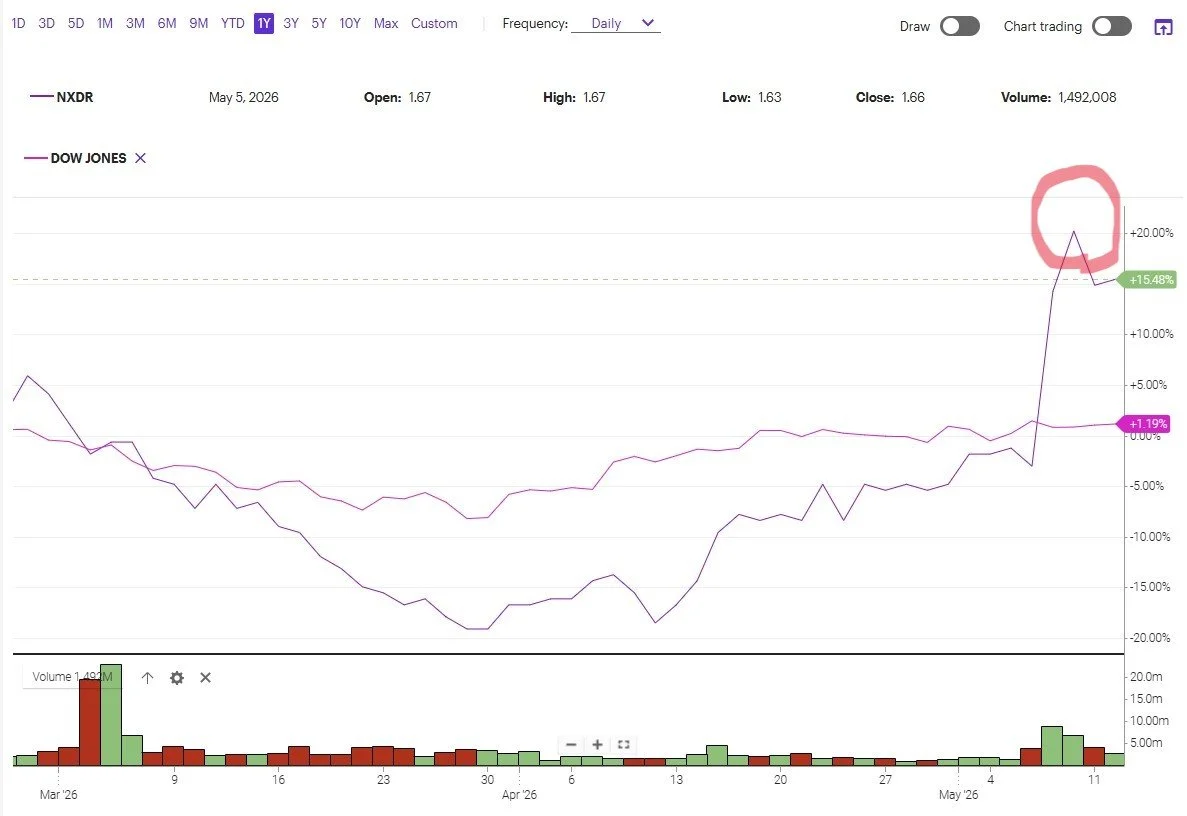
After reaching a 3-month high of $2.02, the stock corrected, closing on 5/12/26 at $1.94 per share. Markets move—but long term, communication matters.
Companies can shape narratives for a while. But eventually, the questions come:
Is engagement real?
Is criticism welcomed?
Is “trust” measurable?
I didn’t create this situation alone. It developed because a communications platform chose not to communicate. And when silence becomes the response, people document the silence.
Subscribe to NielFlamm.com.
#Nextdoor #NXDR #CorporateGovernance #SocialMedia #InvestorRelations #TrustEconomy
Weight Loss, “Community,” and the Business Model Behind It
An hour ago, Nextdoor shared new insights into weight-loss trends—highlighting high intent, community-driven support, and a perceived gap in advertising.
On the surface, it sounds compelling.
But step back and look at the bigger picture.
The U.S. weight loss market is estimated at $150 billion annually, with the global market approaching $300 billion. That’s a massive commercial opportunity.
And platforms like Nextdoor aren’t just observing this trend—they’re positioning themselves inside it.
Their LinkedIn posts consistently follow a pattern:
Highlight a behavioral trend
Emphasize “community trust.”
Attract brands and advertisers
Drive engagement and Weekly Active Users
That’s the funnel.
Now let’s talk about “support.”
Nextdoor reports that 71% of neighbors are comfortable turning to their local community for help with weight loss goals. But what does that “support” actually look like?
A meaningful portion may come from neighbors selling products they personally use—often tied to:
Herbalife
Amway
Ambit Energy
These are multi-level marketing (MLM) businesses. While legal, MLMs rely heavily on:
Recruiting others into a “downline.”
Earning commissions from those recruits
Hitting quotas and sales targets
And here’s where the data adds context:
Studies show 70% to over 90% of MLM participants earn little to no profit, with many losing money after expenses.
Company disclosures often show very low median earnings, especially in the lower tiers.
Participants often invest in inventory, training, or events, increasing pressure.
Beyond finances:
Selling within personal networks can create tension with friends and family.
Social pressure to “support the business” can blur the line between connection and obligation.
Some who overextend financially report debt and even bankruptcy tied to unsuccessful participation.
So when “community support” intersects with product selling + recruitment incentives, it raises a real question:
👉 Is that support… or is it distribution?
Nextdoor emphasizes trust as a core differentiator. But trust isn’t just about proximity—it’s about transparency, incentives, and outcomes.
If neighbors are both support systems and sales channels, the line gets blurry.
And for brands looking at this “high-intent audience,” that distinction matters.
Because in a $300B global market, who benefits from the ecosystem—and how—is the real story.
Subscribe to NielFlamm.com.
#Nextdoor #MarketingStrategy #DigitalAdvertising #MLM #ConsumerBehavior #TrustEconomy

🥊 擂台上感觉有点不对劲
你好,我是Niel。
母亲节。几个兄弟。一部本该很炸的电影。
但结果却没有。
打斗感觉有点慢。剧情?有点难跟上。那种怀旧感……也不是你以为的那样。
我用一个PPT风格的影评做了完整解析——简洁、有结构、直击重点。
👉 在 NielFlamm.com – Videos – Movie Reviews 观看
👉 更多内容请访问 NielFlamm.com/blog
那天在影院里发生的事……让我一直在想。

🥊 Something Felt Off in the Arena
Hello, Niel here.
Mother’s Day. A few guys. A movie that should’ve hit.
But something didn’t.
The fights felt slow. The story? Hard to follow. The nostalgia… not what you expect.
I break it all down in a PowerPoint-style review—quick, structured, and to the point.
👉 Watch it on NielFlamm.com – Videos – Movie Reviews
👉 More at NielFlamm.com/blog
Something happened in that theater… and it stuck with me.

🎬 别看这部了
我看了《Dolly》……这时间算是白费了。
它试图把乡野恐怖、心理混乱,还有别的元素混在一起——但全都没效果。设定奇怪,执行粗糙,甚至连“烂得好看”都算不上。
它在流媒体上,如果你好奇。其实不该好奇。
也别去 NielFlamm.com。
#Dolly #电影评论