
My Nextdoor Experiment: Six Days Later, the Conflict Is Still There
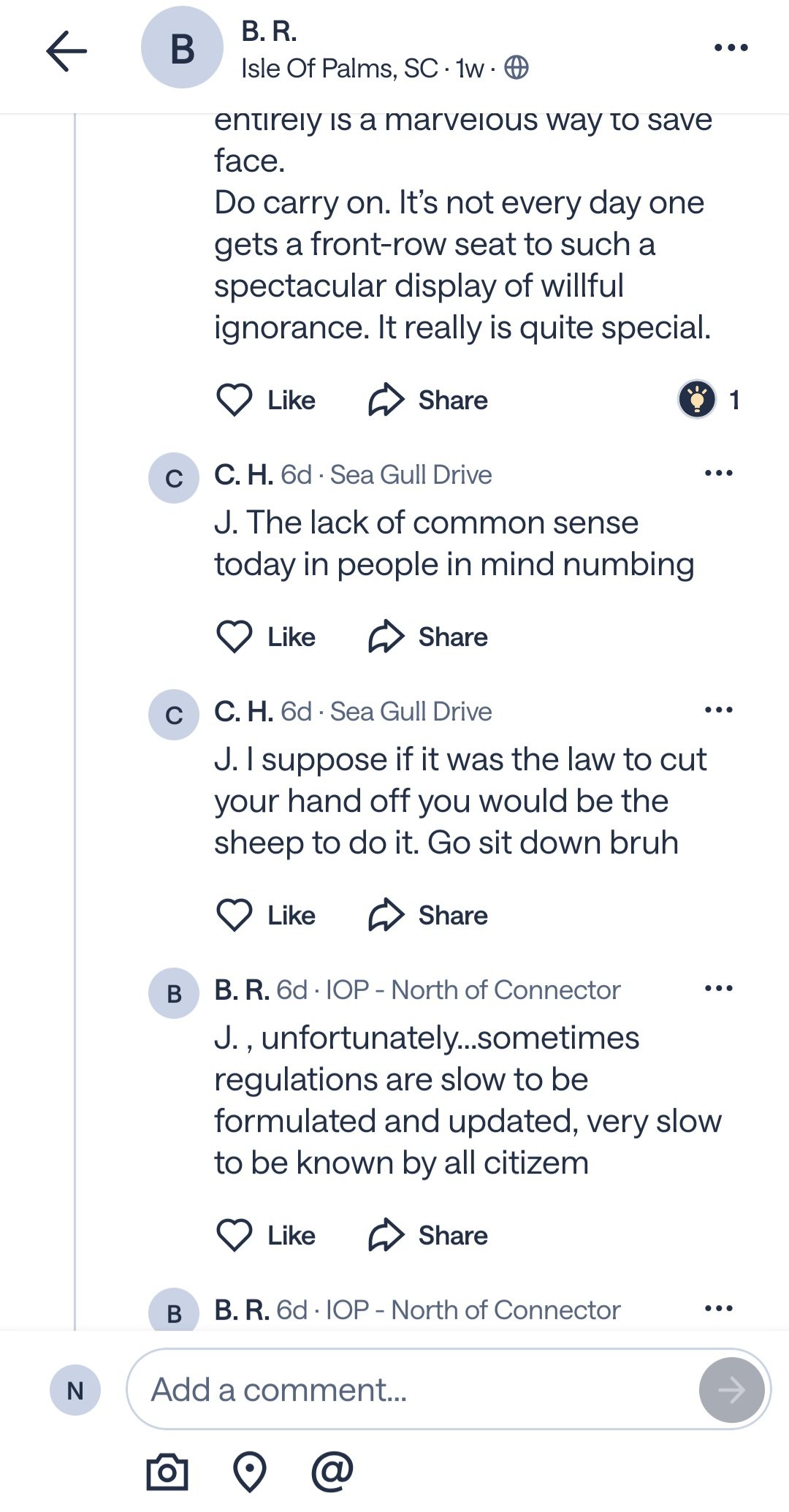
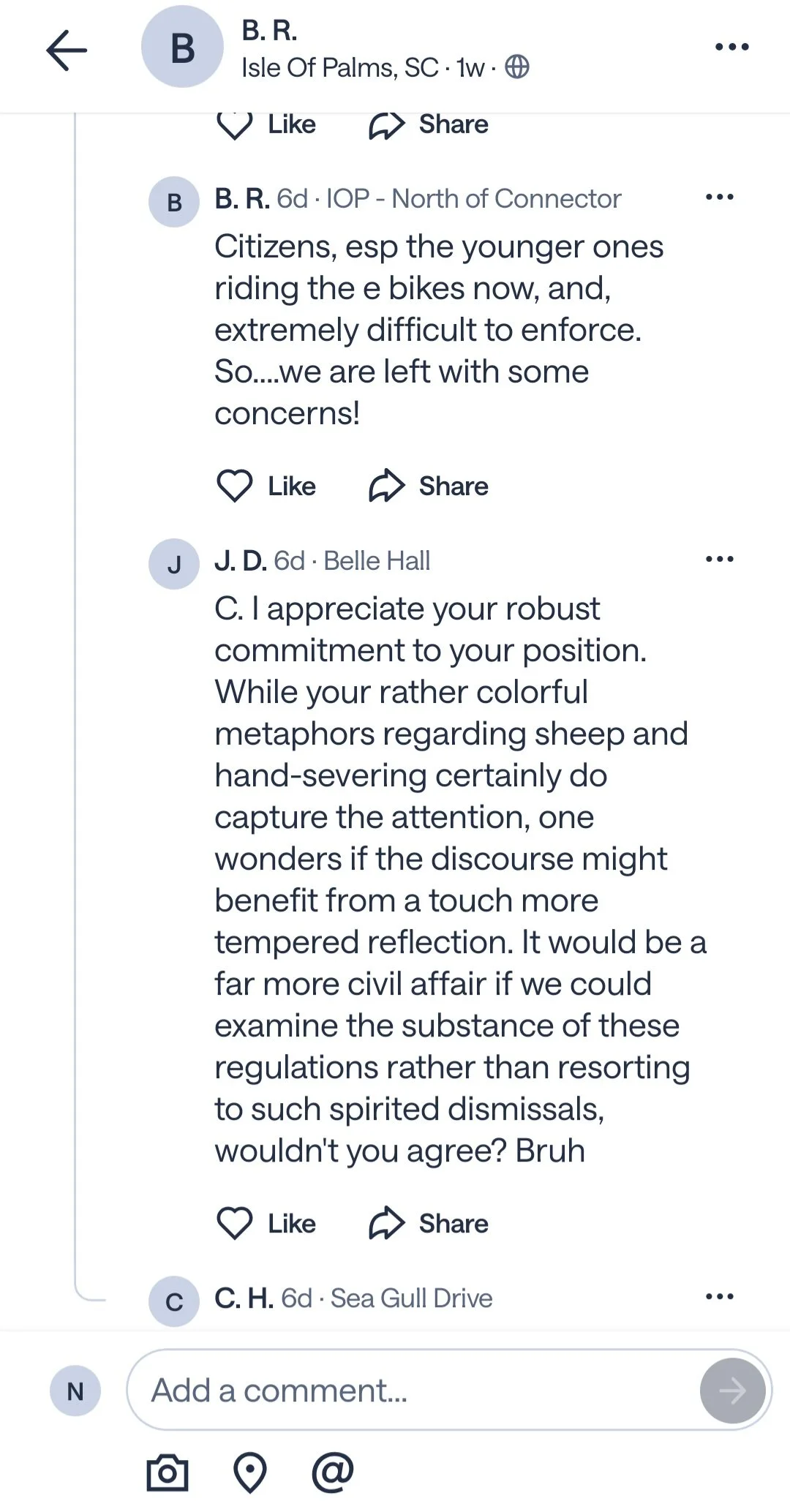
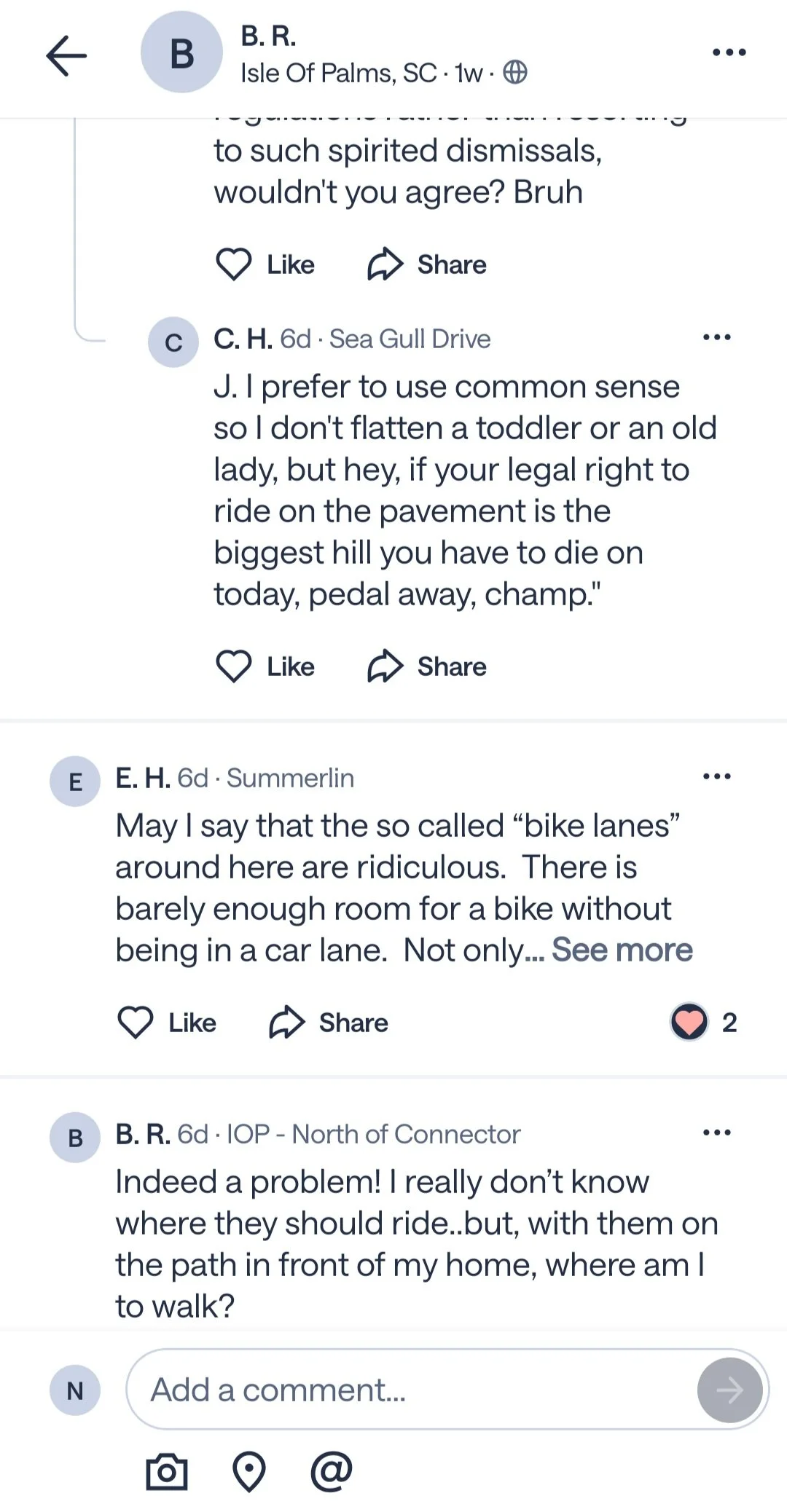
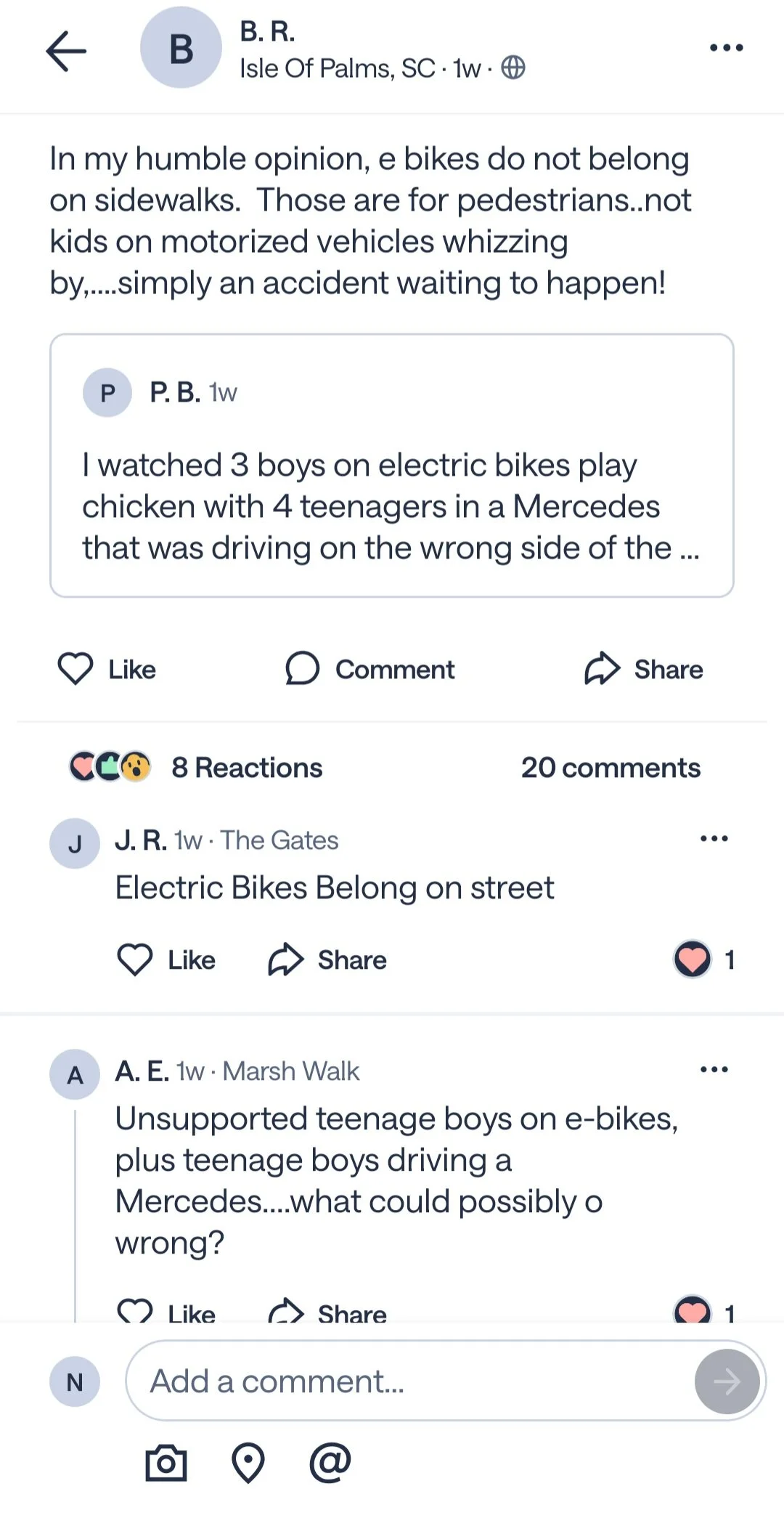
As part of my ongoing observation of the Nextdoor platform, I noticed something interesting this week.
By the way, as of writing this post, Nextdoor (NYSE: NXDR) is up approximately 4.5% to $2.32 per share. Markets move for many reasons, but I continue watching both the business and the user experience.
One of the biggest recurring topics in my neighborhood is e-bikes.
A post asking whether e-bikes should be permitted on sidewalks quickly turned into a debate. That wasn't surprising. Transportation, safety, and neighborhood etiquette are already topics that generate strong opinions.
What did surprise me was what happened next.
The discussion didn't cool off.
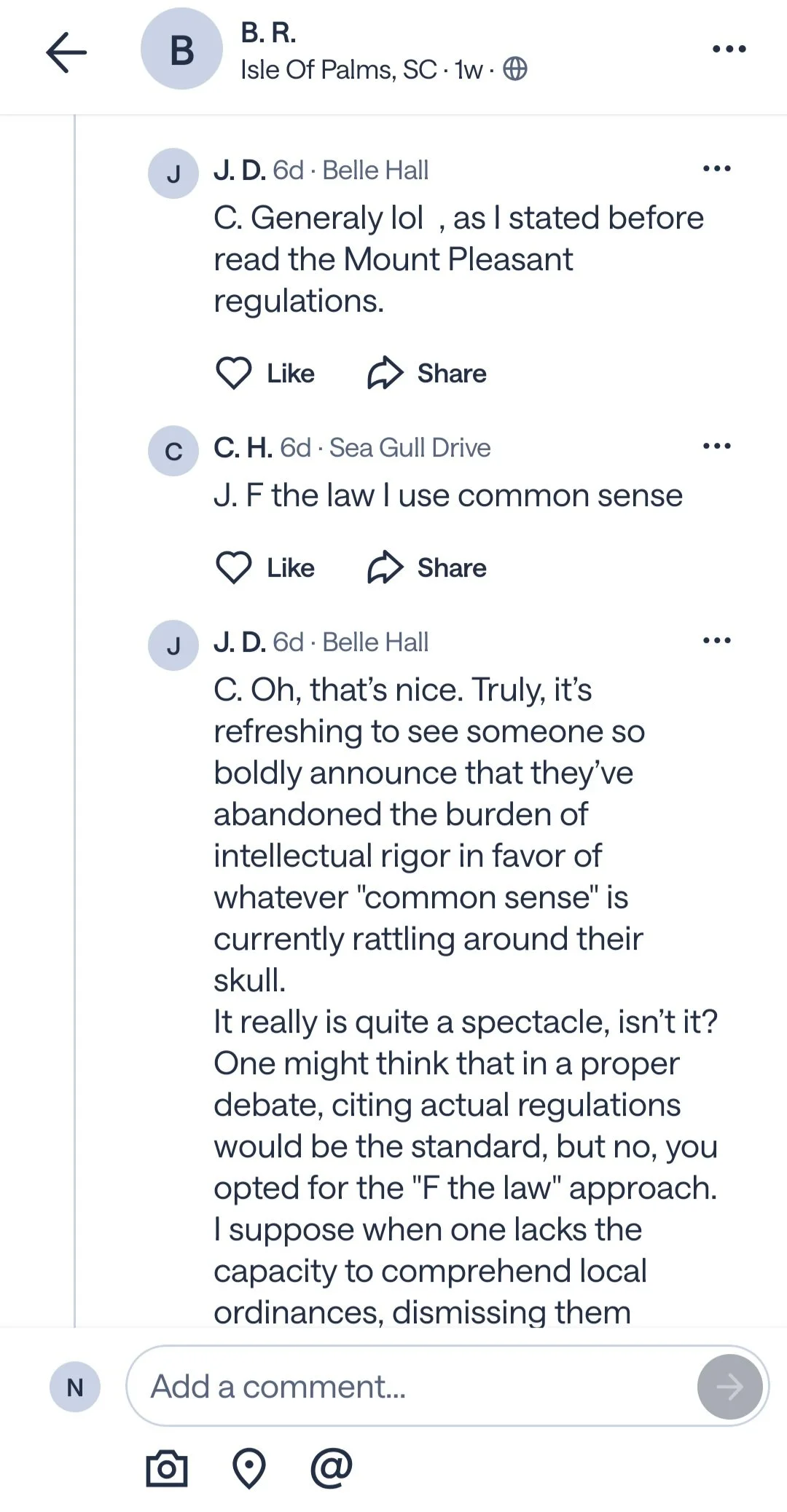
It escalated.
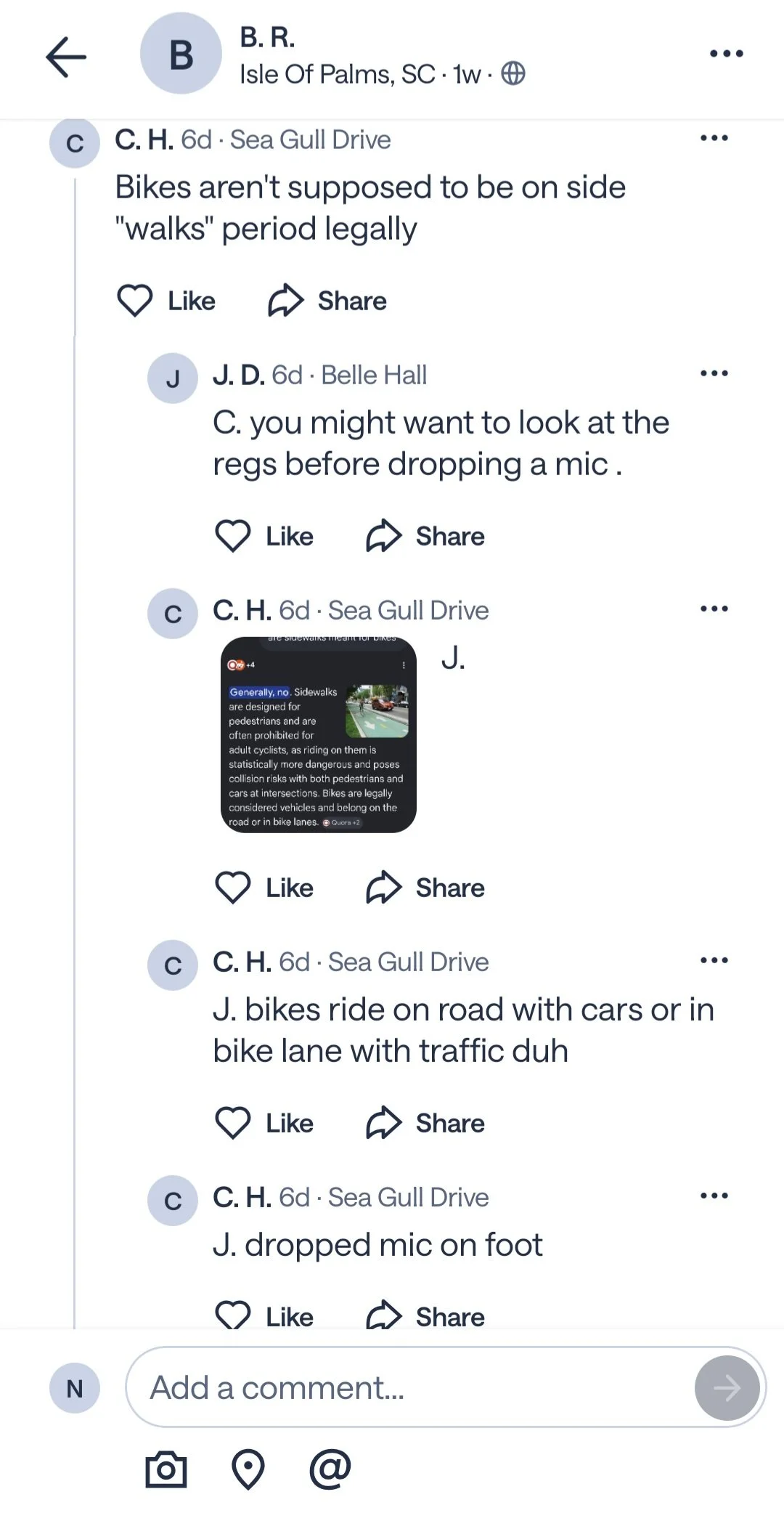
The following day, comments became increasingly personal, with one user being directly targeted rather than the discussion remaining focused on the issue itself.
And this wasn't a "my mistake" moment that was quickly corrected.
As of today, the post has remained active for six days.
This brings me back to the same question I've been asking for months.
If Nextdoor relies on unpaid community moderators, how is quality assurance ensured?
Who reviews moderator decisions?
Who coaches moderators?
Who ensures moderation is applied consistently across neighborhoods?
Every moderation system benefits from oversight. Customer service teams have quality monitoring. Call centers review interactions. Content moderation should be no different.
I've previously suggested a formal QA program with ongoing coaching, calibration, and AI-assisted detection to help identify escalating conversations before they become personal attacks.
Instead, I’m seeing what appears to be inconsistent moderation.
As a user and shareholder, I naturally question whether moderation standards are being applied consistently—or whether some users receive different treatment than others.
I'm genuinely interested in hearing from others.
Have you experienced inconsistent moderation or difficulty understanding how moderation decisions are made?
If so, I'd like to hear your story.
Feel free to connect with me here on LinkedIn, email me at niel@nielflamm.com, or call/text me at 843-212-6824.
One final observation: if you're a Nextdoor advertiser or user looking for phone-based customer support, you'll likely find no publicly available customer service number.
I'd love to hear your experiences.
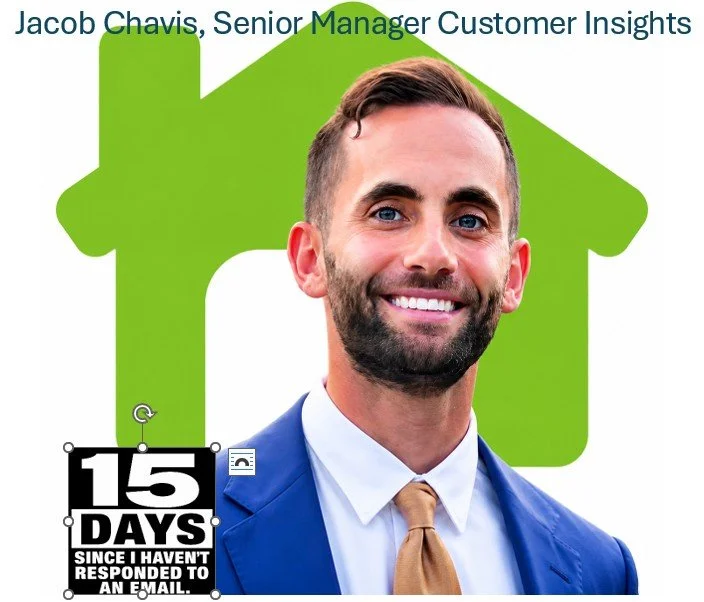
Day 15: The Report Is Still Missing
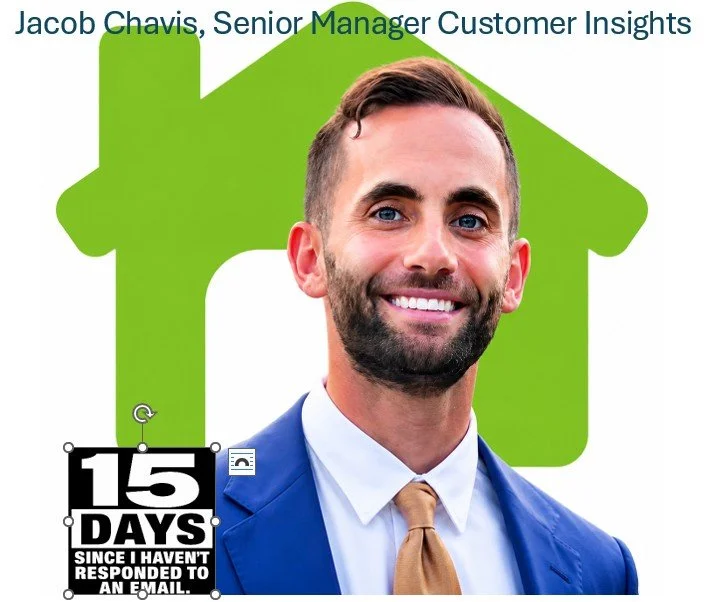
Today is Day 15 since I requested the Home Insurance Insights study. Nextdoor's Communications team said it was available upon request.
As of today, I have received:
No report.
No link.
No acknowledgment.
No indication that anyone is working on my request.
After multiple requests, I'm asking whether my experience is unique or whether others have encountered similar treatment from organizations that emphasize connecting people and communities.
Yesterday, I wrote about Nextdoor's investment in a Dallas engineering hub, even as many executive leaders are based elsewhere.
As a shareholder, I believe there may be a stronger return on investment in expanding a robust Customer Experience organization—one that supports advertisers, users, and investors with timely communication and issue resolution.
Customer experience isn't just about software.
It's about people responding.
It's about closing the loop.
It's about building trust.
My experience so far has been the opposite.
I also attempted to reach John T. Williams, who previously served as Head of Investor Relations at Nextdoor. My email was returned almost immediately because the mailbox was no longer available.
That happens when people move on, but it reinforces a broader point: when communication channels disappear, or requests go unanswered, stakeholders are left wondering where to turn.
If you're asking advertisers and shareholders to invest in your platform, responsiveness isn't a nice-to-have.
It's part of the product.
I expect someone at Nextdoor will eventually send the study or explain why it isn't being provided.
Until then, Day 15 continues.
Join the discussion on NielFlamm.com.

Disclosure Day: Is It Worth Seeing?

I finally made it to the theater to watch Disclosure Day—16 days after its release—and I'm glad I did.
If you're a fan of big-screen science fiction, mysterious government secrets, aliens, conspiracy theories, and movies that capture a sense of awe and wonder, this one is worth talking about. In my latest movie review, I share what worked, what reminded me of classic sci-fi adventures, and why I think this movie should be experienced in theaters rather than on your couch.
No spoilers here... well, almost.
Head over to NielFlamm.com Videos to watch my full review. While you're there, check out my other movie reviews, personal stories, commentary, and the rest of the internet garbage I've somehow convinced people to watch.
You might laugh.
You might disagree.
You might wonder how you ended up there in the first place.
Either way, thanks for stopping by, and I'll see you in the next review... or whatever.
Do as I Say, Not as I Do?
Earlier today, I wrote a post asking questions about Nextdoor’s workplace strategy.
From what I’ve seen, members of the C-suite appear to work from various locations, while engineers are expected to report to a new engineering hub in Dallas, Texas. If that’s the strategy, I’d genuinely like to understand the business rationale behind it.
I tagged several members of Nextdoor’s leadership team. Some I couldn’t tag because I couldn’t locate their LinkedIn profiles. Ironically, one of them was Kelsey Grady, Executive Vice President, Communications.
An interesting thing happened afterward.
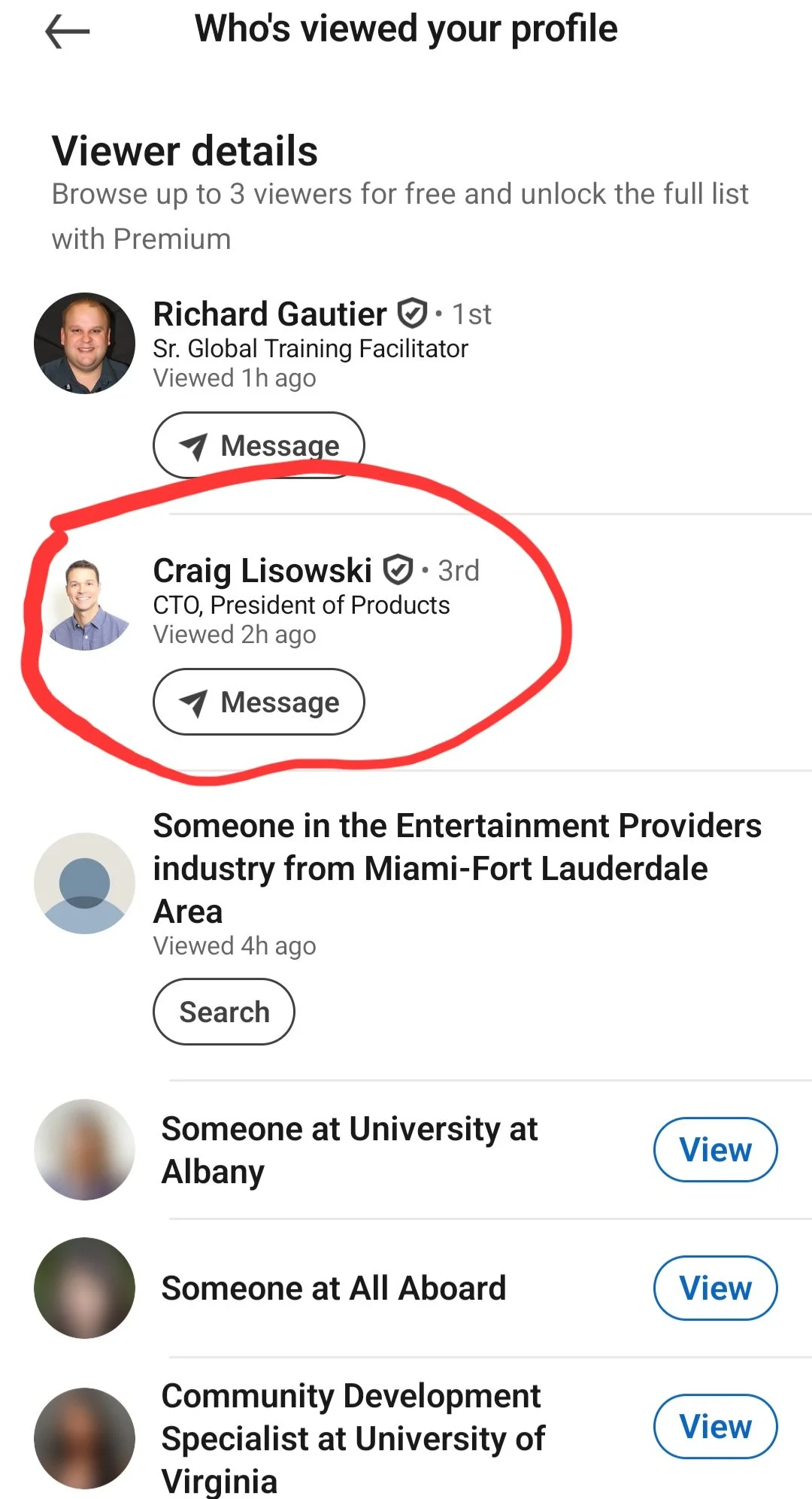
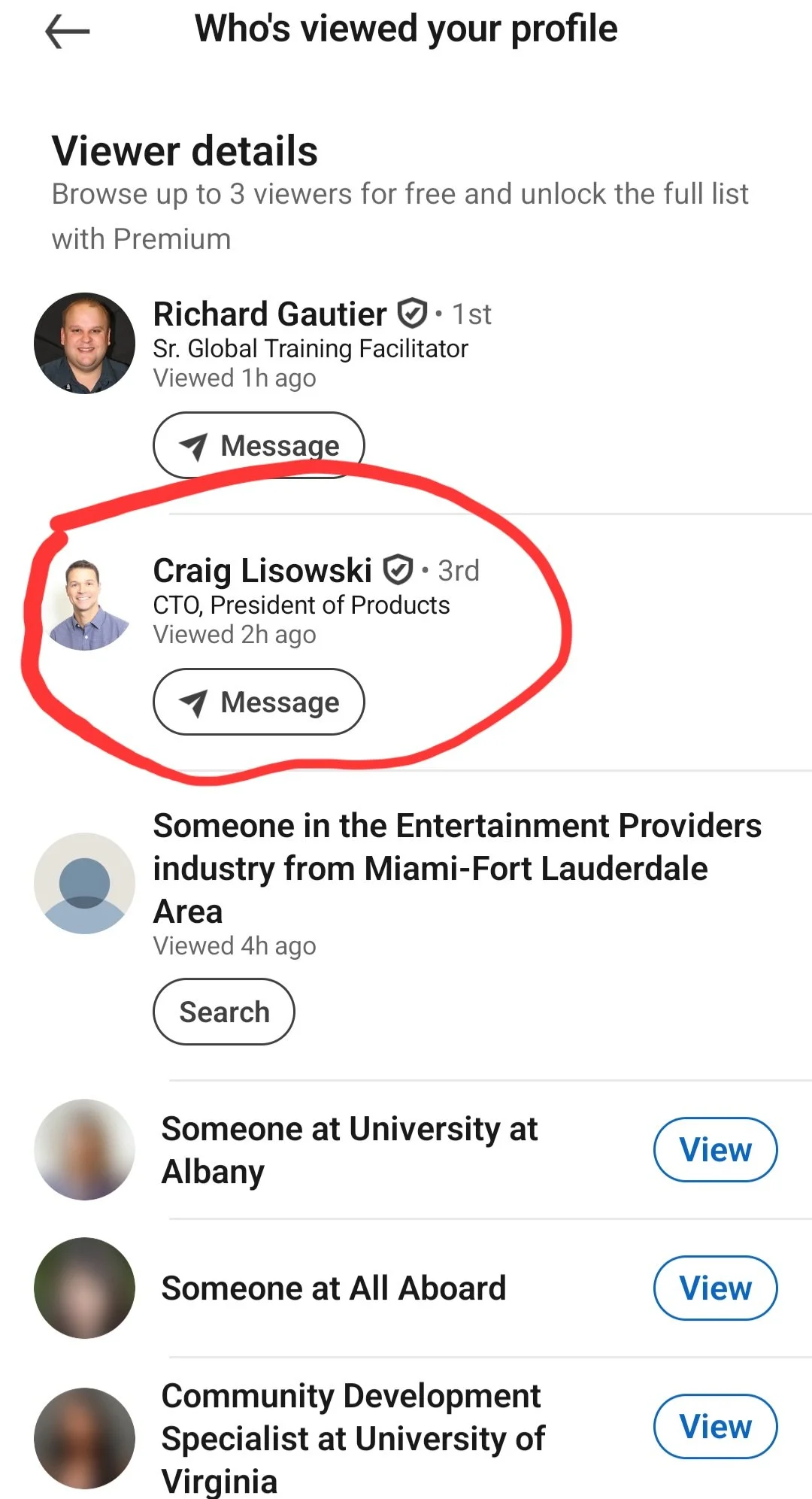
Craig Lisowski viewed my LinkedIn profile.
According to his LinkedIn profile, he is CTO (Chief Technical Officer) and President of Products, and his location is listed as San Francisco, California.
If the engineering “meeting of the minds” is centered in Dallas, that’s quite a commute.
So I’ll ask again, respectfully:
What is the leadership philosophy behind having executives distributed across multiple locations while requiring engineers to work from a centralized office?
There may be a sound business reason. If so, I’d love to hear it. Transparency around decisions like these helps employees, prospective candidates, shareholders, and customers better understand the company’s direction.
Someone, please explain this to me.
Join the discussion on NielFlamm.com/blog
Measuring Service Levels
Today I started a new counter.
As someone with a background in Learning & Development, Operations, Customer Experience, and Quality, I believe metrics matter. You can’t improve what you don’t measure.
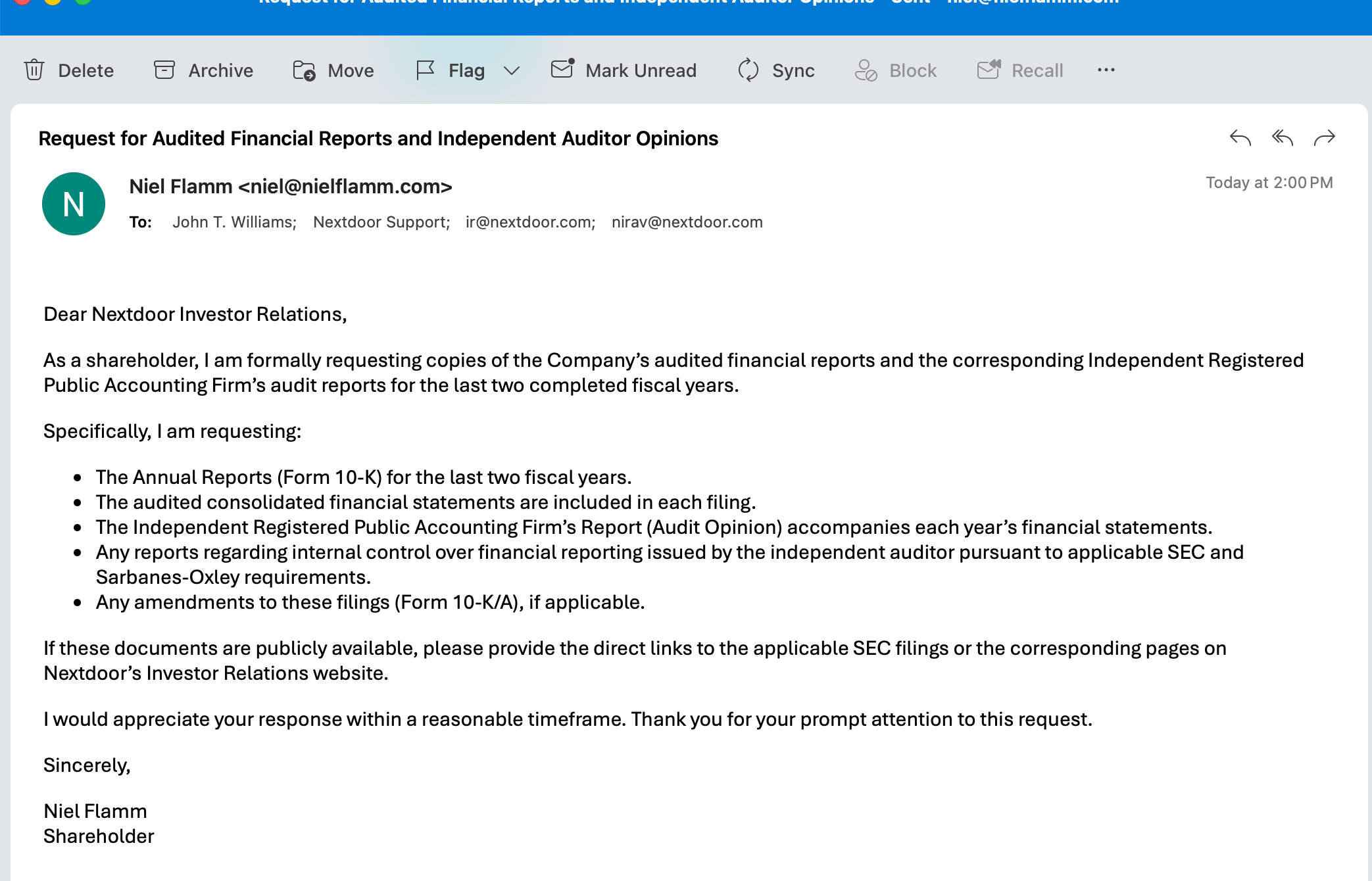
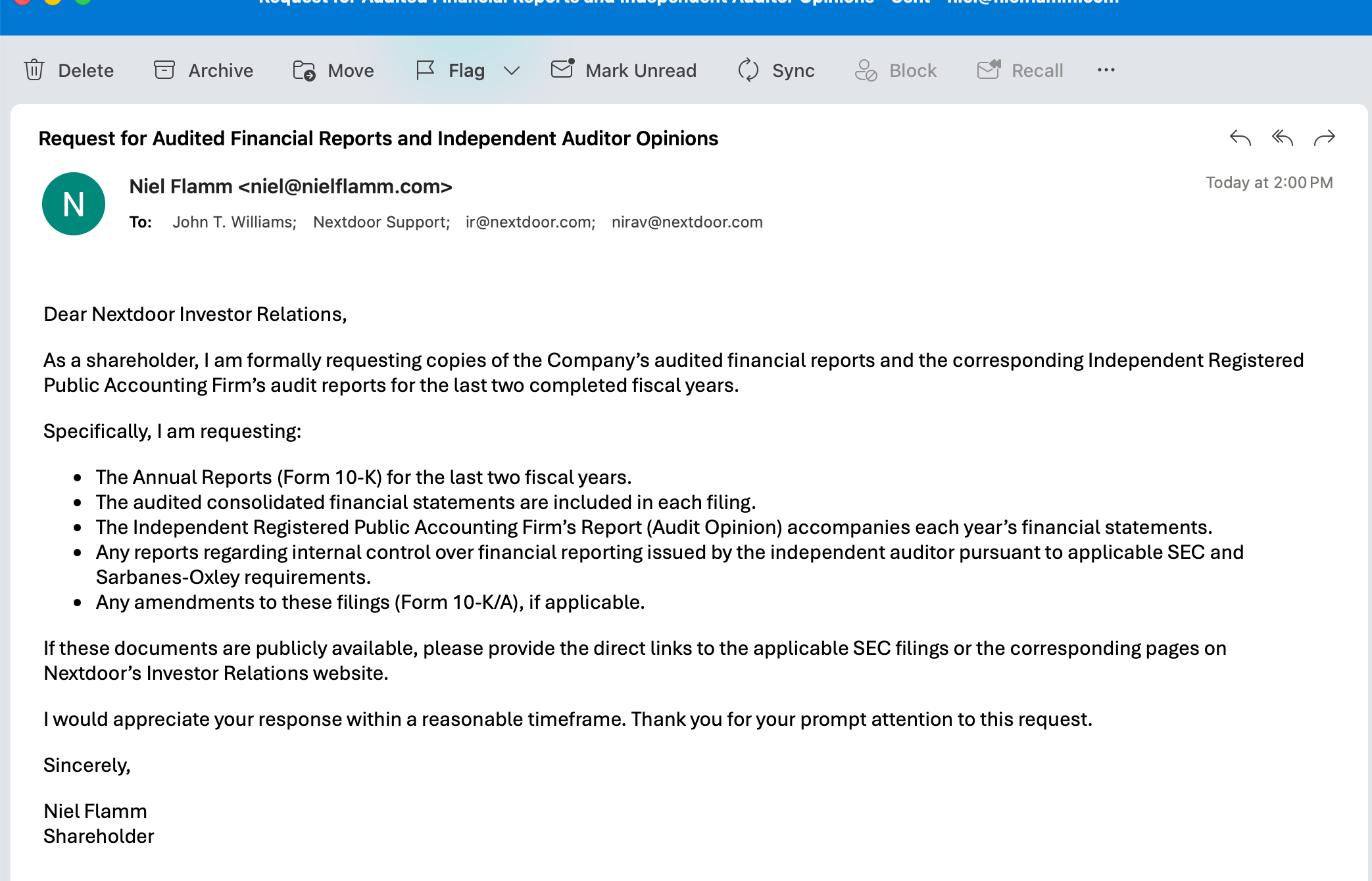
Today, I submitted a request to Nextdoor Investor Relations for the Company’s audited financial reports for the last two fiscal years, or for direct links to the publicly available filings.
As a reminder, today is Day 14 since I requested a copy of a study from Jacob Chavis, Senior Manager, Customer Insights, that was referenced as being available at the conclusion of one of Nextdoor’s posts. I have not yet received the study or a response to my request.
I’m interested in understanding the service levels provided to shareholders and whether this experience differs from the responsiveness I’ve experienced through other Nextdoor channels.
Anyone who knows me knows I don’t simply walk away from unanswered questions. In sales, there’s an old saying: “They buy, or they die.” Persistence matters. In this case, I’m interested in seeing whether Nextdoor is willing to have an open discussion about its culture, communication practices, and methodology—or what CEO Nirav Tolia has described as the company’s “thesis.”
An update: As I was writing this post, I received a reply from John T. Williams, Head of Investor Relations. Talk about timing.
Now I have to wonder… did someone set up an alert, or has John decided it’s time to head for the lifeboats instead of staying aboard the Titanic? 😄 Either way, I appreciate the response and look forward to reviewing the information provided.
The counter continues. I’ll document what I receive, how long it takes, and what I learn. Transparency, accountability, and continuous improvement benefit customers, employees, shareholders, and the company alike.
Join the discussion on NielFlamm.com/blog.