
When the Playlist Becomes the Customer Experience
This afternoon I was doing what I normally do on a weekend—working on my blog (yes... more of my "I hate Nextdoor" content), stopping at Costco Wholesale, then settling into the Starbucks on Highway 41 in Mount Pleasant, near Rivertowne.
My order? A Venti Black Iced Tea with an extra pump of Classic and a Cheese Danish. Great combination.
I arrived around 5:00 PM and planned to spend a couple of hours writing. Around 6:30 PM, something changed.
The café music stopped.
Then music started playing from a different source somewhere in the back of the store. First came death metal. Then a rap song filled with profanity, including the N-word. Curious, I asked Shazam what it was. The only thing it identified was a sample from Star by Sly and the Family Stone. (Yes, I'm old enough to remember them.)
It was one of those moments where you wonder who is actually in charge of the customer experience.
For full transparency, I laughed at myself because I've been on the other side.
When I was about 13, I was helping run the Village Delicatessen in Westbury. Before customers came in, I'd blast Def Leppard's Hysteria while drinking wine coolers. Later, while working at Piece By Peace on the Upper East Side, someone decided that Darude's "Sandstorm" was appropriate store music. In both cases, though, the music stopped when customers walked in.
Today, I provided feedback while I was still in the store using the Starbucks website chat. I explained exactly what happened, noted that I had short videos of both songs, and even offered to share them with local management.
After about 20 minutes of answering questions, I was asked to call a phone number instead.
That experience was more disappointing than the music.
Here are my suggestions for Starbucks:
• If a customer clearly states they're trying to provide store feedback, don't spend 20 minutes collecting information only to redirect them to another channel.
• Customer experience impacts revenue. I skipped the grilled cheese and left.
• Consider creating or expanding a Customer Experience QA team that periodically visits stores, much like secret shoppers. Today's technology makes it easier than ever to understand what customers actually experience in your locations.
One final thought.
I don't care what's on the secret menu nearly as much as I care about feeling heard, welcomed, and valued as a customer.
If you'd like to see the short videos from today's visit, they're available at NielFlamm.com/videos/starbucks.
I'd love to hear from others in customer experience, retail, hospitality, and leadership.
How should companies make it easier for customers to provide feedback before they decide not to come back?
Join the discussion on NielFlamm.com.
My Nextdoor Purveying Continues: Are They Really “Connecting Neighbors”?
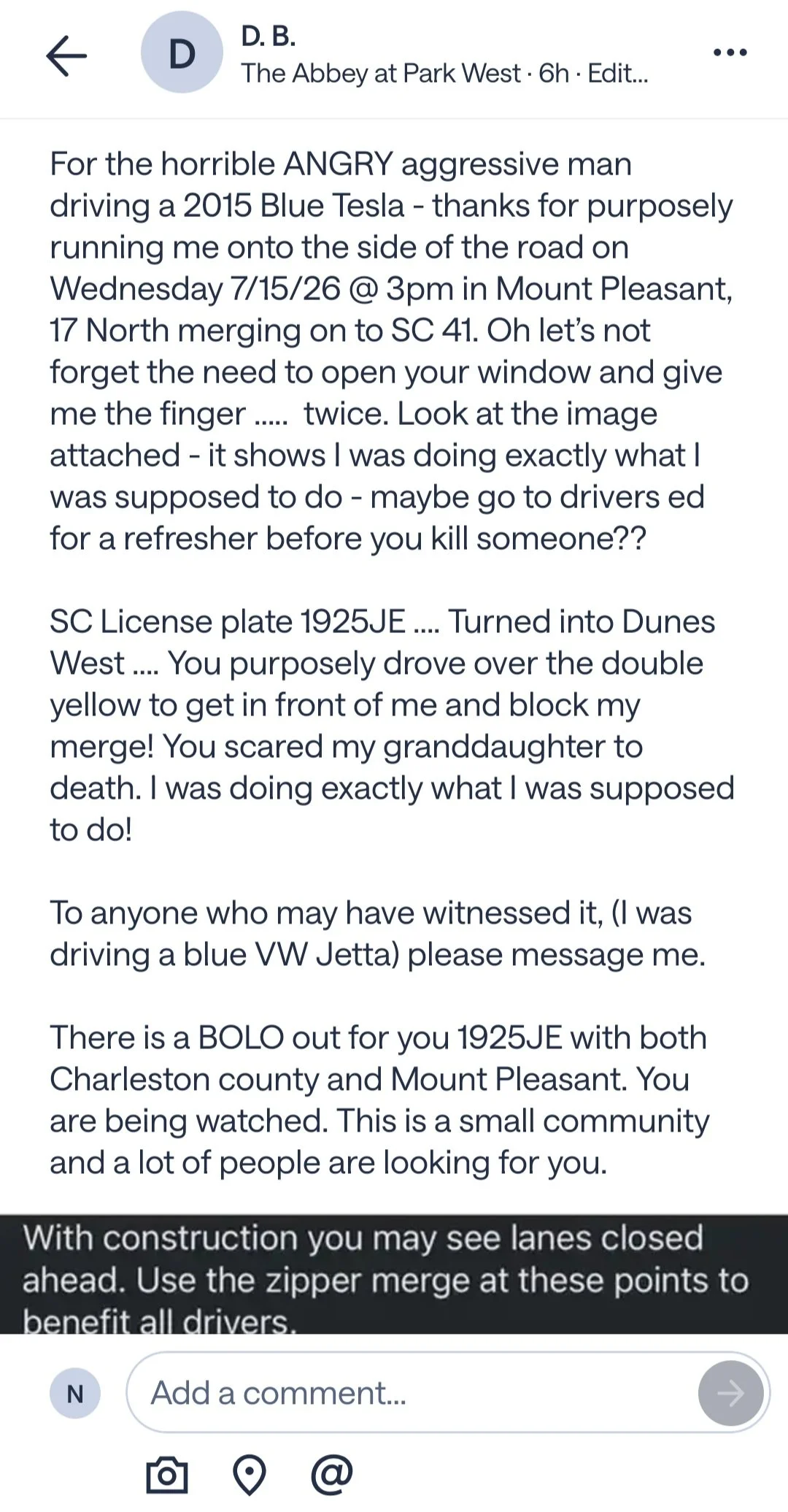
This afternoon, I noticed a Nextdoor post about an offensive driver in a nearby community. The driver’s behavior isn’t my focus. In full transparency, I sometimes struggle with road rage myself. I have to practice the serenity I learned in recovery—and then give it away. I hope we can all learn to share the road with greater care and compassion. I’m working on it.
Two things in the discussion stood out.
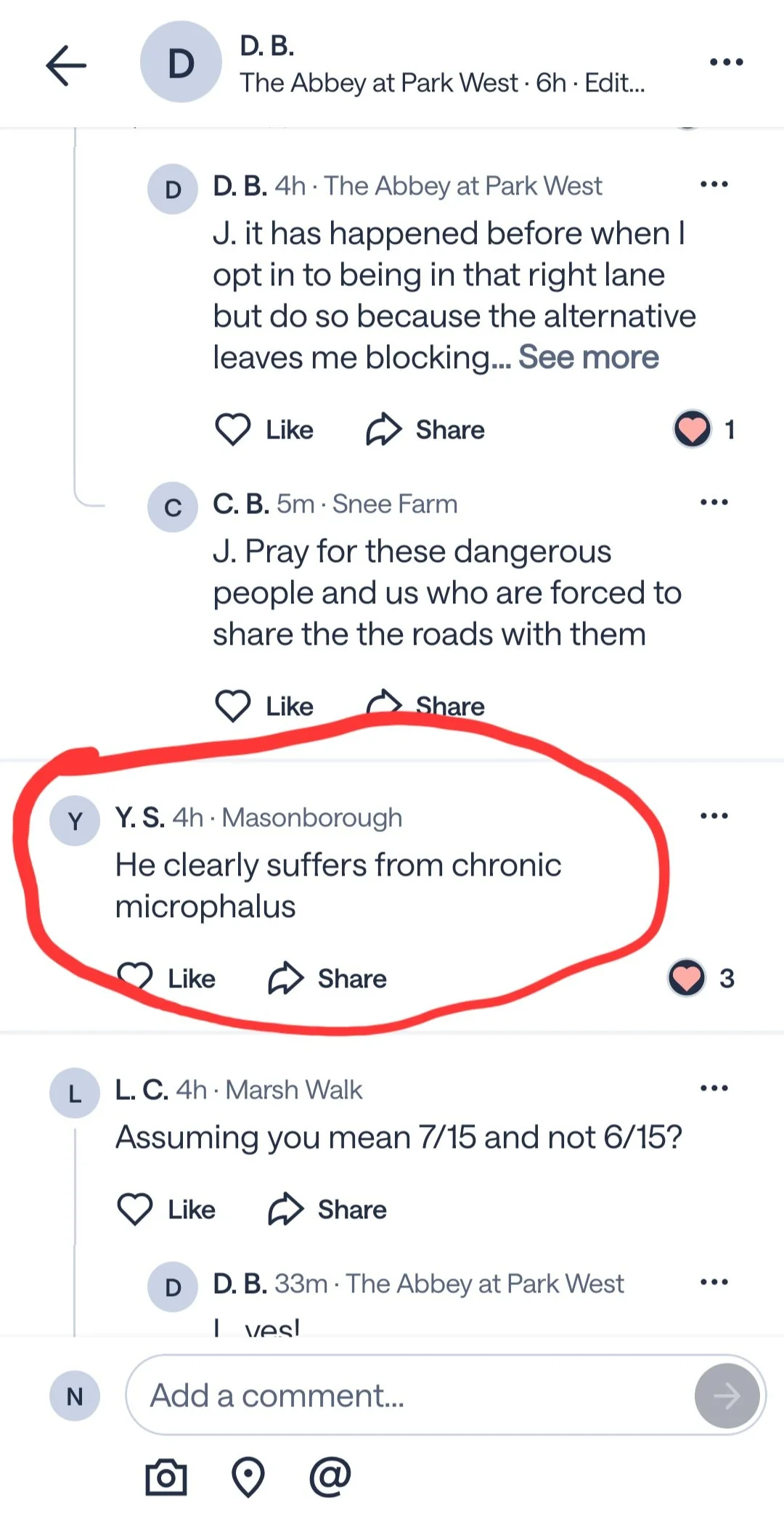
First, a commenter resorted to name-calling and made an assumption about the driver’s male anatomy. It wasn’t explicitly lewd, though some might consider it graphic. The larger question is: How does name-calling help “connect neighbors”? The comment had remained visible for at least four hours, despite appearing to violate the platform’s policies.
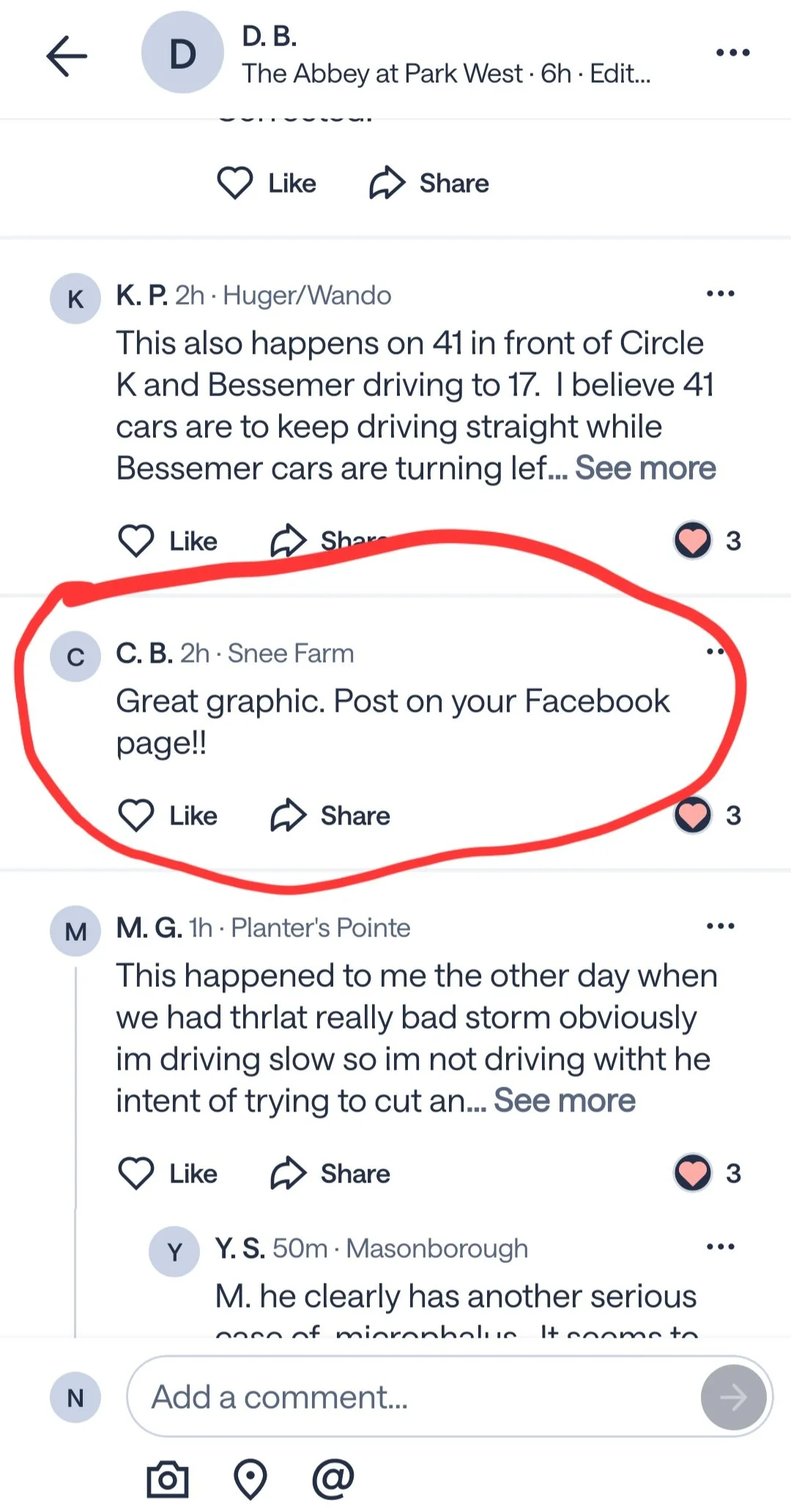
Second, the original post included a useful infographic, yet people suggested sharing it on the Facebook. Why? If one in three neighbors is on Nextdoor to connect and exchange information, what additional benefit is the Facebook expected to provide?
Perhaps the answer is that Facebook has far greater brand recognition, presence, and identity. People understand what Facebook is and why they use it. Nextdoor’s identity and value proposition feel much less clear.
Is Nextdoor truly building community, or has it become another place for people to act like keyboard Karens—apologies to the Karens—and hide behind their initials?
These concerns—the inconsistent enforcement of community standards, reliance on competing platforms to broaden a message, and lack of a clear identity—are precisely why I remain bearish on NXDR. The company formerly traded under the ticker KIND, an amusing bit of irony in this context. I also wish I had sold at the $2.53 peak.
Join the conversation on NielFlamm.com.
A Backpack With a Particular Set of Skills
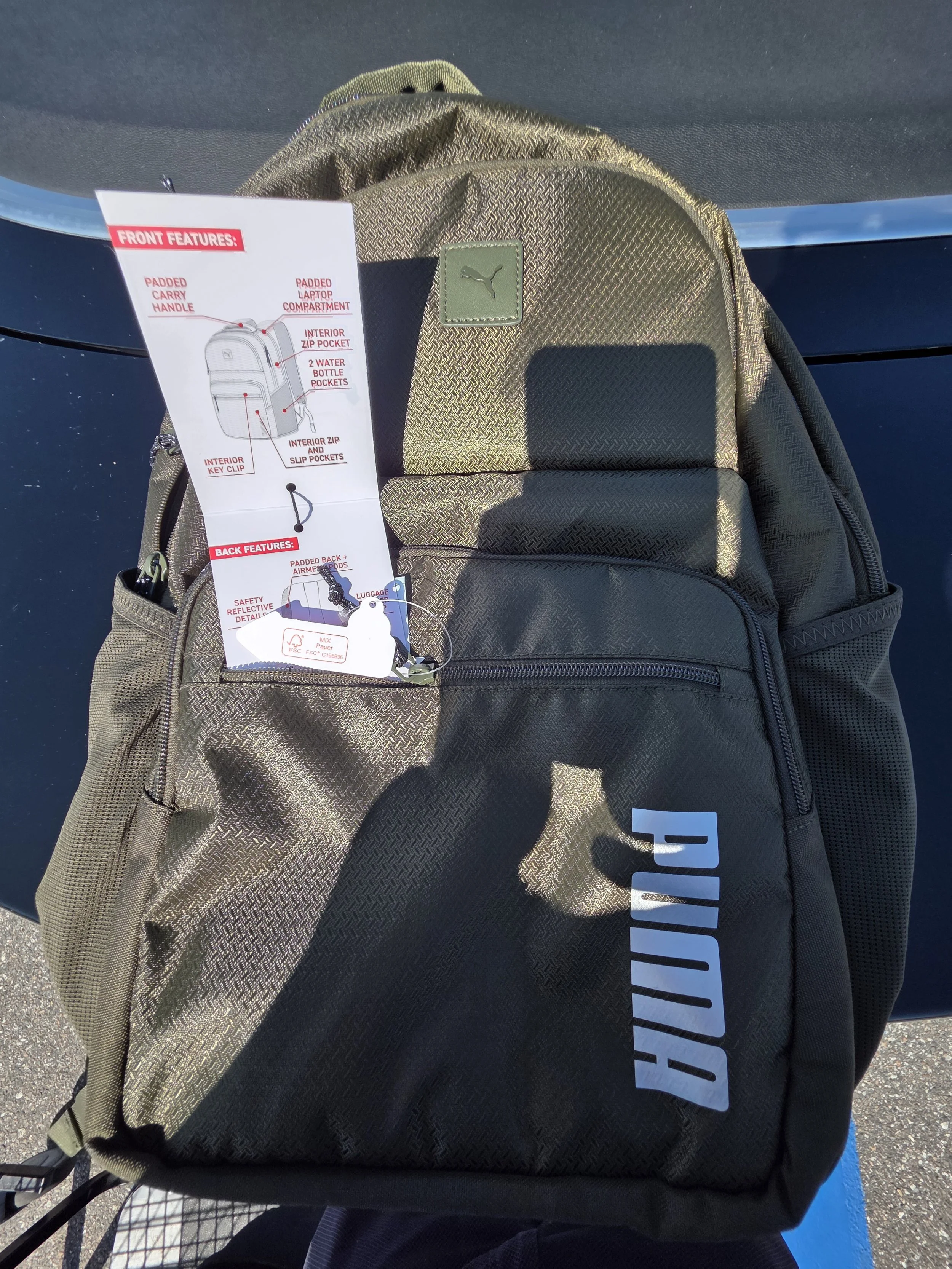
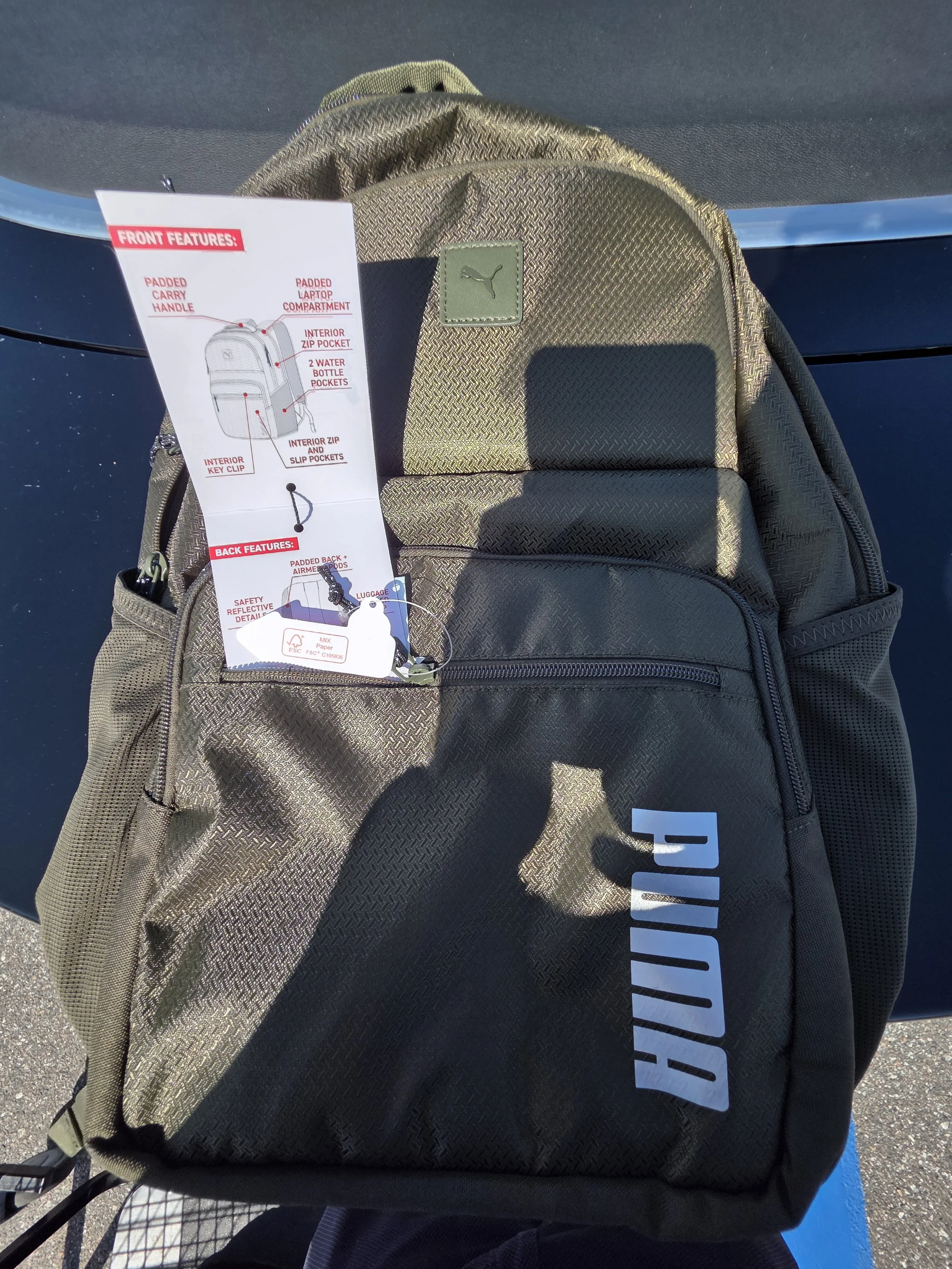
Today, I went to Costco to get a new backpack.
Full transparency: I also picked up some Harry’s razors to try—and some underwear. I know, TMI.
I have a habit of collecting backpacks, among other things. It’s my addictive personality manifesting itself. This time, however, I needed a backpack with “a particular set of skills.”
This backpack will be my dialysis bag.
I prefer a backpack because it keeps my hands free—or at least one hand, since I use the other to hold a cane when I walk. It’s a simple thing, but having everything comfortably on my back makes getting around much easier.
My dialysis backpack needs a compartment large enough to hold two small blankets because the treatment room can get very cold. It also has to fit a neck pillow and a Bluetooth headset sleep mask, which is essential for helping me sleep during treatment and making the time pass faster.
Then there are the practical necessities: water, snacks in case my blood sugar gets low, a pocket for papers, and room for all the other ancillary stuff that comes with treatment.
Some folks arrive with several enormous reusable grocery bags. Others bring carry-on suitcases. One lady brings a collapsible wagon loaded with all kinds of supplies.
When I travel, I’m notorious for packing too much. But for dialysis, I like to keep things light, organized, and ready in the car.
I get it done with a backpack—one that has a very particular set of skills.
Day 35: Still Waiting
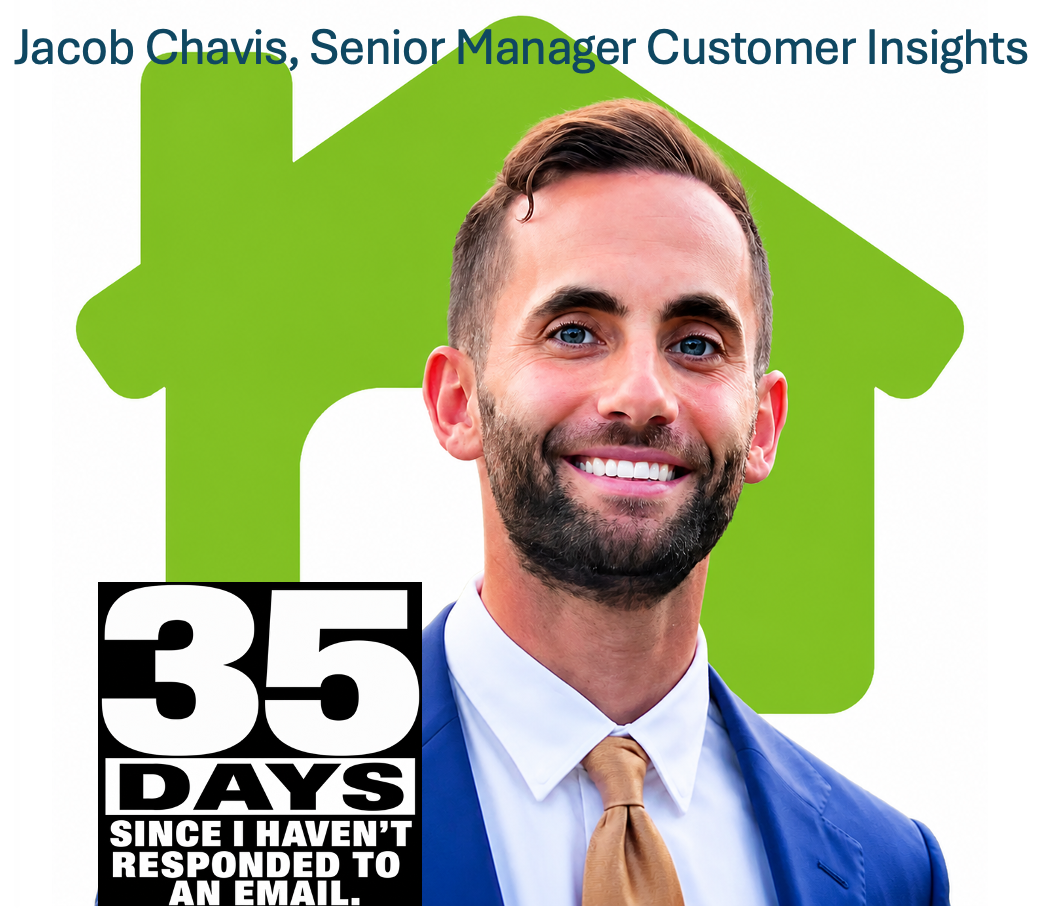
Today marks Day 35 since I requested a copy of a Nextdoor study that company communications directed readers to request from Jacob Chavis.
As of today:
No study received.
No response.
No read receipt from my most recent email sent to multiple recipients.
At this point, this is no longer about a single report. For me, it's about communication, responsiveness, and the experience of engaging with a company as a shareholder and former user.
When organizations encourage people to reach out, those requests should be acknowledged—even if the answer is simply, "We're looking into it."
I'll continue documenting this process until I receive a response or the study.
Has anyone else experienced extended silence after reaching out to a company for publicly referenced information?
Join the discussion on NielFlamm.com.
Monthly Dialysis Labs: A Surprising Number I Haven't Seen Since 2025
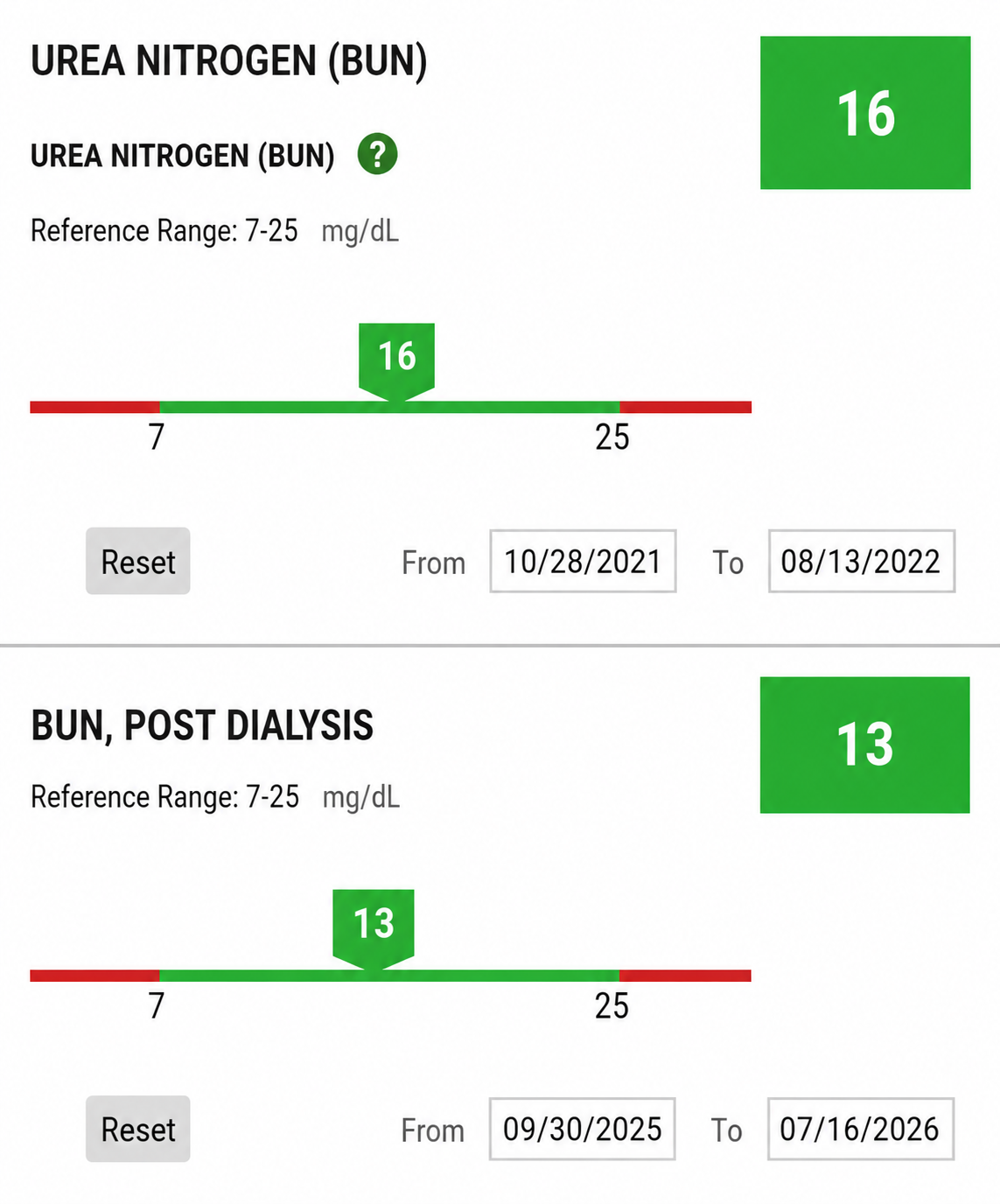
Every month during dialysis, I have a full set of lab work done. The nice part? No extra needle stick. The blood is drawn directly through the dialysis tubing while I'm already connected.
The monthly labs help monitor many aspects of living with End Stage Renal Disease (ESRD), including:
Potassium – helps reduce the risk of dangerous heart rhythm problems.
Creatinine – shows how well my kidneys are filtering waste.
Phosphorus – high levels can pull calcium from the bones, while levels that are too low can affect oxygen delivery to muscles and lead to weakness.
Iron
Hemoglobin
Sodium
Chloride
Carbon Dioxide
Total Serum Protein
Albumin
Magnesium
Platelet Count
White Blood Cell Count
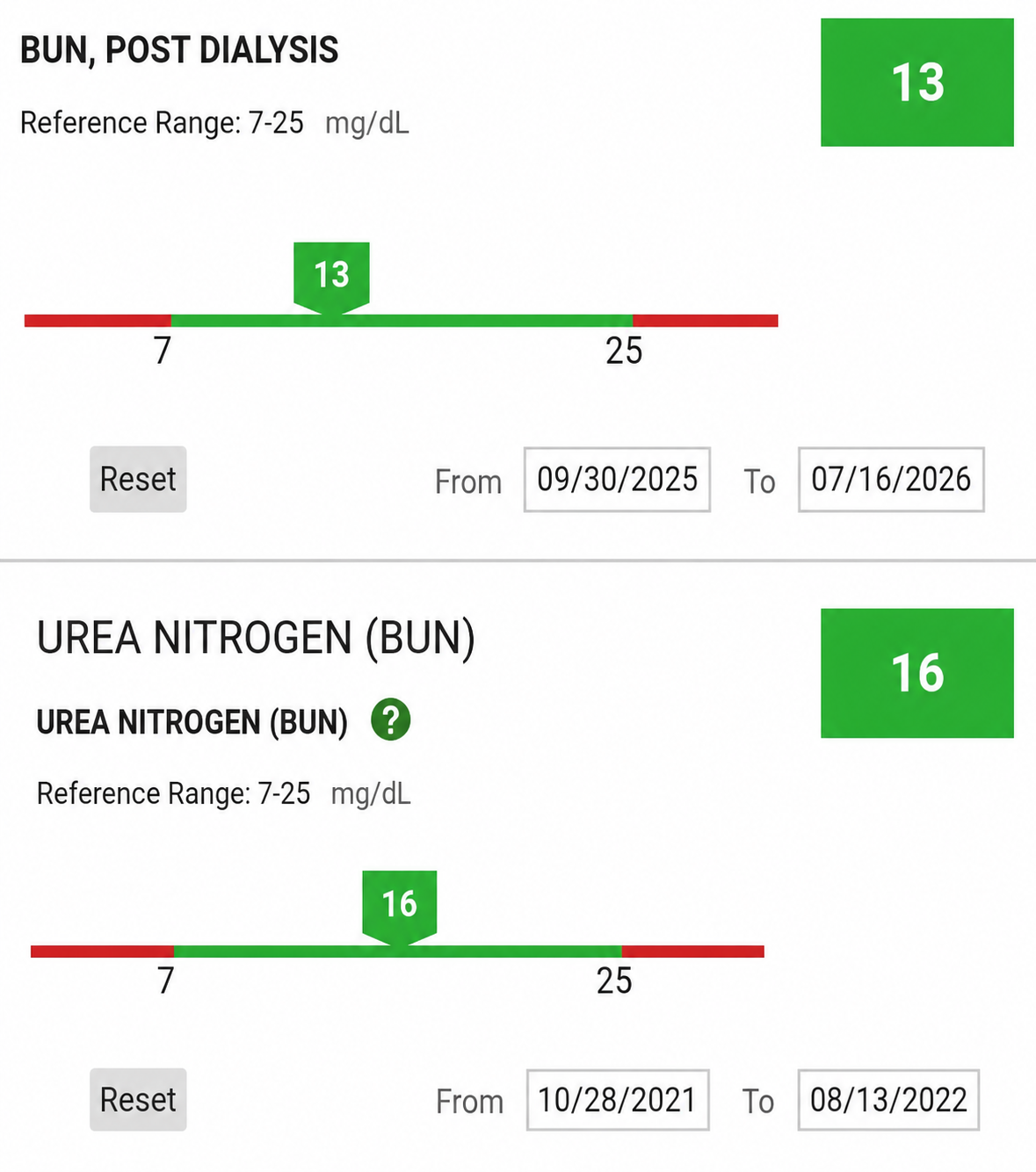
The number I paid the closest attention to this month was BUN (Blood Urea Nitrogen).
Here's the simple version. When we eat protein, our bodies break it down, producing ammonia, which is toxic. The liver converts that ammonia into urea. Urea travels through the bloodstream to the kidneys, where healthy kidneys filter it into urine.
With ESRD, that process doesn't work very well, so BUN levels can rise because waste isn't being removed efficiently.
During dialysis, my care team measures BUN before treatment and after treatment to see how effectively the dialysis removes that waste.
When I reviewed my results on Saturday, July 18, something caught my attention.
For the first time, when my monthly labs were tracked starting in October 2025, my pre-dialysis BUN was in the normal (green) range.
Even more interesting, my post-dialysis BUN wasn't dramatically lower. Normally, I'd expect to see a much bigger drop after treatment.
So now I'm left with a few questions:
Are my kidneys somehow recovering a little?
Was this simply an unusually good month?
Did my diet or hydration affect the result?
Or was it just one of those lab quirks that occasionally happens?
The answer is... I don't know.
One lab result doesn't establish a trend, especially with ESRD. But after months of watching these numbers, seeing that green result definitely made me stop and smile.
I'll be watching closely next month to see whether this was the beginning of a trend or simply a one-time surprise.
Either way, I'll keep sharing the journey.