
Recovery, Flow State, and the Present
One of the blogs on A Godd3ss3s Cr3ation really resonated with me.
The idea of living in a Flow State reminds me of recovery. Early on, I spent too much time replaying yesterday or worrying about tomorrow. Recovery taught me to focus on today.
It also reminds me of one of my favorite quotes from Kung Fu Panda:
"Yesterday is history, tomorrow is a mystery, but today is a gift. That is why it's called the present."
Whether it's recovery, dialysis, or everyday life, I can't change yesterday or control tomorrow. All I can do is make the best of today.
Read the original Flow State blog at https://agodd3ss3scr3ation.com/blog.
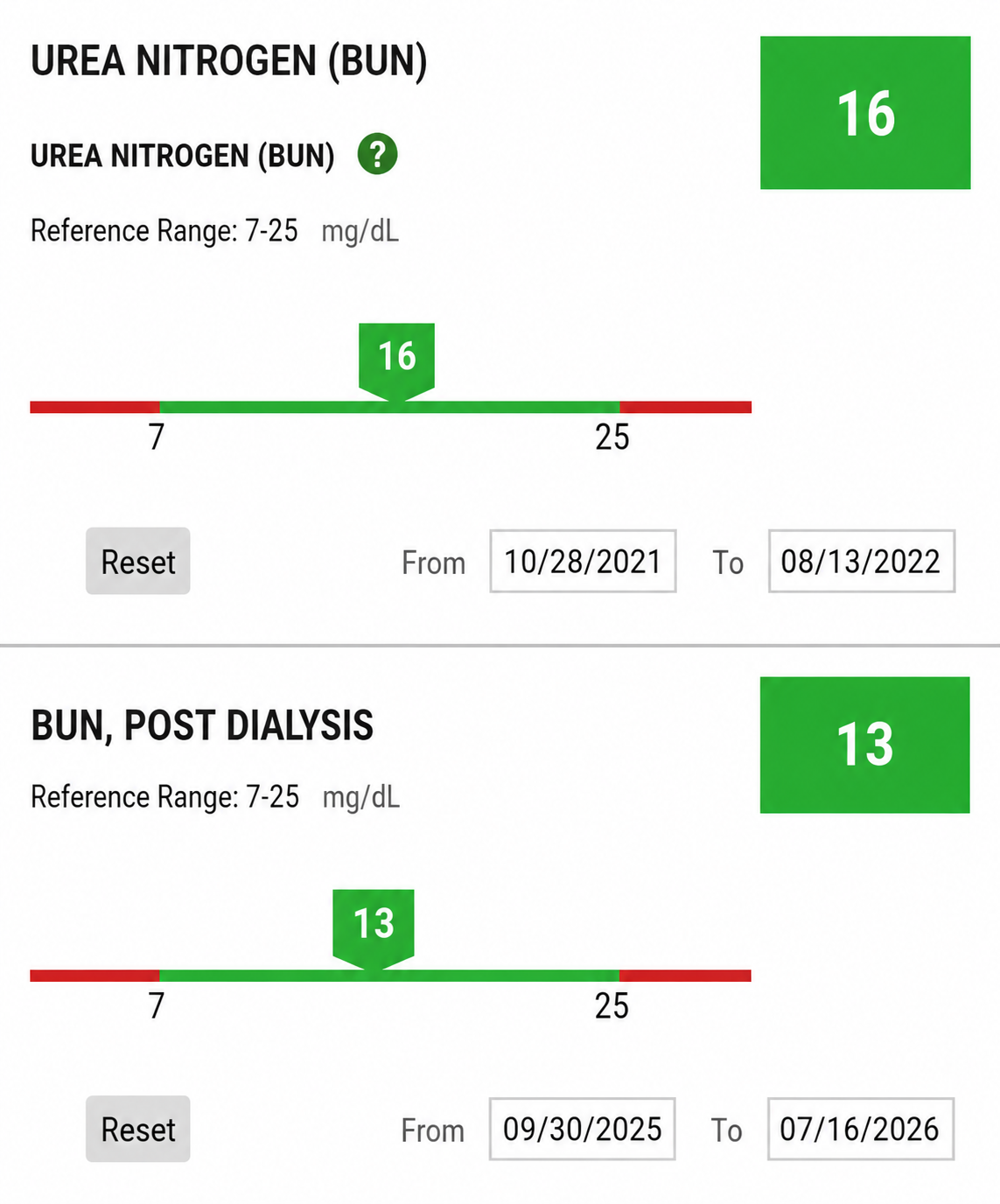
Remember This Infographic About My Last Labs?
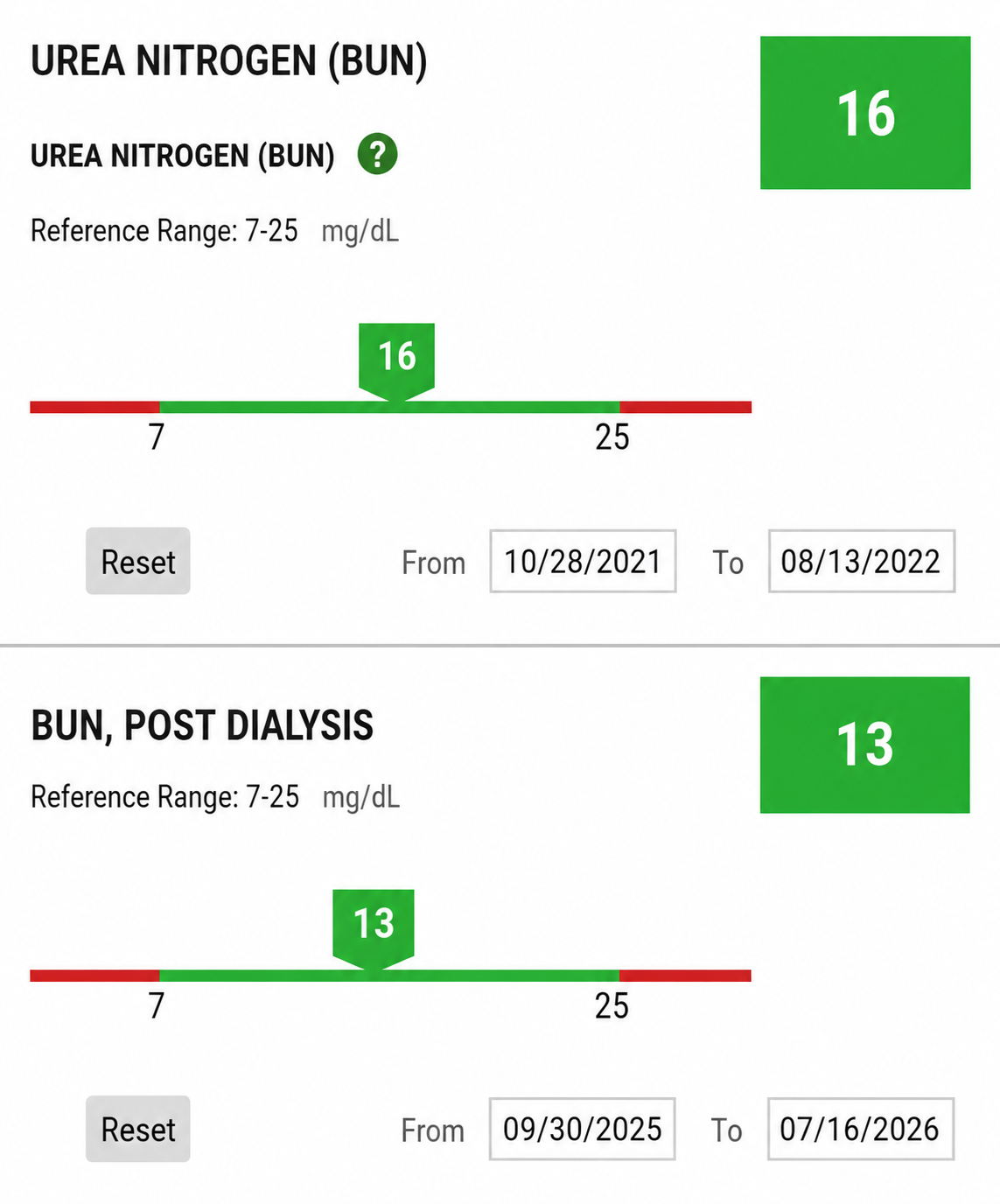
Remember the infographic I shared about my latest dialysis lab results? I was excited because my pre-dialysis BUN had fallen into the normal range for the first time since I started tracking it in October 2025.
On Mondays, either my nephrologist or a Physician Assistant from the nephrology practice stops by the dialysis clinic to check in on patients. I had a feeling the conversation I had with Clark was coming.
He reviewed my labs—not just the BUN, but the entire panel—and simply said:
"We're going to run them again."
As encouraging as the BUN result was, a few other values were out of whack. My phosphorus was very, very low, along with a couple of other numbers that deserved another look.
By the time Clark reviewed everything, I was already well into my dialysis treatment. That meant it was too late to draw a true pre-dialysis sample and then compare it with a post-dialysis sample.
So, we may repeat the labs on Wednesday to see whether last week's results were an anomaly or the beginning of a new trend.
I'm as curious as you are.
Stay tuned!
Join the discussion on NielFlamm.com.
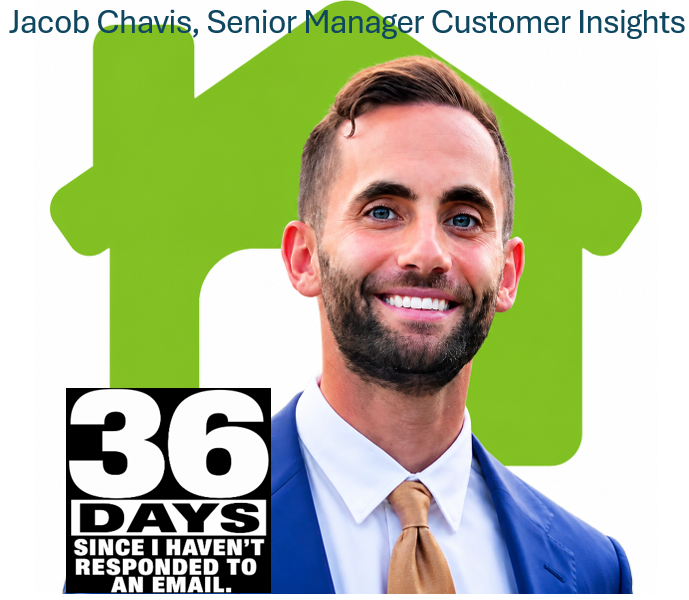
Day 36: What Gets Highlighted Says a Lot
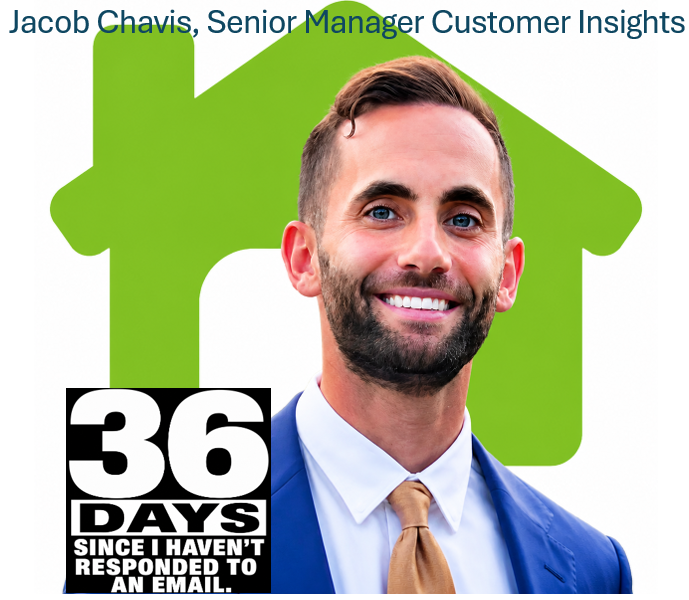
Today marks Day 36 since I requested a copy of a Nextdoor study. I still haven't received the study or a response.
I spent some time viewing my local neighborhood on Nextdoor using a non-personal address and a parody email address. I noticed considerably more moderation activity today than I saw the last two weeks. Whether that's coincidence or simply increased activity, it was noticeable.
I also hope Jacob Chavis' next career opportunity is a significant one. The internet has a long memory, and prospective employers often review a candidate's public work and online presence. One question they may ask is why a Senior Manager didn't respond to a straightforward request for a study referenced by the company.
Today's featured story on Nextdoor highlights Dallas neighbors helping protect eaglets. It's a positive community story, and it's interesting that the featured neighborhood is in the Dallas area, where CEO Nirav Tolia is based.
What I continue not to see are deeper discussions about how the platform itself operates:
- How are volunteer moderators selected?
- What training and oversight do they receive?
- How are moderation standards updated and communicated?
- What accountability exists when users question moderation decisions?
Community success stories deserve attention, but so do the governance and transparency practices that shape the community experience.
As both a shareholder and a former user, I'll continue asking those questions.
Join the discussion on NielFlamm.com.
When the Playlist Becomes the Customer Experience
This afternoon I was doing what I normally do on a weekend—working on my blog (yes... more of my "I hate Nextdoor" content), stopping at Costco Wholesale, then settling into the Starbucks on Highway 41 in Mount Pleasant, near Rivertowne.
My order? A Venti Black Iced Tea with an extra pump of Classic and a Cheese Danish. Great combination.
I arrived around 5:00 PM and planned to spend a couple of hours writing. Around 6:30 PM, something changed.
The café music stopped.
Then music started playing from a different source somewhere in the back of the store. First came death metal. Then a rap song filled with profanity, including the N-word. Curious, I asked Shazam what it was. The only thing it identified was a sample from Star by Sly and the Family Stone. (Yes, I'm old enough to remember them.)
It was one of those moments where you wonder who is actually in charge of the customer experience.
For full transparency, I laughed at myself because I've been on the other side.
When I was about 13, I was helping run the Village Delicatessen in Westbury. Before customers came in, I'd blast Def Leppard's Hysteria while drinking wine coolers. Later, while working at Piece By Peace on the Upper East Side, someone decided that Darude's "Sandstorm" was appropriate store music. In both cases, though, the music stopped when customers walked in.
Today, I provided feedback while I was still in the store using the Starbucks website chat. I explained exactly what happened, noted that I had short videos of both songs, and even offered to share them with local management.
After about 20 minutes of answering questions, I was asked to call a phone number instead.
That experience was more disappointing than the music.
Here are my suggestions for Starbucks:
• If a customer clearly states they're trying to provide store feedback, don't spend 20 minutes collecting information only to redirect them to another channel.
• Customer experience impacts revenue. I skipped the grilled cheese and left.
• Consider creating or expanding a Customer Experience QA team that periodically visits stores, much like secret shoppers. Today's technology makes it easier than ever to understand what customers actually experience in your locations.
One final thought.
I don't care what's on the secret menu nearly as much as I care about feeling heard, welcomed, and valued as a customer.
If you'd like to see the short videos from today's visit, they're available at NielFlamm.com/videos/starbucks.
I'd love to hear from others in customer experience, retail, hospitality, and leadership.
How should companies make it easier for customers to provide feedback before they decide not to come back?
Join the discussion on NielFlamm.com.
My Nextdoor Purveying Continues: Are They Really “Connecting Neighbors”?
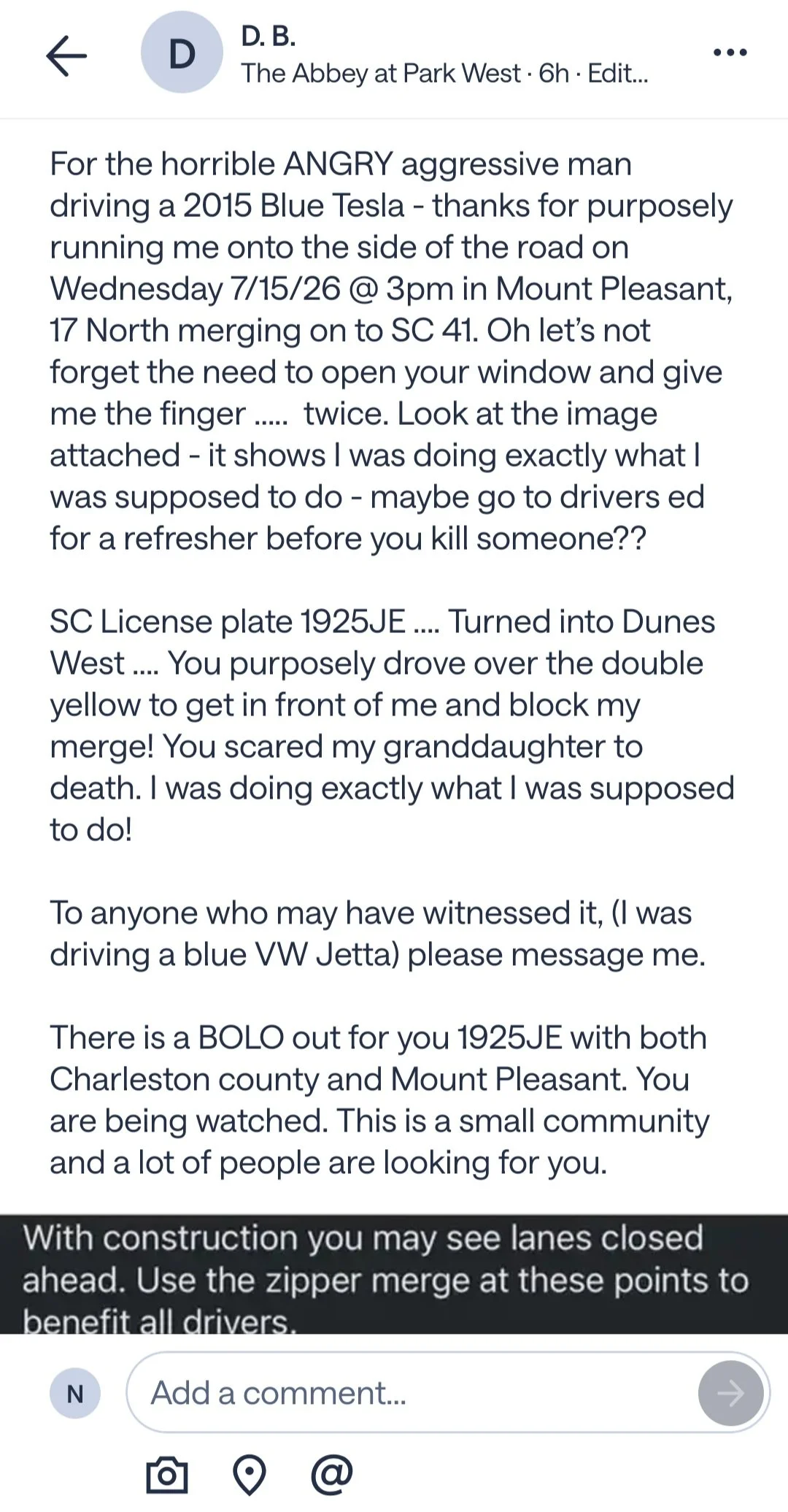
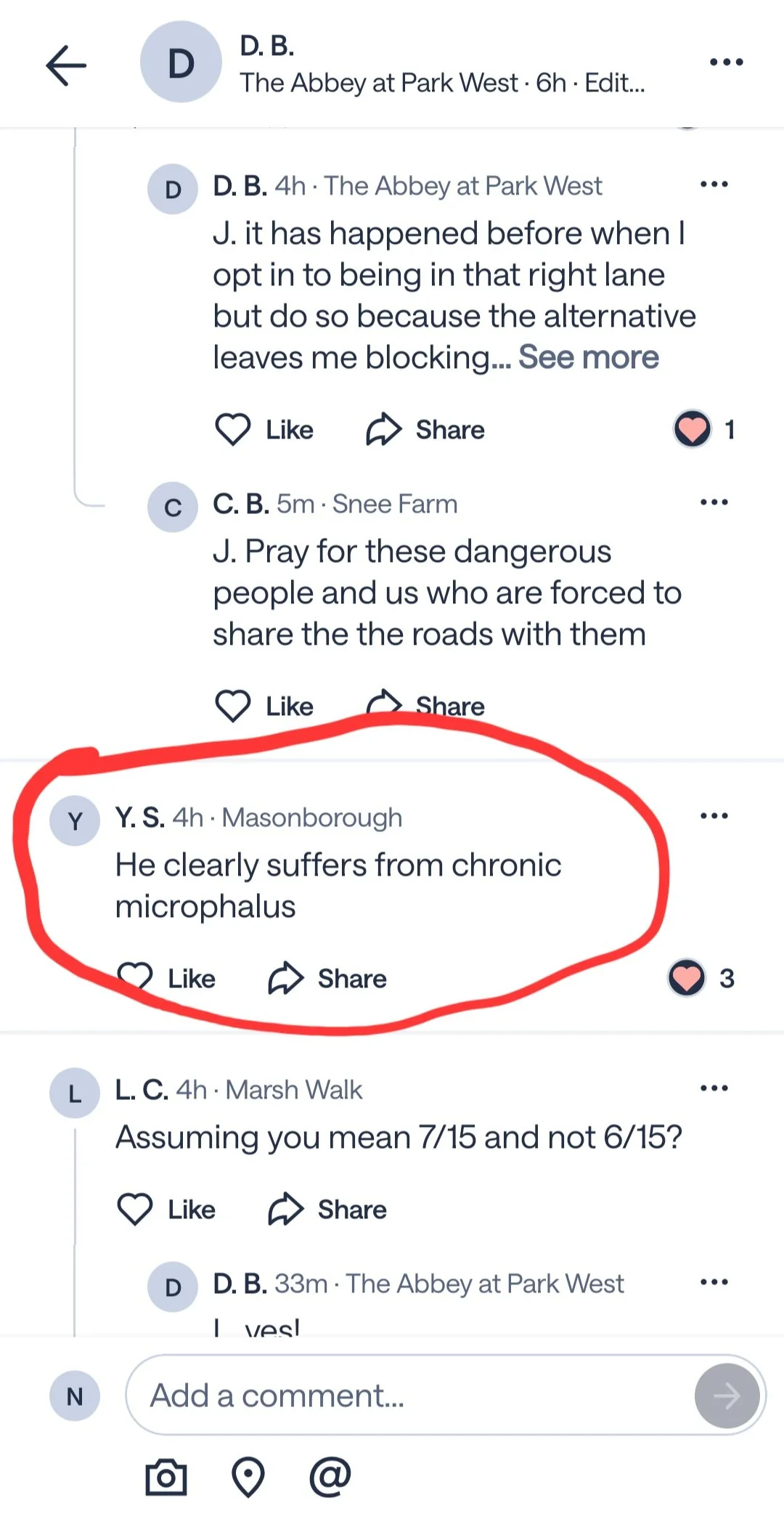
This afternoon, I noticed a Nextdoor post about an offensive driver in a nearby community. The driver’s behavior isn’t my focus. In full transparency, I sometimes struggle with road rage myself. I have to practice the serenity I learned in recovery—and then give it away. I hope we can all learn to share the road with greater care and compassion. I’m working on it.
Two things in the discussion stood out.
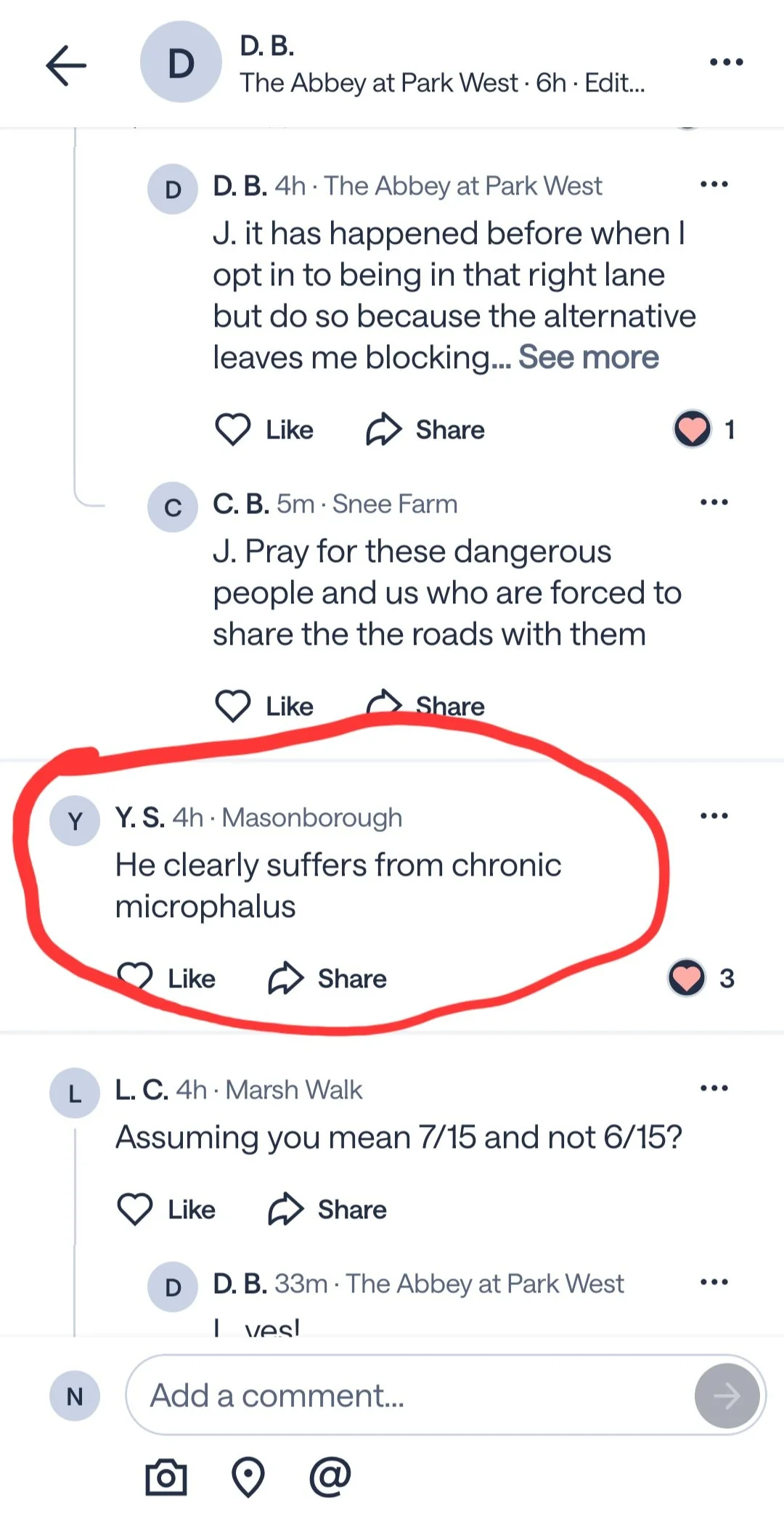
First, a commenter resorted to name-calling and made an assumption about the driver’s male anatomy. It wasn’t explicitly lewd, though some might consider it graphic. The larger question is: How does name-calling help “connect neighbors”? The comment had remained visible for at least four hours, despite appearing to violate the platform’s policies.
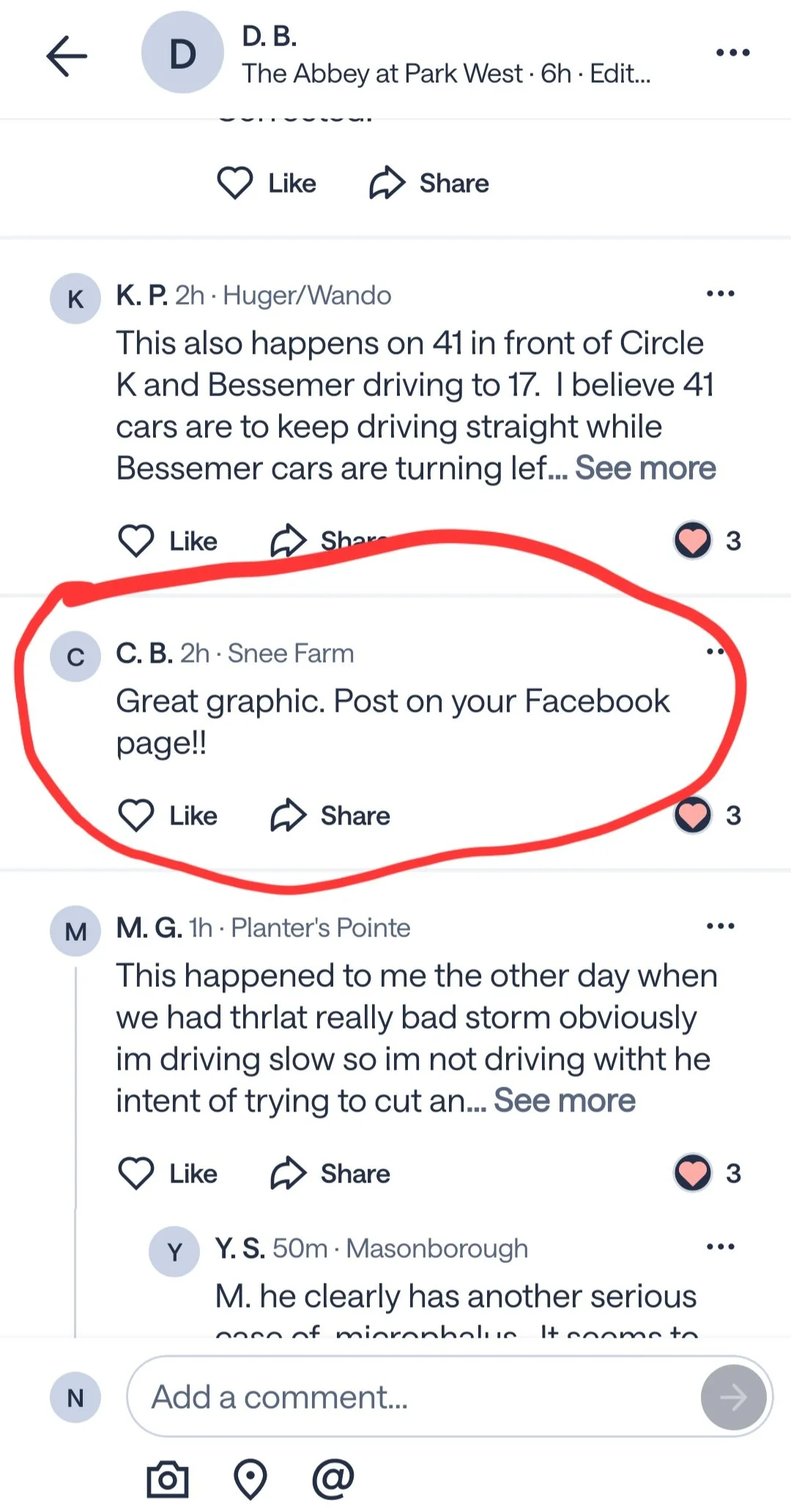
Second, the original post included a useful infographic, yet people suggested sharing it on the Facebook. Why? If one in three neighbors is on Nextdoor to connect and exchange information, what additional benefit is the Facebook expected to provide?
Perhaps the answer is that Facebook has far greater brand recognition, presence, and identity. People understand what Facebook is and why they use it. Nextdoor’s identity and value proposition feel much less clear.
Is Nextdoor truly building community, or has it become another place for people to act like keyboard Karens—apologies to the Karens—and hide behind their initials?
These concerns—the inconsistent enforcement of community standards, reliance on competing platforms to broaden a message, and lack of a clear identity—are precisely why I remain bearish on NXDR. The company formerly traded under the ticker KIND, an amusing bit of irony in this context. I also wish I had sold at the $2.53 peak.
Join the conversation on NielFlamm.com.