
We Inspect What We Expect
I've been using the phrase "We tolerate what we allow."
Full disclosure—I didn't come up with it. A former colleague, now a friend, shared it with me years ago, and it has stuck ever since.
He also left me with another one that's just as powerful:
"We inspect what we expect."
I've been thinking about that as I continue writing about Nextdoor's value proposition, its identity, and what I see as opportunities to improve the platform.
Some may call what I'm doing trolling.
I call it inspecting.
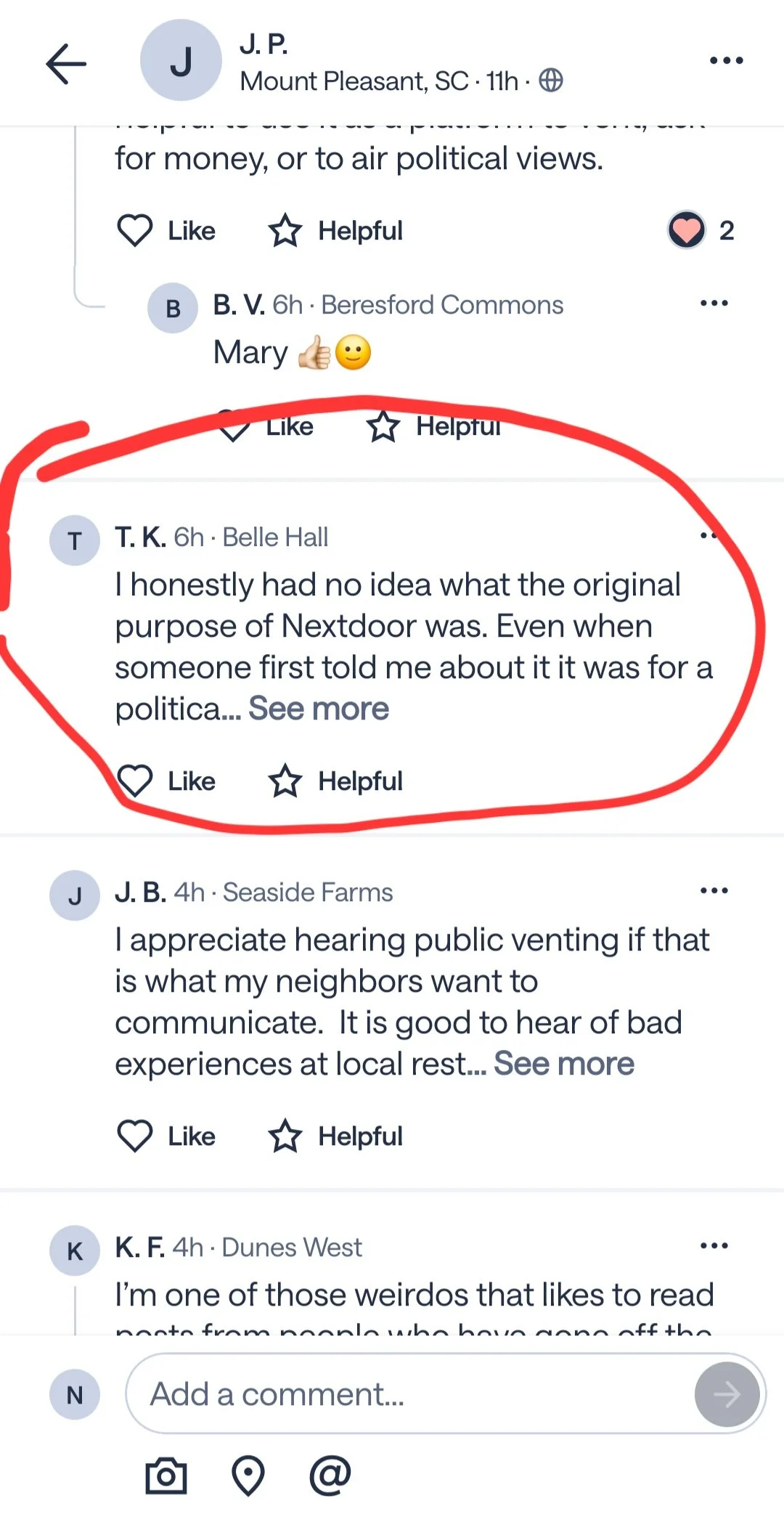
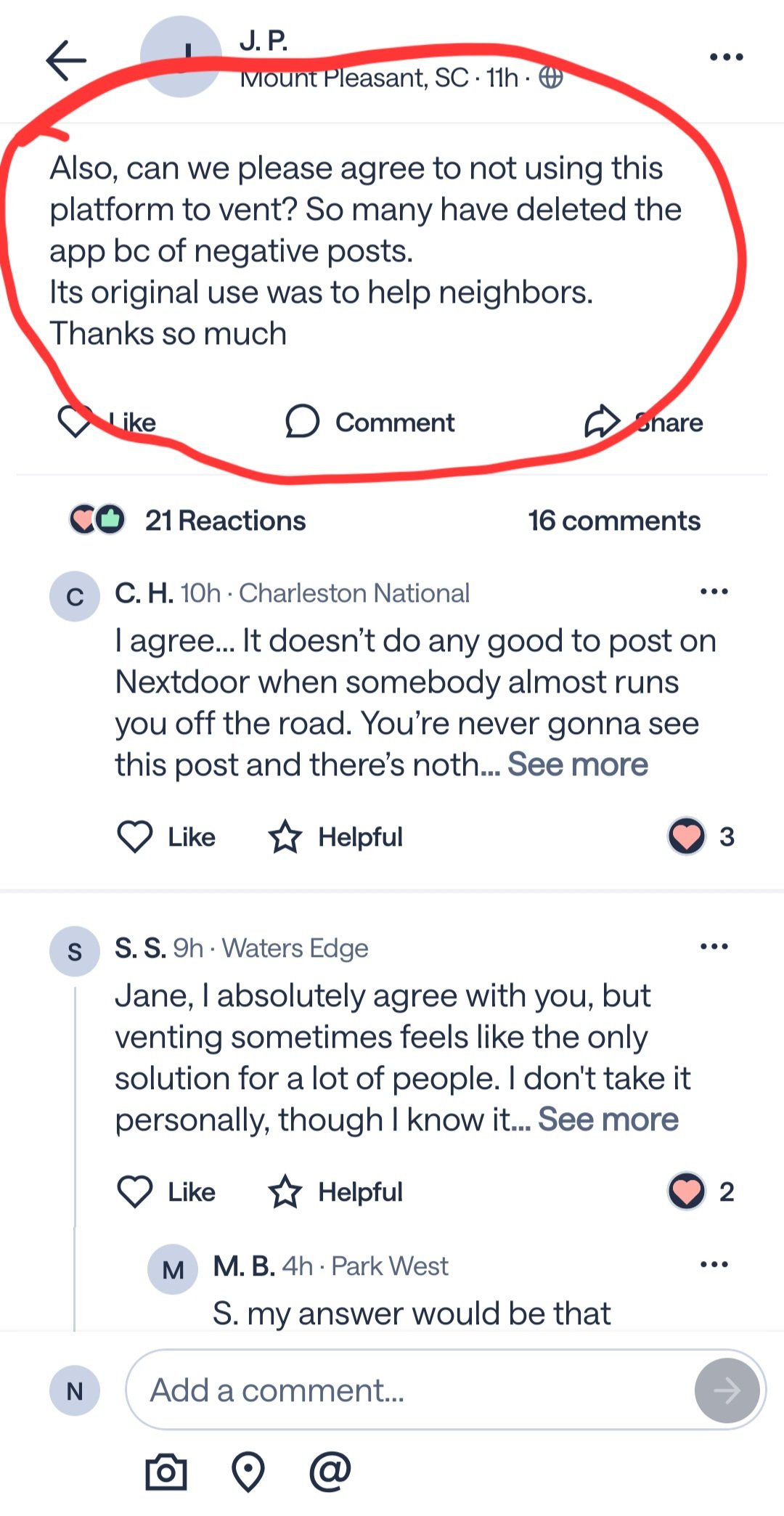
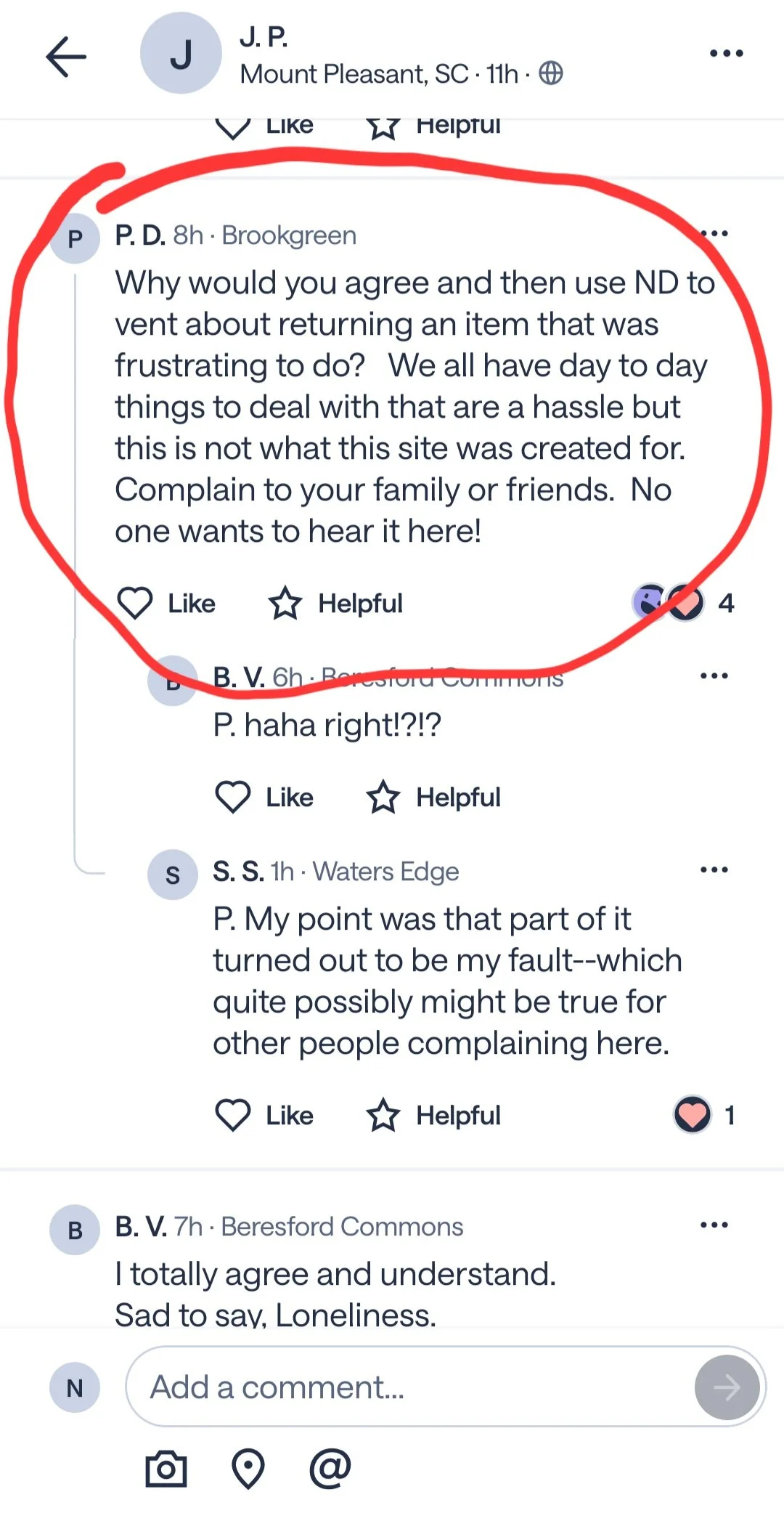
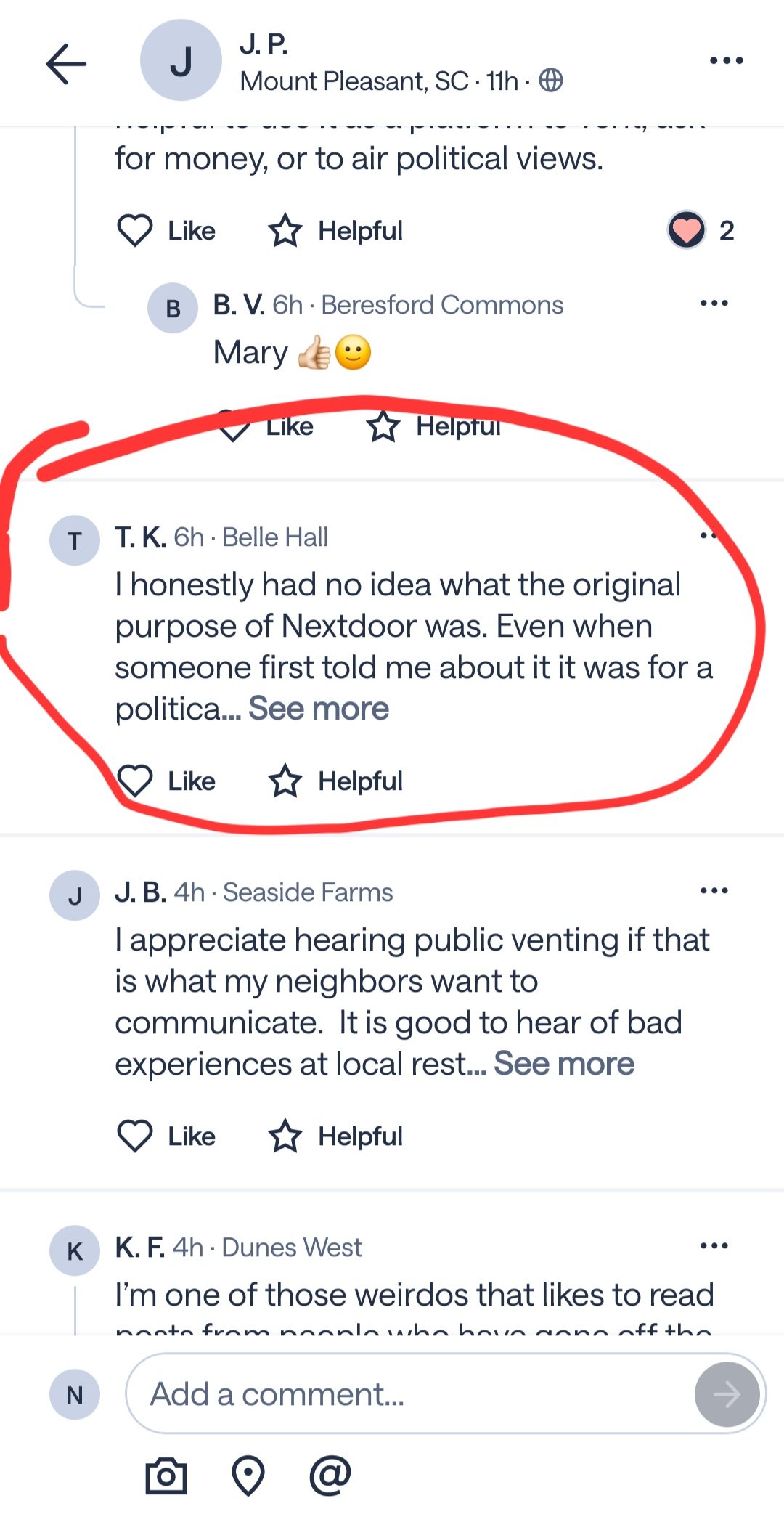
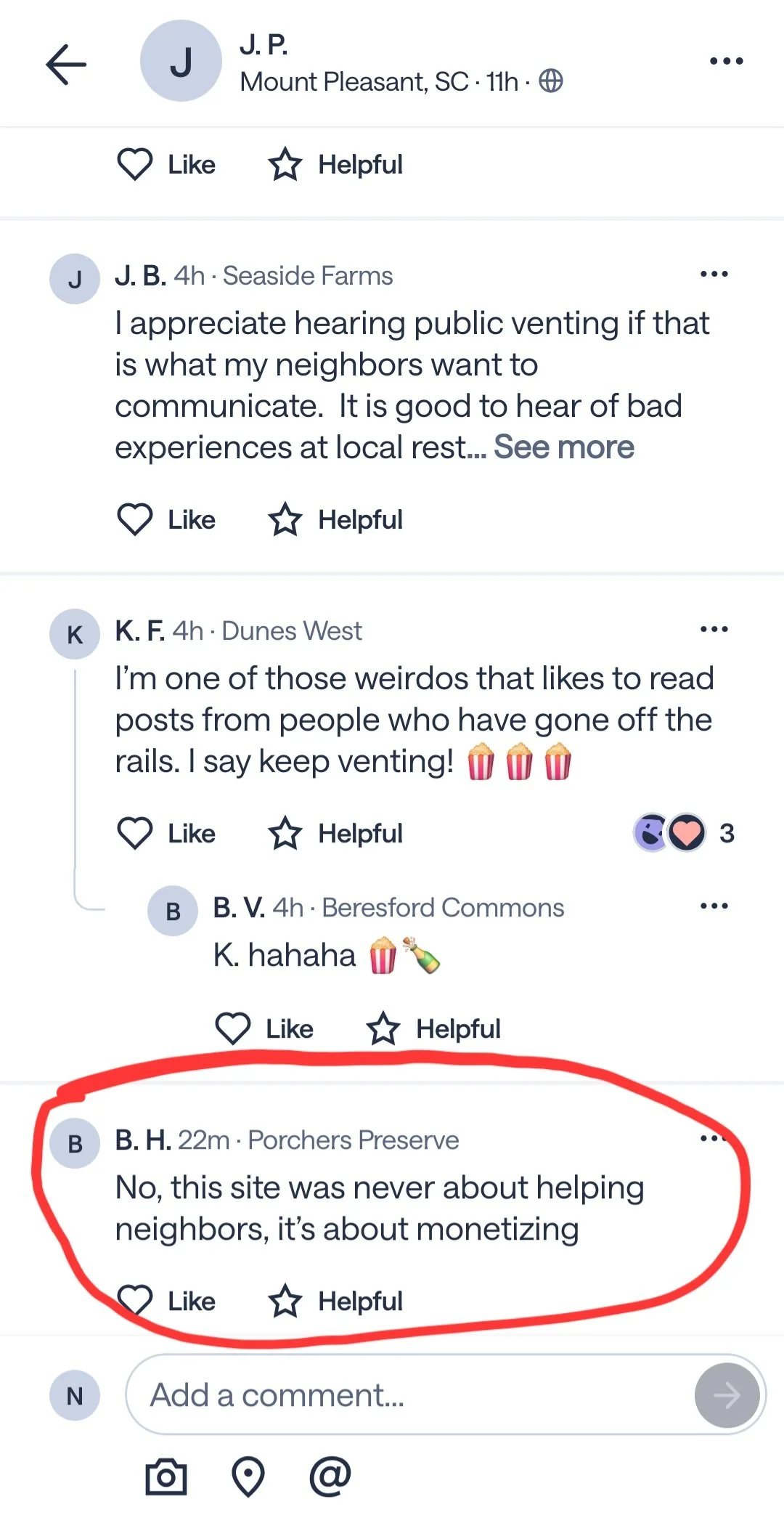
Recently, I was viewing Nextdoor through an account that doesn't use my real name or address. I came across a post encouraging neighbors to stop complaining, stop deleting the app, and focus on being more positive.
The intent was good.
Then I read the comments.
One person pointed out the irony of telling others not to complain while complaining.
Another questioned what the platform's purpose even is.
Another expressed the opinion that the platform's primary goal is monetization and enriching company leadership.
Whether you agree with those comments or not, they reveal something important.
They're signals.
They're feedback.
They're opportunities to inspect the experience people are actually having.
That's why I keep returning to the question of identity.
What is Nextdoor's purpose today?
If leadership expects neighbors to have productive, positive interactions, then it's worth inspecting whether the product, moderation model, communication, and overall user experience are supporting that expectation.
As the saying goes:
We inspect what we expect.
In my opinion as a shareholder, if those questions had been asked consistently over the past two years, the conversation around Nextdoor might look very different today.
There's nothing wrong with being on podcasts. If leadership spends more time speaking than inspecting the platform, listening to feedback, and experiencing neighborhoods firsthand, they shouldn't be surprised when the market, users, and shareholders do the inspecting for them.
Join the discussion on NielFlamm.com.
Nextdoor and Gravity: When Value Doesn't Support the Climb
One of the first scientific principles many of us learn is Newton's Law of Universal Gravitation:
F = G × (m₁m₂) / r²
Where:
- F is the gravitational force between two objects.
- G is the gravitational constant.
- m₁ and m₂ are the masses of the two objects.
- r² is the square of the distance between their centers.
In simple terms, larger objects exert a stronger gravitational pull, while increasing the distance between them weakens that force.
Centuries later, Einstein expanded our understanding through General Relativity, explaining gravity as the curvature of space-time caused by mass and energy rather than simply a force acting at a distance.
Financial markets don't follow the laws of physics.
But they often follow something just as powerful: fundamentals.
When a company's market value rises faster than investors believe its long-term value supports, gravity can seem to take over as investors reassess their expectations.
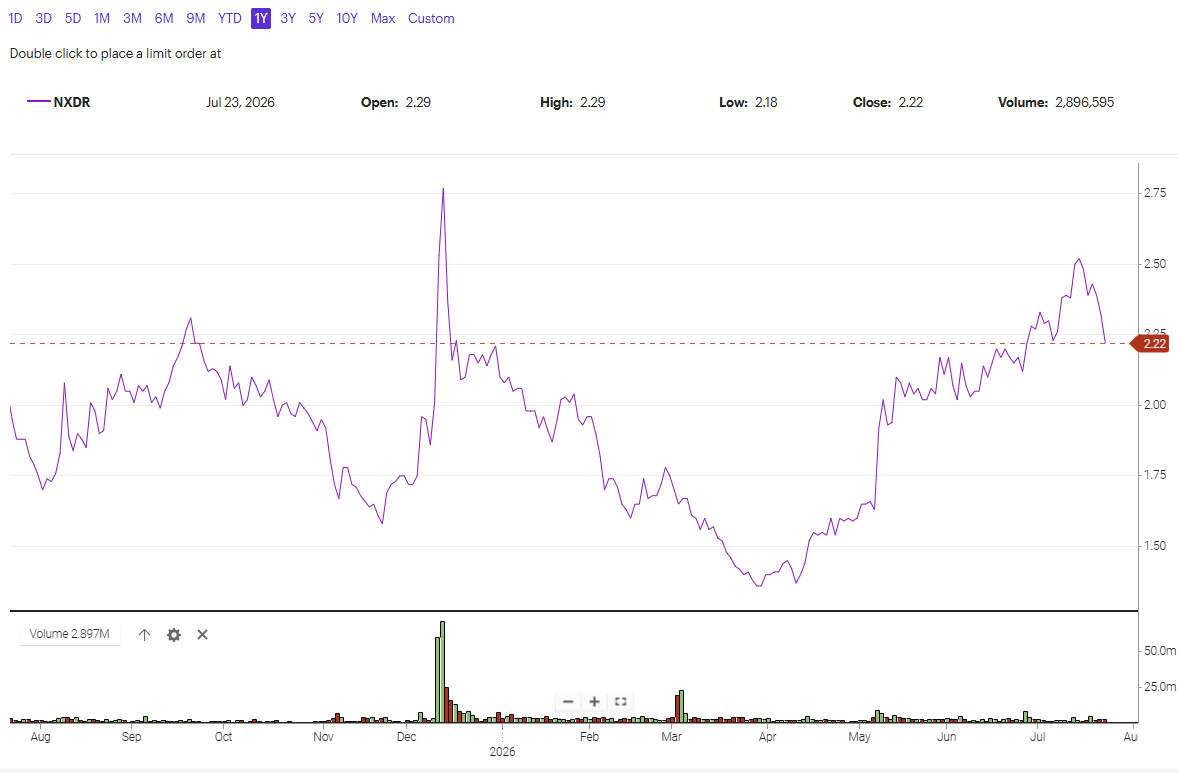
That's how I view Nextdoor (NYSE: NXDR, formerly KIND).
I've previously shared that I believed the stock would begin to decline after reaching recent highs. Since July 15, 2026, we've seen the share price move lower as some investors appear to have taken profits or reassessed the company's prospects. That's my interpretation of the market, not a statement of fact about every investor's motivations.
Gravity isn't inevitable for every company.
Look at companies such as NVIDIA, Apple, Amazon, Meta, and Alphabet Inc. Their valuations have been supported by strong execution, clear value propositions, measurable business results, and long-term strategies. Their leadership teams communicate, but ultimately their products, financial performance, and innovation tell the story.
As a shareholder, I continue to believe Nextdoor would benefit from different leadership.
In my opinion, a CEO should foster a culture of communication and accountability. When a straightforward request remains unanswered for 38 days, when LinkedIn comments are disabled, and when leadership decisions raise questions for shareholders, I believe it's reasonable to ask whether the company's priorities are aligned with creating long-term value.
Leadership isn't measured only by interviews, podcasts, or public appearances.
It's measured by results, accountability, and the trust a company earns from its users, employees, advertisers, and shareholders.
I continue to believe Nextdoor has potential.
I also believe realizing that potential will require a different approach at the top.
Join the discussion at NielFlamm.com/blog. I welcome feedback and differing viewpoints.
Sometimes Saving Money Costs You More: A Lesson From My Fuel Tank
There was a piece of advice I heard about a month ago that I never got around to sharing. As I was driving to a local detox facility to bring a recovery meeting, it came back to me.
It was one of those simple pieces of car care advice that makes perfect sense once someone explains it.
Most gasoline sold in the United States contains ethanol. The exact blend varies depending on the season and location. Alcohol has impressive cooling properties. That reminded me of my drinking days.
Back then, a bottle of Jack Daniel's often lived in the freezer. Since alcohol freezes at a much lower temperature than water, there was no need for ice. If I was drinking it straight—or with Coke—it stayed ice cold without getting watered down. (Side note: Applebee's serves Pepsi products. Jack & Pepsi? No thank you.)
Anyway... back to the car.
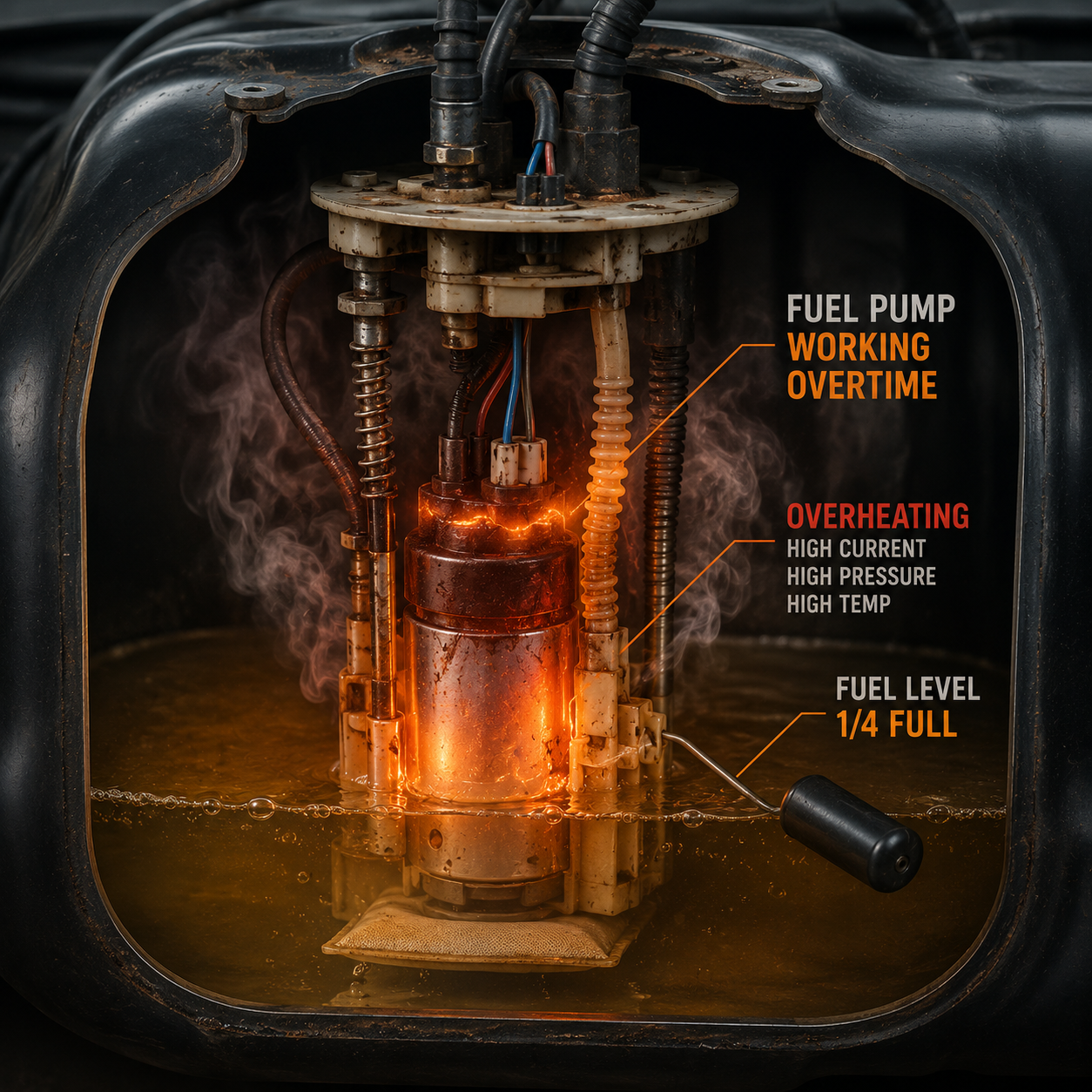
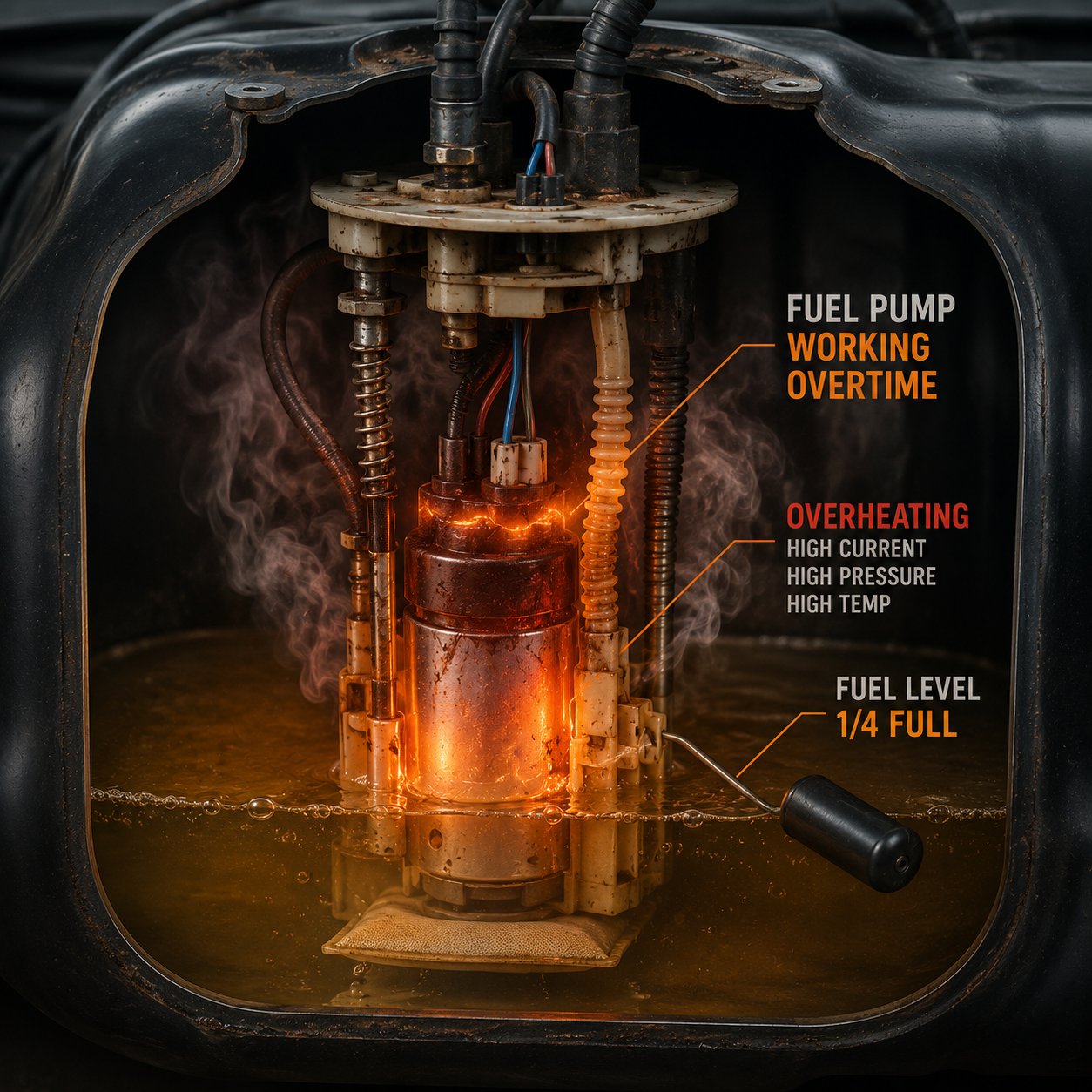
I recently heard that during the hot summer months, it's a good idea to keep your gas tank at least half full whenever possible. Why? Because the electric fuel pump sits inside the gas tank. The gasoline surrounding it helps keep the pump cool while it's working, and having more fuel available reduces the chances of the pump working harder than it needs to.
That advice made a lot of sense.
Unfortunately, I didn't follow it.
Not too long ago, I found myself driving around with less than a quarter tank of gas. I was trying to time the market, waiting to see if gas prices would drop a few cents before filling up.
Then it hit me.
The price of gasoline might fluctuate by a few dollars per tank. Replacing a failed fuel pump can cost hundreds—or even well over a thousand dollars once you factor in labor. On many vehicles, the technician has to remove the fuel tank to access the pump.
That's a pretty expensive way to save five bucks.
Sometimes we focus so much on saving a little today that we forget the much higher cost tomorrow.
I think I'll stick with keeping my tank at least half full from now on. My wallet—and hopefully my fuel pump—will thank me.
Join the discussion on NielFlamm.com.

Day 39: We Tolerate What We Allow

I'm up ridiculously early checking the Tau Epsilon Phi Fraternity, Phi Chi Chapter Alumni Club lottery pool tickets.
Spoiler alert: We didn't win. More on that at NielFlamm.com/blog.
While updating everyone on Discord, I realized something.
Today is Day 39 since I requested a Nextdoor study from Jacob Chavis, and I still haven't received it.
I've said before that I'm not trying to get under the skin of Jacob Chavis, Nirav Tolia, or anyone at Nextdoor.
After reflecting on it, that isn't true.
I do want to create conflict. Not conflict for its own sake, but the kind of conflict that raises awareness, challenges complacency, sparks difficult conversations, and ultimately leads to meaningful solutions and better outcomes.
I want people to ask:
Why are we doing things this way?
Is there a better way?
What are we tolerating that we shouldn't?
If I could put one phrase on every Nextdoor screen saver, it would be:
"We Tolerate What We Allow."
To me, that isn't just a slogan. It's a daily reminder to question the status quo and continuously improve.
As a shareholder, I'd much rather see Nextdoor create sustainable value than have me hoping the South Carolina Education Lottery changes my financial future.
I'm also not willing to normalize a straightforward request going unanswered for 39 days. Maybe there's a good reason. Maybe there isn't. I don't know. If there is one, I'd genuinely welcome hearing it.
One thought has crossed my mind: perhaps several moves down the road, the conversation becomes, "There isn't a study," followed by the obvious question, "Why not?" If that's where this eventually leads, we'll have that discussion when the time comes. Until then, the easiest way to move the conversation forward is with a response.
Leadership shapes culture. In my opinion, the way an organization communicates—or chooses not to communicate—is one of the clearest reflections of that culture. That's why I continue to ask these questions.
One thing I've tried to do differently is encourage discussion.
If you disagree with me, tell me why.
If you think I'm missing something, I'd like to hear it.
Join the discussion on NielFlamm.com/blog. I allow comments because I believe better ideas come from open conversations.
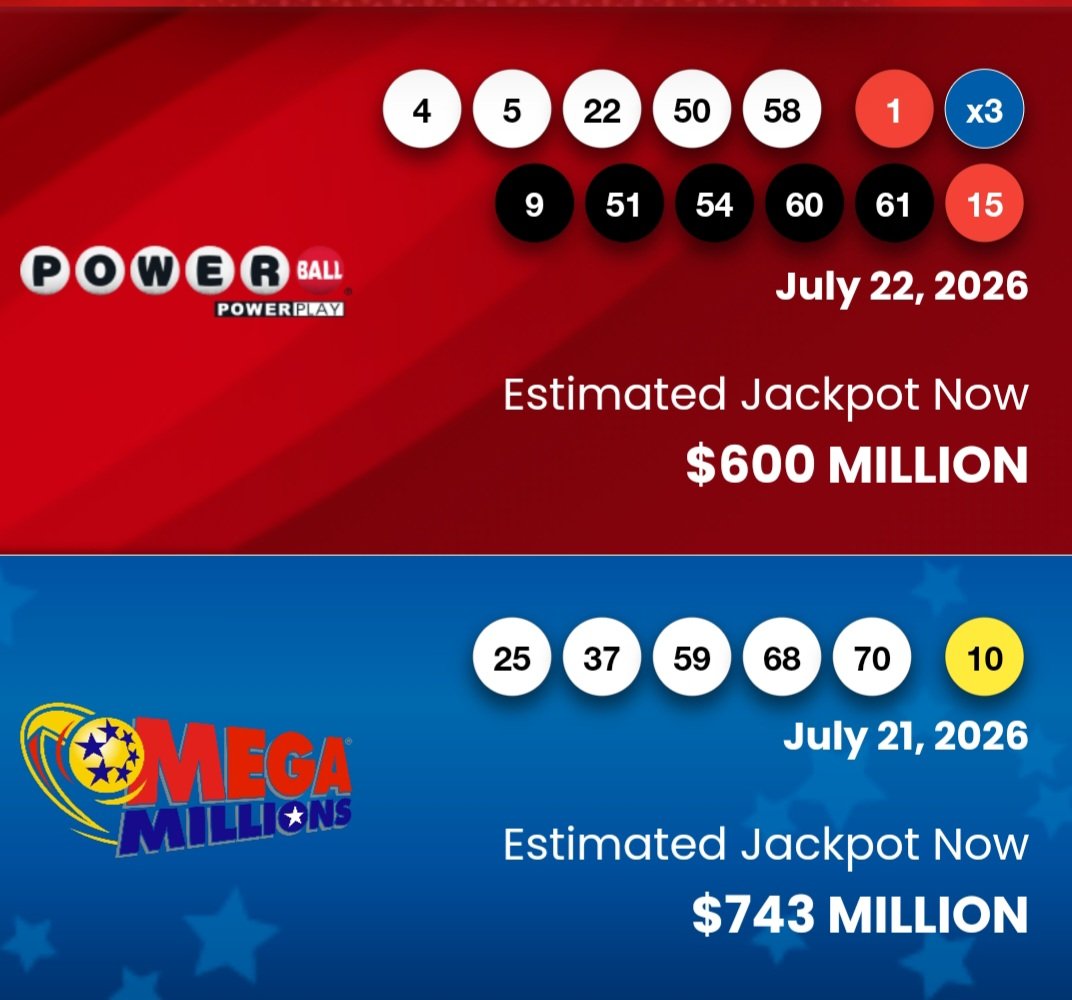
Our Lottery Pool Has Outperformed... Absolutely Nothing 😂💸
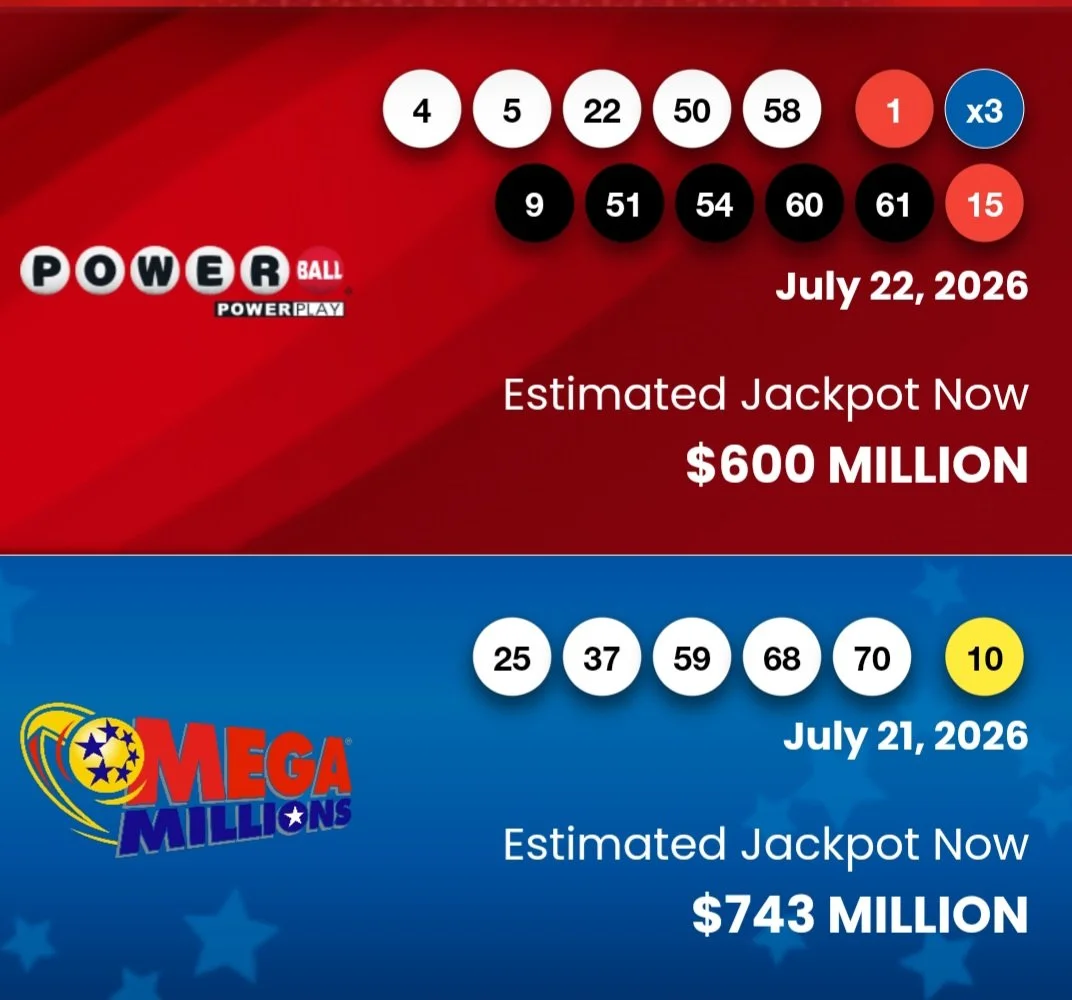
For the last few drawings, I've been leading my Tau Epsilon Phi fraternity chapter's lottery pool.
Based on my highly scientific calculations, we've probably donated somewhere around $600 to the South Carolina Lottery between Powerball and Mega Millions.
You're welcome, South Carolina.
This weekend, we're running it back.
I've asked everyone who wants in to Zelle me $20. Why Zelle? Because Venmo, PayPal, and some of the other apps want a cut when you withdraw money.
Sorry... around here we believe in wasting our money on lottery tickets, not transaction fees.
For each person, I buy:
🎟️ 5 Powerball tickets
🎟️ 2 Mega Millions tickets
A diversified portfolio, if you will.
Now, about the last Powerball drawing...
Guess who didn't win?
Us.
Well... that's not entirely true.
We actually won $12!
Since there were about a dozen of us, I graciously offered to Zelle everyone $1.
That's right.
Invest $20.
Receive $1.
A 95% loss.
Wall Street should be calling any minute now to ask me to manage a hedge fund.
I've already started thinking of names:
Niel Capital Mismanagement
Diamond Hands, Empty Wallets
The Negative Returns Investment Group
Bros Before ROI
The Institute for Advanced Financial Regret
The beautiful thing about a lottery pool is that no matter how badly you lose, you get to laugh about it with friends.
And every drawing starts the same conversation:
"This is the one."
Statistically?
Probably not.
But hope has a funny way of costing exactly twenty bucks.
Good luck to everyone playing this weekend. If one of us actually wins, I promise not to become one of those people who says, "Money doesn't change you."
I'll be too busy deciding whether my beach house should have a lazy river.