
Help Me Get Off the Tinder… Set Me Up With Someone (Even Someone You Don't Like)
If you're reading this and you're happily married, dating, or know someone who is...
Please set me up with someone.
At this point, I'd even consider someone you secretly can't stand.
Why?
Because it would get me off the Tinder for at least a little while.
A few days ago I wrote about my exciting fictional career as an international drug cartel leader. If you missed that masterpiece, it's over at NielFlamm.com/blog.
Today, I bring you Episode 2 of "As the Scammer Turns."
Like most guys, I don't spend 20 minutes analyzing every profile. It's the 5 Second Rule. Mel Robbins probably didn't intend for it to be used on dating apps, but here we are.
Swipe left.
Swipe right.
Move on.
Being completely transparent, my decision is usually based on whether there's an initial physical attraction. That's online dating in about five seconds.
Then I matched with... let's call them...
"This person."
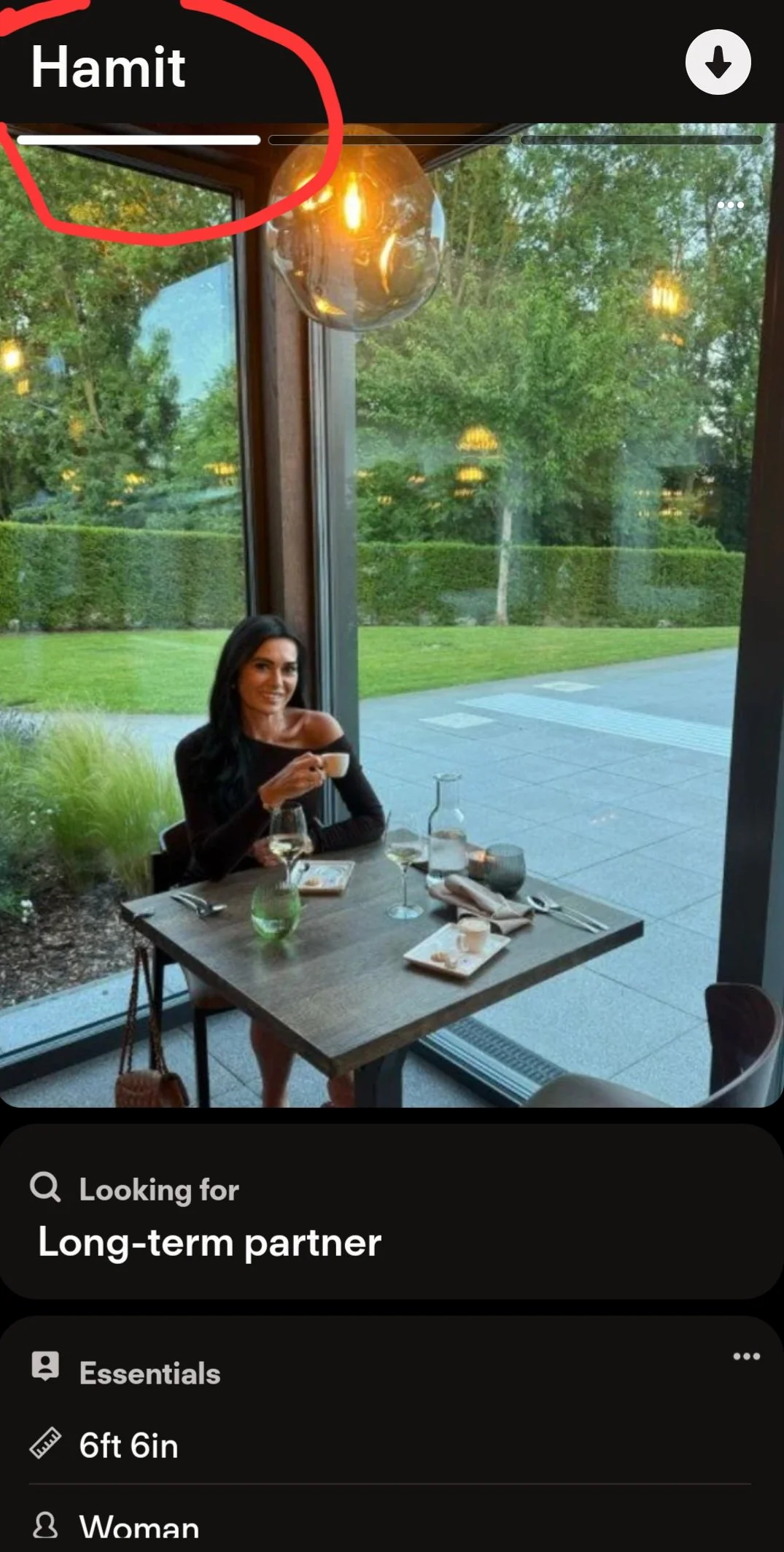
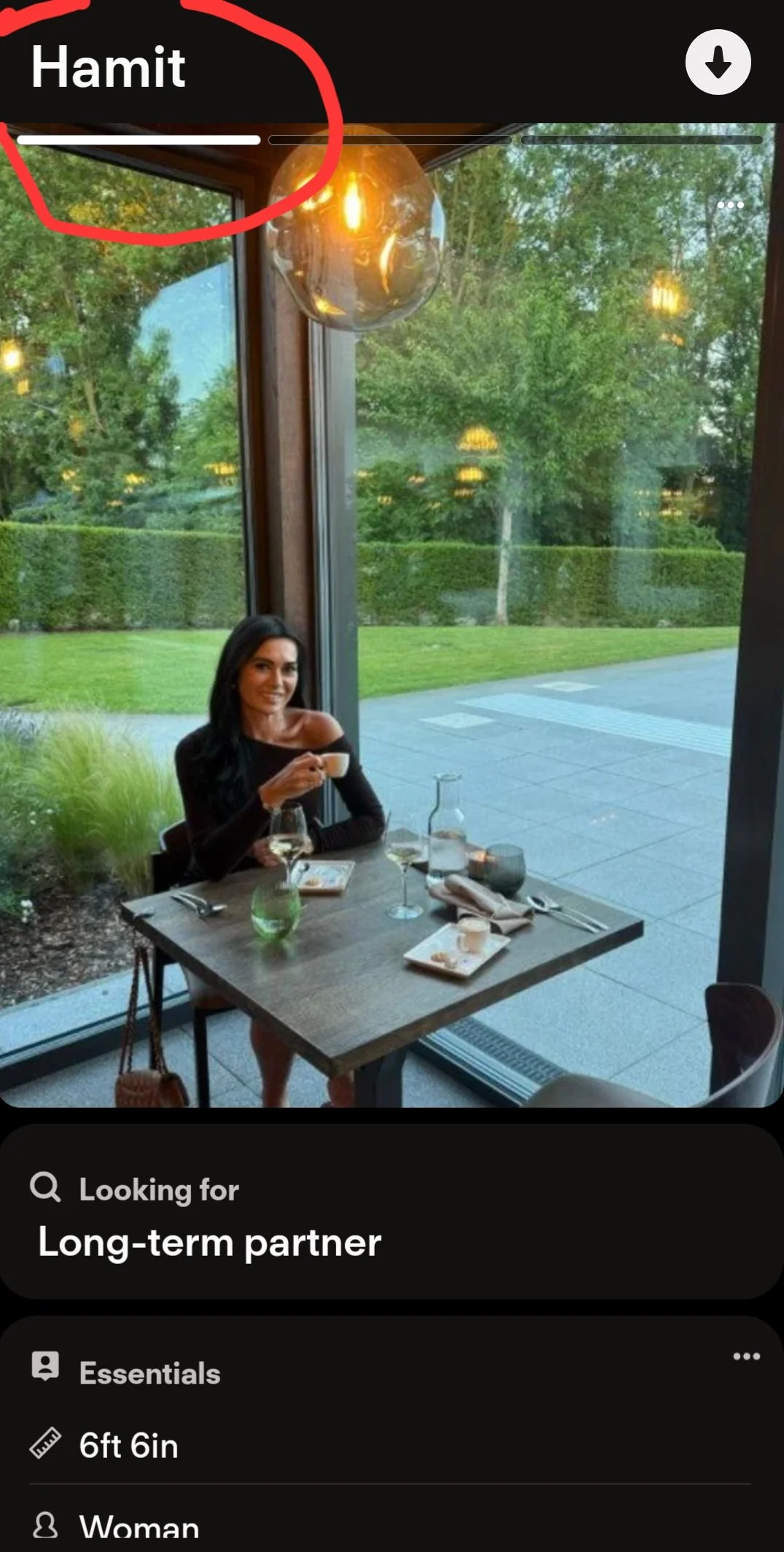
I use the word person very intentionally.
The first thing that caught my eye?
Height: 6'6".
Now, I'm not opposed to dating a taller woman. I'd happily embrace my Short King era.
The second thing?
The name.
Hamit.
Not exactly a name I hear every day, so I consulted The Google (because I'm old enough to still call it The Google).
According to The Google:
Hamit is a masculine given name of Turkish origin, derived from the Arabic name Hamid, meaning "praiseworthy" or "one who praises."
Well...
That was unexpected.
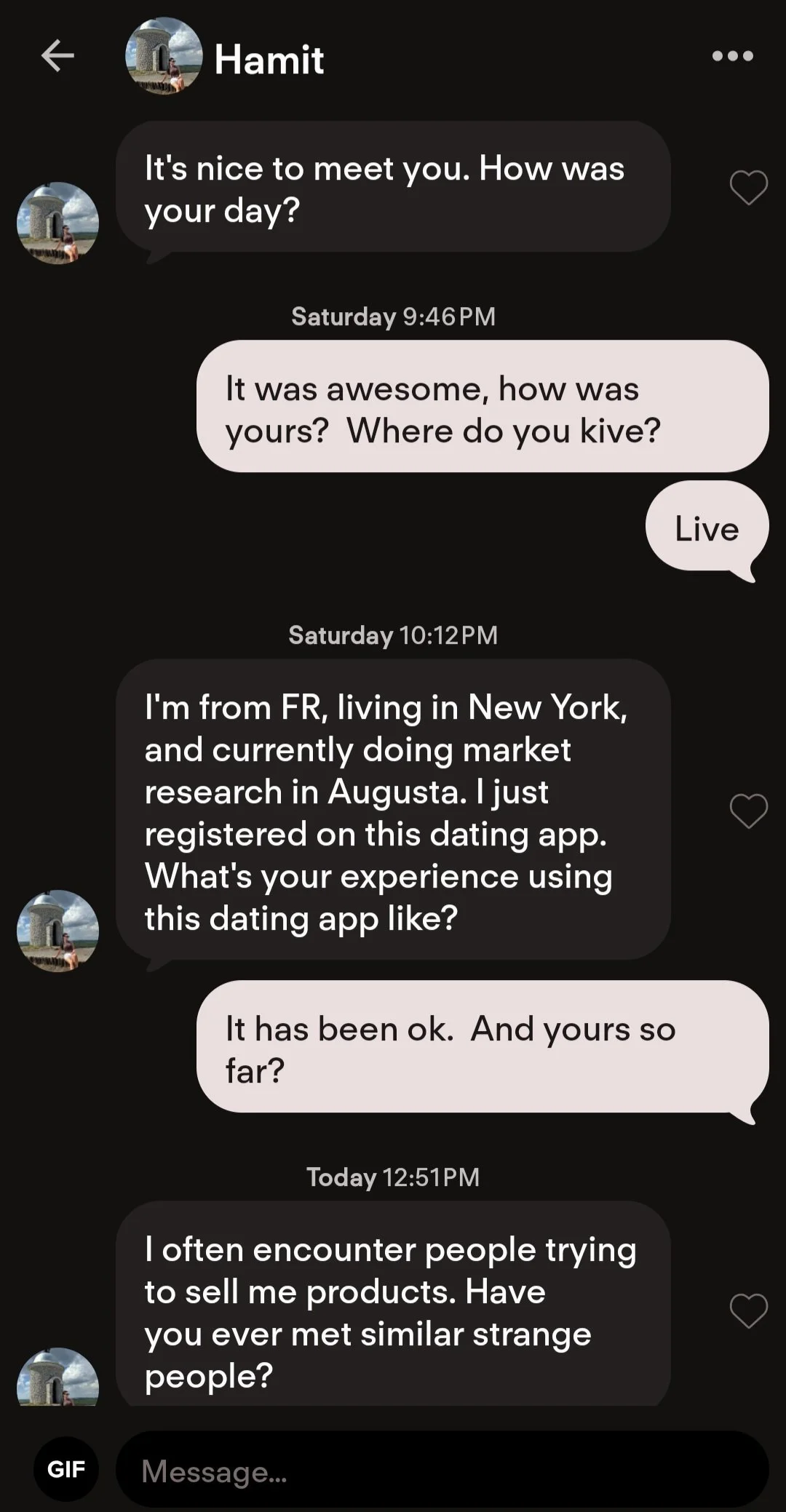
Then came the line I had been waiting for.
"What's your experience using this dating app like?"
Ding.
Ding.
Ding.
I've seen enough YouTube videos and scam exposés to recognize that one.
It's one of the classic setup questions before they eventually pivot to crypto, gold, forex, or some magical investment opportunity that somehow guarantees 4,000% returns while they're conveniently gorgeous and single.
This one added a new wrinkle.
"I often encounter people trying to sell me products. Have you ever met similar strange people?"
Nice try.
That's basically a scammer asking if I've already met scammers.
It's like a burglar knocking on your door asking if you've had any recent break-ins.
Unfortunately, I forgot to screenshot my response, but I replied that the only things I've been offered so far were some version of a crypto or gold investment.
Then the funniest part happened.
A few hours later, I opened the Tinder again. I don't allow it to send notification alerts to my phone, so I only check it when I feel like it.
The entire conversation...
Gone.
Poof.
Vanished.
Either someone reported the account, or—far more likely—the dude on the other end realized I wasn't going to be an easy target and decided to move on to someone else.
I like to think I failed the scammer interview.
Mission accomplished.
So once again, I'm asking for community support.
If you know a nice, funny, emotionally stable woman somewhere around my age...
Introduce us.
Even if she's someone you've been trying to get rid of.
Let's save everyone involved from another season of The Tinder Files.
Because at the rate I'm going, my next match is going to ask if I'd like to diversify my retirement portfolio before asking what my favorite movie is.
The Writing on the Wall? Why I Remain Bearish on Nextdoor (NXDR)
I remain bearish on Nextdoor (NYSE: NXDR).
Ironically, I don't want to be.
As a shareholder, I want the company to succeed. I want it to create value for users, advertisers, employees, and shareholders. If it consistently did that, I believe the market would reward it.
So why am I bearish?
It's not one issue. It's an accumulation of them.
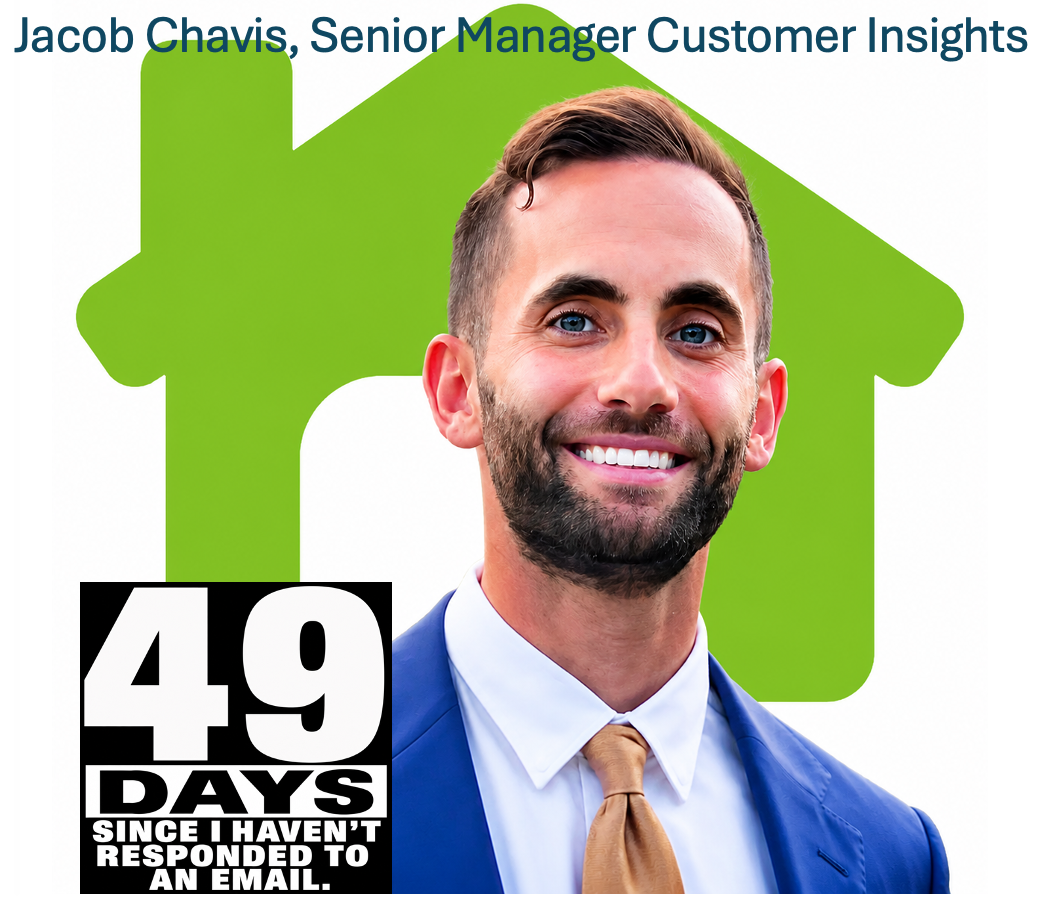
A corporate culture that, from my perspective, has resulted in 49 days without responding to a shareholder's request.
An unpaid moderation model I've questioned for weeks, with concerns echoed by others.
Strategic decisions I believe deserve scrutiny, such as maintaining a Dallas headquarters.
A shift toward monetization that risks alienating the small businesses that helped build the platform.
Today, I found another reason.
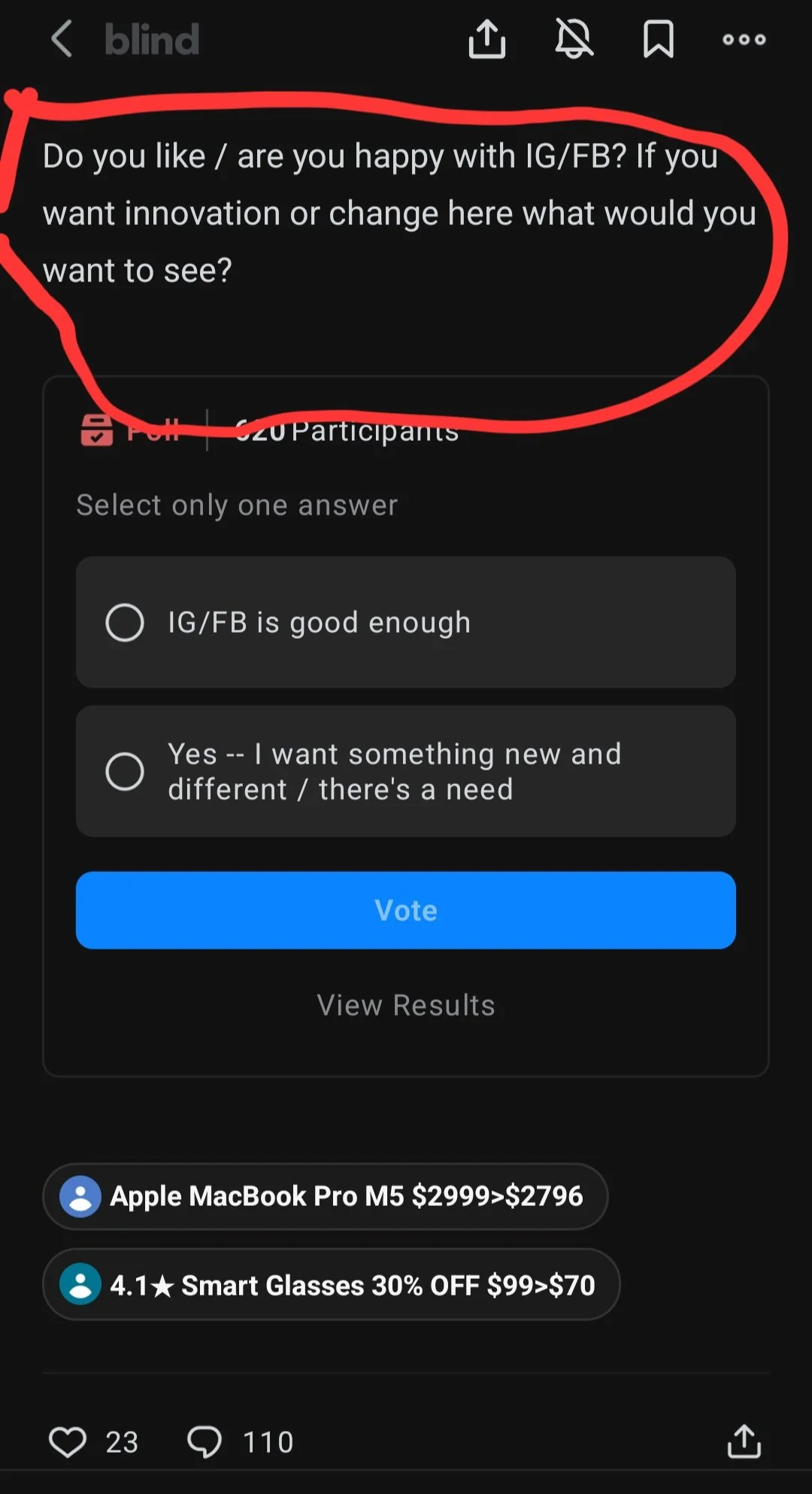
While browsing the Blind app for discussions about Nextdoor, I instead found a conversation about the future of social media.
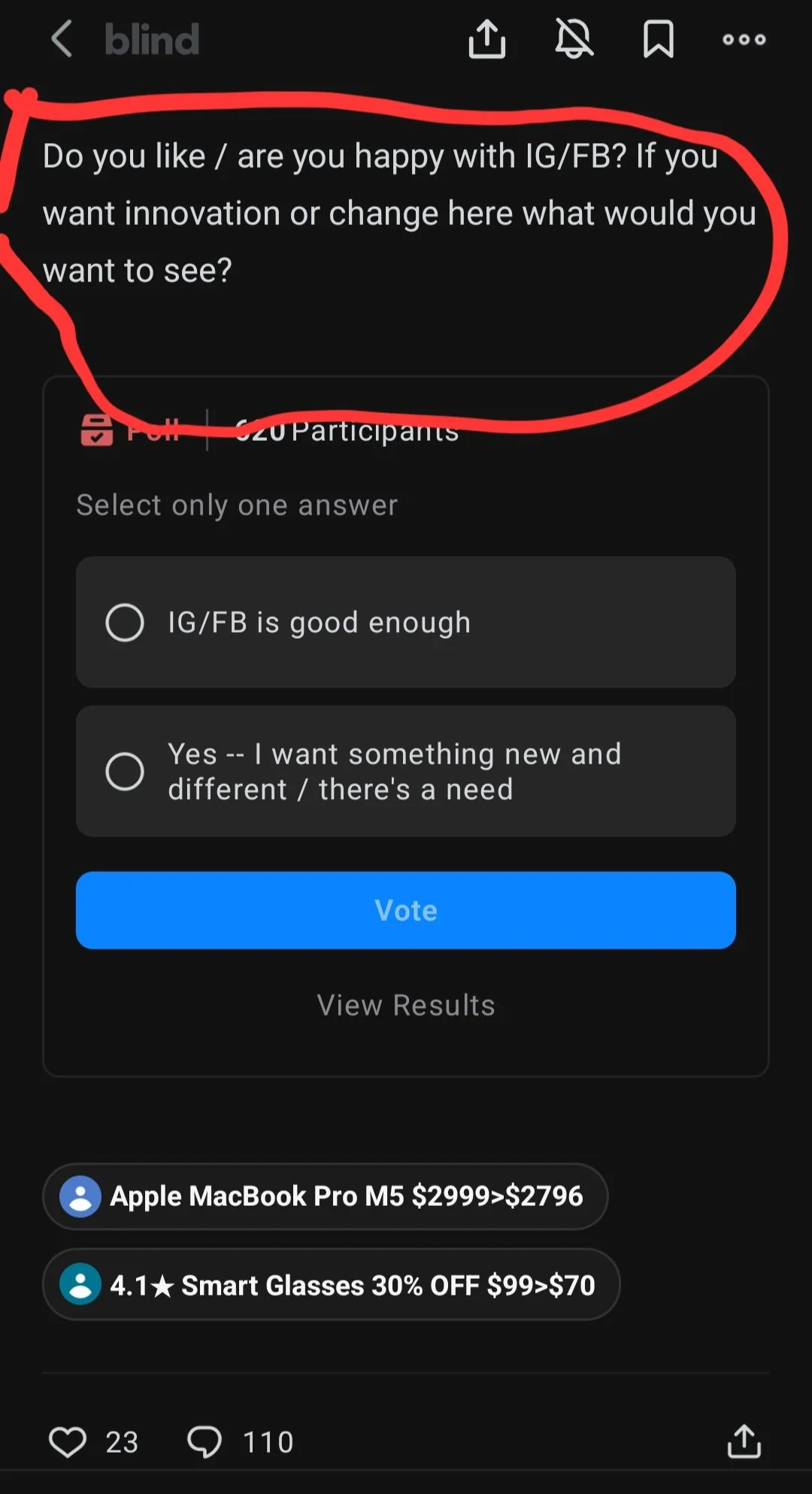
One person wrote:
"Maybe social media is like email. There is very little marginal improvement now."
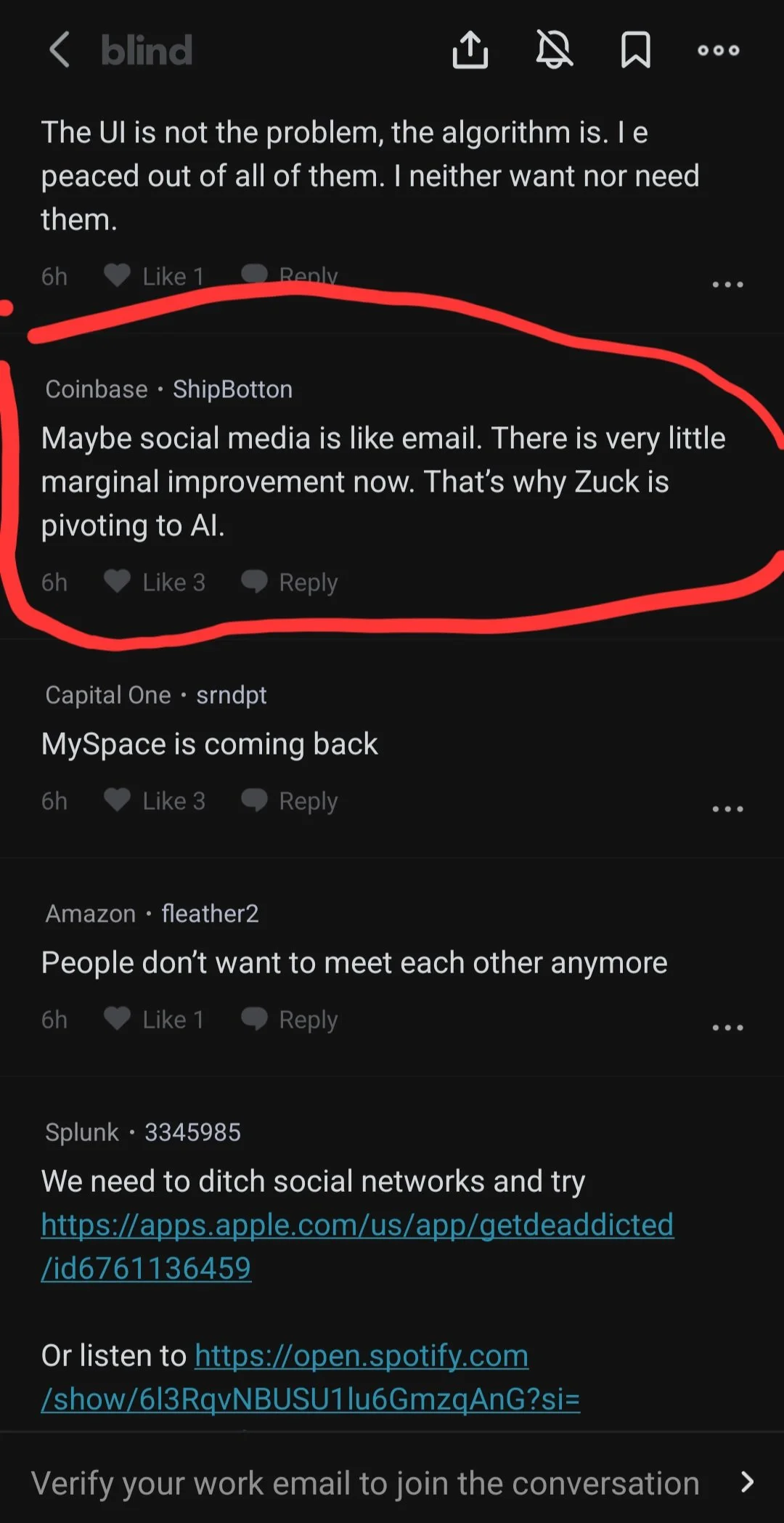
Another said:
"The future is no social media."
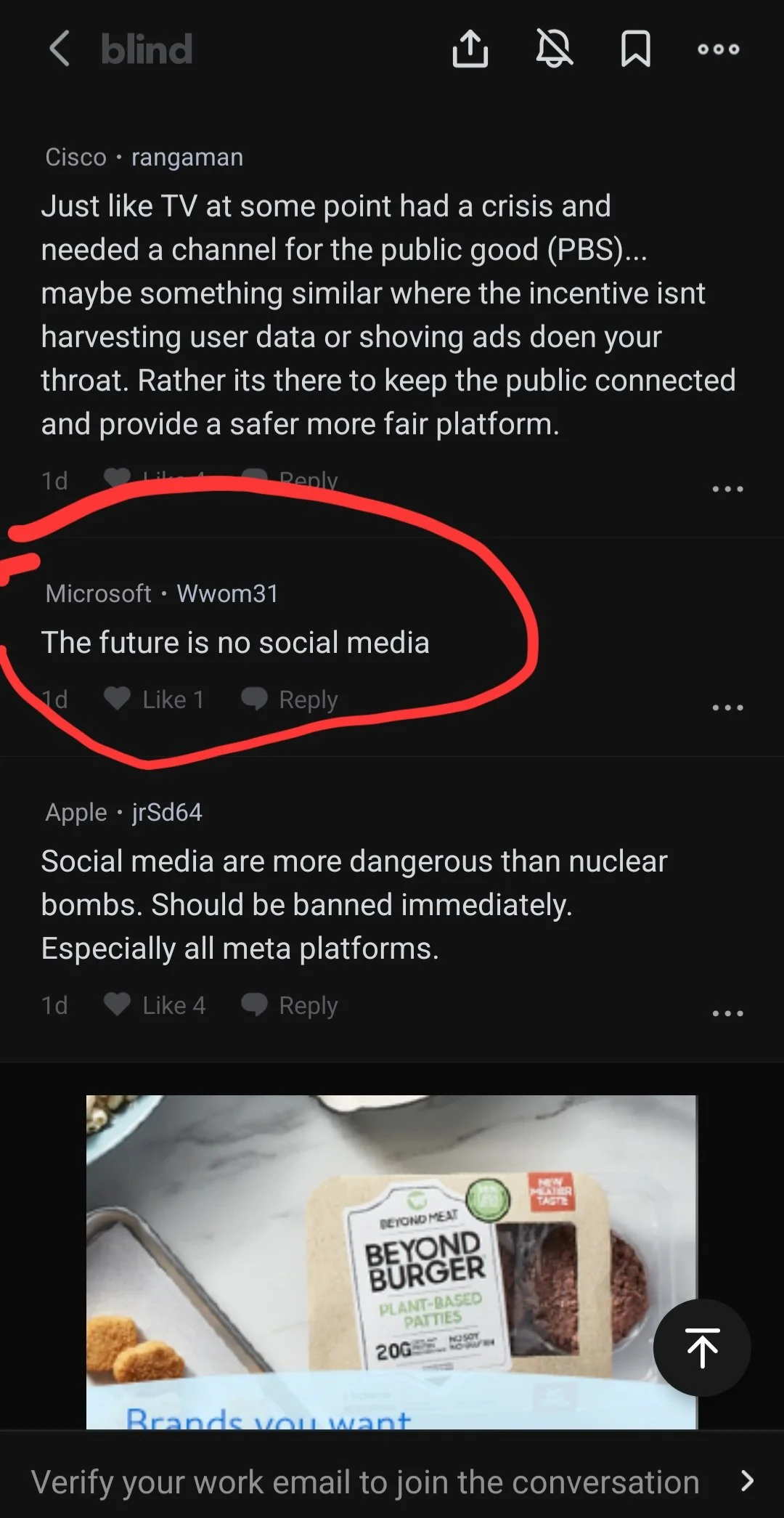
Whether you agree or not, it raises an interesting question.
If people increasingly view social media as a mature—or even declining—category, what does that mean for platforms still trying to define their place?
To me, Nextdoor competes for more than users.
It competes for time, attention, and trust.
If users question social media as a whole, platforms must offer something truly different.
I believe Nextdoor is drifting away from what originally made it valuable: connecting neighbors, supporting local businesses, and building stronger communities.
Instead, I see businesses questioning new fees, users questioning moderation, and unresolved communication issues.
For full transparency, I have not shorted NXDR. I own shares because I want the company to succeed.
My bearish outlook isn't personal.
It's based on my observations as a shareholder and user over the past seven weeks.
I'd be happy to be proven wrong.
But until I see meaningful change, the writing is on the wall.
Join the discussion at NielFlamm.com/blog. Leave some feedback—I'd love to hear from you.
Is Nextdoor Pricing Out the Very Businesses That Built It?
I've been writing a lot about communication, moderation, and corporate culture at Nextdoor.
Today, I want to talk about small businesses.
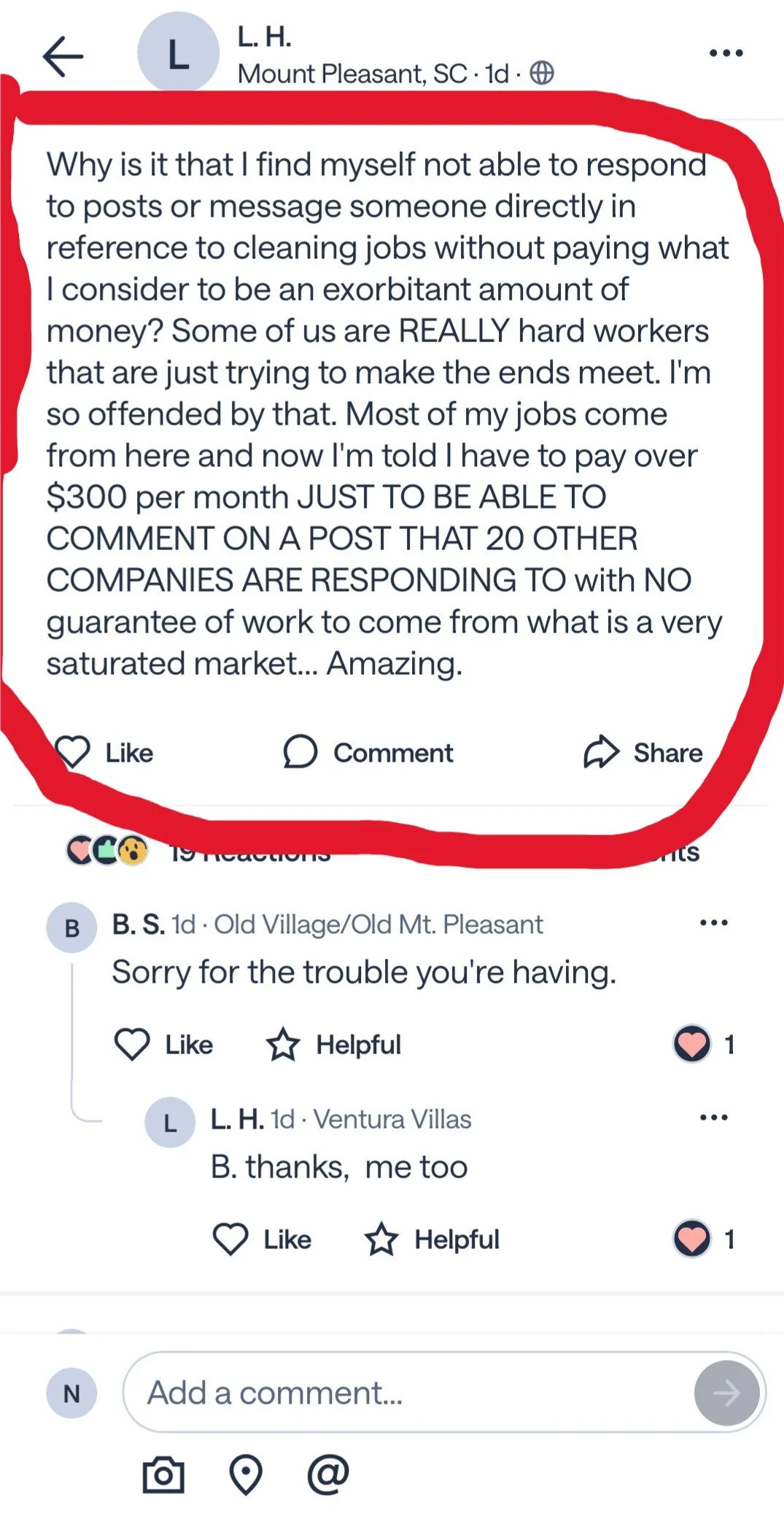
The attached screenshots show a local business owner frustrated after learning that responding to neighborhood requests now requires an additional paid option—reportedly more than $300 per month—on top of maintaining a business presence on the platform.
For many cleaners, landscapers, painters, handymen, and other neighborhood businesses, that's a significant monthly expense.
And it comes with no guarantee of winning the work.
That raises an important question.
Is Nextdoor pricing out the very local businesses that helped make the platform valuable?
It also makes me wonder:
Does this also apply to restaurants, contractors, or other businesses that receive feedback? If someone leaves a review or asks a question, can the business publicly respond without paying the additional fee?
If not, how does that strengthen community?
For full transparency, I don't have a Nextdoor business account, and I won't be purchasing one as part of my experiment.
As a shareholder, I'm not interested in making another investment in a company that doesn't currently pay a dividend on my existing one.
What concerns me is the impact on local businesses operating in already saturated markets.
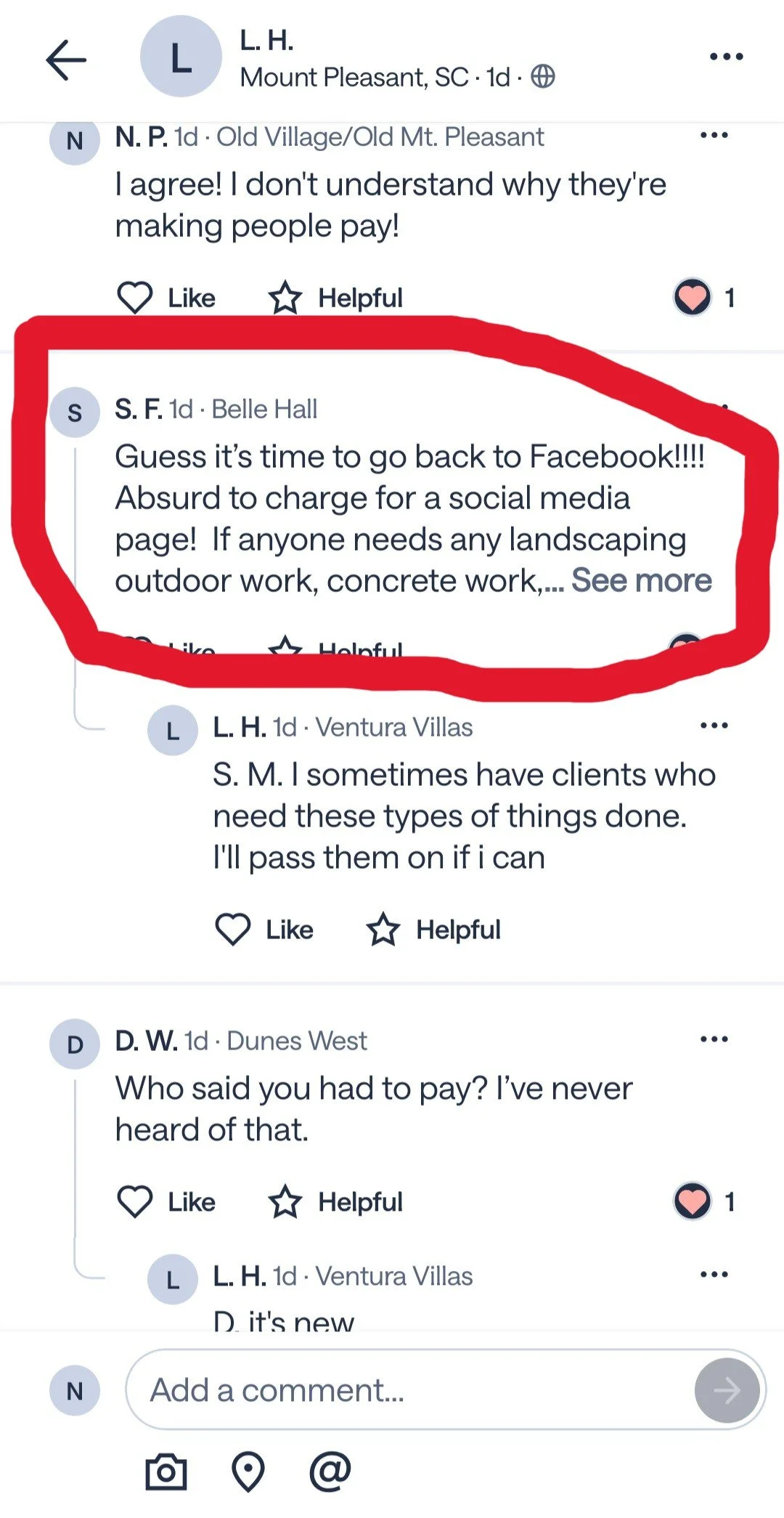
One commenter summed it up:
"Guess it's time to go back to Facebook."
That caught my attention.
Nextdoor grew by connecting neighbors with local businesses. If those businesses conclude the return on investment no longer makes sense, they'll naturally spend their advertising dollars elsewhere.
As a shareholder, I want Nextdoor to grow.
But growth should create value for both shareholders and the businesses paying the bills.
If the screenshots accurately reflect how this feature works, could you help me understand how CEO Nirav Tolia could approve a model like this while continuing to emphasize "community"? To me, community means removing barriers between neighbors and local businesses—not creating new ones.
Would you be willing to pay $300+ per month to respond to neighborhood requests?
Join the discussion at NielFlamm.com/blog. Leave some feedback—I'd love to hear from you.
The Mysterious Disappearing LinkedIn Messages
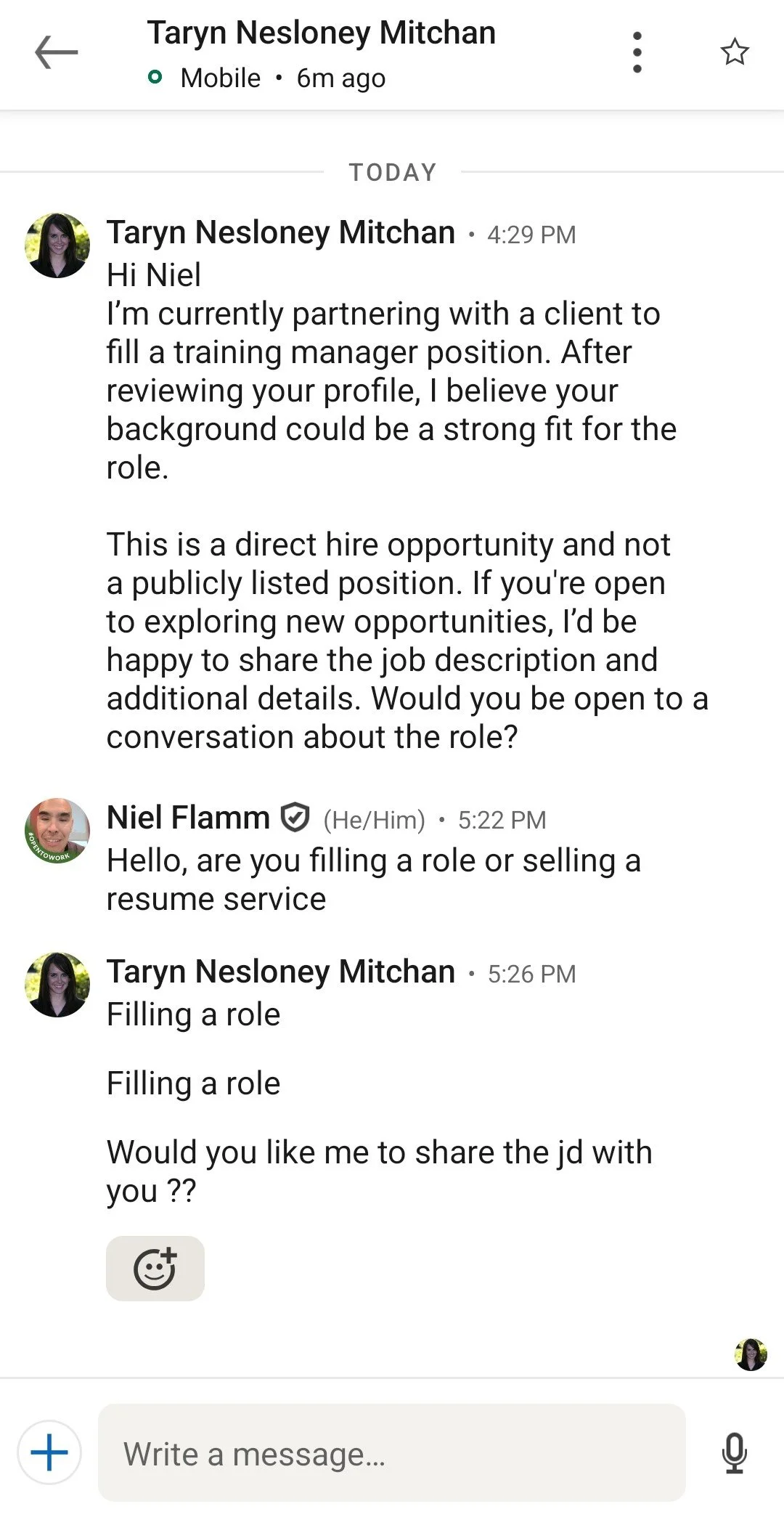
Yesterday I mentioned that two "recruiters" contacted me on LinkedIn.
I only shared one conversation because, in this one, I asked a direct question:
"Are you filling a role or selling a resume service?"
The response was direct:
"Filling a role."
I was then asked if I'd like the job description, and I said yes. Unfortunately, I forgot to take a screenshot of that part of the conversation.
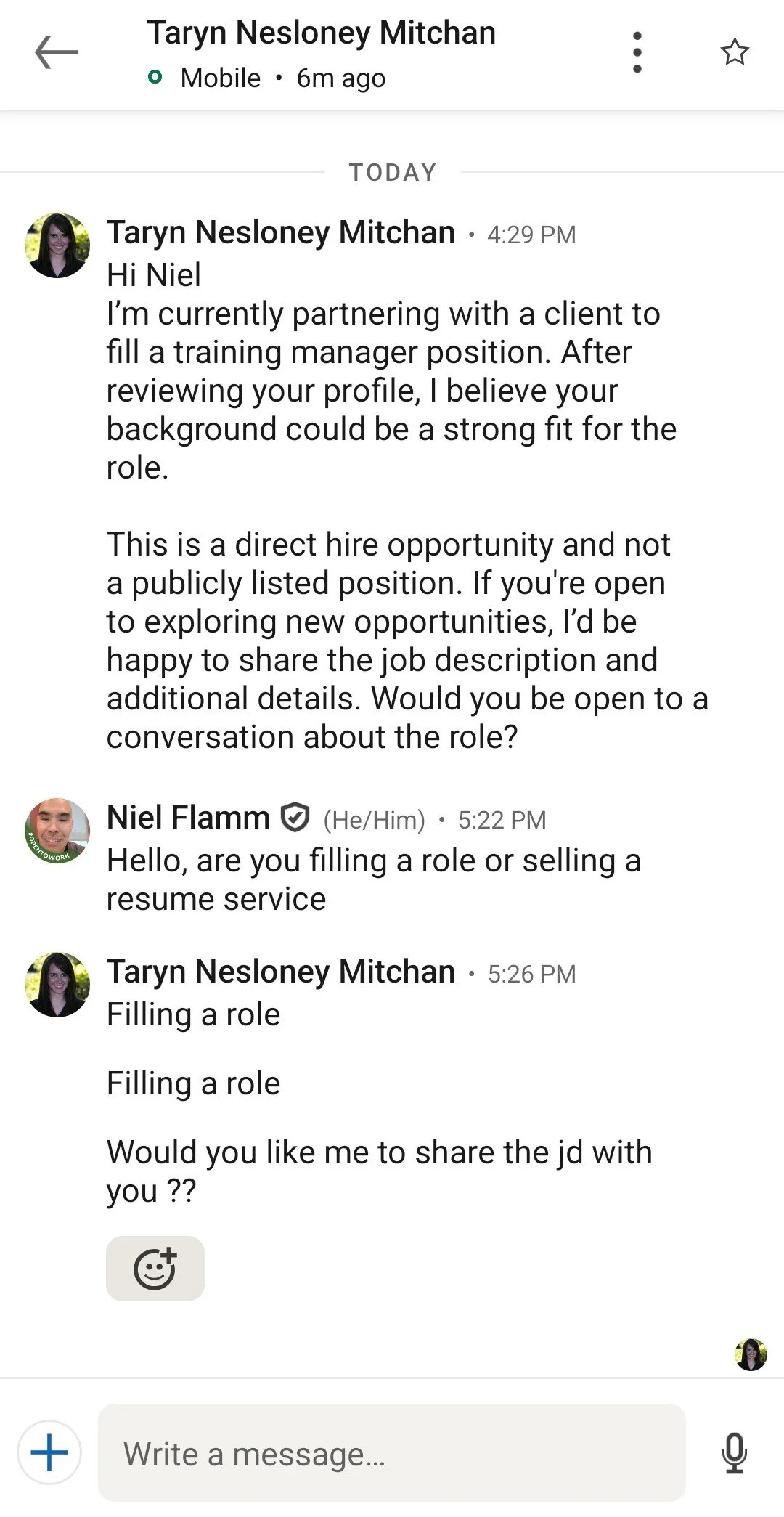
Today I went back into LinkedIn Messaging to review both conversations.
Both were gone.
Not archived. Not deleted by me. Just... gone. As if they never existed.
I'm not sure what happened or why. Maybe @LinkedIn removed the accounts. Maybe something else occurred. I don't have enough information to draw that conclusion.
What I do know is that these types of interactions seem to be becoming more common.
I'd love to see LinkedIn continue investing in stronger verification of recruiter profiles and better technology to reduce fake accounts and questionable outreach. It would help job seekers spend more time evaluating real opportunities and less time wondering whether the person on the other end is genuine.
I've been documenting these experiences, along with other observations from my job search, on my blog at NielFlamm.com/blog. I hope sharing what I encounter helps others stay informed.
Have you had recruiter messages mysteriously disappear, or experienced something similar?
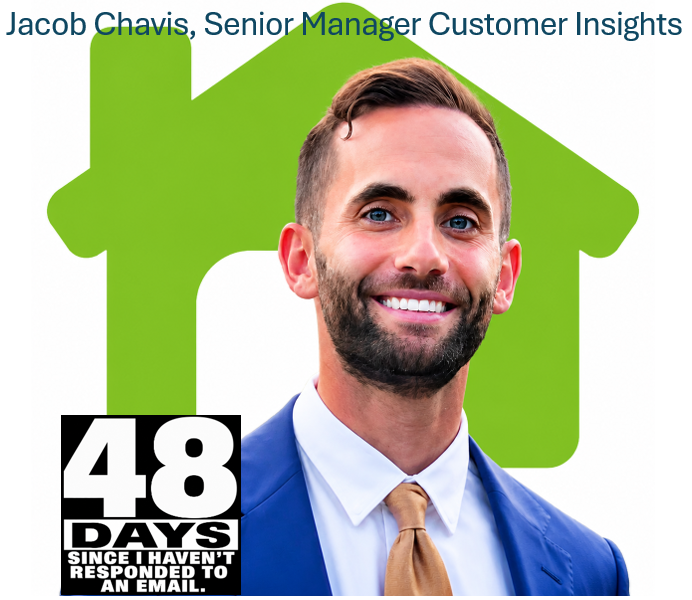
Day 48: Leadership Is About People, Not Just Processes
If you're new to this saga, welcome.
I've been documenting this journey day by day at NielFlamm.com/blog.
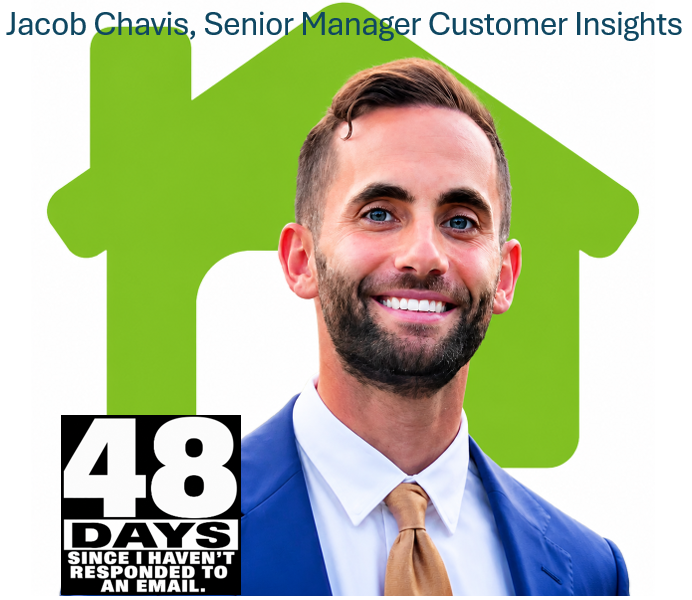
At this point, it's honestly hard to believe this has continued for 48 days.
The original request was simple: a study from Nextdoor that I was directed to request from Jacob Chavis.
The one thing that has stood out to me recently is something I haven't seen in about a month.
There was another Nextdoor post discussing a study shortly after I made my original request.
Since then?
No mention of any study.
No mention of Jacob Chavis.
No updates.
It seems the role and these studies no longer exist.
Coincidence?
I don't know.
But it does raise questions.
Recently, I've been watching a lot of leadership content—not just best practices, but examples of what happens when someone is managing people versus truly leading them.
This video caught my attention:
https://www.facebook.com/reel/1737323883971465
The situation in the video reminded me of something important:
Leadership is revealed in moments when people are vulnerable.
That brought me back to my own story.
I've shared my journey through my amputation and the decisions I had to make during that time:
https://www.facebook.com/share/v/18MqX3rAbE/
I was trying to figure out some of the biggest decisions of my life:
Was hospice the right path?
Was amputation the right decision?
How would I navigate disability insurance?
What would my future look like?
During that period, the people at the company I worked for showed me what leadership and compassion actually look like.
They supported me.
They treated me like a person.
They didn't just see an employee or a liability.
I would recommend those people for any role, anywhere.
Because at the end of the day:
Companies don't make companies successful. People do.
Organizations may focus on policies, procedures, compliance, and protecting the business.
Those things matter.
But the people inside an organization are the ones who create the culture, serve customers, build products, and drive results.
Companies exist to create value for customers and investors.
Taking care of people is one way they get there.
That's the leadership lesson I keep coming back to.
It's not just about what leaders say.
It's about what they do when people need them.
Join the discussion at NielFlamm.com/blog. Leave some feedback—I’d love to hear from you.