
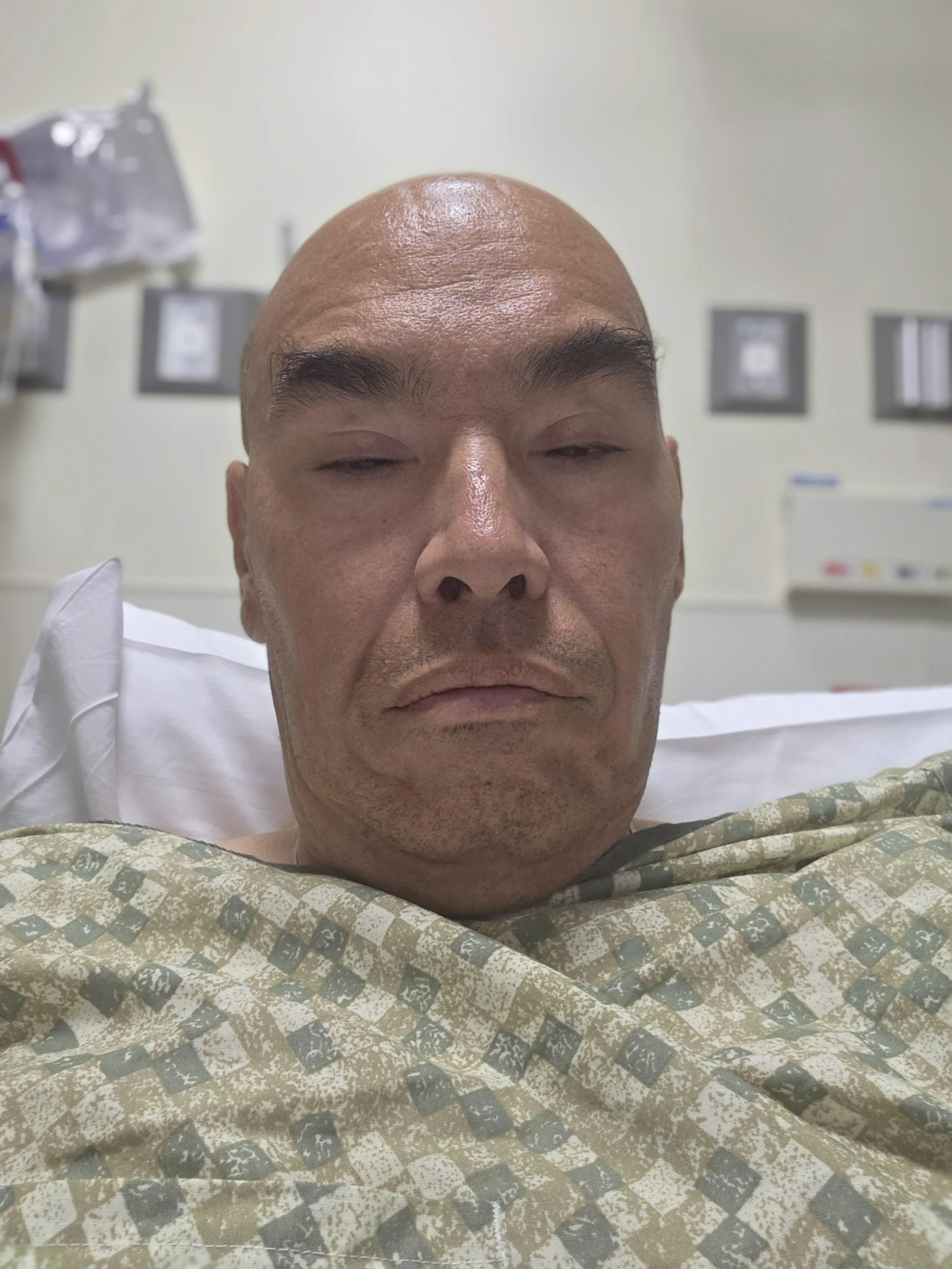
Still Moving Toward the Transplant List
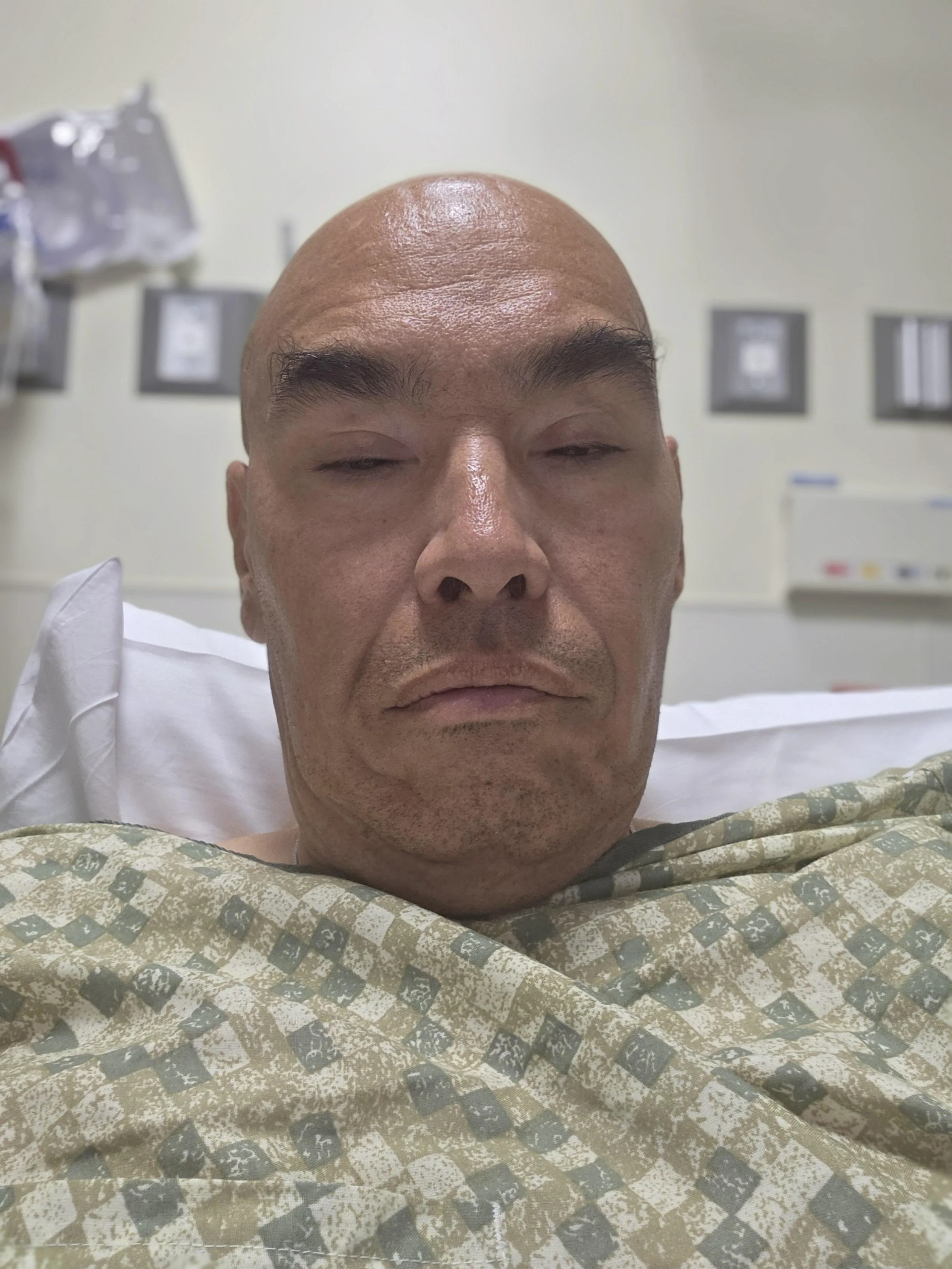
My end-stage renal disease journey began in September 2026. Not long after, I started working through the steps to get on the deceased-donor kidney transplant list. It took time, including a visit to another transplant hospital about four hours away. Eventually, I was listed at my local hospital, MUSC.
About a month ago, I received a call and then a letter saying that although I’m on the list, I’m currently inactive. After an audit, the team found that the pressure in the vessels leading to my heart was higher than MUSC’s guidelines allow. The concern is that I need to be able to get through a complicated surgery safely.
I’m working toward being reactivated. In the meantime, I’m still accruing time on the list.
I met with a cardiologist about a month ago and had a chemical stress test. The pressure in my right ventricle appeared a little high, so the doctor recommended a catheterization to get a clearer picture.
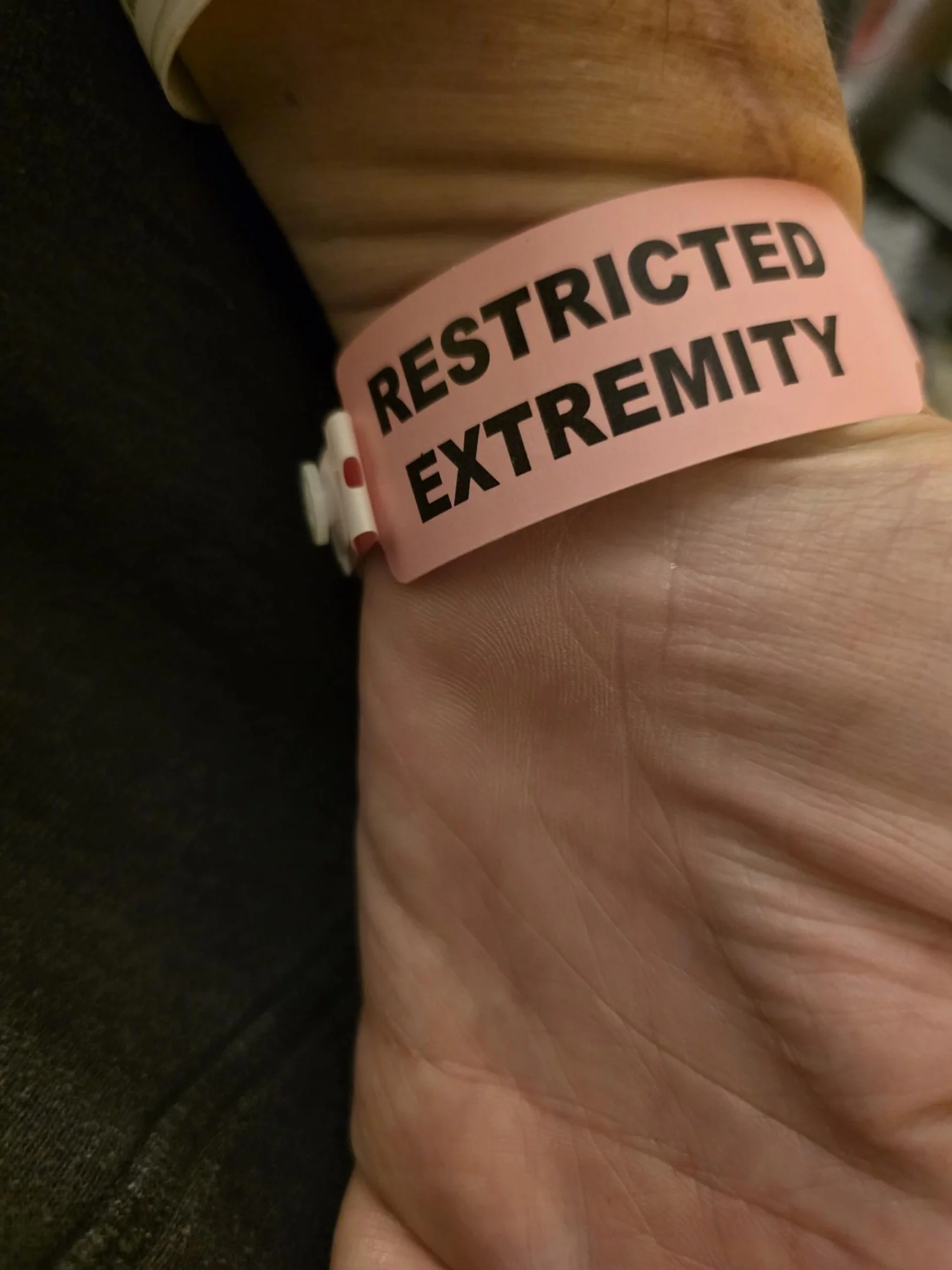
That procedure was today at Trident Hospital in North Charleston. It was scheduled for 2:30 p.m., and I couldn’t eat or drink after midnight the night before. That made for a long day. I also got to wear the gown of shame—one of those small indignities that comes with a hospital procedure.
A friend from recovery drove me to and from the hospital. I received Versed and fentanyl, didn’t feel a thing, and slept a little while I recovered. My friend had a Coke Zero and a Greek salad with gyro meat waiting for me. I ate once I got home, grateful for a friend who showed up and a meal after a long fast.
Now the cardiologist will speak with the transplant team about the results and what comes next. I don’t know the next step yet, but I’m still moving forward—one appointment, one answer, and one day at a time.

The Ankle Report: My Low-Tech Fluid Monitoring System
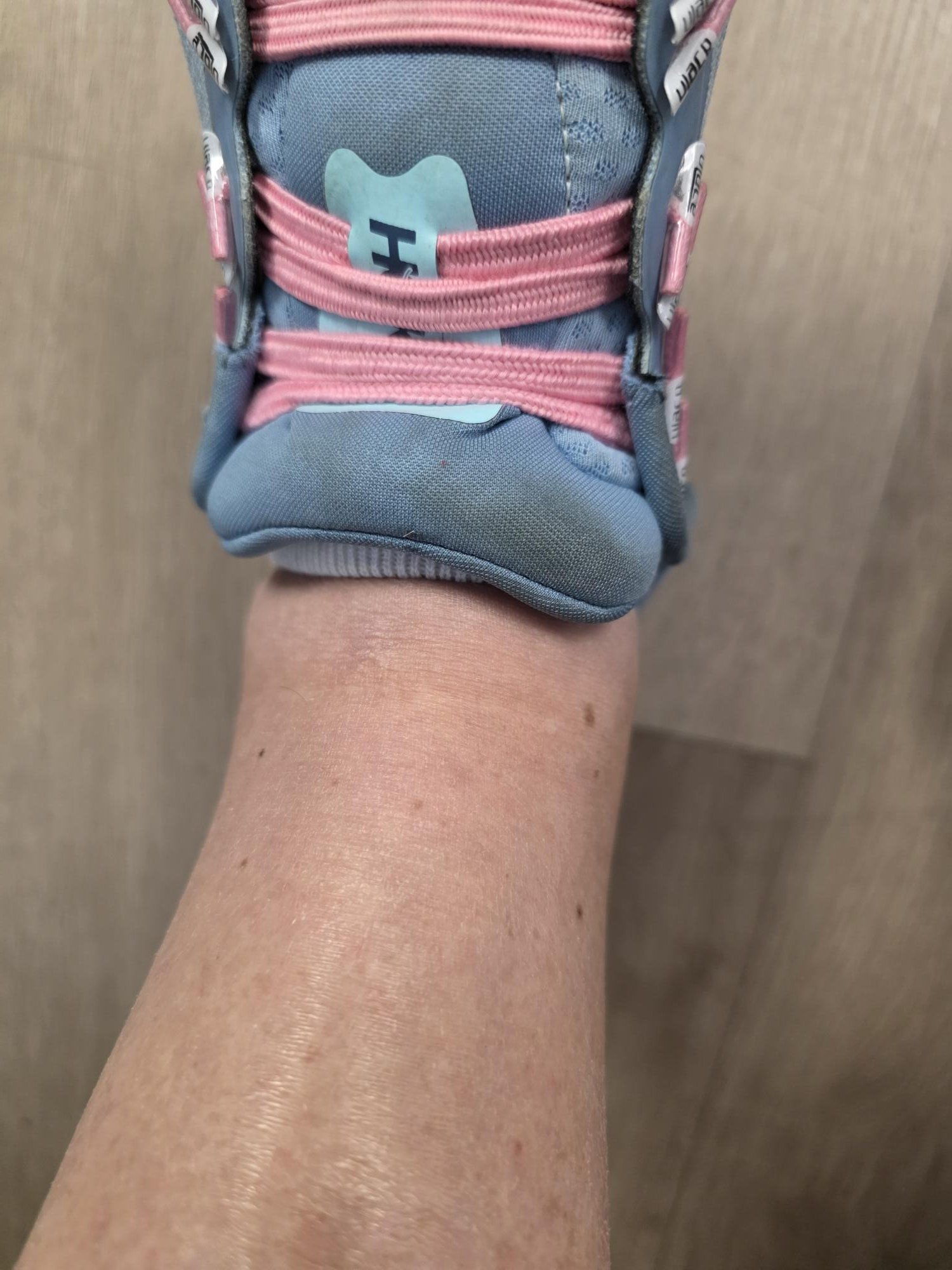
Lately, I’ve found myself spending more time looking at my ankle.
I mean, why wouldn’t I?
It’s a great-looking ankle.
More importantly, it’s the only one I have left, so it gets 100% of the ankle-related attention around here.
But lately, I’m not admiring it purely for its aesthetic qualities. I’m checking it for edema and fluid retention.
My Built-In Fluid Gauge
As someone living with End-Stage Renal Disease (ESRD) and receiving dialysis, fluid is something I have to pay attention to.
My kidneys still have some function. I still urinate normally, so I don’t retain fluid in exactly the same way as someone whose kidneys have stopped producing urine altogether.
Still, I can retain more fluid than I should.
And one of the easiest places for me to notice it?
My ankle.
Gravity is very dependable. Fluid can settle into the lower part of the body, so I can look at my ankle and get a visual clue that perhaps I've been a little too enthusiastic with the beverages.
Apparently, my ankle has become a medical instrument.
No batteries.
No Bluetooth.
No subscription.
Just look down.
The Other Fluid Gauge: My Residual Limb
My ankle isn't the only place where fluid retention becomes noticeable.
I can also retain fluid in my residual limb, which creates an entirely different problem.
My prosthetic socket doesn't suddenly become more accommodating because I'm retaining extra fluid. If my residual limb changes volume, getting into the prosthetic can become more challenging.
The prosthetic basically says:
“Sorry, we're at capacity.”
So fluid management isn't just something I think about during dialysis. It can affect something as basic as putting on my leg and getting on with my day.
Then Winter Joins the Party
Winter brings another issue.
When the air gets dry, my skin tends to get drier too. Add fluid-related swelling and stretching into the equation, and I've noticed my skin can start cracking more.
So apparently my body has seasonal programming.
Summer: Watch the swelling.
Winter: Watch the swelling AND the cracking.
Excellent.
Learning to Pay Attention
Living with ESRD has taught me that sometimes the useful signs aren't dramatic.
Sometimes it's simply noticing that my ankle looks a little puffier than usual.
Or that my residual limb isn't fitting into my prosthetic quite as easily.
Or that my skin is behaving differently.
None of those observations replaces what my dialysis team measures or tells me. They're simply ways I've learned to pay attention to my own body between treatments.
And since I only have one ankle left, I might as well put it to work.
For now, I'll continue monitoring it.
Part ankle. Part fluid gauge. Still pretty good-looking.