
The Ankle Report: My Low-Tech Fluid Monitoring System
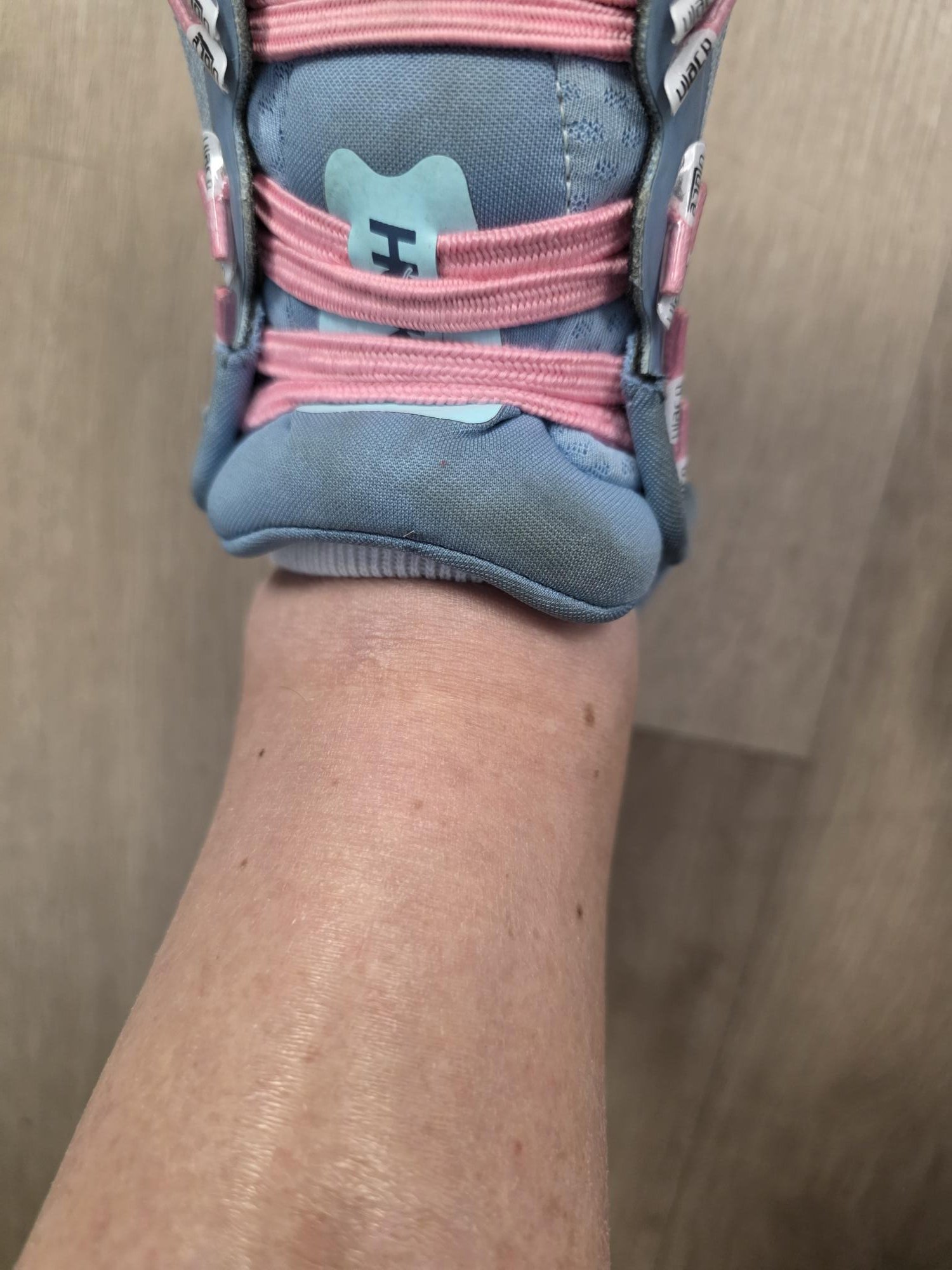
Lately, I’ve found myself spending more time looking at my ankle.
I mean, why wouldn’t I?
It’s a great-looking ankle.
More importantly, it’s the only one I have left, so it gets 100% of the ankle-related attention around here.
But lately, I’m not admiring it purely for its aesthetic qualities. I’m checking it for edema and fluid retention.
My Built-In Fluid Gauge
As someone living with End-Stage Renal Disease (ESRD) and receiving dialysis, fluid is something I have to pay attention to.
My kidneys still have some function. I still urinate normally, so I don’t retain fluid in exactly the same way as someone whose kidneys have stopped producing urine altogether.
Still, I can retain more fluid than I should.
And one of the easiest places for me to notice it?
My ankle.
Gravity is very dependable. Fluid can settle into the lower part of the body, so I can look at my ankle and get a visual clue that perhaps I've been a little too enthusiastic with the beverages.
Apparently, my ankle has become a medical instrument.
No batteries.
No Bluetooth.
No subscription.
Just look down.
The Other Fluid Gauge: My Residual Limb
My ankle isn't the only place where fluid retention becomes noticeable.
I can also retain fluid in my residual limb, which creates an entirely different problem.
My prosthetic socket doesn't suddenly become more accommodating because I'm retaining extra fluid. If my residual limb changes volume, getting into the prosthetic can become more challenging.
The prosthetic basically says:
“Sorry, we're at capacity.”
So fluid management isn't just something I think about during dialysis. It can affect something as basic as putting on my leg and getting on with my day.
Then Winter Joins the Party
Winter brings another issue.
When the air gets dry, my skin tends to get drier too. Add fluid-related swelling and stretching into the equation, and I've noticed my skin can start cracking more.
So apparently my body has seasonal programming.
Summer: Watch the swelling.
Winter: Watch the swelling AND the cracking.
Excellent.
Learning to Pay Attention
Living with ESRD has taught me that sometimes the useful signs aren't dramatic.
Sometimes it's simply noticing that my ankle looks a little puffier than usual.
Or that my residual limb isn't fitting into my prosthetic quite as easily.
Or that my skin is behaving differently.
None of those observations replaces what my dialysis team measures or tells me. They're simply ways I've learned to pay attention to my own body between treatments.
And since I only have one ankle left, I might as well put it to work.
For now, I'll continue monitoring it.
Part ankle. Part fluid gauge. Still pretty good-looking.
