
Thailand Update: Bangkok Hospital Hua Hin Responded—Now I Need a Date
Well, that was fast.
After writing about my plans to potentially spend about 30 days in Hua Hin, Thailand, I emailed the Hua Hin location of Bangkok Hospital to ask what I would need to do to continue my hemodialysis treatments while I'm there.
I expected to wait.
Instead, it took only a few hours for Bangkok Hospital Hua Hin to respond.
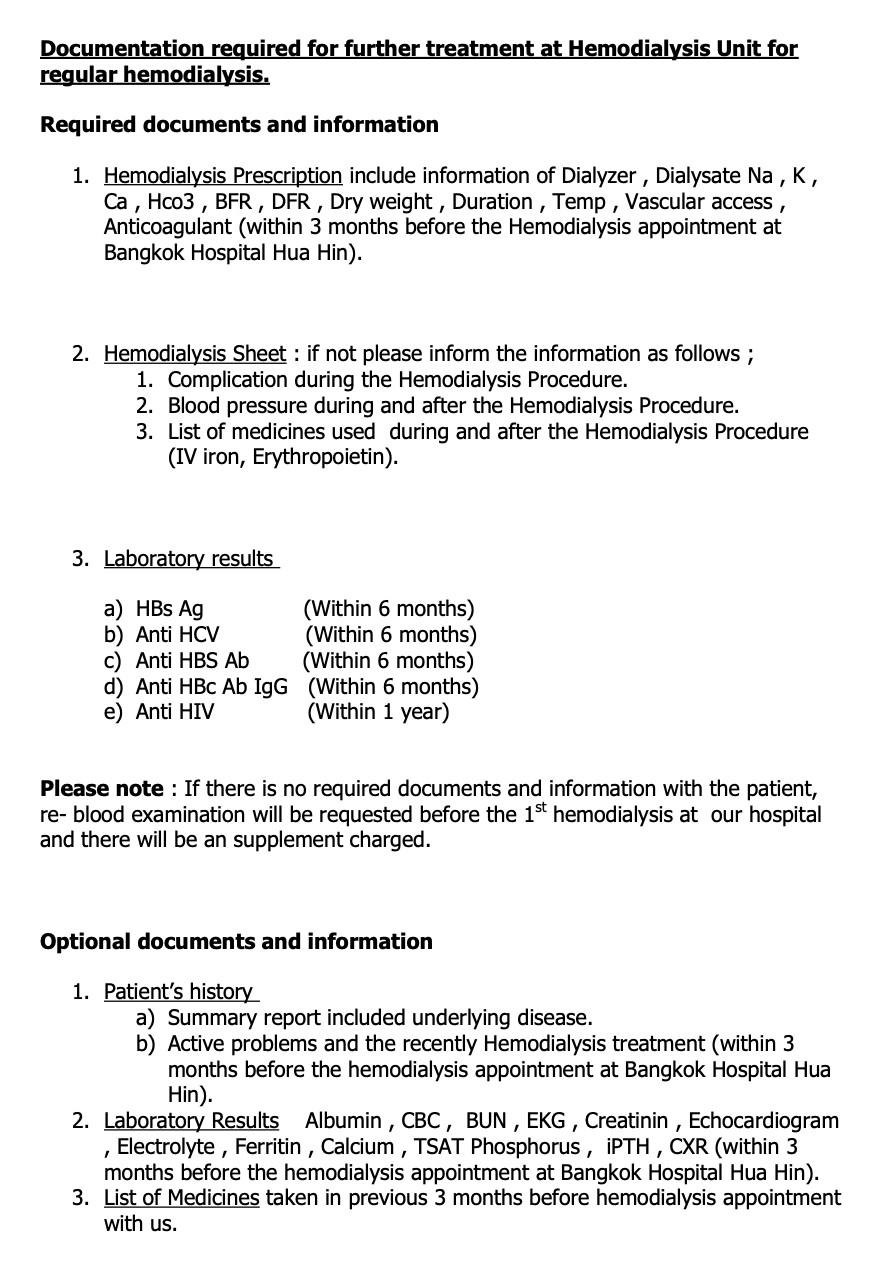
They sent me a detailed list of the medical records, dialysis information, and laboratory results they want me to provide before arriving in Thailand.
Suddenly, this little Thailand experiment feels considerably more real.
What Bangkok Hospital Needs From Me
The hospital wants my current hemodialysis prescription, including information such as my dialyzer, dialysate settings, blood-flow and dialysate-flow rates, dry weight, treatment duration and temperature, vascular access and anticoagulant. The prescription needs to be from within three months of my dialysis appointment in Hua Hin.
They also want my recent dialysis information, including any complications I've experienced during treatment, my blood pressure before and after dialysis, and medications administered during or after treatment, such as IV iron or erythropoietin.
Then come the labs.
They require recent testing for HBsAg, hepatitis C antibodies, hepatitis B antibodies, hepatitis B core antibody IgG, and HIV. Most of those results need to be from within six months, while the HIV result can be from within one year.
They noted that if I arrive without the required information, they may need to repeat blood testing before my first dialysis treatment—and there would be an additional charge.
They also want a list of optional information, including my medical history, recent dialysis treatment information, medication list, and additional lab results such as CBC, BUN, creatinine, electrolytes, calcium, phosphorus, and other tests.
It looks like a lot on paper.
Fortunately, I shouldn't have to assemble all of this by myself.
I Talked to My Dialysis Provider
Most Mondays, either my nephrologist or his Physician Assistant checks in with patients at the dialysis center.
Today, I told him what I'm planning.
I think he was a little surprised when I told him where I was thinking about going—and that I was considering staying for about a month.
Thailand wasn't exactly the answer he was expecting.
I showed him the information Bangkok Hospital Hua Hin requested. He told me that my dialysis clinic should be able to obtain most, if not all, of it.
That's a pretty big hurdle potentially taken care of.
And that's exactly why I contacted the hospital before booking a trip. A beachfront condo with an ocean view sounds wonderful, but none of that matters if I can't safely continue dialysis three times a week.
The Pieces Are Coming Together
In a relatively short time, I've gone from thinking about Thailand to working through the logistics.
I've connected with an expat who may be able to help me find a furnished beachfront condo, work through the visa process, arrange transportation from Bangkok to Hua Hin, find temporary accommodations while I get settled, and potentially help arrange a caretaker for Mom.
Now I've heard directly from Bangkok Hospital Hua Hin about what they need for my dialysis.
My dialysis provider believes they can supply the medical information.
So what's the next major item on the Thailand checklist?
I need to pick a date.
That's where I am now.
No plane ticket yet. No condo lease yet. I'm not packing a suitcase tomorrow.
But each question I answer removes another reason this couldn't work.
A few days ago, dialysis in Thailand was one of the biggest unknowns.
Today, I have a list.
And apparently, my dialysis clinic has most of what's on it.
Now I just need to figure out when I'm going to Hua Hin.
The Ankle Report: My Low-Tech Fluid Monitoring System
Lately, I’ve found myself spending more time looking at my ankle.
I mean, why wouldn’t I?
It’s a great-looking ankle.
More importantly, it’s the only one I have left, so it gets 100% of the ankle-related attention around here.
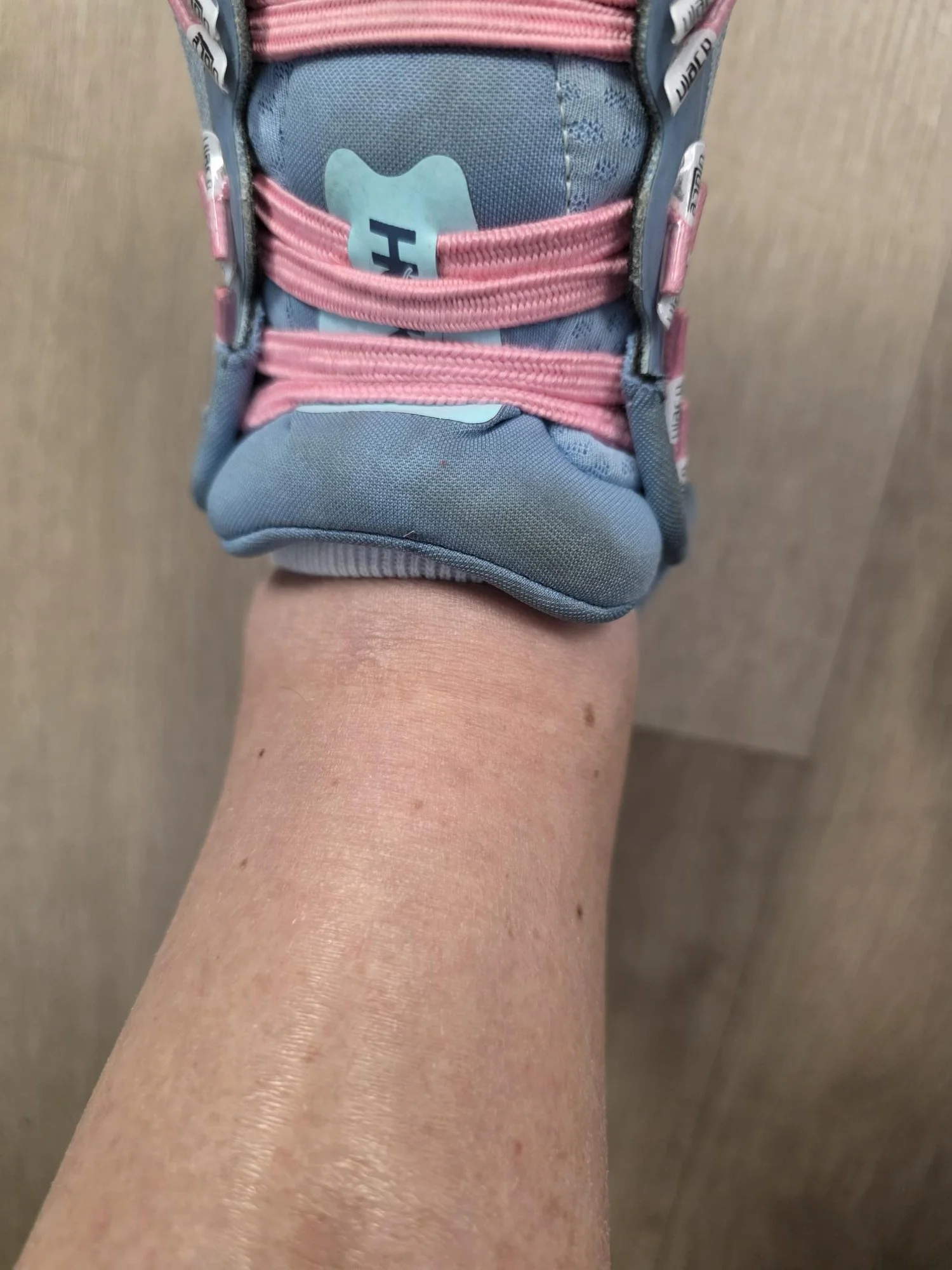
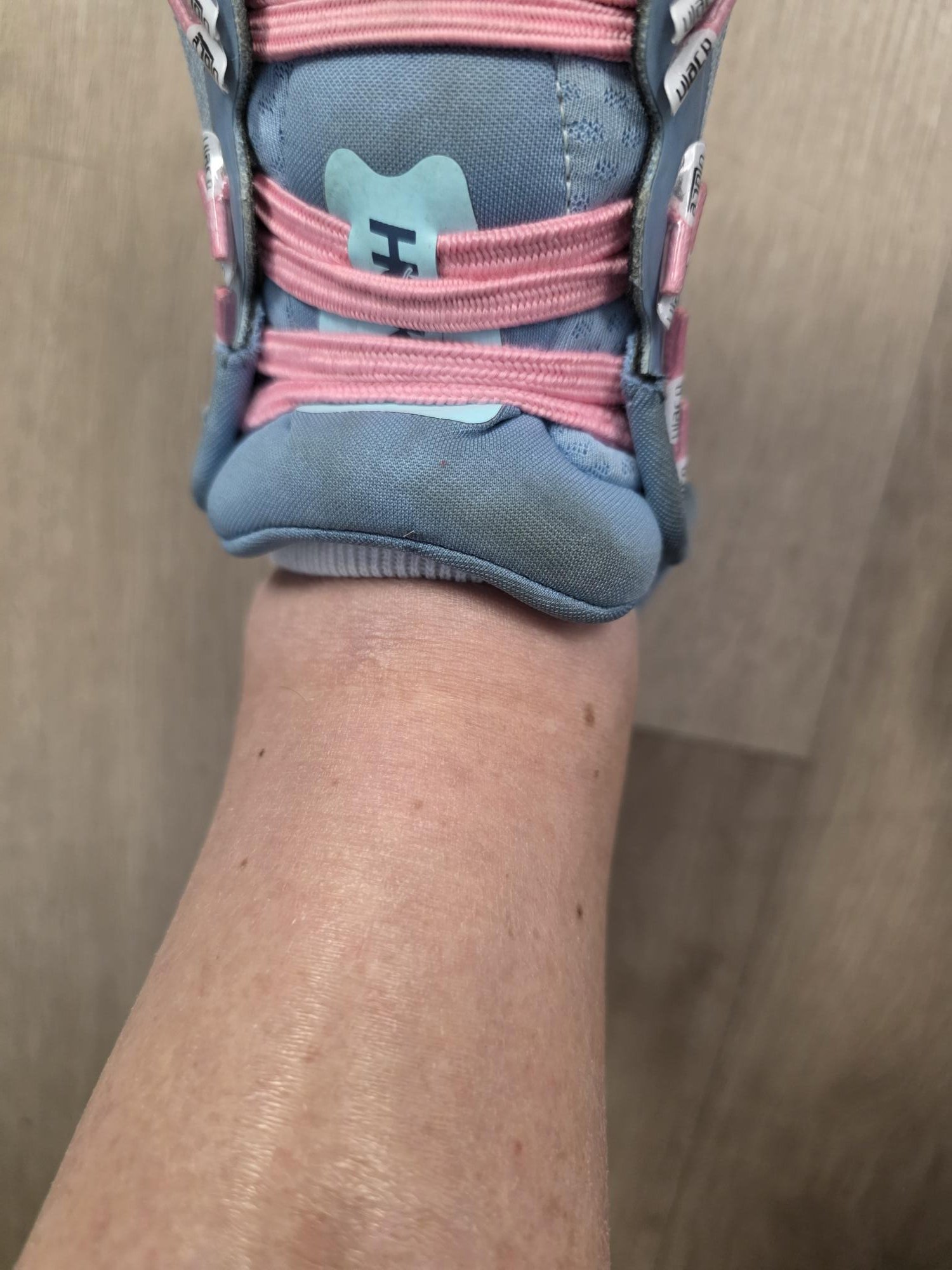
But lately, I’m not admiring it purely for its aesthetic qualities. I’m checking it for edema and fluid retention.
My Built-In Fluid Gauge
As someone living with End-Stage Renal Disease (ESRD) and receiving dialysis, fluid is something I have to pay attention to.
My kidneys still have some function. I still urinate normally, so I don’t retain fluid in exactly the same way as someone whose kidneys have stopped producing urine altogether.
Still, I can retain more fluid than I should.
And one of the easiest places for me to notice it?
My ankle.
Gravity is very dependable. Fluid can settle into the lower part of the body, so I can look at my ankle and get a visual clue that perhaps I've been a little too enthusiastic with the beverages.
Apparently, my ankle has become a medical instrument.
No batteries.
No Bluetooth.
No subscription.
Just look down.
The Other Fluid Gauge: My Residual Limb
My ankle isn't the only place where fluid retention becomes noticeable.
I can also retain fluid in my residual limb, which creates an entirely different problem.
My prosthetic socket doesn't suddenly become more accommodating because I'm retaining extra fluid. If my residual limb changes volume, getting into the prosthetic can become more challenging.
The prosthetic basically says:
“Sorry, we're at capacity.”
So fluid management isn't just something I think about during dialysis. It can affect something as basic as putting on my leg and getting on with my day.
Then Winter Joins the Party
Winter brings another issue.
When the air gets dry, my skin tends to get drier too. Add fluid-related swelling and stretching into the equation, and I've noticed my skin can start cracking more.
So apparently my body has seasonal programming.
Summer: Watch the swelling.
Winter: Watch the swelling AND the cracking.
Excellent.
Learning to Pay Attention
Living with ESRD has taught me that sometimes the useful signs aren't dramatic.
Sometimes it's simply noticing that my ankle looks a little puffier than usual.
Or that my residual limb isn't fitting into my prosthetic quite as easily.
Or that my skin is behaving differently.
None of those observations replaces what my dialysis team measures or tells me. They're simply ways I've learned to pay attention to my own body between treatments.
And since I only have one ankle left, I might as well put it to work.
For now, I'll continue monitoring it.
Part ankle. Part fluid gauge. Still pretty good-looking.
Thailand Is Starting to Feel a Little More Real
For a while, Thailand has been an idea. Lately, that idea has started turning into actual planning.
I've been in contact with an expat in Thailand who can help me work through the logistics of getting to Hua Hin and figure out whether this could realistically work for me—and potentially for my mom as well.
There are a surprising number of moving pieces.
He's offered to help me find a condo in Hua Hin. I've already started looking at what is available, and my wish list isn't exactly small. I want something furnished, preferably three bedrooms, beachfront with an ocean view, and reasonably close to the hospital.
I'm discovering that those places actually exist without necessarily costing what a comparable beachfront condo would cost in the United States.
He can also help me figure out the appropriate Thai visa. That's one of those things where I'd much rather have someone familiar with the process help me than spend hours bouncing around the interwebs trying to figure out what is current and what was accurate three years ago.
Then there are the immediate arrival logistics.
He can arrange transportation from Bangkok airport to Hua Hin, which matters because I'd prefer not to land after a very long flight and start negotiating transportation in a country I've never visited.
He can also help arrange a temporary place for me to stay while I get situated and look at condos in person.
That makes a lot of sense to me. Pictures on the internet are wonderful, but I'd rather walk into a condo, look out the window and confirm that "ocean view" actually means I can see the ocean—not that if I lean over a balcony, look between two buildings and squint really hard, there's a tiny patch of blue in the distance.
There's also Mom.
We've discussed the possibility of eventually having her in Thailand, and this expat may be able to help arrange a caretaker. That would require more research and planning, but knowing resources are available makes the idea less overwhelming.
He even mentioned helping me get a Thai driver's license.
I'll pass.
I don't have an urge to drive in Thailand. I think I'll be perfectly happy using ride-share services, taxis, and other transportation. Somebody else can navigate the traffic while I sit in the passenger seat and look out the window.
Then There's the Big One: Dialysis
Everything else is secondary if I can't work out dialysis.
Today, I emailed Bangkok Hospital Hua Hin to ask what I'd need to receive hemodialysis there during an approximately 30-day visit to Thailand.
For me, this isn't optional travel planning. I need hemodialysis three times a week, so before I start getting too excited about beachfront condos and ocean views, I need to know that my medical care can continue safely and reliably while I'm there.
I want to know what records they need from my dialysis provider in the United States, how far in advance treatment must be arranged, scheduling, costs, payment requirements, and anything else an international dialysis patient needs to do before arriving.
Now I wait for their response.
If Bangkok Hospital Hua Hin can accommodate me for a month, that's a pretty significant piece of the puzzle.
Maybe 30 Days Is the Right Test
I'm not talking about getting on an airplane tomorrow and permanently moving to Thailand.
A roughly 30-day stay would give me a chance to experience Hua Hin as more than a vacation destination.
Can I comfortably get around without driving?
Can I find a condo I'd actually want to live in?
How easy is it to get groceries, go out to eat, and handle normal daily life?
Most importantly, what is it like going through my normal dialysis routine in Thailand?
Those are questions that YouTube videos, Facebook groups, blogs, and beautiful real-estate photos can't completely answer.
I need to experience it.
For now, many questions remain unanswered. But there are also fewer unanswered questions than there were a few weeks ago.
I've found someone on the ground who can potentially help with housing, visas, transportation, temporary accommodations, and care for Mom.
I've contacted the hospital about dialysis.
I've started looking at beachfront condos.
And apparently, someone is even willing to help me get a driver's license that I have absolutely no intention of getting.
One piece at a time.
Thirty days in Hua Hin might tell me whether Thailand is simply a place I'd enjoy visiting—or somewhere I could actually see myself spending a significant part of my life.
Proof It Was Time for a New Dialysis Backpack 🎒
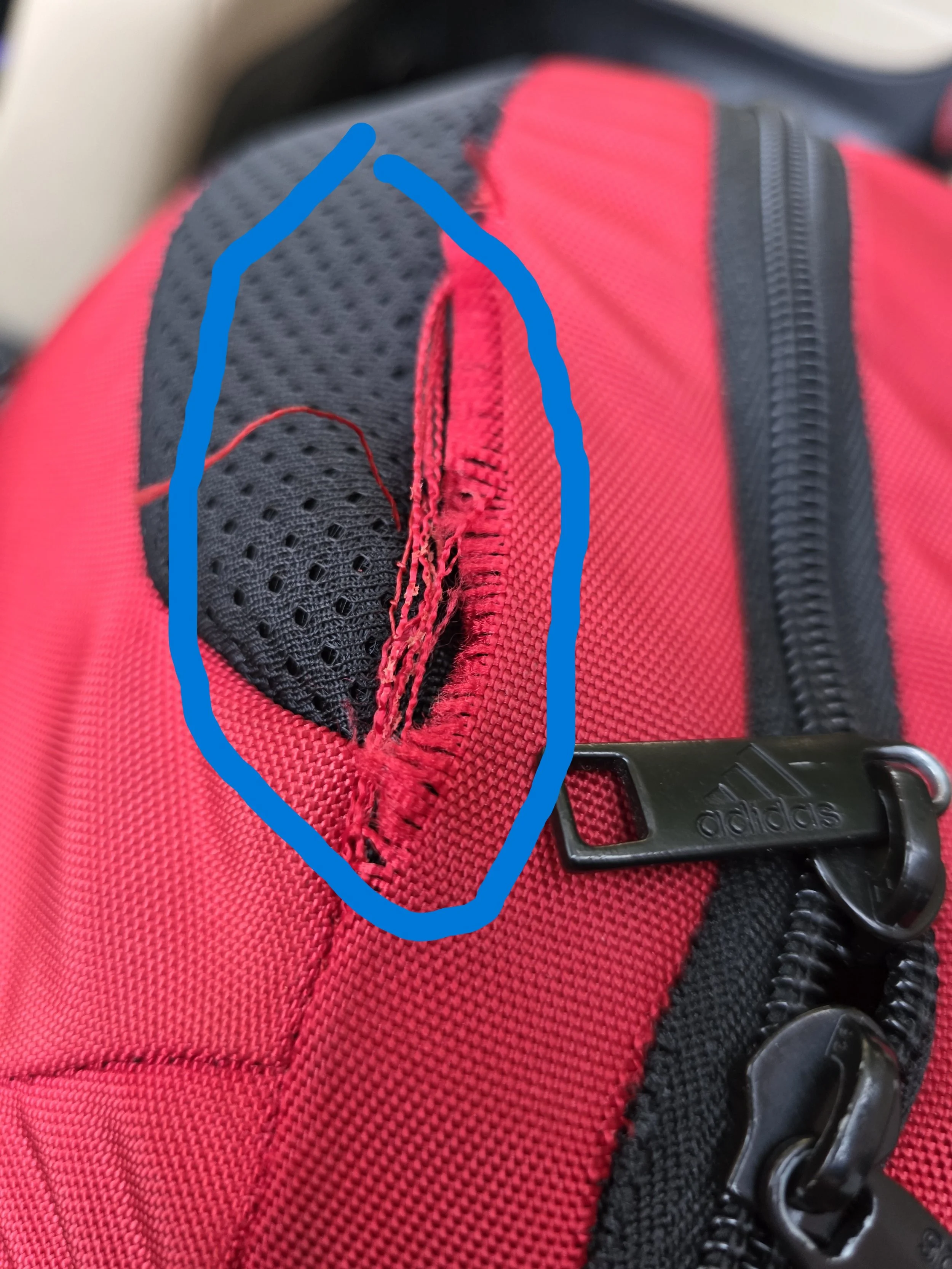
Yesterday I purchased a new backpack for dialysis, and today was its first trip to the clinic.
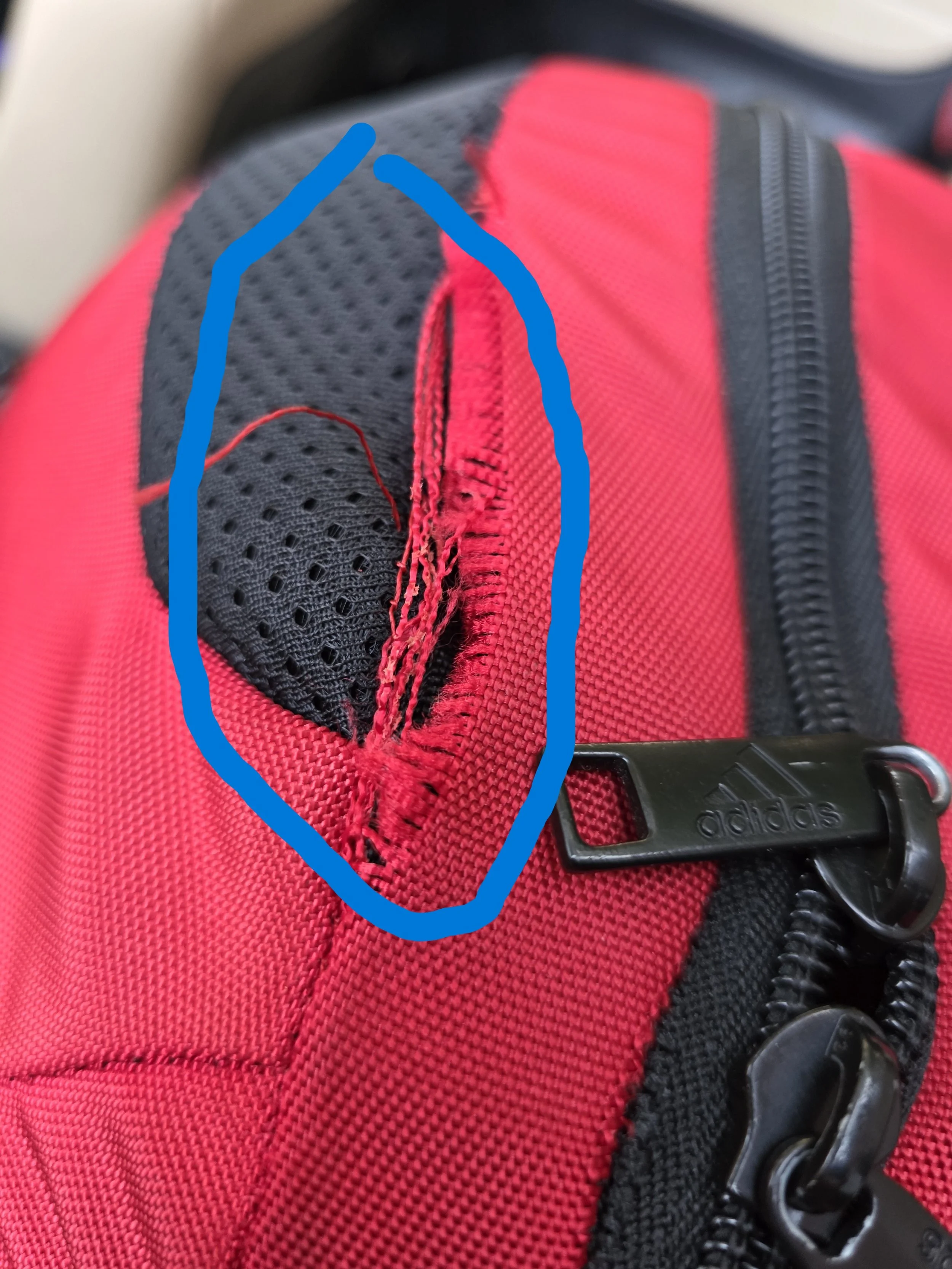
Could I have used my old backpack a little longer? Maybe. But after looking at it, the answer became pretty clear. The seams were ripping, and it was only a matter of time before it failed. It wasn't a case of wanting a new backpack—it was a case of needing one.
My dialysis backpack carries my blanket, pillow, and other essentials three mornings a week. The last thing I want is for the seams to split while I'm walking into or out of the clinic, leaving everything on the ground in the middle of the swampy Lowcountry heat and humidity.
The old backpack served me well, but this is proof that replacing it wasn't an impulse purchase. Sometimes the smartest time to replace something is before it completely falls apart.
Monthly Dialysis Labs: A Surprising Number I Haven't Seen Since 2025
Every month during dialysis, I have a full set of lab work done. The nice part? No extra needle stick. The blood is drawn directly through the dialysis tubing while I'm already connected.
The monthly labs help monitor many aspects of living with End Stage Renal Disease (ESRD), including:
Potassium – helps reduce the risk of dangerous heart rhythm problems.
Creatinine – shows how well my kidneys are filtering waste.
Phosphorus – high levels can pull calcium from the bones, while levels that are too low can affect oxygen delivery to muscles and lead to weakness.
Iron
Hemoglobin
Sodium
Chloride
Carbon Dioxide
Total Serum Protein
Albumin
Magnesium
Platelet Count
White Blood Cell Count
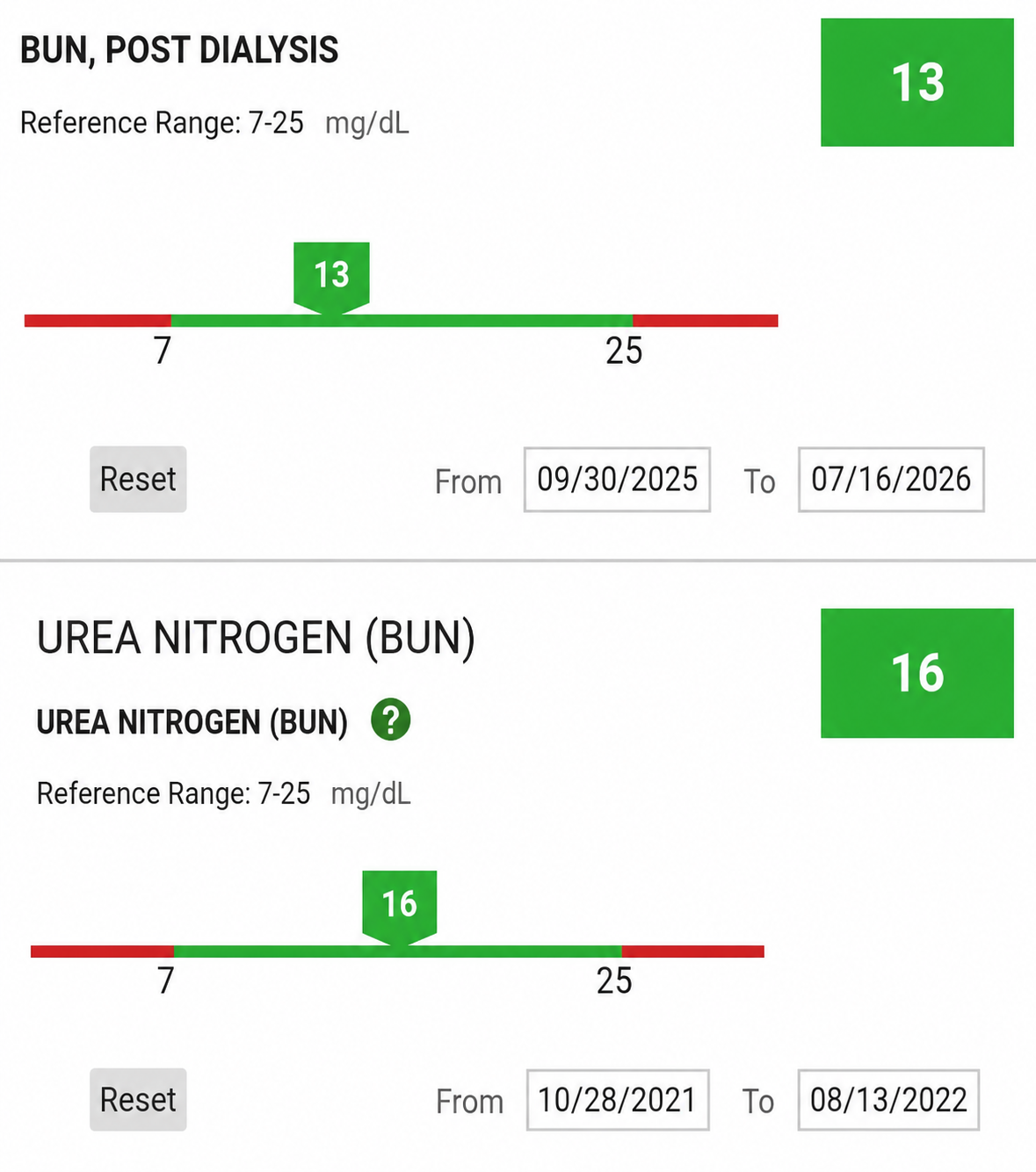
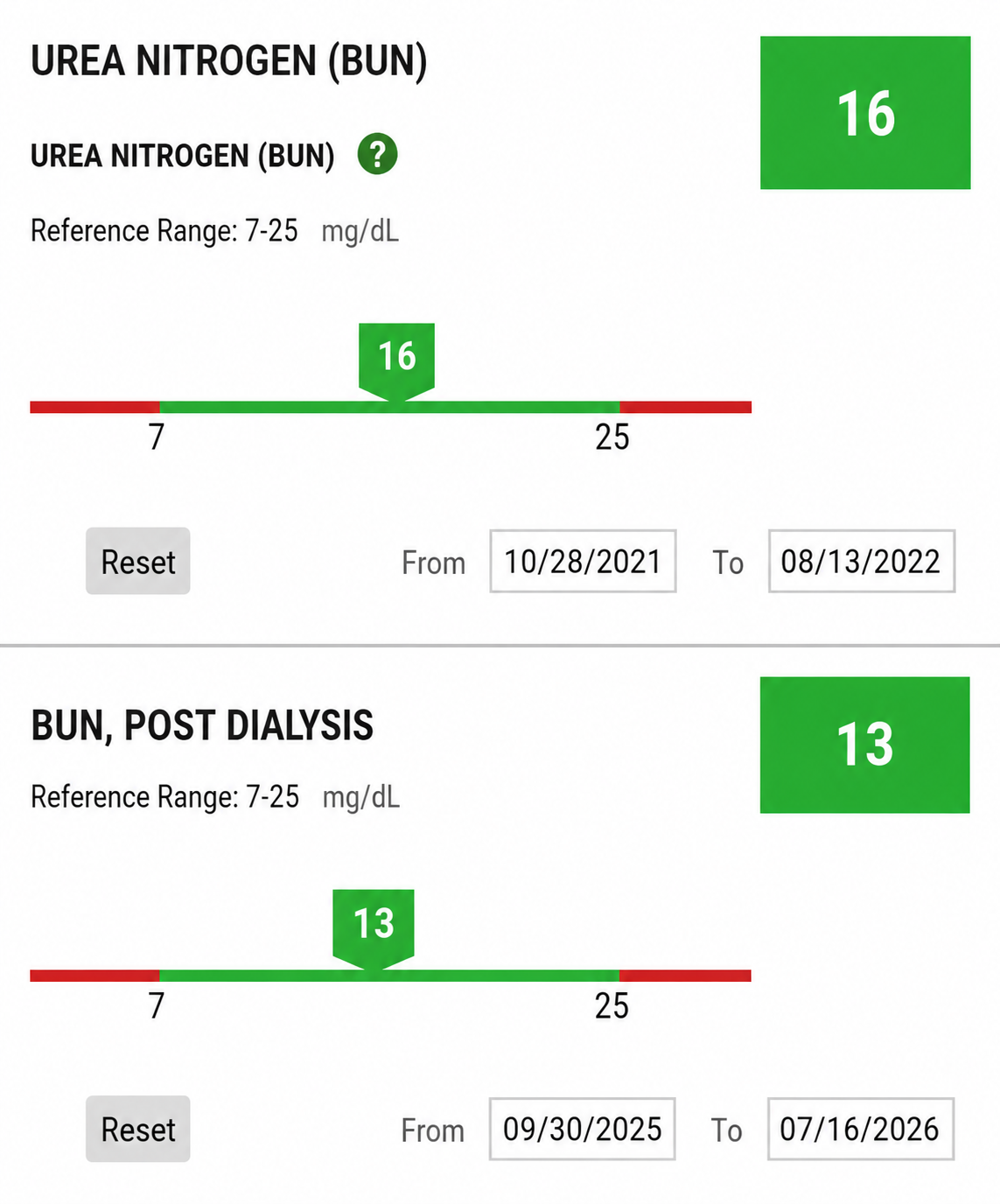
The number I paid the closest attention to this month was BUN (Blood Urea Nitrogen).
Here's the simple version. When we eat protein, our bodies break it down, producing ammonia, which is toxic. The liver converts that ammonia into urea. Urea travels through the bloodstream to the kidneys, where healthy kidneys filter it into urine.
With ESRD, that process doesn't work very well, so BUN levels can rise because waste isn't being removed efficiently.
During dialysis, my care team measures BUN before treatment and after treatment to see how effectively the dialysis removes that waste.
When I reviewed my results on Saturday, July 18, something caught my attention.
For the first time, when my monthly labs were tracked starting in October 2025, my pre-dialysis BUN was in the normal (green) range.
Even more interesting, my post-dialysis BUN wasn't dramatically lower. Normally, I'd expect to see a much bigger drop after treatment.
So now I'm left with a few questions:
Are my kidneys somehow recovering a little?
Was this simply an unusually good month?
Did my diet or hydration affect the result?
Or was it just one of those lab quirks that occasionally happens?
The answer is... I don't know.
One lab result doesn't establish a trend, especially with ESRD. But after months of watching these numbers, seeing that green result definitely made me stop and smile.
I'll be watching closely next month to see whether this was the beginning of a trend or simply a one-time surprise.
Either way, I'll keep sharing the journey.