
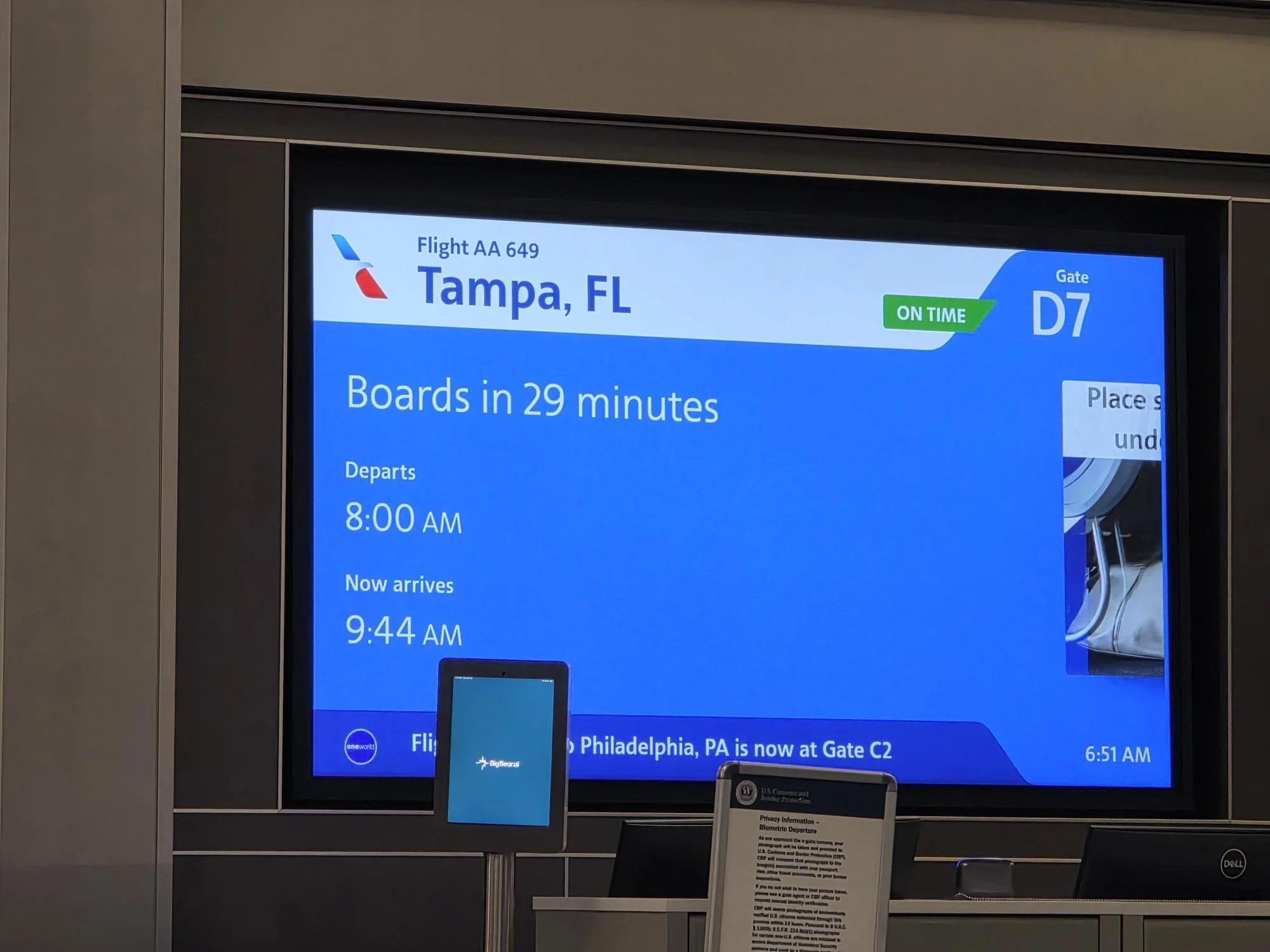
Cruise Day 1: CLT to TPA, and Then… We Have a Maintenance Issue! 🚨✈️🚢
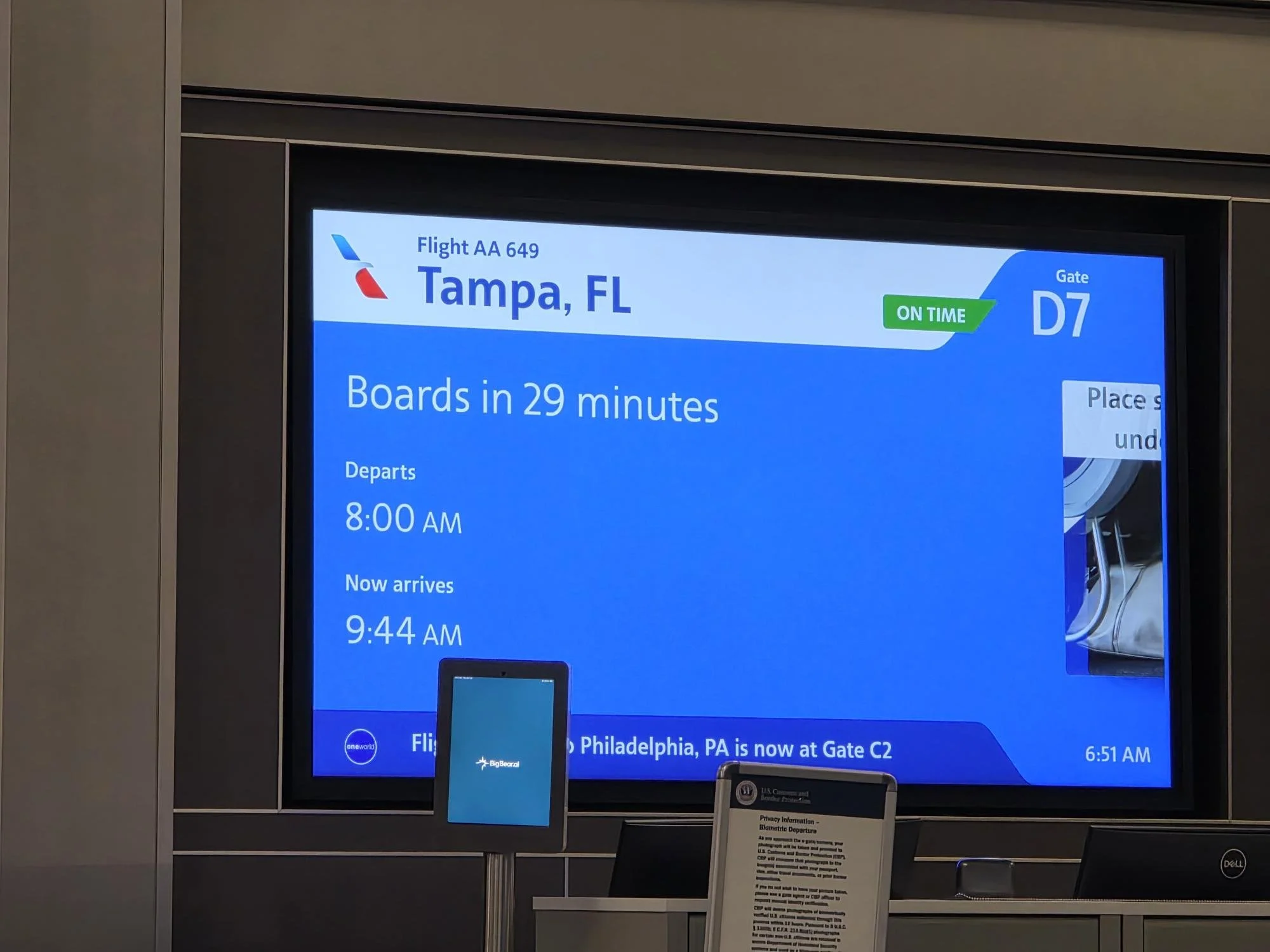
Well, folks, the adventure to Radiance of the Seas has officially begun. And apparently, a cruise vacation needs a little pre-cruise drama, so we’re starting with an unexpected twist at Charlotte Douglas International Airport (CLT).
As I mentioned in an earlier blog post, I changed my travel plans so I could spend some time with Airica. Now, I'm at CLT, headed to Tampa (TPA), where my Royal Caribbean cruise awaits.
What could possibly go wrong?
Oh, you know. The usual.
Getting to the Gate Was an Adventure in Itself
I got to the airport early, and thank goodness I did!
I've flown out of CLT fewer than a handful of times, and I've never parked there before. Naturally, I made a wrong turn. Fortunately, I got redirected and eventually made my way to where I needed to be.
Then came the bag drop.
Then TSA.
And that's where things are a little different for me these days. With a metal component attached to my leg below the knee, getting through security involves a different process than it used to.
After that adventure, I requested wheelchair assistance to the gate. No need to exhaust myself before the vacation even begins!
Once I arrived, I picked up a Coke Zero to get some caffeine into my system. Thursday started a whole lot earlier than I'm accustomed to, and I needed a little help getting my brain online.
I found a seat, opened my laptop, and started blogging.
Look at me, being productive at the airport!
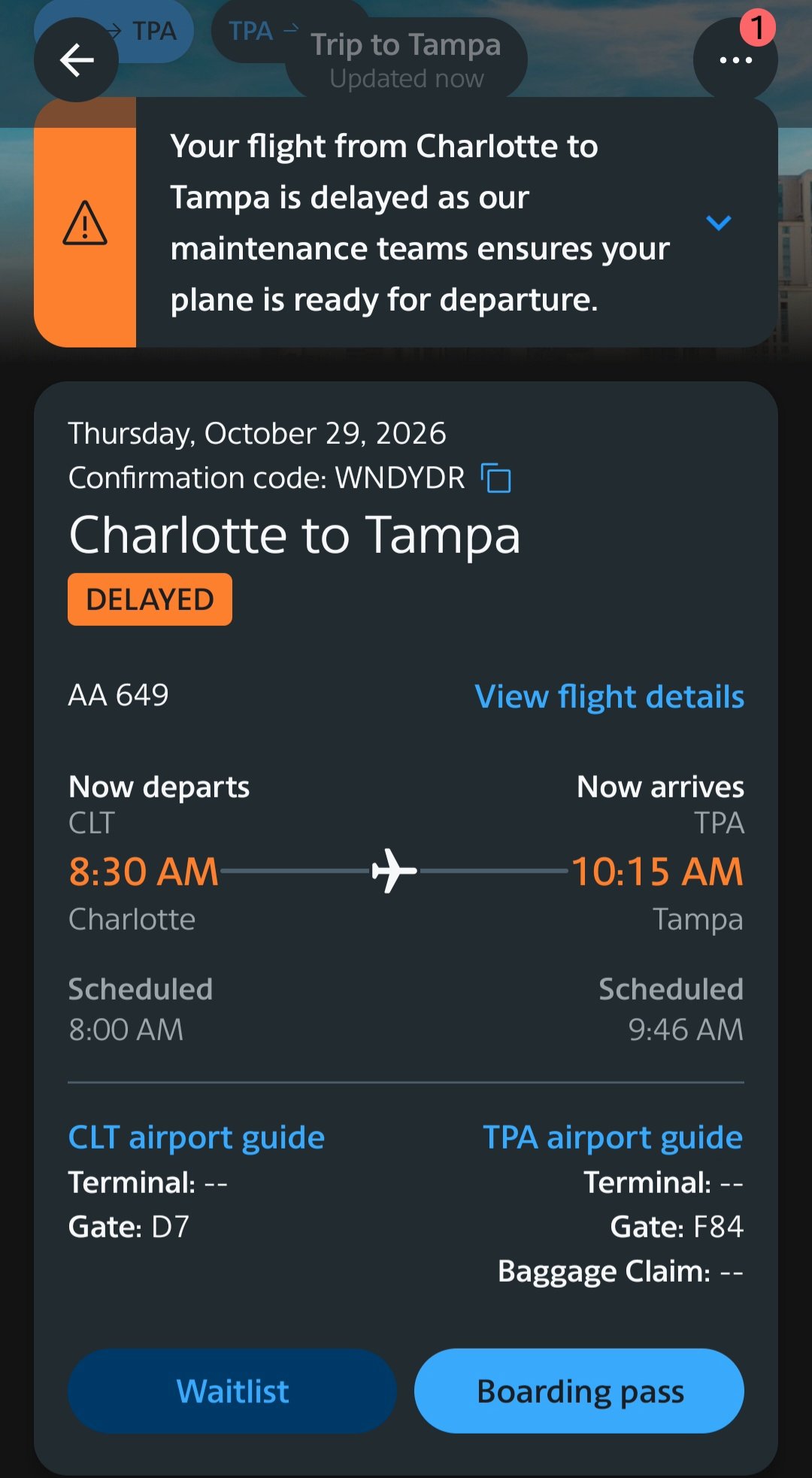
And Then… BAM!
I boarded the plane, settled into my seat, and waited for the flight attendant to take my beverage order.
I was ready to relax, enjoy my flight to Tampa, and start this cruise vacation.
Then came the announcement.
"There's a maintenance issue that's going to take longer than expected, and we're going to have you all deboard."
Well, that's a sentence nobody wants to hear after they've already boarded.
And just like that, everyone was getting off.
As I write this, we haven't been given any additional information. We don't know exactly what the maintenance issue is, how long it will take, or what happens next.
So here I sit, back on the ground at CLT, wondering when my Tampa adventure will resume.
At Least There's One Silver Lining
My ship doesn't require me to be onboard until 3 p.m.
That gives me some breathing room, assuming this maintenance delay doesn't turn into an episode of Airport: The Extended Edition.
I'm trying to keep things in perspective. I'd much rather have an airline identify and address a maintenance issue before we take off than have someone decide it's not worth the delay.
Safety first. Vacation second.
Although if the airline could hurry things along a little, that would be lovely.
I've got a ship to catch, an ocean to enjoy, bacon to eat, and people to watch.
And somewhere in Tampa, Radiance of the Seas is waiting for me.
Stay tuned. This cruise hasn't even started, and I've already got blog material. 😂
A Leg Amputee Magnet
Somehow, I’ve become a magnet for leg amputees.
After my pain appointment, I visited a sister-assisted living facility in North Charleston, and as I made my way to the entrance, a resident caught up to me from behind. I don’t remember what he said first, but he noticed my prosthetic and mentioned he had one too. I was wearing shorts; he had on long pants. We chatted briefly, then he went on his way.
After touring the facility, I waited in the lobby for lunches I’d requested from the places I visited. Then another man rolled up. He also had an above-the-knee amputation. He mumbled something, showed me his residual limb, and rolled away.
Later, I delivered the lunches to Mom and waited in a main hallway. A resident who had approached me before asked how I drive. I shared my experience and offered a few suggestions.
Three encounters in one day, each with its own quick connection. I guess my prosthetic has become an unexpected conversation starter—and a way to meet people who understand a part of my life without needing much explanation.

Godspeed, Brooke Eby: A Spirit ALS Couldn’t Take
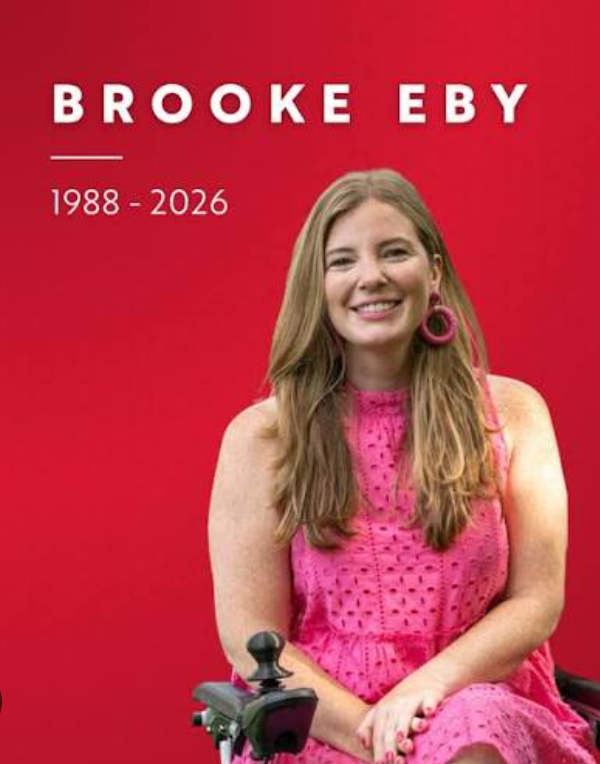
Today I learned that Brooke Eby died after her long journey with ALS, amyotrophic lateral sclerosis, commonly known as Lou Gehrig’s disease. She was only 37 years old. Brooke was diagnosed in 2022 after experiencing symptoms for years, and she eventually became an extraordinary advocate for people living with ALS. People.com
I didn't know Brooke personally.
But I felt like I knew a small piece of her because she was willing to let people like me into her life.
I came across Brooke through her social media posts under the name @LimpBroozkit. By the time I started following her, she was already using a wheelchair. I started watching her short videos, then went back, catching up on the journey that brought her there.
And I kept watching.
What ALS Takes Away
ALS is a progressive neurodegenerative disease that attacks the motor neurons in the brain and spinal cord—the nerve cells that control voluntary muscles.
As those motor neurons deteriorate and die, the brain gradually loses its ability to communicate with the muscles.
The muscles weaken. They atrophy. Movement becomes increasingly difficult.
Over time, ALS can take away a person's ability to walk, use their arms and hands, speak, swallow, eat, and eventually breathe independently. There is currently no cure that stops its progression. ALS Association
One of the things that makes ALS particularly cruel is that the beginning may not look like what most of us imagine a devastating neurological disease would look like. Early symptoms can include tripping, difficulty walking, dropping things, muscle cramps or twitching, weakness in an arm or leg, or changes in speech. ALS Association
Brooke's story made that real to me.
She talked openly about the symptoms that eventually led to her diagnosis—things that, had they happened to me, I don't know that I would immediately have connected with something as serious as ALS.
Then I watched what happened afterward.
The Wedding Story I Never Forgot
One of Brooke's stories especially resonated with me.
She talked about going to a wedding while struggling with everything that was happening to her body. She had to wear sneakers. She felt self-conscious. She wanted to leave the reception early.
A friend followed her.
Instead of letting Brooke disappear from the celebration, her friend encouraged her to stay.
Eventually, Brooke's walker became part of the party. People incorporated it into a makeshift limbo line.
Something that could have represented everything she was losing became, at least for that moment, part of the fun.
I understood that story in a way I wish I didn't.
After my amputation, I became incredibly self-conscious. There was depression. There was grief. There was sadness. I realized the body I had lived in for decades had permanently changed.
And I had to figure out how I was going to live in that changed body.
That's one reason Brooke's approach stayed with me.
She wasn't pretending ALS wasn't horrible.
She wasn't pretending she wasn't losing things.
She found a way to talk about those losses with humor, vulnerability, and transparency.
Then I Watched ALS Take More
During the last month or so, I noticed the changes becoming much more apparent.
Brooke needed a lift to transfer in and out of her wheelchair.
She was beginning to set up an eye-gaze communication system.
When she told stories, the animated movements of her arms and hands that had once accompanied her words were no longer there.
ALS kept taking.
Mobility.
Independence.
Movement.
Eventually, even speaking and swallowing became increasingly difficult. TMZ
But there was something ALS never seemed able to take.
Brooke.
Her personality was still there.
Her humor was still there.
Her willingness to tell the truth was still there.
Her desire to educate people was still there.
She didn't allow ALS to define her spirit.
A Quarter as Hard
I live with my own health challenges.
They aren't ALS, and I won't pretend they're comparable.
But watching Brooke changed how I think about living inside a body that doesn't always cooperate with the plans I have for it.
I've written openly about dialysis, kidney disease, losing my leg, prosthetics, surgeries, recovery, and all the strange little indignities that come along for the ride.
Sometimes I make jokes about them.
Sometimes I'm angry.
Sometimes I'm scared.
Sometimes I'm simply tired of dealing with it all.
And that's why Brooke's example meant something to me.
She showed that humor doesn't mean something isn't serious.
Being vulnerable doesn't mean being weak.
And acknowledging what a disease has taken doesn't require surrendering everything it hasn't.
I hope that whatever comes next in my own journey, I continue to fight even a quarter as hard to keep my spirit up as Brooke did throughout hers.
She deserved more time.
She deserved a different ending.
But in the time she had, Brooke made people laugh. She educated hundreds of thousands of people about a disease many of us knew little about. She created a community for people living with ALS and helped others feel less alone. The MoCo Show
And she made people like me stop scrolling long enough to think differently about our own lives.
I never met Brooke Eby.
I'm grateful she chose to share herself with the rest of us.
Godspeed, Brooke.
ALS took your body piece by piece. It never took your spirit.

The Ankle Report: My Low-Tech Fluid Monitoring System
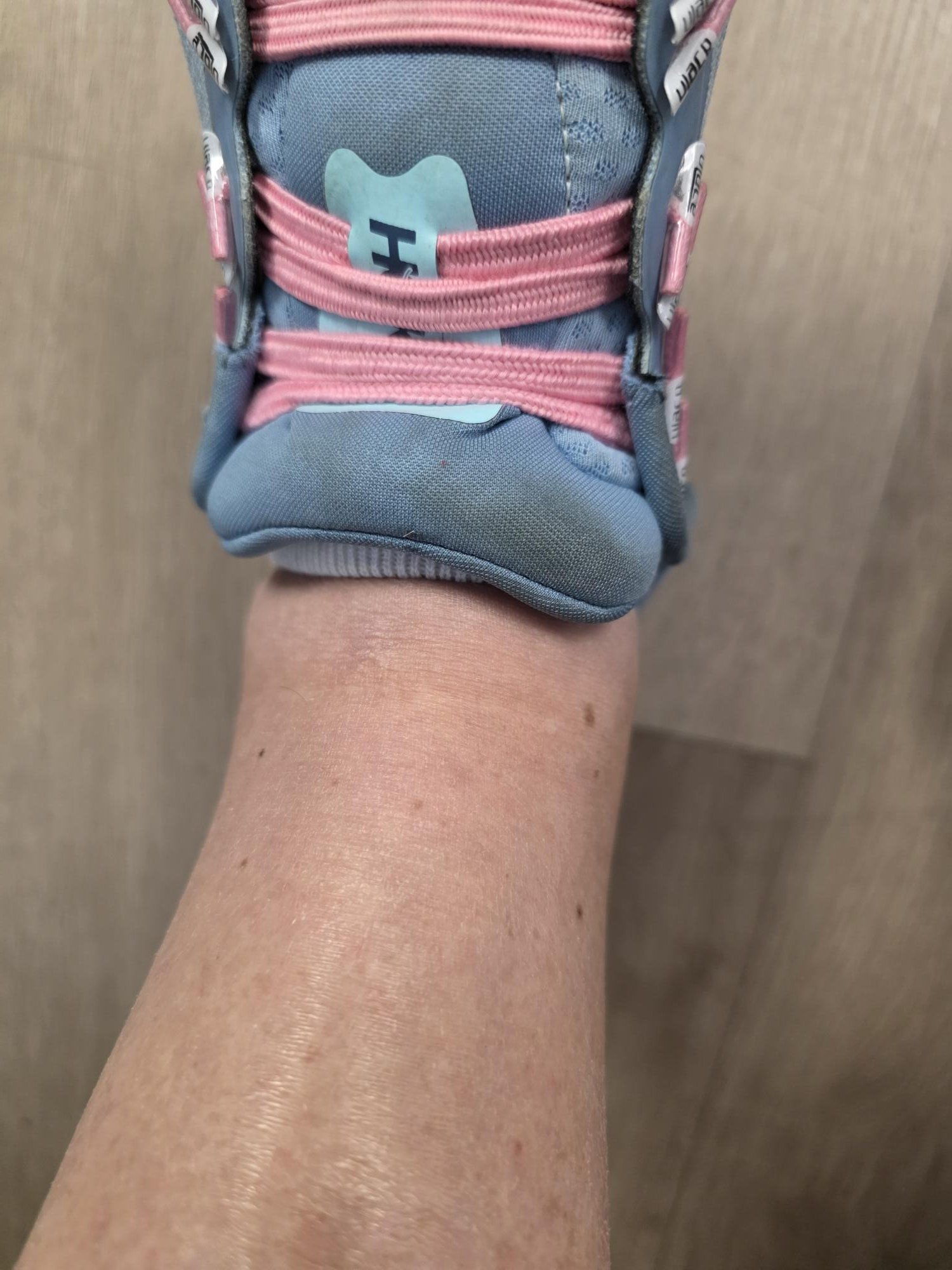
Lately, I’ve found myself spending more time looking at my ankle.
I mean, why wouldn’t I?
It’s a great-looking ankle.
More importantly, it’s the only one I have left, so it gets 100% of the ankle-related attention around here.
But lately, I’m not admiring it purely for its aesthetic qualities. I’m checking it for edema and fluid retention.
My Built-In Fluid Gauge
As someone living with End-Stage Renal Disease (ESRD) and receiving dialysis, fluid is something I have to pay attention to.
My kidneys still have some function. I still urinate normally, so I don’t retain fluid in exactly the same way as someone whose kidneys have stopped producing urine altogether.
Still, I can retain more fluid than I should.
And one of the easiest places for me to notice it?
My ankle.
Gravity is very dependable. Fluid can settle into the lower part of the body, so I can look at my ankle and get a visual clue that perhaps I've been a little too enthusiastic with the beverages.
Apparently, my ankle has become a medical instrument.
No batteries.
No Bluetooth.
No subscription.
Just look down.
The Other Fluid Gauge: My Residual Limb
My ankle isn't the only place where fluid retention becomes noticeable.
I can also retain fluid in my residual limb, which creates an entirely different problem.
My prosthetic socket doesn't suddenly become more accommodating because I'm retaining extra fluid. If my residual limb changes volume, getting into the prosthetic can become more challenging.
The prosthetic basically says:
“Sorry, we're at capacity.”
So fluid management isn't just something I think about during dialysis. It can affect something as basic as putting on my leg and getting on with my day.
Then Winter Joins the Party
Winter brings another issue.
When the air gets dry, my skin tends to get drier too. Add fluid-related swelling and stretching into the equation, and I've noticed my skin can start cracking more.
So apparently my body has seasonal programming.
Summer: Watch the swelling.
Winter: Watch the swelling AND the cracking.
Excellent.
Learning to Pay Attention
Living with ESRD has taught me that sometimes the useful signs aren't dramatic.
Sometimes it's simply noticing that my ankle looks a little puffier than usual.
Or that my residual limb isn't fitting into my prosthetic quite as easily.
Or that my skin is behaving differently.
None of those observations replaces what my dialysis team measures or tells me. They're simply ways I've learned to pay attention to my own body between treatments.
And since I only have one ankle left, I might as well put it to work.
For now, I'll continue monitoring it.
Part ankle. Part fluid gauge. Still pretty good-looking.
Taking Care of Myself Was a Lesson I Learned the Hard Way
This morning, my mother was in the day room at the skilled nursing facility. She had finished her fruit and was drinking coffee while talking with a CNA student.
As I watched, she seemed to become agitated.
“We were looking for your nurse,” the student said.
I asked Mom what was wrong. She told me she had been waiting three or four hours to get cleaned up. She was losing her patience.
That was her account of the wait. I hadn’t been there the whole time. But I could see her frustration, and I could understand wanting help with something she could no longer easily do herself.
This post isn’t an assessment of the facility or its service. That moment brought up something personal for me: the responsibility I have to take care of myself when I have choices.
I am accountable for myself and the decisions I make.
For a long time, my mother didn’t see a physician. She wasn’t taking medication to manage chronic illness, and stress was a regular part of her life.
She was also my father's primary caregiver. From what I witnessed, he expected a great deal from her, including managing his medications and meals. Her own health needed attention while she was carrying those responsibilities.
Then she had her first stroke. Later, she had a second.
I can’t say exactly what caused either stroke. But I worry about the years her health went unattended and the opportunities there might have been to address it.
She was making progress after the first stroke. After the second, she lost some of that ground.
I don’t know whether she ever imagined living in a skilled nursing facility or planning a move into assisted living. Before her second stroke, I had spoken to her about the possibility of needing that level of care if her health continued to decline.
Watching her struggle now brings me no satisfaction in having raised that concern. I wish she had more independence. I wish everyday things were easier for her.
And I recognize something of myself in her situation.
I didn’t make my health a priority either.
I didn’t manage my diabetes. I didn’t see a physician. I behaved as though I were invincible, as though there would always be time to deal with my health later.
I learned, painfully, that there wasn’t an unlimited supply of “later.”
In my case, an open wound led to an infection, then sepsis, and eventually an above-the-knee amputation.
Those consequences became part of my everyday life. I couldn’t undo them by finally understanding how serious things had become.
Today, I take my medications seriously. I don’t miss my Ozempic shot. I take my medication for anxiety, my GERD medication, and the other medicines that are part of my care. I show up for dialysis.
I would like to keep the body parts I have left. And I hope a donor kidney will eventually become part of my future.
I still have a life to live, and taking care of myself helps make that possible.
Being accountable doesn’t mean I believe every illness is preventable or that someone who becomes ill has failed. I know people can do everything asked of them and still face devastating health problems.
My mother deserves timely, respectful care now, regardless of her past decisions. Her frustration matters.
I can hold that belief and still be honest about the choices I made in my own life. I put off appointments. I neglected my diabetes. I treated my health as something that could wait.
I paid a price I’m still living with.
I’m sharing this because I hope someone reading it will recognize their own habit of putting things off and take a step toward caring for themselves. Make the appointment you’ve been avoiding. Have the honest conversation about what you’re struggling to manage. Ask for help, especially if caring for someone else has left you with little energy for yourself.
I wish I had done those things sooner.
I can’t change that history. I can take responsibility for what I do today.
And I hope you get to learn that lesson more gently than I did.