
When Did You Stop Caring? MUSC Transplant Department: A Masterclass in Process Over People
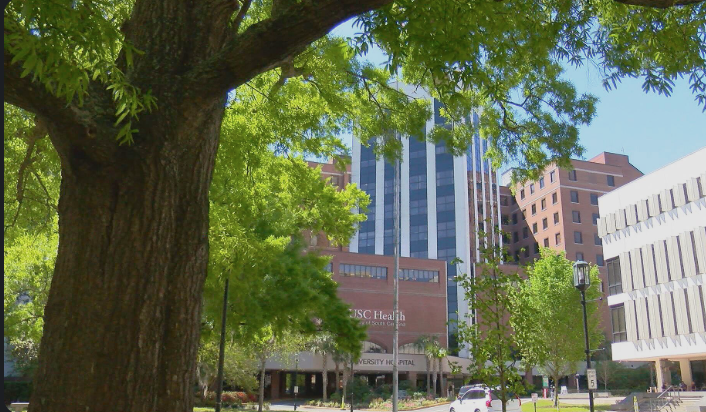
I've mentioned before that I'm on dialysis and waiting to be reactivated on the kidney transplant list. It's a process, one that involves tests, physicians, medical records, clearances, and a whole lot of patience.
Unfortunately, it also involves dealing with the transplant department at MUSC in Charleston, South Carolina.
And apparently, that's where the process starts to matter more than the patient.
Let me share a few recent experiences. Because these aren't just minor inconveniences. They're examples of what happens when people become so focused on following a process that they forget why the process exists in the first place.
Epic Fail #1: The Mysterious Phone Call
After dialysis, I usually have what I affectionately describe as a hangover.
No, I haven't been drinking.
If you've ever overdone it with alcohol, you know the feeling: lethargy, brain fog, headaches, and generally feeling like you'd rather not participate in the world for a while.
That's dialysis for me.
So, I get home, take a nap, and eventually get up to do what humans tend to do when they wake up: use the bathroom.
While checking my phone, I notice a missed call from the MUSC Transplant Center.
No voicemail.
Nothing.
Seriously?
You call someone who is undergoing dialysis, is in the process of getting reactivated on a transplant list, and you don't leave a message?
How unnerving is that?
What am I supposed to think? Is something wrong? Is there an urgent medical issue? Do they need information? Is this about my transplant status?
Apparently, I'm supposed to play detective.
A simple voicemail would have solved that problem.
Epic Fail #2: Apparently, I'm the Physician Now
I eventually connect with a nurse. We've spoken before, although I didn't get her name.
She's asking me questions about procedures and tests that a physician performed.
A physician.
Last time I checked, I'm not a physician.
I'm a blogger, vlogger, and content creator. I've now crossed 12,000 hits on my website, so thank you, peeps! But that doesn't qualify me to explain the clinical reasoning behind a physician's decisions.
She asks why a particular procedure was performed.
I stop her.
"Perhaps you should reach out to the doctor to find out this information."
Seems reasonable, right?
I had already explained that I'd undergone a heart catheterization. When we spoke on Friday, I told her it had been done the previous Thursday.
She hadn't even documented that correctly.
And here's another little detail: I was given the cocktail of Versed and fentanyl during the procedure.
For those unfamiliar, those medications are used for sedation and pain management. I don't remember a quarter of what the physician told me afterward.
So, let me get this straight.
I'm being asked to explain the clinical details of a procedure performed by a physician, despite having already explained that I was sedated and don't remember much of the conversation.
Perhaps go straight to the horse?
You know, the actual physician who performed the procedure?
Just a thought.

Epic Fail #3: The Third-Party Portal Is More Important Than the Phone
The nurse then explains that she's been requesting studies, figures, and other information but keeps receiving different documentation than what she wants.
I suggest, once again, that perhaps she should pick up the phone and speak to someone.
How novel of an idea!
Her explanation?
"The way we do it" is to access a third-party portal, enter notes, and have the provider handle the requests. That way, they don't have to sit on hold waiting.
Ah, there's the magic phrase.
"The way we do it."
I responded that she was asking me questions I wasn't qualified to answer, getting information she couldn't use, and going through a process that wasn't getting her what she needed.
Perhaps the way you do things is broken.
Picking up the phone and speaking to an actual human being might cut out the middleman and resolve the whole situation.
Her response?
"I'll request it and get an answer."
And there we are.
Back to the process.
Working the Process vs. Working Through the Process
This is a classic example of people working a process rather than working through a process.
There's a difference.
Working a process means following the prescribed steps, checking the boxes, entering information into portals, submitting requests, and waiting for the next person to do their part.
Working through a process means understanding what you're trying to accomplish, recognizing when something isn't working, and finding a way to get the job done.
It means thinking.
It means communicating.
It means recognizing that sometimes the established process isn't the best process.
And most importantly, it means remembering that there's another human being on the other side of all those forms, requests, portals, and procedures.
When Did You Stop Caring?
I'm reminded of Natalie Beckerman's bestseller, When Did You Stop Caring?
It's a question that applies to so many organizations, particularly those in healthcare.
Somewhere along the way, people become so immersed in their responsibilities, workflows, procedures, and organizational policies that they lose sight of the person they're supposed to be helping.
And that's what makes this particularly discouraging.
We're not talking about a delayed restaurant order or a missing set of utensils.
We're talking about a transplant department.
A department responsible for coordinating the care of people who are waiting for an organ transplant.
People whose lives can quite literally depend on the accuracy, timeliness, and coordination of the people working behind the scenes.
I understand that transplant evaluations involve multiple providers, complicated medical records, insurance requirements, testing, and regulatory processes. I don't expect everything to happen overnight.
I do expect communication.
I do expect someone to take ownership.
I do expect someone to recognize when the process isn't working and try something different.
And I certainly don't expect to be the messenger between a nurse and the physician who performed my procedure.
The technology isn't the problem. The portal isn't necessarily the problem. The problem is when the process becomes an excuse for not communicating.
If the way you're doing things repeatedly produces the wrong information, maybe it’s time to question how you're doing things.
Because the goal isn't to complete another request in a third-party portal.
The goal is to get a patient reactivated on a transplant list.
There's a pretty significant difference.
MUSC Transplant Department, here's a question worth asking:
When did you stop caring more about the patient than the process?
And perhaps more importantly, when are you going to start working through the process instead of just working it?
I'm still waiting to be reactivated.
And apparently, I'm still waiting for someone to pick up the phone.
This is my personal experience and perspective as a patient navigating the kidney transplant process. There are undoubtedly dedicated people working in transplant care. My feedback focuses on the communication and processes I've encountered, and the need for accountability when those processes fail.