
Citizen Alert vs. Neighborhood Chatter: Which Delivers More Value?
Tonight, I was at Mount Pleasant Towne Center waiting to see Motor City (video review coming later tonight at https://NielFlamm.com/videos).
While I was there, my phone buzzed with a Citizen notification.
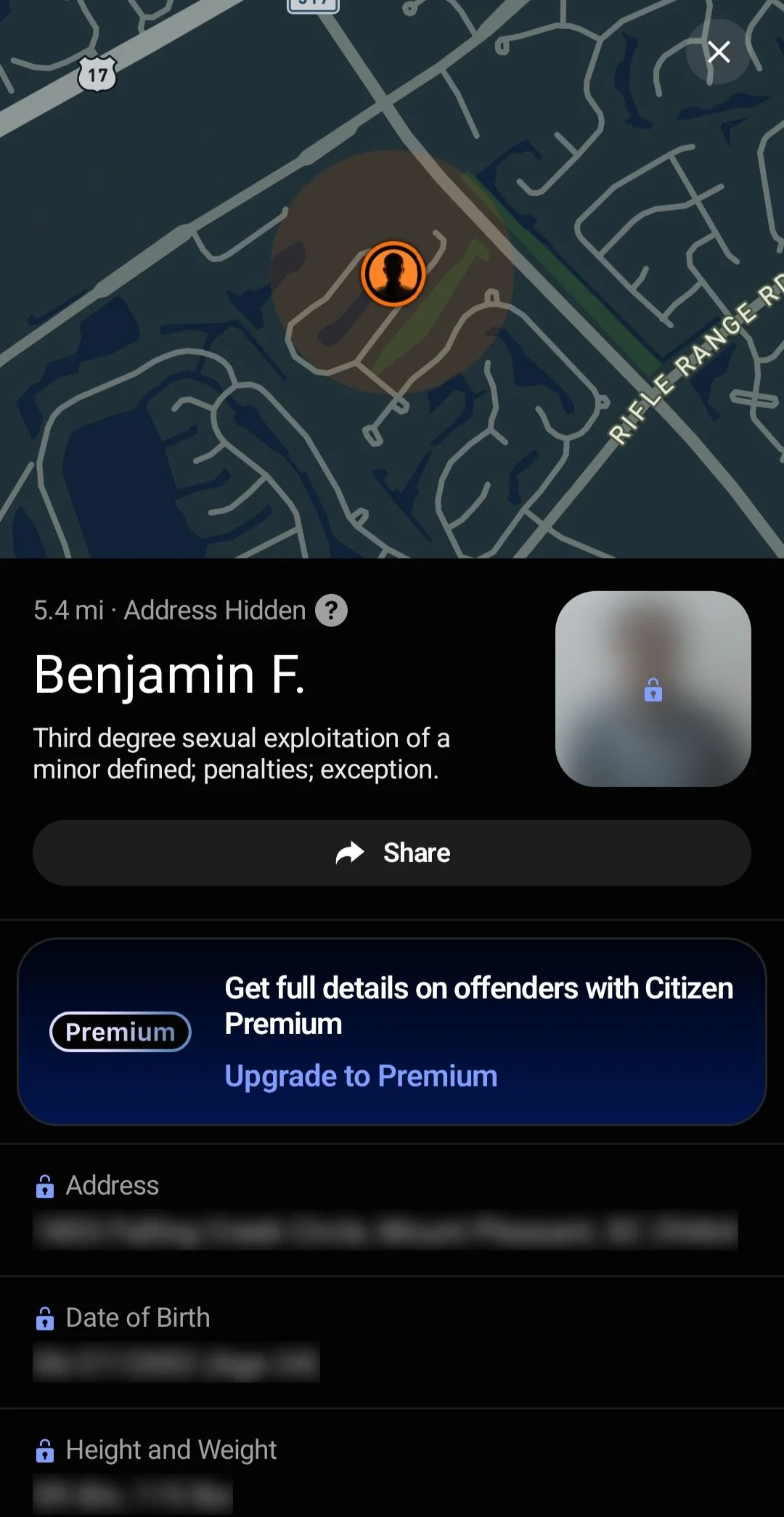
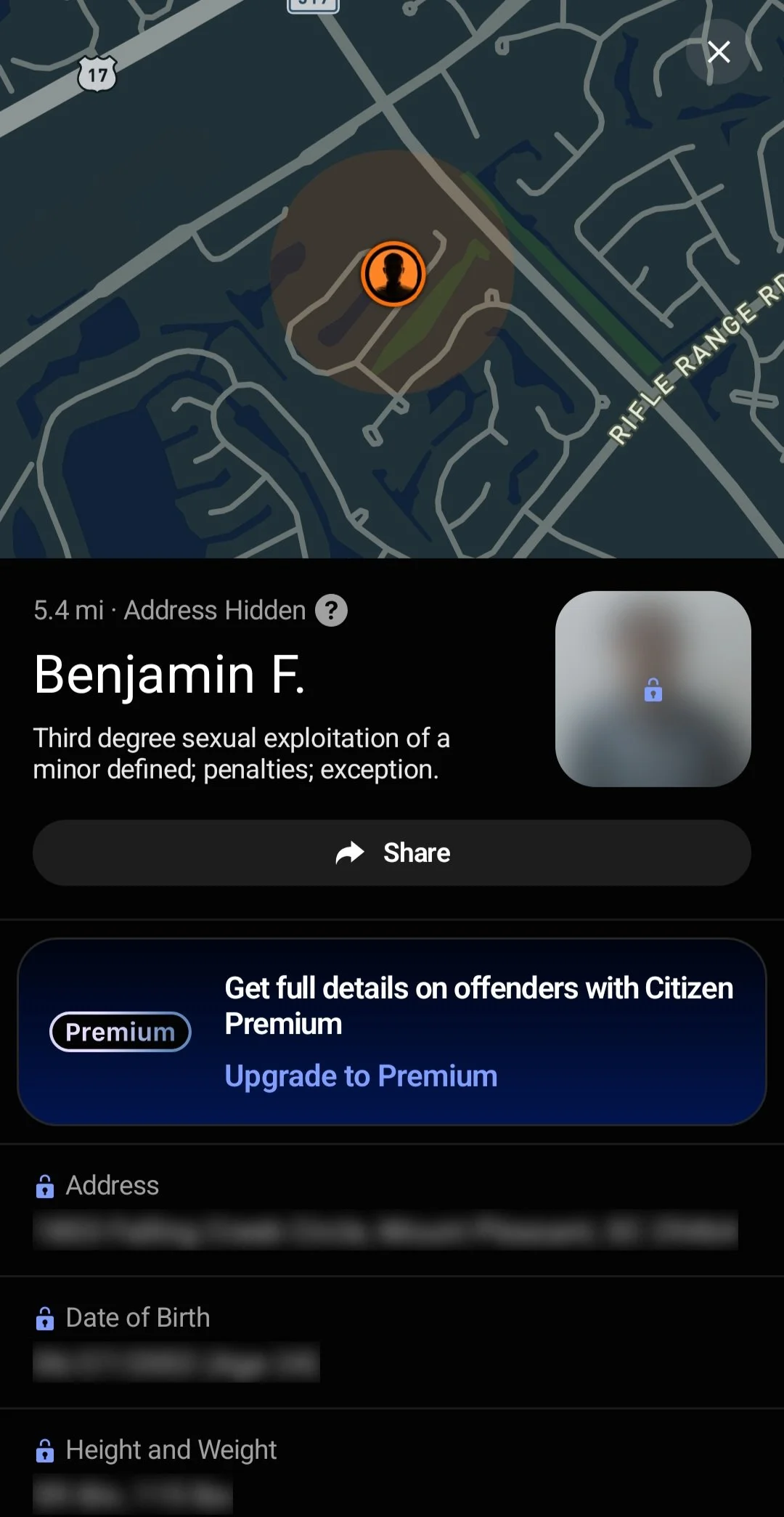
The alert informed me that there was a newly registered sex offender in my area. The screenshot is attached.
To be clear, this isn't a discussion about the individuals on the registry, the constitutionality of registries, or the criminal justice system. Those are separate conversations.
The registry exists.
What struck me was the timeliness and usefulness of the information.
I don't currently have young children in my guardianship, but knowing that a new registrant has moved into the area is information many people may find relevant.
Citizen offered additional details through its paid subscription, including the registrant's name, address, and other information.
Instead of subscribing, I spent a few extra minutes on the South Carolina Sex Offender Registry and was able to locate the publicly available information myself:
That experience reinforced something I've been thinking about while comparing neighborhood apps.
Too often, what I see on Nextdoor are lengthy discussions about HOA disputes (after covenants were voluntarily signed at closing), complaints about barking dogs, arguments over young people on e-bikes, or other neighborhood frustrations.
Those conversations have their place.
But receiving a timely notification about publicly available safety-related information felt significantly more valuable.
For me, that's where Citizen currently provides something I haven't experienced with Nextdoor.
Technology should help people become more informed about their communities—not just more informed about neighborhood disagreements.
Join the discussion at NielFlamm.com/blog. Leave some feedback—I'd love to hear from you.

Day 33: Silence, Culture, and the Identity of Nextdoor

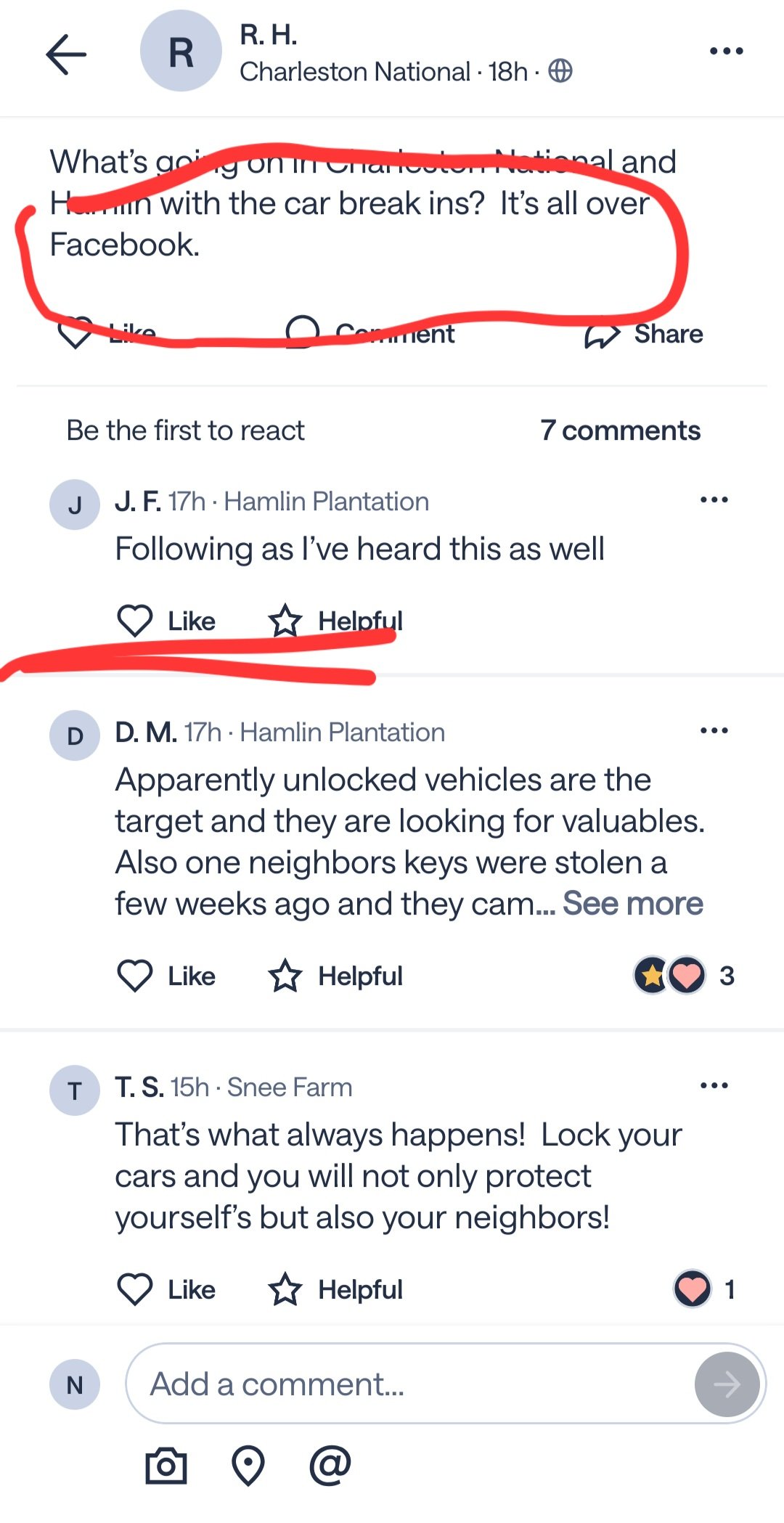
Today marks Day 33 since I requested a copy of a Nextdoor study from Senior Manager Jacob Chavis, as directed in a company communication. I still haven't received the study or a response.
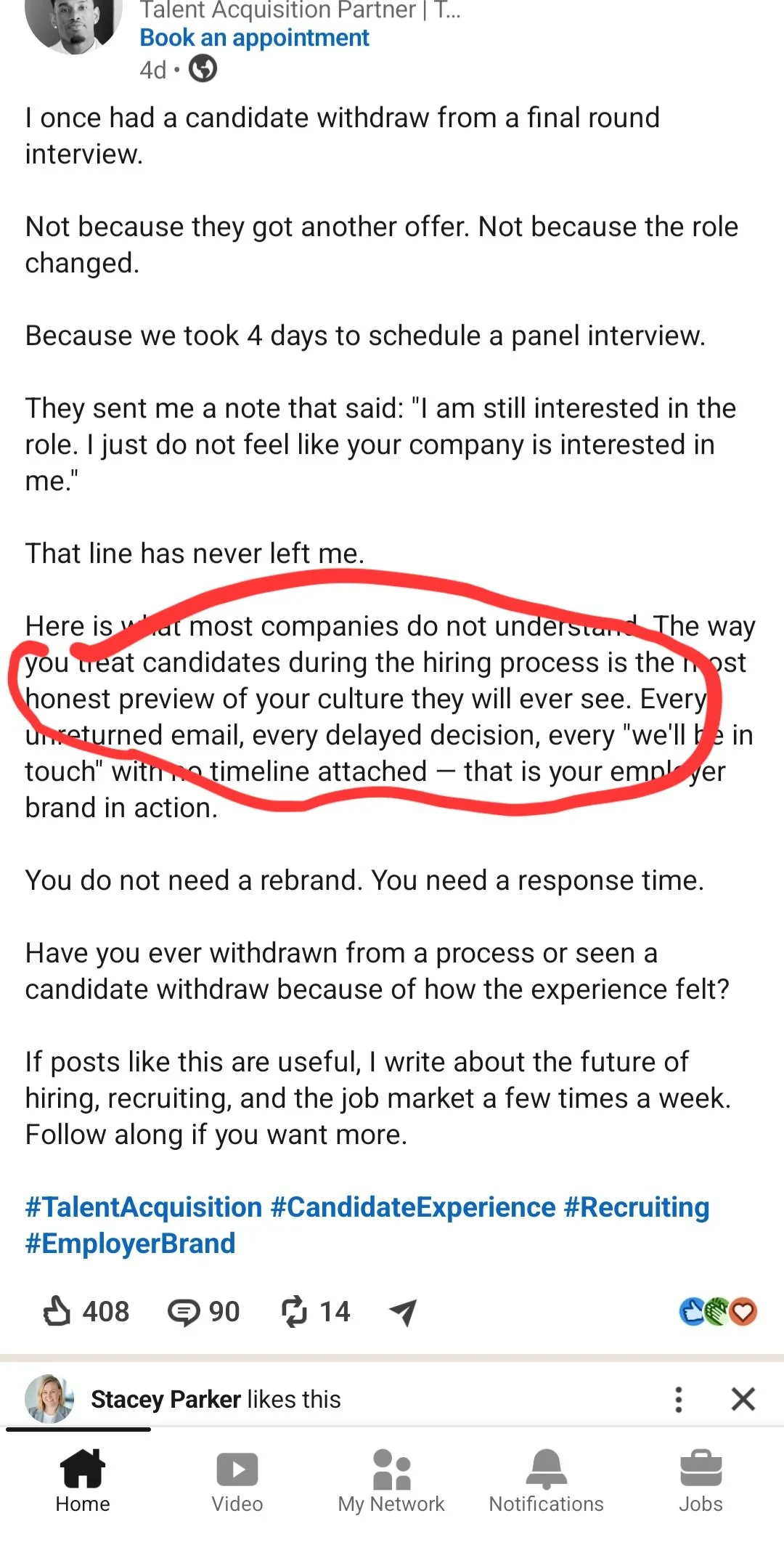
While scrolling LinkedIn today, I came across a post discussing company culture, particularly how culture is reflected in hiring and leadership. It made me think about my own experience. If this is how a straightforward request is handled, it raises questions for me about the culture that supports that experience.
I also noticed a post on Nextdoor where someone asked what was happening in their subdivision, only to be told the information was on Facebook instead.
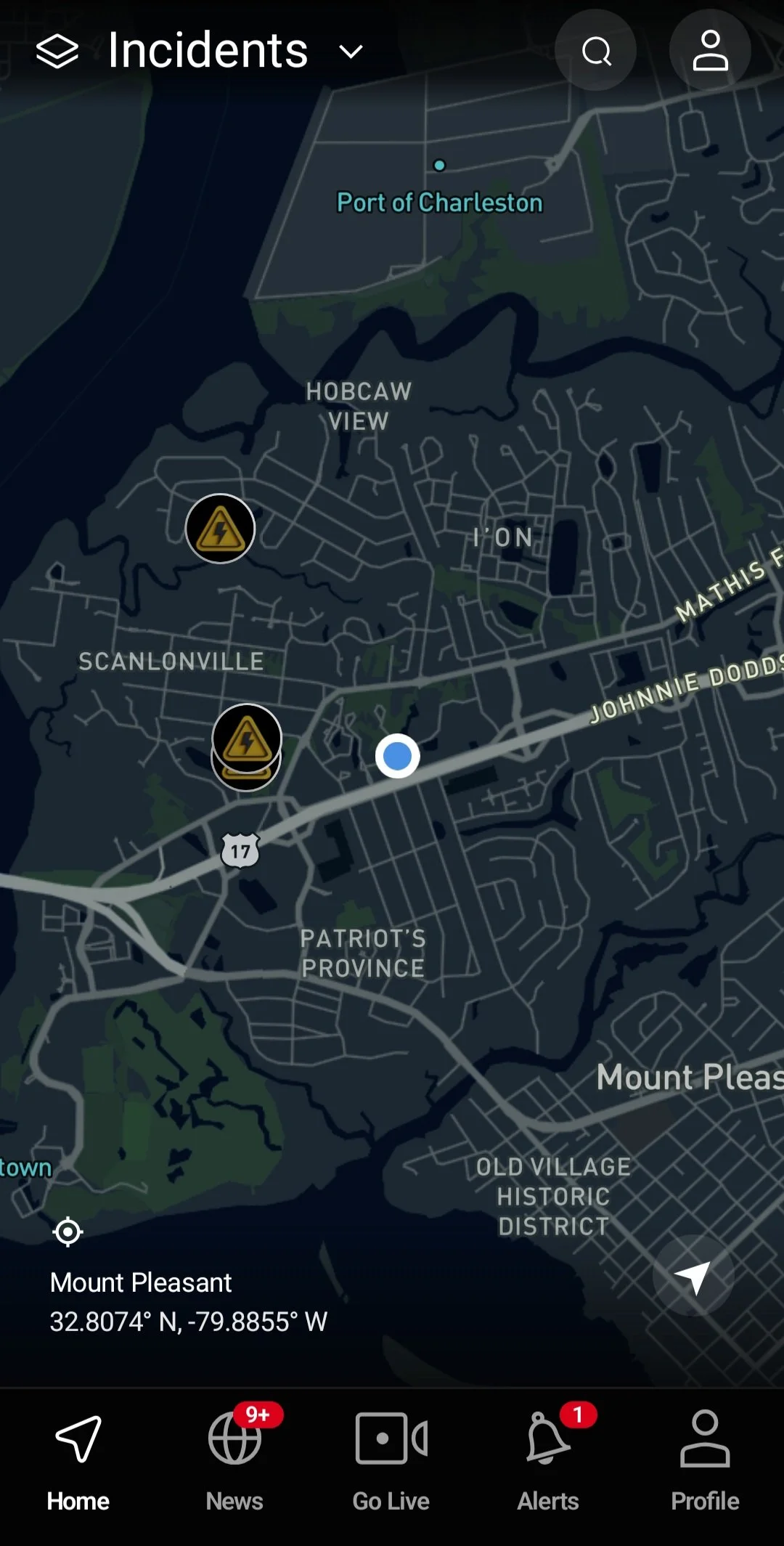
Then I opened Citizen. Within seconds, I saw real-time information about power outages within about a mile of my location. No wall of text. No advertisement every few posts. No constant stream of email notifications filling my inbox.
That got me thinking about identity.
What problem is Nextdoor trying to solve in 2026?
Is it the best place for timely neighborhood information, or have users found faster, less intrusive alternatives? If important neighborhood updates are happening elsewhere and competing platforms provide real-time information with fewer interruptions, that's a question worth asking.
As both a shareholder and a user, I believe these are important conversations. Products evolve, user expectations change, and listening to feedback has always been one of the best ways to stay relevant.
What do you think the future of neighborhood platforms looks like?
Citizen vs. Nextdoor: My First Few Days of Real-World Use
After spending the last few days using the Citizen app alongside my ongoing experience with Nextdoor (which I’m still accessing through a parody email account for research), the differences have been hard to ignore.
Citizen has been refreshingly simple.
I haven’t been bombarded with emails all day long. I don’t see my feed cluttered with advertisements. I can immediately see how many users are active within a small radius of my location, and that number updates as I travel.
I also like that Citizen offers optional premium features, such as access to local police and fire radio feeds. I haven’t subscribed yet, but it’s a straightforward value proposition: if it’s useful to you, you pay for it.
One feature I find especially interesting is the ability to livestream an incident. Rather than relying on speculation or secondhand accounts, users can provide a real-time, firsthand view of what’s happening. Citizen also offers contributors opportunities to earn money for qualifying content.
Compare that with my experience on Nextdoor.
Even after trying to reduce notifications, the platform continues to generate a steady stream of emails about everything from barking dogs to garbage cans left at the curb overnight. The text feed is saturated with advertising. Users generate the content, volunteer moderators enforce the rules without compensation, yet there is no meaningful opportunity for contributors to share in the value they create.
As someone who has written extensively about Nextdoor as a shareholder and user, I expected another neighborhood app. Instead, I found a platform that, at least in my early experience, feels more focused, less intrusive, and more useful.
The clear winner for me so far is Citizen.
For transparency, Citizen is not a publicly traded company. I have no financial interest in it. I’m simply evaluating it as a user. If the company ever went public, it’s one I’d seriously consider researching as a potential investment.
What has your experience been with neighborhood and community apps? Have you used Citizen, Nextdoor, or both? I’d be interested in hearing your perspective.
Join the discussion on NielFlamm.com.

Where Are Nextdoor's Moderators?

The Nextdoor experiment continues, and once again I find myself asking the same question:
Where are the moderators?
I came across a post from a neighbor that asked what I thought about whether golf carts should be driven across grassy common areas. The neighbor even compared it to commercial landscaping crews using zero-turn lawn mowers.
Whether you agree with the comparison or not, it was a discussion.
Then came the comments.
One neighbor called another "unintelligent."
According to the timestamp, the comment remained on the platform.
That leaves me asking the same questions I've been asking for weeks:
Where are the unpaid moderators?
Who reviews their decisions?
Is there any quality assurance process?
How is this type of personal attack allowed to remain while other users are suspended for much less?
For those who can't see the screenshot, I've included it in today's post on NielFlamm.com/blog.
As a shareholder, I'm also scratching my head.
The stock closed around $2.54 today.
What value is the market seeing if the platform continues to struggle with consistent moderation and identity verification? That's a question I'm trying to understand as I continue following the company.
On a different note, I've started using Citizen, and my initial experience has been positive.
Within minutes, I learned about a fatal crash approximately 3.9 miles from me, could see how many active users were nearby, and viewed other developing stories, including reports of a gastrointestinal outbreak affecting multiple states.
It's still early, but I'm looking forward to comparing the two platforms as I continue using Citizen.
Competition has a way of making every company better.
And that's good for users, advertisers, and shareholders alike.
Join the discussion on NielFlamm.com.
Citizen vs. Nextdoor: What Are People Really Looking For in a Local App?
During my semi-weekly Zoom call this evening with my Fraternity Brothers from Tau Epsilon Phi Fraternity, Phi Chi Chapter, someone mentioned the Citizen app. I had heard the name before, but I had never really looked into it. After the conversation, I did some research — and tonight I’m starting to use it.
The more I looked, the more interesting the comparison became.
Nextdoor has always positioned itself as the digital neighborhood — a place to connect with neighbors, ask for recommendations, discuss local issues, and discover businesses.
Citizen takes a different approach: real-time awareness. It focuses on what many people immediately want to know when they open a local app:
What is happening around me right now?
Is there an accident nearby? Police activity? A fire? A safety concern? An emergency alert?
Sometimes people don't want another social network. They want useful information that affects their day, commute, family, and safety.
Nextdoor has a massive opportunity because community connections and local intent are incredibly valuable. But the challenge has always been balancing conversations, commerce, moderation, and trust.
Citizen appears to have a clearer "why open the app?" moment.
I’m beginning my own Citizen experiment tonight. I’ll see how the alerts, accuracy, usability, and overall experience compare.
Stay tuned — I’ll share what I learn.