

A Moment Under the Stars at 5:15 AM

At 5:15 this morning, I stepped outside to leave for dialysis and looked up.
Above the roof of the house, a constellation shone through the early morning darkness. Stars dotted the deep blue sky, framed by clouds and tree silhouettes. Before getting on my way, I paused to take in the view.
Leaving for dialysis before sunrise is part of my routine. There is a schedule to keep and a long morning ahead. But today, there was also this small moment outside my own front door—a chance to breathe and notice something beautiful.
I took this picture to carry a little of that moment with me. The appointment still waited, but the stars gave me something else to think about as I headed out.
Sometimes, a quiet moment looking up is a good way to begin the day.
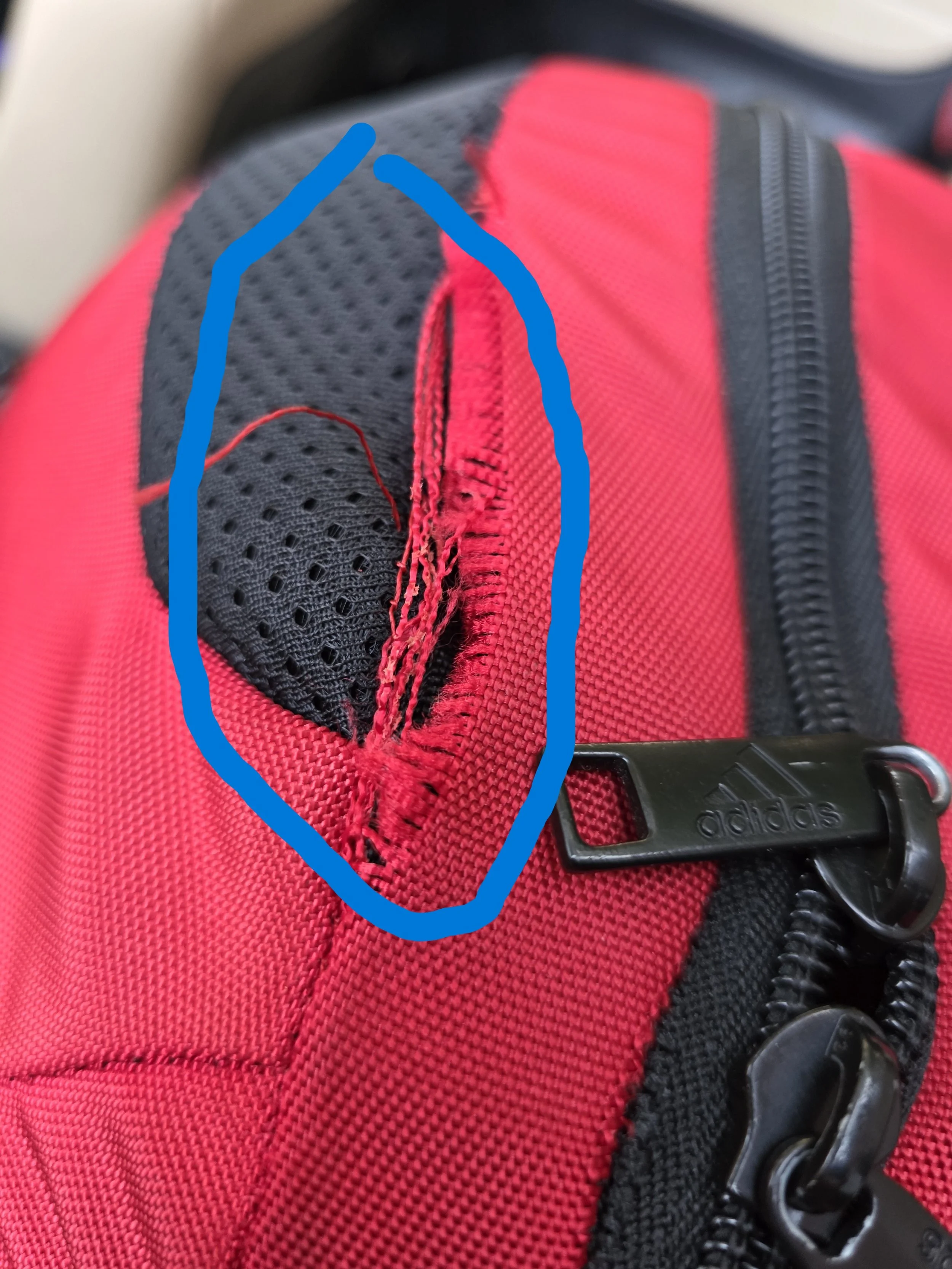
Proof It Was Time for a New Dialysis Backpack 🎒
Yesterday I purchased a new backpack for dialysis, and today was its first trip to the clinic.
Could I have used my old backpack a little longer? Maybe. But after looking at it, the answer became pretty clear. The seams were ripping, and it was only a matter of time before it failed. It wasn't a case of wanting a new backpack—it was a case of needing one.
My dialysis backpack carries my blanket, pillow, and other essentials three mornings a week. The last thing I want is for the seams to split while I'm walking into or out of the clinic, leaving everything on the ground in the middle of the swampy Lowcountry heat and humidity.
The old backpack served me well, but this is proof that replacing it wasn't an impulse purchase. Sometimes the smartest time to replace something is before it completely falls apart.
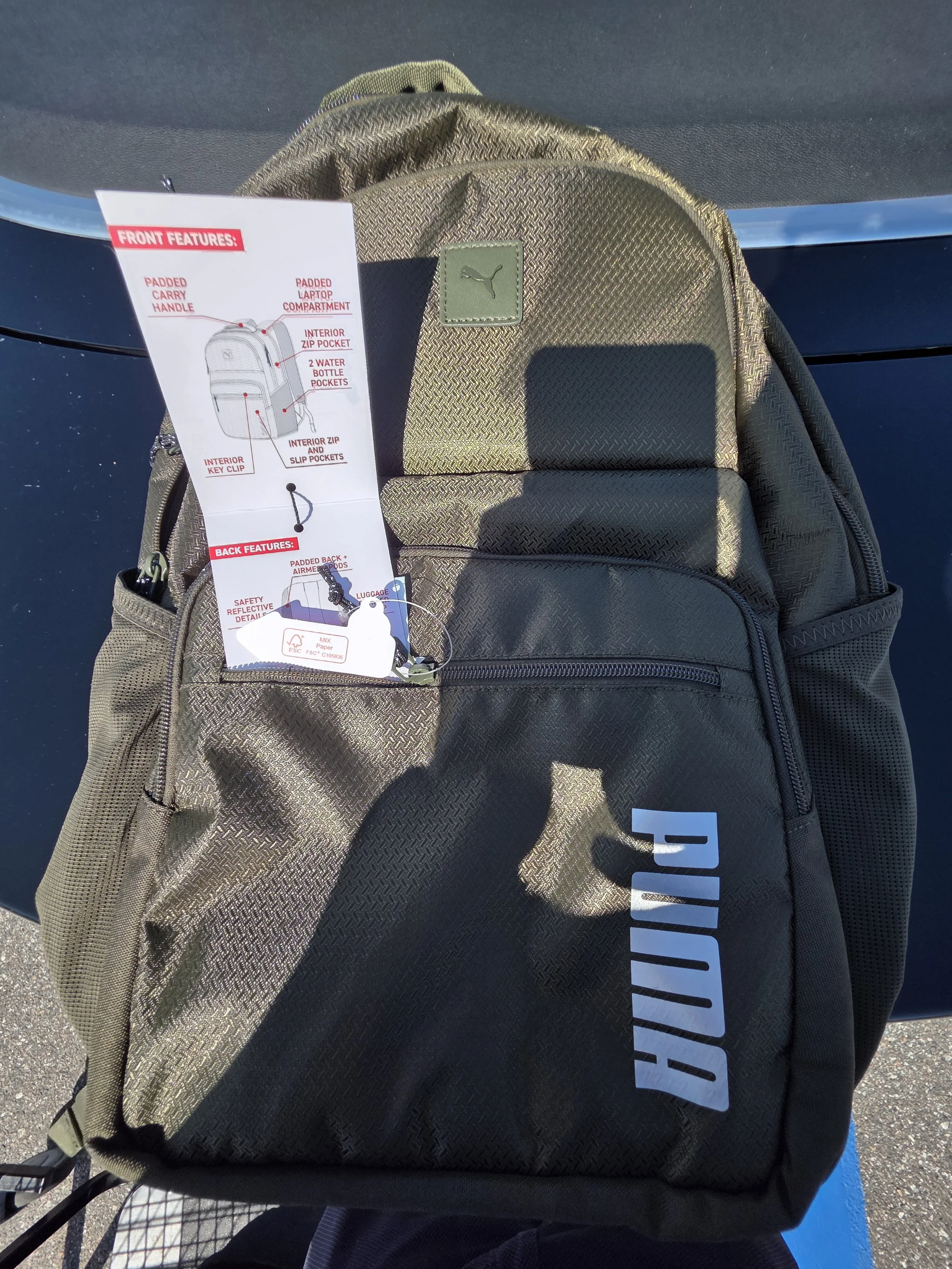
A Backpack With a Particular Set of Skills
Today, I went to Costco to get a new backpack.
Full transparency: I also picked up some Harry’s razors to try—and some underwear. I know, TMI.
I have a habit of collecting backpacks, among other things. It’s my addictive personality manifesting itself. This time, however, I needed a backpack with “a particular set of skills.”
This backpack will be my dialysis bag.
I prefer a backpack because it keeps my hands free—or at least one hand, since I use the other to hold a cane when I walk. It’s a simple thing, but having everything comfortably on my back makes getting around much easier.
My dialysis backpack needs a compartment large enough to hold two small blankets because the treatment room can get very cold. It also has to fit a neck pillow and a Bluetooth headset sleep mask, which is essential for helping me sleep during treatment and making the time pass faster.
Then there are the practical necessities: water, snacks in case my blood sugar gets low, a pocket for papers, and room for all the other ancillary stuff that comes with treatment.
Some folks arrive with several enormous reusable grocery bags. Others bring carry-on suitcases. One lady brings a collapsible wagon loaded with all kinds of supplies.
When I travel, I’m notorious for packing too much. But for dialysis, I like to keep things light, organized, and ready in the car.
I get it done with a backpack—one that has a very particular set of skills.
Dialysis Isn’t Just the “Hangover”
When people ask me what dialysis feels like, I often compare it to having a hangover.
Now, before anyone gets confused, I haven’t had an alcoholic beverage in more than 17 years. Recovery has been one of the greatest gifts of my life. But I do remember what a hangover felt like, and it’s one of the closest comparisons I can make.
That foggy feeling.
The fatigue.
The lack of energy.
The difficulty concentrating.
The feeling that my body just isn’t operating at 100%.
For me, dialysis can produce many of those same sensations. It’s as if someone hit the reset button on your body, but the operating system takes hours to fully boot back up.
But there are other reminders of dialysis that don’t get talked about nearly as often.
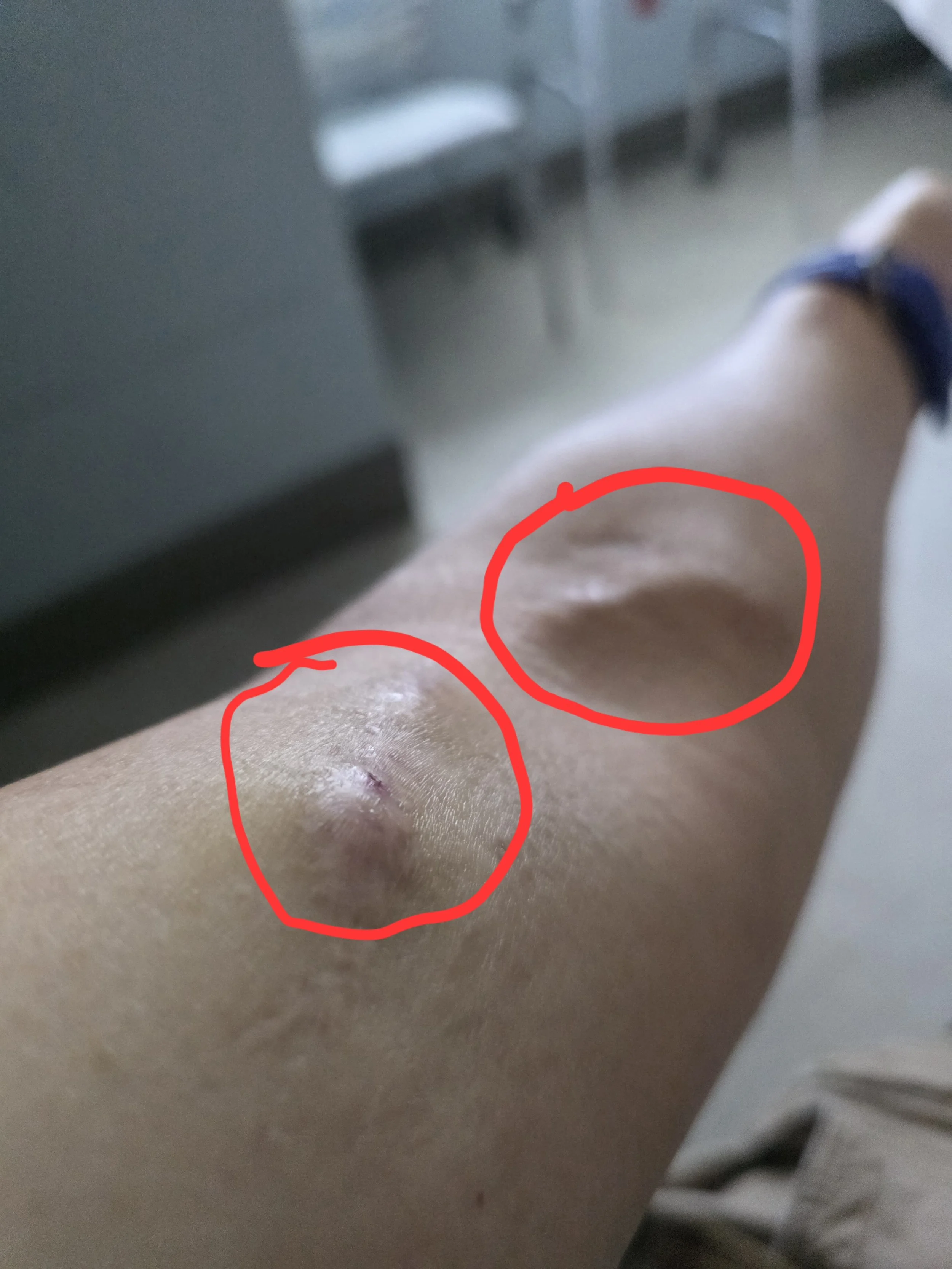
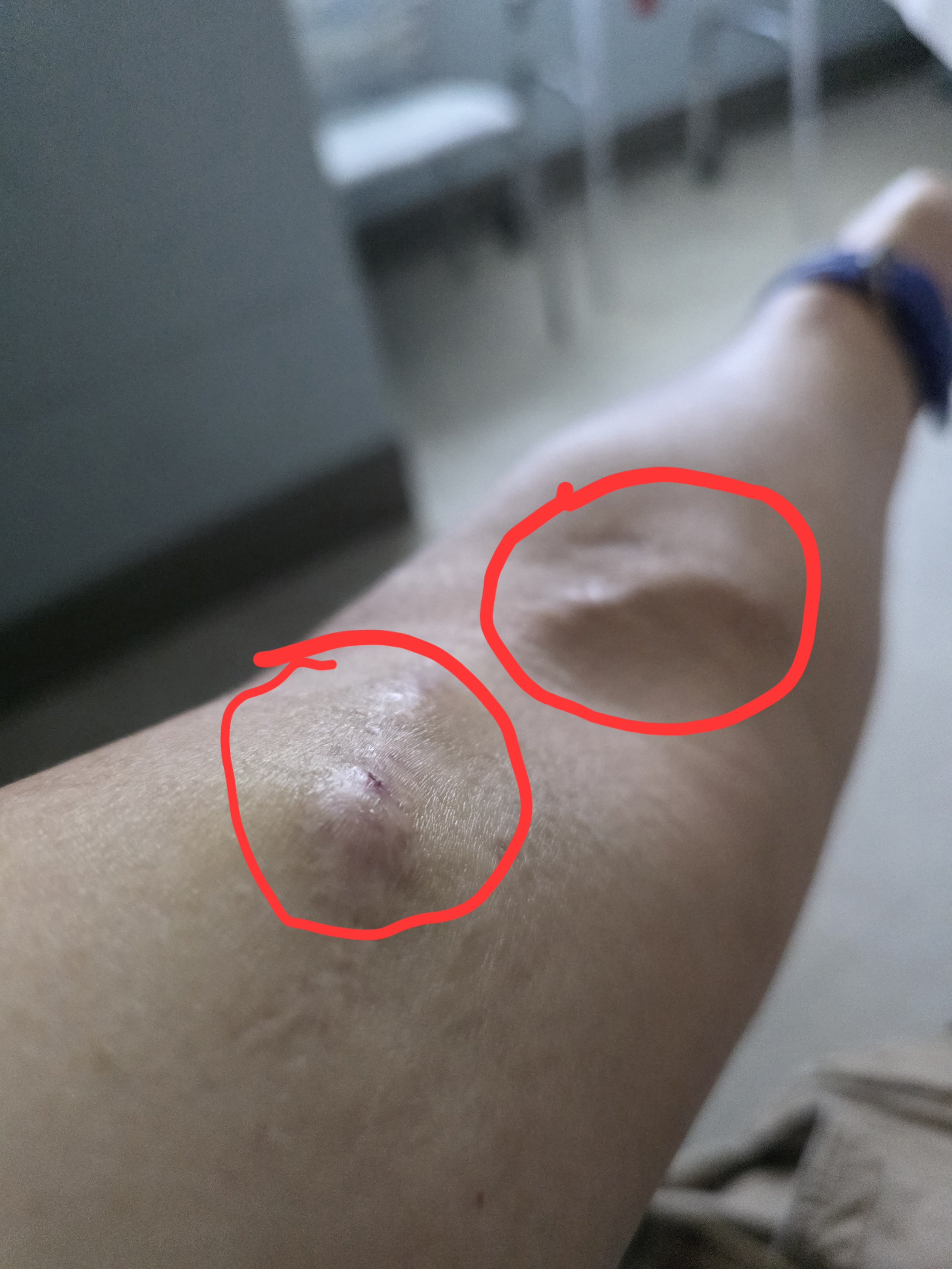
The photo with this post was taken immediately after one of my dialysis treatments. Those two puncture marks in my arm are where 15-gauge needles were inserted into my graft. During treatment, one needle carries blood from my body to the dialysis machine, where it’s filtered, and the other returns the cleaned blood back to me.
Every treatment.
Three times a week.
Week after week.
The machine isn’t just cleaning my blood. It’s also removing the small amount of excess fluid my kidneys can no longer remove on their own. Even when I carefully manage what I drink between treatments, there’s still fluid that has to come off.
Those needle marks are a reminder that dialysis isn’t just something I do—it’s something my body experiences.
In my case, I have an arteriovenous graft. Some people receive dialysis through an arteriovenous fistula, and depending on the individual, those access sites can become much more pronounced and visibly change over time. Everyone’s journey looks a little different.
When people see someone on dialysis, they often see the few hours spent sitting in a treatment chair.
What they don’t always see is what happens afterward.
The exhaustion.
The soreness.
The arm that reminds me of where two large needles were just inserted.
Planning my life around treatment schedules.
The mental adjustment of knowing I’ll be back in a couple of days to do it all over again.
I don’t write these posts for sympathy.
I write them because, unless you’ve experienced dialysis yourself—or cared for someone who has—it’s difficult to appreciate what life is really like between treatments.
If sharing my experience helps someone better understand what millions of people living with kidney disease go through, then it’s worth sharing.
And if it encourages even one person to consider becoming an organ donor, that’s even better.