
Dialysis Isn’t Just the “Hangover”
When people ask me what dialysis feels like, I often compare it to having a hangover.
Now, before anyone gets confused, I haven’t had an alcoholic beverage in more than 17 years. Recovery has been one of the greatest gifts of my life. But I do remember what a hangover felt like, and it’s one of the closest comparisons I can make.
That foggy feeling.
The fatigue.
The lack of energy.
The difficulty concentrating.
The feeling that my body just isn’t operating at 100%.
For me, dialysis can produce many of those same sensations. It’s as if someone hit the reset button on your body, but the operating system takes hours to fully boot back up.
But there are other reminders of dialysis that don’t get talked about nearly as often.
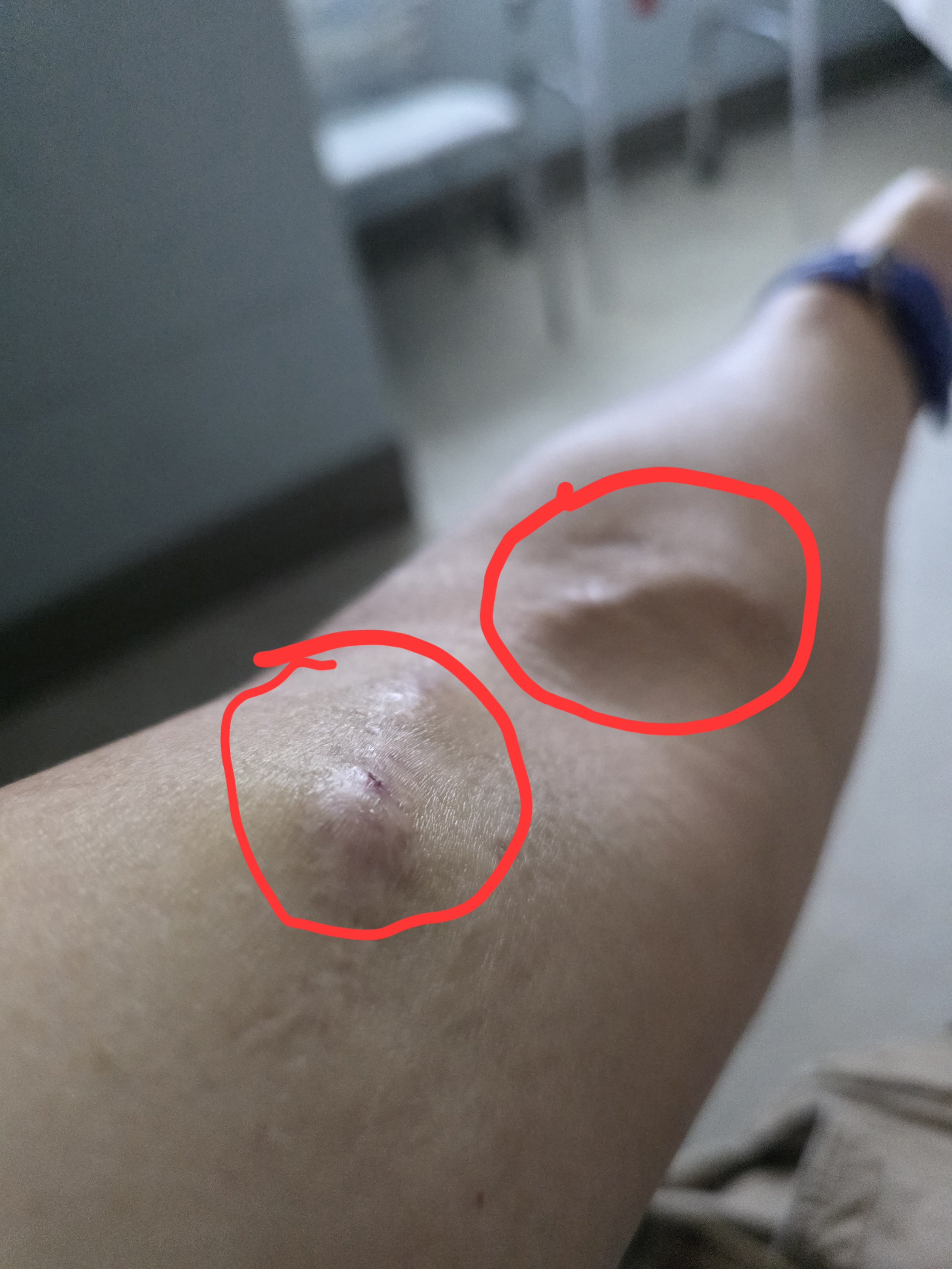
The photo with this post was taken immediately after one of my dialysis treatments. Those two puncture marks in my arm are where 15-gauge needles were inserted into my graft. During treatment, one needle carries blood from my body to the dialysis machine, where it’s filtered, and the other returns the cleaned blood back to me.
Every treatment.
Three times a week.
Week after week.
The machine isn’t just cleaning my blood. It’s also removing the small amount of excess fluid my kidneys can no longer remove on their own. Even when I carefully manage what I drink between treatments, there’s still fluid that has to come off.
Those needle marks are a reminder that dialysis isn’t just something I do—it’s something my body experiences.
In my case, I have an arteriovenous graft. Some people receive dialysis through an arteriovenous fistula, and depending on the individual, those access sites can become much more pronounced and visibly change over time. Everyone’s journey looks a little different.
When people see someone on dialysis, they often see the few hours spent sitting in a treatment chair.
What they don’t always see is what happens afterward.
The exhaustion.
The soreness.
The arm that reminds me of where two large needles were just inserted.
Planning my life around treatment schedules.
The mental adjustment of knowing I’ll be back in a couple of days to do it all over again.
I don’t write these posts for sympathy.
I write them because, unless you’ve experienced dialysis yourself—or cared for someone who has—it’s difficult to appreciate what life is really like between treatments.
If sharing my experience helps someone better understand what millions of people living with kidney disease go through, then it’s worth sharing.
And if it encourages even one person to consider becoming an organ donor, that’s even better.
