
Taking Care of Myself Was a Lesson I Learned the Hard Way
This morning, my mother was in the day room at the skilled nursing facility. She had finished her fruit and was drinking coffee while talking with a CNA student.
As I watched, she seemed to become agitated.
“We were looking for your nurse,” the student said.
I asked Mom what was wrong. She told me she had been waiting three or four hours to get cleaned up. She was losing her patience.
That was her account of the wait. I hadn’t been there the whole time. But I could see her frustration, and I could understand wanting help with something she could no longer easily do herself.
This post isn’t an assessment of the facility or its service. That moment brought up something personal for me: the responsibility I have to take care of myself when I have choices.
I am accountable for myself and the decisions I make.
For a long time, my mother didn’t see a physician. She wasn’t taking medication to manage chronic illness, and stress was a regular part of her life.
She was also my father's primary caregiver. From what I witnessed, he expected a great deal from her, including managing his medications and meals. Her own health needed attention while she was carrying those responsibilities.
Then she had her first stroke. Later, she had a second.
I can’t say exactly what caused either stroke. But I worry about the years her health went unattended and the opportunities there might have been to address it.
She was making progress after the first stroke. After the second, she lost some of that ground.
I don’t know whether she ever imagined living in a skilled nursing facility or planning a move into assisted living. Before her second stroke, I had spoken to her about the possibility of needing that level of care if her health continued to decline.
Watching her struggle now brings me no satisfaction in having raised that concern. I wish she had more independence. I wish everyday things were easier for her.
And I recognize something of myself in her situation.
I didn’t make my health a priority either.
I didn’t manage my diabetes. I didn’t see a physician. I behaved as though I were invincible, as though there would always be time to deal with my health later.
I learned, painfully, that there wasn’t an unlimited supply of “later.”
In my case, an open wound led to an infection, then sepsis, and eventually an above-the-knee amputation.
Those consequences became part of my everyday life. I couldn’t undo them by finally understanding how serious things had become.
Today, I take my medications seriously. I don’t miss my Ozempic shot. I take my medication for anxiety, my GERD medication, and the other medicines that are part of my care. I show up for dialysis.
I would like to keep the body parts I have left. And I hope a donor kidney will eventually become part of my future.
I still have a life to live, and taking care of myself helps make that possible.
Being accountable doesn’t mean I believe every illness is preventable or that someone who becomes ill has failed. I know people can do everything asked of them and still face devastating health problems.
My mother deserves timely, respectful care now, regardless of her past decisions. Her frustration matters.
I can hold that belief and still be honest about the choices I made in my own life. I put off appointments. I neglected my diabetes. I treated my health as something that could wait.
I paid a price I’m still living with.
I’m sharing this because I hope someone reading it will recognize their own habit of putting things off and take a step toward caring for themselves. Make the appointment you’ve been avoiding. Have the honest conversation about what you’re struggling to manage. Ask for help, especially if caring for someone else has left you with little energy for yourself.
I wish I had done those things sooner.
I can’t change that history. I can take responsibility for what I do today.
And I hope you get to learn that lesson more gently than I did.
The Tiny Device I Wish I Had Taken Seriously Years Ago
The Tiny Device I Wish I Had Taken Seriously Years Ago
How a Continuous Glucose Monitor Helped Me Build Better Habits
I'm going to be super vulnerable.
One of the reasons my body is in the shape it's in today is because I didn't manage my diabetes and insulin resistance the way I should have.
I ate poorly.
I didn't exercise consistently.
I rarely checked my blood glucose.
Why? Because the traditional process was a drag.
It went something like this...
* Wash my hands.
* Get the glucose monitor.
* Find a test strip.
* Grab the lancet.
* Stick my finger.
* Hope I got just the right amount of blood on the strip.
* Wait for the reading.
* Write it down.
* Do it all over again several times a day.
And let's not forget...it hurts. Fingertips have a lot of nerve endings, and after enough finger sticks, you start looking for reasons to skip it.
So I skipped it.
Looking back, I wish I hadn't.
Today, I live with an above-the-knee amputation, kidney failure requiring dialysis, and vision problems. While many factors can contribute to complications like these, years of poorly managed diabetes likely played a significant role in my situation.
I can't change those decisions.
But I can change today's.
Better Habits Beat Perfect Habits
I've known about Continuous Glucose Monitors (CGMs) for years.
The idea always made perfect sense.
Put on a sensor.
Go live my life.
See my glucose levels throughout the day instead of taking occasional snapshots.
Notice trends.
Get alerts.
Share the data with my endocrinologist.
The problem?
Because I'm not insulin-dependent, Medicare doesn't cover one for me. My diabetes has been managed with oral medications in the past and now Ozempic, so I didn't qualify for an insurance-paid CGM.
When Stelo became available, I jumped at the chance.
It's based on Dexcom technology, works through a subscription, and gives me exactly what I wanted—continuous insight into what my blood sugar is doing without constantly stabbing my fingers.
Even better, the data can be shared with my endocrinologist, giving us much better information than a handful of random finger-stick readings.
A Pleasant Surprise
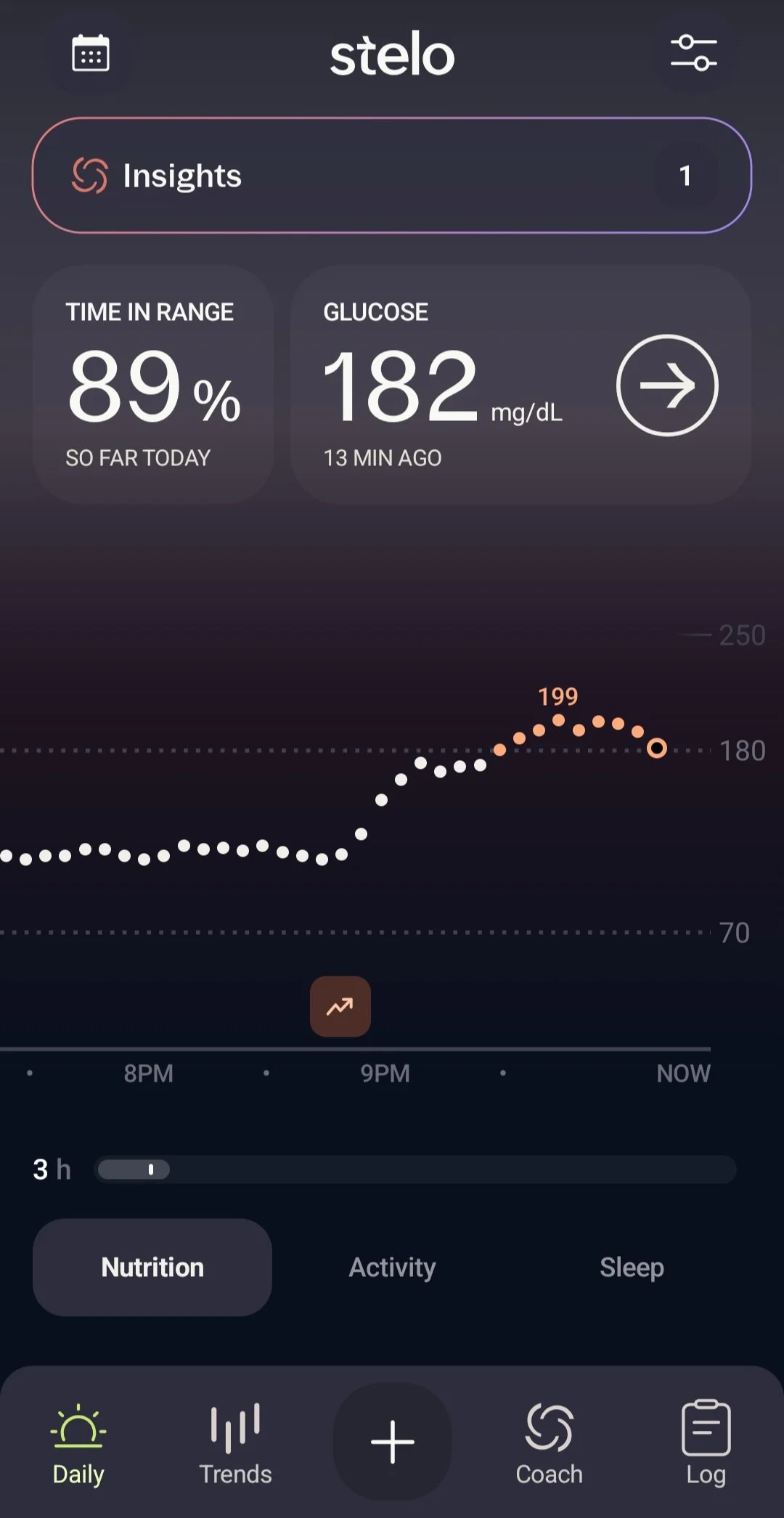
Recently, I opened the Stelo app on my Android phone and immediately noticed something had changed.
Wow.
The redesign is impressive.
Unfortunately, I didn't take screenshots of the old version, but it was functional—it got the job done.
The new version feels much more polished and informative.
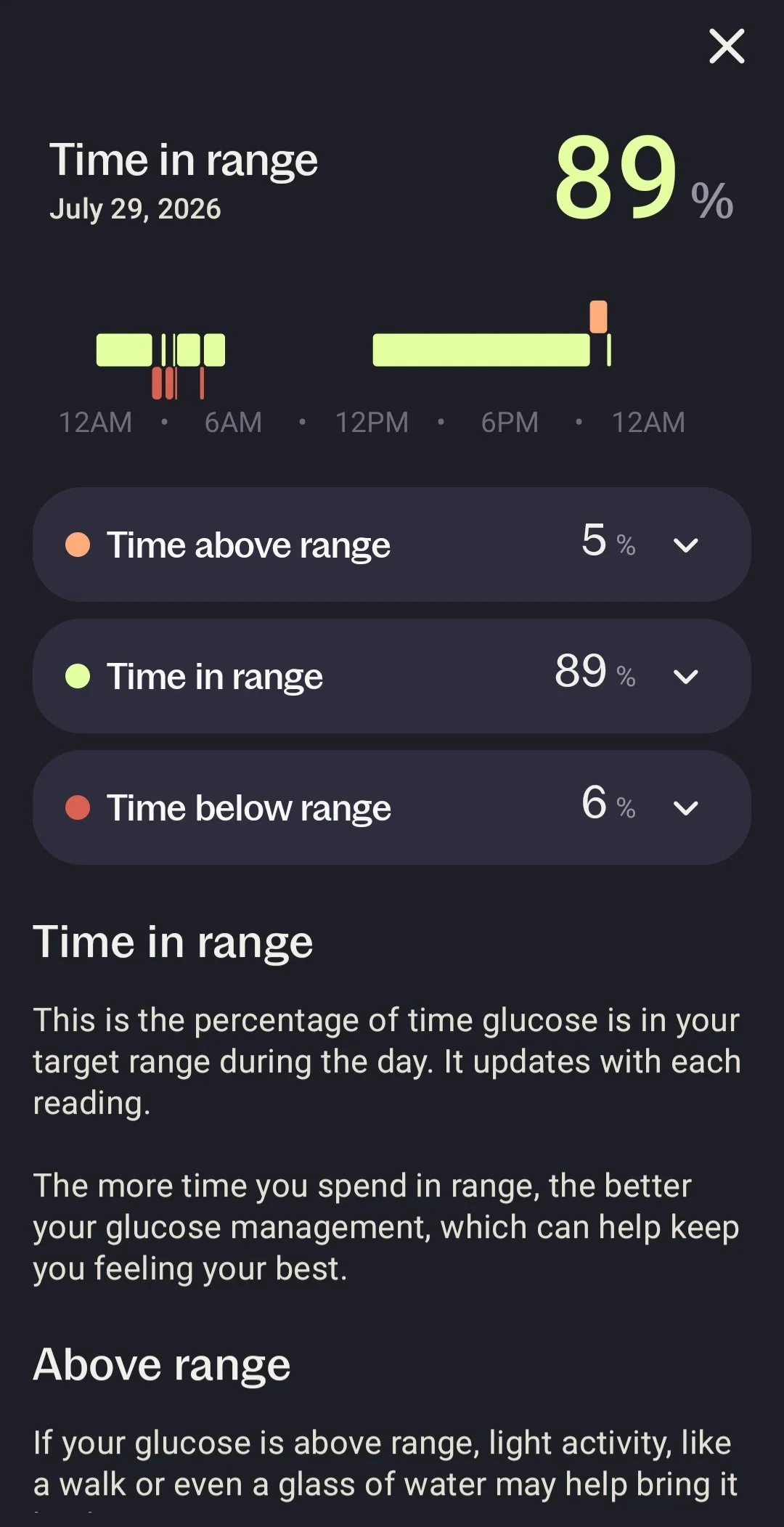
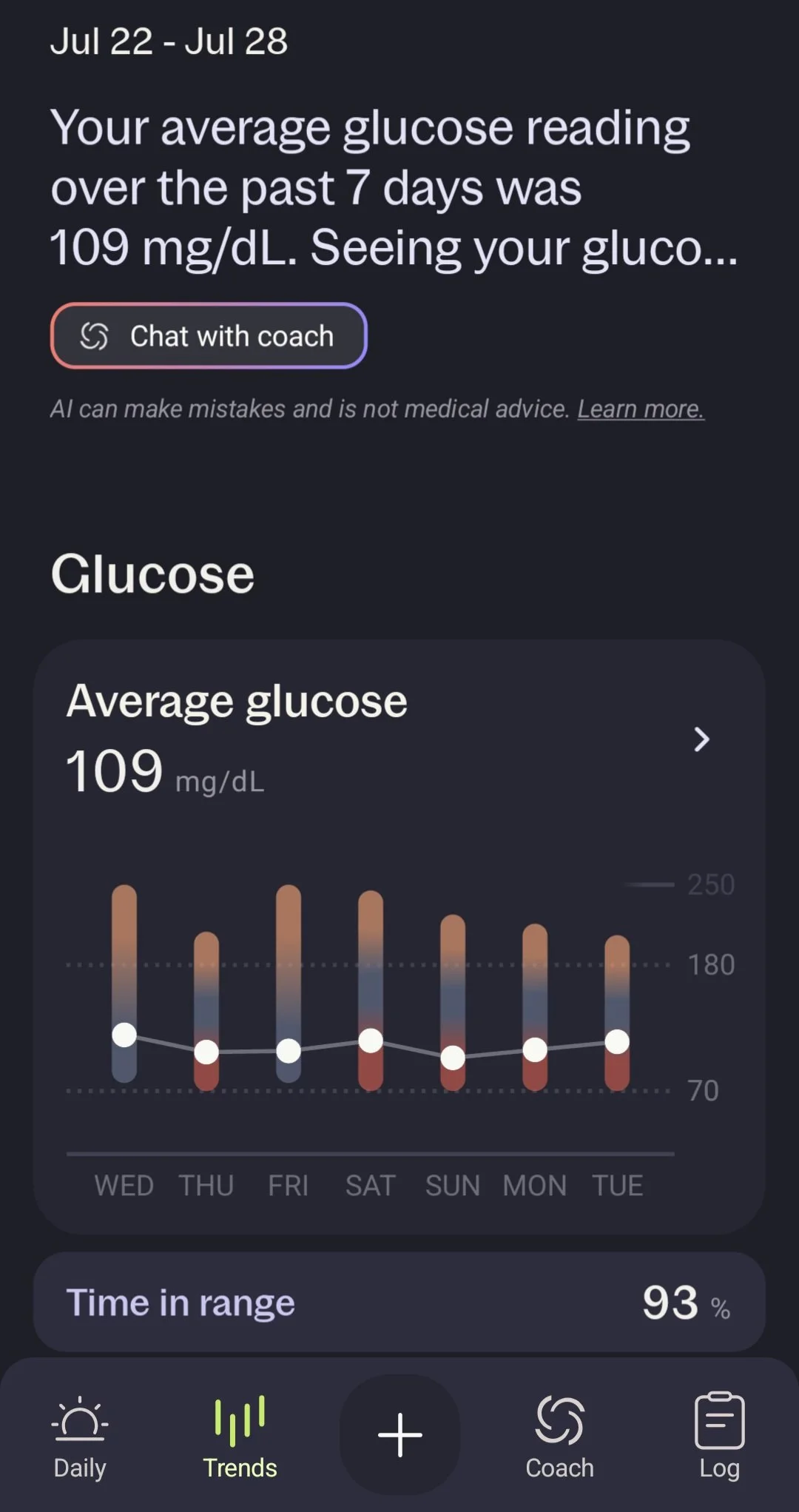
Now I can quickly see:
* The percentage of time I'm in my target range.
* Whether I'm running above, within, or below that range.
* Seven-day glucose trends in an easy-to-read graph.
* Additional ways to connect and review my data.
It's one of those updates that isn't just prettier—it actually makes the information easier to understand at a glance.
If You're On the Fence...
Whether someone is diabetic, prediabetic, or simply curious about how food, stress, exercise, or sleep affects blood sugar—and doesn't qualify for an insurance-sponsored CGM—I think Stelo is worth looking into.
No, this isn't sponsored.
Nobody sent me a free device.
Nobody paid me to write this.
I'm simply sharing something that has made it easier for me to build healthier habits.
If one small sensor can help someone avoid even a fraction of what I've gone through, then sharing my story is worth it.
Sometimes the biggest improvements don't come from massive life changes.
Sometimes they come from removing one small barrier that kept us from doing the right thing in the first place.
If sharing my story encourages even one person to take control of their health before complications develop, then being vulnerable today was absolutely worth it.
Join the discussion on NielFlamm.com.
A Backpack With a Particular Set of Skills
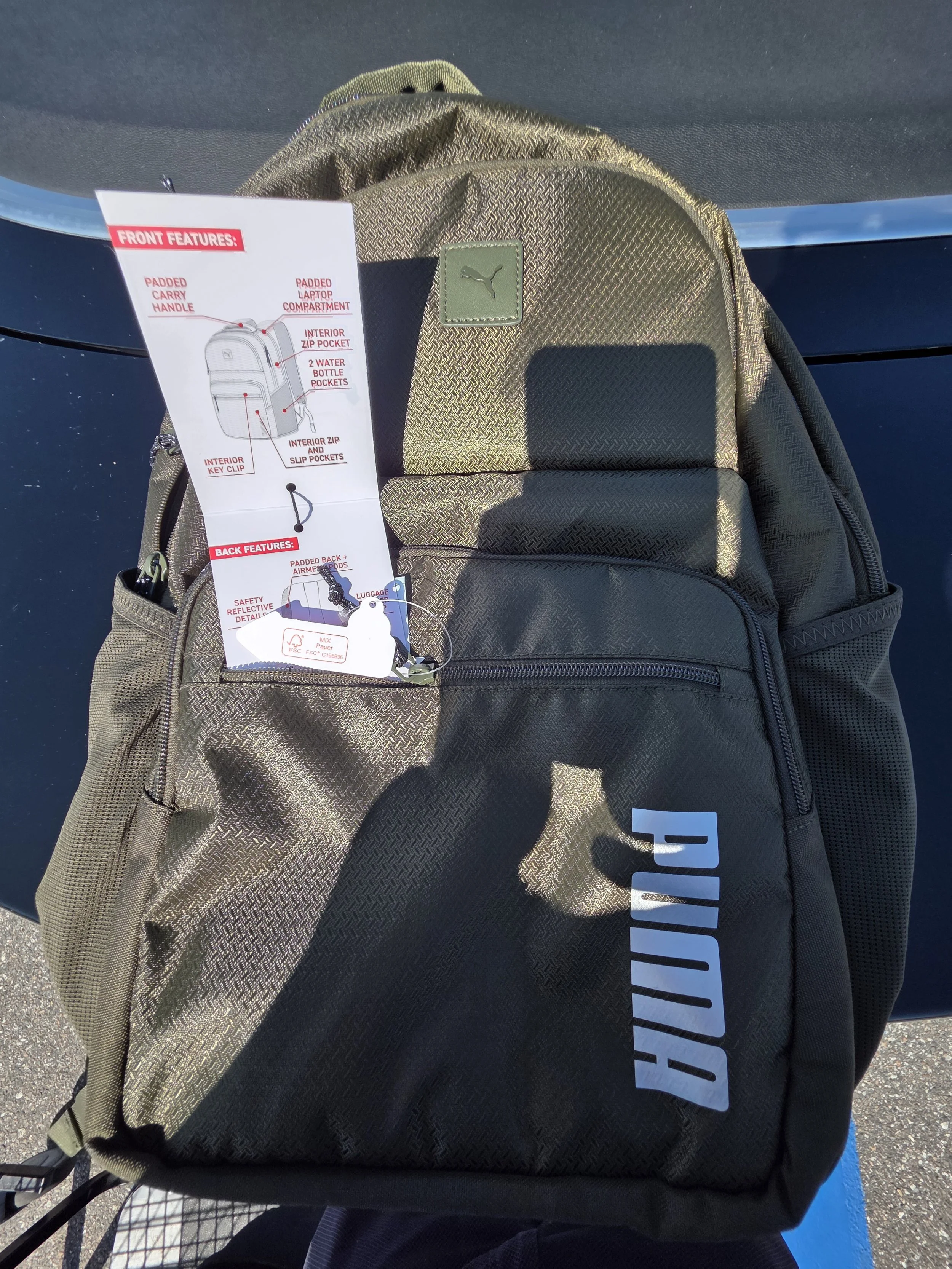
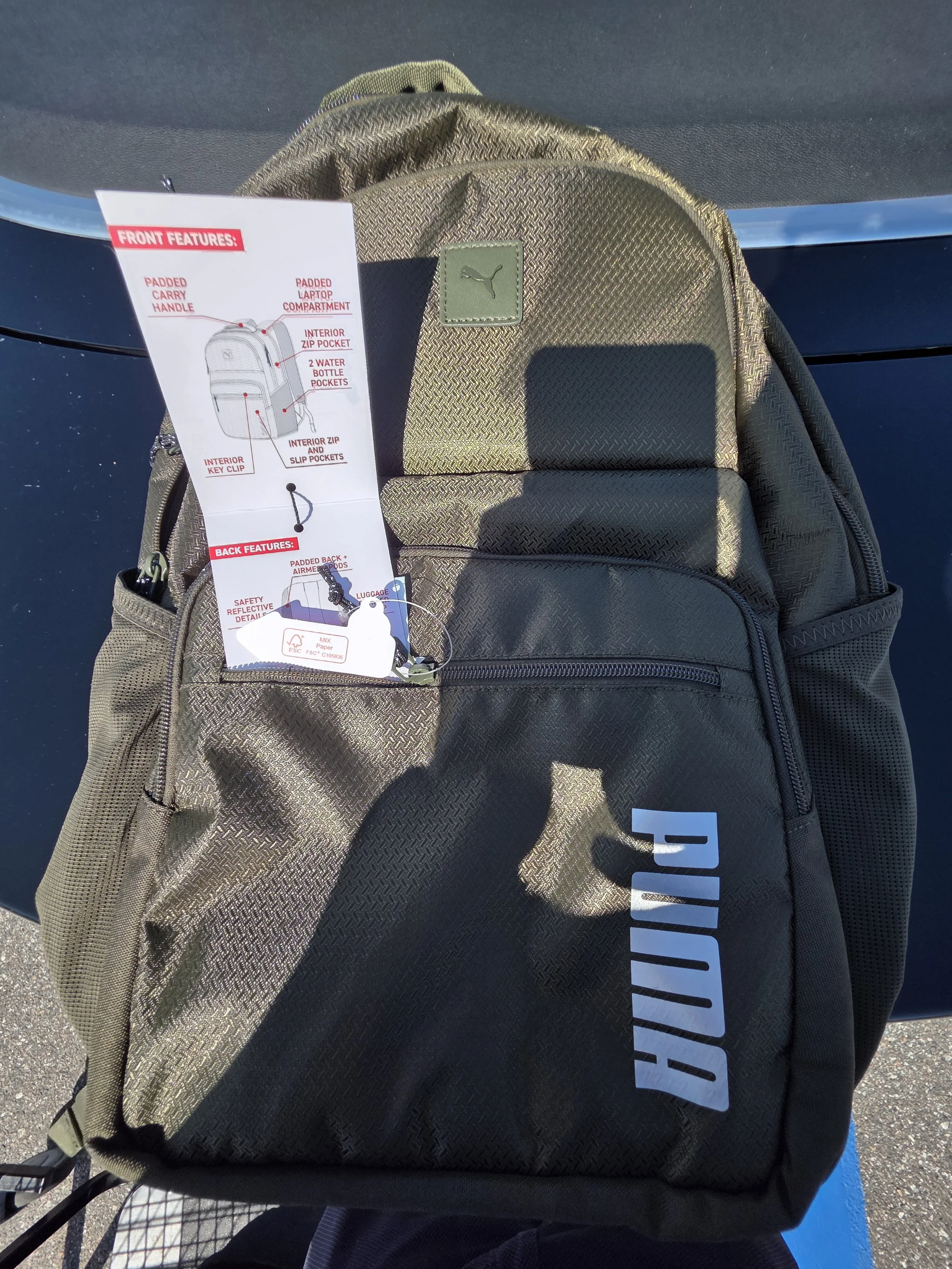
Today, I went to Costco to get a new backpack.
Full transparency: I also picked up some Harry’s razors to try—and some underwear. I know, TMI.
I have a habit of collecting backpacks, among other things. It’s my addictive personality manifesting itself. This time, however, I needed a backpack with “a particular set of skills.”
This backpack will be my dialysis bag.
I prefer a backpack because it keeps my hands free—or at least one hand, since I use the other to hold a cane when I walk. It’s a simple thing, but having everything comfortably on my back makes getting around much easier.
My dialysis backpack needs a compartment large enough to hold two small blankets because the treatment room can get very cold. It also has to fit a neck pillow and a Bluetooth headset sleep mask, which is essential for helping me sleep during treatment and making the time pass faster.
Then there are the practical necessities: water, snacks in case my blood sugar gets low, a pocket for papers, and room for all the other ancillary stuff that comes with treatment.
Some folks arrive with several enormous reusable grocery bags. Others bring carry-on suitcases. One lady brings a collapsible wagon loaded with all kinds of supplies.
When I travel, I’m notorious for packing too much. But for dialysis, I like to keep things light, organized, and ready in the car.
I get it done with a backpack—one that has a very particular set of skills.
Dialysis Isn’t Just the “Hangover”
When people ask me what dialysis feels like, I often compare it to having a hangover.
Now, before anyone gets confused, I haven’t had an alcoholic beverage in more than 17 years. Recovery has been one of the greatest gifts of my life. But I do remember what a hangover felt like, and it’s one of the closest comparisons I can make.
That foggy feeling.
The fatigue.
The lack of energy.
The difficulty concentrating.
The feeling that my body just isn’t operating at 100%.
For me, dialysis can produce many of those same sensations. It’s as if someone hit the reset button on your body, but the operating system takes hours to fully boot back up.
But there are other reminders of dialysis that don’t get talked about nearly as often.
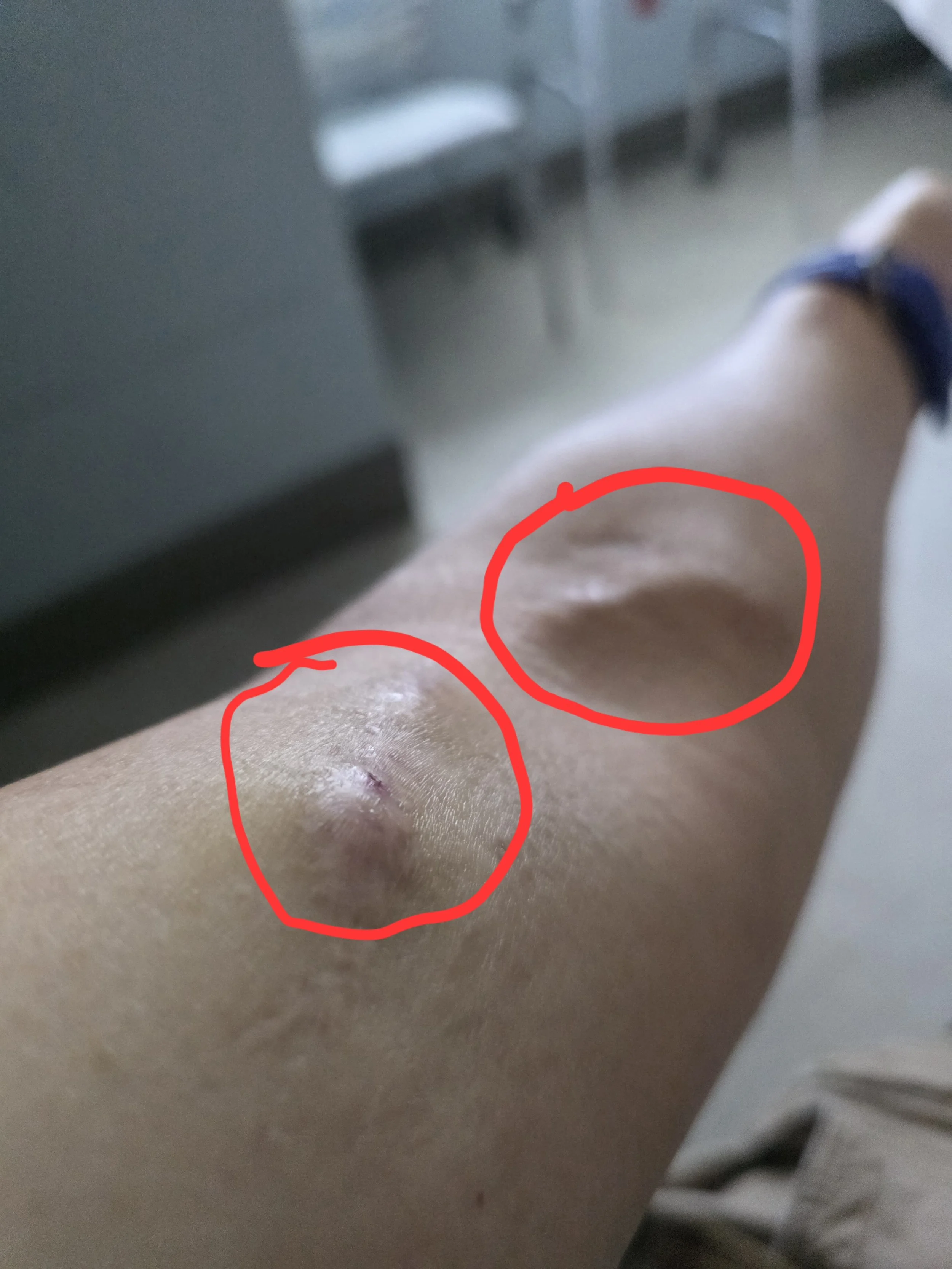
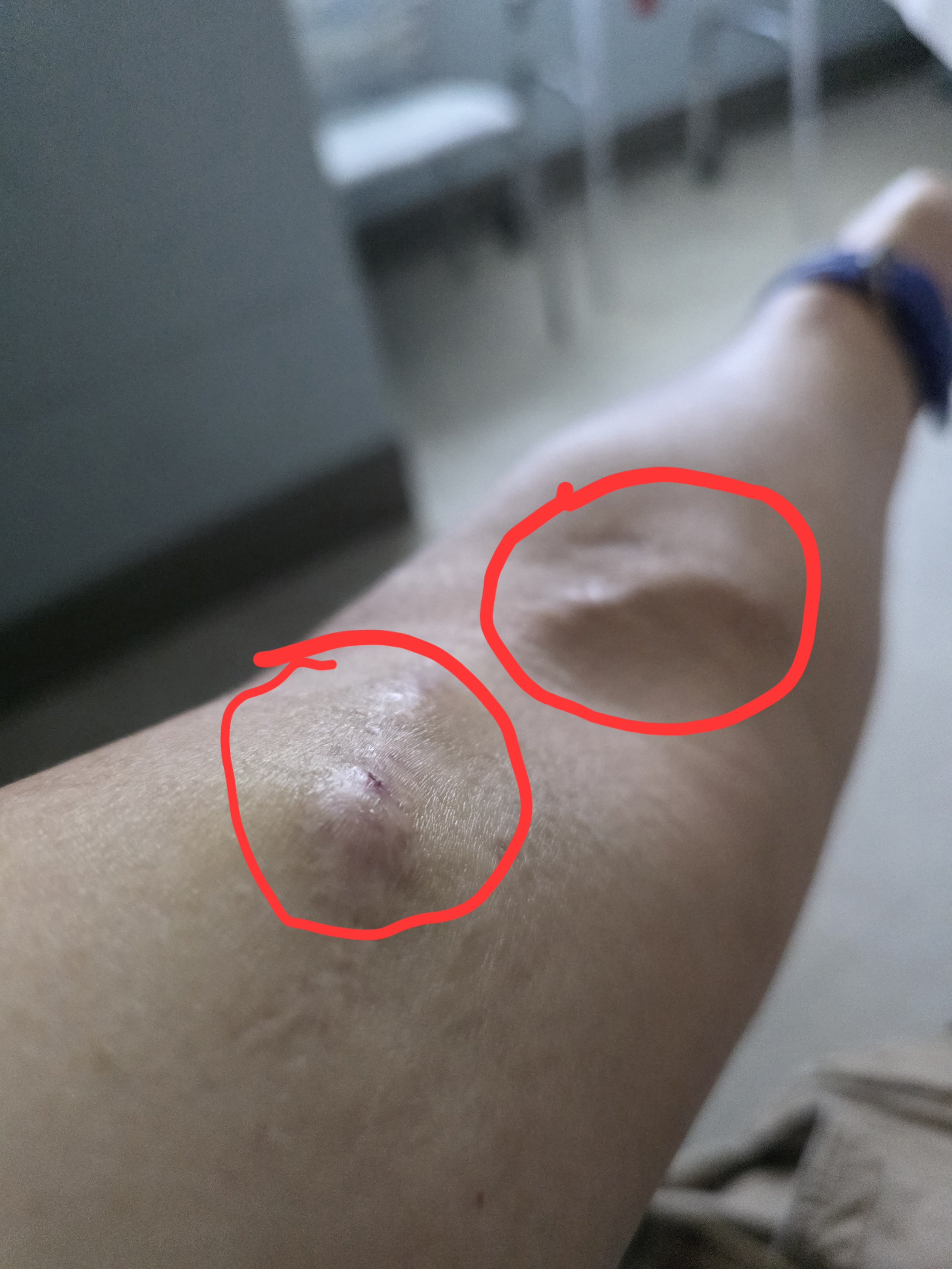
The photo with this post was taken immediately after one of my dialysis treatments. Those two puncture marks in my arm are where 15-gauge needles were inserted into my graft. During treatment, one needle carries blood from my body to the dialysis machine, where it’s filtered, and the other returns the cleaned blood back to me.
Every treatment.
Three times a week.
Week after week.
The machine isn’t just cleaning my blood. It’s also removing the small amount of excess fluid my kidneys can no longer remove on their own. Even when I carefully manage what I drink between treatments, there’s still fluid that has to come off.
Those needle marks are a reminder that dialysis isn’t just something I do—it’s something my body experiences.
In my case, I have an arteriovenous graft. Some people receive dialysis through an arteriovenous fistula, and depending on the individual, those access sites can become much more pronounced and visibly change over time. Everyone’s journey looks a little different.
When people see someone on dialysis, they often see the few hours spent sitting in a treatment chair.
What they don’t always see is what happens afterward.
The exhaustion.
The soreness.
The arm that reminds me of where two large needles were just inserted.
Planning my life around treatment schedules.
The mental adjustment of knowing I’ll be back in a couple of days to do it all over again.
I don’t write these posts for sympathy.
I write them because, unless you’ve experienced dialysis yourself—or cared for someone who has—it’s difficult to appreciate what life is really like between treatments.
If sharing my experience helps someone better understand what millions of people living with kidney disease go through, then it’s worth sharing.
And if it encourages even one person to consider becoming an organ donor, that’s even better.