When Will We See "Nextdoorgate"?
Social media has shown us time and time again that ordinary people can have extraordinary public meltdowns.
Think about some of the headlines we've all seen:
✈️ Tiffany Gomas on an American Airlines flight insisting another passenger "wasn't real."
🥤 A DoorDash driver allegedly pepper-spraying a customer's Arby's order after a dispute.
🍩 Ariana Grande's infamous "Donutgate" incident.
These weren't celebrities seeking attention. They were everyday people who, for one reason or another, made very public decisions they likely regret.
Which raises an interesting governance question.
Nextdoor's volunteer moderators are also everyday neighbors. They're members of the public who have been given authority to influence discussions, remove content, and help shape conversations within their communities.
They're human. They have opinions, biases, bad days, and emotions like everyone else.
I've previously asked what safeguards exist to prevent moderators from retaliating against users with unpopular viewpoints or personal disagreements.
The platform itself often hosts divisive discussions in which even topics as harmless as puppies, kittens, or neighborhood events somehow turn into arguments. If tension can escalate that quickly, what protections exist when a moderator is part of that conflict?
Risk management isn't about assuming people will behave badly—it's about recognizing that everyone is capable of making poor decisions under the right circumstances.
As a shareholder, I continue to ask: What policies, oversight, auditing, or accountability measures has CEO Nirav Tolia implemented to ensure moderator authority cannot be abused?
Waiting until a national news story forces the conversation may be waiting too long.
Hit the subscribe button for NielFlamm.com.
AI Doesn't Eliminate Economics
OpenAI recently highlighted how Nextdoor is using Codex to accelerate software development, including examples where a feature that once required three engineering teams can now be built end-to-end by a single engineer. It's an impressive showcase of what AI-assisted development can accomplish.
Read the case study:
https://openai.com/index/nextdoor/
But it also raises a bigger economic question.
If AI enables one engineer to do the work that previously required multiple specialists, what happens to labor demand?
Markets are driven by supply and demand. During COVID, shortages drove prices up across nearly every industry. The reverse is also true: if AI increases productivity while expanding the effective supply of engineering talent, compensation pressure seems inevitable over time.
I’m struggling with the messaging from Nextdoor leadership.
Nirav Tolia earned a BA in English from Stanford, one of the world's premier universities. He communicates well, but the broader corporate message often feels scattered—part neighborhood platform, part AI company, part advertising network, and part social media experiment. Having Cory Dolphin, Head of Engineering, deliver this message may have also insulated executive leadership from discussing the broader labor implications of AI.
Here's my unpopular opinion.
If AI truly allows one engineer to do the work of several engineers, then basic economics suggests IT salaries should eventually normalize downward. There is little economic justification for maintaining compensation levels that were established during a period of exceptionally high demand and limited supply if AI permanently changes that equation. Productivity gains don't just change how work gets done—they change the value of labor in the marketplace.
That may not be a popular viewpoint, but markets have never been driven by popularity.
I'm also a believer in AI. I use ChatGPT to organize my thoughts, strengthen my writing, and increase my own productivity. AI is an incredible tool when used responsibly.
But if Nextdoor leadership is truly as bullish on AI, its product, and its future as these announcements suggest, perhaps it's time to put even more conviction behind that belief. Nirav Tolia is the company's largest shareholder. If the future is as bright as advertised, why not take the company private and invest even more heavily in that vision?
Perhaps the real bottleneck isn't engineering anymore.
Perhaps it's strategy and leadership clarity.
I'd love to hear other perspectives.
Subscribe to NielFlamm.com.
What Waffle House, In-N-Out, and Nextdoor Can Teach Us About Consistency
After leaving my podiatrist appointment and before heading to the next one, I stopped somewhere familiar and comforting: Waffle House.
If you've never been, you're missing out. Their slogan, "Good Food Fast," is simple, memorable, and consistently delivered. The menu isn't complicated, the service is friendly, and the staff seamlessly handle multiple roles while creating a welcoming atmosphere. Give me a waffle, a patty melt, and hash browns smothered and covered, and I'm a happy customer.
It reminded me of another favorite, In-N-Out Burger. A small menu, fresh ingredients, and remarkable consistency no matter which location you visit.
That consistency is something I believe Nextdoor struggles to achieve.
The company's messaging shifts between promoting human connection, AI-driven experiences, advertiser opportunities, dynamic pricing, and neighborhood engagement. As a shareholder and observer, I find myself asking: What is the core mission?
There's another interesting contrast. Waffle House and In-N-Out remain privately owned businesses, allowing leadership to execute a long-term vision without quarterly market pressures.
If Nextdoor's leadership truly believes its strategy will create long-term value, perhaps the boldest statement would be to invest alongside shareholders through a meaningful stock buyback or even consider taking the company private. With shares hovering around $2 after spending time closer to $1.50, confidence could be demonstrated through action rather than messaging alone.
Consistency builds trust. Whether it's serving breakfast or building communities, people know when an organization has a clear identity—and when it doesn't.
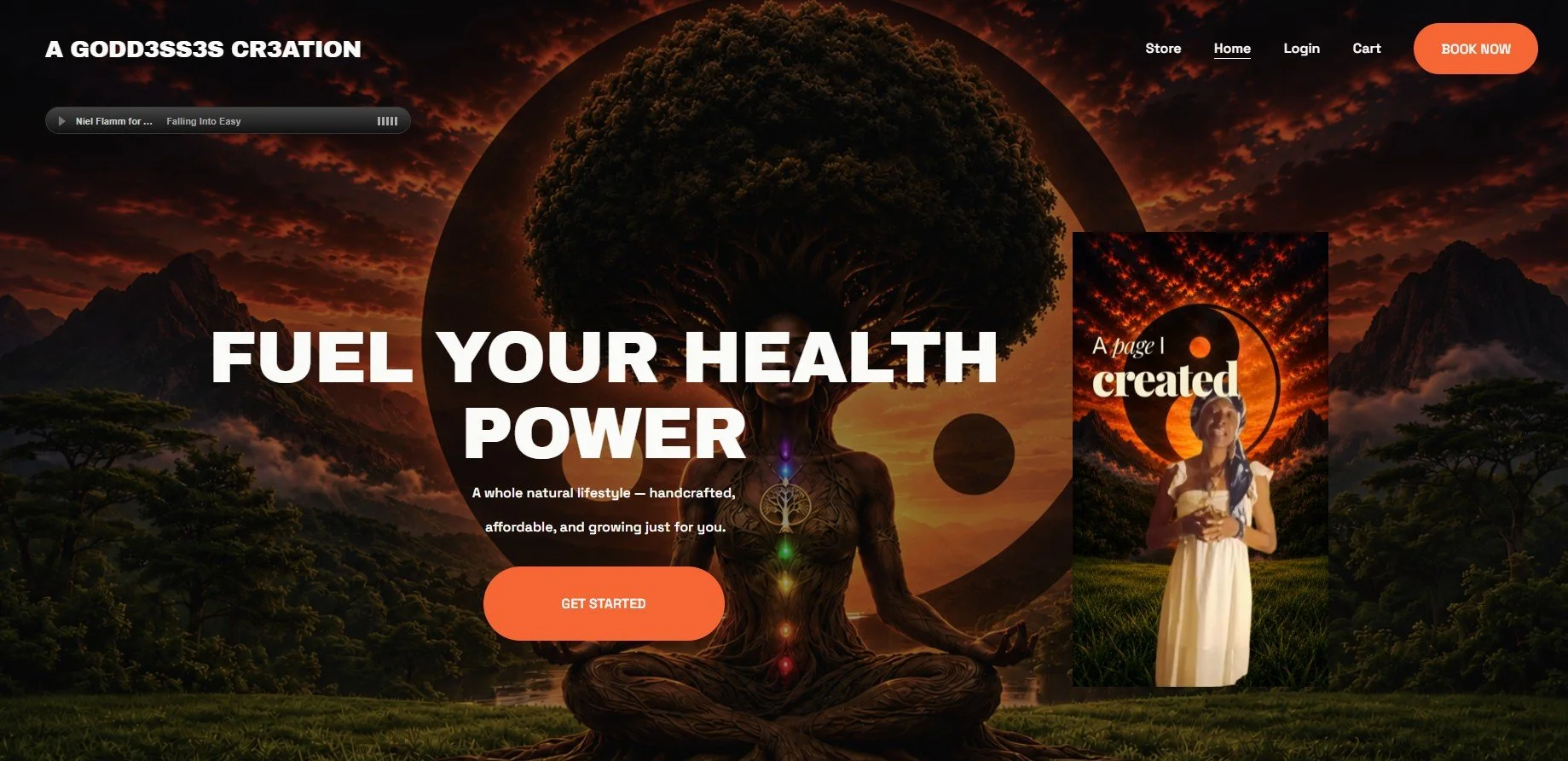
🌿 Excited to Help Bring Natural Wellness to More People!
I'm excited to share a new project that’s close to my heart!
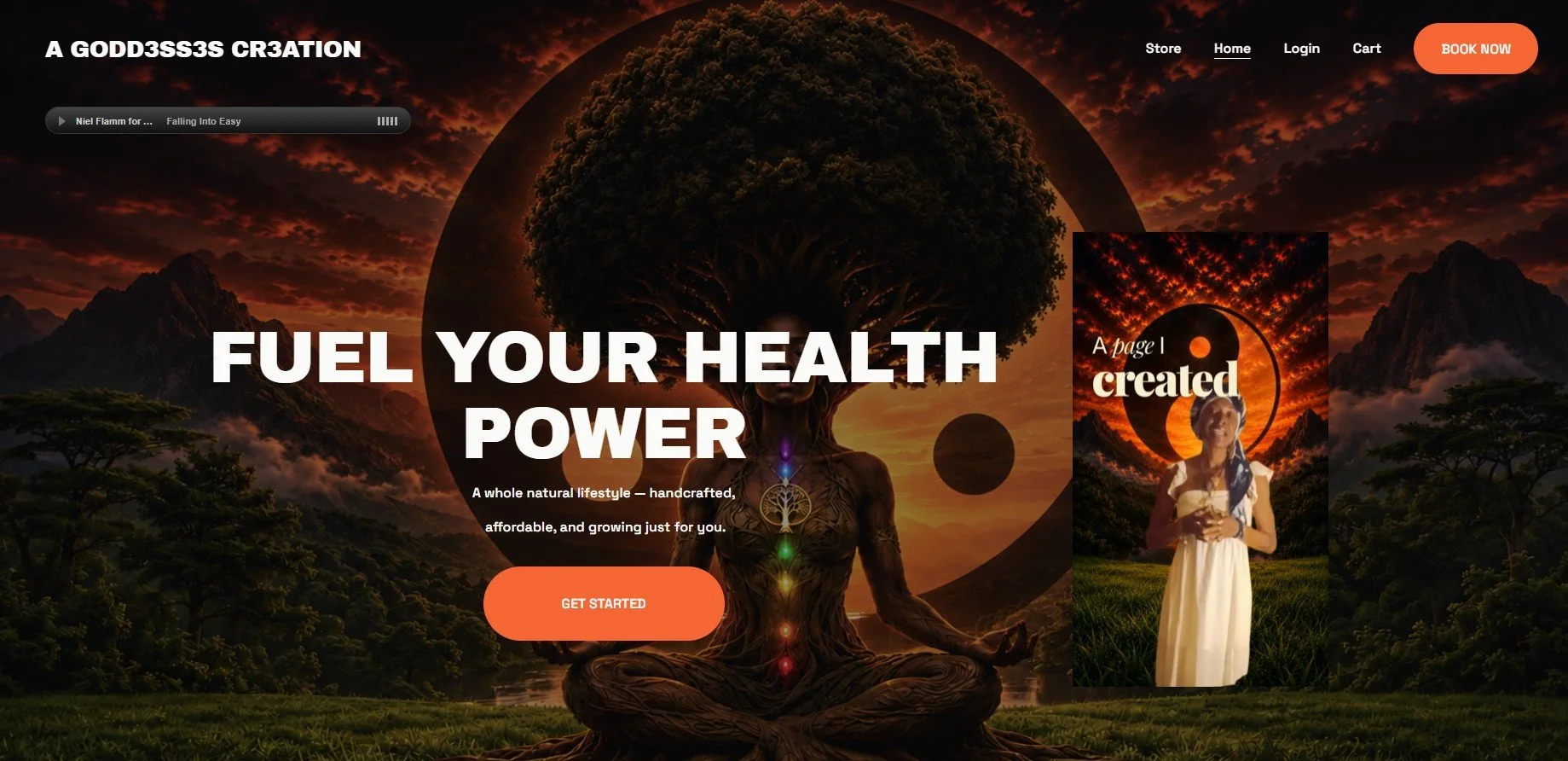
I’ve partnered with Aisha Wells and Alicia Tanksley to help bring affordable, natural apothecary products to more people through A Godd3ss3s Cr3ation.
This collaboration has given me the opportunity to put my growing web design and digital skills to work by helping build and enhance the website. It’s been an amazing experience combining creativity with technology while supporting a mission centered on holistic wellness and natural living.
The site is still a work in progress, with two products currently available and more to come. You can also reach out directly to founder Aisha Wells to learn more about her vision and passion for natural healing.
Check it out and follow along as we continue to grow!
17 Years Without a Drink... and I'd Like to Keep the Body Parts I Have Left
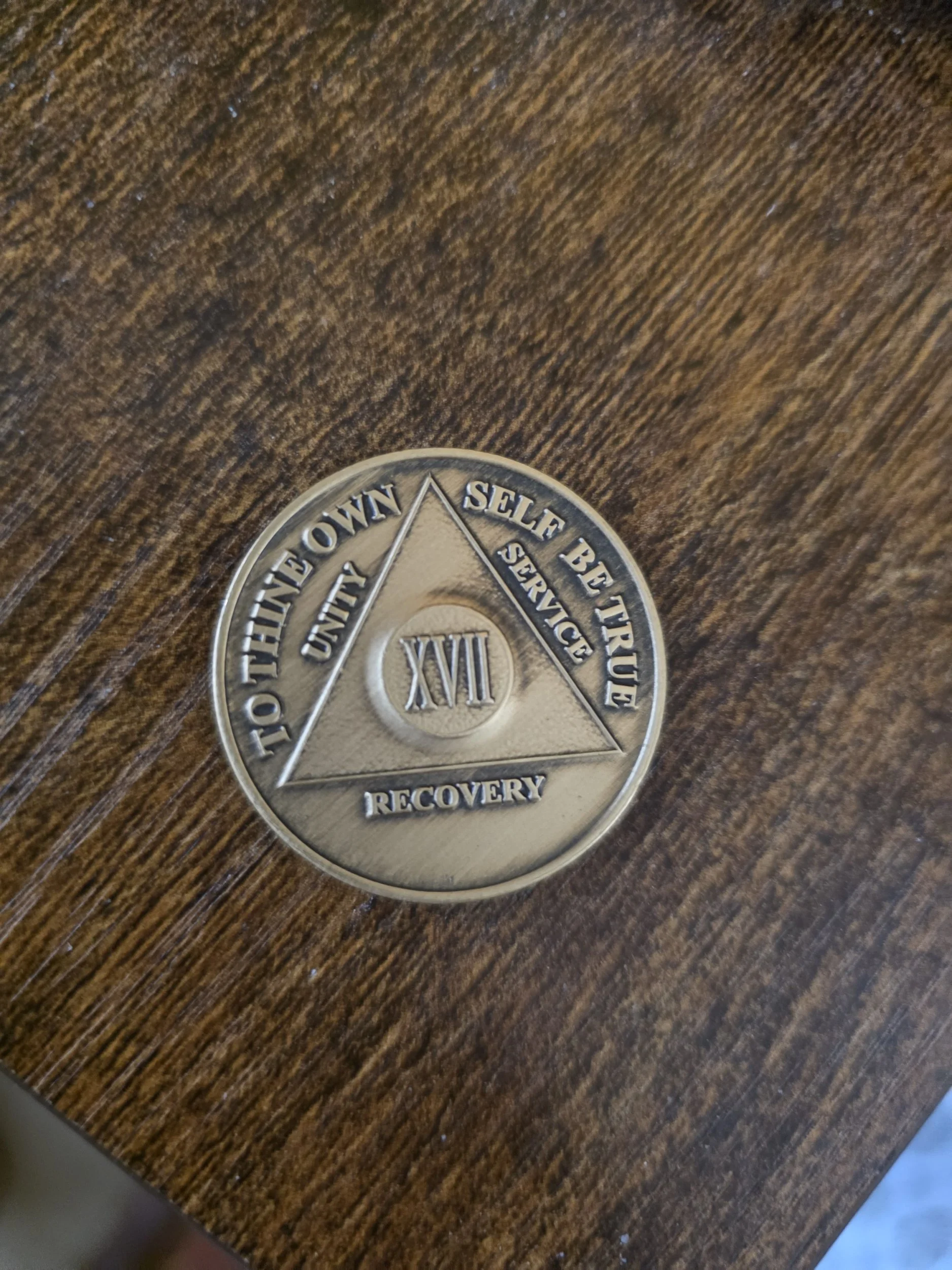
On June 6, 2026, I celebrated 17 years without a drink. That's 17 years since I last picked up an alcoholic beverage, and I am incredibly grateful for that gift.
I received a medallion, or as many of us call it, a chip, recognizing the milestone. When I picked it up, I was reminded of something that has been said in meetings for years:
"Pick up the chip to show the newcomer that it can be done."
I love that thought.
Have I worked the program perfectly? Absolutely not.
In fact, when I stop doing the simple things that got me here, life has a funny way of reminding me who's really in charge. Somewhere along the way I've lost a leg, gained kidney failure, and accumulated enough medical specialists to field a baseball team.
At this rate, if I stop working the program, it's only a matter of time before I run out of body parts to donate to bad decisions.
Humor aside, I've learned something important.
I once heard that science is the ability to reproduce the same result over and over again. In that sense, the recovery program I work is scientific enough for me. I do the work, I receive the gifts that are promised. I've seen it happen in my own life, and I've watched it happen in the lives of countless others.
The difficult part is that recovery often requires me to do the exact opposite of what my brain naturally wants to do.
I want to isolate.
The program tells me to connect.
I want to think only about myself.
The program tells me to help someone else.
I want to complicate everything.
The program reminds me to keep it simple.
For whatever reason, those simple actions continue to produce extraordinary results.
Today, I have friendships I never imagined, opportunities I never expected, and a life that—while certainly not perfect—is far better than the one I left behind 17 years ago.
To everyone who has walked beside me during this journey, whether for a day or for years, thank you.
Your encouragement, friendship, honesty, patience, and example have helped carry me through some incredibly difficult times.
I appreciate each and every one of you.
And if you're new and wondering if recovery is possible, I'm holding this chip for you.
It can be done.
On June 6, 2026, I celebrated 17 years without a drink. That's 17 years since I last picked up an alcoholic beverage, and I am incredibly grateful for that gift.
I received a medallion, or as many of us call it, a chip, recognizing the milestone. When I picked it up, I was reminded of something that has been said in meetings for years:
"Pick up the chip to show the newcomer that it can be done."
I love that thought.
Have I worked the program perfectly? Absolutely not.
In fact, when I stop doing the simple things that got me here, life has a funny way of reminding me who's really in charge. Somewhere along the way I've lost a leg, gained kidney failure, and accumulated enough medical specialists to field a baseball team.
At this rate, if I stop working the program, it's only a matter of time before I run out of body parts to donate to bad decisions.
Humor aside, I've learned something important.
I once heard that science is the ability to reproduce the same result over and over again. In that sense, the recovery program I work is scientific enough for me. I do the work, and I receive the gifts that are promised. I've seen it happen in my own life, and I've watched it happen in the lives of countless others.
The difficult part is that recovery often requires me to do the exact opposite of what my brain naturally wants to do.
I want to isolate.
The program tells me to connect.
I want to think only about myself.
The program tells me to help someone else.
I want to complicate everything.
The program reminds me to keep it simple.
For whatever reason, those simple actions continue to produce extraordinary results.
Today, I have friendships I never imagined, opportunities I never expected, and a life that—while certainly not perfect—is far better than the one I left behind 17 years ago.
To everyone who has walked beside me during this journey, whether for a day or for years, thank you.
Your encouragement, friendship, honesty, patience, and example have helped carry me through some incredibly difficult times.
I appreciate every one of you.
And if you're new and wondering if recovery is possible, I'm holding this chip for you.
It can be done.