
Day 2: The Study That May or May Not Exist
Nextdoor recently published another LinkedIn article, this time highlighting a survey about FIFA and Canadian neighbors' excitement about hosting part of the world's biggest sporting event.
https://dailyhive.com/vancouver/vancouverites-split-hosting-fifa-world-cup
As I read it, one question immediately came to mind:
Where is the link to request the full study?
I couldn't find one.
Does the complete research actually exist for public review? Or is this another example where the optics of looking neighborly stop at the marketing copy?
This is now Day #2 since I sent Jacob Chavis a direct request for the complete insurance study referenced in another Nextdoor publication.
So far, I've received:
No report.
No acknowledgment.
No "We're working on it."
No "You'll receive it shortly."
Not even a polite "No."
It almost makes me wonder whether there's an unofficial policy that says, "Don't engage with Niel Flamm."
Organizations often deny having unofficial practices while employees describe cultures that say otherwise. Years ago, officers in the NYPD alleged unofficial productivity expectations despite formal denials. Wells Fargo's incentive culture became infamous even though the company didn't have an official policy encouraging fraudulent accounts. Employees at major cellular carriers have also described "performance metrics" that felt a lot like quotas.
Which leads me to a fun challenge.
If anyone from Nextdoor would like to anonymously provide verifiable evidence that there is an unofficial policy directing employees not to engage with me, send it to:
The information must be verifiable and not AI-generated.
First one to provide credible documentation wins a gift card for dinner for two at your favorite neighborly restaurant.
Ready...
Set...
Go.
I came across a Facebook video today that immediately reminded me why Nextdoor's unpaid moderator model doesn't work.
Watch it here:
https://www.facebook.com/share/v/1LCFC3TzYb/
The video shows what can happen when someone believes they have authority beyond what was intended. The result is an environment where people stop engaging because they don't feel heard or treated fairly.
That's exactly the risk of relying on unpaid neighborhood moderators with inconsistent oversight and accountability.
The frustrating part is that this is fixable.
I've repeatedly suggested that Nextdoor implement a Quality Assurance scoring program similar to those used in customer service organizations, where moderator decisions are routinely reviewed for consistency, policy adherence, professionalism, and bias. I even suggested that Karen Romero lead such an initiative through coaching, calibration sessions, and measurable quality metrics.
I've also raised another question that I believe deserves an answer.
What vetting and ongoing safeguards exist to protect users if an unpaid moderator becomes unhinged and decides to retaliate against a local neighbor?
Moderators operate within communities tied to real identities and local information. If someone abuses that position, what oversight exists? What audit trail is reviewed? What protections are in place for the people they moderate?
I've asked these questions repeatedly at multiple levels within Nextdoor.
So far, the response has been silence.
I'm not simply saying the model is broken and walking away. I'm proposing practical improvements and asking reasonable governance questions.
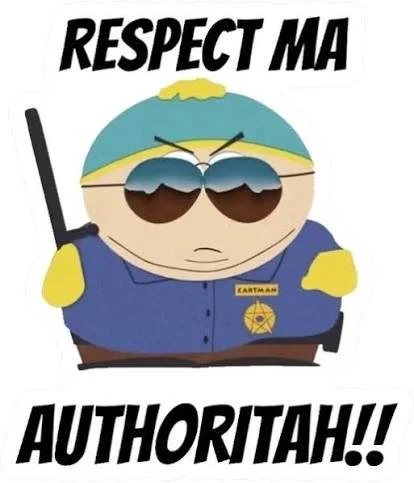
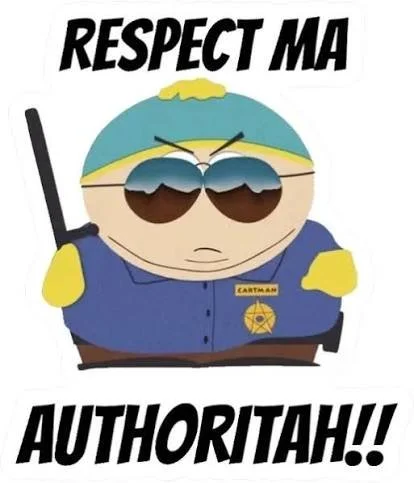
For a little humor, I added a picture of Eric Cartman and his famous catchphrase, "Respect my authoritah!" While it's meant to be comedic, it's often the image that comes to mind when I think about unpaid moderators sitting behind a monitor, wearing an imaginary badge and sunglasses, convinced they've been granted far more authority than they actually have.
Leadership doesn't have to agree with every suggestion, but acknowledging thoughtful feedback and explaining existing safeguards would go a long way toward building trust with users and shareholders alike.
The issue isn't the volunteers themselves.
The issue is a moderation model that lacks the transparency, oversight, and quality controls necessary to inspire confidence.
Communities deserve consistency. Volunteers deserve coaching. Users deserve answers.
And great leaders don't ignore difficult questions.
Leadership Starts with How I Treat the "Little Person"
Today, while making my usual social media rounds, I shared my dissatisfaction with Nextdoor, its culture, and CEO Nirav Tolia.
I started thinking about where I learned one of the most valuable lessons of my life.
It wasn't in a boardroom or a Stanford classroom.
It came from working everyday jobs—sweeping floors in a deli, delivering newspapers, cleaning gum off a movie theater carpet, and doing the kinds of jobs that keep society moving.
Those experiences taught me a simple creed:
Treat everyone as if they were the CEO.
The person making the sandwich at Jersey Mike's. The attendant pumping gas in Oregon. The landscaping crew cleaning up the neighborhood. The janitor, the cashier, the receptionist, the call center agent.
Everyone deserves to be acknowledged. Everyone deserves to be heard.
That's where I believe the culture problem at Nextdoor begins.
I'm not a billionaire investor. I'm not a celebrity entrepreneur. I don't have a television show or a Founding Shark title. And I don't automatically agree with every mention of AI as the solution to everything.
Does that mean my feedback should be ignored? My questions silenced? My LinkedIn account blocked for expressing shareholder concerns?
Leadership isn't measured by how you treat influential people. It's measured by how you treat the person with no power at all.
I'd rather treat the building environmental services engineer like they're the CEO than imitate a CEO who dismisses the little person.
Because one approach builds loyalty and trust.
The other builds resentment.
Day 1: Still Waiting, Nextdoor
Yesterday I sent an email to Jacob Chavis requesting the full research behind Nextdoor's latest insurance study.
Today? Nothing.
No "I'm working on it."
No "You're 57th in line."
Not even a polite "Go pound sand."
In my experience, that's become part of the culture at Nextdoor—where transparency often seems optional and accountability appears to stop somewhere near the top of the org chart. Leadership sets the tone, and that includes CEO Nirav Tolia.
Meanwhile, NXDR climbed another $0.055 today. Maybe the C-suite and Board should send me a thank-you note for suggesting they lean into the circus that is Nextdoor. At least the entertainment value is increasing.
The difference between Nextdoor and the social media platforms it competes with? Those companies may be divisive too, but they consistently generate meaningful revenue and shareholder returns. A pig in a dress is still a pig.
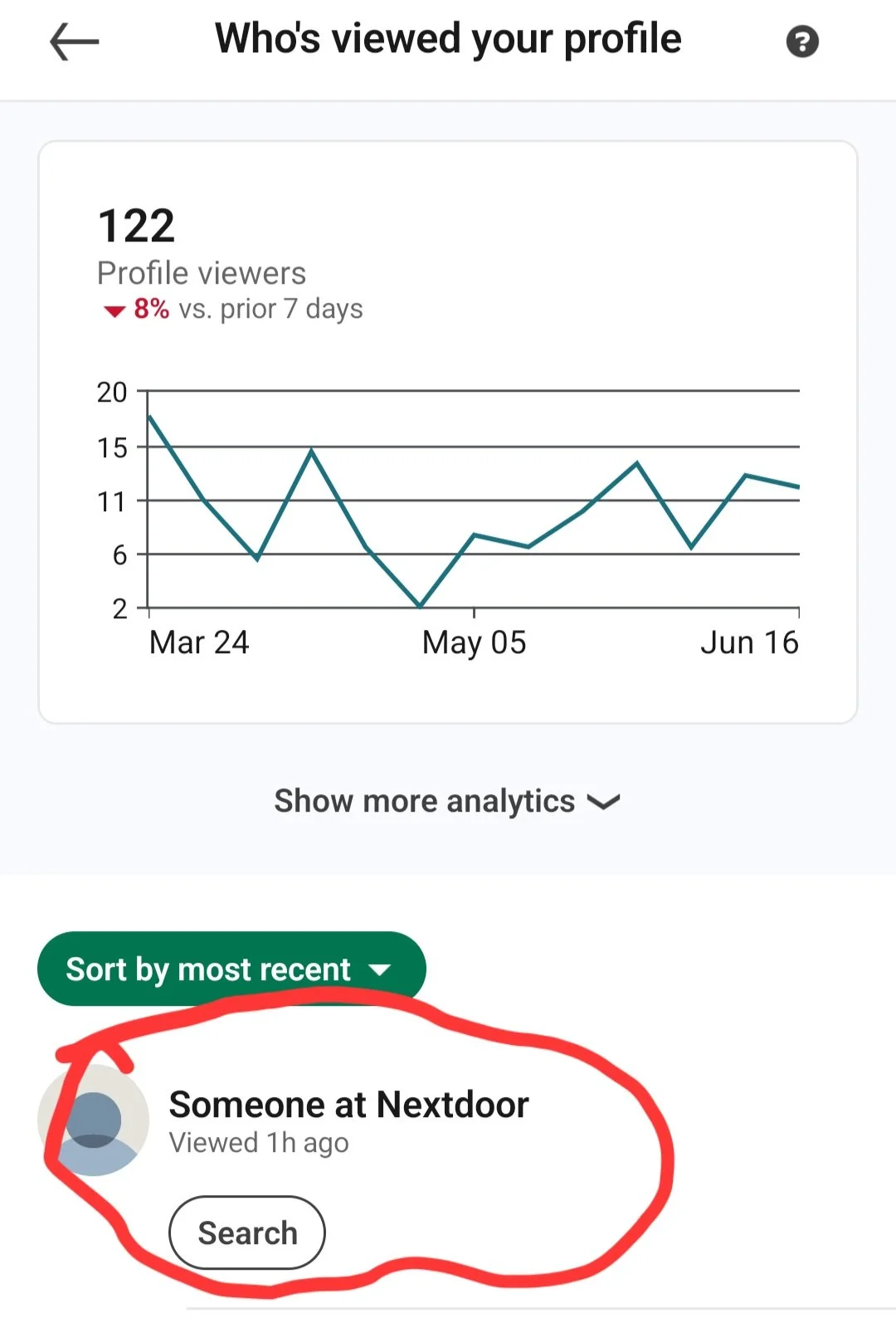
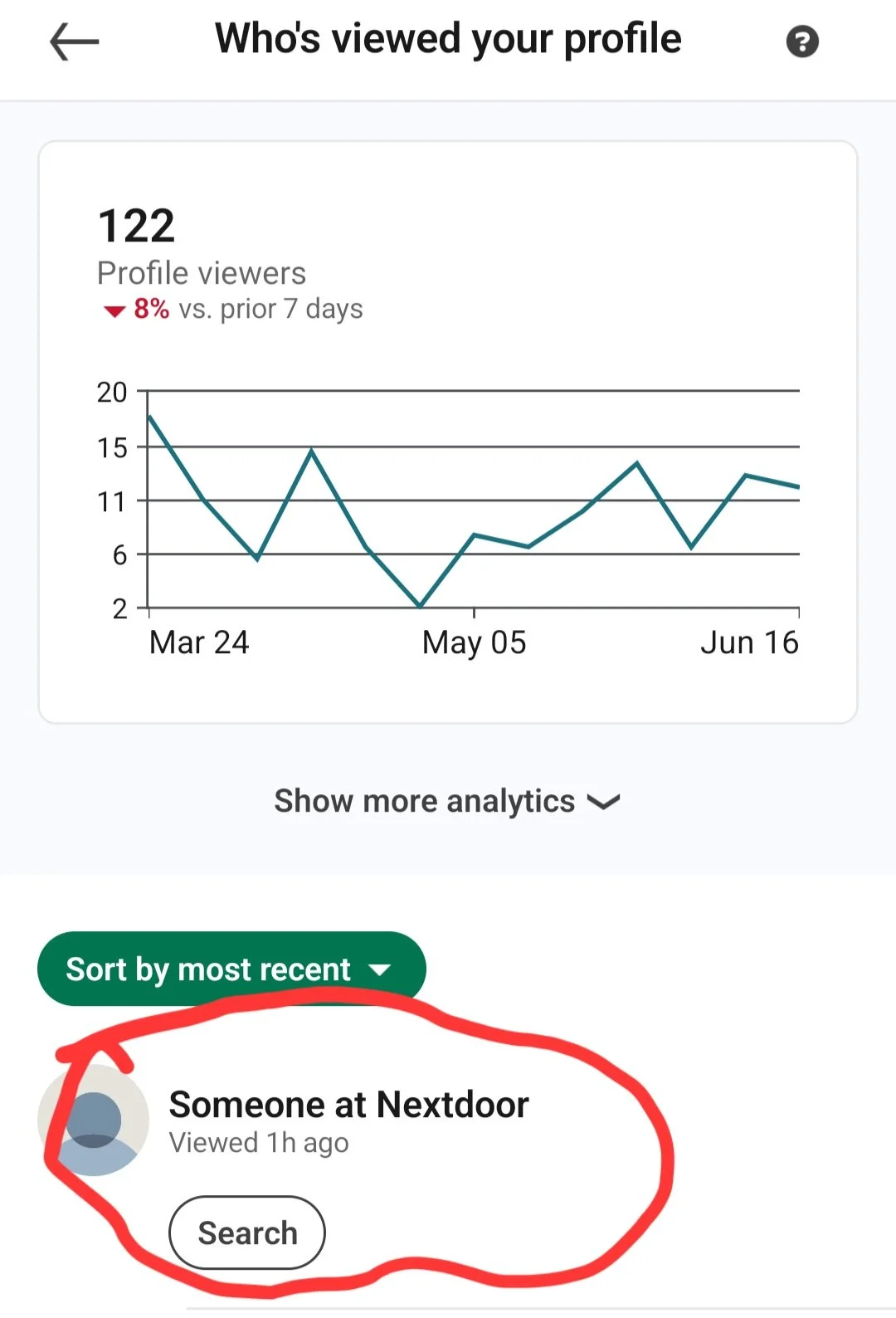
And finally, I got another knock at my virtual door today—from someone at Nextdoor. It happened early this morning Eastern Daylight Time. They're remaining anonymous because they fear the backlash and toxicity they believe exists within the culture.
Sometimes the most interesting conversations happen off the record.
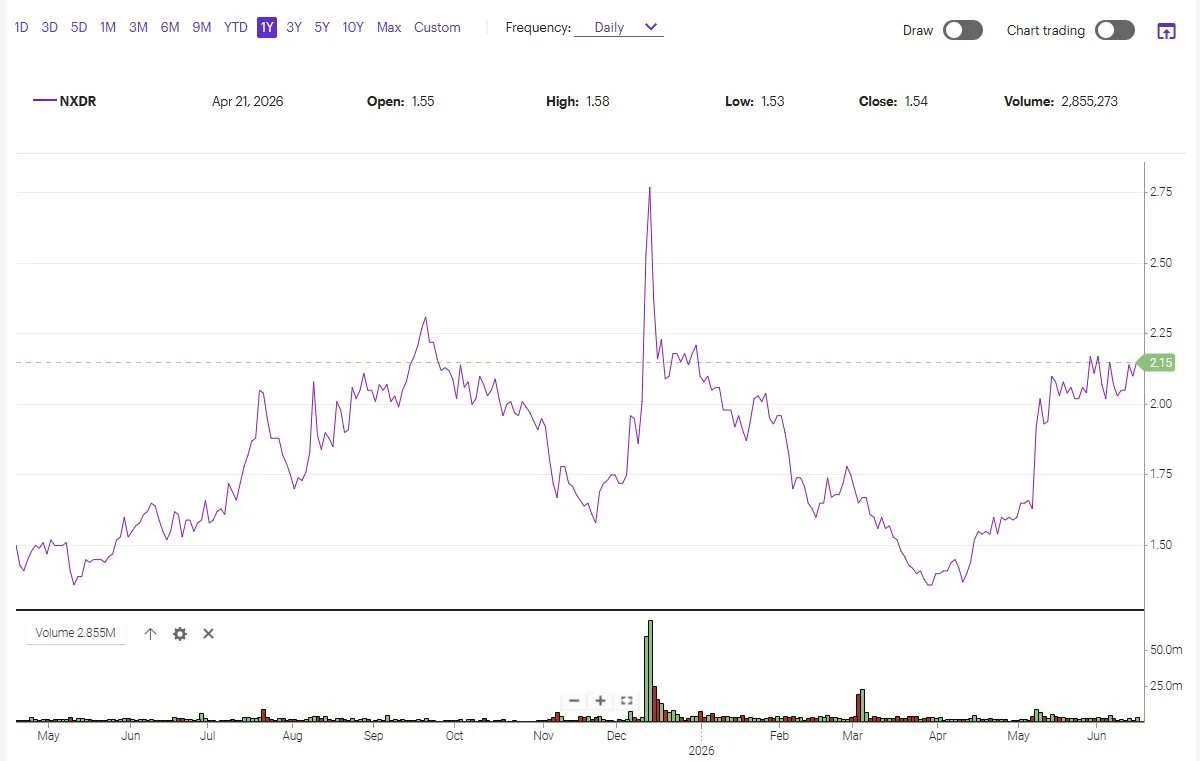
NXDR and The Gambler: Know When to Hold 'Em... and Know When to Walk Away
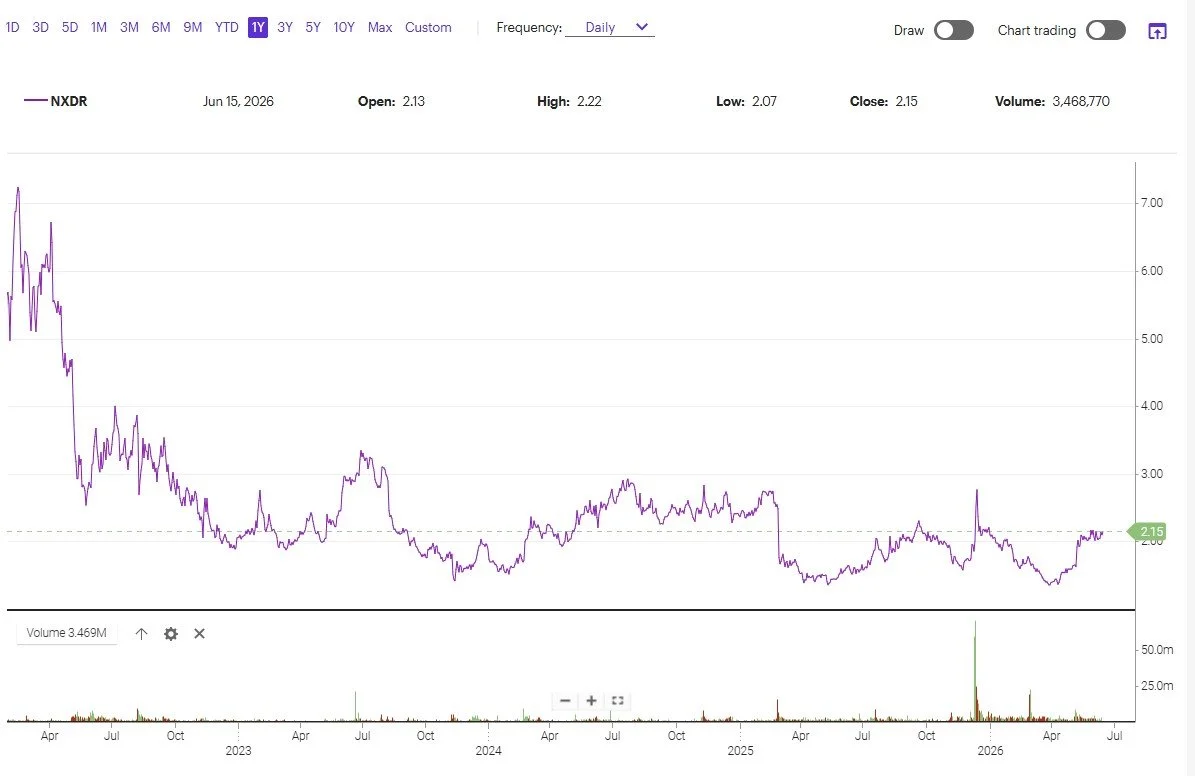
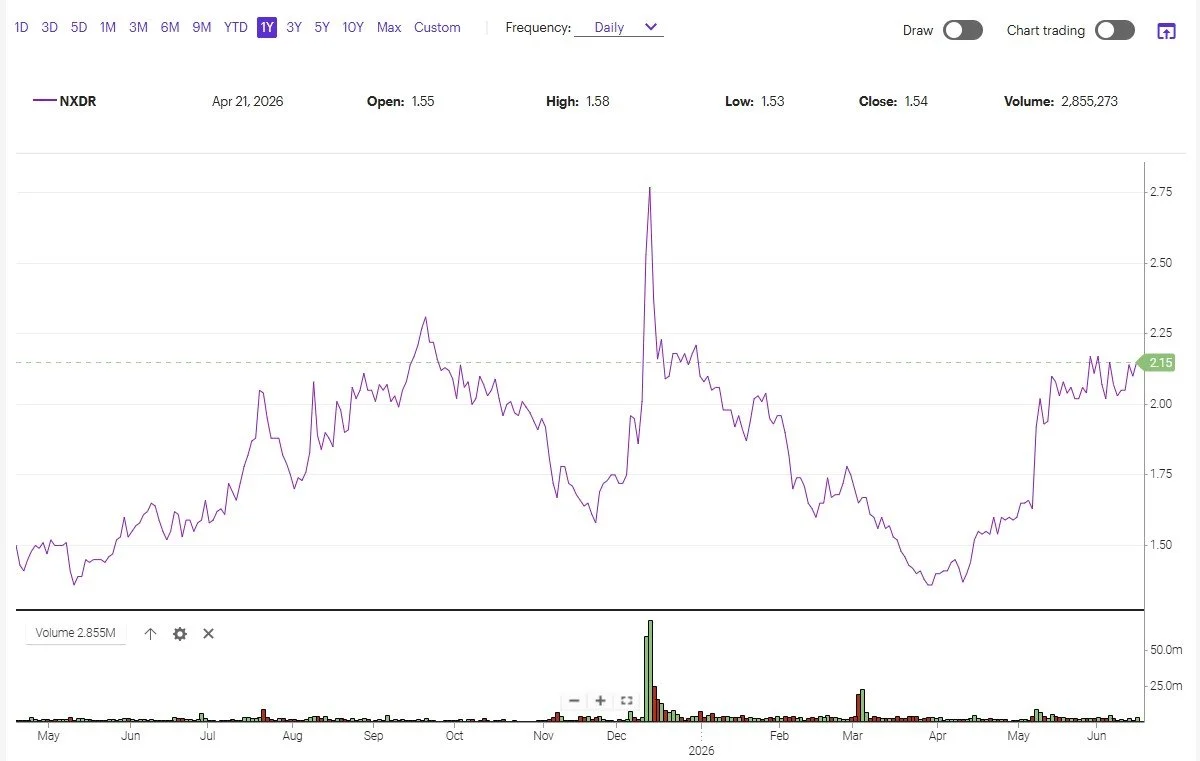
Looking at the 1-year chart of Nextdoor Holdings (NYSE: NXDR), the stock is up roughly $0.60 year over year, rewarding investors who bought during periods of pessimism.
Based on the historical trading patterns I've observed over the past four years, I believe July could bring another round of profit-taking as short-term investors lock in gains.
Kenny Rogers' The Gambler offers timeless investing wisdom: "Know when to hold 'em" and "know when to walk away." For investors, knowing the difference can mean everything.
That brings me to a larger question.
What is CEO Nirav Tolia doing to ensure minority shareholders receive a meaningful return on their investment?
If AI is truly the future of Nextdoor, why aren't users seeing a steady stream of innovative features that strengthen neighbor relationships and make communities more useful?
Instead, the public conversation often revolves around disputes over moderation, neighborhood division, sponsored surveys, and advertising initiatives.
Likewise, the recent publicity campaign featuring appearances on podcasts and interviews may generate headlines, but has it materially changed user engagement, revenue growth, or investor sentiment? The stock chart suggests investors are still waiting for stronger evidence of execution.
Nirav Tolia graduated from Stanford with a degree in English, and he is clearly an effective communicator. But public companies ultimately succeed by delivering measurable results, not compelling narratives. We expect a strategy supported by transparent metrics and product execution.
Some questions I'd like leadership to answer:
Where are the AI features that materially improve the neighbor experience?
How is AI translating into shareholder value?
Why does the platform still appear more divisive than connective?
What measurable milestones should investors expect over the next 12 months?
How will management demonstrate that AI investments are producing tangible financial returns?
As a shareholder, I want Nextdoor to succeed. But success requires more than media appearances and AI talking points. It requires products that users love, communities that thrive, and financial results that reward investors.
These are my personal opinions and observations and should not be considered financial advice. Always perform your own due diligence before making investment decisions.