
I came across a Facebook video today that immediately reminded me why Nextdoor's unpaid moderator model doesn't work.
Watch it here:
https://www.facebook.com/share/v/1LCFC3TzYb/
The video shows what can happen when someone believes they have authority beyond what was intended. The result is an environment where people stop engaging because they don't feel heard or treated fairly.
That's exactly the risk of relying on unpaid neighborhood moderators with inconsistent oversight and accountability.
The frustrating part is that this is fixable.
I've repeatedly suggested that Nextdoor implement a Quality Assurance scoring program similar to those used in customer service organizations, where moderator decisions are routinely reviewed for consistency, policy adherence, professionalism, and bias. I even suggested that Karen Romero lead such an initiative through coaching, calibration sessions, and measurable quality metrics.
I've also raised another question that I believe deserves an answer.
What vetting and ongoing safeguards exist to protect users if an unpaid moderator becomes unhinged and decides to retaliate against a local neighbor?
Moderators operate within communities tied to real identities and local information. If someone abuses that position, what oversight exists? What audit trail is reviewed? What protections are in place for the people they moderate?
I've asked these questions repeatedly at multiple levels within Nextdoor.
So far, the response has been silence.
I'm not simply saying the model is broken and walking away. I'm proposing practical improvements and asking reasonable governance questions.
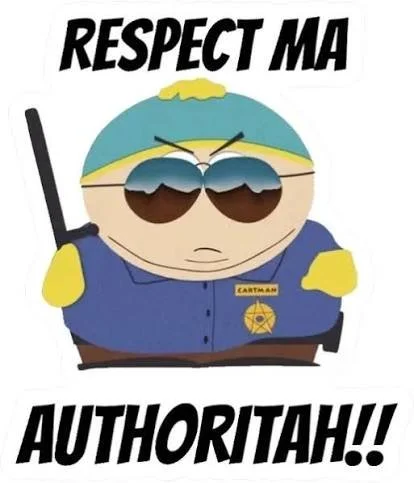
For a little humor, I added a picture of Eric Cartman and his famous catchphrase, "Respect my authoritah!" While it's meant to be comedic, it's often the image that comes to mind when I think about unpaid moderators sitting behind a monitor, wearing an imaginary badge and sunglasses, convinced they've been granted far more authority than they actually have.
Leadership doesn't have to agree with every suggestion, but acknowledging thoughtful feedback and explaining existing safeguards would go a long way toward building trust with users and shareholders alike.
The issue isn't the volunteers themselves.
The issue is a moderation model that lacks the transparency, oversight, and quality controls necessary to inspire confidence.
Communities deserve consistency. Volunteers deserve coaching. Users deserve answers.
And great leaders don't ignore difficult questions.
