
Accountability Starts at the Top: A Reminder of How I Got Here
For those who have recently started following my commentary on Nextdoor, here's a reminder of how this journey began.
I have been suspended from Nextdoor multiple times for different reasons—posting too many items for sale, expressing my opinion on topics, and providing feedback about the platform itself. Each time I appealed, I received vague responses with little transparency about what specifically violated policy or how similar situations would be handled consistently in the future.
As both a user and a shareholder ($NXDR), I decided to take my concerns directly to leadership.
I commented on CEO Nirav Tolia's LinkedIn posts to start a dialogue about the customer experience, moderation consistency, and opportunities for improvement. Rather than engaging, I was blocked.
Roughly a year and a half later, Jacob Chavis, Senior Manager of Customer Insights, also blocked me after I repeatedly requested a discussion around research transparency and accountability.
I don’t think that’s the response I would expect from leaders responsible for customer experience.
What frustrates me most is that I've never pointed out problems.
I've offered solutions.
AI-assisted moderation to improve consistency and response time.
Continuous training and certification for unpaid volunteer moderators.
Quality Assurance models proven in customer service organizations.
Independent QA leadership that could rapidly improve moderation quality.
Consulting assistance based on more than two decades in Learning & Development and operational excellence.
Greater transparency around platform metrics and independent validation of reported performance.
Throughout my career in Learning & Development, I learned one lesson that has stayed with me:
I allow what I allow.
As a shareholder, I'm choosing not to accept avoidable leadership and operational gaps without asking difficult questions.
If you're a user, advertiser, investor, or business partner...
Why remain silent if you believe something can be improved?
During one suspension, I was told that I wasn't going to bring Nextdoor down.
That has never been my objective.
Quite the opposite.
I want Nextdoor to become a company that earns the same level of trust, innovation, and long-term success demonstrated by companies like Amazon, Apple, and Tesla. As a shareholder, why would I want anything less?
I also don't want value destroyed through avoidable mistakes, leadership turnover with generous exit packages, or a future acquisition that rewards executives without first addressing the underlying operational issues.
This morning, I invited leadership to a conversation using my Calendly link so we can find a mutually convenient time.
The invitation remains open.
A friend recently asked me:
"Hasn't someone at the company realized you aren't going away?"
Maybe they have.
Maybe they haven't.
I'll continue asking questions, proposing solutions, and advocating for measurable improvements until I see meaningful change—not just optimistic financial stories, but results supported by transparency, accountability, and independent verification.
Feedbacl isn't opposition.
It's an investment in building something better.
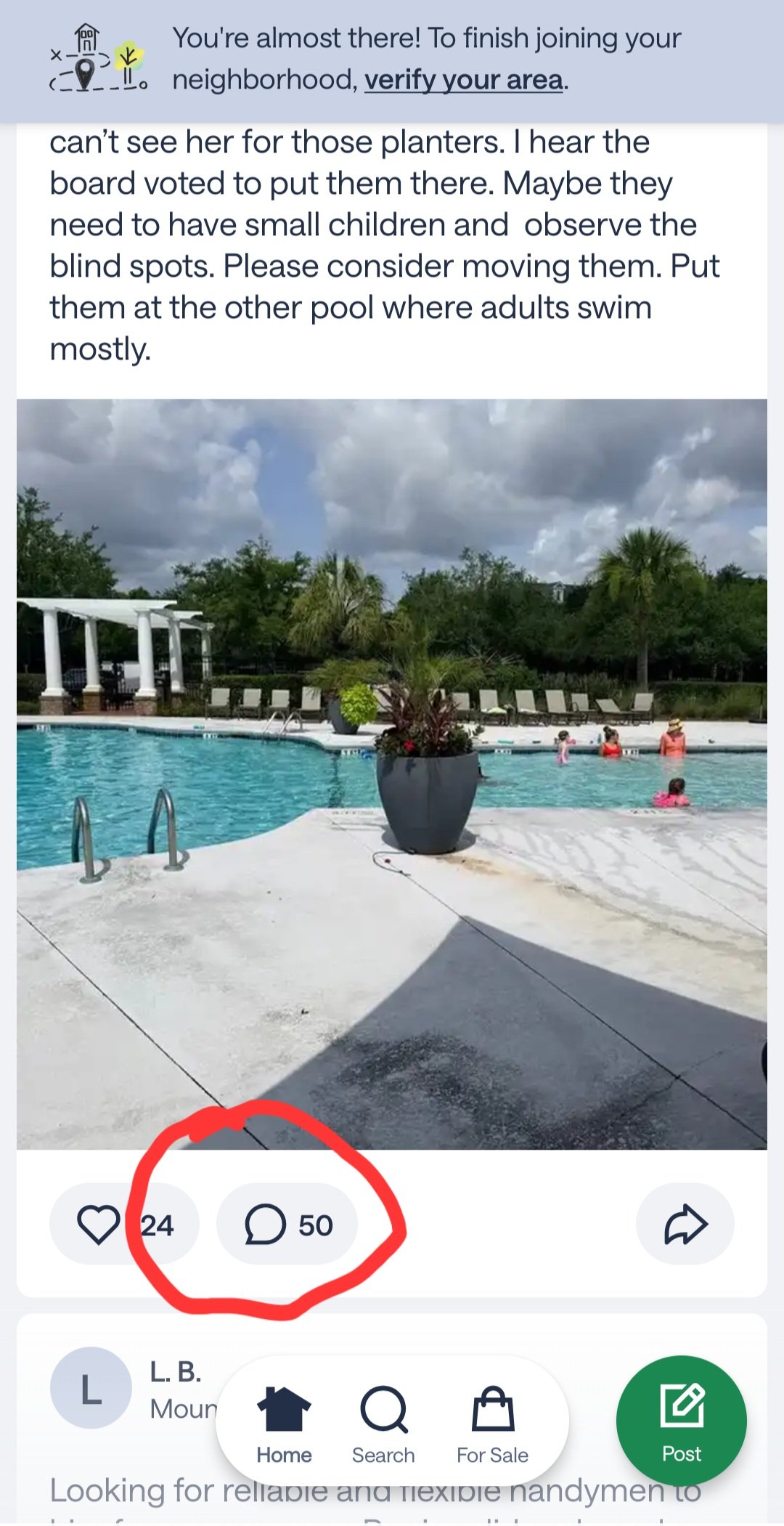
My Saturday Nextdoor Experiment: Conflict Still Wins
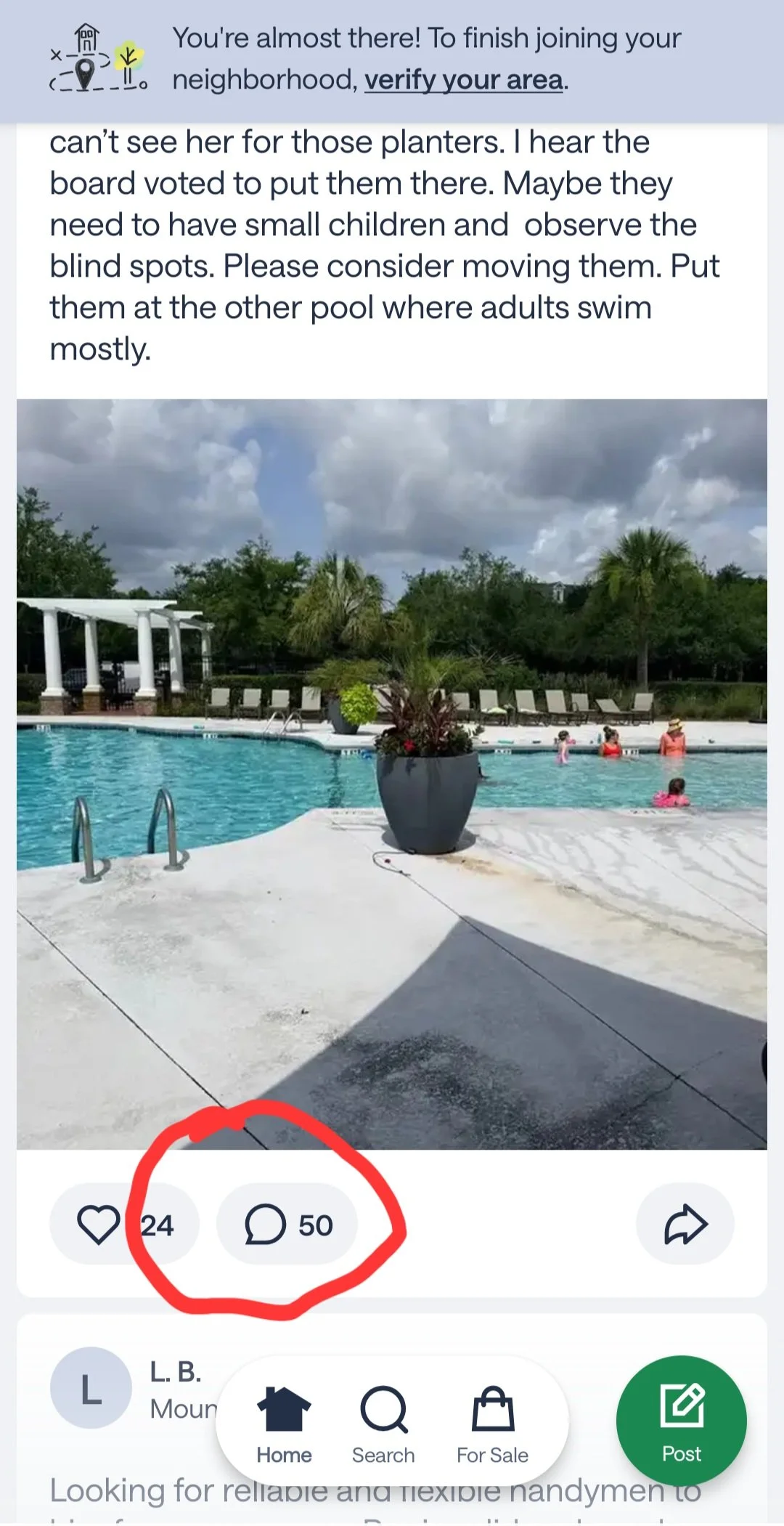
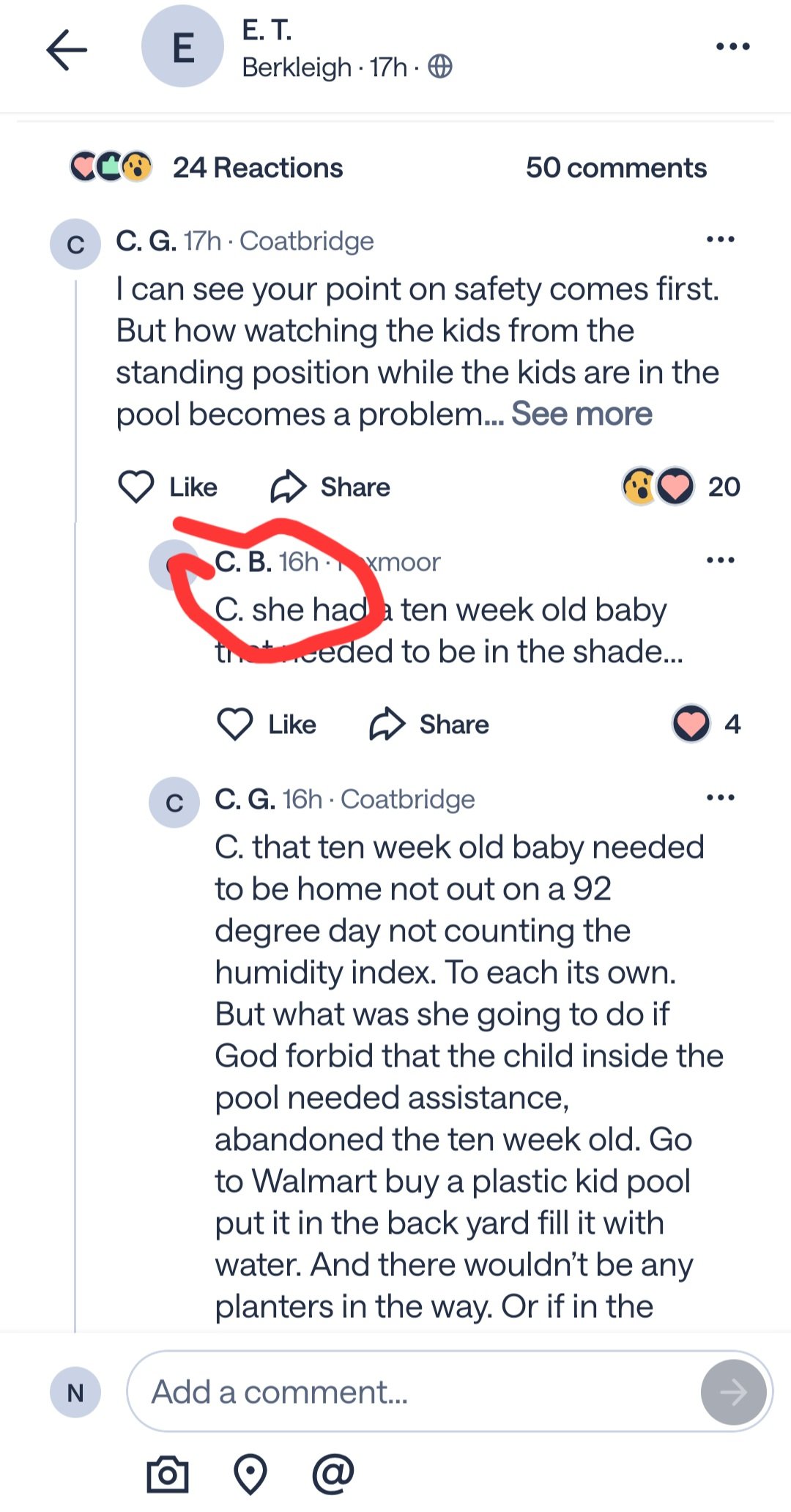
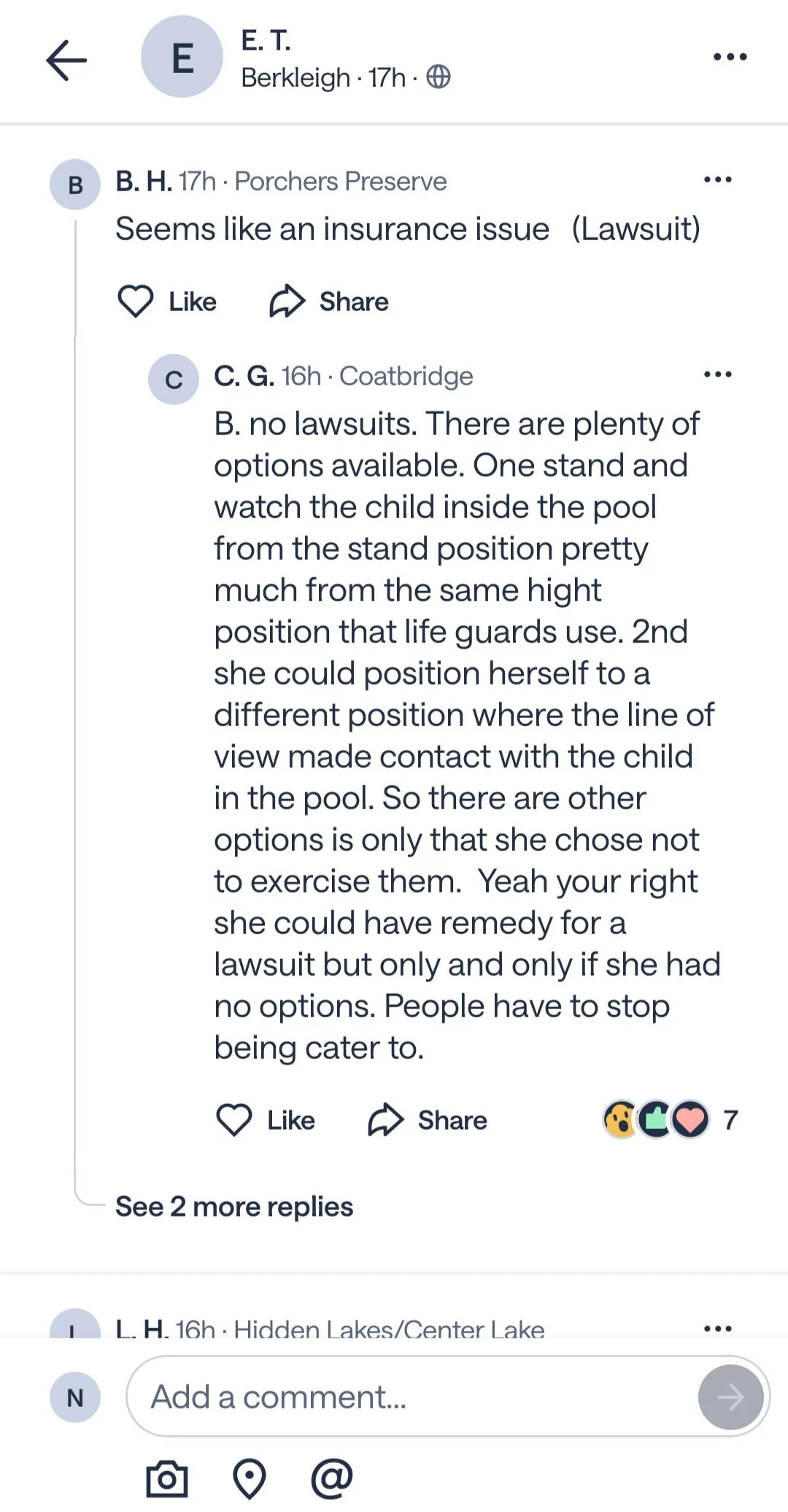
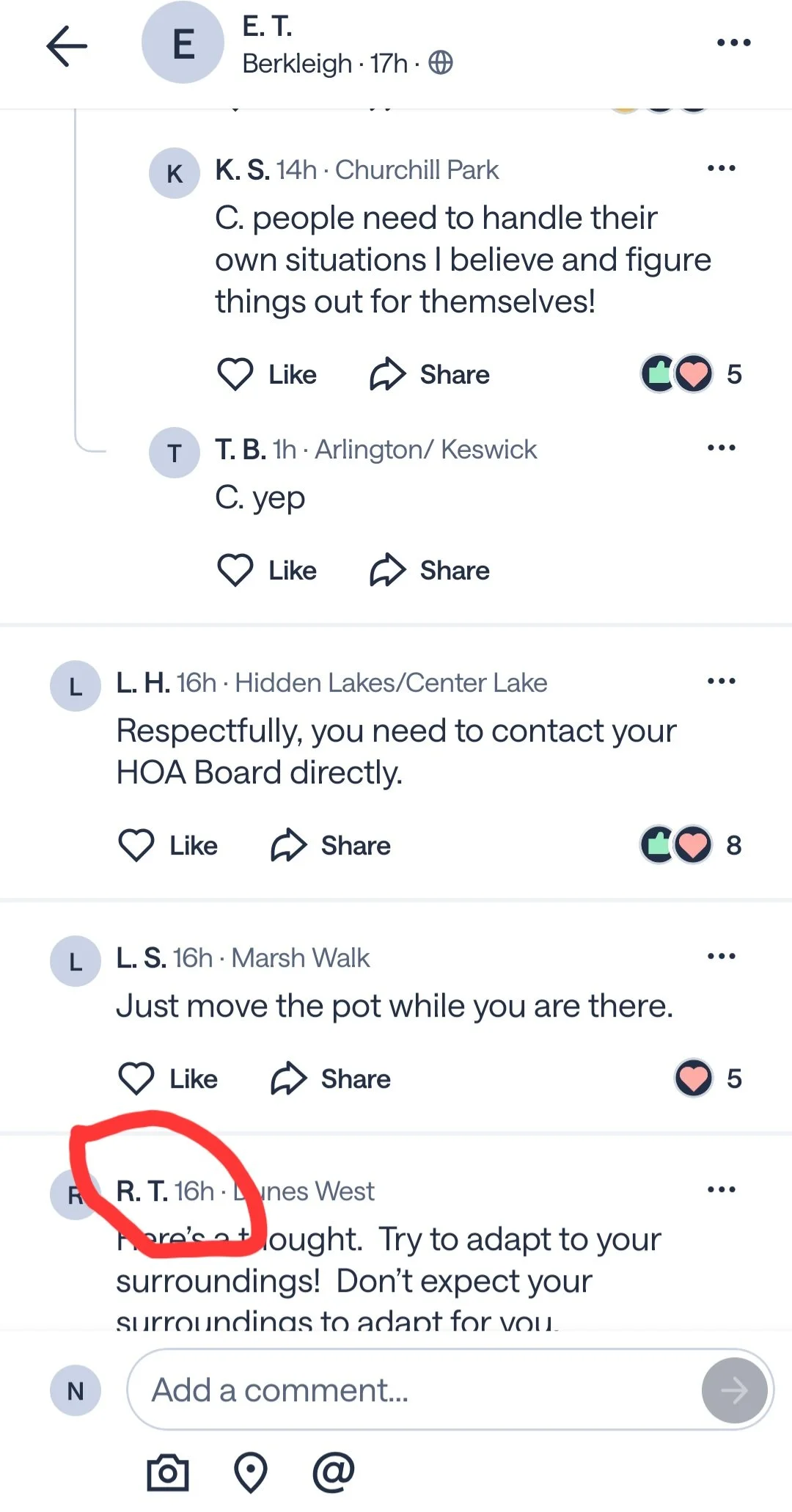
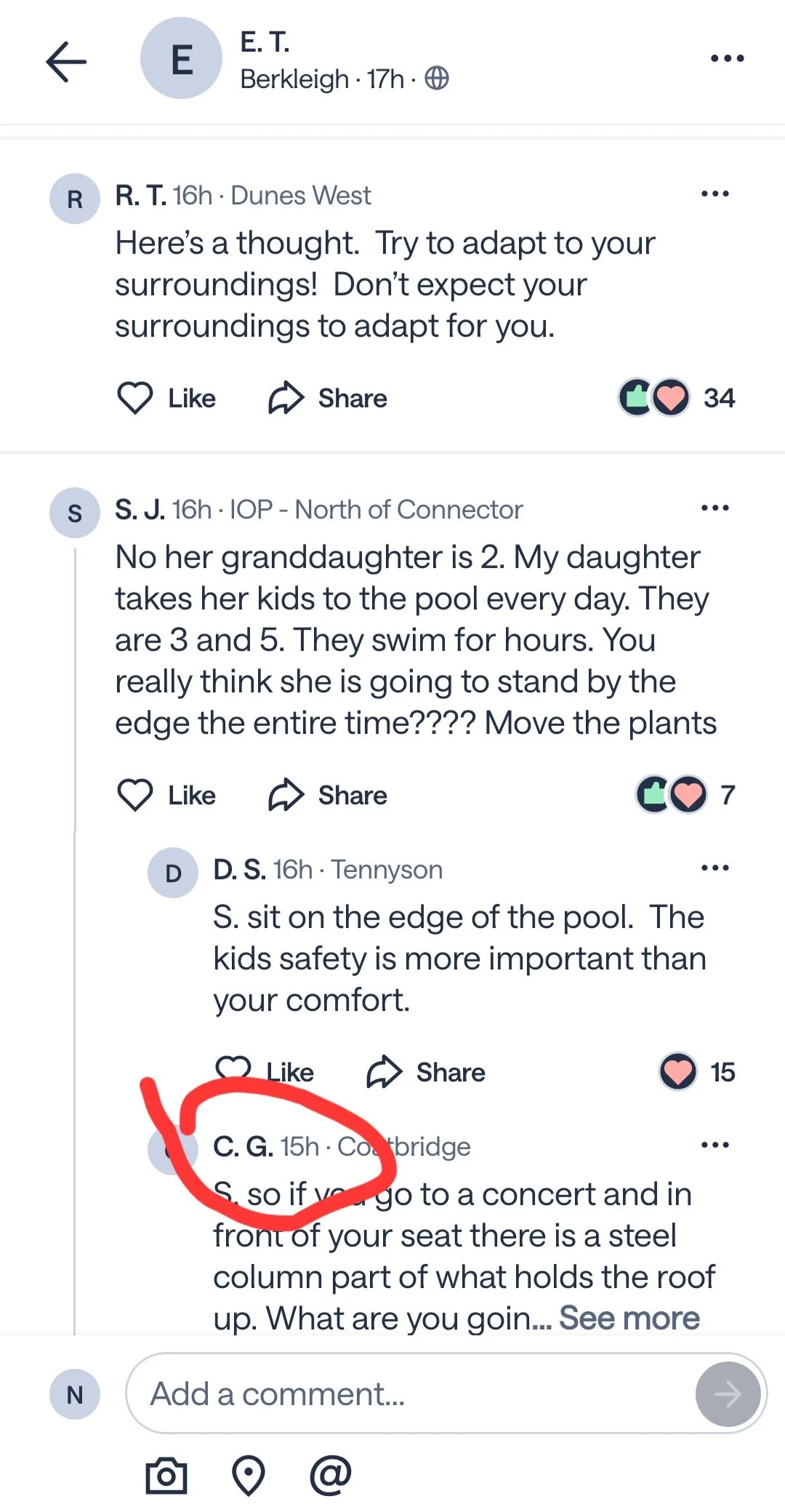
This morning, June 27, 2026, I continued my informal observation of conversations on Nextdoor in my local area.
What did I find?
A discussion that had grown to 50 comments, with the most recent activity occurring roughly 16 hours after it began. The conversation had long since shifted from the original topic into personal opinions and heated exchanges. I included examples because it wasn't just a couple of comments—it had become a lengthy thread.
To me, this raises a familiar question:
If AI is such a central part of Nextdoor's strategy, why isn't it being used more effectively to identify and de-escalate conversations that are clearly moving away from constructive neighborhood dialogue?
Instead, Nextdoor continues to rely heavily on its unpaid moderator model.
I've previously suggested alternatives, including a stronger quality-assurance process for moderation and AI tools that could detect when conversations are becoming increasingly hostile and flag them or temporarily pause them for review before they spiral further.
Whether or not leadership agrees with those ideas, they deserve discussion.
Instead, the moderation model remains largely unchanged.
If conflict consistently drives engagement, then perhaps the platform should acknowledge that reality and lean into it rather than continuing to market itself primarily as a platform for bringing neighbors together.
The contrast between that message and what I continue to observe is what keeps me asking questions.
Happy Saturday.
The conversation continues at NielFlamm.com—I'd love to hear your perspective.
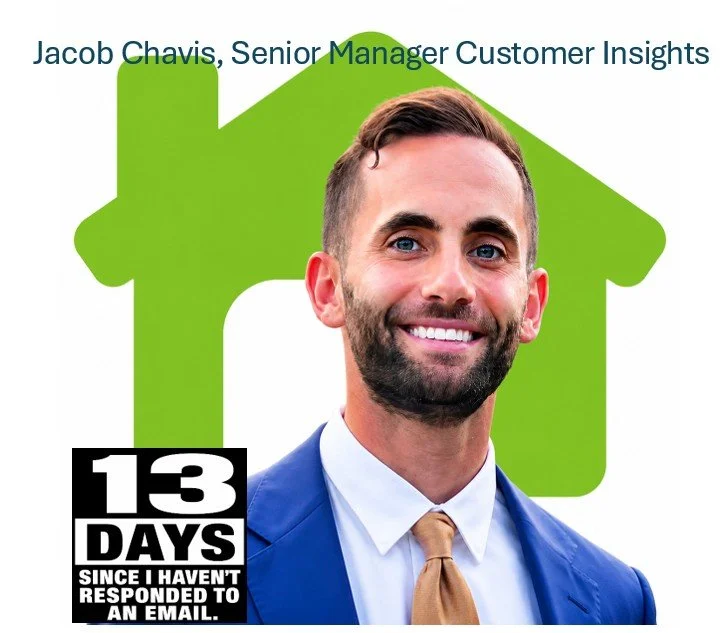
13 Days. No Study. No Response. No Accountability.
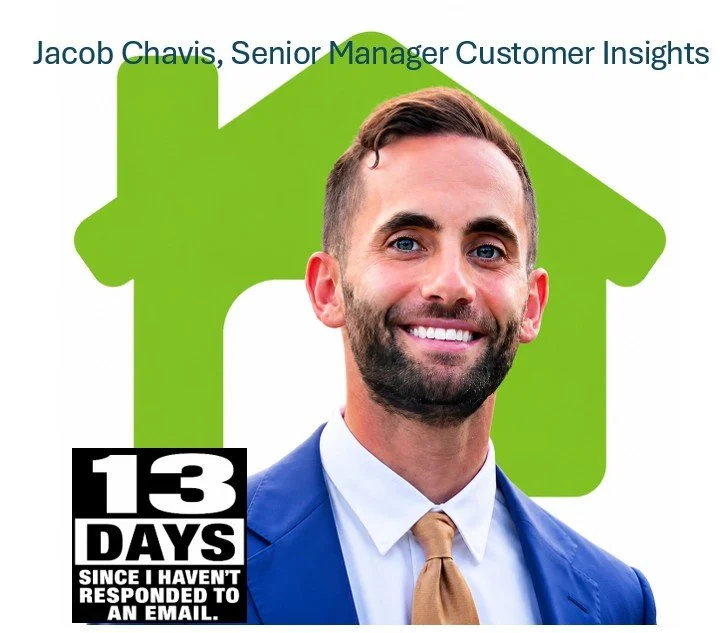
It's been 13 days since I requested the study referenced by Jacob Chavis, Senior Manager of Customer Insights at Nextdoor — and the silence is deafening.
To be clear, #NiravTolia and the C-Suite are aware of this request. They are aware of my pursuit of transparency. And they've made a choice — to say nothing.
Which raises a legitimate question: Does this study actually exist? Or was AI used to generate a news piece with a conveniently buried line inviting requests — banking on no one actually asking?
Here's what I know:
Jacob has blocked me on LinkedIn. His profile returns "doesn't exist" when I search for it. This mirrors Nirav Tolia's behavior exactly. The apple doesn't fall far from the tree.
From internet research outside of LinkedIn: Jacob is based in New York, attended the University of South Carolina and Columbia University, and began his career as an intern at the Public Defender Service for the District of Columbia—a meaningful start — one that implies a commitment to accountability and transparency.
Jacob, is Nextdoor the last company you plan to work for? Because factual, documented experiences posted publicly tend to follow professionals to their next landing spot.
To Nextdoor: you don't operate in a vacuum. I tag you across multiple platforms. And the pattern of blocking, ignoring, and hoping critics go away isn't a strategy — it's a liability.
Jacob, is this the hill you want to die on?
🔗 Full commentary and to join the discussion, go to NielFlamm.com/blog
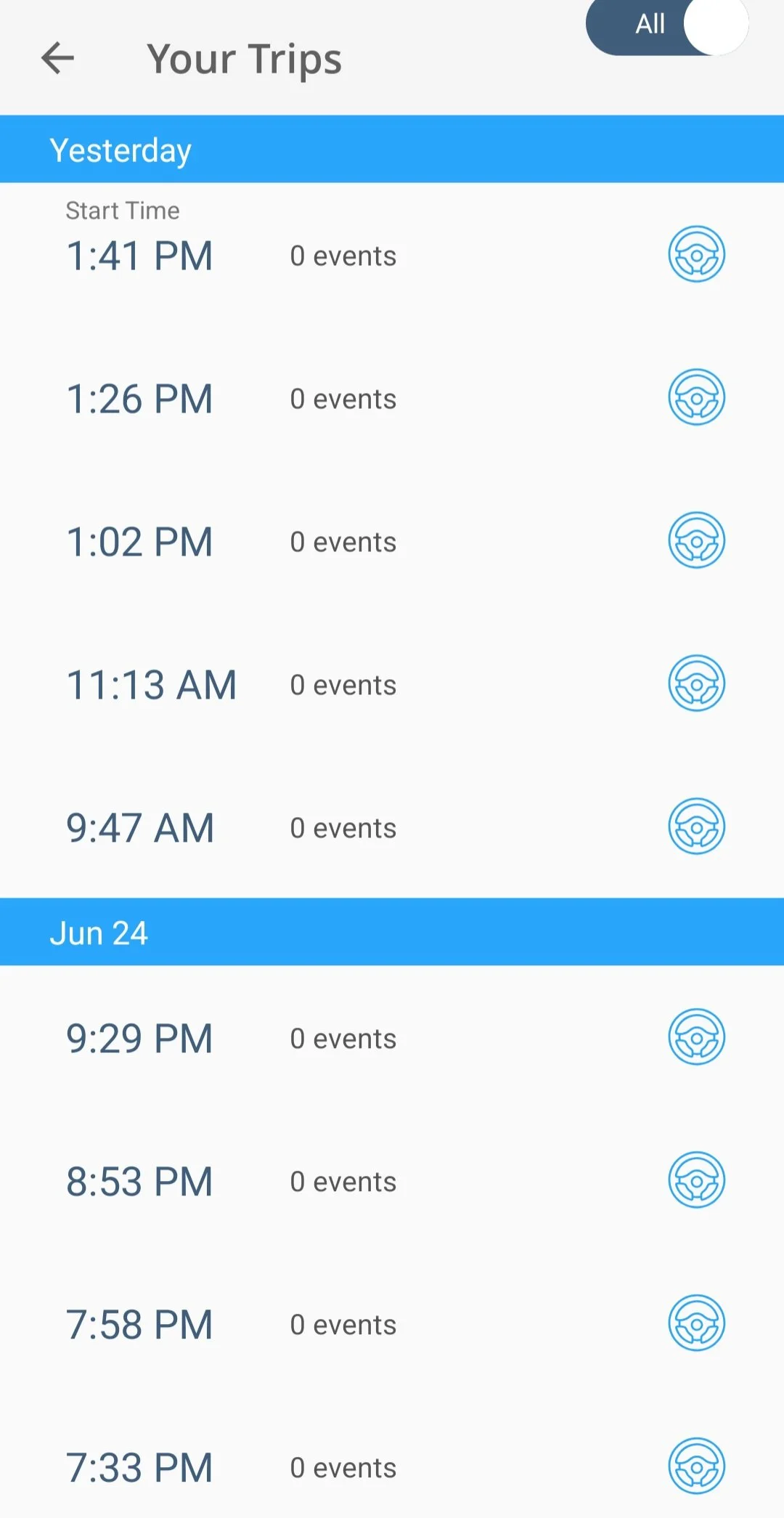
Progressive Snapshot Turned Safe Driving Into a Game… Now Let’s Level It Up! 🚗🎮
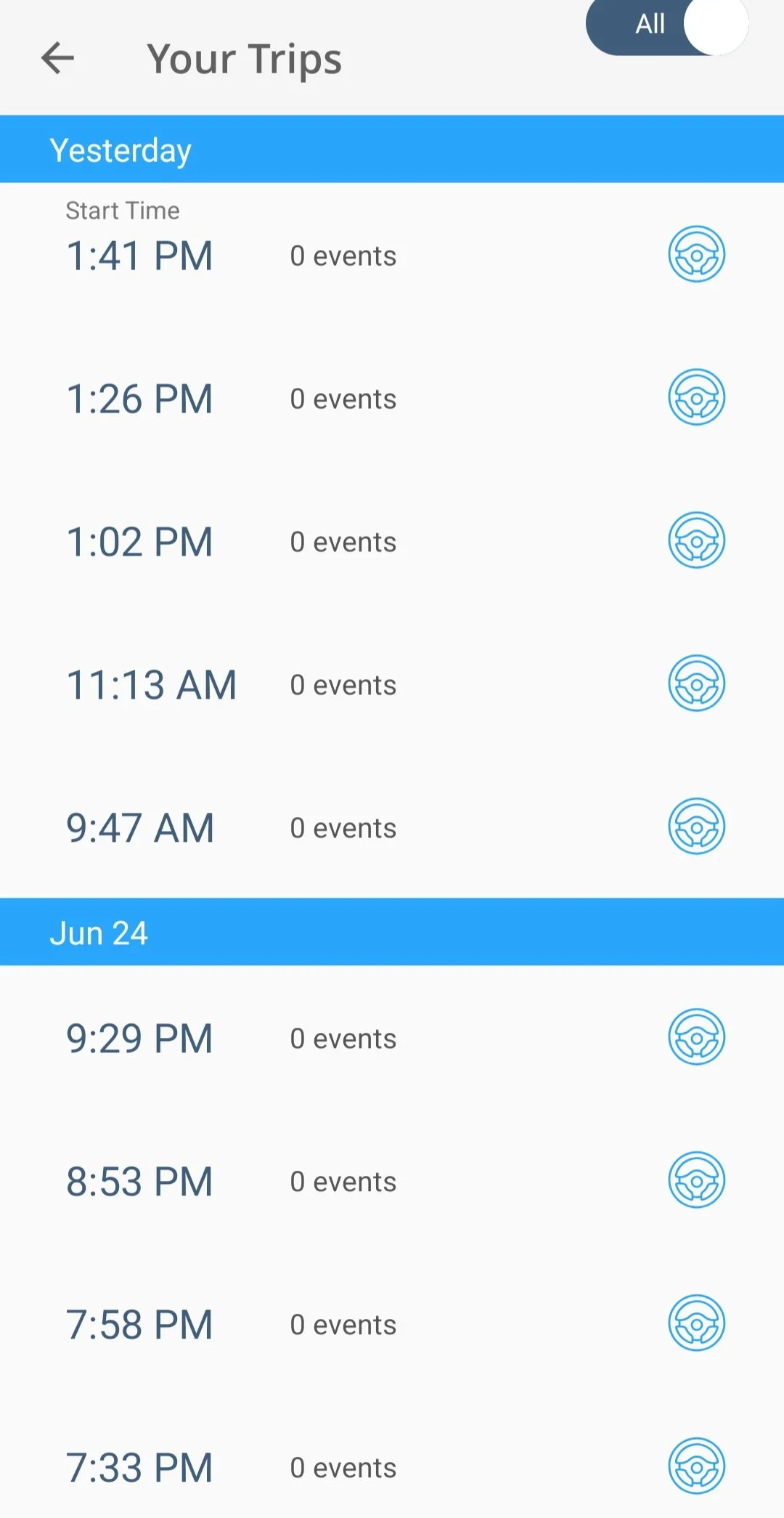
About a month ago, I called Progressive because my auto insurance had gone up about $60 a month. The explanation? “Inflation.” I wasn’t exactly thrilled.
I asked if there was any way to lower my premium without reducing my coverage.
The answer from the general customer service line?
“You can take an instructor-led, state-approved, eight-hour defensive driving course for about $125… and maybe your insurance will go down.”
Maybe?
No thanks.
I’ve already sat through a driving class once in my younger years because I was… let’s just say “an enthusiastic driver.” Once was enough.
So I started shopping around.
Then something interesting happened.
Apparently, the AI gods heard my frustration because I received an email from Progressive asking me to call a special number to discuss my policy.
I spoke with a fantastic representative who asked a few smart questions and introduced me to Progressive Snapshot.
Without changing my coverage, he reduced my premium by almost $200 per month.
That’s not Monopoly money.
That’s real movie money.
That’s dinner-out money.
That’s “I don’t feel quite as offended opening my insurance bill” money.
Then the game began…
Snapshot tracks driving habits through my phone and gives you feedback after every trip.
Did I accelerate too aggressively?
Did I brake smoothly?
Did I leave enough following distance?
Was I distracted by my phone?
Every trip gets scored.
Naturally, my Learning & Development brain immediately recognized what Progressive had built.
This isn’t just telematics.
It’s gamification.
I check my score after almost every drive.
Last week I was sitting at 2 Stars during the introductory period.
Today?
3 Stars.
My new goal?
5 Stars.
Progress.
Feedback.
Small wins.
Visible performance metrics.
Those are many of the same ingredients that make great Learning & Development programs successful. When learners can see progress and understand how to improve, engagement increases.
Apparently, the same thing happens with drivers.
But I have one suggestion…
Progressive—and every other insurance company—should consider rewarding the use of turn signals.
Seriously.
I see people driving every make and model imaginable.
Every age.
Every gender.
Every demographic.
One thing they often seem to have in common?
Apparently, they believe turn signals are an optional factory upgrade.
They’re not.
Using a turn signal before changing lanes or making a turn communicates intent to everyone around. If more drivers consistently signaled, I suspect we’d see fewer avoidable crashes and near misses.
I’d genuinely love to read a large, well-designed epidemiological study examining whether consistent turn signal use correlates with reduced collision rates.
(I’m looking in your direction, Nextdoor. Publish the full study if you do one.)
Since Snapshot already uses a smartphone rather than an OBD-II device for many drivers, future technology could recognize turn signal activation alongside other safe driving behaviors.
Imagine earning points for:
Using your turn signal consistently
Smooth lane changes
Safe following distance
Gentle braking
Staying off your phone
Now that’s a leaderboard I’d happily compete on.
Progressive, if you’re looking for ideas on how to gamify turn signal use, I’d be happy to consult.
And finally…
A friendly reminder to everyone:
Don’t forget to check your vehicle’s turn signals.
And while you’re at it…
Top off your blinker fluid.
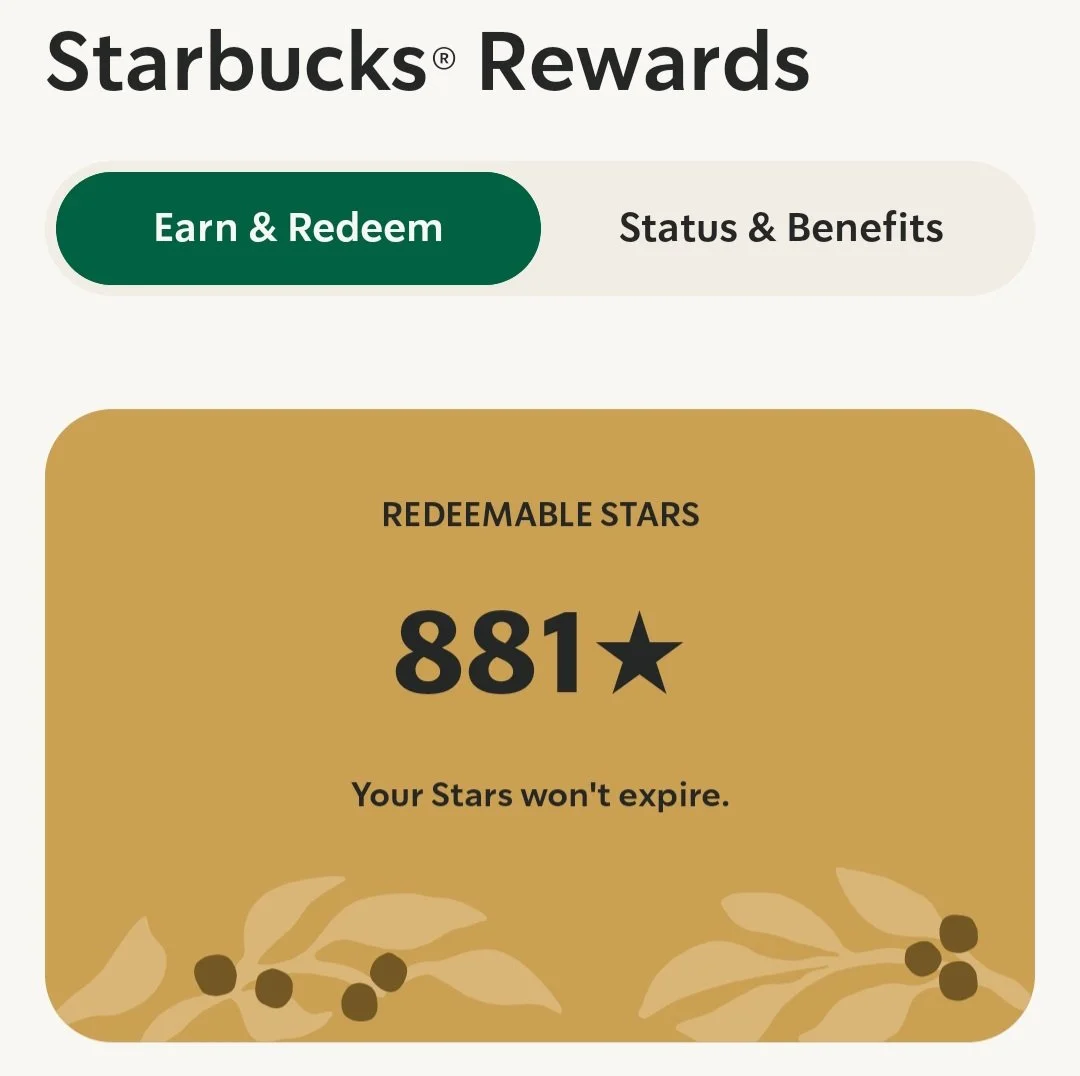
Mission Accomplished: I Finally Reached Starbucks Gold Status! ☕🏆
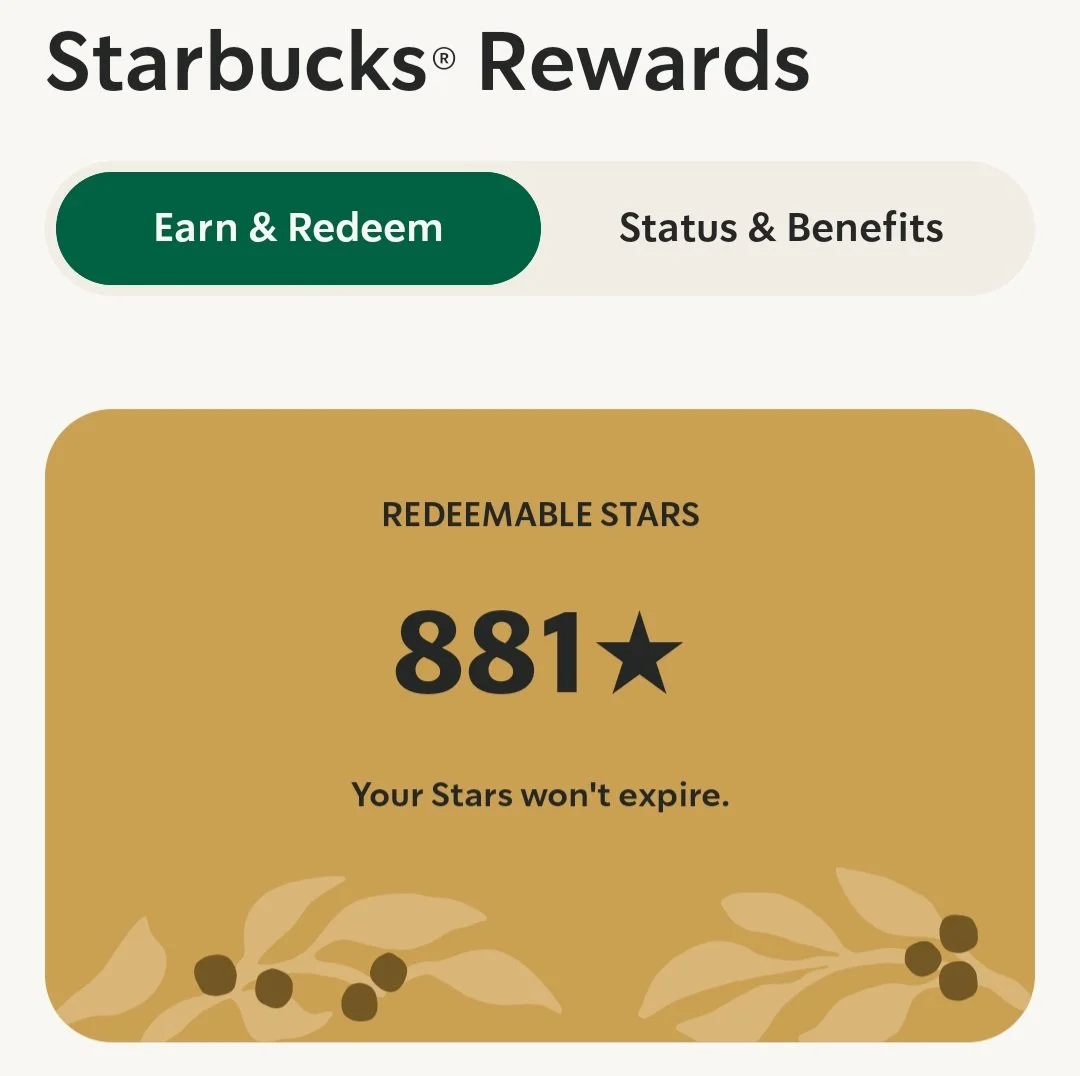
Today’s accomplishment may not earn me a Nobel Prize, but it does earn me something almost as exciting… a little more caffeine-powered prestige.
Today, I officially reached Starbucks Gold Status.
Yes, this is the kind of achievement that makes absolutely no difference to my résumé… but somehow feels incredibly important.
Some people chase marathons.
Some chase golf handicaps.
Apparently, I chase tiny digital stars.
To earn Gold Status, I had to collect 500 Starbucks Stars within a 12-month period. It sounds easy until you realize just how many early mornings, “I’ll just grab one coffee,” and “well… I might as well get the breakfast sandwich too” decisions it takes.
So what do I get?
Besides the satisfaction of watching my app glow a little brighter?
Gold members receive:
⭐ 1.2 Stars for every eligible dollar spent
🎂 Seven days to redeem your birthday treat instead of just one
⭐ Stars that don’t expire while you maintain Gold
☕ Additional Double Star Days throughout the year
🎉 Access to Gold-level offers and promotions
Of course, Starbucks knew exactly what they were doing.
The moment I reached Gold, the app basically looked at me and whispered…
“That’s cute… now go earn Reserve.”
Reserve Status is the next mountain to climb.
To reach it, I’ll need to earn 2,500 Stars in a 12-month period while maintaining Gold. Reserve members earn Stars even faster, receive a 30-day birthday reward window, additional Double Star Days, a personalized Reserve card, access to exclusive merchandise, and even special coffee experiences.
Now, before anyone starts doing math…
No, I’m not drinking enough coffee to keep the entire state awake.
I simply enjoy the occasional coffee, strategically take advantage of bonus Star promotions, and—let’s be honest—I probably spend more time looking at the Starbucks app than I should.
It’s amazing how a loyalty program can turn otherwise responsible adults into people who proudly announce:
“Only 37 more Stars until my next free drink!”
For now, I’ll celebrate this victory one sip at a time.
Will I eventually make it to Reserve?
Probably.
Will Starbucks continue convincing me that another iced coffee is somehow an investment in my future?
Almost certainly.
Now, if you’ll excuse me, I have some Stars to earn.