
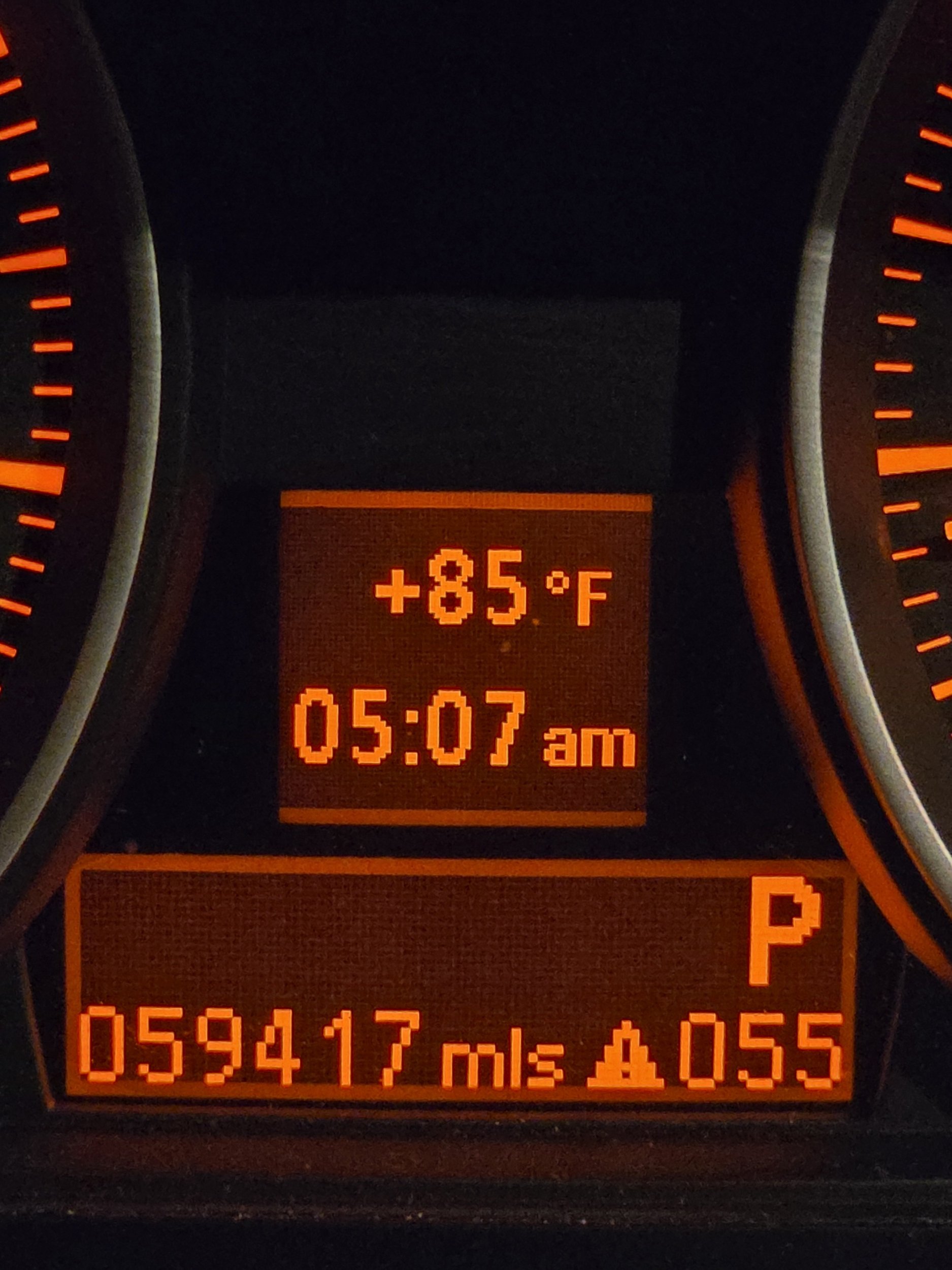
I don't like saunas
This early in the morning with 91% humidity and a 79 degree dew point.
Welcome to the Low Country.

🎬 The Devil Wears Prada 2 Review Is Up — Fashion, Drama & More Internet Garbage

The fashion world is back, and so am I with another completely necessary contribution to the endless world of internet scrolling.
I watched The Devil Wears Prada 2 and shared my thoughts on where the story goes, the characters returning after all these years, and whether stepping back into the world of Runway was worth it.
Was it fabulous? Was it a fashion disaster? Or somewhere in between?
You’ll have to watch and find out.
Head over to https://NielFlamm.com/videos to watch the full review, along with other movie reviews and random internet garbage.
Join the discussion — agree, disagree, or tell me what I should watch next.
If the Ads Are There, Where Are the Profits?
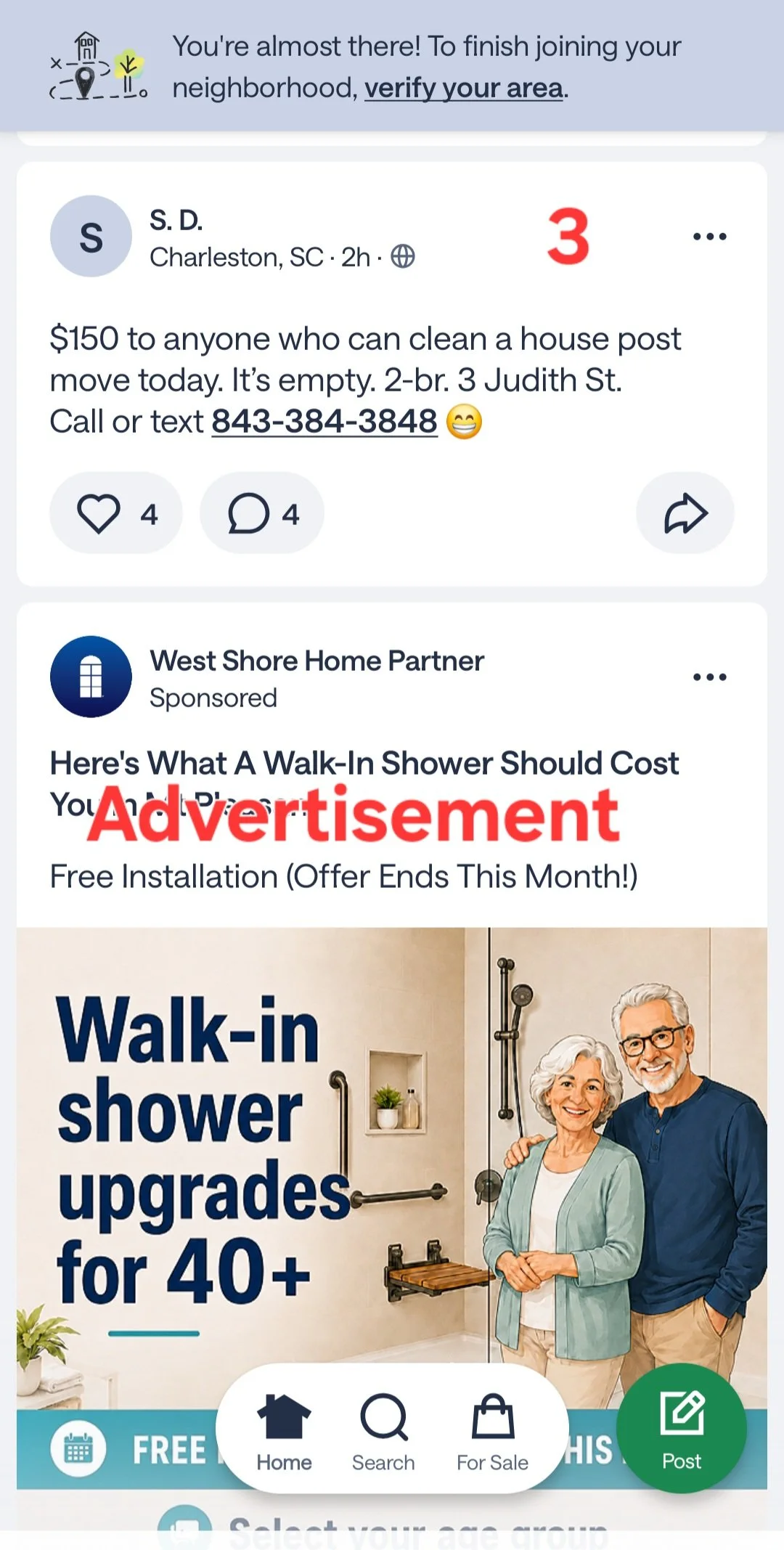
My Nextdoor experiment continues.
This time I wanted to look at something simple:
How quickly does a user see a paid advertisement?
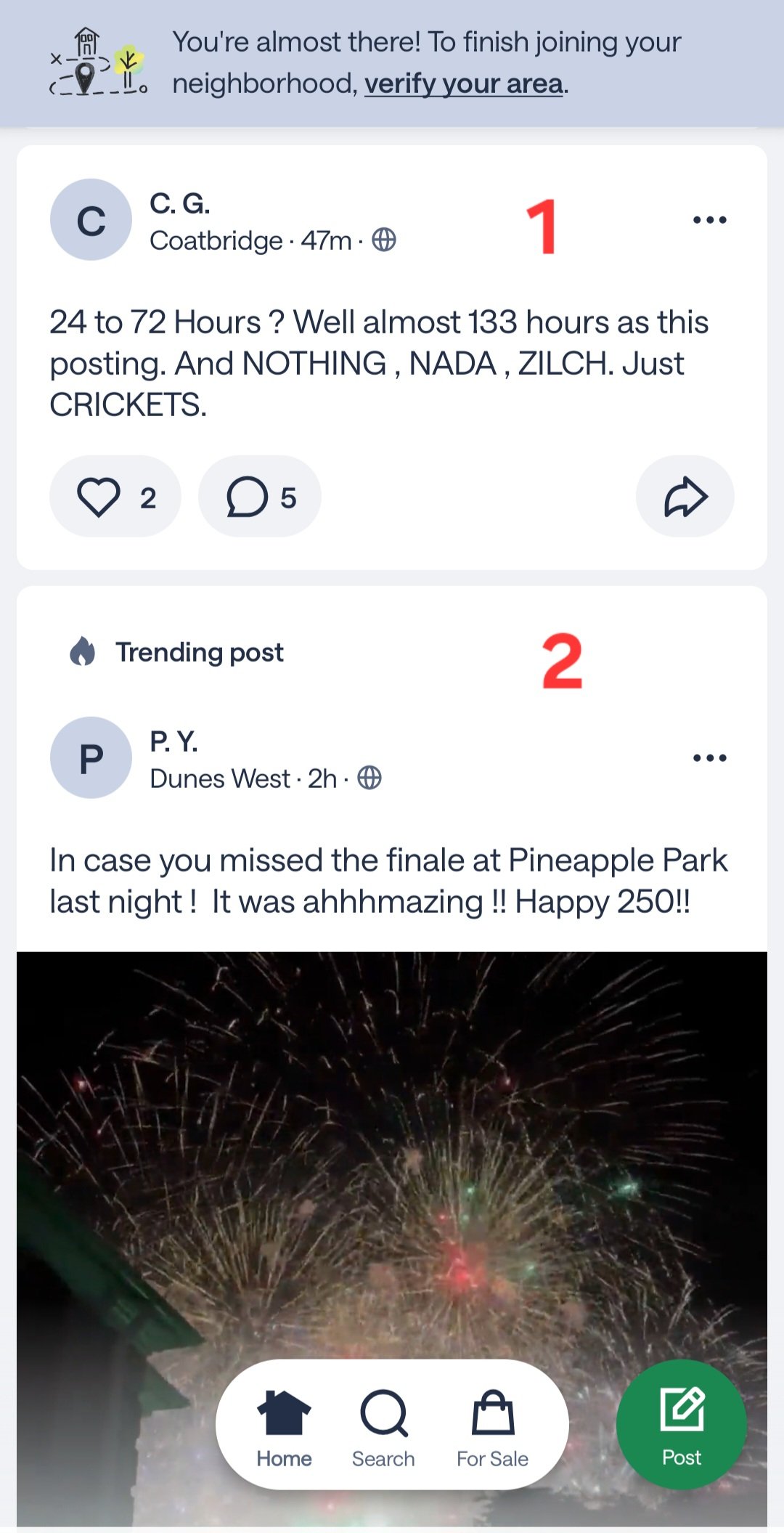
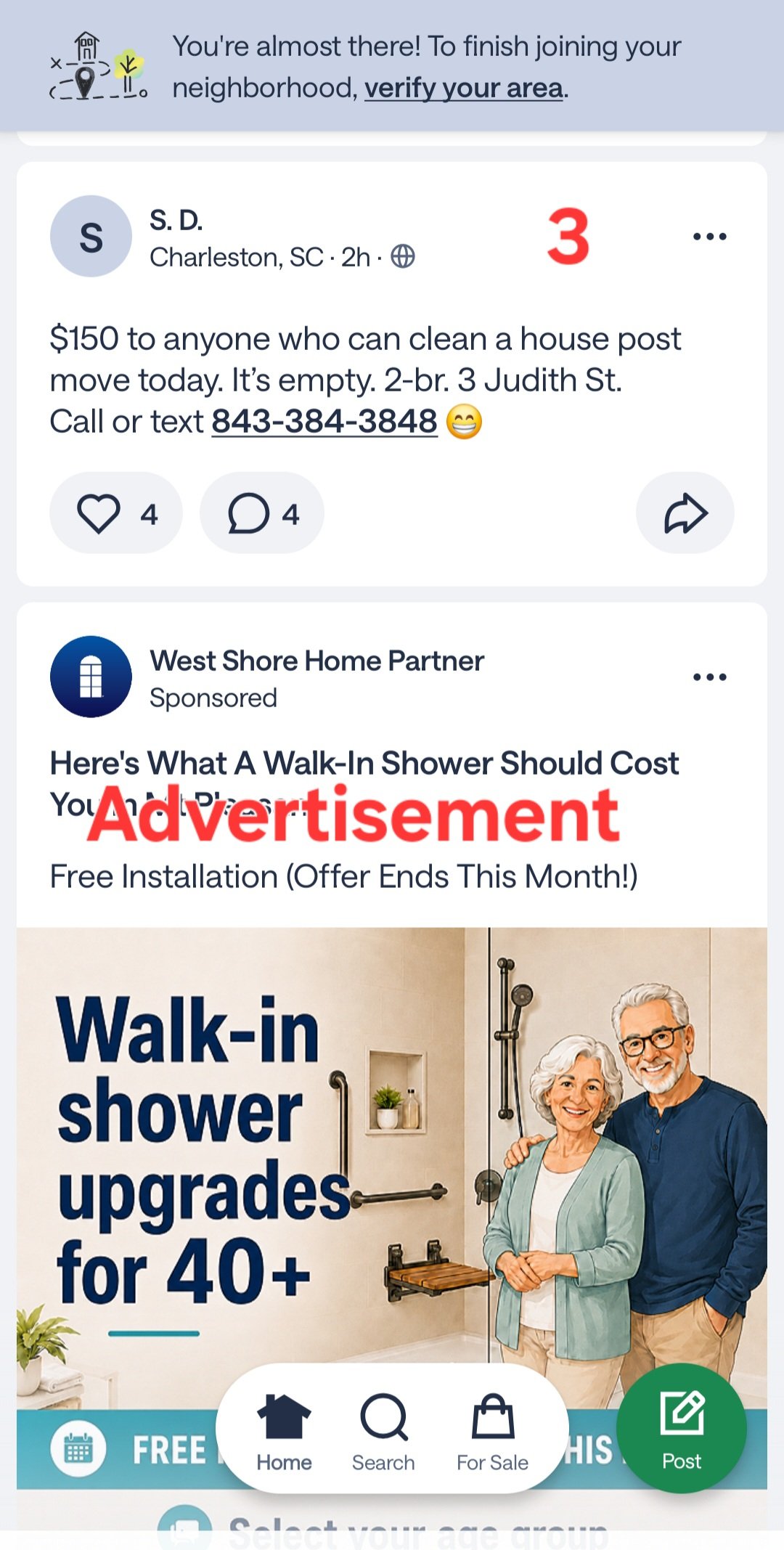
While scrolling through the app, I counted.
That’s it.
After only three neighbor posts, I was served a nationally sponsored advertisement. Not a local small business promoting a neighborhood service—a national advertiser.
So I kept testing.
More scrolling.
Same result.
Approximately three posts, then another sponsored placement.
That got me thinking about the bigger business question.
Nextdoor highlights statistics such as over 100 million neighbors, tens of millions of active users, and significant household reach.
With that kind of audience, and advertisements appearing that frequently in the user experience, I keep coming back to the same question as a shareholder:
How is Nextdoor still struggling to reach sustained profitability?
Where is the revenue going?
A social platform can always increase ad load—but is moving toward more ads really the answer for users?
A 1:1 ratio of posts to advertisements?
Fantastic user experience.
(Yes, that’s sarcasm.)
The challenge, in my opinion, isn’t simply adding more advertisements.
It’s leadership, execution, capital allocation, and turning engagement into a sustainable business model.
At the end of the day, the CEO is responsible for results.
Nirav Tolia owns the strategy, and shareholders should evaluate the outcome.
The question isn’t whether Nextdoor has an audience.
The question is whether the current leadership approach is converting that audience into long-term value.
Join the discussion at NielFlamm.com.
Is It Time to Rethink the Automotive Franchise Model?
I was thinking about the automotive franchise model and how dealerships under the same manufacturer compete against each other.
When you look around, there are other industries with similar franchise or dealer distribution models: heavy equipment, manufactured homes, commercial trucks, recreational vehicles, business-to-business equipment, tools, and office equipment.
Then I started thinking about traditional franchises like McDonald’s, Subway, and Chick-fil-A. Corporate may allow locations to have overlapping or fuzzy territory boundaries, but you typically don’t see one location dramatically undercutting another location selling the exact same product.
Automotive retail has operated differently for decades.
A customer can shop multiple dealerships selling the exact same vehicle from the exact same manufacturer and receive different pricing, incentives, fees, and experiences. Dealerships are not just competing against other brands — they are competing against their own brand family.
Part of why this structure continues is dealer protection laws. These laws were originally designed to protect independent businesses from powerful manufacturers, preventing automakers from simply replacing dealers after they invested millions into facilities, employees, and communities.
That purpose made sense.
But the question today is whether those same protections are also slowing innovation and preventing a more customer-focused purchasing experience.
Look at the complexity of a lemon law buyback situation. The customer bought the vehicle from the dealer. The manufacturer built the vehicle. The dealer performs warranty repairs. The manufacturer ultimately controls many of the decisions. The customer is stuck navigating the middle.
Who owns the problem?
The customer shouldn’t have to figure that out.
If automotive manufacturers moved toward a direct-to-consumer model, what could change?
• More consistent pricing
• Stronger margin control
• Better production and inventory planning
• Less dependence on end-of-month quotas and incentives
• Clearer ownership of customer issues
• A simpler process when something goes wrong
Dealerships have created thousands of successful businesses, jobs, and community relationships. Many provide outstanding service.
But purchasing a vehicle is one of the largest financial decisions people make, and the process should be designed around the customer first.
The future of automotive retail may not be about protecting how things have always been done.
It may be about building a better way forward.
Day 21: AI Talk vs. AI Execution
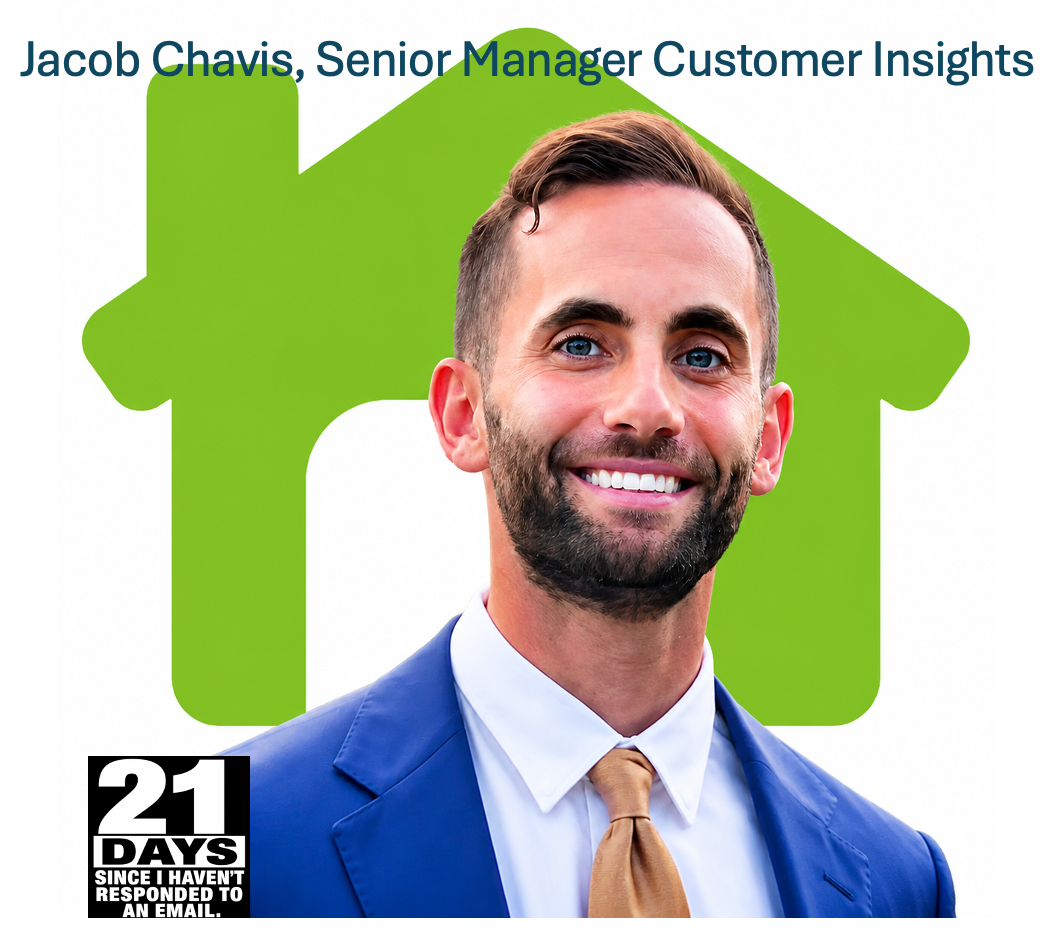
Today marks 21 days since I requested the report referenced on blog.nextdoor.com, in which Jacob Chavis of Nextdoor (jchavis@nextdoor.com) was listed as the contact for the full study.
Why did I request it?
Simple.
I wanted to understand the details behind the research:
What methodology was used?
What was the sample size?
What demographics were represented?
How was the data collected?
Basically, is this a meaningful research study or more of a FAMILY FEUD survey board?
It’s now been three weeks.
I’ll give some grace—it is Sunday, the weekend, and right after celebrating the 250th birthday of the United States of America.
However, throughout my career, as a manager and even before moving into leadership roles, responsiveness mattered. I monitored communication through company tools and responded when something required attention.
Now, compare that experience with one I recently had.
I use the Dexcom Stelo CGM to monitor my blood glucose levels. Since I’m not insulin dependent, I don’t qualify for a traditional Dexcom CGM under my UnitedHealthcare requirements, but Stelo helps me manage important health information.
Recently, my sensor session ended 8 days early.
That matters because consistent monitoring helps me understand if my glucose is trending too high or too low.
I had just received my regularly scheduled replacement, so I was able to swap sensors—but that meant I would eventually be short.
What happened next?
I used the Stelo chatbot.
It asked questions.
Created the incident.
Guided me through the process.
I filled out the required information.
Less than 24 hours later, a replacement CGM was on the way.
That made me think:
Why isn’t Nextdoor using AI like this?
A real-time AI assistant could help with:
Neighbors experience issues.
Moderation questions.
Suspension appeals.
Advertiser concerns.
Basic customer support.
Nirav Tolia frequently discusses AI as part of Nextdoor’s future.
The question I continue asking is:
Where is the execution that directly improves the user experience?
Talking about AI is easy.
Implementing AI where customers actually feel the impact is the difference.
Read more and join the discussion at NielFlamm.com