
When a Positive Story Takes an Unexpected Turn
My Nextdoor experiment continues.
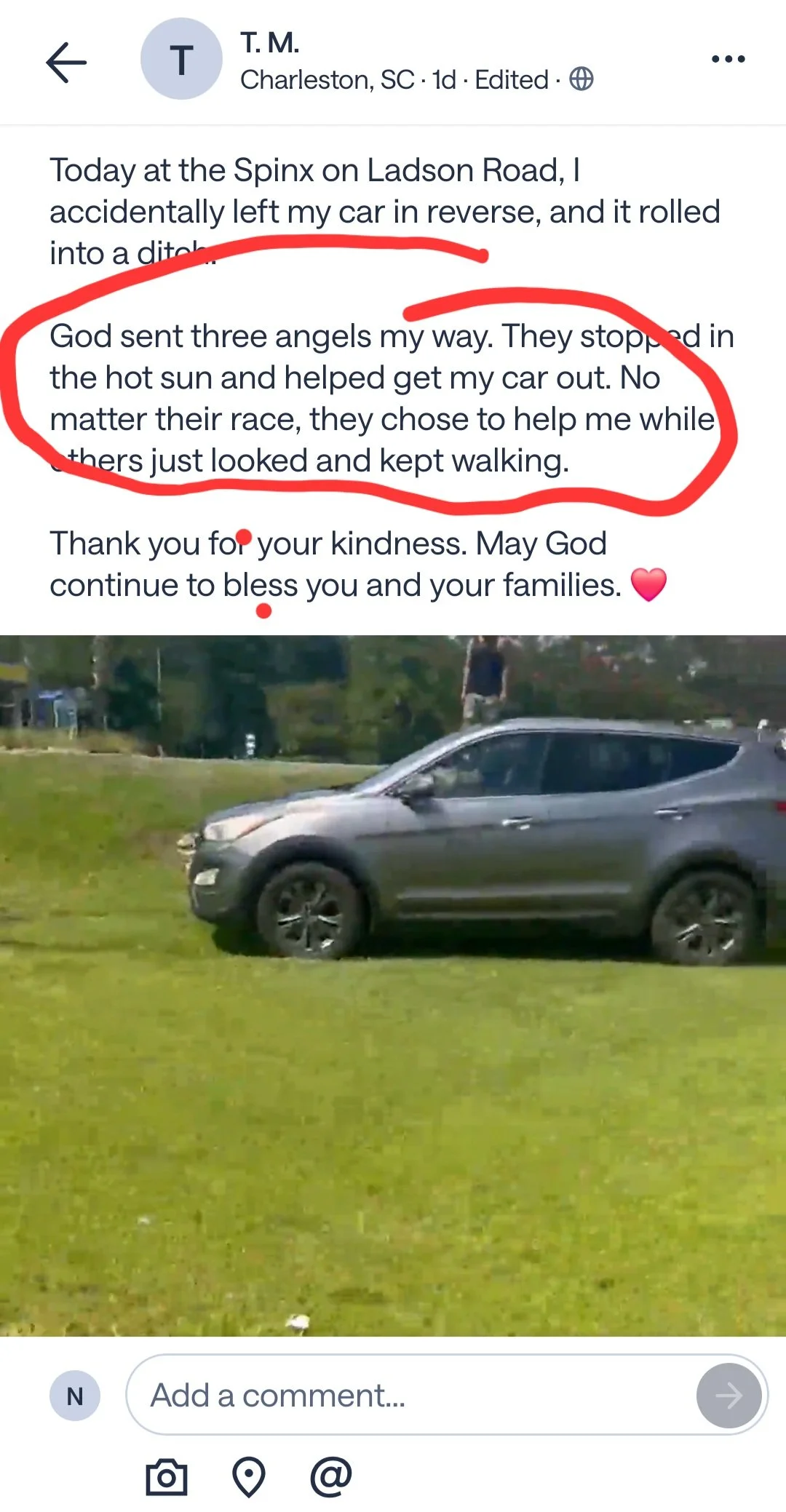
I recently came across a post that started as something inspirational and neighborly.
A neighbor made a simple mistake — accidentally leaving their vehicle in reverse — which resulted in the vehicle ending up in a ditch. Thankfully, people stepped in to help.
A great community moment.
Then the conversation shifted.
Race was introduced into the discussion, and the tone changed. To me, it had a similar feeling to the phrase:
"Some of my friends are ________."
Insert any race, background, or group.
That led other neighbors to question why race needed to be mentioned at all.
This is exactly where I believe technology could improve the experience.
If Nirav Tolia and Nextdoor are serious about AI being central to the company's future, why not use it where users actually experience the platform every day?
AI could identify potentially sensitive language, provide a pause before posting, or route questionable content for review.
Not censorship.
A moment of reflection.
A chance to ask:
"Does this detail add value to the conversation?"
My suggestion remains the same:
- Better AI-assisted moderation tools.
- Consistent standards across neighborhoods.
- Nextdoor-sponsored moderator training.
- A true QA program with coaching and calibration. See Karen Romero immediately!
- Investment in the user experience.
In my opinion as a shareholder, those investments could create more value than expanding corporate office space with the Dallas Nextdoor annex.
The goal should be simple:
Create a platform where neighbors connect without unnecessary division.
Join the discussion on NielFlamm.com.
#Nextdoor #NXDR #ArtificialIntelligence #Leadership #ContentModeration #CustomerExperience #Community #Transparency #QualityAssurance #CorporateGovernance #niravtolia
When Did You Stop Caring? The Little Things Are the Big Things
Over the past few days, I’ve been getting food to go for Mom and me while she’s been at Novant Health (formerly East Cooper Medical Center).
Why?
Because hospital food is… well… hospital food. 😬
I used to tell my parents this when they visited me during my hospital stays in 2023 and 2024. Now Mom understands.
My brothers and I have been bringing her things she actually wants to eat — breakfast, sushi, snacks, seltzer, and anything that makes a hospital stay a little more comfortable.
I’m a big believer in ordering ahead. Use the app, time the drive, walk in, grab the order, and get back.
I’m also a believer in tipping.
Food service and hospitality workers work hard. They deal with people all day. Many are underpaid. If the service is great — tip. If the service is average, I still tip.
But tipping before receiving the service? I’m starting to rethink that.
Here’s why.
Thursday 7/2/26 — Big Bad Breakfast, Mount Pleasant
I ordered Mom an omelet and pancakes for myself. I picked it up, asked the person handing me the bag:
“Are utensils in the bag?”
Answer: “Yes.”
I get back to the hospital.
No utensils.
I start searching the hospital, trying to find some. Mom is so hungry that she eats part of the omelet by hand.
Yes — I should have checked. That’s on me.
But I also specifically asked.
Tip: $4.84
I emailed the restaurant’s general manager.
No response.
Today, July 4th — Chipotle Mexican Grill
I ordered two Sofritas bowls. Mom has never had Chipotle Mexican Grill, and I thought the Sofritas would be easier for her to eat.
I ordered ingredients on the side and labeled the bowls so we’d know whose was whose.
I arrive at the hospital:
• Lids weren’t secure, causing spills
• Bowls weren’t labeled
• Black beans were missing
Tip: $3.14
I tried contacting Chipotle Mexican Grill support and met “Pepper,” the chatbot wall that didn’t solve the issue.
So what did I do?
I disputed the tip amounts.
Not the food.
The tips.
Because tipping is supposed to recognize service.
The dollar amount isn’t the point.
The principle is.
I tolerate what I allow — and I’m not allowing this.
Small details matter.
A fork matters when someone is sitting in a hospital room hungry.
A secured lid matters.
Checking an order matters.
Follow-through matters.
So I’ll ask the question from Natalie Beckerman’s best sellerbook:
“When Did You Stop Caring?”
Chipotle?
Because the little things tell customers everything.
Join the discussion on NielFlamm.com
Dialysis Isn’t Just the “Hangover”
When people ask me what dialysis feels like, I often compare it to having a hangover.
Now, before anyone gets confused, I haven’t had an alcoholic beverage in more than 17 years. Recovery has been one of the greatest gifts of my life. But I do remember what a hangover felt like, and it’s one of the closest comparisons I can make.
That foggy feeling.
The fatigue.
The lack of energy.
The difficulty concentrating.
The feeling that my body just isn’t operating at 100%.
For me, dialysis can produce many of those same sensations. It’s as if someone hit the reset button on your body, but the operating system takes hours to fully boot back up.
But there are other reminders of dialysis that don’t get talked about nearly as often.
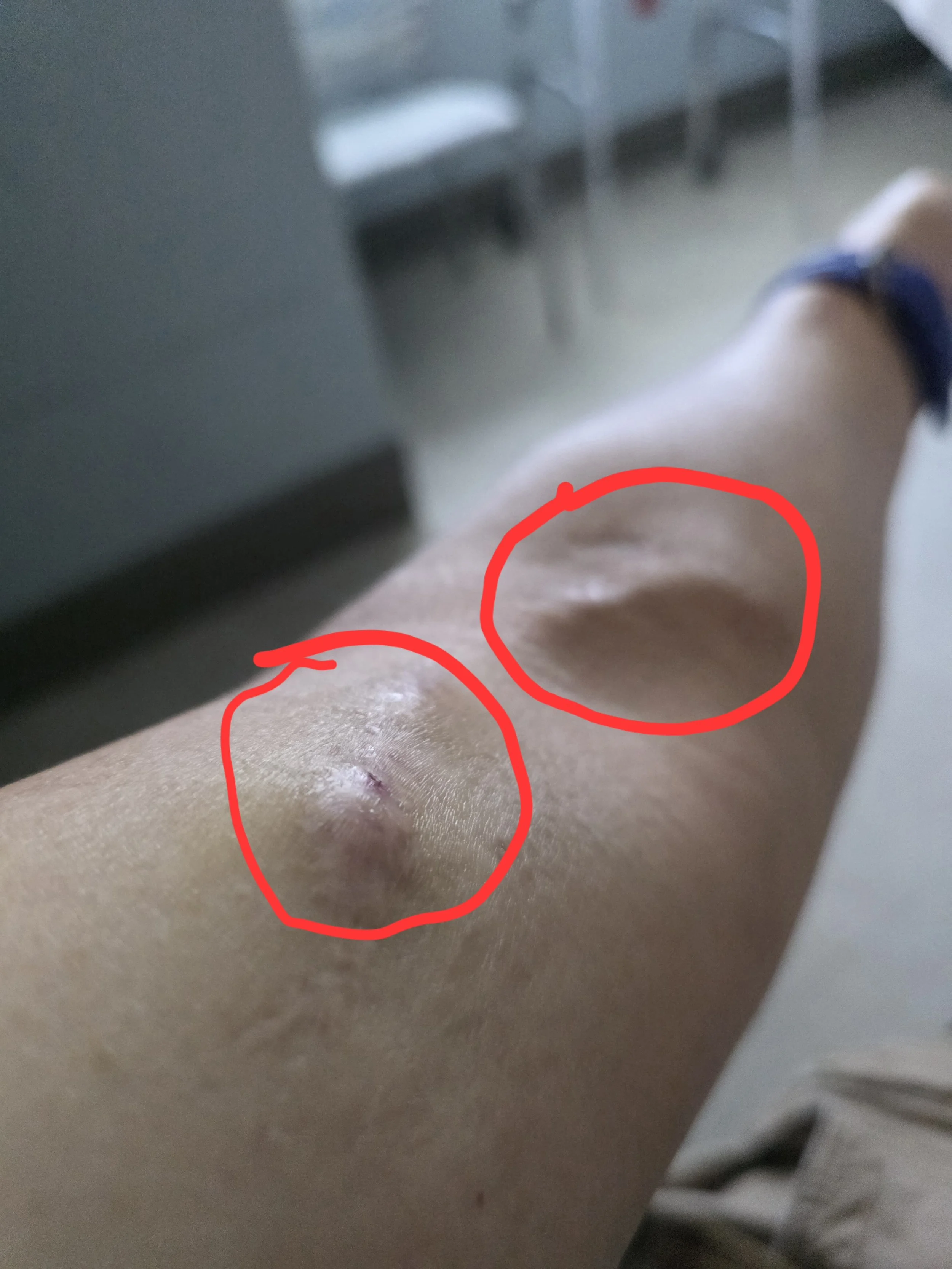
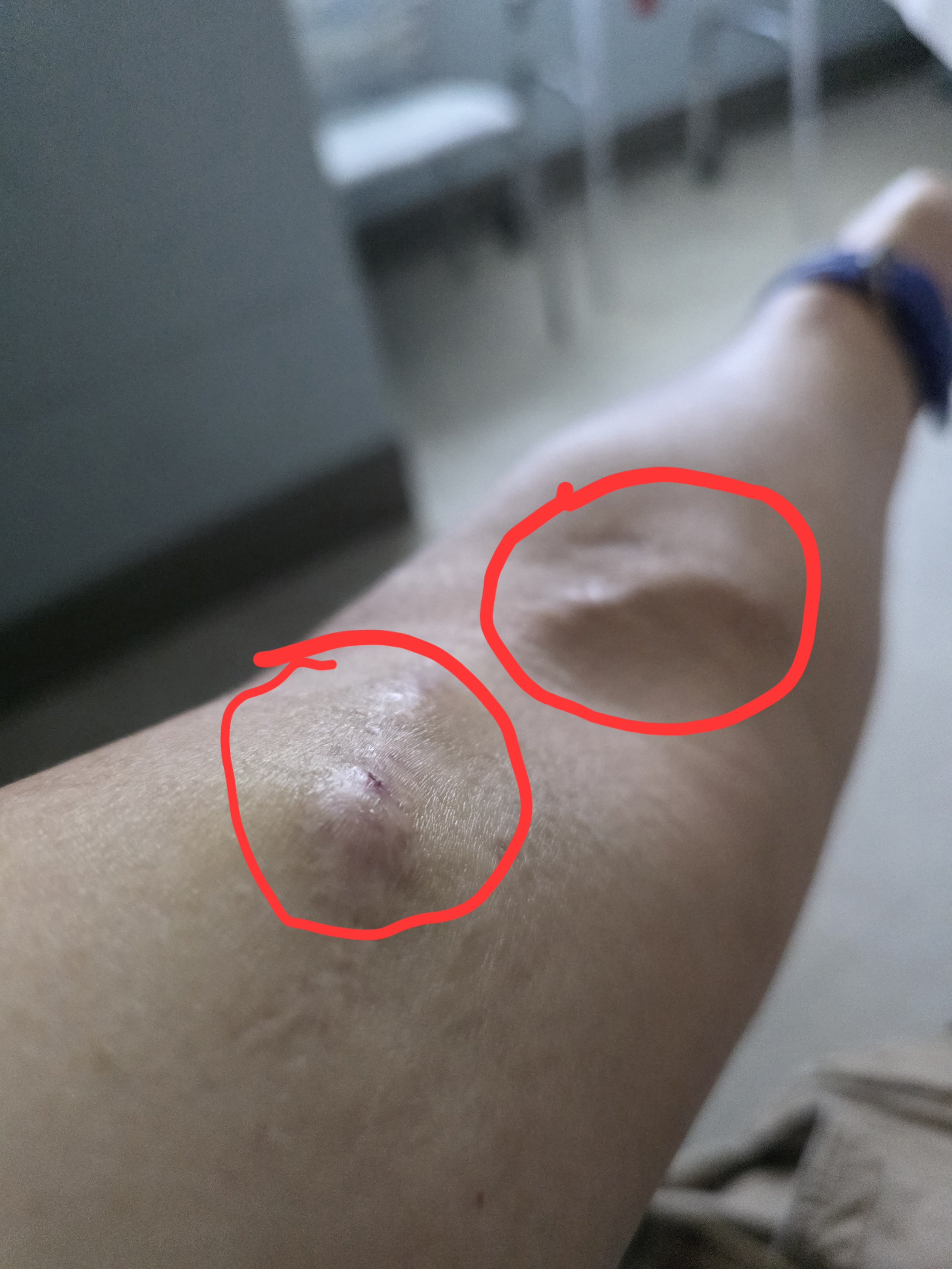
The photo with this post was taken immediately after one of my dialysis treatments. Those two puncture marks in my arm are where 15-gauge needles were inserted into my graft. During treatment, one needle carries blood from my body to the dialysis machine, where it’s filtered, and the other returns the cleaned blood back to me.
Every treatment.
Three times a week.
Week after week.
The machine isn’t just cleaning my blood. It’s also removing the small amount of excess fluid my kidneys can no longer remove on their own. Even when I carefully manage what I drink between treatments, there’s still fluid that has to come off.
Those needle marks are a reminder that dialysis isn’t just something I do—it’s something my body experiences.
In my case, I have an arteriovenous graft. Some people receive dialysis through an arteriovenous fistula, and depending on the individual, those access sites can become much more pronounced and visibly change over time. Everyone’s journey looks a little different.
When people see someone on dialysis, they often see the few hours spent sitting in a treatment chair.
What they don’t always see is what happens afterward.
The exhaustion.
The soreness.
The arm that reminds me of where two large needles were just inserted.
Planning my life around treatment schedules.
The mental adjustment of knowing I’ll be back in a couple of days to do it all over again.
I don’t write these posts for sympathy.
I write them because, unless you’ve experienced dialysis yourself—or cared for someone who has—it’s difficult to appreciate what life is really like between treatments.
If sharing my experience helps someone better understand what millions of people living with kidney disease go through, then it’s worth sharing.
And if it encourages even one person to consider becoming an organ donor, that’s even better.
Day 20: Still No Report. Still No Response.
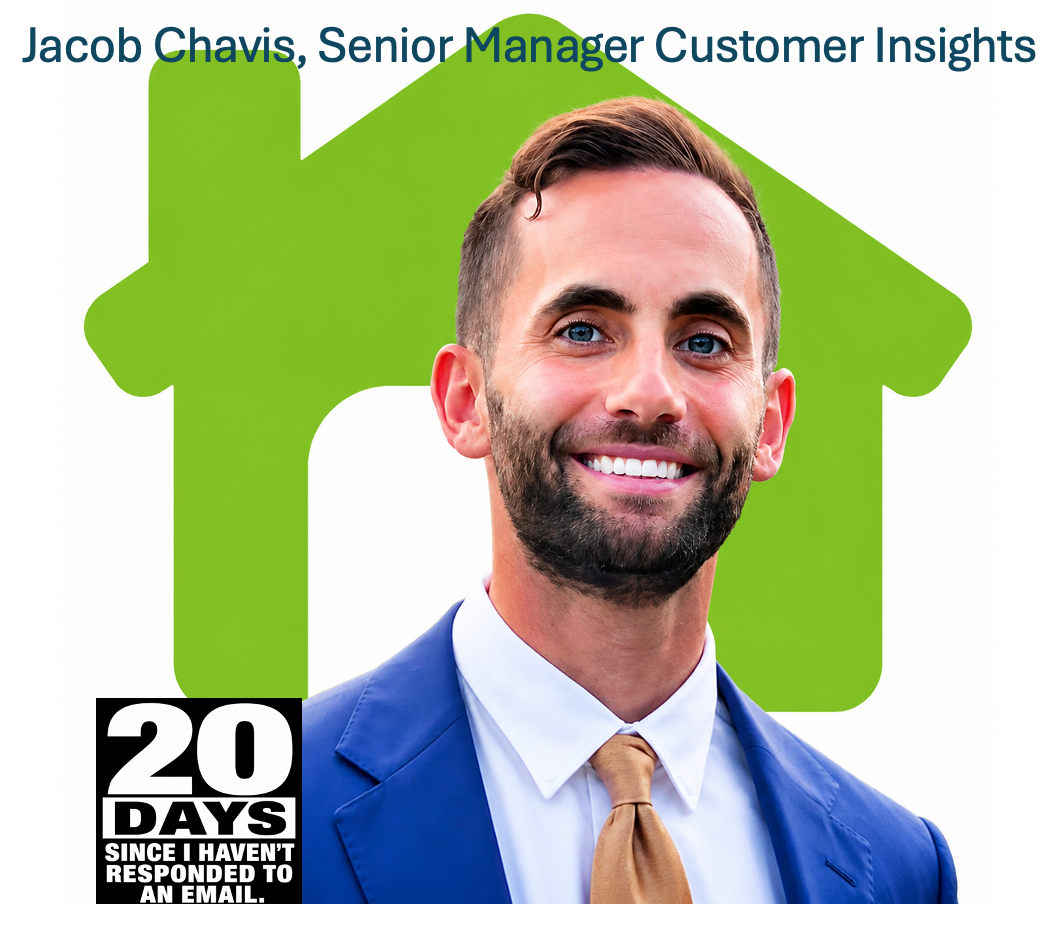
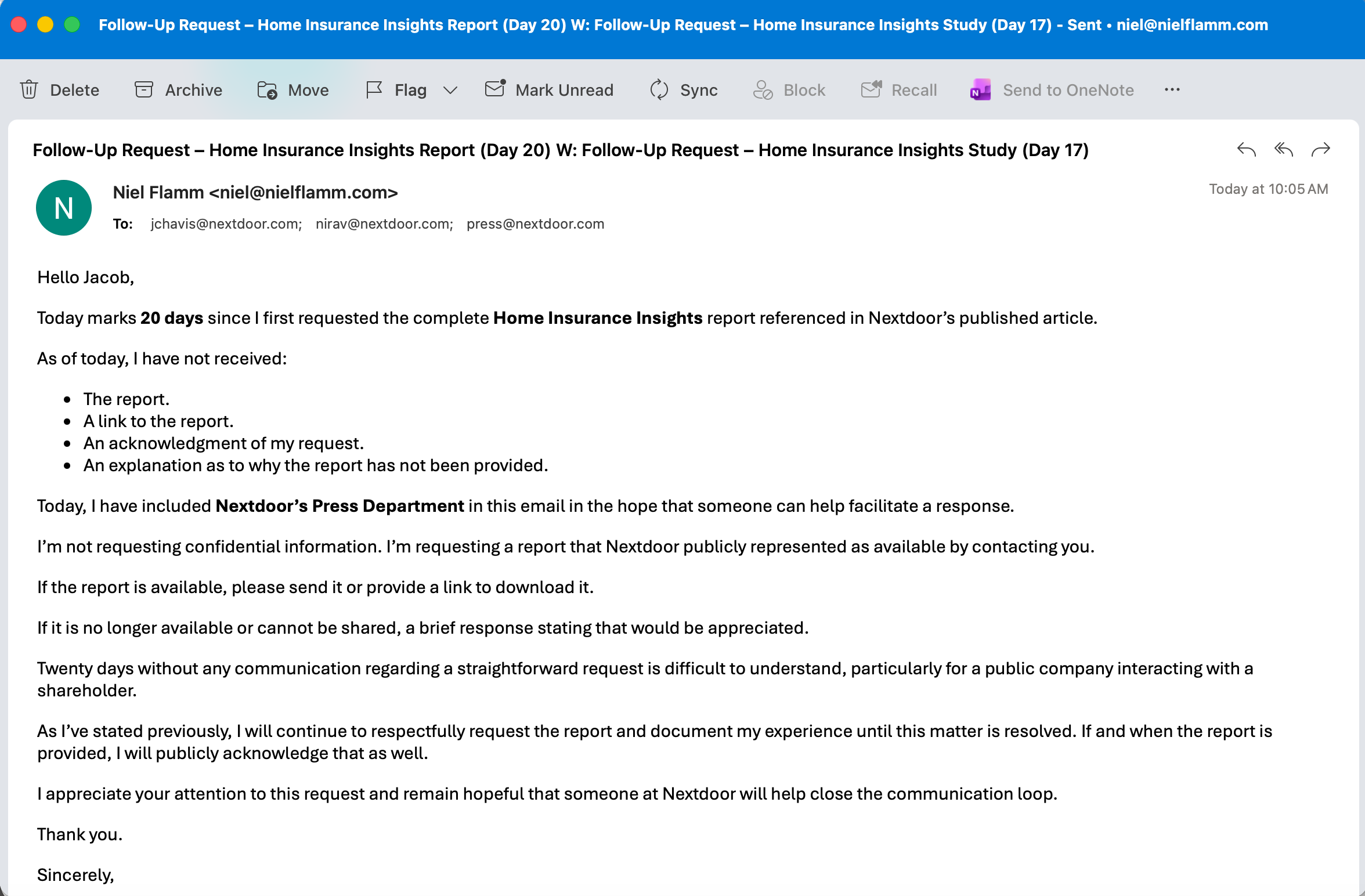
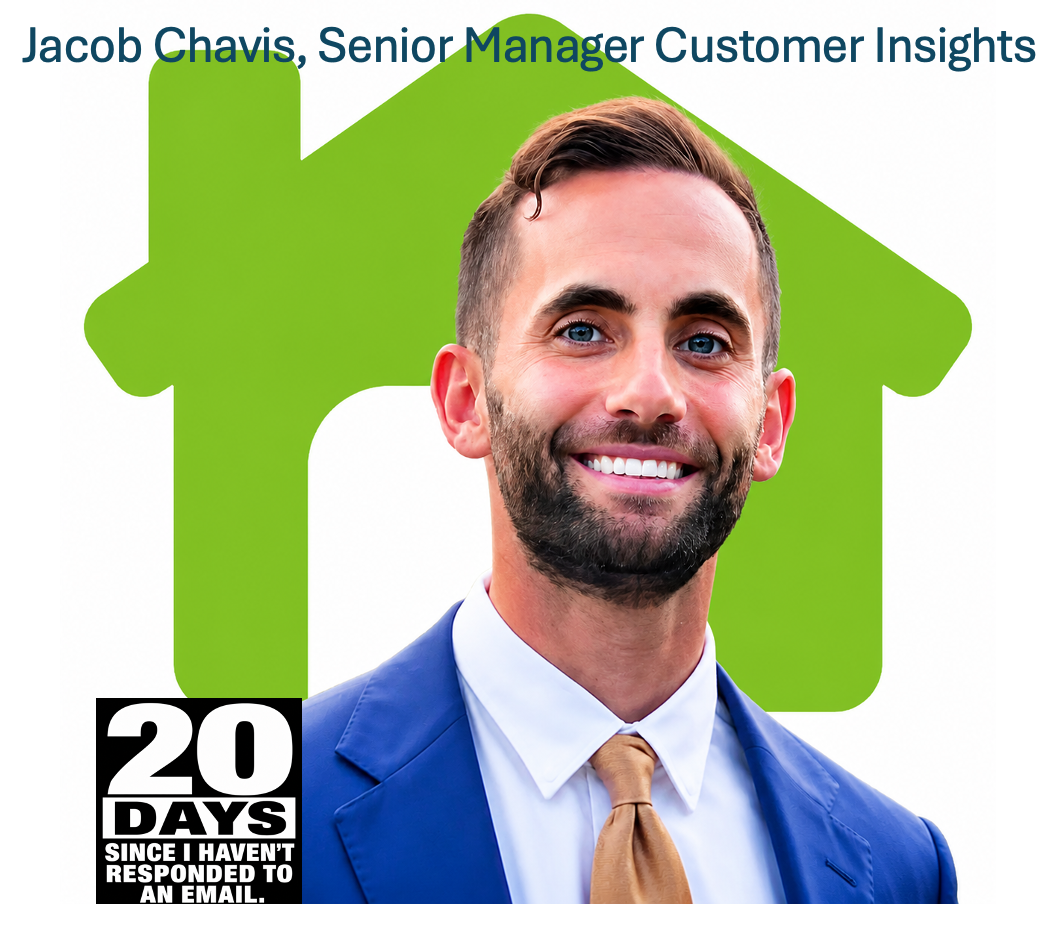
Today marks Day 20 since I requested the Home Insurance Insights report that Nextdoor publicly stated was available upon request.
This time, I included Nextdoor’s press email on my latest request. Perhaps the Communications team can help get the mouse wheel turning.
Frankly, I don’t have much faith that it will.
I also recognize that CEOs rarely manage every email themselves. It’s entirely possible that Nirav Tolia has an Executive Assistant who prioritizes correspondence, manages his calendar, coordinates speaking engagements, and keeps the day-to-day operations moving.
If that’s the case:
Executive Assistant, if you’re reading this, please flag this issue as important.
Twenty days without a response to a straightforward request from a shareholder is more than a missed email—it reflects on the organization’s communication culture.
Jacob Chavis, once again, I’m tagging you because the article identifies you as the contact for obtaining the report. My posts have simply documented a factual timeline: I requested the report, and 20 days later, I still have not received it or any acknowledgment.
That leaves me with one question.
If this isn’t your final professional role, how would you explain this situation in a future interview when discussing customer experience, responsiveness, or performance?
As I’ve said from the beginning, I’m not asking for special treatment.
I’m asking for the report Nextdoor said was available.
Join the discussion on NielFlamm.com.
I Finally Watched Sleepaway Camp… Now I Understand Why People Still Talk About It
Sometimes the internet rabbit hole wins.
I saw a reel talking about horror movies with unforgettable twists, and one title kept showing up — Sleepaway Camp.
Since it was streaming on Peacock, I figured, why not?
What I found was a perfect time capsule of 80s horror: over-the-top acting, questionable music choices, unforgettable fashion, and, yes… the legendary male crop-top era.
At first glance, it feels like another camp slasher movie trying to follow the path of Friday the 13th, Halloween, and A Nightmare on Elm Street.
But then the ending happens.
And suddenly I understand why people are still discussing this movie decades later.
In my latest Junk Cast review, I talk about the nostalgia, my own sleepaway camp memories, the parts that haven't aged well, and why the twist still creates conversations today.
Watch the full review and more internet garbage here: