
Day 30: The Email Has Been Sent
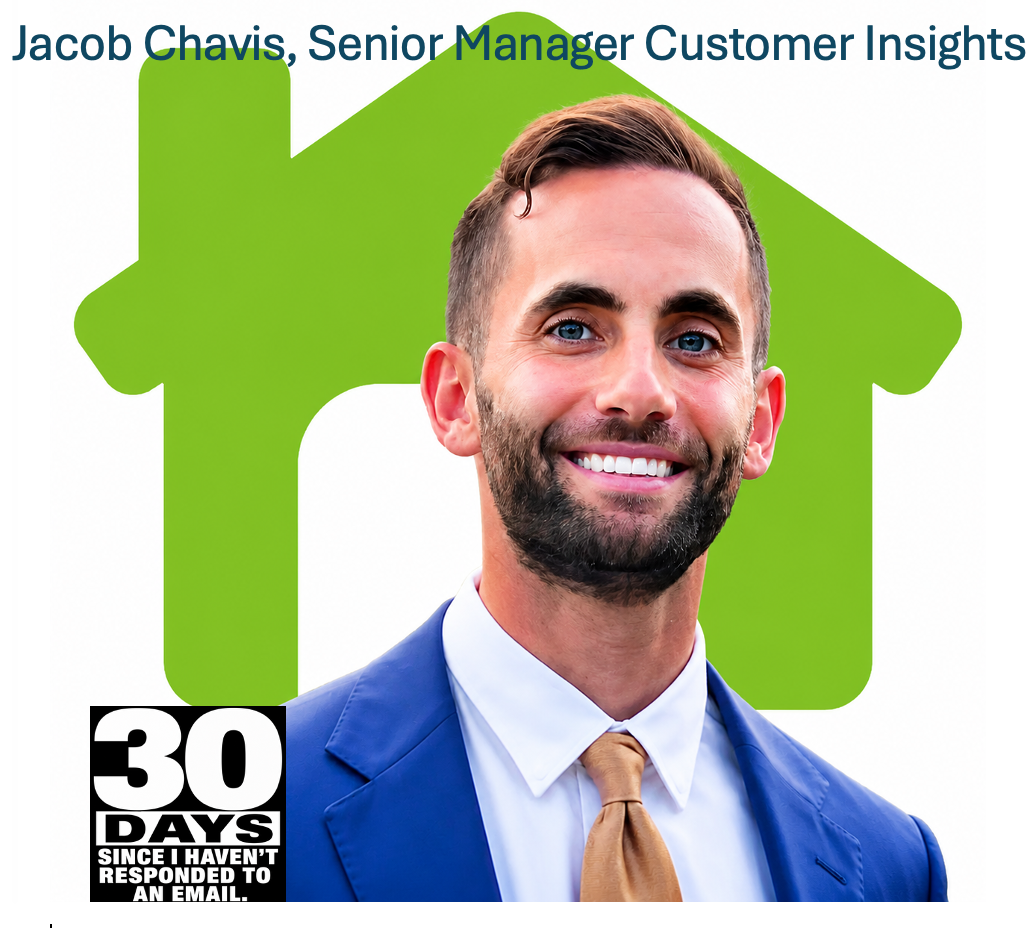
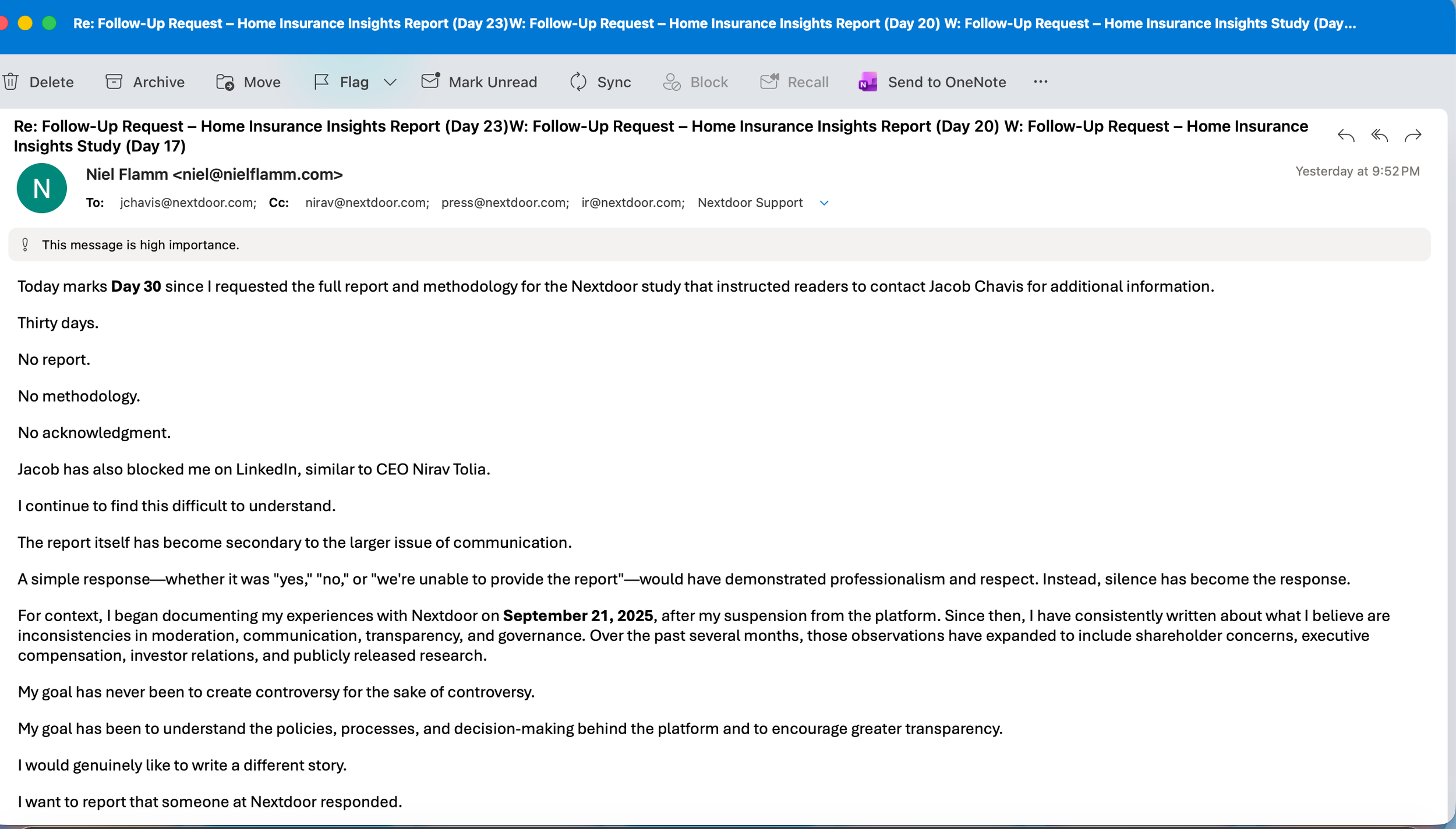
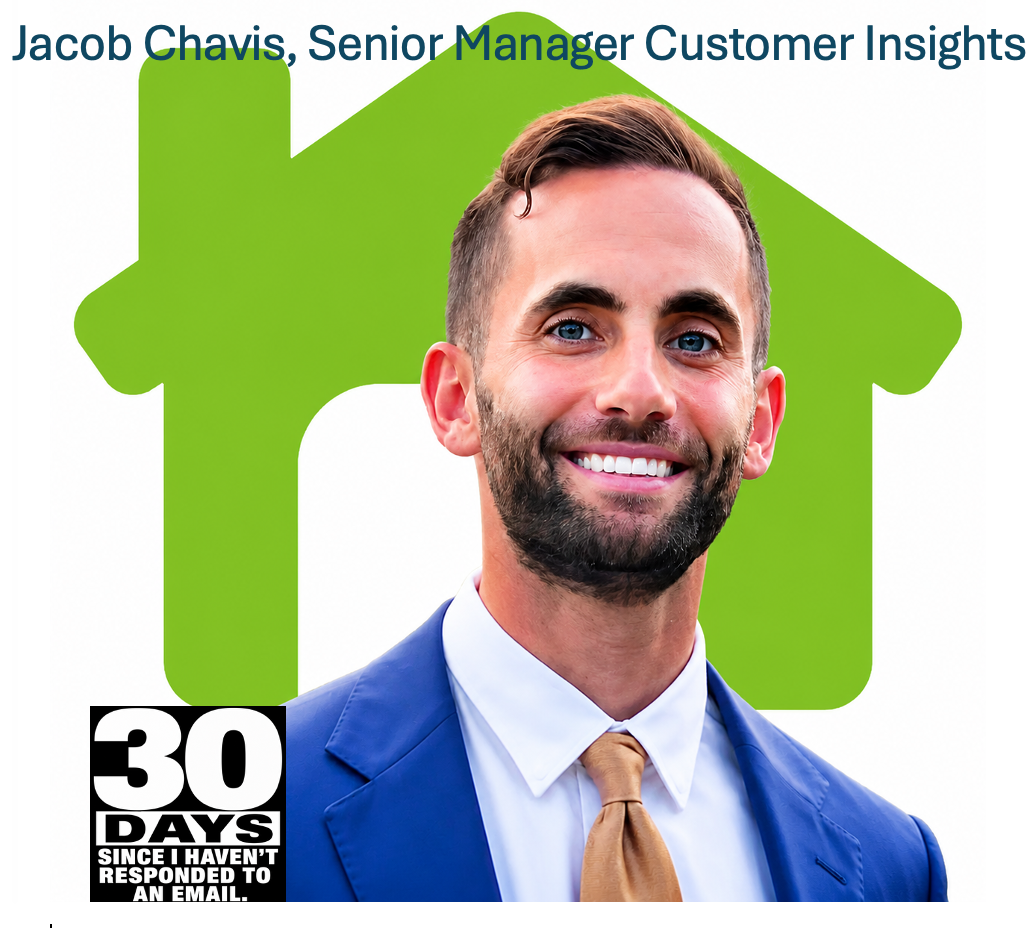
Today marks Day 30 since I requested the full methodology and report for a Nextdoor study that instructed readers to contact Jacob Chavis for additional information.
This morning, I sent another email.
This time, I marked it High Importance and requested a Read Receipt.
The recipients included:
* Jacob Chavis
* Nirav Tolia
* Nextdoor Investor Relations
* Nextdoor Communications
I’m not asking for confidential information.
I’m asking for a report that Nextdoor publicly referenced and instructed readers to request.
At this point, it’s no longer just about the report.
It’s about communication.
Professional organizations communicate—even when the answer is “no.”
Silence for 30 days sends a message, whether intentional or not.
I’d much rather write a follow-up saying that someone responded, that the report was provided, or that an explanation was offered.
That remains entirely within Nextdoor's control.
Until then, I’ll continue documenting my shareholder experience, because transparency and accountability matter.
Join the discussion.
A LinkedIn Profile View That Made Me Think About Trust
One of the things I do while sitting in a dialysis chair, waiting for a doctor's appointment, or enjoying my usual Chipotle Mexican Grill Sofritas Burrito Bowl (extra white rice, no beans) is catch up on my LinkedIn notifications.
Today, one notification caught my attention.
I noticed that Tiffany Krenek, Co-Owner of My Neighborhood News, viewed my profile.
If you're not familiar with My Neighborhood News, it's a publication serving the Greater Houston area, with a mission to connect local residents and communities. One word that stood out to me while reading about the organization was "trusted."
Trust.
That's a powerful word.
It's also something I've been writing about extensively regarding Nextdoor.
Over the past month, I've documented what I believe are inconsistencies in moderation, unanswered questions about the unpaid moderator model and executive accountability, and my ongoing request for research methodology, which has now gone unanswered for weeks.
It's entirely possible that Tiffany viewed my profile because of one of my comments on LinkedIn.
So, Tiffany, if you happen to read this...
You have an opportunity that local journalism should embrace.
Ask the difficult questions.
Ask about the unpaid moderator model.
Ask how moderation decisions are reviewed for consistency.
Ask why published research requests can go unanswered for weeks.
Ask how executive compensation aligns with company performance.
Those questions may not make you the most popular person with Nextdoor.
But asking thoughtful, evidence-based questions is one way journalists and publishers build trust with their readers.
Trust isn't built by avoiding difficult conversations.
It's built by having them.
And whether it's Nextdoor or any other company, accountability begins with someone willing to ask the next question.
Join the discussion on NielFlamm.com.
Nextdoor's Latest Success Story Raises an Interesting Question
I recently read a great story in Business Insider about two young entrepreneurs who built a multimillion-dollar junk removal business from the ground up.
I'm all for it.
Small businesses are the backbone of our economy, and stories like theirs deserve recognition.
https://www.businessinsider.com/seven-figure-business-junk-removal-side-hustles-entrepreneurship-2026-7
What caught my attention, however, wasn't the entrepreneurs.
It was a small detail in the article.
The story notes that their earliest customers came through word of mouth, local Facebook groups, and Nextdoor.
That made me think back to my own experience.
My last suspension from Nextdoor was on September 21, 2025, after posting several items and being told I was violating the platform's spam policies. The message was clear: if you're promoting a business, use a business account and paid business tools.
Nextdoor promotes business advertising starting at approximately $5 per day, making it clear that there are paid options available for local businesses.
So here's my question:
Did these entrepreneurs promote their business on Nextdoor through a paid business account?
Or did they simply use personal neighborhood posts?
The article doesn't say.
That missing detail matters.
I'm not suggesting they did anything wrong. They may have followed every policy perfectly.
But without that context, it raises broader questions about consistency.
If one business owner is expected to pay for visibility while another grows through neighborhood posts, where is the line?
How is that distinction communicated?
How is it enforced?
Consistency matters.
Whether you're a plumber, dog walker, cleaning service, home health aide, winery, or junk removal company, the same rules should apply equally to everyone.
That's what builds trust—not only with neighbors, but also with the small businesses Nextdoor says it wants to support.
As a shareholder, I believe transparency about those policies is just as important as celebrating entrepreneurial success.
Join the discussion on NielFlamm.com.
The Nextdoor Experiment Continues: When Are Politics Allowed?
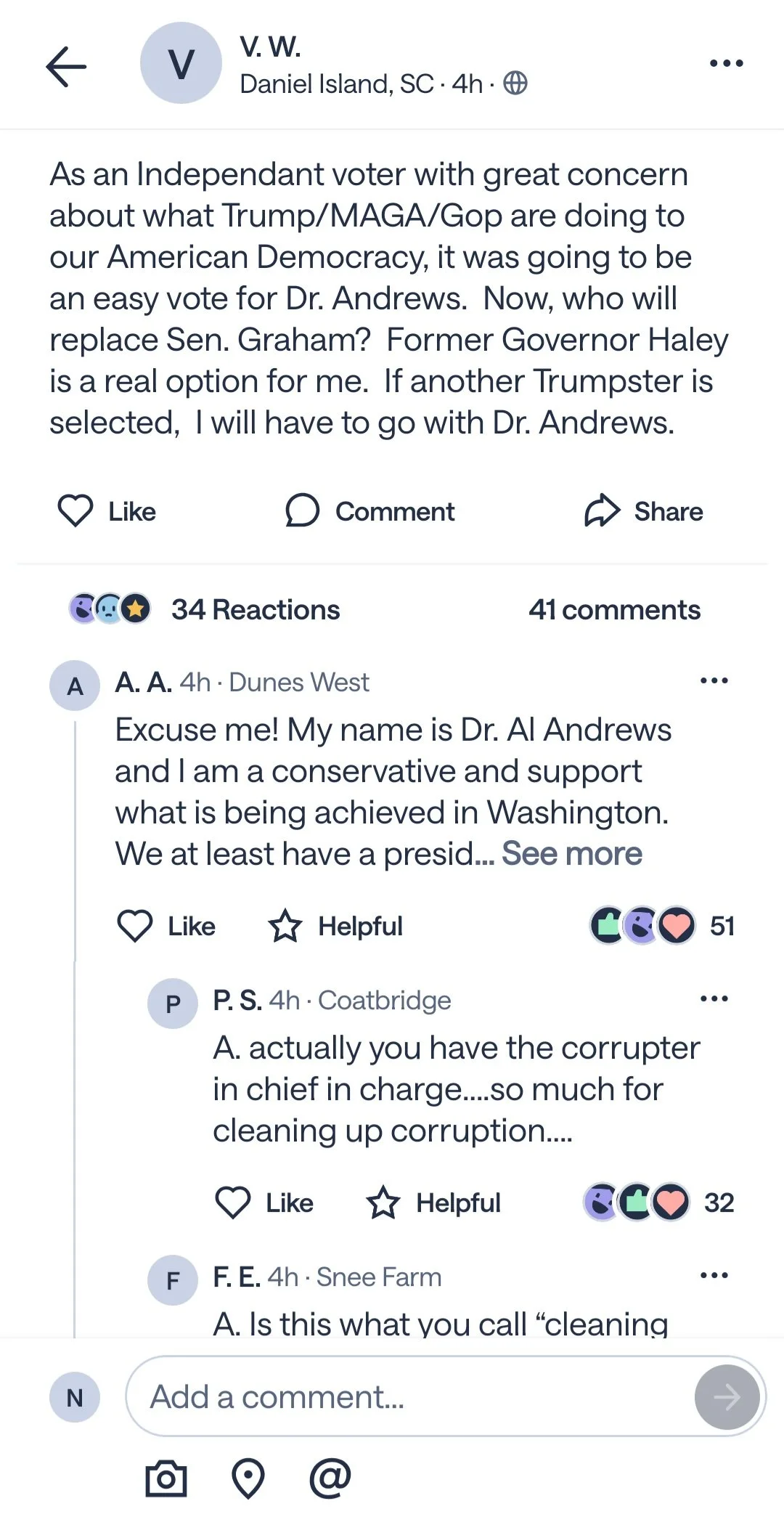
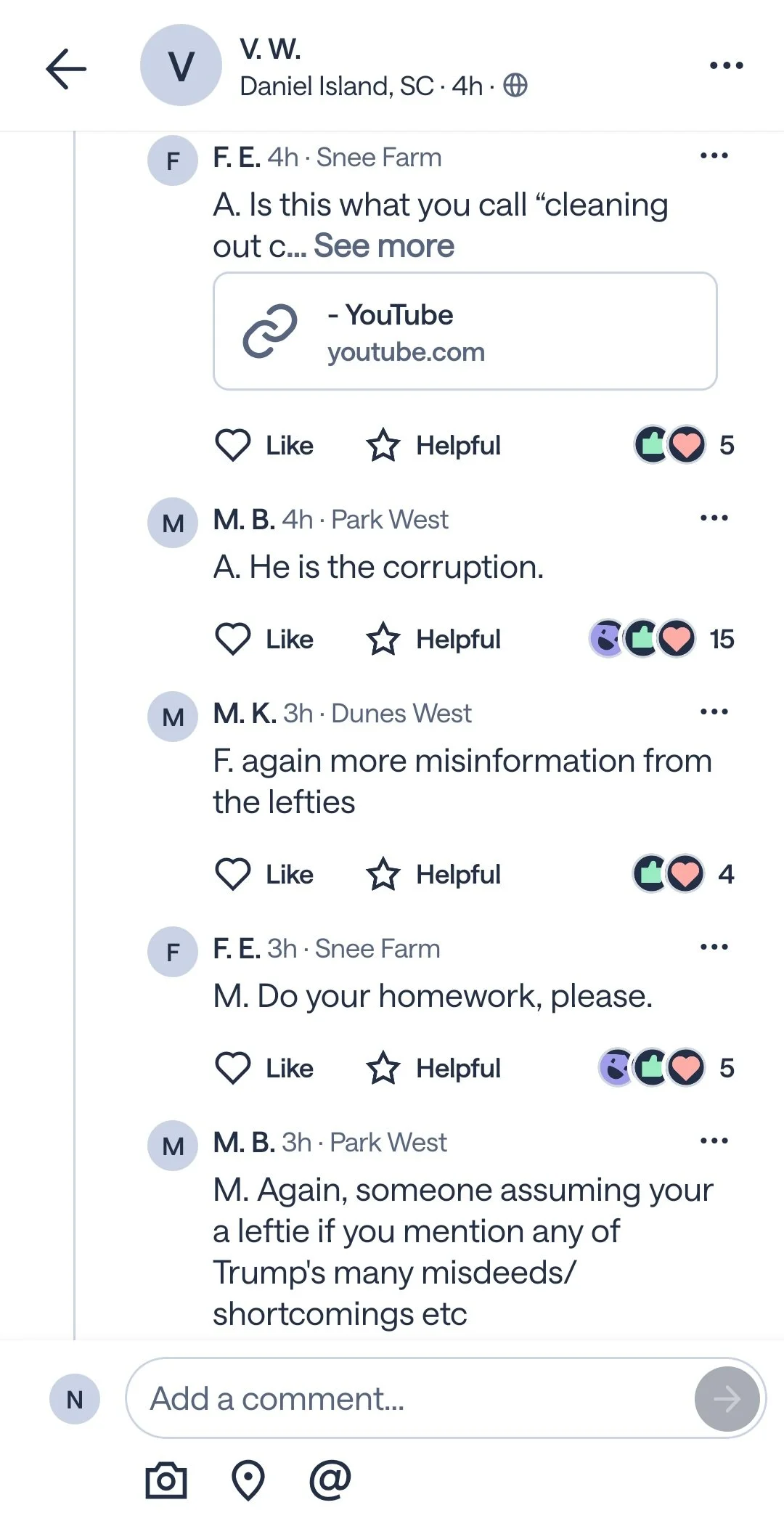
The Nextdoor experiment continues, and I have no clue what's going on with moderation in Mount Pleasant, South Carolina... assuming there are active moderators.
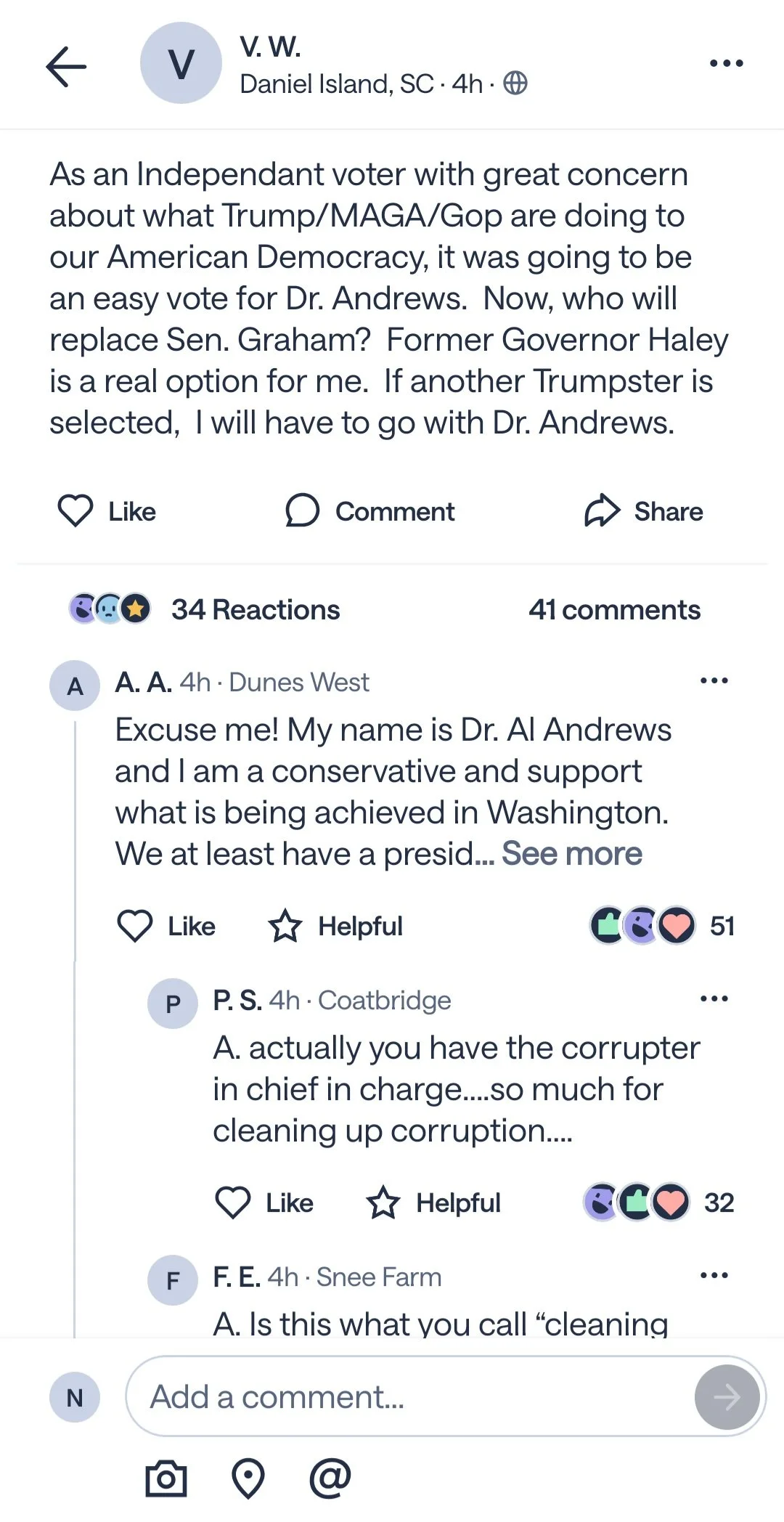
While browsing the platform, I came across a political discussion started by a self-described independent voter discussing MAGA, the future following the death of Senator Lindsey Graham, and what comes next politically. The conversation quickly evolved into a back-and-forth between left- and right-leaning viewpoints.
When I captured the screenshot, the thread had been active for about four hours.
That made me think.
I remember neighbors in my area being suspended over political discussions.
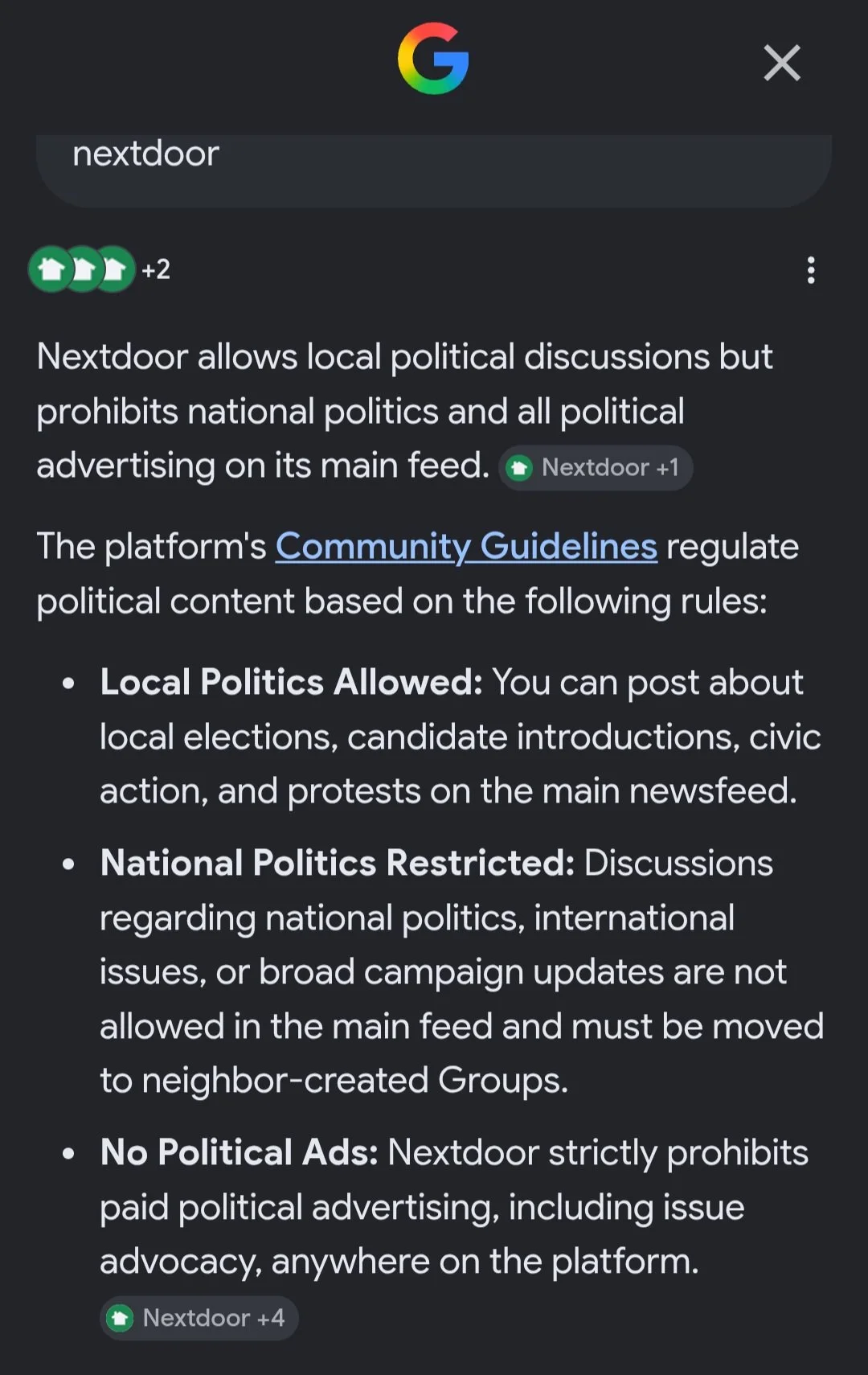
So I did what many people do—I searched online to better understand Nextdoor's policy.
My understanding is that discussions about local politics may be permitted, while national political discussions generally are not.
If that's accurate, then this thread appears to raise questions about how those policies are being applied.
Once again, I find myself asking:
Are there active moderators in my area?
If so, how often are they reviewing content?
Is there any quality assurance process to ensure moderation decisions are consistent?
Why do some political discussions remain visible while others reportedly result in suspensions?
These are questions about consistency, not ideology.
Whether someone is conservative, liberal, independent, or somewhere in between shouldn't matter.
The same standards should apply to everyone.
Sometimes it feels like the unpaid moderators are asleep at the wheel, the guards aren't guarding, and the police aren't policing.
For years, I've heard there are three topics guaranteed to start an argument:
Politics
Religion
Whether the New York Yankees are the greatest franchise in sports history.
(I'm sure Boston Red Sox fans—and probably Los Angeles Dodgers fans, too—have already stopped reading.)
Humor aside, moderation works best when the rules are clear and applied consistently.
If users can't predict how those rules will be enforced, confidence in the platform begins to erode.
Consistency builds trust.
Inconsistency invites questions.
Join the discussion on NielFlamm.com.
#Nextdoor #NXDR #Leadership #ContentModeration #CommunityManagement #TrustAndSafety #Transparency #CorporateGovernance #SocialMedia #CustomerExperience
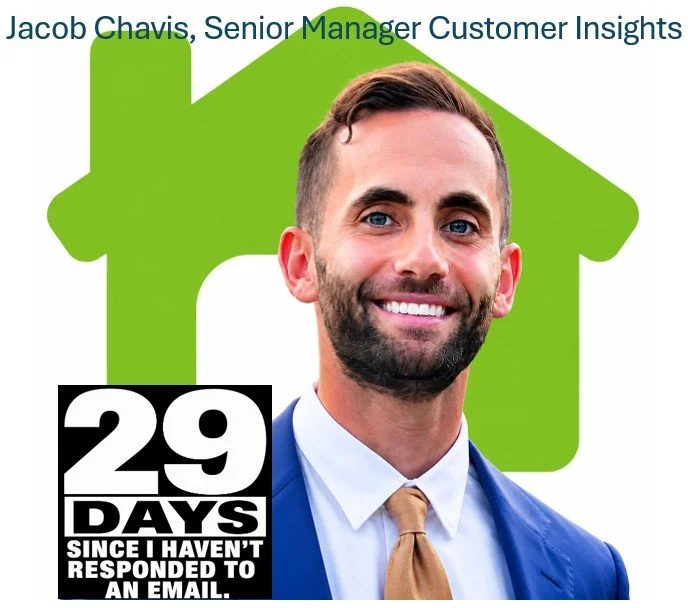
Day 29: Silence Speaks, But So Does Momentum
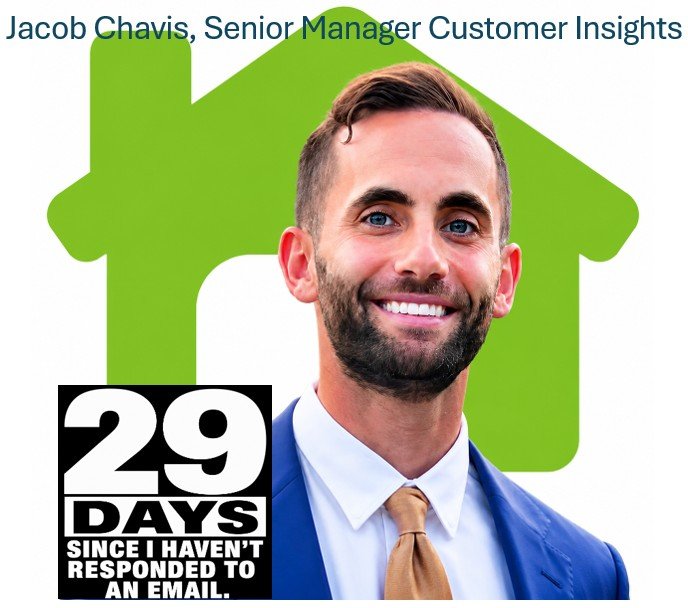
Today marks Day 29 since I requested the full methodology and report for a study published by the Nextdoor Communications team, with Jacob Chavis listed as the point of contact.
Twenty-nine days.
No report.
No methodology.
No response.
At this point, the report has become secondary.
The larger issue is communication and accountability.
Over the past several days, I've intentionally made the day count in my graphics larger and more prominent. Why? Because I want to draw attention to what I believe is unacceptable behavior. Every passing day without a response tells part of the story.
What has surprised me over these past 29 days is the response from others.
I've received more reactions, comments, messages, and engagement than I expected. Whether people agree with me or not, they're participating in the conversation.
That tells me this discussion resonates beyond one unanswered email.
It's about expectations.
When a company publishes research and identifies a contact person, it's reasonable to expect that questions receive a response.
When they don't, people notice.
I've said it before, and I'll continue saying it:
We tolerate what we allow.
I won’t allow this behavior to become normal.
This isn't about being difficult.
It's about expecting professionalism, accountability, and follow-through.
As a shareholder, I don't believe those expectations are unreasonable.
The conversation continues, and so does my commitment to documenting this experience.
Ironically, the silence has generated far more attention than a simple reply ever would have.
Join the discussion on NielFlamm.com