
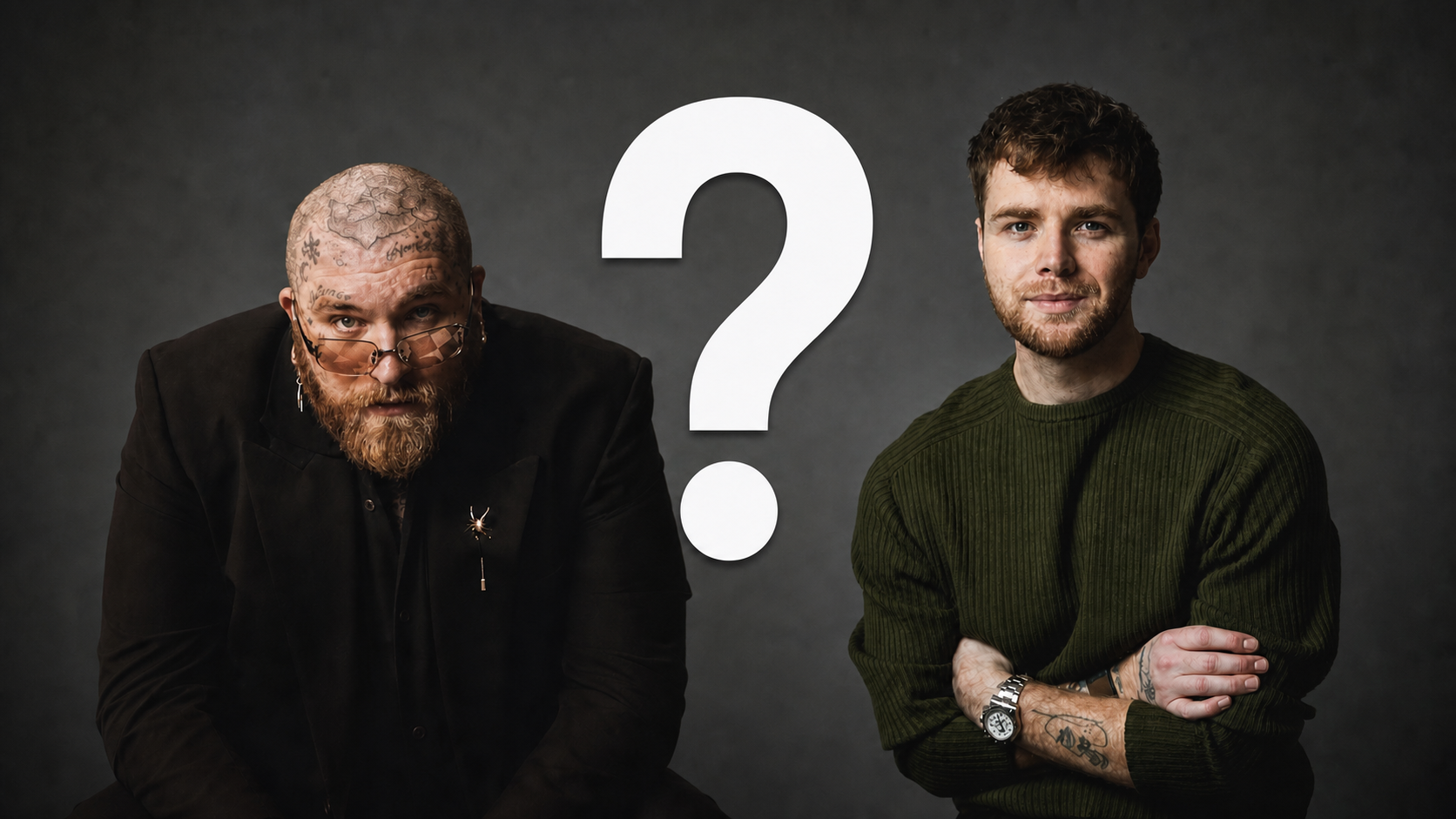
The Worst Trifecta: When “Authenticity” Sounds Manufactured
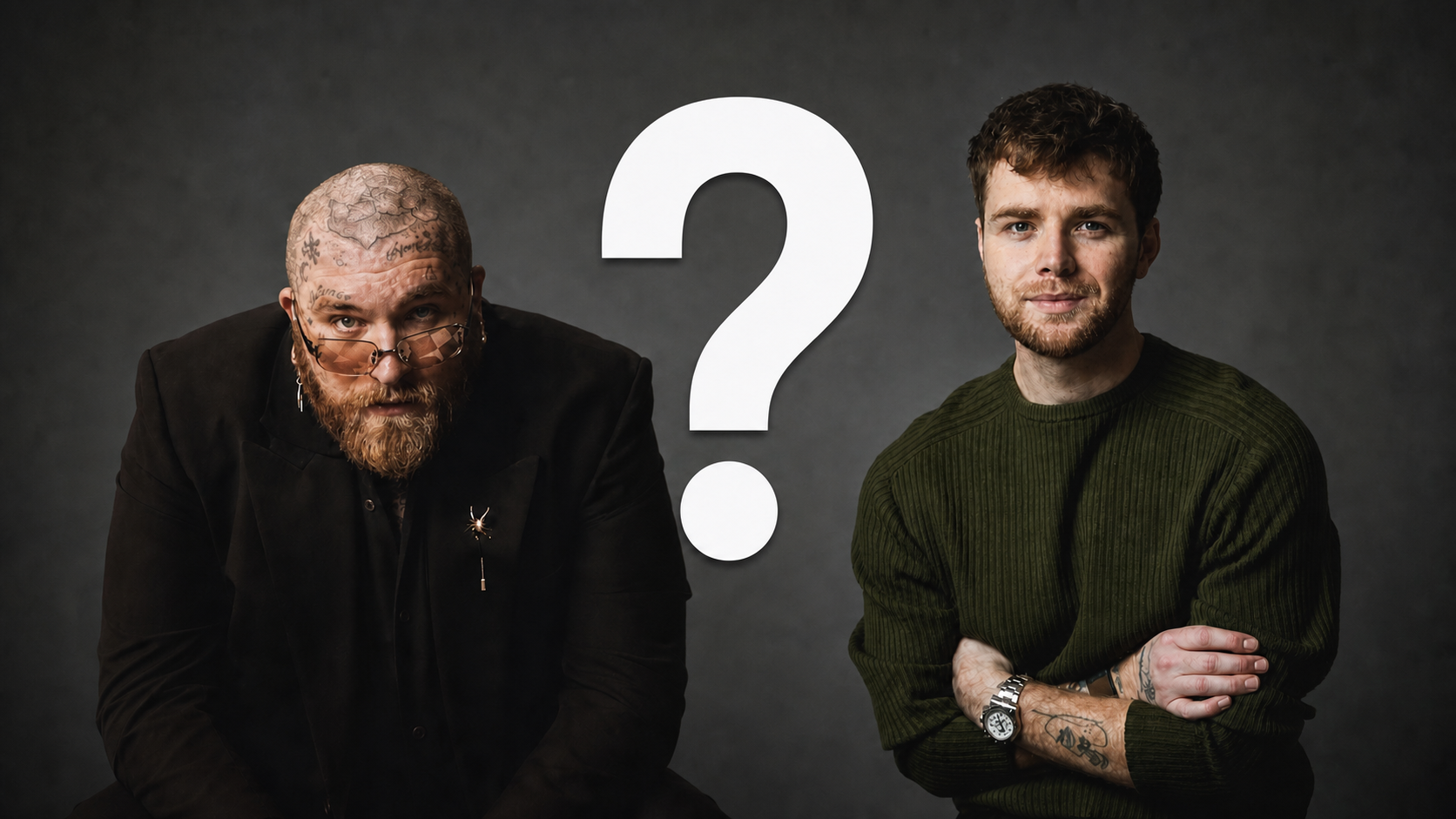
I took a drive today from Mount Pleasant to Summerville with SiriusXM playing in the car. I don’t remember which channel I started on—possibly Hits 1 with Mack & Jen—but I do love the commercial-free experience.
Then an Alex Warren song came on.
I immediately changed the station.
The next channel was playing Teddy Swims.
I changed it again.
Then came Adele.
For me, it was the worst musical trifecta imaginable.
All three artists are celebrated for vulnerability, soulfulness, and deeply personal storytelling. Yet their music strikes me as highly manufactured—less connected to everyday people and more connected to the massive machine that is the modern music industry.
Adele is often presented as an artist who represents “every woman,” yet the face-value prices for her Caesars Palace residency were beyond the reach of many everyday fans.
Alex Warren has spoken publicly about his personal struggles, but some of his comments about his wife’s weight may be perceived as body-shaming. That creates a disconnect for me between the vulnerability associated with his image and the way those remarks can land with listeners.
Teddy Swims is marketed as a singer with tremendous soul. However, his comments about AI-generated music complicate that image for me. Music created with artificial intelligence raises difficult questions about authenticity, creative labor, and what happens when technology begins replacing the contributions of professional musicians.
These examples—and others—are why I change the station every time one of these artists comes through my speakers. Their music may resonate deeply with millions of listeners, but it doesn’t resonate with me. What others hear as authenticity, I hear as carefully packaged vulnerability.
Of course, music is intensely personal. One listener’s heartfelt anthem is another listener’s reason to change the station.
What are your thoughts? Do these artists feel authentic and relatable to you, or do you also hear the machinery of the music industry behind their stories?
Leave a comment and join the conversation.
Join the conversation at NielFlamm.com/blog

Day 37: Building a Brand vs. Repairing One

Yesterday, Nextdoor CEO Nirav Tolia shared a clip from a podcast interview with David Bergnaud on X:
https://x.com/niravtolia/status/2079617582869684510
I intentionally use the word participated.
Early in my career, I completed an unpaid internship with a small public relations agency in New York City. We shared office space with a web development company, pitched stories to journalists, worked to secure media opportunities for clients, and attended technology events at the Javits Center.
One lesson I learned is that, unless you're already a household name, podcast appearances rarely happen by chance. Public relations teams develop a strategy and actively work to place executives in front of audiences to expand brand awareness.
That made me think.
If time and resources are being invested in expanding the Nextdoor brand, shouldn't equal attention be given to strengthening the product and the customer experience behind that brand?
A compelling interview can create awareness, but awareness alone doesn't define a company's identity. Products, communication, and user experience do.
That brings me to Day 37.
It has now been 37 days since I requested a copy of a Nextdoor study that company communications directed readers to request from Jacob Chavis.
I still haven't received the study.
After reviewing similar job descriptions, my opinion has evolved. I now wonder whether the role is less about leading research operations and more focused on helping businesses understand and use research to support advertising decisions. I don't know if that's the case, but it's one possible explanation for why a straightforward request has remained unanswered for more than a month.
Regardless of the reason, this has become less about the study itself and more about communication.
I've said it before, and I'll say it again:
We tolerate what we allow.
As a shareholder, I believe companies should welcome thoughtful questions and respond to reasonable requests. That is how trust is built—with users, advertisers, employees, and investors alike.
Join the discussion on NielFlamm.com.
Perspective at 2:15 A.M.: Grateful for Modern Medicine
It's 2:15 a.m. EDT, and apparently I'm still not tired.
After writing about Nextdoor, I found myself doing what many of us do far too late at night—doom scrolling. A Facebook Reel stopped me in my tracks. It was about anesthesia, and it gave me a whole new perspective.
If you'd like to watch it, here's the Reel that inspired this post:
https://www.facebook.com/share/v/1TT4xxcoQT/
Before I get to that, I want to say something that I don't think I say often enough.
I'm incredibly grateful for where science and medicine are today.
Because of medical advancements, I have a prosthetic leg that allows me to walk and continues to improve with every generation. Because of dialysis, I'm not days away from dying from the toxins that my kidneys can no longer remove. Because of modern eye surgery, I can once again see clearly after having my cataracts removed.
Then I watched the video.
It explained what surgery was like before anesthesia became common. Imagine undergoing an amputation while fully awake. Patients would bite down on a piece of wood or leather, assistants would hold down each limb, and the surgeon would work as quickly as possible. People would feel the pain, pass out from it, wake back up, and endure it again until the operation was finished.
I can't imagine it.
One thing we often overlook is that anesthesia doesn't just put us to sleep. It also helps prevent us from remembering the experience. That's an incredible gift.
As I thought about it, I realized how many surgeries I've had over my lifetime. It started with an appendectomy at Mount Sinai Hospital on the Upper East Side of New York City, when I was 19 or 20 years old. Since then, there have been many more procedures.
I'm thankful that I don't remember them.
It's easy to focus on what medicine can't do yet. But now and then it's worth stopping to appreciate what it already has done. Millions of people—including me—are living longer, healthier, and more fulfilling lives because of generations of scientists, physicians, nurses, engineers, researchers, and innovators who kept pushing forward.
Sometimes all it takes is a late-night video to remind us just how fortunate we are.
Why the Silence? Reflections on Day 36
It's very late at night...or very early in the morning, depending on your perspective.
A thought crossed my mind as I reflected on the past 36 days of waiting for a response to a simple request.
Why the silence?
To be transparent, there have been a few responses along the way. Nextdoor Support initially communicated with me until I asked follow-up questions. @John T. Williams from Investor Relations responded after I mentioned filing complaints with the Federal Trade Commission and U.S. Securities and Exchange Commission, although I believe he is no longer with the company following an unrelated email mistake. NextDoor Service has also interacted through comments on LinkedIn.
But from others, including Jacob Chavis, the press team, and CEO Nirav Tolia, there has been no direct response.
That led me to ask myself a question—not because I know the answer, but because it's one possible explanation among many.
Do they see someone like me as simply not worth responding to?
Or is it something else?
Perhaps they're following company policy.
Perhaps they've been advised not to engage.
Perhaps they're overwhelmed with other priorities.
Perhaps they don't believe a response would change anything.
Perhaps they view me as a disruptor.
Or perhaps they simply don't know how to respond.
I don't know.
What I do know is the lesson I learned early in my career:
Treat the environmental engineer with the same respect you would give the Chief Executive Officer.
Titles change. Job descriptions change. Companies come and go. Respect shouldn't.
One of the best leaders I ever worked with told me that every interaction is an opportunity to reinforce a culture—or weaken it. Sometimes, a simple acknowledgment is all someone is looking for.
This post isn't about assuming motives. It's about asking whether responsiveness and respect should be part of a company's culture, regardless of who asks.
What do you think? When someone reaches out professionally, does every inquiry deserve at least an acknowledgment?
Join the discussion on NielFlamm.com.
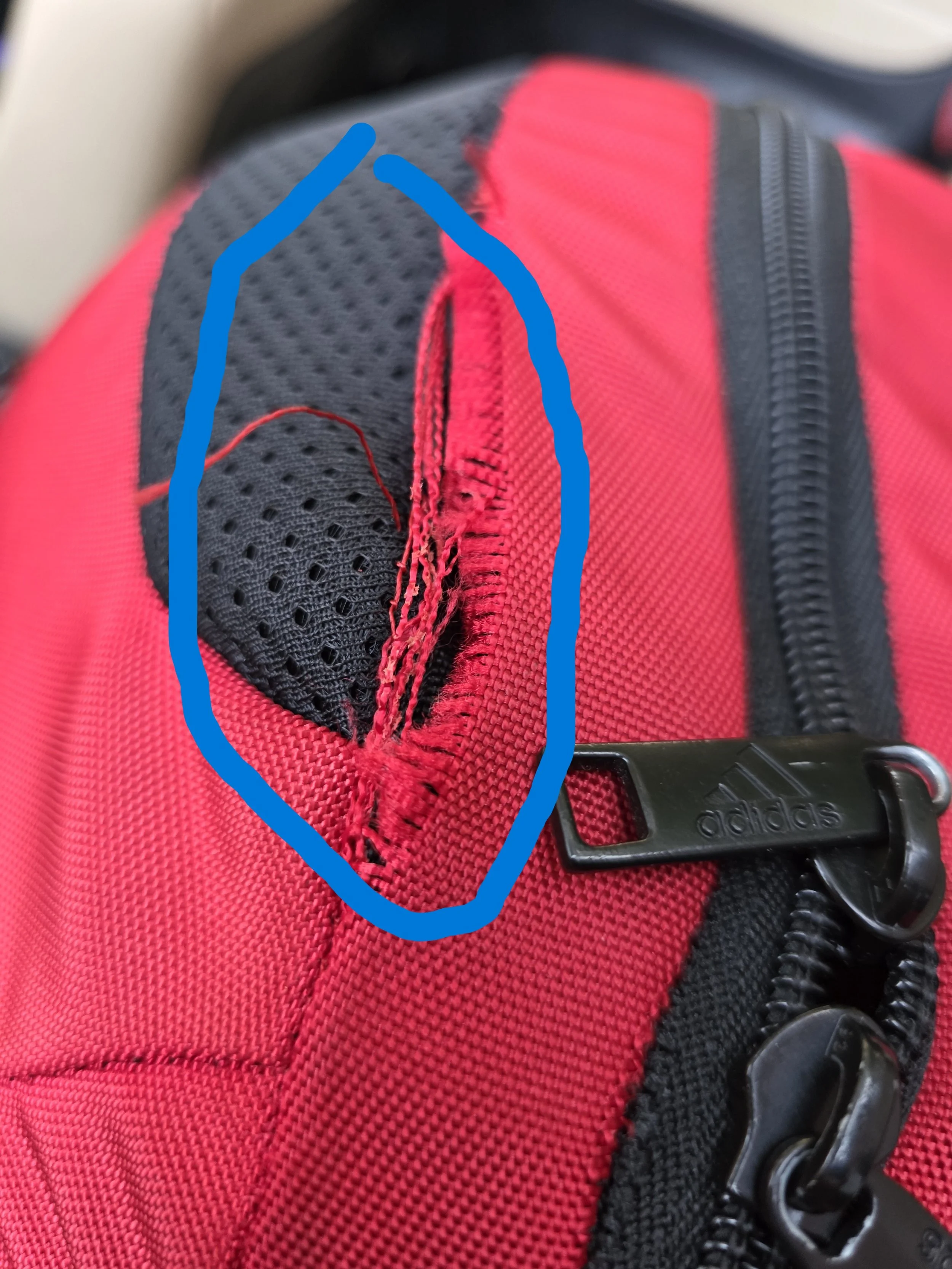
Proof It Was Time for a New Dialysis Backpack 🎒
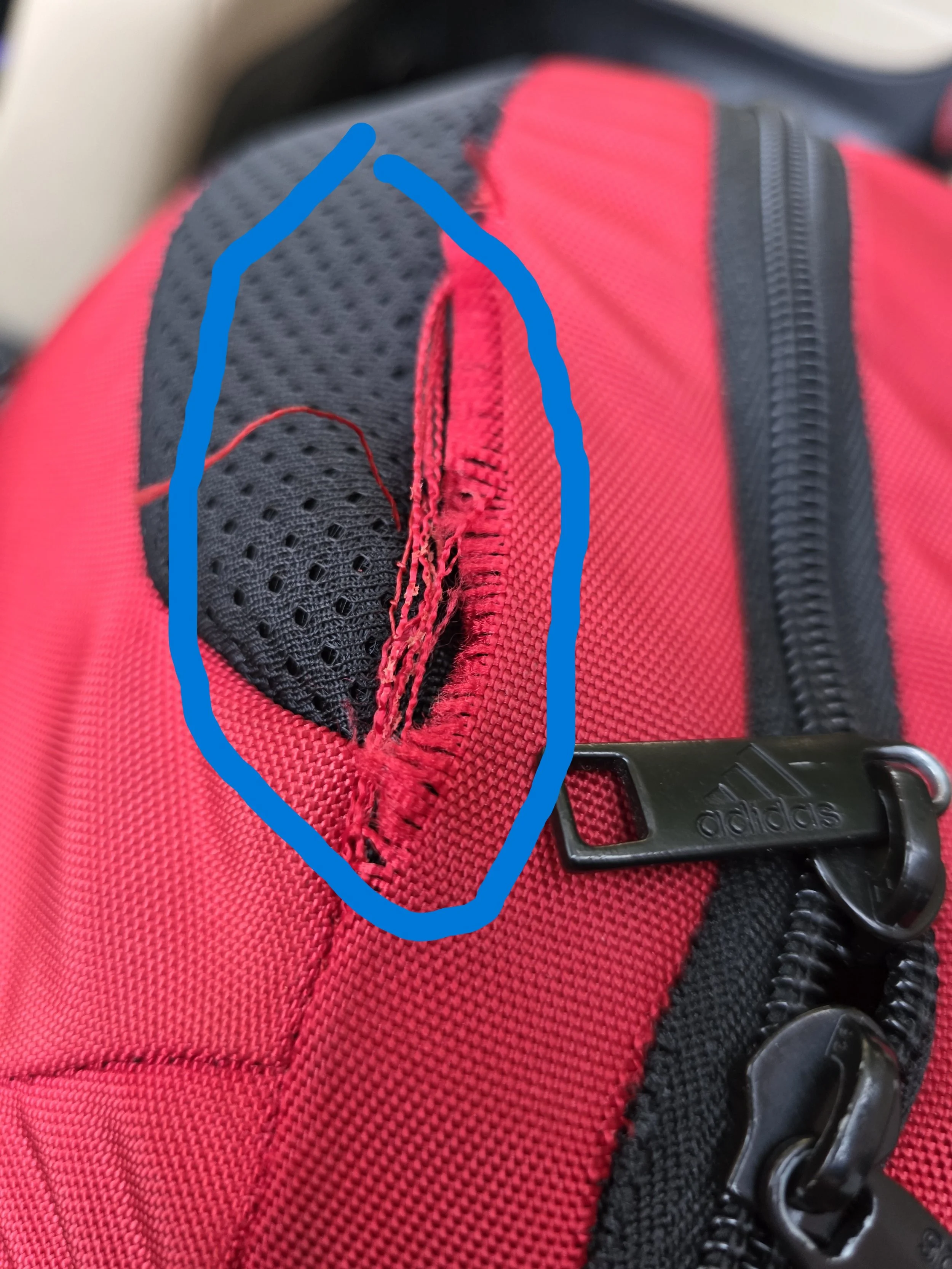
Yesterday I purchased a new backpack for dialysis, and today was its first trip to the clinic.
Could I have used my old backpack a little longer? Maybe. But after looking at it, the answer became pretty clear. The seams were ripping, and it was only a matter of time before it failed. It wasn't a case of wanting a new backpack—it was a case of needing one.
My dialysis backpack carries my blanket, pillow, and other essentials three mornings a week. The last thing I want is for the seams to split while I'm walking into or out of the clinic, leaving everything on the ground in the middle of the swampy Lowcountry heat and humidity.
The old backpack served me well, but this is proof that replacing it wasn't an impulse purchase. Sometimes the smartest time to replace something is before it completely falls apart.