
Call Me a “Keith”: Why I Called 911 on Highway 17
I was on my way to Costco to pick up the essentials: medication, toilet paper, and Tide Pods. This was after watching Ice Cream Man—video review coming soon.
I was heading north on Highway 17 in Mount Pleasant when I noticed a motorcyclist splitting lanes. I believed lane splitting was only legal in California, but I thought nothing more of it at first.
Then things started getting dangerous.
The rider was weaving in and out of traffic without holding on to the handlebars. He appeared to be playing around with the drivers of a black Toyota Tundra and then a silver Nissan Frontier. Traffic was being disrupted, and the situation looked like it could easily cause an accident.
I’d had enough, so I called 911.
I gave the dispatcher my name, location, and a description of what I could see: a white male riding a black motorcycle, wearing a black helmet and a black backpack. I also described the other vehicles involved. I couldn’t see the motorcycle’s license plate, so I said so.
When asked, I provided my full name and phone number. As everyone continued moving, I kept the dispatcher updated on our location.
The dispatcher asked about the motorcycle’s make. I wasn’t going to speed or put anyone else at risk just to get a closer look. Eventually, traffic slowed—and so did the rider—allowing me to see that the motorcycle was a Kawasaki.
The group eventually pulled into Oakland Market, near Walmart.
To be clear, I didn’t call because somebody annoyed me or because I wanted to police every questionable decision on the road. If the rider hadn’t been creating a possible accident and jamming up traffic, I wouldn’t have called.
Maybe nothing would have happened. Maybe everyone would have made it home safely without my involvement. But when someone’s behavior puts an entire road full of people at risk, I would rather make the call than later wish I had.
So go ahead. Call me a “Keith.”
One Billion Dollars, Bologna Pools, and the Evolution of the Fraternity Lottery Pool
Well...
We've done it.
Not won the Powerball.
We've evolved into a full-fledged financial institution.
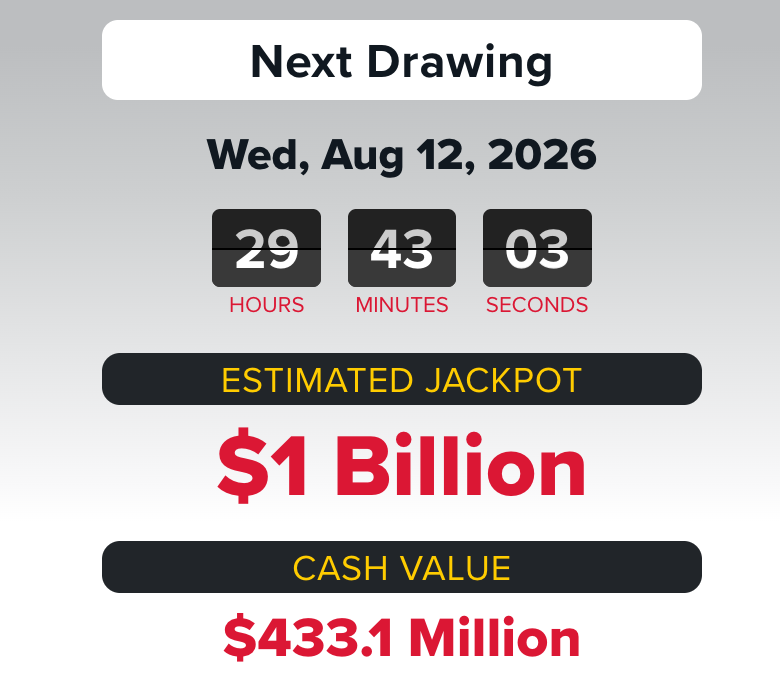
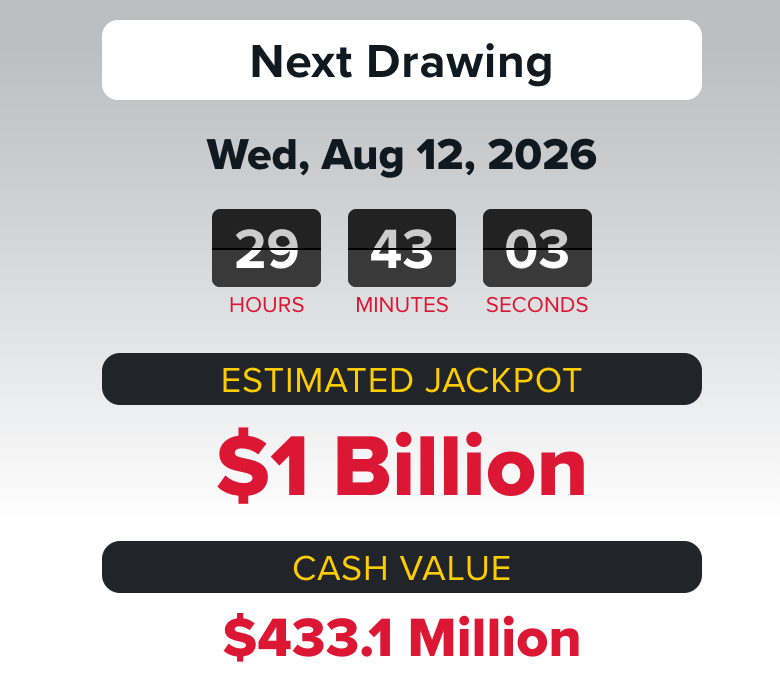
The Powerball jackpot has officially reached $1 BILLION, with a one-time cash option of approximately $433.1 million before taxes.
Naturally, I already built another spreadsheet.
At this point, I should probably put "Lottery Pool CFO" on my LinkedIn profile.
It Started Innocently...
If memory serves, this whole adventure started about a month ago.
I suggested we throw a few bucks together.
Fast forward several drawings later, and we've played Powerball, Mega Millions, more Powerball, and then some more because apparently none of us learned anything.
I'd estimate our fraternity has now spent around $1,200–$1,500 chasing the dream.
That's enough money to buy a decent used car.
Instead, we own a growing collection of paper with numbers on them.
We've Become Spreadsheet People
This isn't just "buy some tickets."
No.
We've gone full corporate.
I've created spreadsheets showing:
Jackpot odds.
Prize probabilities.
Estimated after-tax winnings.
Per-person payouts.
Cash option calculations.
Different scenarios based on how many brothers are playing.
I don't think anyone has ever over-engineered losing the lottery quite like we have.
The Investment Committee Speaks
One thing I actually love is how the group operates.
We've had a few smaller wins.
Instead of everyone demanding their $4.37 immediately, the majority decided to let some of the winnings ride and buy more tickets.
Ladies and gentlemen...
We've accidentally invented a hedge fund.
A terrible hedge fund.
But a hedge fund nonetheless.
The $1 Billion Spreadsheet
Yes...
There's already a spreadsheet.
Of course there is.
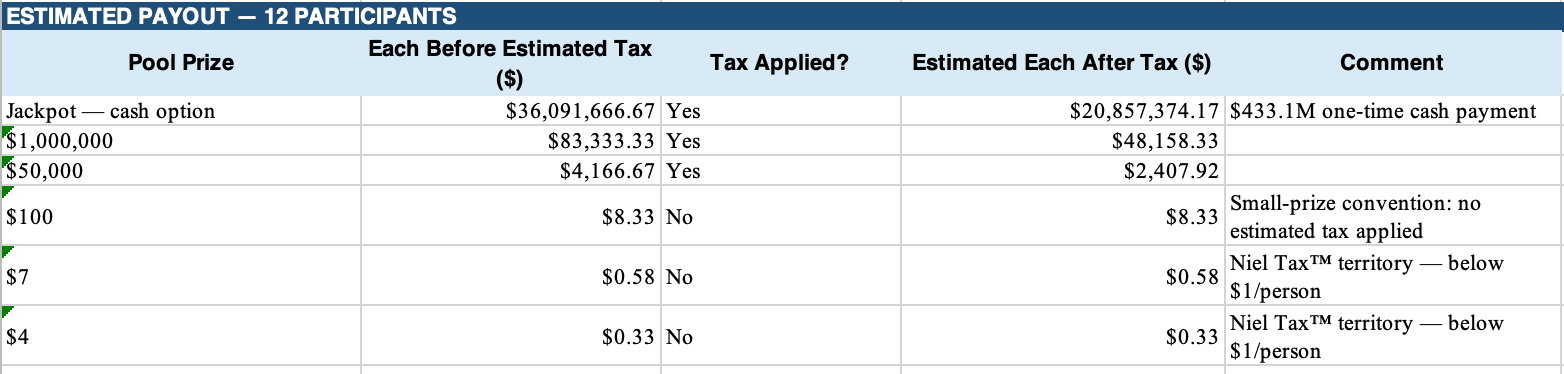
It breaks down exactly what every fraternity brother would receive if we hit the jackpot based on the current pool.
The numbers are ridiculous.
The conversations are even better.
Responsible Financial Planning
People always ask what they'd do if they suddenly became rich.
Our discussions have not exactly been...
...traditional.
Ideas include:
Building an in-ground swimming pool...
...and filling it entirely with bologna.
Hiring someone whose only job is to tell us when Powerball reaches another billion.
Buying matching golf carts just to drive to the mailbox.
Renting a movie theater every Friday because deciding what to stream is exhausting.
Purchasing a private island where absolutely no one is allowed to ask, "Can I borrow a little money?"
Starting a charitable foundation dedicated to replacing every broken fraternity couch in America.
Buying Harris Teeter stock just to thank the cashier who's watched me buy hundreds of dollars in lottery tickets without asking too many questions.
Will We Win?
Statistically?
Probably not.
But for the price of a few tickets, we've bought weeks of laughs, spreadsheets nobody asked for, Discord debates, ridiculous financial planning sessions, and enough jokes to last until the next drawing.
That's not a bad return on investment.
Although...
A billion dollars would still be nice.
Day 58: Trust Is the Foundation—But How Strong Is the Verification?
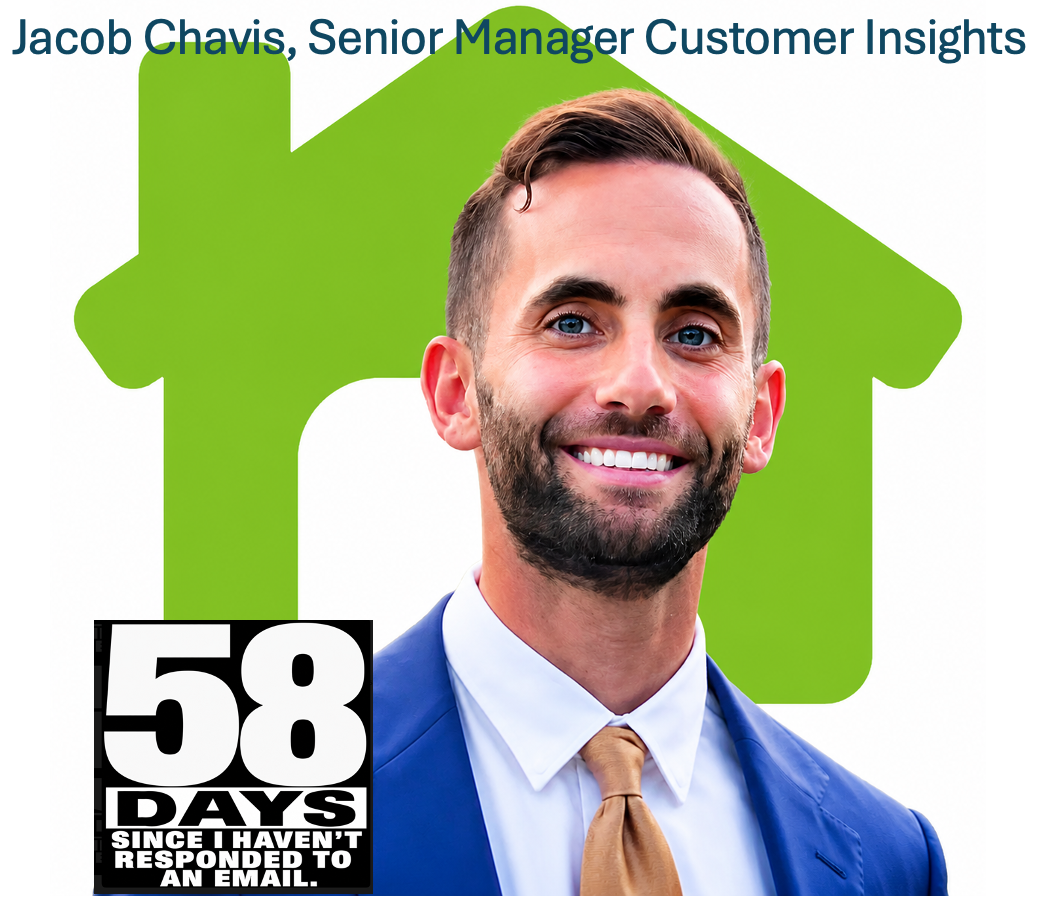
It's Day 58.
At some point, I have to wonder whether my continued attempts to engage Nextdoor have actually made their way into a C-Suite conversation.
"What are we going to do about this guy?"
"Don't engage."
"Don't respond."
Or maybe nobody has discussed it at all.
I genuinely don't know.
Who wants to spill the tea? ☕
While posting about a free mystery movie screening in Las Vegas—link is on NielFlamm.com/blog—I came across another post from CEO Nirav Tolia on X.
Nirav discussed a decision Nextdoor made approximately 15 years ago: requiring real names and verifying physical addresses.
His central point was:
"Trust was always going to be the foundation for Nextdoor's community."
He also wrote that Nextdoor asks people to verify who they are and "stand behind what they said."
That's a compelling message.
There's just a problem.
My own experiment suggests the verification system isn't nearly as airtight as that rhetoric makes it sound.
I previously tested Nextdoor's verification process using a pseudonym—a play on Nirav's own name—and a corresponding email account.
I was able to establish an account that did not represent my actual name or residence.
I'm deliberately not going to publish step-by-step instructions for bypassing Nextdoor's verification. The point isn't to teach people how to exploit it.
The point is that I was able to do it.
That matters when the CEO publicly describes verified identity and physical address as the foundation of trust.
It raises questions I'd like Nextdoor to answer:
How frequently does Nextdoor audit its verification system?
How does it identify accounts that successfully pass verification using inaccurate information?
What happens when location-based verification conflicts with actual residency?
And what quality controls exist around newly established addresses where third-party verification data may be limited?
Those questions aren't attacks.
They're exactly the questions I believe a company should be asking itself when trust is part of its value proposition.
I have plenty of time to think about these things.
And since I'm now on Day 58 without receiving the study or having the conversation I've repeatedly requested, I've spent some of that time examining the platform instead.
That's the irony.
Nextdoor talks about people standing behind what they say.
I'm standing behind what I'm saying.
I'm asking Nextdoor to do the same.
Trust isn't created because a CEO says it's foundational on a podcast.
Trust is created when the product, policies, and actions support the claim.
So, Nextdoor: rather than another Day 59, how about a conversation?
Join the discussion at NielFlamm.com/blog. Leave some feedback—I'd love to hear your perspective.
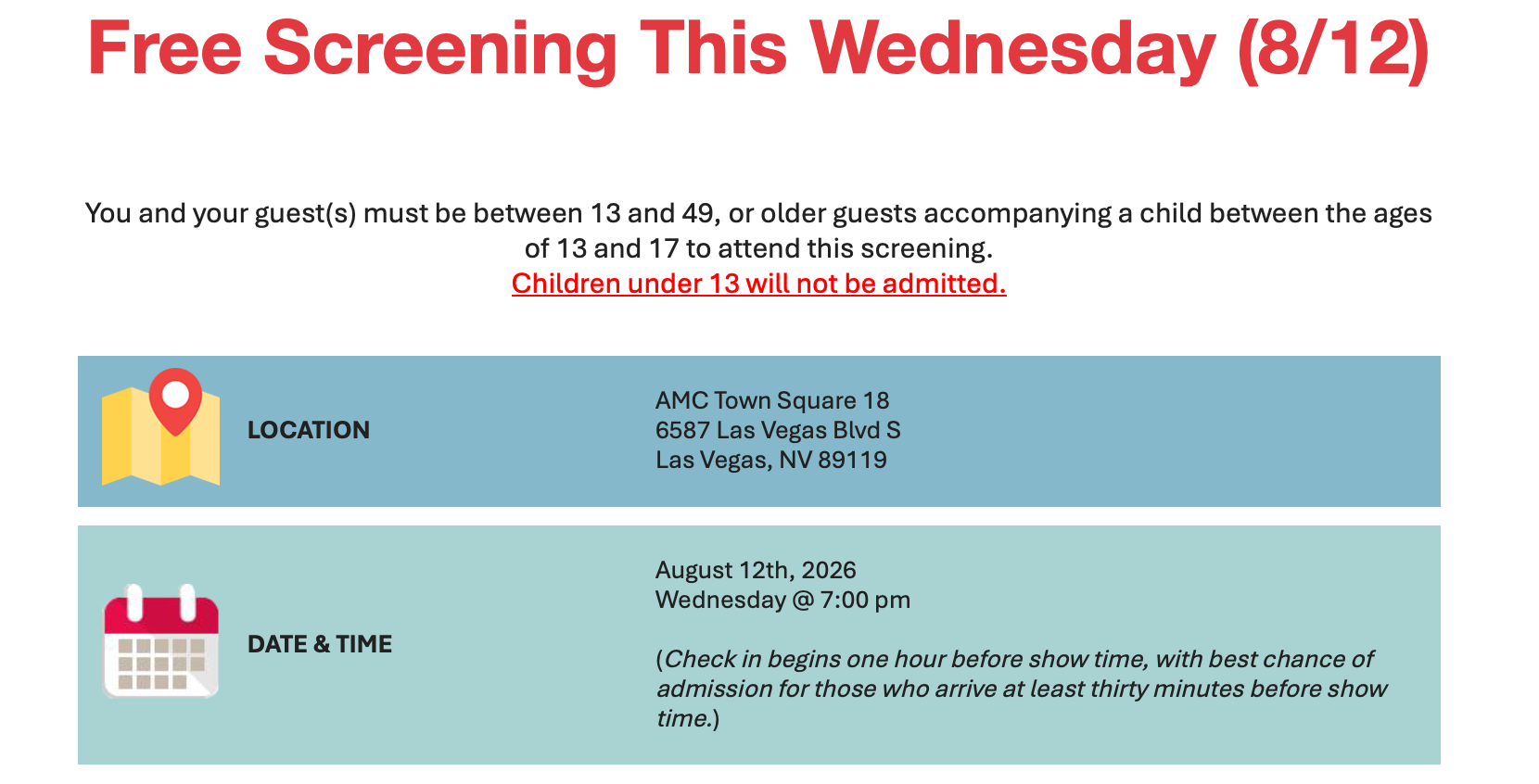
Free Movie Screening in Las Vegas This Wednesday!
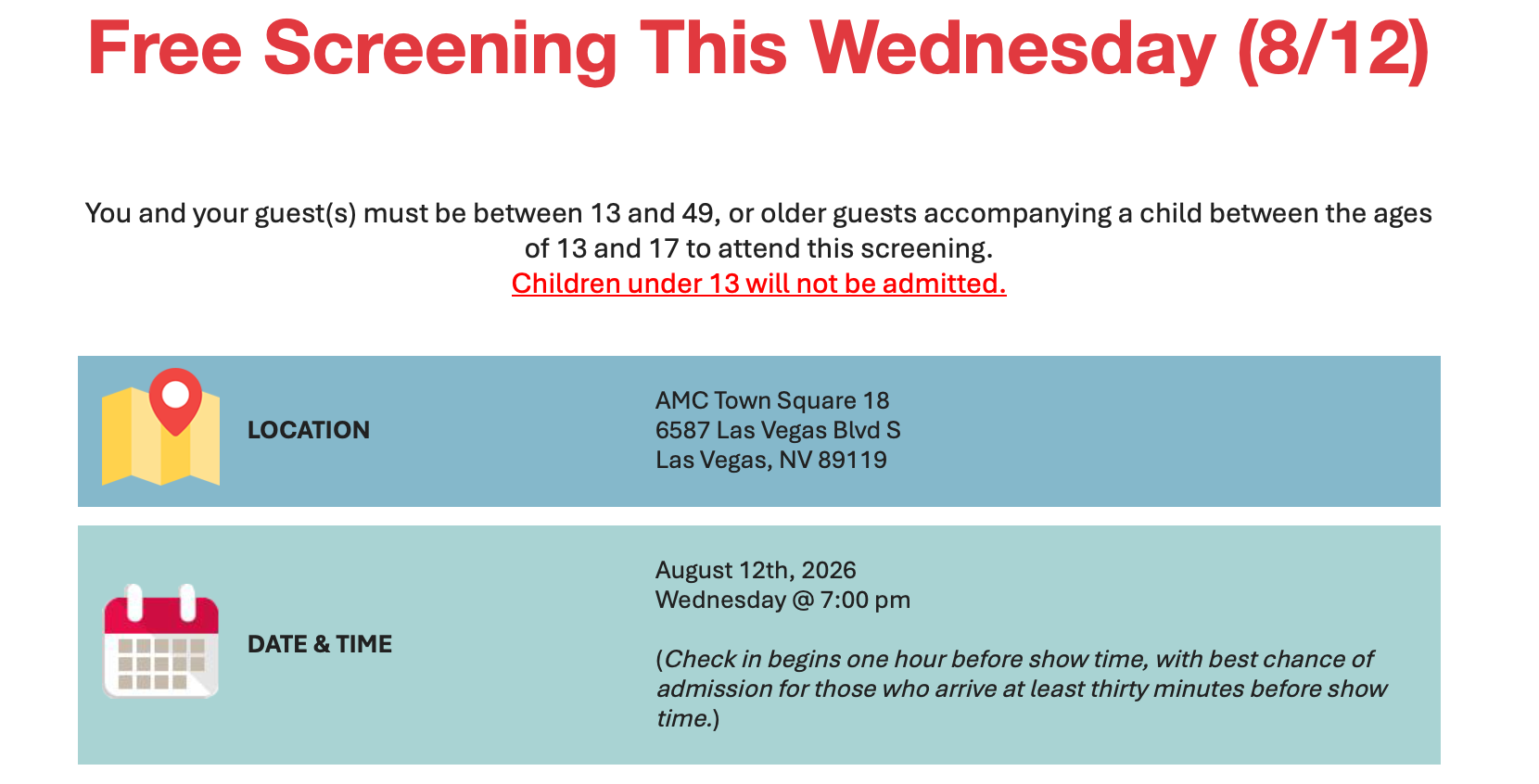
If I were in Las Vegas, I would definitely check out this free movie screening happening Wednesday, August 12, 2026, at 7:00 p.m.
The screening will be held at AMC Town Square 18, located at 6587 Las Vegas Blvd. South. Check-in begins one hour before showtime, and arriving at least 30 minutes early gives you the best chance of admission.
Attendees must generally be between 13 and 49 years old. Older guests may attend if accompanying someone between the ages of 13 and 17. Children under 13 will not be admitted.
Click the link to see if you qualify—and if you attend, let me know what you saw!
The Scale of Shame Is Ready for You
I recently went to the doctor for my yearly Medicare Wellness visit. First, the good news: my PSA is a wonderfully low 0.13. My prostate and I are apparently still on speaking terms.
When I walked in, I noticed a board displaying every provider’s name and whether they were on time or running behind.
What a fantastic concept!
Every medical office should do this. Before I even sit down, I know what to expect and can plan accordingly. Is the doctor running behind? Great—I’ll take out my phone and watch another episode of Stranger Things. Is the doctor on time? Then I’d better prepare to be called immediately and step onto the dreaded Scale of Shame.
This simple board puts the patient—or customer—first. It respects my time and gives me useful information, which should always be the goal.
Here’s the best part: once I was seen, I never felt rushed. No one minimized my questions, hurried me toward the exit, or made me feel like they were racing to hit a metric or service-level target. The providers gave me the time and attention I needed while still keeping patients informed about the schedule.
Apparently, healthcare really can provide transparency without sacrificing personal care.
I can have my cake and eat it too—although, depending on what the Scale of Shame says, perhaps only a small slice.
Join the discussion on NielFlamm.com/blog
#PatientExperience #HealthcareInnovation #CustomerService #MedicareWellness #PatientFirst