
A Weekend Stay at the Hilton Garden Inn in Downtown Columbia
This past weekend, I stayed at the Hilton Garden Inn in downtown Columbia, South Carolina, arriving Friday and leaving Sunday afternoon. I was in town for an event at the University of South Carolina’s Rice Law Building, directly across the street. I was also part of a large group of more than 100 people. The Hilton Garden Inn shares several facilities with the neighboring Home2 Suites, including the pool, lobby space, restaurant and bar, and parking.
Check-in was easy: my key was ready, and I was in my room in no time. The property is clean, bright, and modern. The front desk staff was friendly and helpful throughout my stay. The manager, whose name I didn’t catch, was especially kind and attentive.
A comfortable room, with a lighting drawback
My room was clean and well appointed. The bed was comfortable, and the HVAC system kept the temperature steady with very little fluctuation. The bathroom was spacious, too.
The room did feel quite dark, though. The switch near the door turns on a light by the entrance, but there isn’t a convenient light closer to the sleeping and living area. A little more lighting would make the room much more comfortable.
A helpful response to an accessibility issue
After checking in, I realized I hadn’t been assigned an ADA room with a roll-in shower and bench. I had a traditional shower with a door, and asked the front desk whether the hotel had a shower chair. It didn’t.
The event organizer arranged the room block, so I don’t blame the hotel for the original assignment. The manager offered to move me to a room with a roll-in shower and made sure I was comfortable with the change. She gave me new keys for the new room, along with a replacement key for my previous room, and offered to come upstairs to make sure everything worked. I told her I was fine, and the move went smoothly.
I appreciated how thoughtfully she handled the situation. At the same time, the accessible room itself could be more usable. The mounted body wash, shampoo, and conditioner were under the showerhead and out of reach from the bench, especially for someone with short arms. Towels weren’t placed near the roll-in shower, and the room was far from the elevator. The room was accessible, but these details made it feel as if the design met a minimum standard without fully considering how guests would use it.
Parking, housekeeping, and dining
Parking can be difficult when the shared lot is nearly full, though several ADA spaces are available. On Saturday night, during torrential rain, I temporarily parked close to the Hilton Garden Inn entrance. Later, the manager noticed I had moved my car to a spot much farther away and told me I could have left it closer. I appreciated the gesture—and told her I didn’t want to take advantage of her kindness.
There was no daily housekeeping during my stay. I’m not sure whether that’s standard or related to the group booking. After I spilled something on the bed, I called down for fresh linens. The “0” guest services button on the room phone didn’t work, but once I reached the front desk, the linens arrived in about 20 minutes.
I also ordered a salad from the hotel restaurant and ate it there. The salad was acceptable, though serving it in a plastic takeout box felt a little tacky.
Would I stay again?
The hotel’s location was excellent for my event; the property was clean, and I slept comfortably. The staff—especially the manager—made a strong impression with their helpfulness and kindness.
I may stay here again. I’d be glad to see the hotel improve the practical details of its ADA rooms, particularly the shower setup and placement of toiletries and towels.

17 Days Until Bacon at Sea
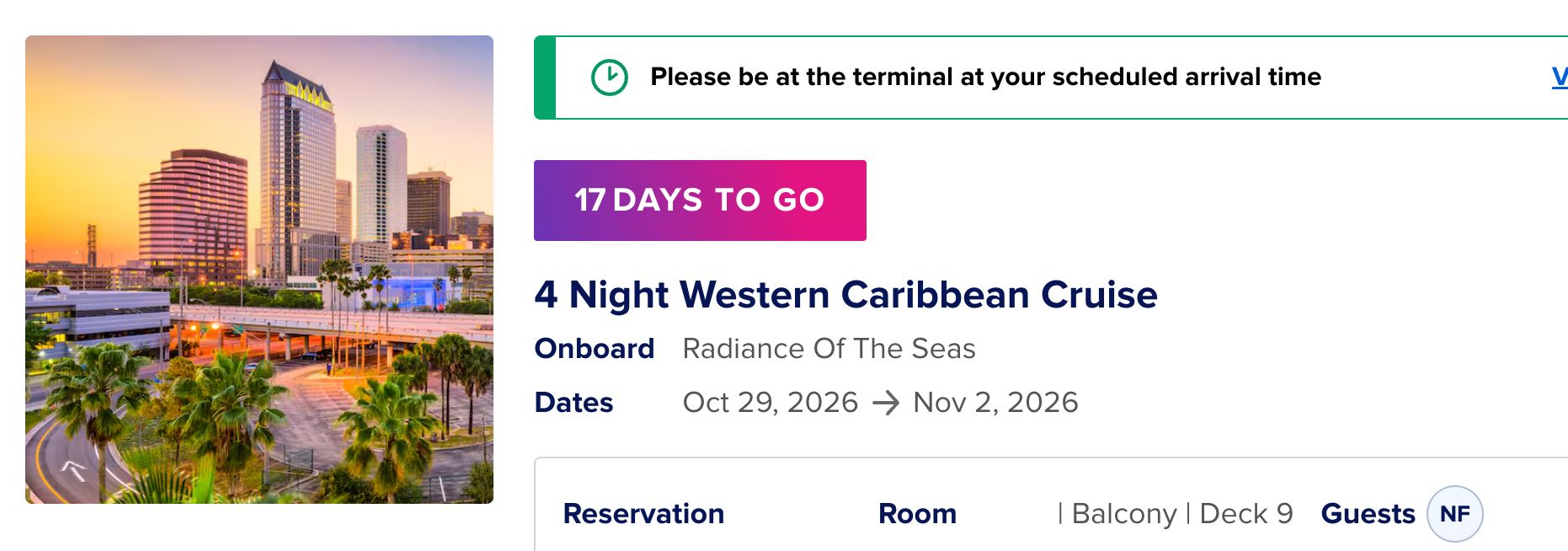
Seventeen days until the Radiance of the Seas sets sail from Tampa—and then it’s four nights of cruising, with a day at sea, a stop in Cozumel, another day at sea, and back to Tampa.
Or maybe it’s really 16 days until I’m onboard, and 17 until the ship departs. Either way, the countdown is on!
This might be my ninth cruise, give or take, and I already know what I’m looking forward to: good coffee, people-watching, and relaxing on the balcony at night with the water rolling by or the sky overhead.
Oh, and bacon. Definitely bacon. Breakfast bacon, snack bacon, “I’m on vacation” bacon. I think you get the idea.
The internet and non-alcoholic beverage package are paid for, the balcony is booked, and I’m ready to go.

Slido at the SC Forum: A Tool Is Only as Good as How We Use It
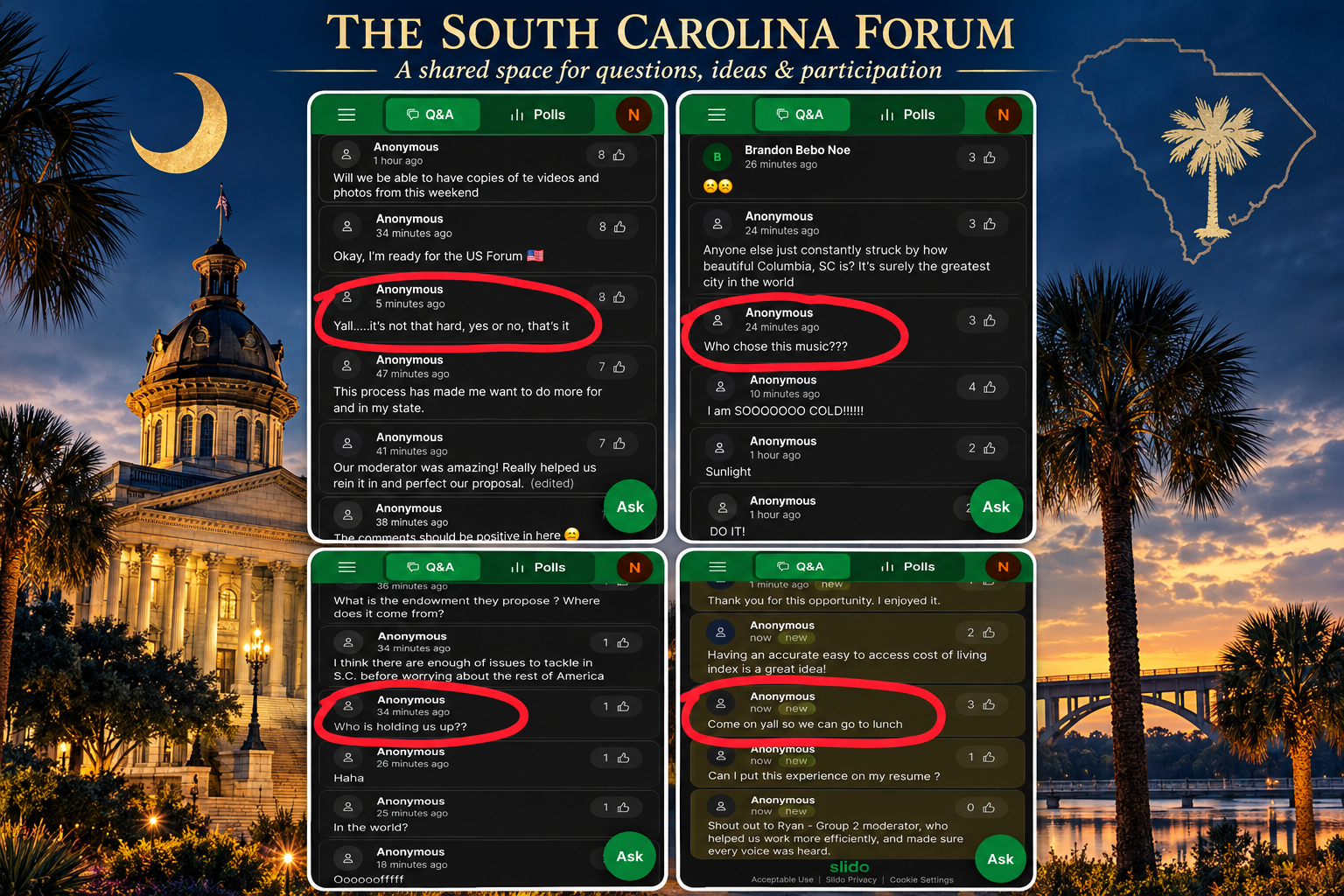
The SC Forum weekend was an awesome opportunity to learn, share ideas, and work with people from different backgrounds and perspectives. One tool that helped bring participants into the conversation was Slido.
Slido is an audience participation platform used at meetings and events. Participants can submit questions, respond to live polls, and vote on questions or comments. Depending on how an event is set up, people can also post anonymously. That can make it easier for more voices to be heard, especially from people who might not want to speak in front of a room. Slido’s live Q&A features include anonymous questions and audience upvoting.
For much of the weekend, Slido was used as intended: to ask thoughtful questions, share relevant comments, and take part in votes. The screenshots also show a few moments when the tool was used for jokes or off-topic remarks. Those comments may have seemed harmless to the people posting them, but they pulled attention away from the work and the forum's purpose.
Anonymity can help people participate more freely, but it also asks us to take personal responsibility for what we contribute. A useful question to ask before posting is: Does this help the conversation move forward?
I also used Slido to thank the team for the opportunity and for a meaningful weekend. I chose to attach my name to that comment. I wanted the appreciation to be personal and direct.
The best tools make participation easier. How we use those tools best depends on the people in the room. Slido gave us a way to ask, respond, and vote; each of us had to use that opportunity with care.

Day 118: Nextdoor Can't Fix What's Broken Until It Admits Something Is Broken

I recently heard an entrepreneur make a statement that stuck with me:
Before a company can fix something, it has to admit something is broken.
That sounds pretty simple, doesn't it?
Yet after 118 days documenting my experience with Nextdoor, I have a growing list of issues I'd like to see addressed.
But adding new features, launching advertising products, and promoting neighborhood intelligence won't fix underlying problems.
Let's take a look at what's broken.
1. Communication: A Master Class in How Not to Communicate
For 118 days, I've been requesting detailed Insights research that Nextdoor's own blog posts described as available.
I've emailed. I've followed up. I've expanded my outreach. I've offered to talk by phone, video, or virtual coffee.
I received a response, but not the complete reports I requested.
The problem isn't that Nextdoor must give me everything I ask for. It can tell me the reports aren't available, explain restrictions, or direct me to the appropriate person.
The problem is leaving a straightforward request unresolved.
With more than 20 years of experience in Learning & Development, I've seen the difference between hearing a question and actually addressing it.
Nextdoor has had 118 days to demonstrate that difference.
2. Accountability: Who Owns the Problem?
A simple request shouldn't require a 118-day case study.
Who owns the request? Who is responsible for following up? Who has the authority to resolve it?
If the person receiving a request can't answer it, accountability means making sure it reaches someone who can.
Instead, I'm still documenting the days.
Accountability isn't about finding someone to blame. It's about finding someone responsible for getting the job done.
3. Moderation: Who Holds the Moderators Accountable?
I've repeatedly raised concerns about Nextdoor's moderation model.
Users have publicly described experiences involving inconsistent enforcement, unclear explanations, difficult appeals, and decisions that appear to vary between communities.
I can't independently verify every user's account, and I won't pretend every moderation decision is wrong.
But the broader questions deserve answers:
What training do moderators receive?
How does Nextdoor measure moderation quality and consistency?
What happens when moderators make mistakes?
How can users appeal decisions effectively?
How does Nextdoor identify and address inconsistent enforcement across neighborhoods?
A community platform needs moderation. But moderation without meaningful accountability can undermine the trust it's supposed to protect.

4. User-Generated Content: Who Gets the Economic Benefit?
Nextdoor's neighborhood knowledge is valuable.
Reviews, recommendations, conversations and local experiences help make the platform useful. Nextdoor is now developing products that package neighborhood-level intelligence for advertisers.
I'm a shareholder. I want the company to monetize its competitive advantages.
But I also believe the people supplying valuable content deserve a seat at the table when we discuss how that value is shared.
I'm not claiming every user automatically has a legal right to royalties. Platform terms, privacy laws, and how information is used matter.
I'm asking a broader economic question:
If user contributions help generate commercial value, why shouldn't platforms explore ways for contributors to participate in that value?
That's why I launched my petition calling for a neighbor value-sharing agreement.
👉 Sign it: https://c.org/GkNWmffgg9
5. Transparency: Show Us the Methodology
Nextdoor recently published a neighborhood trust study with The Harris Poll that provided meaningful information about the research methodology.
I applauded that.
It showed that Nextdoor can publish research with useful context about how it obtained the findings.
That's the standard I'd like to see applied consistently.
When a company publishes statistics, promotes research, or uses data to sell advertising, people should understand the methodology behind the claims.
Transparency shouldn't depend on whether the information makes the company look good.
6. Leadership: Blocking Questions Doesn't Resolve Them
Nextdoor CEO Nirav Tolia has blocked me on X twice, according to my experience.
He's entitled to decide whom he interacts with on social media. Being CEO doesn't obligate him to respond personally to every shareholder.
But blocking me doesn't resolve my questions.
Leadership means establishing a process to address difficult questions, even when the CEO isn't the one answering them.
Disagree with me. Explain why I'm wrong. Delegate the question. Tell me the information isn't available.
Just make sure somebody owns the response.

7. Product Strategy: Stop Adding Before Fixing
Nextdoor keeps announcing new initiatives, including Neighborhood Intelligence and seasonal features like its Treat Map.
Innovation is important. Advertising products may help the company grow revenue.
But there's a difference between adding capabilities and fixing the underlying business.
Can Nextdoor turn its neighborhood knowledge into sustainable profits? Can it improve the user experience? Can it build trust with neighbors, advertisers, and shareholders? Can it establish consistent, accountable moderation?
A growing list of features doesn't automatically mean a healthier business.
Sometimes the best next product improvement isn't another feature. It's fixing the process that already exists.
8. Trust: The Company Has to Practice What It Promotes
Nextdoor recently published research emphasizing the importance of trust and communication in neighborhoods.
I welcomed that report.
But trust is built through repeated actions, not just statements.
When a company promotes trust, people evaluate its communication, moderation, and accountability practices as part of the experience.
That doesn't mean Nextdoor has to agree with every user.
It means its actions should support the principles it promotes.
The First Step Is Admitting There's a Problem
These are the issues I believe Nextdoor should examine:
Communication
Accountability
Moderator training and consistency
The economic value of user-generated content
Research transparency
Leadership's response to difficult questions
Product priorities versus operational improvements
Trust between the platform and its stakeholders
I'm not suggesting you can solve every problem overnight.
I'm suggesting that you can't fix a problem you refuse to acknowledge.
Nextdoor has built something with real potential. It has millions of users, a distinctive neighborhood focus, and information that advertisers may find valuable.
I want that potential to translate into a stronger business.
But before the next big announcement, perhaps leadership should ask a different question:
What needs fixing before we build something else?
Day 118.
I'm still here. I'm still asking questions. And I still want Nextdoor to succeed.
Now, let's start fixing things.
👉 NielFlamm.com/blog

From Common Ground to Measurable Progress in South Carolina
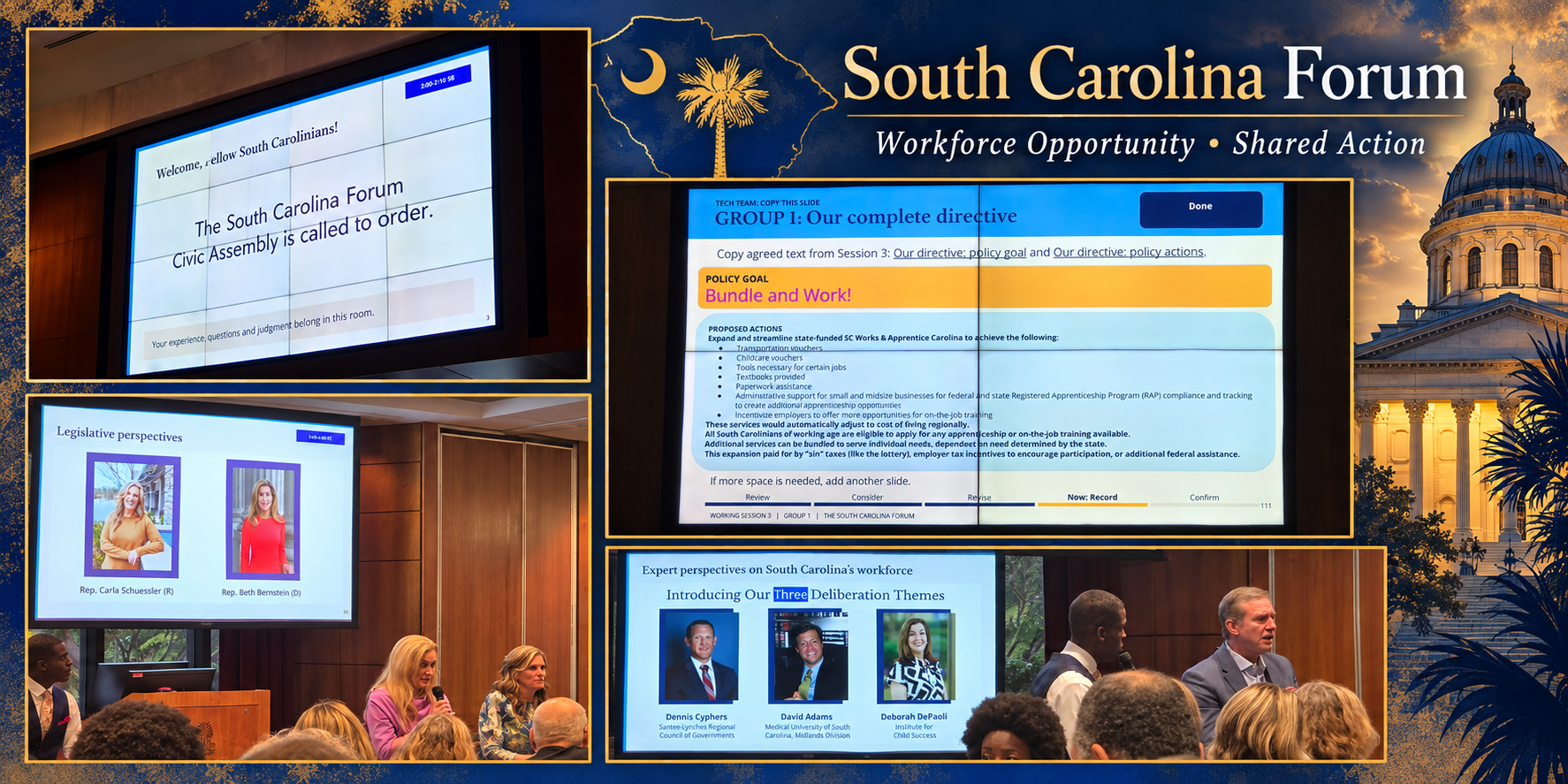
This afternoon, the SC Forum wraps up—and I’m leaving impressed by what can happen when people with different opinions, backgrounds, and ideologies come together around a shared purpose: making a meaningful difference for families in South Carolina.
Nine groups have been working on ideas to improve families’ livelihoods through better career opportunities. The conversations have included topics like the SC Works website and apprenticeship programs. The goal is to develop bill recommendations for the state legislature.
That’s ambitious work. And wearing my Learning & Development hat, I keep coming back to one question: Are we making these recommendations S.M.A.R.T.?
For anyone unfamiliar with the framework, S.M.A.R.T. goals are:
Specific
Measurable
Actionable
Realistic
Time-bound
It’s easy—and understandable—to say we want to “make things better.” But what would “better” look like for someone using SC Works? What would a stronger apprenticeship program accomplish, and for whom? How will we know whether a change is working? When will we start measuring, and when will we review the results? Is the goal ambitious but achievable?
These questions aren’t about shrinking the vision or chasing the easiest win. They’re about giving a good idea a clear path to results. A bill recommendation should make it clear what action is proposed, who is responsible, what progress looks like, and when that progress will be assessed.
My two cents: government and public policy could benefit from more of the practical tools used in the corporate and private sectors. Clear objectives, measures of success, timelines, and regular reviews can help turn a shared aspiration into accountable work.
The Forum’s strength is bringing different people to the same table. The next step is making sure the ideas we carry forward are clear enough to act on—and concrete enough to measure. That’s how common ground can lead to lasting impact for South Carolina families.