
The Creators Built the Platform. Why Aren't More of Them Sharing the Revenue?
From Nextdoor to Facebook, social media platforms have a revenue-sharing problem. The people creating the content shouldn't be an afterthought in the business model.
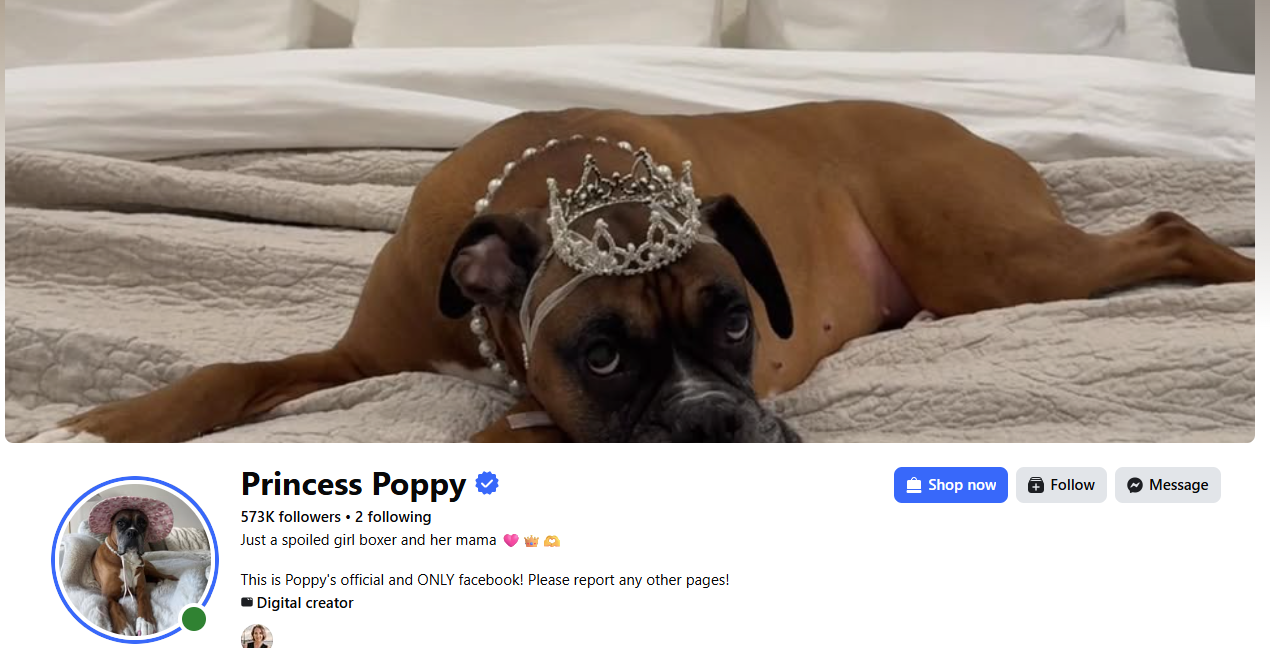
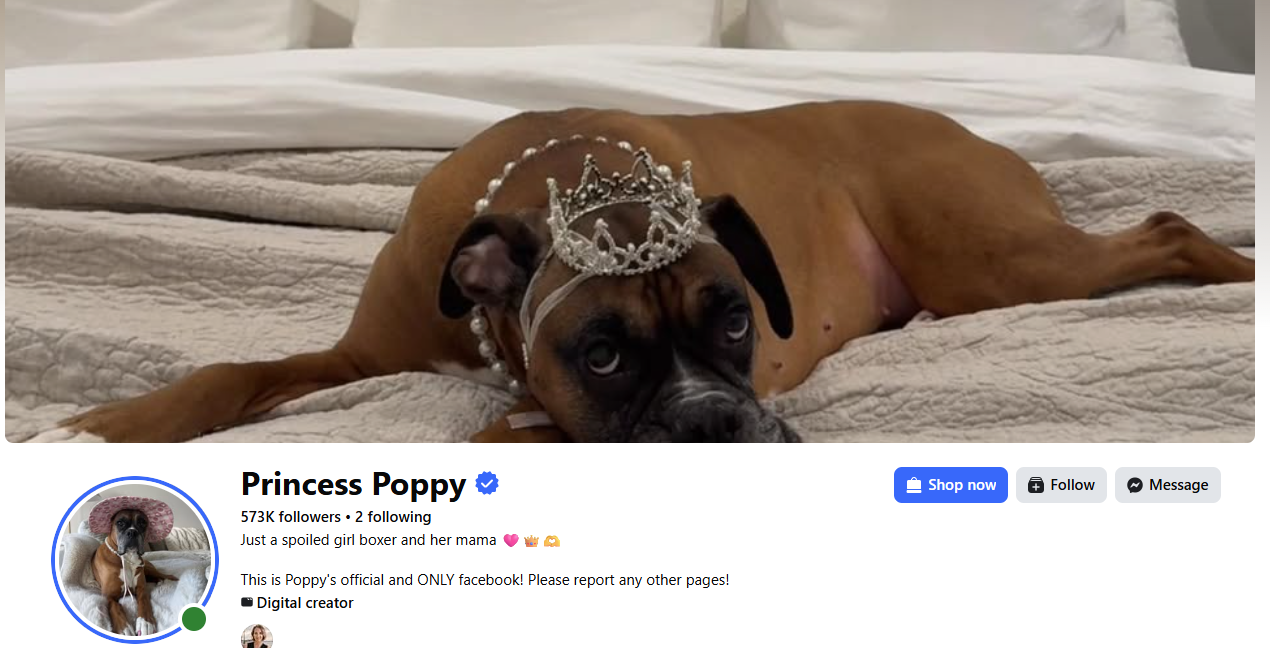
I watched a Facebook Reel featuring Princess Poppy from Poppy Seed Home (https://www.facebook.com/poppyseedhome). The creator discussed money she believes she and Poppy are owed.
I don't know the full backstory, the dispute details, or the circumstances behind the claim. I'm not going to pretend I do.
But something she said resonated with a point I've been making for months while examining Nextdoor and the broader social media business model.
The users create the content. Without the content, what exactly would the platforms have to offer?
Think about that for a moment.
The Platform Provides the Stage. Who Creates the Show?
Facebook, Instagram, TikTok, YouTube, and Nextdoor each offer a different experience. Some focus on entertainment, some on video, some on professional content, and others on neighborhood conversations.
But they share an important characteristic: user contributions help make these platforms valuable.
Creators produce videos, write posts, share photographs, offer recommendations, answer questions, and build communities. Other users watch, read, comment, react, and share.
That activity attracts attention.
Attention creates opportunities for advertising, subscriptions, sponsorships and other commercial products.
The platform provides the technology, distribution, moderation systems, infrastructure and tools. Those things cost money and deserve compensation.
But the people creating the material that attracts the audience also contribute something valuable.
Why should the platform be the only party with a guaranteed business model built around that collective activity?
I'm not arguing that every post should generate a payment. Nor am I saying that anyone who uploads a picture or comments on a neighborhood discussion is automatically entitled to a share of advertising revenue.
I'm asking whether the current arrangements fairly recognize the different kinds of value people contribute.
Yes, Big Creators Make Money. What About Everyone Else?
Let's acknowledge that revenue-sharing programs already exist.
Facebook reported paying content creators nearly $3 billion in 2025, a 35% increase over the previous year. Its monetization programs cover eligible Reels, Stories, photos, and text posts, although access and earnings depend on program rules and content performance.
YouTube also has established advertising and subscription revenue-sharing programs for eligible creators.
Those are meaningful steps. I'm not suggesting that platforms never pay creators.
But here's the issue: not everyone who adds value gets the same opportunities.
Some creators build enormous audiences. They may qualify for monetization, attract sponsorships, and negotiate lucrative brand partnerships.
Then there are smaller creators.
They might have a few hundred followers, a few thousand views, or a modest community that regularly engages with their work. They may never become famous, but their contributions still give people reasons to visit the platform.
Their posts fill feeds. Their videos give people something to watch. Their recommendations help users decide what to watch. Their interactions keep conversations moving.
And when someone opens an app to watch one creator's video, they may also see ads, sponsored posts, and recommendations for other content.
The platform can benefit from that visit even when the original creator receives no direct payment.
I believe that's a part of the business model worth examining more closely.

Small Creators Are Part of the Infrastructure
Imagine a shopping mall.
The mall owner maintains the building, provides security, manages the property, and leases space to businesses. The businesses stock the shelves, serve customers, and give people reasons to visit.
Now imagine the mall became successful because thousands of small businesses attracted shoppers, but only a select group received a share of the revenue that traffic generated.
The comparison isn't perfect. Social media platforms have different economics, and you can't always attribute advertising revenue to a single post or creator.
But the principle is worth considering.
A platform can own the infrastructure without being the sole source of its value.
Small creators are part of the ecosystem. Together, their contributions make a platform feel active, interesting, and worth revisiting.
If platforms want people to keep creating, shouldn't they think about ways to reward more than just the biggest names?
That could mean lower barriers to monetization, transparent bonus programs, small-creator funds, fan-supported payments, or revenue-sharing models that reward qualifying contributions.
The goal doesn't have to be paying everyone equally. It should build a system where meaningful contributions have a realistic path to recognition and compensation.
Nextdoor Has the Same Question to Answer
This is where my ongoing Nextdoor case study comes in.
Nextdoor is different from Facebook or YouTube. Its value comes less from viral entertainment videos. It comes from neighborhood participation.
Neighbors share recommendations for contractors, restaurants, and local services. They discuss community issues, answer questions, post about local events, and exchange information about what's happening nearby.
Businesses can benefit from that activity. Nextdoor can use its audience and neighborhood context to develop advertising products.
The company has also introduced Neighborhood Intelligence, an advertising offering built around neighborhood-level insights.
That raises a question I've asked before:
When neighborhood knowledge becomes part of a commercial product, how should the people contributing that knowledge participate in the value created?
I'm not claiming that every neighborhood post is used in an advertising product, or that every contributor has a legal right to payment. Those are different questions requiring specific evidence and agreements.
I'm asking Nextdoor to consider the broader business relationship.
A neighbor might spend years recommending local businesses, answering questions, and sharing useful information. Those contributions can help make the platform valuable to other users and attractive to advertisers.
What does that neighbor receive in return beyond access to the service?
Perhaps the service itself is the benefit. Some contributors may be satisfied with that arrangement.
But we shouldn’t assume every user sees the exchange the same way.
We should explore additional models that reward people who make sustained, meaningful contributions.

What Would Fairer Revenue Sharing Look Like?
I don't believe one model works for every platform. Different content creates different value, and a system that works for video creators may not work for neighborhood recommendations.
But here are some possibilities worth considering.
1. Lower barriers for smaller creators.
Make it easier for creators with modest audiences to qualify for meaningful monetization, as long as their content meets quality, originality, and safety standards.
2. More transparent earnings.
Give creators understandable information about what qualifies for payment, how earnings are calculated, why views may not count, and how payouts are determined.
3. Rewards for useful community contributions.
Platforms like Nextdoor could explore opt-in programs that reward qualifying contributions to research, local knowledge initiatives, or other commercial projects, with clear terms and privacy protections.
4. Revenue-sharing pools.
Where platforms can't neatly attribute individual advertising revenue to one post, they could explore pools that distribute a portion of eligible revenue among qualifying contributors based on transparent criteria.
5. Better protection against unauthorized reuse.
Creators should have clear ways to report impersonation, unauthorized copying, and misuse of their work, along with understandable processes for resolving disputes.
6. A seat at the table.
Platforms should consult creators of different sizes when designing monetization policies. The needs of someone with millions of followers aren't necessarily the same as those of someone building a small, loyal community.
None of these approaches eliminates the costs of operating a platform. None guarantees that every user will earn money.
But each offers a way to think more seriously about the relationship between contribution and compensation.
The Counterargument: The Platform Takes the Risk
Of course, social media companies have expenses.
They pay for engineering, hosting, security, moderation, customer support, product development, and legal compliance. They also take business risks and invest in systems that help creators reach audiences.
Those investments matter.
And users generally agree to terms that explain how their content may be used when they sign up. For example, TikTok's U.S. terms state that the company can generate revenue and value from use of its services. At the same time, users generally have no right to share in that revenue unless an applicable program or agreement provides otherwise.
That is the commercial arrangement many people accept when they join a platform.
But accepting today's terms doesn't mean the business model can never improve.
Companies regularly revise their products, pricing, and partnerships when they see an opportunity to build a stronger business.
Why shouldn't they also revisit how they share value with the people whose contributions help sustain their platforms?
A fairer model could strengthen loyalty, encourage original content, and give smaller creators more reasons to keep participating.
The challenge is designing a model that rewards meaningful contributions without encouraging spam, artificial engagement, or low-quality content created solely to collect payments.
That's a business problem worth solving—not a reason to avoid the discussion.
Princess Poppy Made Me Think About the Bigger Picture
Returning to the Reel that started this thought: I don't know the full circumstances of the payment issue involving Princess Poppy and her creator. I need more information before I can conclude what happened or what anyone is owed.
But I don't need every detail of that dispute to recognize the larger question it raised.
Creators invest time, effort, and creativity in producing material that other people enjoy. Some build businesses around their work. Others contribute because they love what they do.
The platform benefits when people keep coming back for that content.
When disputes arise over payment, attribution, or the use of creative work, the underlying relationship deserves scrutiny.
The question isn't whether a platform should make money. Of course it should have a sustainable business model.
The question is whether the people contributing to that model have fair opportunities to share in the value they help create.
The Future Shouldn't Belong Only to the Platforms
Social media companies have built enormously valuable businesses by connecting people and distributing content at scale.
Their technology matters. Their employees matter. Their advertisers matter. Their investors matter.
And their users matter.
The next stage of social media monetization should recognize that an ecosystem creates value, not just the company that owns the app.
That doesn't mean everyone gets a check every month. It means platforms should be willing to experiment with fairer, more transparent ways to reward meaningful contributions.
For Facebook, that means continuing to examine how monetization can reach beyond established stars.
For YouTube and TikTok, it means keeping eligibility rules and revenue-sharing programs understandable and accessible to creators with different-sized audiences.
For Nextdoor, it means asking whether neighbors who contribute useful local knowledge should have additional opportunities to participate when that knowledge supports commercial products.
And for all of them, it means remembering that a platform without interesting contributions has a much harder time attracting and retaining an audience.
The platforms built the tools. The creators and communities helped give those tools value. Isn't it time we had a bigger conversation about sharing the returns?
👉 Read more of my ongoing Nextdoor case study and other commentary at NielFlamm.com/blog.