
November 20: The Clock Is Ticking, Mom's Moving, and the Guilt Trip Isn't Working
Around 10 a.m. today, I found out something that changed the urgency of everything.
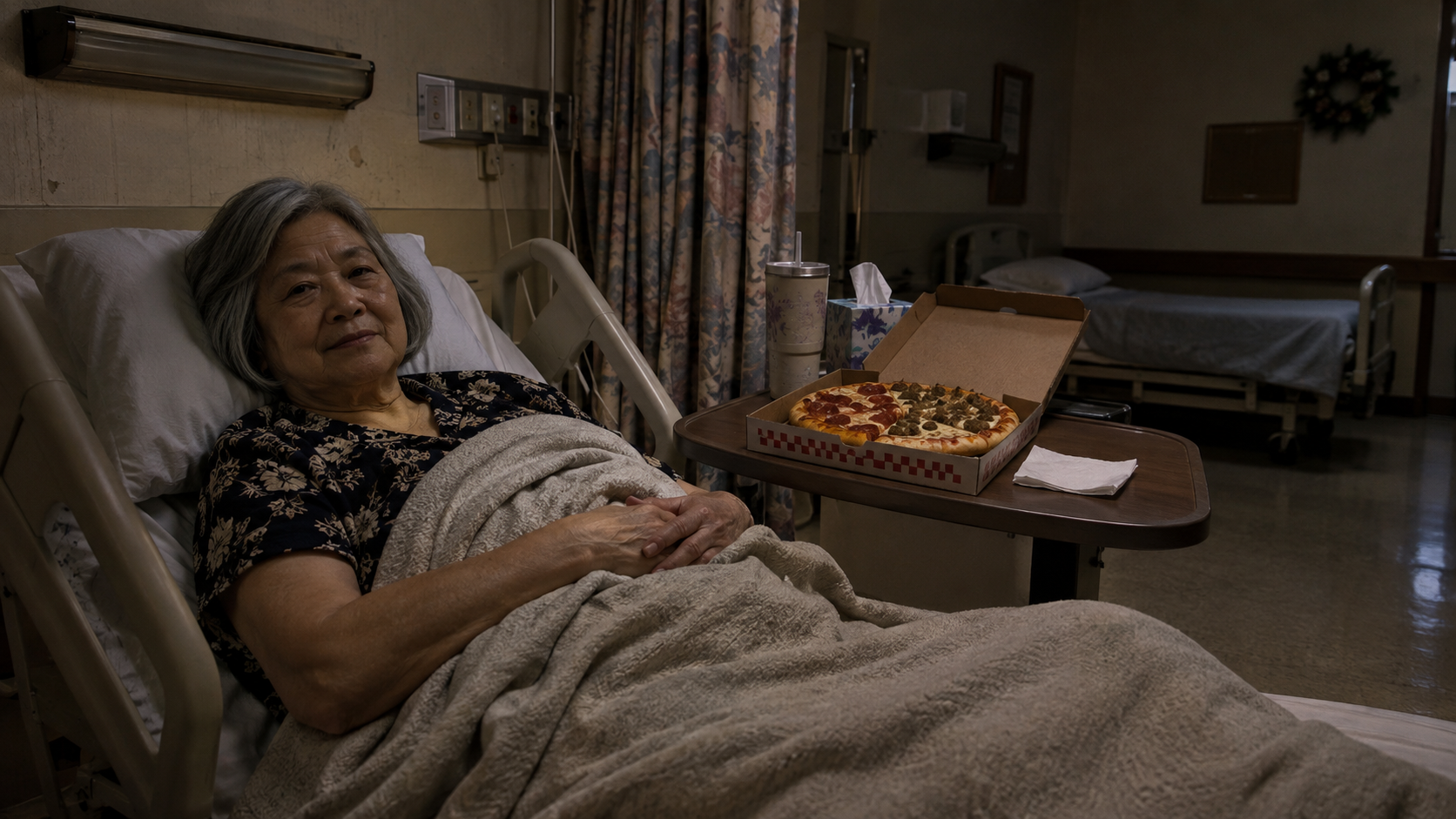
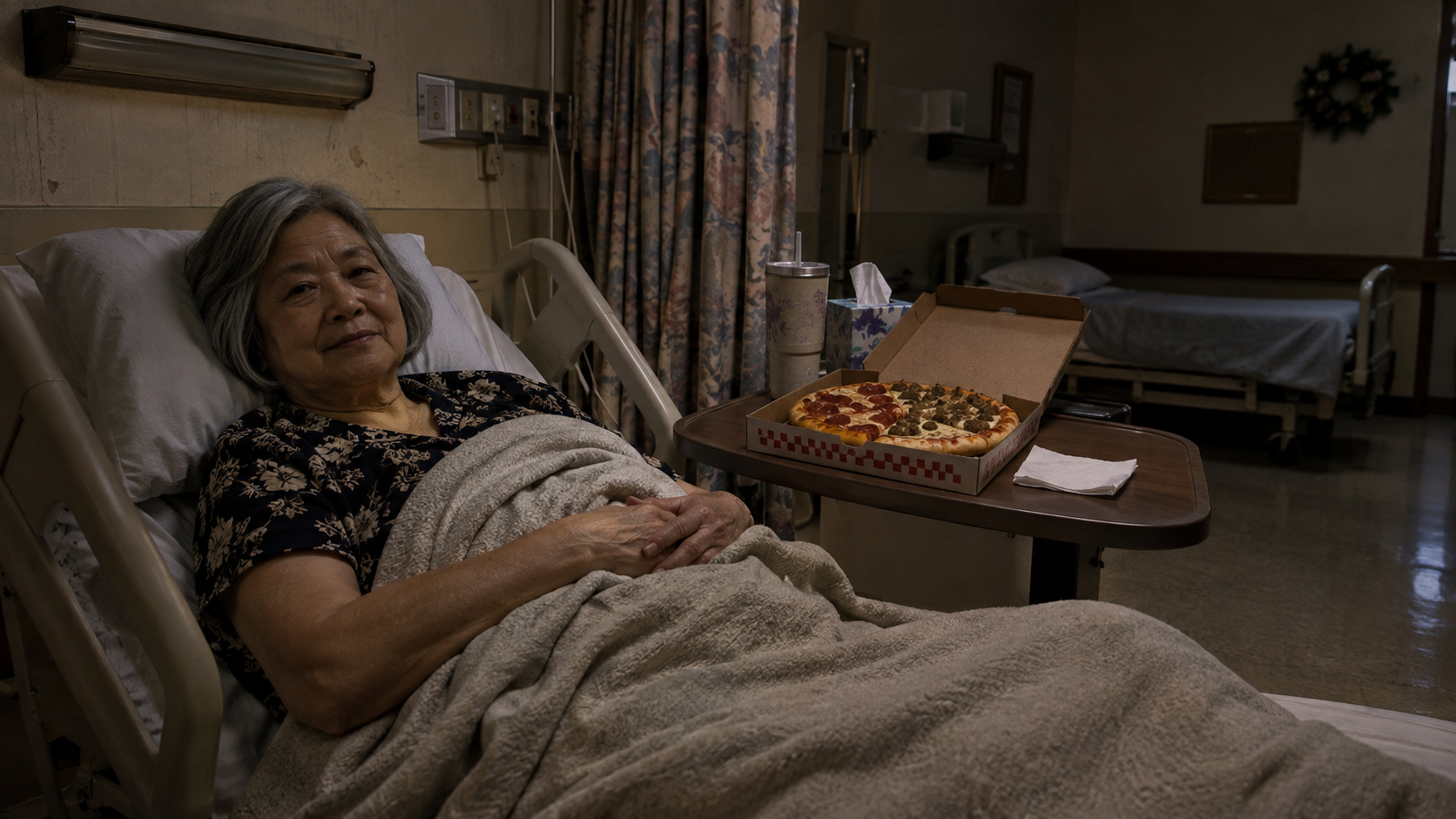
Mom's discharge date from the skilled nursing facility is next Friday, November 20, 2026.
Well, folks, now it's getting serious.
Until now, I've been researching assisted living facilities, taking tours, comparing options, discussing finances, and trying to figure out what might work. We had some flexibility because we didn't have a firm date staring us in the face.
That flexibility is gone.
Now I need to settle on a place. I need to get the ball rolling. I need to make decisions, coordinate the move, and get everything ready.
The clock is ticking.
Dad and I finally resolved something.
One positive development is that Dad and I resolved our differences regarding Mom's finances.
We opened an account to fund Mom's accommodations, care, furniture, and sundry items.
That's what the money is for—Mom’s needs.
I'm glad we were able to get this part worked out. It removes a major obstacle and lets me focus on finding a place for her instead of continuing to deal with the financial disagreement.
Now comes the next challenge: choosing the facility.
The shortlist and the community fee
I've narrowed things down to a few places.
I have a preference, but as I've told Mom, not every box will get checked. Something is going to give.
No facility is magical: the food isn't always wonderful, the staff isn't always available, the temperature isn't always right, and not every preference is met.
That's not how this works.
One thing I'm particularly focused on is what the assisted living industry calls a community fee.
For those unfamiliar with the term, it's generally a one-time fee charged when someone moves into a community. Think of it as an admission or move-in fee, although the actual services and terms can vary by facility.
I have a problem with these fees.
I equate them to a Sam's Club or Costco membership. You pay a fee to become a member.
Except in this case, we're talking about thousands of dollars to get someone through the door.
I contend that this fee is essentially pure profit for the facility. I understand there may be administrative and move-in costs, but $4,200? Really?
Here's where the current shortlist stands:
Facility #1: They want $4,200 for the community fee, PLUS the first month's rent. I told them I think 50% of that fee is fair. I'm waiting to see where that conversation goes.
Facility #2: They're offering a $0 community fee through the end of November. That puts them at number two on my list, and that promotion certainly gets my attention.
Facility #3: I haven't contacted them yet.
So, I have some negotiating to do.
I'm not opposed to paying for a service or a legitimate expense. But when I'm arranging care for my mother, I want to understand what we're paying for. I also want to make sure the money is being used appropriately.
Remember, this account is being established specifically for Mom's care. I'm not treating it like an unlimited credit card.
Every dollar matters.
And then came the guilt trip.
Of course, no visit with Mom would be complete without another conversation about expectations, happiness, and the future.
At one point, she started with the guilt-inducing comments.
"I'll be happy if I make it tonight..."
And then she continued with more of the same.
I recognize what's happening. I've heard variations of this conversation before.
I kept bringing her back to two things.
1. She will never be 100% happy.
Not at this facility. Not at the next facility. Not at home. Not anywhere.
Something will always be different from what she wants.
The food might not be right. The staff might not respond quickly enough. The temperature might be wrong. The room might not be arranged the way she likes.
At some point, she has to accept that life won’t check every box.
2. Life will be easier if she accepts how she got here and recognizes that her old life isn't coming back.
That's a difficult statement, but I believe she needs to hear it.
Her health circumstances have changed. Her independence has changed. Her daily routine has changed.
She cannot keep fighting the reality of where she is today while expecting everyone around her to restore somehow the life she had before.

I've been through this myself.
I'm not saying any of this from some imaginary position of knowing everything.
I've done this work myself.
Before my above-the-knee amputation, I had a different life. Before end-stage renal disease, I had a different life.
Those things changed my world.
I had to mourn the life I had before. I had to accept that I wasn't going to return to the way things used to be.
For a while, it's easy to spend your time fighting that reality. You wonder why things happened, why your life changed, and why you can't get back to where you were.
But eventually, I realized that fighting the past wasn't helping me live in the present.
Once I accepted my circumstances, life became much easier to navigate.
I stopped fighting to get back to the person I was before. I stopped acting as though the universe owed me a particular outcome. I stopped expecting everything to revolve around what I wanted.
Instead, I started accepting where I was.
And I found gratitude in that.
Do I love dialysis? No.
Do I love being an amputee? No.
Would I prefer to have my previous health and independence? Absolutely.
But that's not where I am today.
I can spend my time wishing things were different, or I can make the most of the life I have.
That's the difference acceptance made for me.
And that's what I'm trying to explain to Mom.
The Chinese guilt trip isn't working.
Here's another part of the conversation that I want to address.
I told Mom that the Chinese guilt thing doesn't work on me.
The old-people guilt thing doesn't work on me, either.
I know the family dynamics. I know the comments. I know the emotional pressure that can come with conversations about parents, children, family obligations, and what someone is supposedly expected to do.
But I won’t make decisions based on guilt.
I'm helping Mom because I chose to. I'm researching facilities, working through the finances, visiting her, and trying to arrange the next chapter of her life.
I'm doing these things because I want to help.
That doesn't mean I have to accept every guilt-inducing comment or take responsibility for making her happy.
I feel no guilt about the decisions I'm making.
I can care about my mother, work to find her an appropriate place to live, and still have boundaries.
Those things aren't mutually exclusive.
To my Asian readers: Can you relate?
I'd really like to hear what other people think.
If you grew up in an Asian household, especially with parents who immigrated to the United States, do you recognize these family dynamics?
The expectations around caring for parents. The guilt. The obligation. The idea that you should do what you're told because they're your parents.
Does any of this sound familiar?
I'm curious how other people navigate these conversations, especially when you're trying to balance caring for an aging parent with maintaining your own life, health, and boundaries.
I'm not suggesting every Asian family operates this way. Families are different, and everyone's experience is different.
But I suspect I'm not the only person who has experienced some version of this.

November 20 is coming
So here's where things stand.
Dad and I have established the financial arrangement for Mom's care. I have a shortlist of facilities. I'm negotiating the community fee, comparing options, and trying to find a place that meets Mom's needs.
And now I have a firm discharge date: Friday, November 20.
There isn't much time left to debate every little detail.
Mom needs to understand that the next place won’t be perfect. She needs to be part of the decision and accept that her circumstances have changed.
I need to keep my own boundaries in place, too.
I’ll do what I can to help her make this transition. But I cannot guarantee her happiness, and I cannot make the past come back.
Acceptance. Boundaries. Decisions. November 20.
Stay tuned. We're about to find out how this next chapter unfolds.