
My Eyes Weren’t Playing Tricks—That Is Not a Parking Space
After dialysis, I made the 30-minute drive to Retina Consultants of South Carolina in Ladson for my eye appointment.
Apparently, the parking lot decided to test my vision before the doctor could.
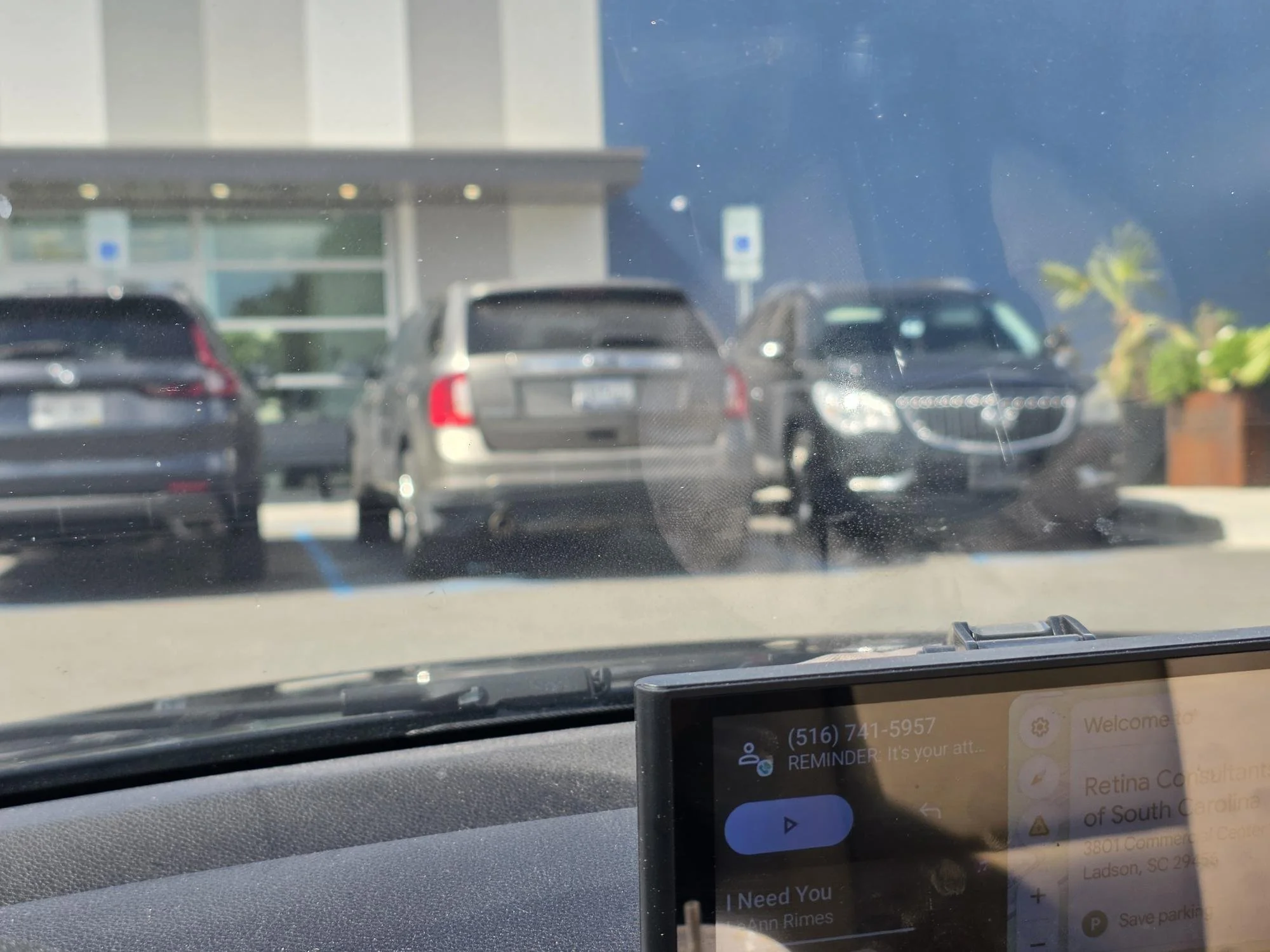
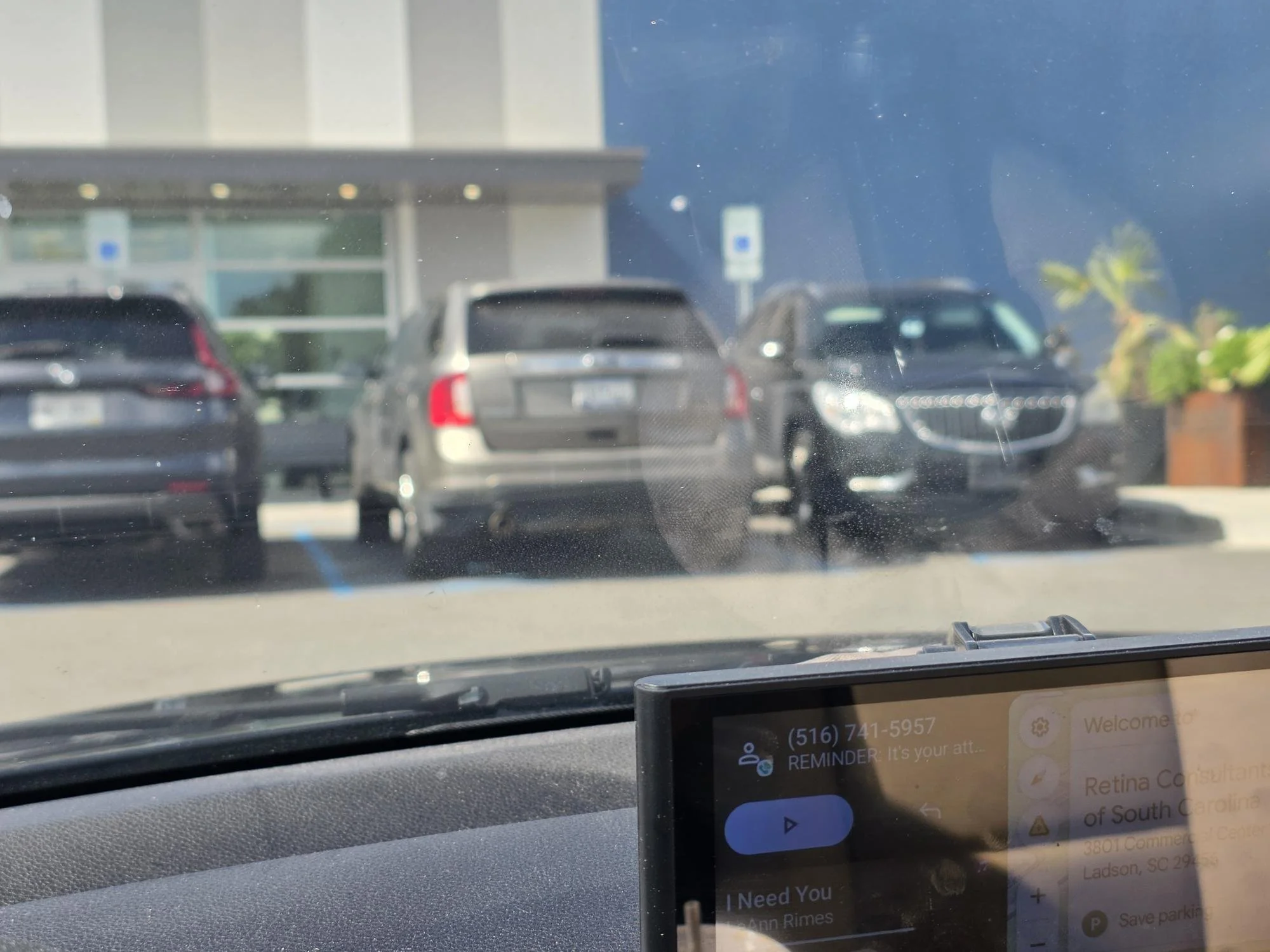
I saw a vehicle parked in a spot that was not actually a parking space, squeezed unbelievably close to the cars beside it. I am not sure the pictures fully capture just how little room was left between the vehicles.
Maybe this was part of my eye exam:
“Niel, can you identify the illegally parked vehicle?”
Yes. Yes, I can.
The scene reminded me of something that happened many years ago after a business trip. At the time, I was neither physically nor emotionally sober.
I returned to the long-term parking lot at O’Hare, exited the train, and walked down the stairs. My car was parked nearby, which should have been a pleasant surprise after traveling.
Instead, someone had parked beside me in a space that did not exist. Their car was so close to mine that I could not open the driver’s door.
I had to climb into my car through the passenger side—all 350 pounds of me, at least—and maneuver myself across the center console into the driver’s seat.
But before I did that, I gave the illegal parker a reason to get a new paint job.
That was not my proudest moment.
Let me be clear: damaging someone’s vehicle was wrong. Their terrible parking did not justify my response. That story is not advice or something I am celebrating. It is simply an honest example of who I was at the time and how poorly I handled anger and frustration.
Today, I respond differently.
I take a picture. I write a blog post. I point out the problem without creating a bigger one—and without adding an appointment at the body shop to someone’s calendar.
Still, parking in a space that does not exist and leaving barely enough room for other drivers to enter their vehicles is selfish. You do not know whether the person beside you has limited mobility, uses a wheelchair or prosthetic, or physically cannot climb through the passenger side.
And no one—especially after dialysis and on the way to a retina appointment—should have to perform parking-lot gymnastics because you decided the painted lines were merely suggestions.
My eyes may be recovering, but even I could see that was not a parking space.
Be better, people. Be better.
Same Book, Different Title: From Crucial Confrontations to Crucial Accountability
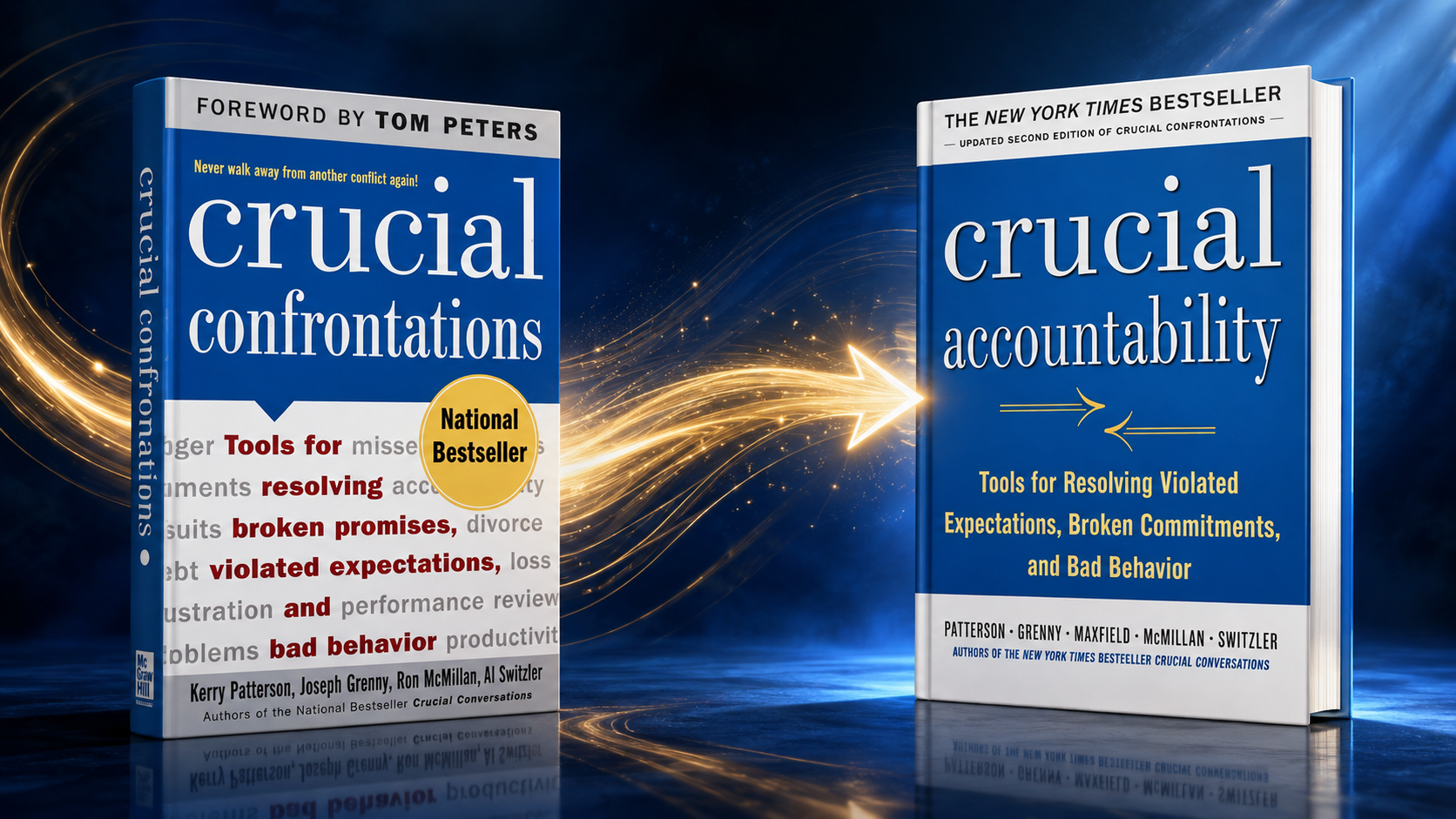
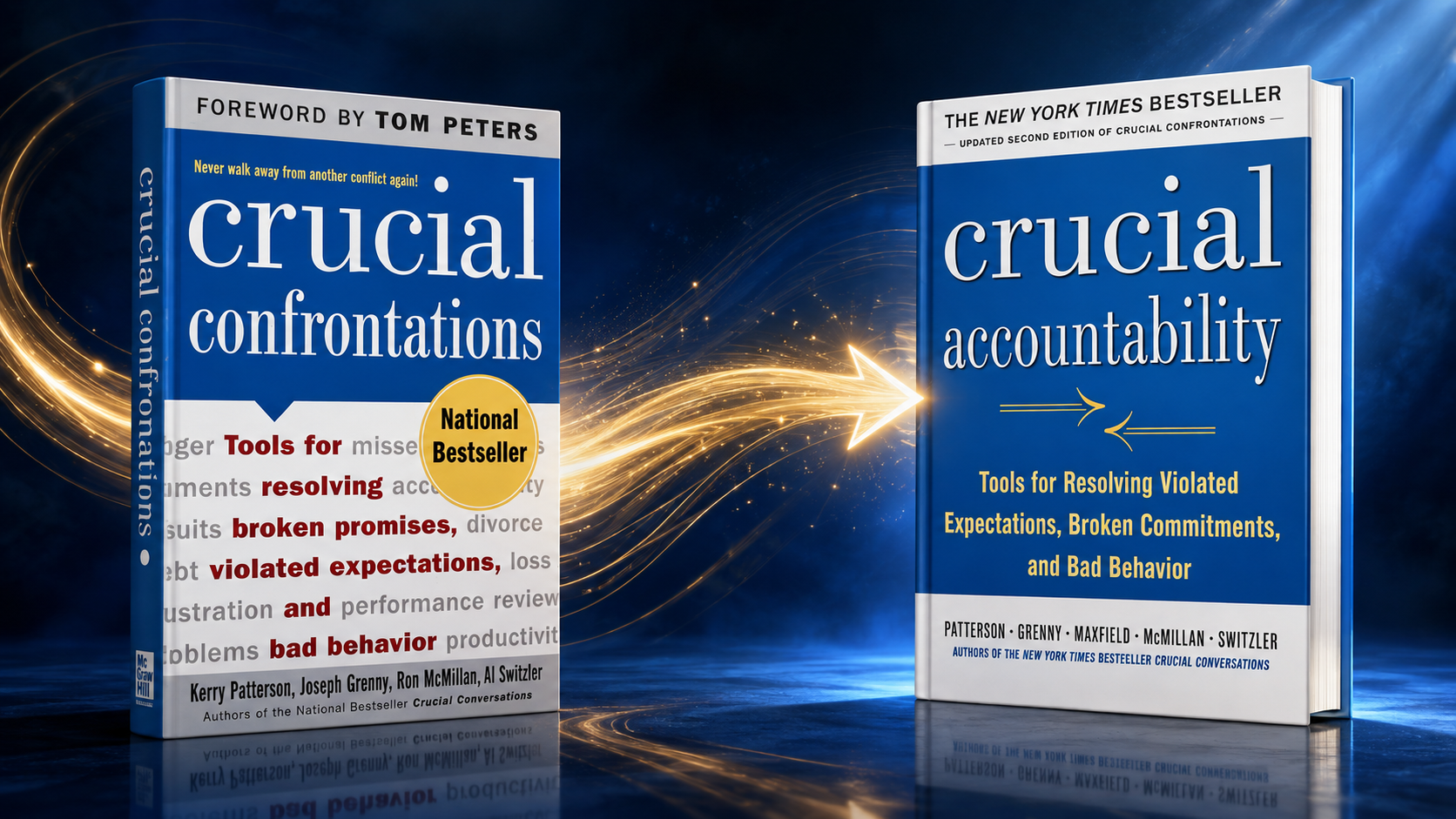
I recently noticed something interesting: Crucial Confrontations and Crucial Accountability are essentially the same book. The authors changed the title, but the message remained focused on resolving violated expectations, broken commitments, and bad behavior.
The new title makes sense.
The word confrontation has developed a bad reputation. People hear it and immediately picture yelling, aggression, finger-pointing, and someone flipping a table like a reality television reunion.
But confrontation doesn’t have to be aggressive. Sometimes it simply means addressing an uncomfortable issue directly instead of pretending it didn’t happen.
And apparently, I’ve been doing a lot of confronting lately.
I’ve questioned unanswered requests, challenged inconsistent explanations, followed up when people hoped I would forget, and refused to accept silence as a satisfactory response. I’m not looking for an argument. I’m looking for answers.
That isn’t aggression. That is accountability.
That’s why the revised title works better. Accountability describes the real purpose of these conversations: identifying what was promised, explaining what actually happened, and asking what will be done about the difference.
Of course, some people would still prefer the original title—especially when they’re the ones being held accountable. Calling it a “confrontation” makes it easier to portray the person asking questions as the problem.
That can become the easy way out:
“Why are you being so confrontational?”
Translation: “Why won’t you stop asking about the thing I haven’t answered?”
Changing the language doesn’t change my approach. I will continue to ask direct questions and follow up, and I expect people and organizations to stand behind their words and actions.
Call it confrontation if you want.
I call it accountability—and I’m not allowing the easy way out.
Peace, Serenity... and the World's Longest Car Horn
Today I was reminded that peace and serenity aren't destinations—they're things I have to keep practicing every single day.
I've shared this story before, but it still makes me laugh... and cringe.
On my way home from my initial retina detachment consultation in Hanahan, South Carolina, traffic came to a complete crawl. Bumper-to-bumper. I was actually doing fine with it. Traffic happens.
Then someone decided the shoulder was their own personal VIP lane.
They flew past everyone who had been patiently waiting and squeezed right in front of me.
At that exact moment, my serenity clocked out for the day.
I didn't give a polite courtesy honk.
I didn't tap the horn to let them know I was there.
I introduced them to the entire catalog of my car horn.
And I kept introducing it.
For so long... that I literally wore out my car horn.
Yes... I broke my horn.
I actually heard it take its last breath.
I'm pretty sure if my BMW could talk, it would've said, "Niel... buddy... enough already."
I estimate I was honking continuously for at least 15 minutes.
The person who cut me off probably forgot about me after 30 seconds.
Meanwhile, I was apparently auditioning to be the Low Country Symphony's first horn section.
Looking back, it's hilarious.
It's also a little wild.
For me, that's what alcoholism can look like today. It isn't that I'll pick up a drink—that was never my first thought, and recreational drugs weren't my thing either. Instead, it can show up as anger, self-righteousness, and reacting in ways that make absolutely no sense.
I've never repaired the horn.
Not because I don't have the time.
Not because I don't have the money.
I haven't fixed it because, in my mind, I haven't yet truly learned how to share the road with other people. Until I make more progress on that, the broken horn serves as a daily reminder that I still have work to do.
Recovery isn't about becoming perfect.
It's about recognizing when I'm the problem, owning it, laughing at myself when appropriate, and trying to do a little better tomorrow than I did today.
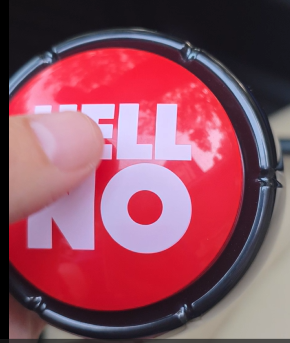
Recently, an awesome friend from one of my recovery meetings thought of me. She knows this story. She knows I still wrestle with the rage that can pop up out of nowhere—and she knows I've been driving around with a silent horn ever since.
She surprised me with the perfect gift.
I laughed immediately.
Now I need to mount it on my dashboard.
If you want to see what she gave me—and hear some of the hilarious things it says—head over to:
Oh... and before anyone points it out, ignore the lack of manicure in the video. Dialysis, life, and recovery have been keeping me just a little busy.
Who knew one broken horn would become one of my biggest recovery reminders?
Life has a funny way of teaching us lessons.
Sometimes those lessons arrive with a whisper.
Sometimes they arrive with 15 minutes of uninterrupted honking.
Thanks for reading, and if this story made you smile—or reminded you of one of your own moments of insanity—leave a comment. I'd love to hear it.
Join the discussion on NielFlamm.com.

Helping Launch A Godd3ss3s Cr3ation Has Strengthened My Recovery

One of the projects I’m most proud to be involved with right now is helping launch A Godd3ss3s Cr3ation at https://agodd3ss3scr3ation.com.
Most people know me through NielFlamm.com, where I write about everything from leadership and AI to movie reviews, recovery, and whatever else catches my attention. This project, however, has become something much more personal.
Working alongside Godd3ss Aisha and Godd3ss Alicia has given me the opportunity to help build something centered on healthy living, mindfulness, self-care, and becoming a better version of myself.
What surprised me is how much it has helped me.
I’ve been sober for many years now, and I’ve learned that recovery isn’t simply about not taking a drink. That’s where it starts—not where it ends.
Recovery is about taking care of my mind.
My body.
My soul.
It’s about the people I surround myself with, the conversations I have, and the thoughts I allow into my life.
As I help edit blog posts, brainstorm ideas, and publish articles for A Godd3ss3s Cr3ation, I’m constantly reading about gratitude, letting go, protecting your peace, managing stress, self-care, healthy habits, and slowing down long enough to check in with myself.
I can’t spend hours editing articles about becoming healthier without asking myself if I’m doing the same.
The blogs aren’t just helping readers.
They’re helping me.
I’ve always believed that if I'm around positive people long enough, some of that positivity rubs off on me. The discussions I have with Aisha and Alicia aren’t about gossip or negativity. They’re about growth, healing, perspective, and trying to become better than we were yesterday.
That reinforces the principles I’ve tried to live by throughout my recovery.
One thing I’ve learned is that sobriety requires maintenance. It isn’t something you accomplish once and never think about again. Just like physical fitness, healthy relationships, or a successful career, recovery requires attention.
Helping launch A Godd3ss3s Cr3ation has become part of that maintenance for me.
If one of our blogs encourages someone to pause before reacting…
If it inspires someone to take better care of themselves…
If it helps someone choose hope over despair…
Or simply reminds someone that they’re worth investing in…
Then we’ve accomplished something worthwhile.
If you haven’t visited the site yet, I’d love for you to take a look.
Visit https://agodd3ss3scr3ation.com, spend a few minutes reading through the Blog, and if you enjoy what you find, subscribe. It’s completely free, and you’ll receive new articles as they’re published.
And if a particular blog resonates with you, please share it with someone you care about. You never know whose day—or life—you might brighten with a simple act of kindness.
Thank you to Godd3ss Aisha and Godd3ss Alicia for trusting me to help bring this vision to life. It’s been a rewarding experience, and one that continues to strengthen my own journey every day.
When Did You Stop Caring? The Power of a Movement
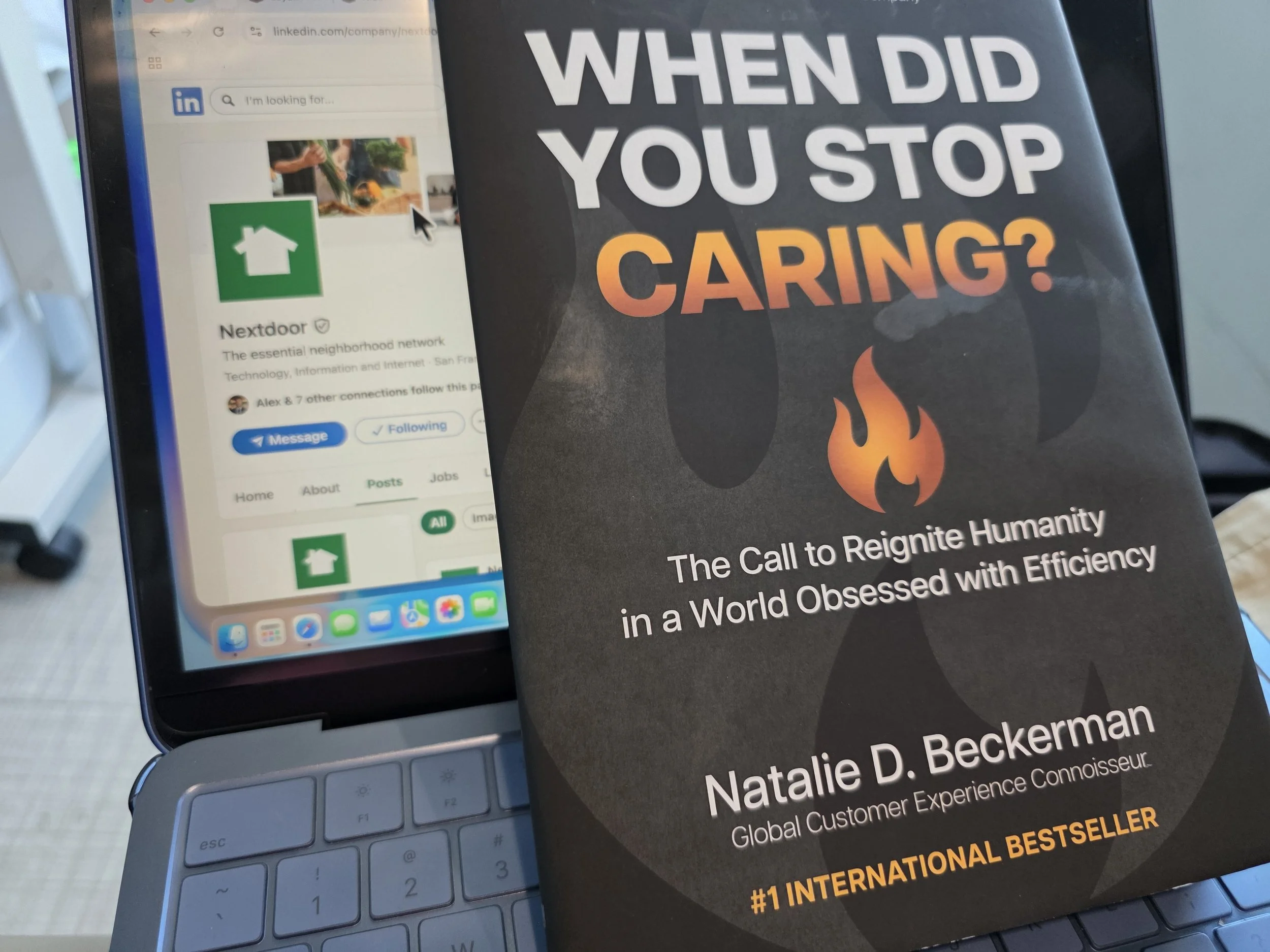
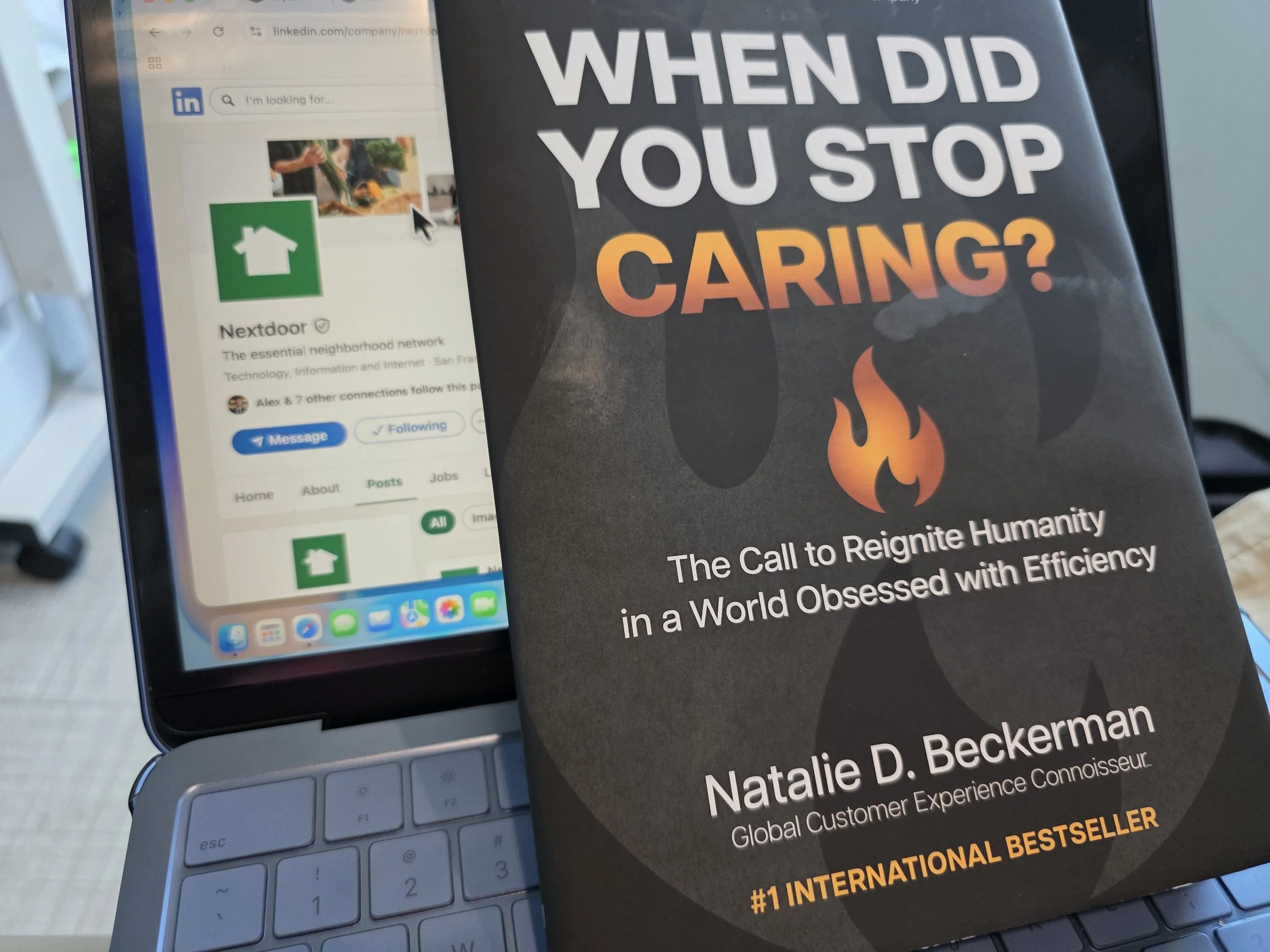
My copy of When Did You Stop Caring? by Natalie Beckerman arrived, and after starting to dig in, all I can say is: wow.
I’ve also been watching some of Natalie’s promotional shorts, and one word keeps standing out to me: movement.
Movements have the power to change people, communities, and sometimes even humanity itself.
Think about the ALS Ice Bucket Challenge. The goal wasn’t getting drenched with a bucket of ice water. The goal was awareness, conversation, and funding research to help stop ALS from devastating more lives.
Think about the Jesus Movement and the impact it had on countless people seeking purpose, faith, and connection.
Think about Pay It Forward. While fictional, the story showed how one person’s actions could inspire others and create a ripple effect of kindness and generosity.
What all of these examples have in common is simple: they started with people who cared enough to act.
Real change doesn’t happen overnight. Habits are built over time. Momentum is built over time. Success is built over time.
That’s something I remind myself of often. I keep pushing. I keep putting one foot in front of the other. I keep looking for opportunities to score a win, no matter how small.
If Natalie’s message inspires even a fraction of that mindset, then it’s a conversation worth having.
If you haven’t picked up a copy yet, you’re missing out.
📚 Amazon: https://a.co/d/0e252vBz
📚 Barnes & Noble: https://www.barnesandnoble.com/w/when-did-you-stop-caring-natalie-beckerman/1150028729?ean=9781969508448
Available now in hardcover, paperback, and digital formats.
The question isn’t whether we can change the world overnight.
The question is: What can we do today to show that we still care?