

Day 114: Nextdoor Finally Found a Way to Sell What It Knows
Nextdoor just launched Neighborhood Intelligence, and I think it could be one of the most important developments I've seen in this 114-day case study.
The basic idea is pretty simple: Nextdoor has spent 15 years building a massive collection of neighborhood-level information. Now it's turning that information into an advertiser product.
Nextdoor says its Neighborhood Intelligence platform maps roughly 350,000 neighborhoods and analyzes signals including neighbor activity, household information, and neighborhood-level activity. It gives advertisers a much more granular view than traditional ZIP-code targeting. Nextdoor Business
That's potentially valuable.
And it brings me back to something I've been saying for a while:
The Data Has Value
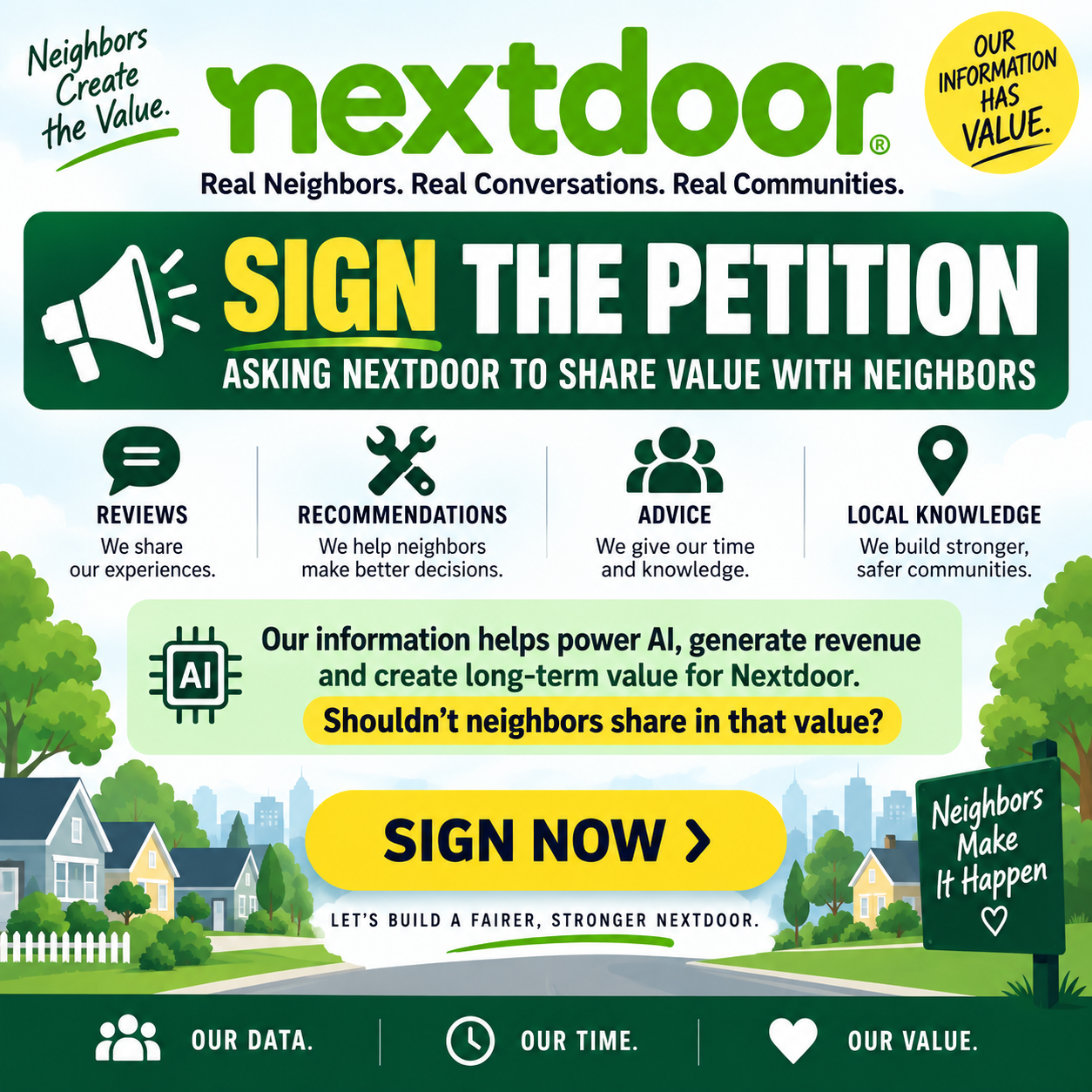
For years, neighbors have supplied the conversations, recommendations, reviews, opinions, and local knowledge that make Nextdoor useful.
Now Nextdoor is packaging neighborhood intelligence into something advertisers can use.
That's business.
But here's my question:
Why did it take 15 years?
Nextdoor has been around since 2011. It went public in 2021. Yet it has never achieved GAAP profitability. Even after the recent improvement, Q2 2026 produced a $2 million net loss, although revenue reached a record $75 million and adjusted EBITDA was $10 million. Securities and Exchange Commission
That's a long time to possess a potentially unique asset without figuring out how to turn it into sustainable profits.
Don't Blame Just the Current CEO
It's tempting to point the finger at Nirav Tolia.
He returned as CEO in 2024 and has been tasked with turning the company around.
But that's too easy.
Nirav founded Nextdoor and ran it for years before leaving the CEO role. He then returned.
So this isn't simply:
“The new CEO hasn't figured it out.”
The company has had 15 years to find its niche, monetize its advantages and create sustainable shareholder value.
Now, perhaps, we're seeing a clearer path.
The Neighborhood May Be the Niche
That's what interests me about Neighborhood Intelligence.
Nextdoor doesn't have to beat Google at everything.
It doesn't have to beat Meta at everything.
It doesn't have to become another generic social-media platform.
Maybe the opportunity is much narrower:
Own neighborhood-level intelligence.
Nextdoor says its neighborhood graph provides roughly 12 times the geographic granularity of ZIP-code targeting in covered areas, and its pilot campaigns showed lifts in brand awareness, ad recall and favorability compared with ZIP-code targeting. Investing.com
If advertisers will pay for that advantage, now we're talking.
That's the kind of niche I want Nextdoor to own.
And Then There's the Dividend
I'm not saying Nextdoor should pay a dividend tomorrow.
The company needs to continue investing, improve profitability, and determine the best use of its capital.
But eventually, that's the shareholder question:
Can this company consistently generate enough cash to reward the people who invested in it?
A $100 million share-repurchase authorization already shows that returning capital to shareholders is part of the conversation. Simply Wall St
I'd like to see the next step be sustainable profitability.
Then, someday, perhaps a dividend.
Because revenue isn't the finish line.
Profitability is.
Day 114
Here's the irony.
I've spent 114 days asking Nextdoor for detailed information about its Insights research.
Now Nextdoor is announcing a product that essentially says:
Our neighborhood data is valuable.
I agree.
I've been saying that.
The difference is that Nextdoor is now trying to prove it in the marketplace.
Good.
Now show me that this isn't just another interesting product.
Show me that Nextdoor can turn 15 years of neighborhood intelligence into a sustainable, profitable business.
Because that's what shareholders ultimately need.
Not just data.
Results.
And maybe—finally—Nextdoor has found the niche.
👉 NielFlamm.com/blog
Day 111: Nextdoor Congratulates Elisa Steele on Governance Excellence. I Have a Governance Question.
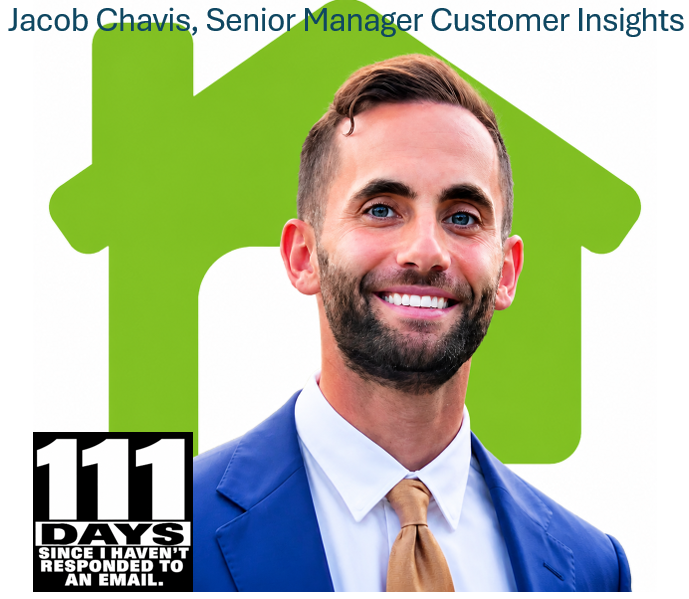
Today I saw a Nextdoor post congratulating Elisa Steele on being named to the 2026 NACD Directorship 100 by the National Association of Corporate Directors.
My first reaction was: Congratulations.
My second reaction was: What exactly does someone have to do to make the NACD Directorship 100?
So, naturally, I looked it up.
And this is where things got interesting.
First, Credit to NACD: They Actually Show Their Work
One thing immediately stood out.
While I keep asking how Nextdoor selects its Good Neighbor Award recipients, NACD publishes substantial information about what the award represents, its criteria, and its selection process.
The 2026 Directorship 100 recognizes 100 directors and governance professionals who, according to NACD, exemplify the knowledge, leadership, and excellence it promotes. Elisa Steele is indeed listed among the 2026 director honorees.
Even better, NACD publishes a nomination guide.
Imagine that.
Criteria. In writing. Available to the public.
As someone who has repeatedly asked Nextdoor for greater transparency around its own awards and research, I appreciate being able to see how the sausage is made.
Read NACD's 2026 nomination criteria.
Then I Read the Criteria
This is where my eyebrows went up.
For directors, NACD looks for recent board-level contributions that materially strengthen governance oversight, strategy, or organizational resilience. It also evaluates governance influence, modernization, ethical leadership, judgment, and credibility.
Among the examples NACD provides are directors who demonstrate:
“courage and leadership under duress”
while doing what's best for the corporation and shareholders when facing pressures inside or outside the boardroom.
There's more.
NACD points to directors who contribute to consistent long-term profitability, pursue important business opportunities, improve shareholder returns, or navigate crises and major changes effectively.
And then there's this one:
“Valuing board and team performance over individual performance, keeping ego in check.”
Oh boy.
You knew where I was going with this.
😂
Elisa, I Think We Need to Talk About Nirav
Here's why this caught my attention.
Elisa isn't just someone on Nextdoor's board.
Nextdoor's own governance page currently identifies her as its Lead Independent Director. She also serves on the Audit and Risk Committee and chairs the Nominating, Corporate Governance and Corporate Responsibility Committee.
In other words:
Governance is quite literally part of the job.
That's why I'm having difficulty separating this recognition from the case study I've now been documenting for 111 days.
For months, I've been asking questions about Nextdoor.
I've questioned research transparency.
I've questioned communication.
I've questioned the company's Good Neighbor Award selection process.
I've questioned how Nextdoor responds to feedback.
I've questioned whether neighbors should participate economically when their information and contributions become valuable commercial assets.
I’ve repeatedly offered to have a conversation rather than keep typing about it.
Then Nextdoor CEO Nirav Tolia blocked me on X.
Again.
Let Me Be Fair About the Block
Nirav is entitled to block me.
Being CEO of a public company doesn't mean he has to follow me, answer every post I make, or spend Saturday night debating a shareholder on social media.
I also cannot tell you why he blocked me.
Only Nirav knows that.
So I'm not going to say he blocked me because he “felt pressure.” I can't know that.
I can discuss what leadership should look like when pressure, criticism, or uncomfortable questions arrive.
And, conveniently, NACD just gave me some vocabulary.
Courage under duress.
Doing what's best for the corporation and its shareholders despite pressure.
Keeping ego in check.
Those aren't my standards.
Those are examples contained in NACD's 2026 director nomination criteria.
Elisa, Here's My Challenge
Congratulations on the recognition.
Seriously.
NACD says its Directorship 100 is intended to recognize people shaping the boardroom agenda and demonstrating governance leadership. Being selected is something worth celebrating.
But recognition also creates an opportunity.
Use it.
Have a conversation with Nirav.
Not specifically because I'm special. I'm not.
And not because a CEO must personally respond to every shareholder complaint.
But because how leadership responds to uncomfortable feedback is a governance question.
If the CEO disagrees with someone, disagree.
If the criticism is wrong, explain why it's wrong.
If a question belongs with another executive, delegate it.
If information won’t be provided, say so.
If someone becomes abusive, threatening, or crosses a reasonable boundary, absolutely establish boundaries.
But when the issue is simply persistent questioning, I'd much rather see leadership demonstrate the kind of confidence that says:
Ask the question. Let's deal with it.
That's leadership I can respect even when the answer isn't the one I wanted.
Governance Isn't Just What Happens at a Board Meeting
This may be the biggest lesson I took from reading NACD's criteria.
Governance isn't simply approving minutes, sitting on committees, and attending quarterly meetings.
NACD's criteria cover oversight, resilience, emerging risks, executive compensation, CEO succession, board culture, strategic transformation, shareholder returns, and decision-making.
It even talks about directors demonstrating courage when pressures exist outside the boardroom.
That's important.
Because customers, neighbors, and shareholders aren't sitting inside the boardroom.
We're outside it.
Sometimes we're the pressure.
Sometimes we're annoying.
Sometimes we're wrong.
Sometimes we identify something worth examining.
A strong governance structure should be able to figure out which is which.
And This Is Why I Like Published Criteria
There's also a lesson here for Nextdoor's Good Neighbor Awards.
I can look at NACD's website and see what the organization says it values.
I can read its nomination criteria.
I can understand eligibility.
I want to learn about how candidates are evaluated.
NACD says candidates are vetted and scored using qualitative and quantitative criteria, escalated through senior leadership, and selected honorees ultimately go to the NACD board for final review.
That doesn't mean I know everything about every selection.
I don't.
But transparency gives me something to evaluate the process against.
That's precisely why I've asked Nextdoor to provide greater transparency around its own Good Neighbor Awards.
Don't just tell me the winners are wonderful people.
Show me the process.
NACD does.
Congratulations, Elisa. Now Comes the Fun Part.
So I'll finish where I started.
Congratulations to Elisa Steele.
Being included in the NACD Directorship 100 is a significant professional recognition.
But after reading NACD's own criteria, I don't think the appropriate shareholder response is merely applause.
It's also accountability.
NACD talks about courage.
It talks about leadership under pressure.
It talks about shareholders.
It talks about governance credibility.
It talks about keeping ego in check.
Those are excellent standards.
Let's apply them.
Elisa, have the conversation with Nirav.
Encourage a leadership culture that doesn't shy away from uncomfortable questions.
Encourage people inside Nextdoor to answer them—even when the answer is no.
Please let the CEO know that when a shareholder with too much time on his hands keeps asking questions, the block button doesn't make them disappear.
😂
Because after 111 days, I'm still here.
I'm still a shareholder.
I still want Nextdoor to succeed.
And I'm still asking questions.
Congratulations on the governance award.
Now let's see the governance.
👉 NielFlamm.com/blog

Day 90: What If Nextdoor Is Trying to Serve Too Many Customers at Once?

Day 90.
Ninety consecutive days of looking at Nextdoor from different angles.
Yesterday, NXDR closed at $2.27. That's up from the $2.23 close I discussed on Day 88, but I'm not going to spend Day 90 dissecting four cents.
Instead, I want to ask a completely different question:
Who exactly is Nextdoor's customer?
Sounds simple.
I'm not sure it is.
Meet the Nextdoor Family
Think about all the different people Nextdoor is trying to satisfy.
There's the neighbor who wants to know why three police cars just went down the street.
There's the small-business owner who wants customers.
There's the advertiser who wants access to those neighbors.
There's the moderator trying to keep everyone from digitally strangling each other over political signs and dog poop.
There's the researcher or marketer interested in Nextdoor's Insights.
There's the shareholder—hello!—who wants the company to create sustainable value.
And then there's Nextdoor itself, which has to somehow turn this entire neighborhood block party into a profitable business.
That's a lot of people sitting at one table.
And they don't necessarily want the same meal.
The Neighbor Doesn't Wake Up Thinking About Monetization
I doubt many people roll out of bed thinking:
“I hope Nextdoor improves its advertising yield today.”
Neighbors want utility.
What's happening?
Who can fix my air conditioner?
Did somebody find my dog?
Why is the power out?
Is that restaurant any good?
What's being built down the street?
And, naturally:
“Did anyone else hear that boom?”
That's the product from the neighbor's perspective.
But there's a problem.
The neighbor may be the person using the product...
without being the person primarily paying for it.
That's where things get interesting.
The Advertiser Wants Something Completely Different
The advertiser doesn't necessarily care whether Karen and Steve finally resolve their six-day dispute over Steve's garbage cans.
The advertiser wants:
Attention.
Preferably local attention.
And preferably attention from people likely to buy something.
That creates a balancing act.
Nextdoor needs enough people using the platform to make the audience valuable to advertisers.
But if monetizing that audience makes the experience less useful, those people may use Nextdoor less.
And then the audience becomes less valuable.
Welcome to the social-media hamster wheel.
Then Along Comes the Small Business
This is where Nextdoor has another interesting relationship.
The local business can simultaneously be:
Content creator.
Advertiser.
Community participant.
Recommended business.
Potential paying customer.
That's a lot of hats.
Nextdoor wants neighbors to recommend local businesses organically because those recommendations build trust and create useful content.
But Nextdoor also needs to make money from businesses.
That's not inherently wrong.
Nextdoor is a public company, not a neighborhood charity.
The interesting question is where the line sits between:
Helping local businesses participate
and
Monetizing their need to reach neighbors.
That's a strategic question worth watching.
And Then There Are Shareholders
This is the group I belong to.
I don't need Nextdoor to be free of advertising.
I want revenue growth.
I want profitability.
I want innovation.
I want management making intelligent investments.
And yes...
I want NXDR worth more than $2.27.
But here's the catch.
If Nextdoor squeezes too much money out of the platform and damages the neighbor experience, that isn't necessarily good for shareholders long-term.
If Nextdoor focuses exclusively on making neighbors happy but can't build a profitable business around them, that's not particularly helpful either.
The interests are connected.
Maybe Nextdoor Isn't One Product
This is the thought that really interests me on Day 90.
Maybe we're evaluating Nextdoor incorrectly by thinking of it as one product.
It may actually be several products sharing the same neighborhood.
To the neighbor, Nextdoor sells connection and information.
To the local business, it sells visibility and potential customers.
To the advertiser, it sells access and attention.
To researchers and marketers, it offers neighborhood insights.
And to shareholders, management is ultimately selling something else:
The promise that all of those pieces can become a valuable business.
That's a difficult puzzle.
Imagine Trying to Run This Restaurant
Imagine opening a restaurant where one customer wants steak.
Another wants vegan.
Another wants breakfast.
Another wants cocktails.
Another wants everything free.
And there's a shareholder standing near the kitchen asking why the margins aren't better.
Hi. I'm the guy near the kitchen.
Meanwhile, the chef is doing podcasts explaining the future of restaurants.
At some point somebody has to decide:
What's our signature dish?
That's what I'm asking about Nextdoor.
What Is the One Thing Nextdoor Must Be Exceptional At?
Not 17 things.
One.
Is Nextdoor primarily:
The place to discover what's happening nearby?
The place to connect with neighbors?
The place to discover trusted local businesses?
A hyperlocal advertising platform?
A neighborhood recommendation engine?
A source of uniquely valuable local data?
Maybe it can eventually be all of those things.
But companies usually become indispensable because they're exceptionally good at something.
Then they expand.
And That Brings Me Back to $2.27
NXDR closed yesterday at $2.27.
Four cents higher than the $2.23 close I discussed earlier this week.
Good.
As a shareholder, I'll happily take the four cents.
But Day 90 isn't about whether the stock moved four cents.
It's about what eventually moves it forty cents, a dollar, or several dollars—and keeps it there.
That requires more than announcements.
It requires a business people understand.
A product neighbors value.
An ecosystem businesses value.
An audience advertisers value.
And a strategy shareholders believe will eventually create sustainable returns.
That's a lot of customers to keep happy.
Day 90: Who Gets the Best Seat at the Table?
So after 90 days, here's today's question:
When the interests of neighbors, businesses, advertisers, and shareholders collide, who comes first?
Because saying everyone comes first sounds wonderful.
Until two of them want completely different things.
That's when corporate strategy stops being a mission statement and becomes a decision.
And those decisions may ultimately tell us far more about Nextdoor's future than whether NXDR closed yesterday at $2.27 or $2.23.
Ninety days down.
And somehow, I still haven't run out of doors to open.
Follow my continuing Nextdoor case study at NielFlamm.com/blog.

Day 86: Is Nextdoor Laboring? Or Are We Back to Business as Usual?
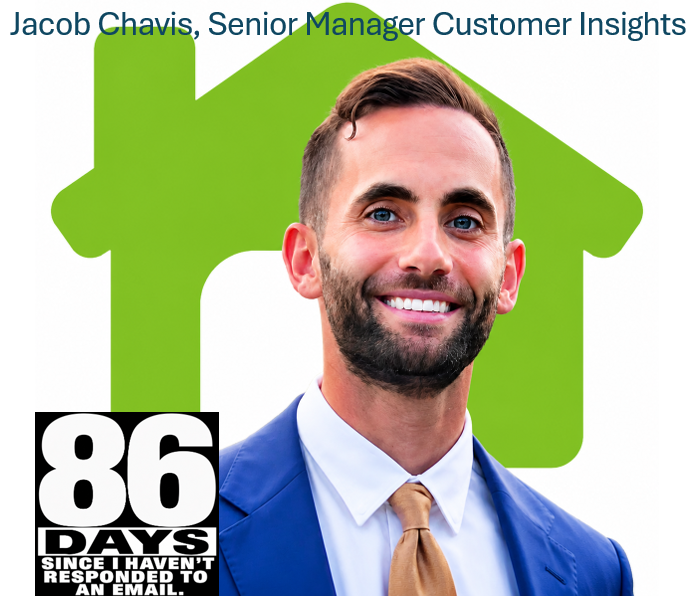
Labor Day is over.
It's Day 86 of my continuing Nextdoor case study, and after wondering yesterday whether Nextdoor was taking an extended holiday weekend, I checked again today.
I haven't received any communication regarding the two detailed Insights studies I requested.
And NXDR?
As of this writing, it's hovering around the low $2.20s. Market sources were showing roughly $2.24 late this afternoon after Friday's $2.24 close, so the exact number is moving as I write this.
Hey, at least we're talking pennies now.
Is Nextdoor laboring?
I'm still trying to figure that out.
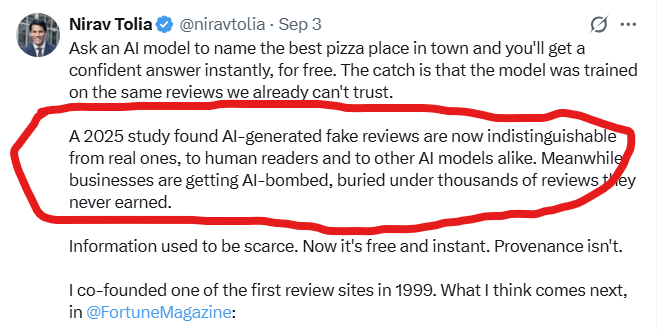
But something Nirav Tolia posted on X on September 3 caught my attention.
“A 2025 Study Found...”
In the post, Nirav wrote:
“A 2025 study found AI-generated fake reviews are now indistinguishable from real ones...”
And immediately I thought:
Here we go again.
A study.
Which study?
Who wrote it?
Where was it published?
What was the methodology?
What was the sample size?
What exactly did “indistinguishable” mean?
This probably sounds familiar to anyone who has followed my 86-day adventure in Nextdoor research transparency.
Here's the interesting part: I looked, and there is identifiable research behind Nirav's statement.
In a Fortune piece published the same day, Nirav identified it more specifically as a 2025 study from Nottingham University Business School.
Peer-reviewed 2025 studies examine AI-generated fake reviews, including a Journal of Retailing and Consumer Services study analyzing 714,016 reviews and finding meaningful linguistic differences between AI-generated fake reviews, human-generated fake reviews, and authentic reviews.
So my criticism isn't:
“The study doesn't exist.”
My question is:
Why not cite it in the original post?
If you're going to use research to establish credibility, give readers enough information to evaluate the research themselves.
Study name. Authors. Publication. Link.
Four things.
Done.
Especially when you're the CEO of a company currently promoting the idea that provenance matters.
That's almost too perfect.
Fake Reviews Didn't Arrive With ChatGPT
Another part of this discussion bothers me.
AI didn't invent fake reviews.
AI made them faster, cheaper, and easier to produce at scale.
Humans have been manipulating reputations for a very, very long time.
In fact, the history is pretty entertaining.
1800s: Walt Whitman anonymously published glowing reviews of his own Leaves of Grass. That's essentially the 19th-century version of creating a burner account and giving yourself five stars.
Early 1900s: Newspapers were already dealing with fabricated information, exaggerated claims, and “fakers.” By 1913, the New York World had established a Bureau of Accuracy and Fair Play partly to address complaints and “stamp out fakes and fakers.”
Pre-internet advertising: Businesses used testimonials and endorsements as marketing tools, creating the same fundamental problem we face today: Is this person recommending the product because they genuinely love it—or because somebody benefits from the endorsement?
Early Internet: Message boards, review sites, and eventually e-commerce let businesses and individuals create accounts and manufacture praise—or attack competitors.
Ironically, Nirav himself co-founded Epinions in 1999, one of the early user-generated review platforms. He now acknowledges that the review economy eventually became vulnerable to manipulation.
2010s: Fake-review businesses became an industry. Businesses could purchase positive reviews, competitors could be attacked with negative ones, and reviewers could operate multiple identities.
2020s: Review farms became increasingly sophisticated. Investigators found coordinated reviewers praising unrelated businesses across countries, with identical reviews sometimes appearing under different names.
Today: Generative AI has dramatically changed the economics. Instead of paying humans to crank out hundreds of reviews manually, someone can rapidly generate enormous quantities of convincing text. Research now shows LLMs can produce deceptive reviews with human-level capabilities, even though researchers can still statistically identify some linguistic differences.
Same scam.
Much better machinery.
Which Brings Me Back to Nextdoor
Nextdoor's current pitch is that verified identity and neighborhood accountability can make recommendations more trustworthy.
That's an interesting strategy.
But verification alone doesn't make an opinion truthful.
A real person can exaggerate.
A verified person can have a grudge.
A real neighbor can recommend their friend's company.
A legitimate customer can receive an incentive.
Two verified neighbors can have completely different experiences with the same business.
And, as I've previously documented, I've had my own questions about how robust Nextdoor's verification system actually is.
So “verified” is a trust signal.
It isn't a magical truth serum.
Provenance Matters? I agree.
That's actually what makes Nirav's post so interesting.
His broader argument is essentially:
Where information comes from matters.
I agree.
Completely.
Which is why when the CEO says:
“A 2025 study found...”
I want the provenance.
Name the study.
Name the researchers.
Link to it.
Let readers inspect it.
And that's precisely what I've been asking Nextdoor to provide regarding its own research.
For 86 days.
Nextdoor published Insights findings.
Nextdoor publicly told readers they could request detailed data.
I requested it.
I've emailed.
I've followed up.
I've expanded the distribution.
I sent another request Saturday.
And I'm still waiting for the two detailed studies.
Day 86
Yesterday was Labor Day.
Today I'm asking:
Is Nextdoor laboring?
Because I'm still doing the work.
Waiting for somebody at Nextdoor to answer the questions.
Nirav's post argues that provenance matters.
On that, we agree.
So here's my Day 86 suggestion:
Practice it.
When you cite research, show us the research.
When Nextdoor publishes research, show us the methodology.
When your own blog tells readers they can request detailed data, provide the detailed data—or explain why you won't.
Because whether we're talking about a restaurant review, an AI-generated recommendation, or a corporate Insights report, the principle is the same:
Don't just tell me to trust it. Give me enough information to decide whether to trust it.
Follow the continuing Nextdoor case study at NielFlamm.com/blog.
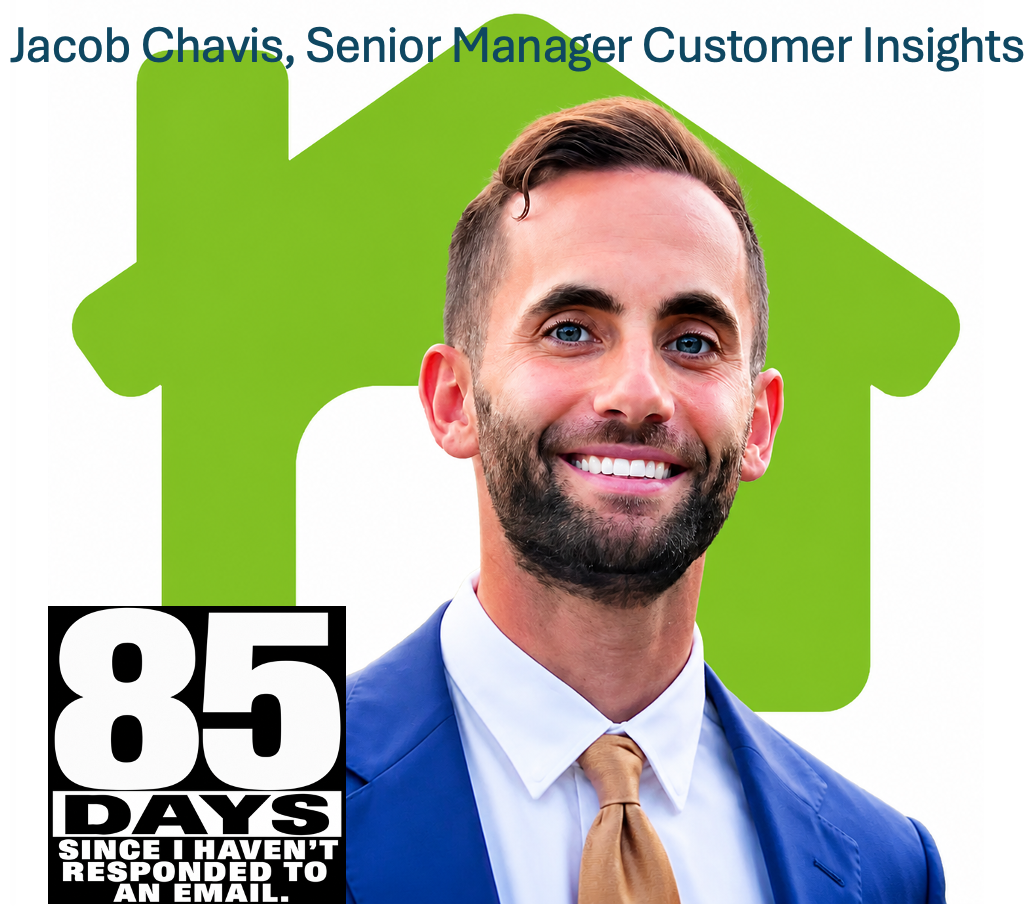
Happy Labor Day — Day 85: Nextdoor, Did You Forget the People Who Do the Work?
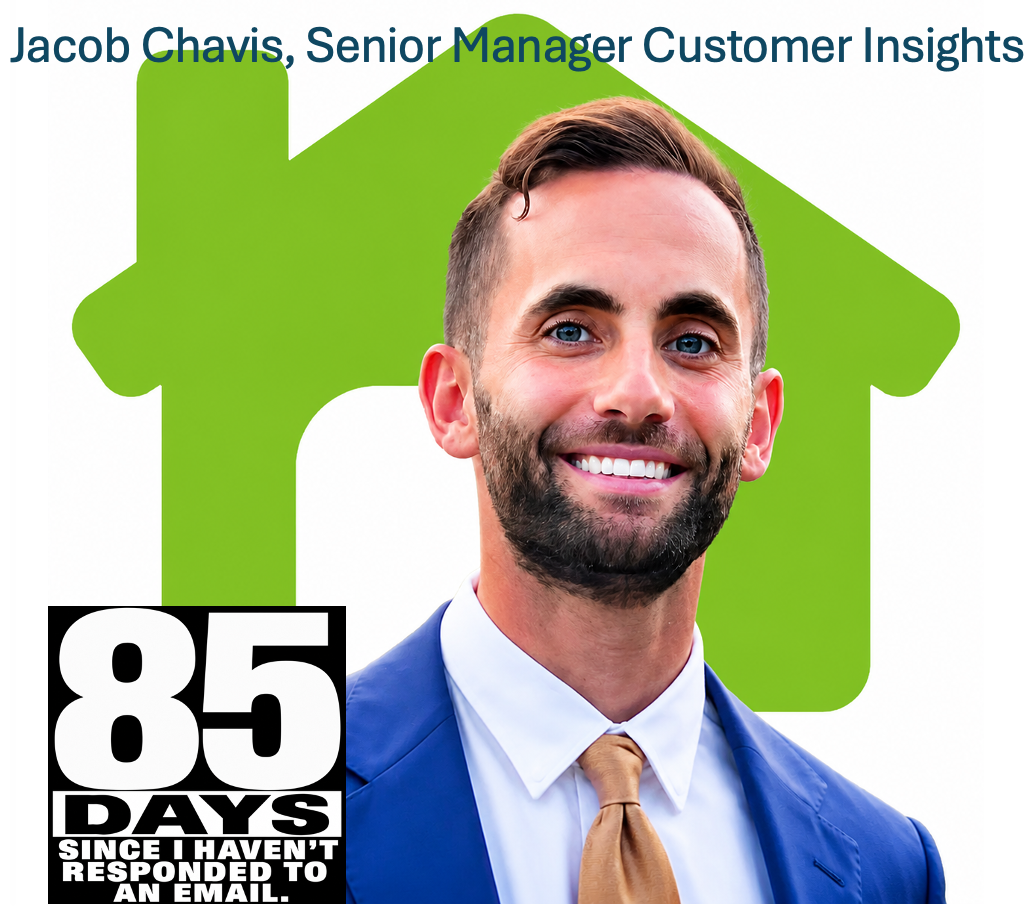
Happy Labor Day! 🇺🇸
Today is Day 85 of my continuing Nextdoor case study.
Before I get to Nextdoor, it's worth remembering what today actually represents.
Labor Day isn't simply the unofficial end of summer, a three-day weekend, mattress sales, barbecues or one last trip to the beach.
Labor Day recognizes the contributions and achievements of American workers and the labor movement that fought for better working conditions, reasonable hours, fair wages, and greater protections for working people.
It became a federal holiday in 1894, and more than 130 years later, it's still an opportunity to recognize the people whose work keeps businesses, communities, and this country moving.
Which brings me to Nextdoor.
Hello? Anybody Home?
As of this writing, I haven't seen a Labor Day post on Nextdoor.
Nothing from CEO Nirav Tolia either.
Maybe something will appear later today.
If it does, I'll happily update this post.
But right now?
Crickets. 🦗
And I find that remarkable.
This is a company whose entire identity revolves around neighborhoods, communities, local businesses, and the people who make those communities work.
Teachers.
Nurses.
First responders.
Restaurant workers.
Retail employees.
Construction workers.
Delivery drivers.
Small-business owners.
Landscapers.
Electricians.
Plumbers.
Mechanics.
And, yes, the employees who actually keep Nextdoor operating.
If there were ever a holiday that practically writes itself for a company claiming to be the “essential neighborhood network,” wouldn't Labor Day be it?
Talk About Out of Touch
This isn't about whether every corporation is required to publish a social-media post for every holiday.
Of course not.
It's about awareness and consistency with your own brand.
Nextdoor has plenty to say when there's an opportunity to talk about advertisers.
It has plenty to say about businesses building brand recognition.
It has plenty to say about reaching verified neighbors.
It has plenty to say when there's a new product, advertising opportunity, or monetization strategy to promote.
But Labor Day?
A day specifically recognizing the people who actually do the work in those neighborhoods?
Nothing so far.
From my perspective, that's another example of how out of touch Nextdoor's corporate communications can appear.
And this isn't exactly a surprise holiday.
Labor Day has been on the calendar for a while.
You can even schedule a post.
Nobody needed to abandon the barbecue this morning to log into LinkedIn.
Meanwhile, I Worked Saturday
While Nextdoor was apparently enjoying the holiday weekend, I sent another email on Saturday.
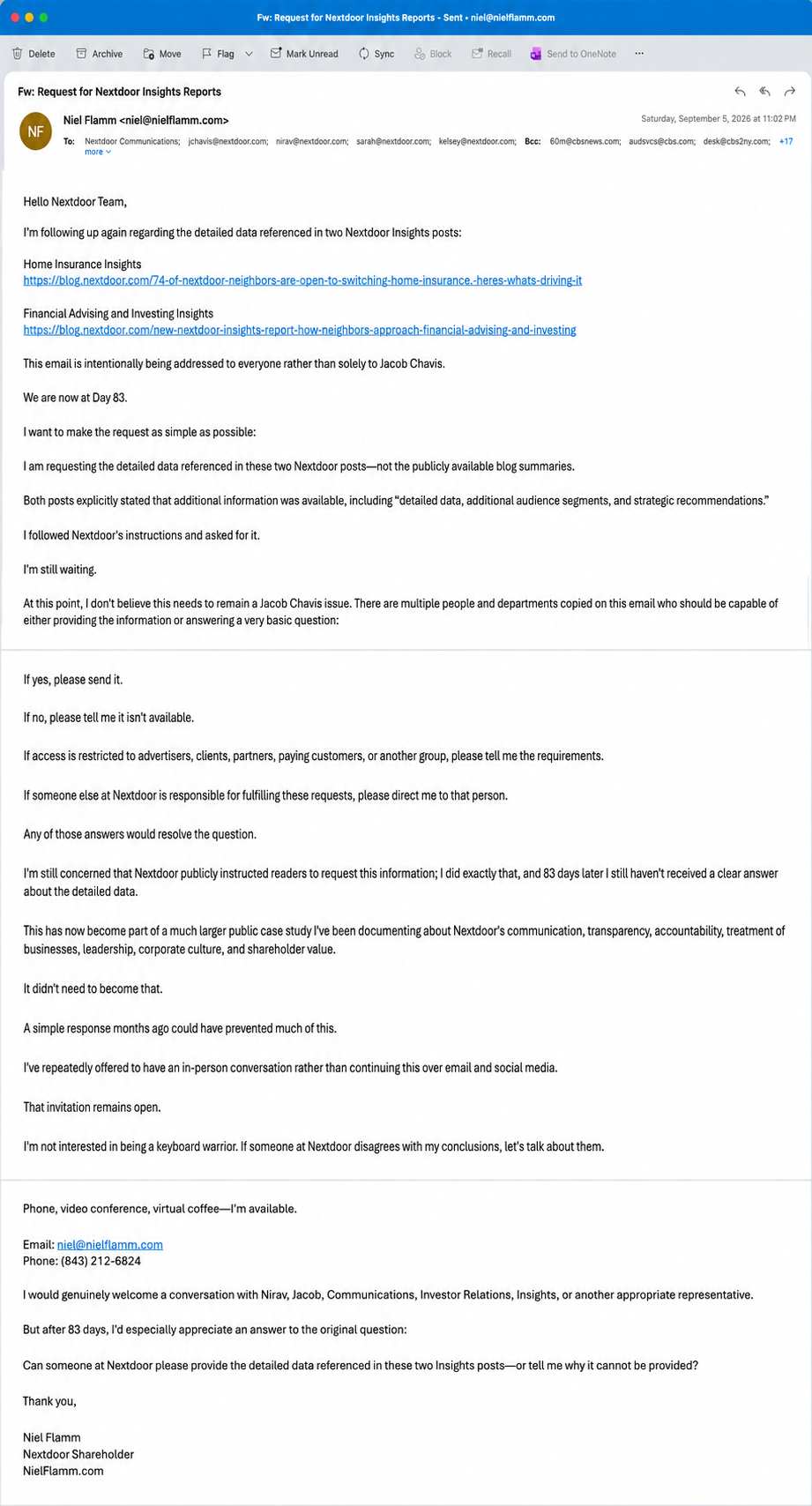
Yes.
Another one.
The subject remains the same issue I've been documenting for nearly three months:
Where are the two detailed Insights studies?
These are the two studies where Nextdoor's own published material told readers they could reach out for additional information, including detailed data, additional audience segments, and strategic recommendations.
I followed the instructions.
I've followed up.
I've clarified that I'm requesting the detailed data—not links to the summaries I've already read.
I've expanded the email beyond Jacob Chavis to include others at Nextdoor who can answer the question.
And now we're at:
Day 85.
At this point, the answer doesn't even need to be complicated.
Yes, Niel, here's the information.
Or:
No, Niel, we're not providing it.
Or:
It's only available to certain customers, advertisers, or partners.
Pick one.
I'll take clarity over silence.
The Irony of Labor Day
Maybe that's what makes today's silence particularly interesting to me.
Labor Day is partly about recognizing the value of people's work.
And one of the themes I've repeatedly raised throughout this case study is whether Nextdoor adequately recognizes the value created by the different people surrounding its platform.
Neighbors create the conversations.
Neighbors provide the recommendations.
Small businesses provide the services.
Employees build and operate the platform.
Advertisers provide revenue.
Investors provide capital.
Every one of those groups contributes something.
A healthy organization understands that relationships with those stakeholders require more than polished marketing language.
They require communication.
Listening.
Trust.
Transparency.
And accountability.
Day 85
So, Happy Labor Day to everyone working today.
Happy Labor Day to everyone fortunate enough to have today off.
Happy Labor Day to the small-business owners who don't really get holidays.
And Happy Labor Day to Nextdoor's employees too.
As for Nextdoor and Nirav Tolia:
Maybe the Labor Day message is coming.
Maybe somebody will answer tomorrow's email.
Maybe I'll finally receive those two detailed studies.
We'll see.
But as of this writing, Day 85 looks remarkably similar to many of the previous 84 days.
.I'm still waiting for somebody at Nextdoor to demonstrate that communication and accountability aren't just words used when they're convenient for the brand.
Happy Labor Day. 🇺🇸
Follow the continuing Nextdoor case study at NielFlamm.com/blog.