
Handicap Plates Don’t Mean “Park Wherever You Want”
I stopped at Harris Teeter to grab two items.
Literally, two items.
As I left the store and made my way toward my car—parked in an actual accessible parking space—I noticed a car sitting directly outside the entrance.
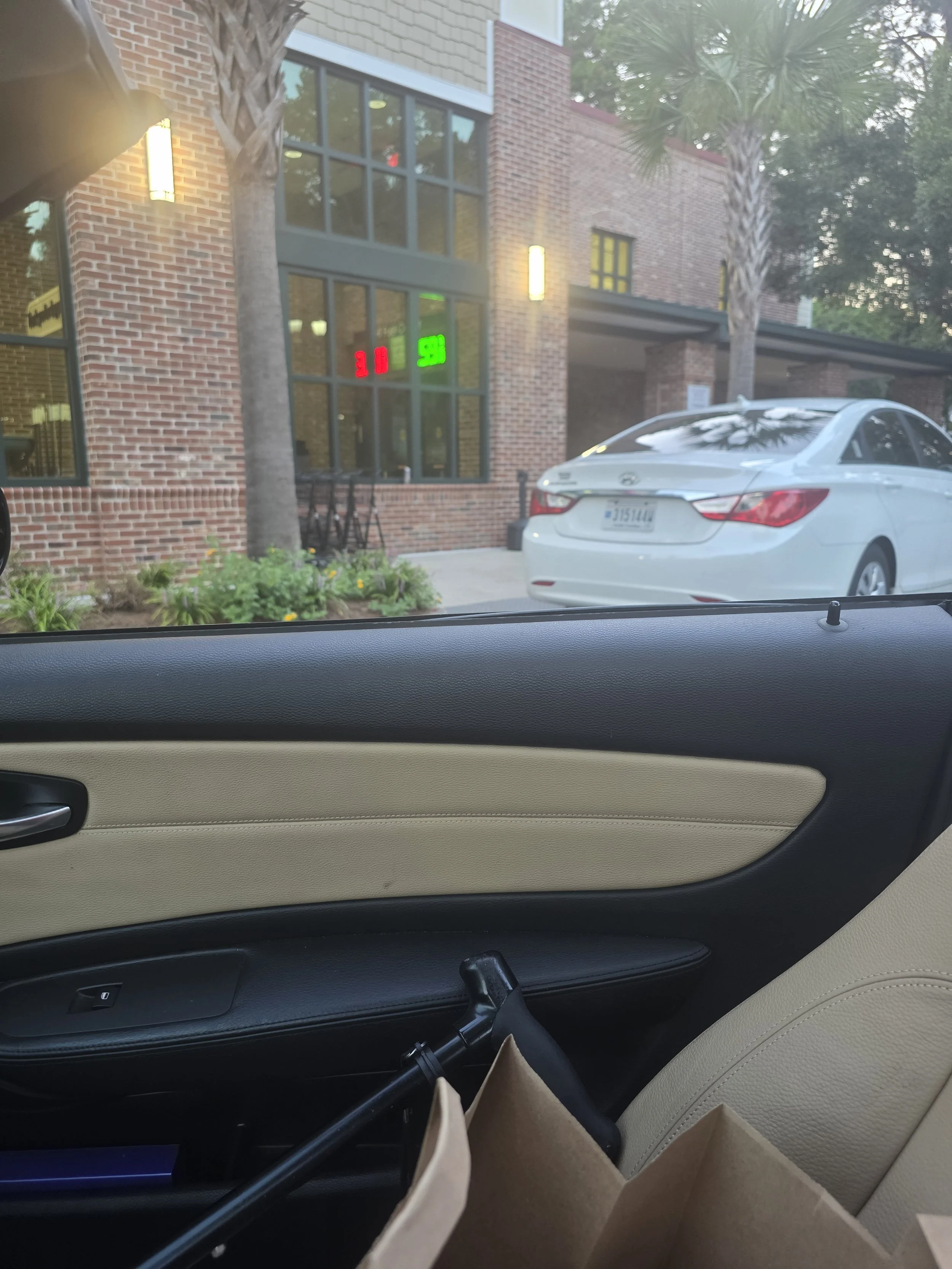
I looked inside.
No driver. No passenger. No one.
As I pulled away, I noticed the car had handicap license plates. As someone who relies on accessible parking, I understand why those spaces—and the shorter distance they provide—matter.
But handicap plates are not an all-access parking pass. They do not mean you can skip the designated spaces and create your own personal parking spot directly in front of the store.
I might—and this is a very soft might—understand the decision if every accessible parking space had been occupied.
They weren’t.
And before anyone reaches for the classic excuse, “I’m just running in, and I’ll be right out,” let’s review the timeline.
I had enough time to walk to my car, load my two items, get inside, buckle my seat belt, back out, take a picture, and drive away.
That took at least two minutes.
The driver still had not returned.
This is not about questioning whether someone has a disability. The handicap plates already answer that question. It is about recognizing that having those plates does not excuse blocking an entrance, a fire lane, or an area intended to remain clear.
Accessible parking exists to make life a little easier for people who need it. Use the designated space. If one is available, there is no excuse for parking directly in front of the store simply because it is more convenient.
Be better, people. Be better.
