

Supergirl: Worth Seeing on the Big Screen?

I had a few free hours between visiting my mom at the hospital and heading to a recovery meeting, so I did what I enjoy most—I went to the movies.
This time it was Supergirl (2026), starring Milly Alcock, Jason Momoa, and Eve Ridley. I wasn't quite sure what to expect, but I walked away pleasantly surprised.
In my latest video review, I talk about:
Why the opening scene had me laughing.
How this is much more than a typical superhero movie.
The Star Wars and Suicide Squad vibes I picked up throughout the film.
Whether it's worth seeing in theaters.
And the answer to the all-important question: Do you need to stay after the credits?
If you're trying to decide whether to spend your hard-earned money on Supergirl, or you've already seen it and want to compare opinions, check out my full spoiler-filled review.
🎬 Watch the full review here: https://NielFlamm.com/videos/moviereviews
I'd love to hear what you thought of the movie. Join the discussion and let me know whether Supergirl soars... or crashes.
My Nextdoor Experiment: Assumptions, Bias, and a Missed AI Opportunity
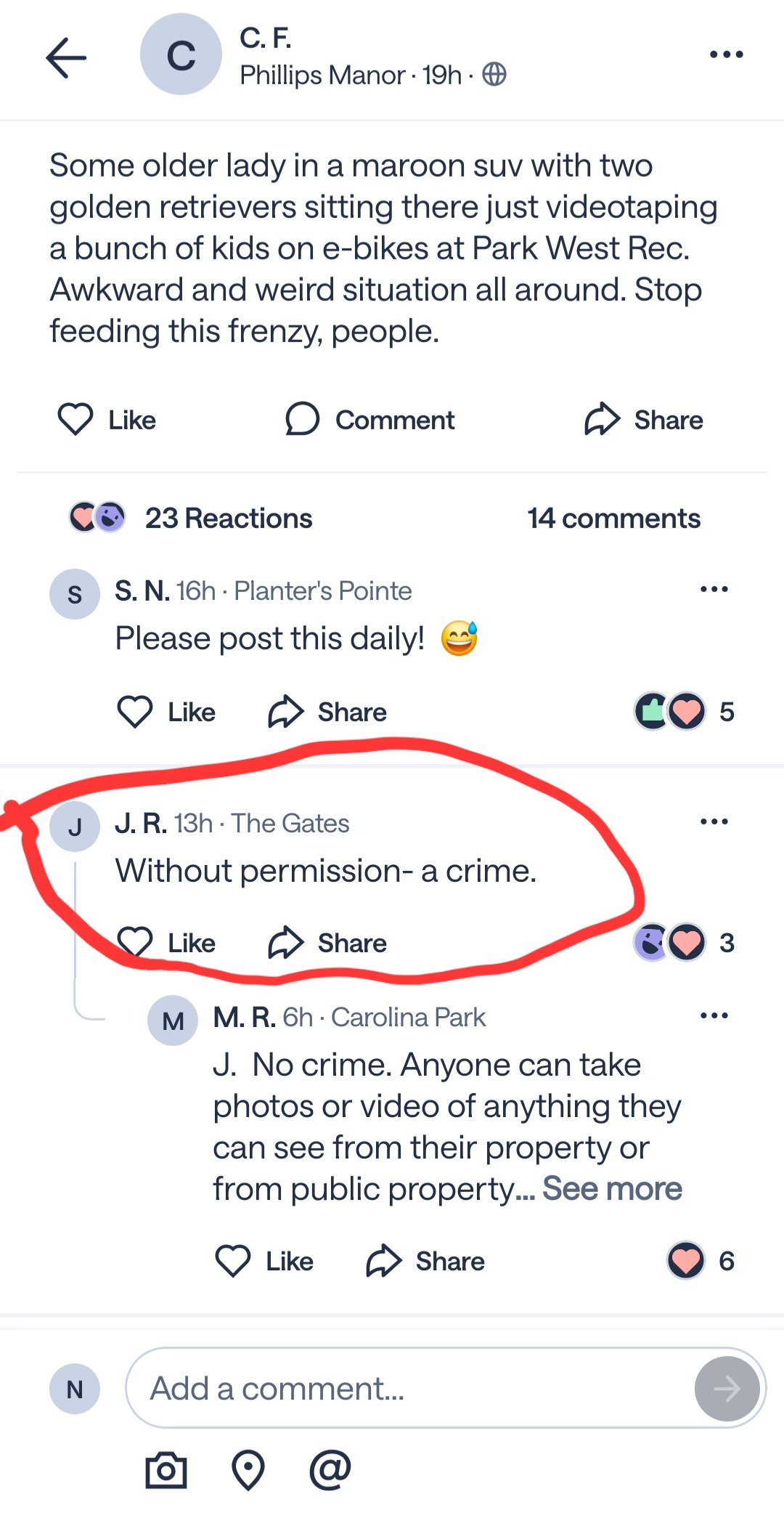
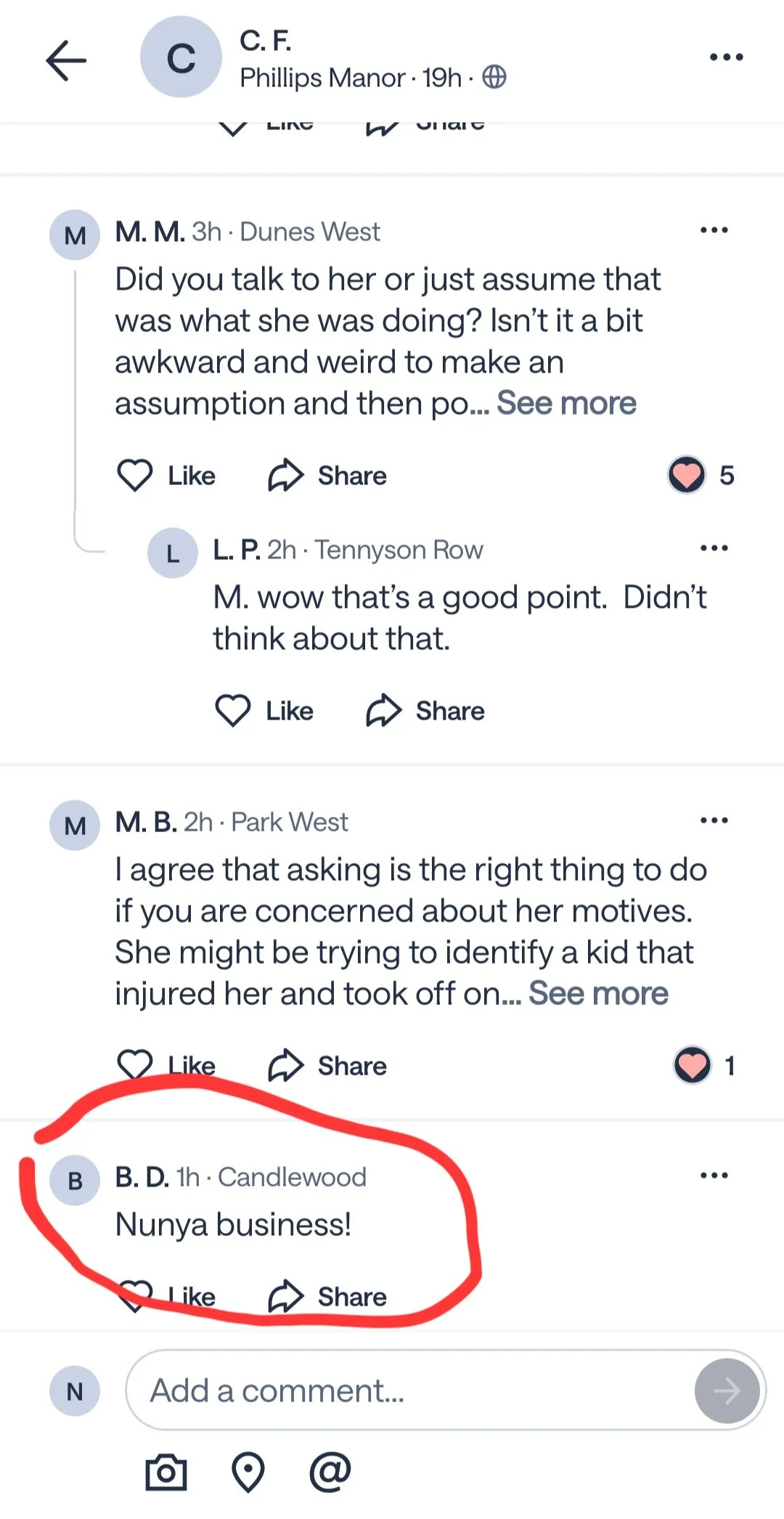
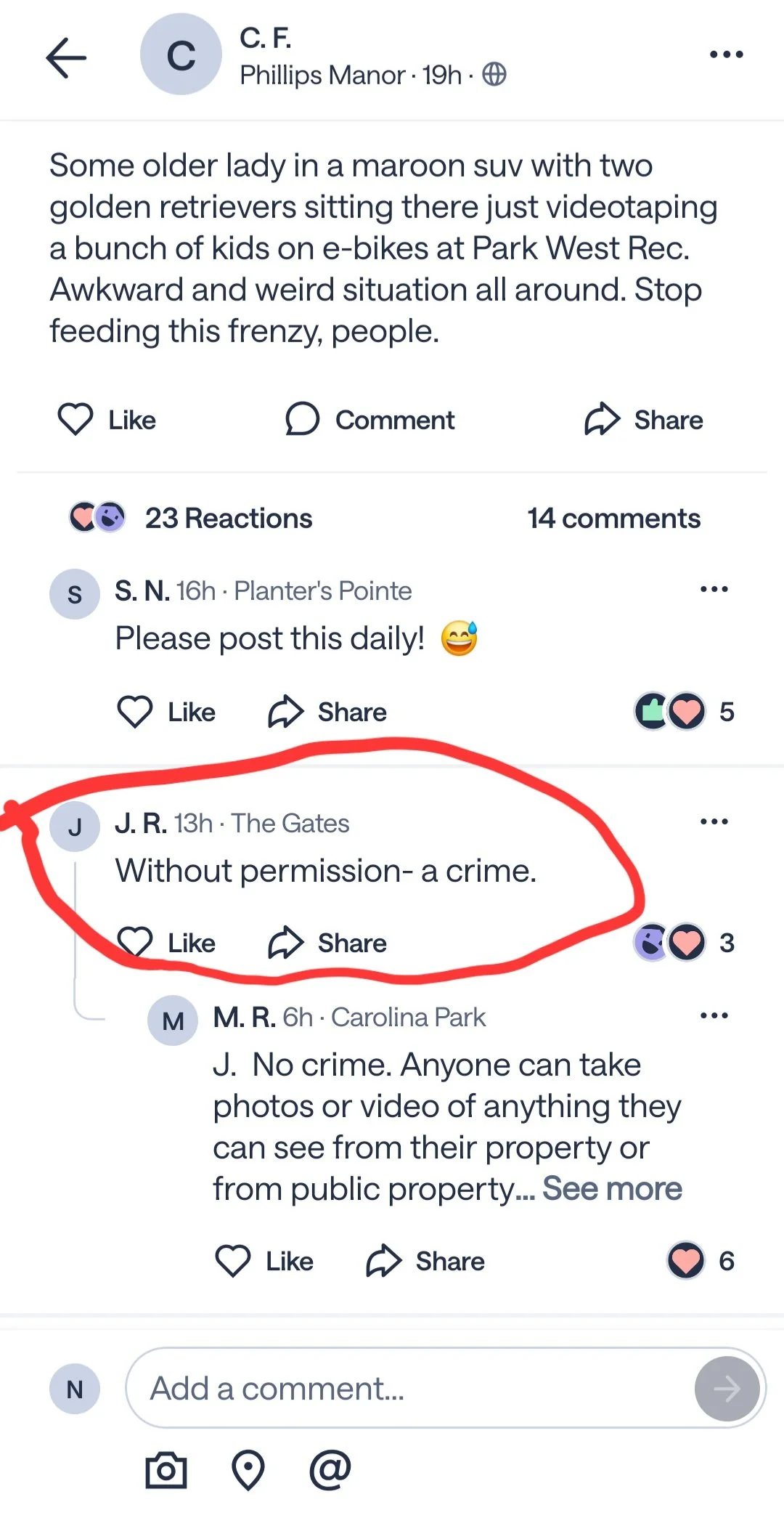
As part of my ongoing Nextdoor experiment using a “verified” address that isn’t mine and an obviously fictitious name, I came across another discussion that made me stop and think.
The topic involved a woman reportedly filming a group of children in a neighborhood.
What caught my attention wasn’t necessarily the original post.
It was everything that followed.
Within the comments, neighbors quickly began making assumptions about the woman’s intentions. Incorrect information was presented as fact. Snarky remarks piled on. The conversation shifted from discussing an event to speculating about a person.
To be fair, misinformation and speculation happen on every social media platform.
But here’s the question I keep coming back to:
If unpaid neighborhood moderators are actively removing content they consider “non-neighborly,” how does a thread like this remain visible while other posts are removed?
That inconsistency suggests to me that moderation can be influenced by neighborhood context and individual judgment. Whether that’s intentional or not, the user experience becomes unpredictable.
My suggestion remains the same.
Use AI to identify conversations that are rapidly escalating into speculation, personal attacks, or unsupported claims. Then combine that with centralized human oversight to ensure moderation decisions are applied consistently across neighborhoods.
AI shouldn’t replace people.
It should help people make more consistent decisions.
If Nextdoor is serious about AI, I’d rather see investment in improving the neighborhood experience than simply talking about AI as the future.
To me, that’s a better use of capital—and a better experience for users, moderators, advertisers, and shareholders alike.
Join the discussion on NielFlamm.com.
Accountability Starts at the Top: A Reminder of How I Got Here
For those who have recently started following my commentary on Nextdoor, here's a reminder of how this journey began.
I have been suspended from Nextdoor multiple times for different reasons—posting too many items for sale, expressing my opinion on topics, and providing feedback about the platform itself. Each time I appealed, I received vague responses with little transparency about what specifically violated policy or how similar situations would be handled consistently in the future.
As both a user and a shareholder ($NXDR), I decided to take my concerns directly to leadership.
I commented on CEO Nirav Tolia's LinkedIn posts to start a dialogue about the customer experience, moderation consistency, and opportunities for improvement. Rather than engaging, I was blocked.
Roughly a year and a half later, Jacob Chavis, Senior Manager of Customer Insights, also blocked me after I repeatedly requested a discussion around research transparency and accountability.
I don’t think that’s the response I would expect from leaders responsible for customer experience.
What frustrates me most is that I've never pointed out problems.
I've offered solutions.
AI-assisted moderation to improve consistency and response time.
Continuous training and certification for unpaid volunteer moderators.
Quality Assurance models proven in customer service organizations.
Independent QA leadership that could rapidly improve moderation quality.
Consulting assistance based on more than two decades in Learning & Development and operational excellence.
Greater transparency around platform metrics and independent validation of reported performance.
Throughout my career in Learning & Development, I learned one lesson that has stayed with me:
I allow what I allow.
As a shareholder, I'm choosing not to accept avoidable leadership and operational gaps without asking difficult questions.
If you're a user, advertiser, investor, or business partner...
Why remain silent if you believe something can be improved?
During one suspension, I was told that I wasn't going to bring Nextdoor down.
That has never been my objective.
Quite the opposite.
I want Nextdoor to become a company that earns the same level of trust, innovation, and long-term success demonstrated by companies like Amazon, Apple, and Tesla. As a shareholder, why would I want anything less?
I also don't want value destroyed through avoidable mistakes, leadership turnover with generous exit packages, or a future acquisition that rewards executives without first addressing the underlying operational issues.
This morning, I invited leadership to a conversation using my Calendly link so we can find a mutually convenient time.
The invitation remains open.
A friend recently asked me:
"Hasn't someone at the company realized you aren't going away?"
Maybe they have.
Maybe they haven't.
I'll continue asking questions, proposing solutions, and advocating for measurable improvements until I see meaningful change—not just optimistic financial stories, but results supported by transparency, accountability, and independent verification.
Feedbacl isn't opposition.
It's an investment in building something better.
My Saturday Nextdoor Experiment: Conflict Still Wins
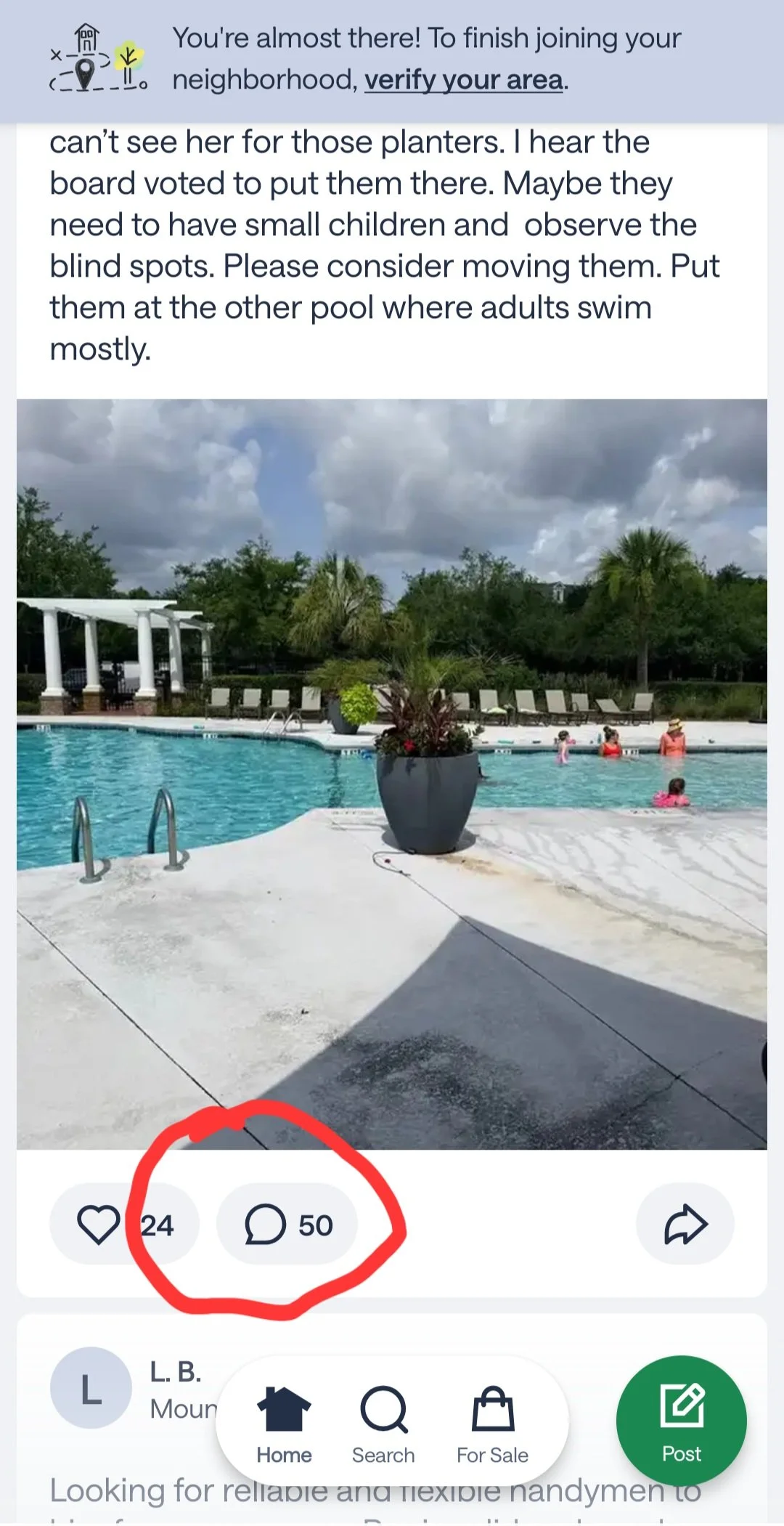
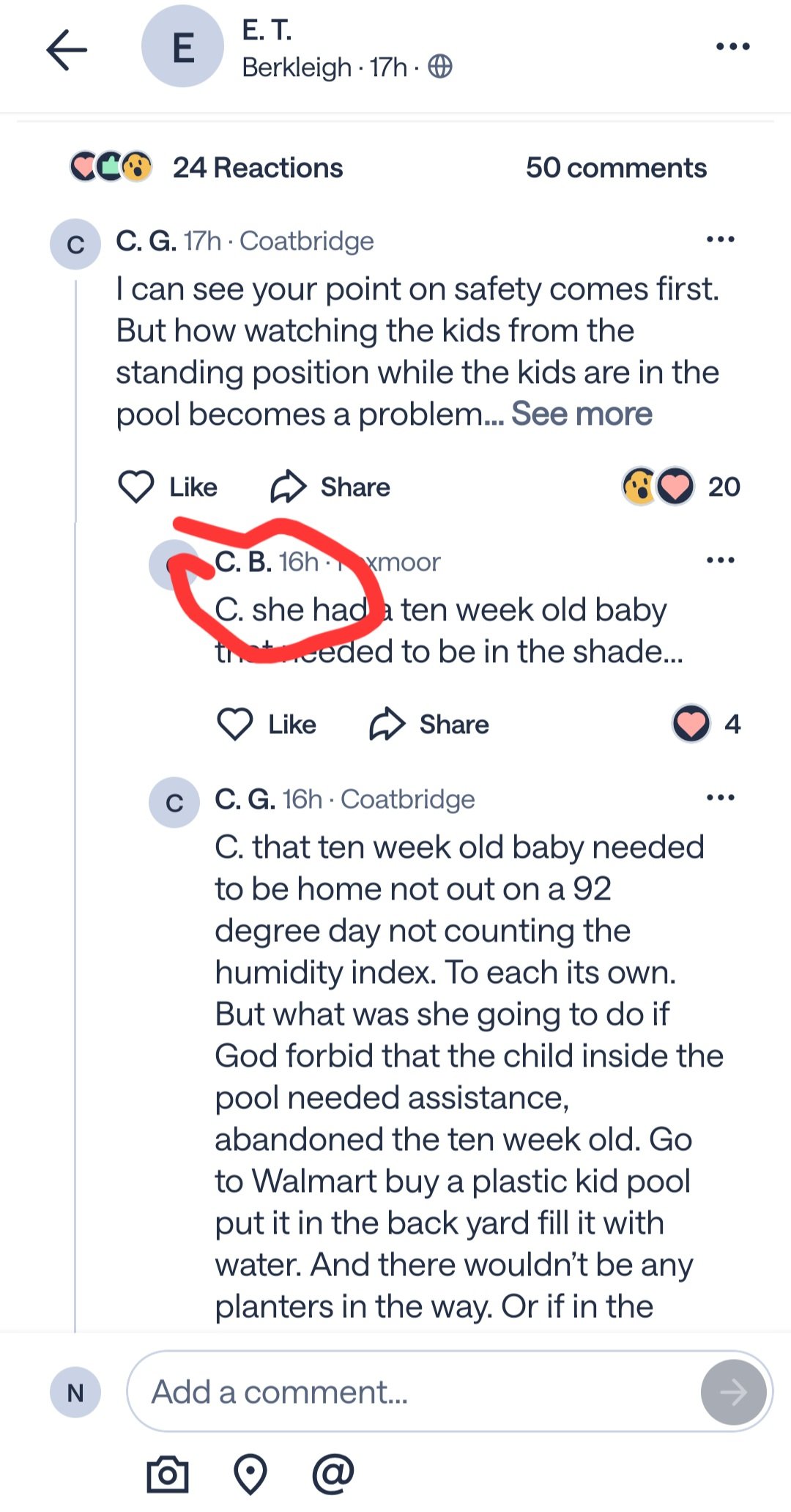
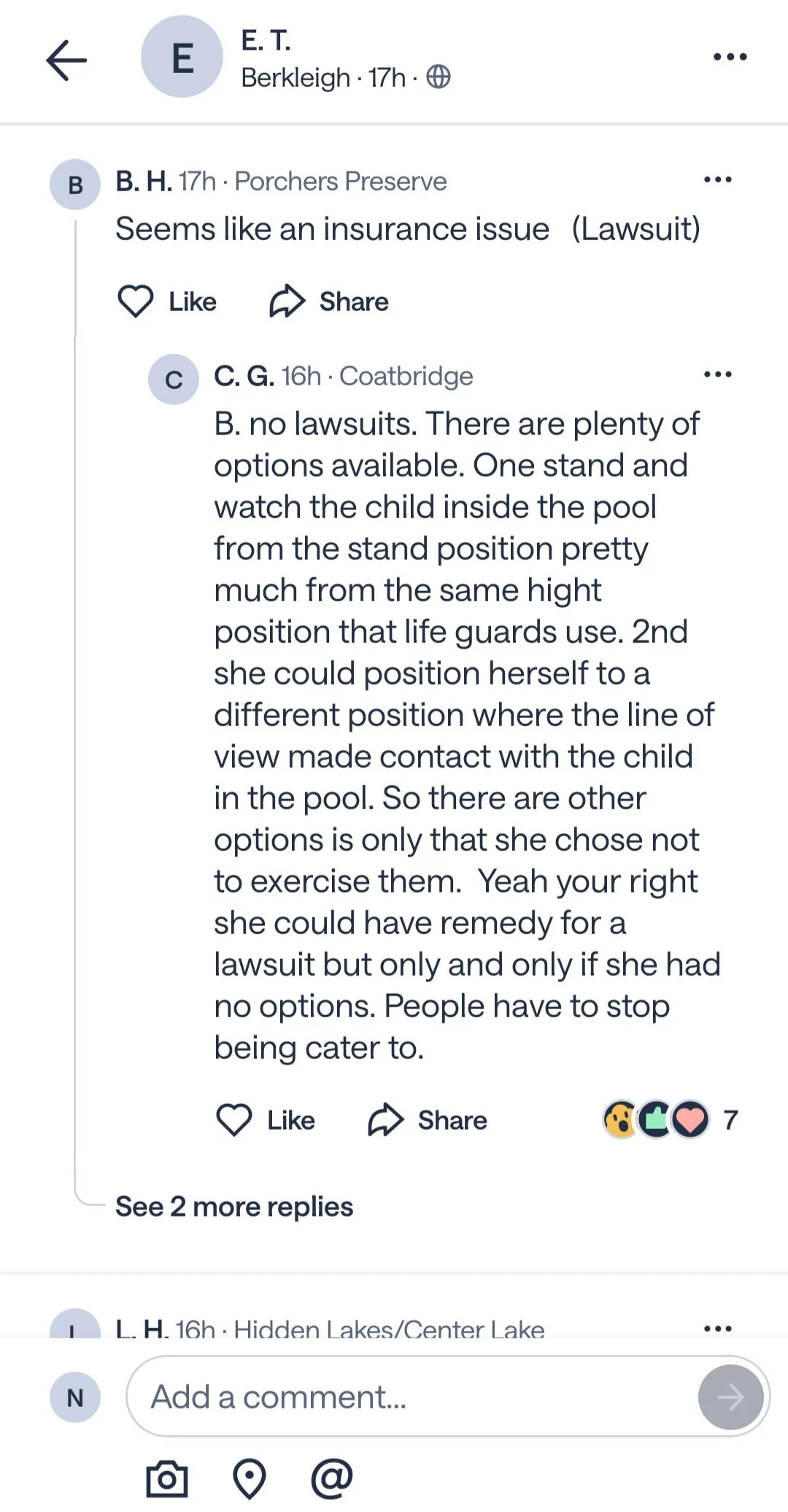
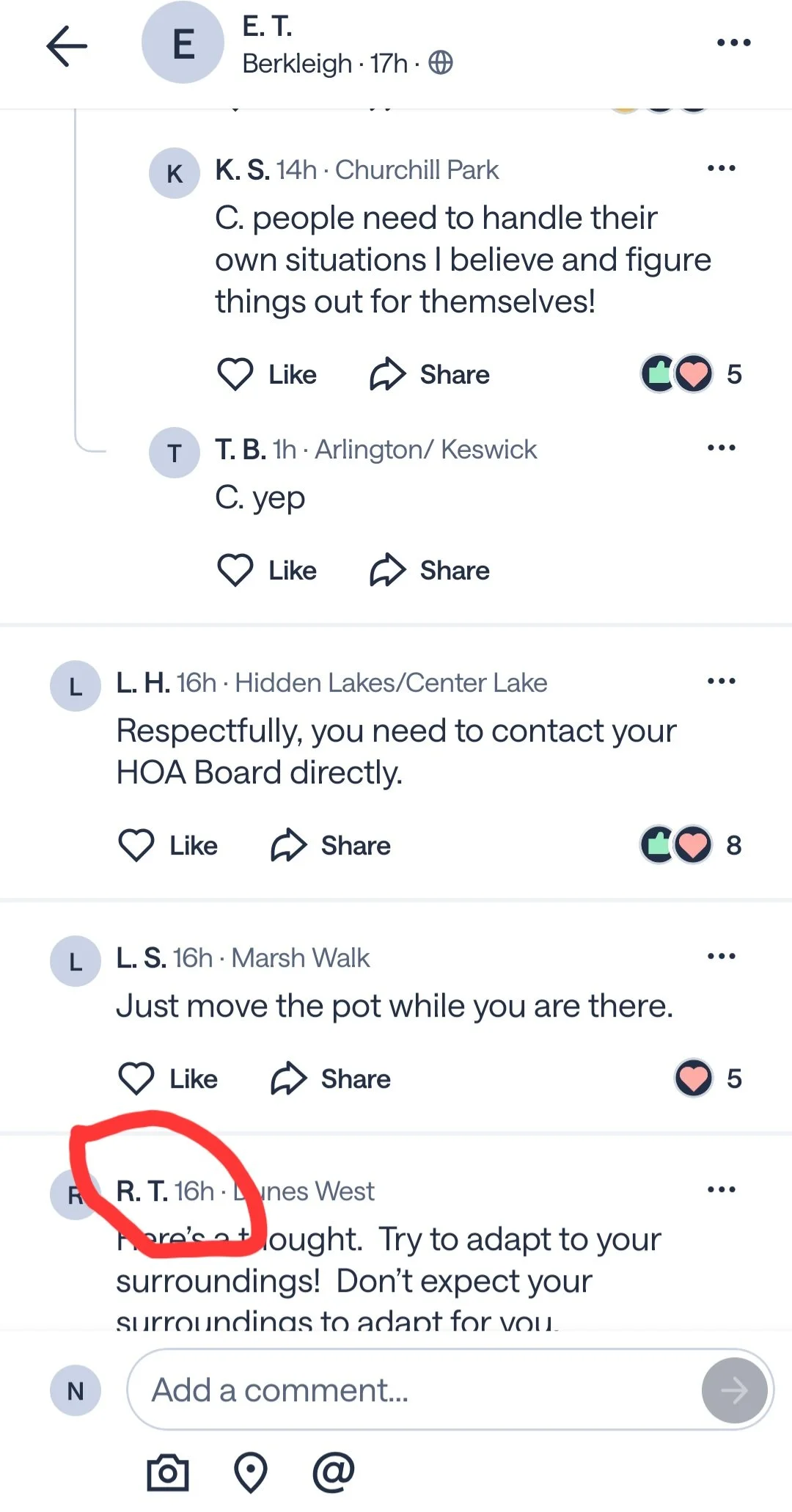
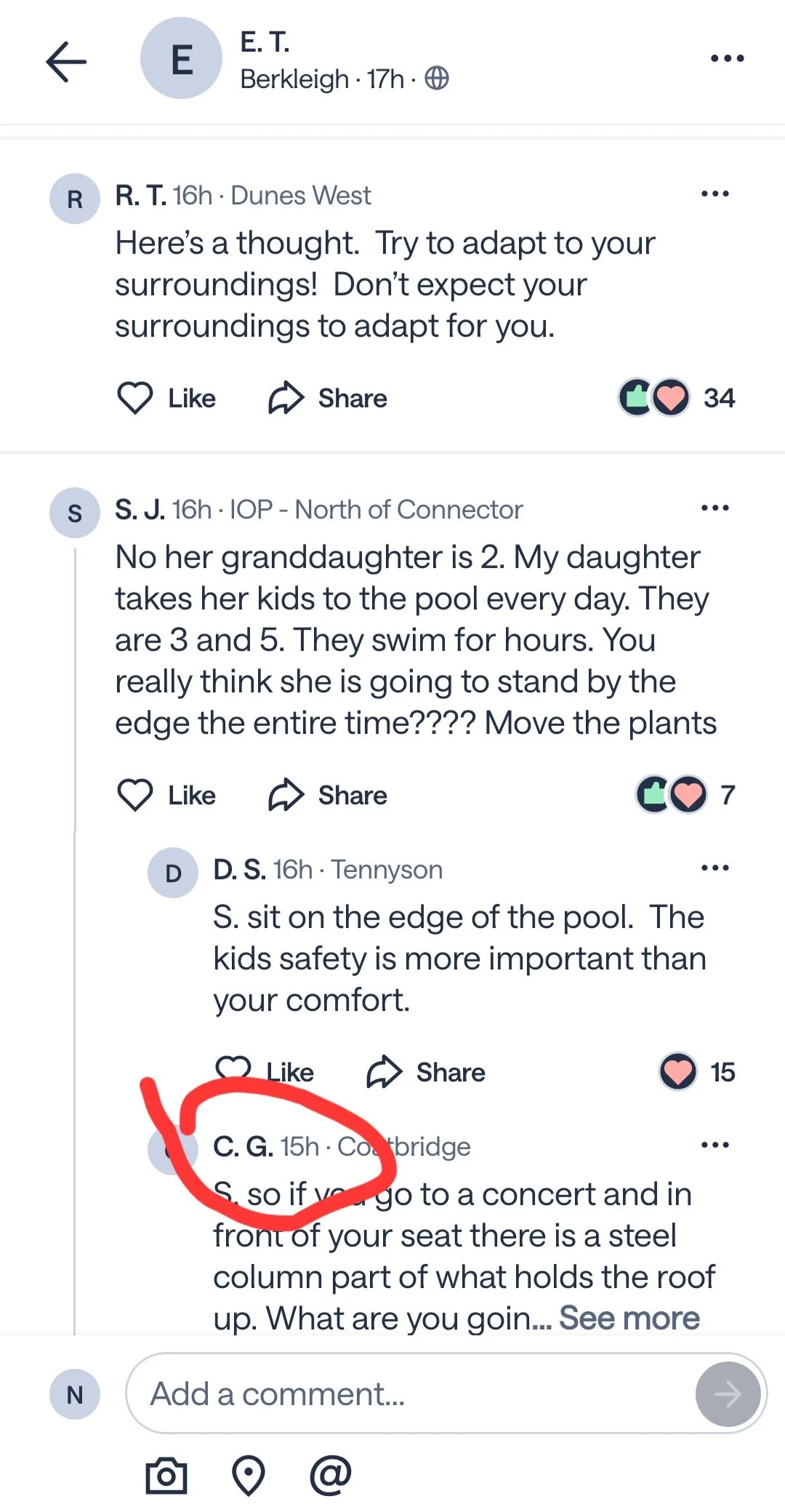
This morning, June 27, 2026, I continued my informal observation of conversations on Nextdoor in my local area.
What did I find?
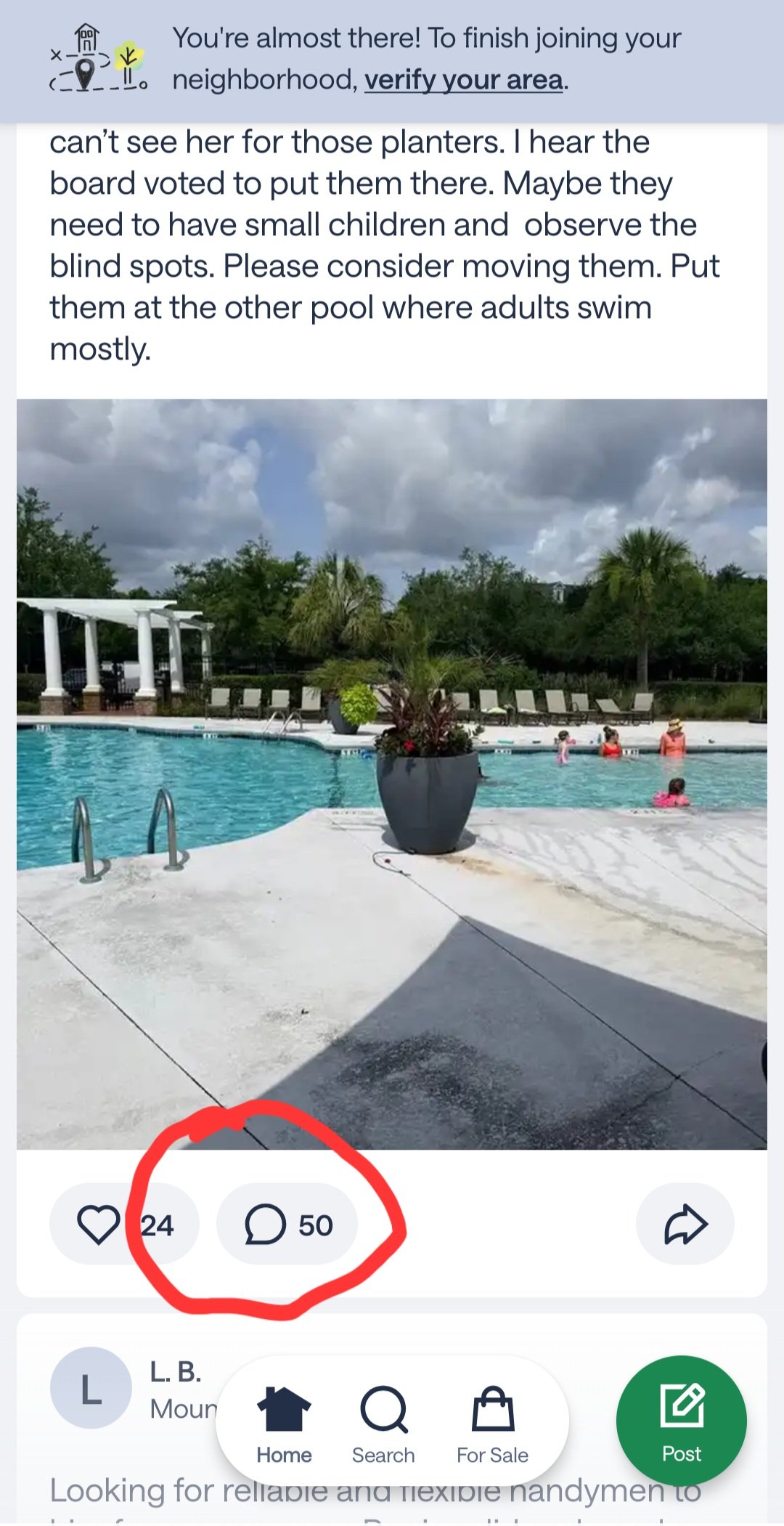
A discussion that had grown to 50 comments, with the most recent activity occurring roughly 16 hours after it began. The conversation had long since shifted from the original topic into personal opinions and heated exchanges. I included examples because it wasn't just a couple of comments—it had become a lengthy thread.
To me, this raises a familiar question:
If AI is such a central part of Nextdoor's strategy, why isn't it being used more effectively to identify and de-escalate conversations that are clearly moving away from constructive neighborhood dialogue?
Instead, Nextdoor continues to rely heavily on its unpaid moderator model.
I've previously suggested alternatives, including a stronger quality-assurance process for moderation and AI tools that could detect when conversations are becoming increasingly hostile and flag them or temporarily pause them for review before they spiral further.
Whether or not leadership agrees with those ideas, they deserve discussion.
Instead, the moderation model remains largely unchanged.
If conflict consistently drives engagement, then perhaps the platform should acknowledge that reality and lean into it rather than continuing to market itself primarily as a platform for bringing neighbors together.
The contrast between that message and what I continue to observe is what keeps me asking questions.
Happy Saturday.
The conversation continues at NielFlamm.com—I'd love to hear your perspective.
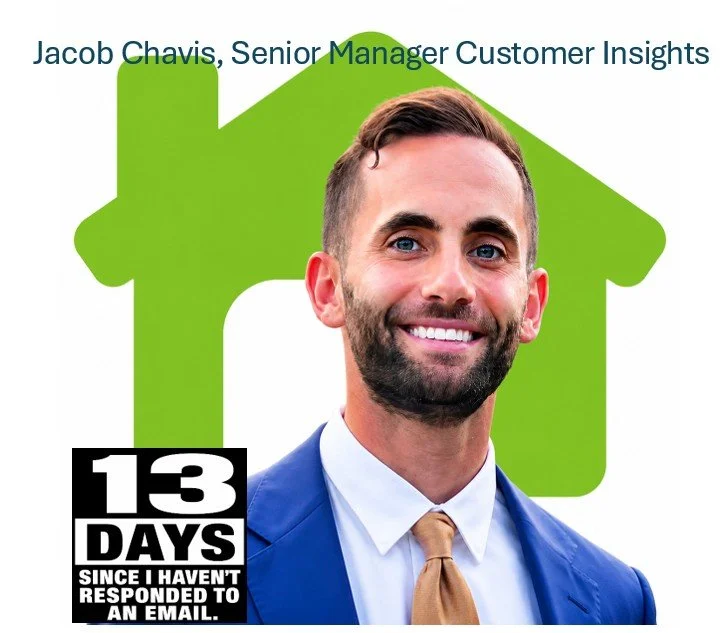
13 Days. No Study. No Response. No Accountability.
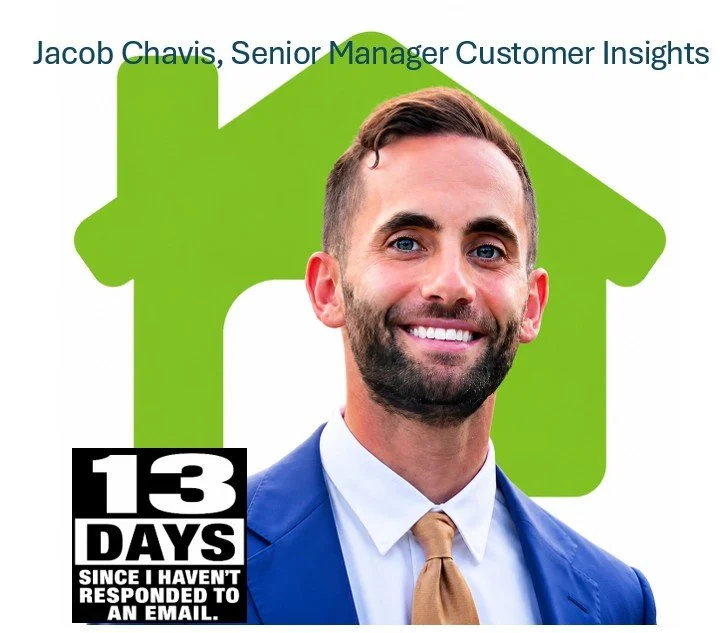
It's been 13 days since I requested the study referenced by Jacob Chavis, Senior Manager of Customer Insights at Nextdoor — and the silence is deafening.
To be clear, #NiravTolia and the C-Suite are aware of this request. They are aware of my pursuit of transparency. And they've made a choice — to say nothing.
Which raises a legitimate question: Does this study actually exist? Or was AI used to generate a news piece with a conveniently buried line inviting requests — banking on no one actually asking?
Here's what I know:
Jacob has blocked me on LinkedIn. His profile returns "doesn't exist" when I search for it. This mirrors Nirav Tolia's behavior exactly. The apple doesn't fall far from the tree.
From internet research outside of LinkedIn: Jacob is based in New York, attended the University of South Carolina and Columbia University, and began his career as an intern at the Public Defender Service for the District of Columbia—a meaningful start — one that implies a commitment to accountability and transparency.
Jacob, is Nextdoor the last company you plan to work for? Because factual, documented experiences posted publicly tend to follow professionals to their next landing spot.
To Nextdoor: you don't operate in a vacuum. I tag you across multiple platforms. And the pattern of blocking, ignoring, and hoping critics go away isn't a strategy — it's a liability.
Jacob, is this the hill you want to die on?
🔗 Full commentary and to join the discussion, go to NielFlamm.com/blog