
My Nextdoor Experiment: Assumptions, Bias, and a Missed AI Opportunity
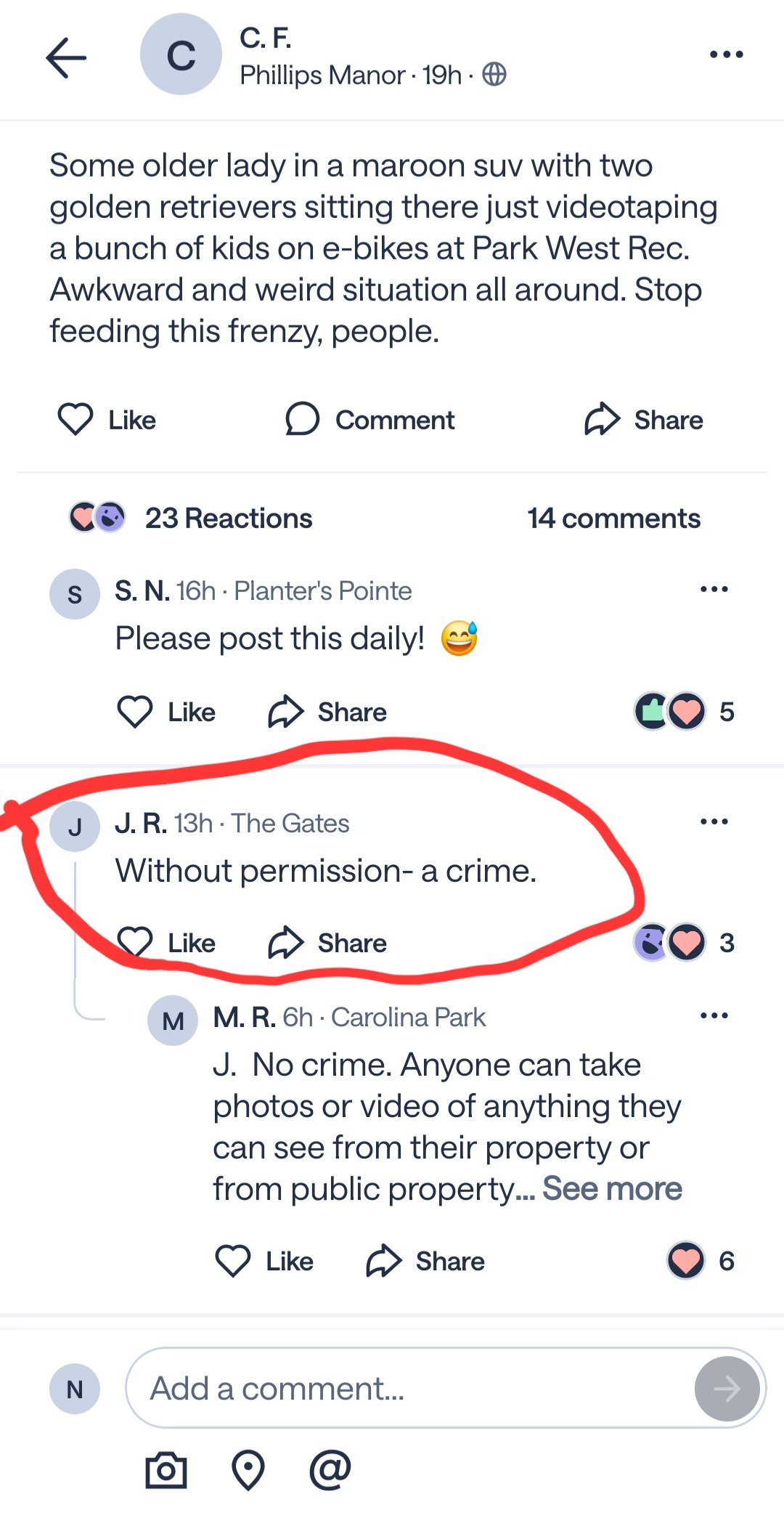
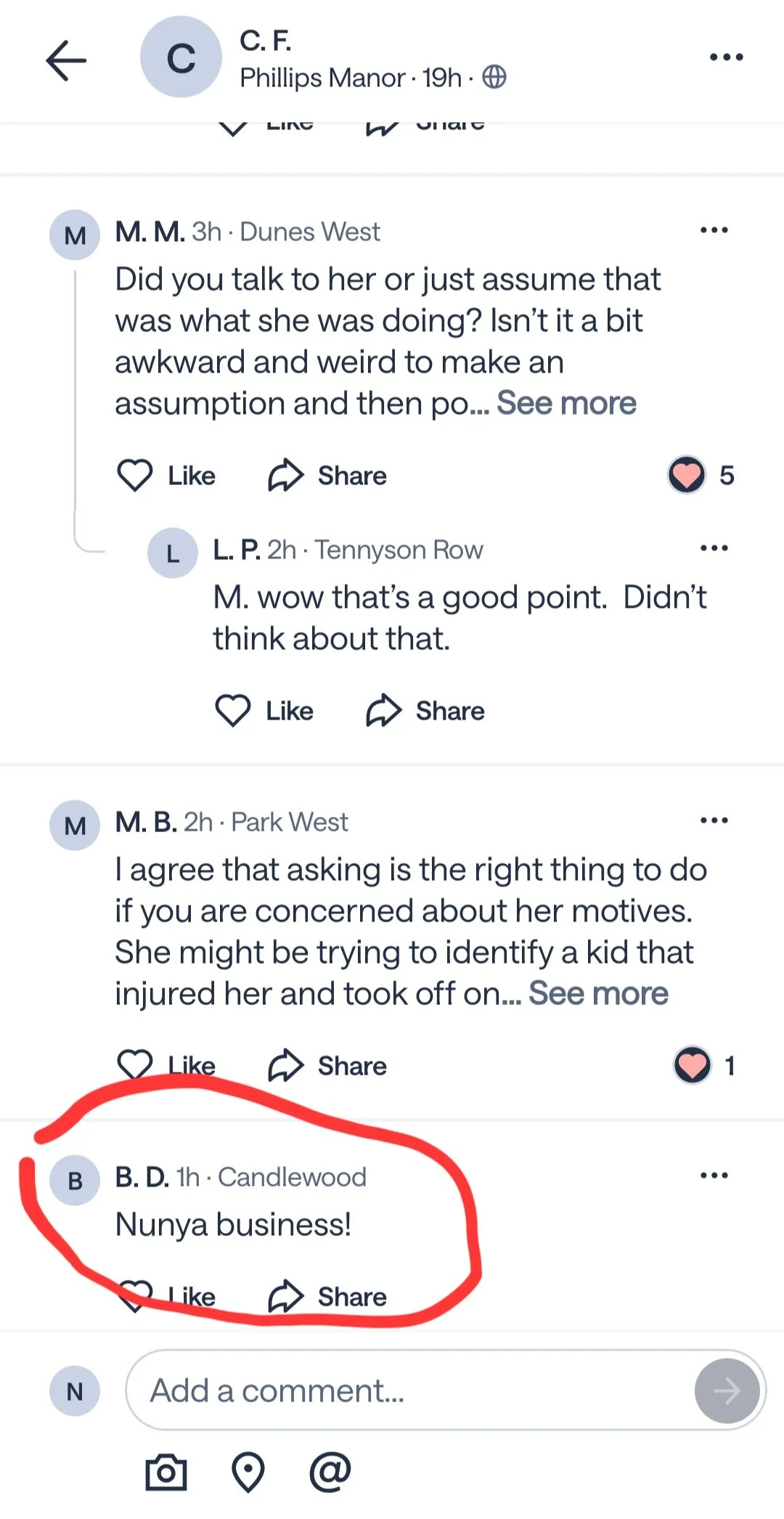
As part of my ongoing Nextdoor experiment using a “verified” address that isn’t mine and an obviously fictitious name, I came across another discussion that made me stop and think.
The topic involved a woman reportedly filming a group of children in a neighborhood.
What caught my attention wasn’t necessarily the original post.
It was everything that followed.
Within the comments, neighbors quickly began making assumptions about the woman’s intentions. Incorrect information was presented as fact. Snarky remarks piled on. The conversation shifted from discussing an event to speculating about a person.
To be fair, misinformation and speculation happen on every social media platform.
But here’s the question I keep coming back to:
If unpaid neighborhood moderators are actively removing content they consider “non-neighborly,” how does a thread like this remain visible while other posts are removed?
That inconsistency suggests to me that moderation can be influenced by neighborhood context and individual judgment. Whether that’s intentional or not, the user experience becomes unpredictable.
My suggestion remains the same.
Use AI to identify conversations that are rapidly escalating into speculation, personal attacks, or unsupported claims. Then combine that with centralized human oversight to ensure moderation decisions are applied consistently across neighborhoods.
AI shouldn’t replace people.
It should help people make more consistent decisions.
If Nextdoor is serious about AI, I’d rather see investment in improving the neighborhood experience than simply talking about AI as the future.
To me, that’s a better use of capital—and a better experience for users, moderators, advertisers, and shareholders alike.
Join the discussion on NielFlamm.com.
