

Over Your Dead Body — Love, Marriage, and Attempted Murder?

What happens when a romantic getaway turns into two people trying to eliminate each other?
Apparently... comedy.
I watched Over Your Dead Body, a dark comedy about love, resentment, money, revenge, and what happens when a relationship goes completely off the rails.
With Jason Segel and Samara Weaving leading the chaos, plus Timothy Olyphant and Juliette Lewis adding their own flavor, this movie finds a strange but entertaining balance between romance and destruction.
Is it a love story?
Is it a revenge story?
Is it a warning about marriage?
Maybe all three.
I break down the movie, the performances, and why I think this twisted relationship comedy was a good use of an hour and forty-five minutes.
Watch the full Junk Cast review here:
🎬 https://NielFlamm.com/videos
And while you're there, check out the rest of my internet garbage.
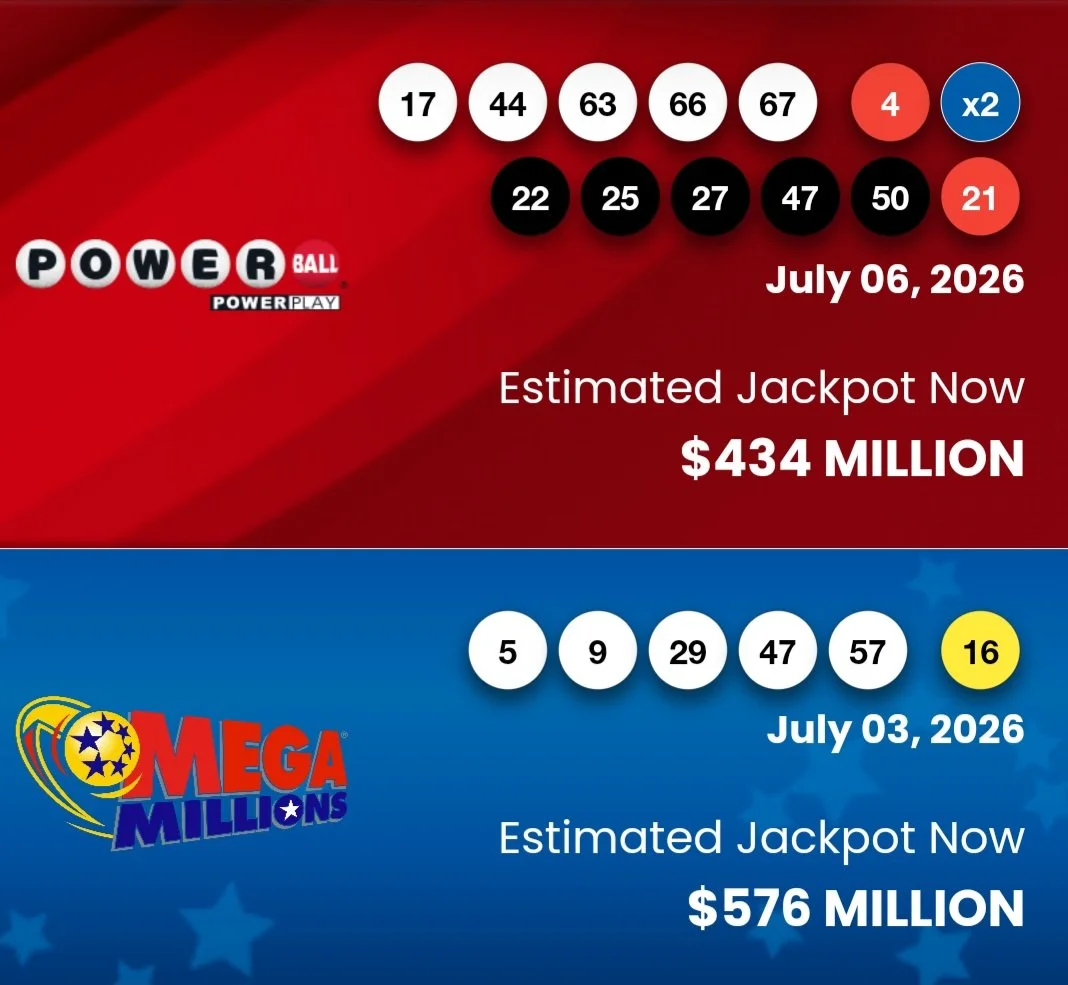
Over $1 Billion Reasons to Make Questionable Financial Decisions 💰🎰
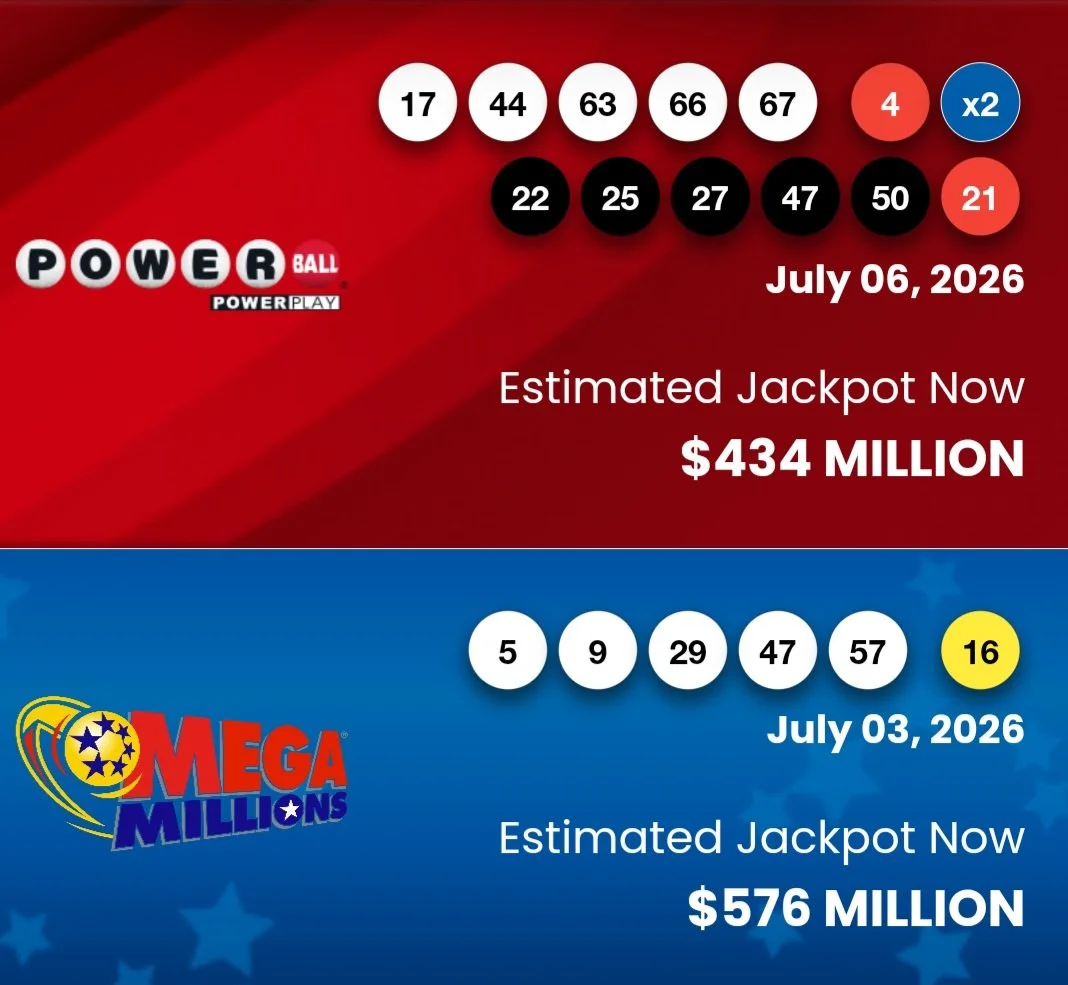
This is your official public service announcement from the corner of the internet you didn’t ask for.
There is currently over $1 BILLION sitting on the table between the Mega Millions and Powerball lotteries.
Yes… billion with a B.
Tonight is Mega Millions, where a ticket costs $5. Tomorrow is Powerball, where you can buy a dream for $2. That’s before adding Power Play, Megaplier, bonus magic dust, extra lucky buttons, unicorn upgrades, or whatever “powerups” they are selling these days. 😂
Are the odds good? Absolutely not. You probably have a better chance of finding your missing sock from 2007. But for a few bucks, you get a couple days of pretending you are shopping for mansions, deciding which private jet makes sense, and figuring out which people suddenly “always believed in you.”
If this post is somehow responsible for your winning numbers, remember who reminded you. A sizeable contribution from me would be appreciated. I accept finder’s fees, thank-you gifts, and life-changing gestures of kindness. 🤣
And for my Vegas friends… the irony continues. You can gamble your mortgage payment away on the Strip, but do you want a lottery ticket? Nope. Enjoy that scenic ride to Primm or Arizona.
Such is life.
Good luck, future billionaires. Remember the little people.
Read more internet garbage, join the discussion, and leave a comment at:
The Nextdoor Experiment Continues: Who Moderates the Moderators?
The Nextdoor experiment continues…
I was viewing the app, and, by the way, I still haven’t been removed, even after testing the verification process with a different email address and an address in a neighborhood where I do not live.
That alone continues to raise questions about the “verified neighbor” message.
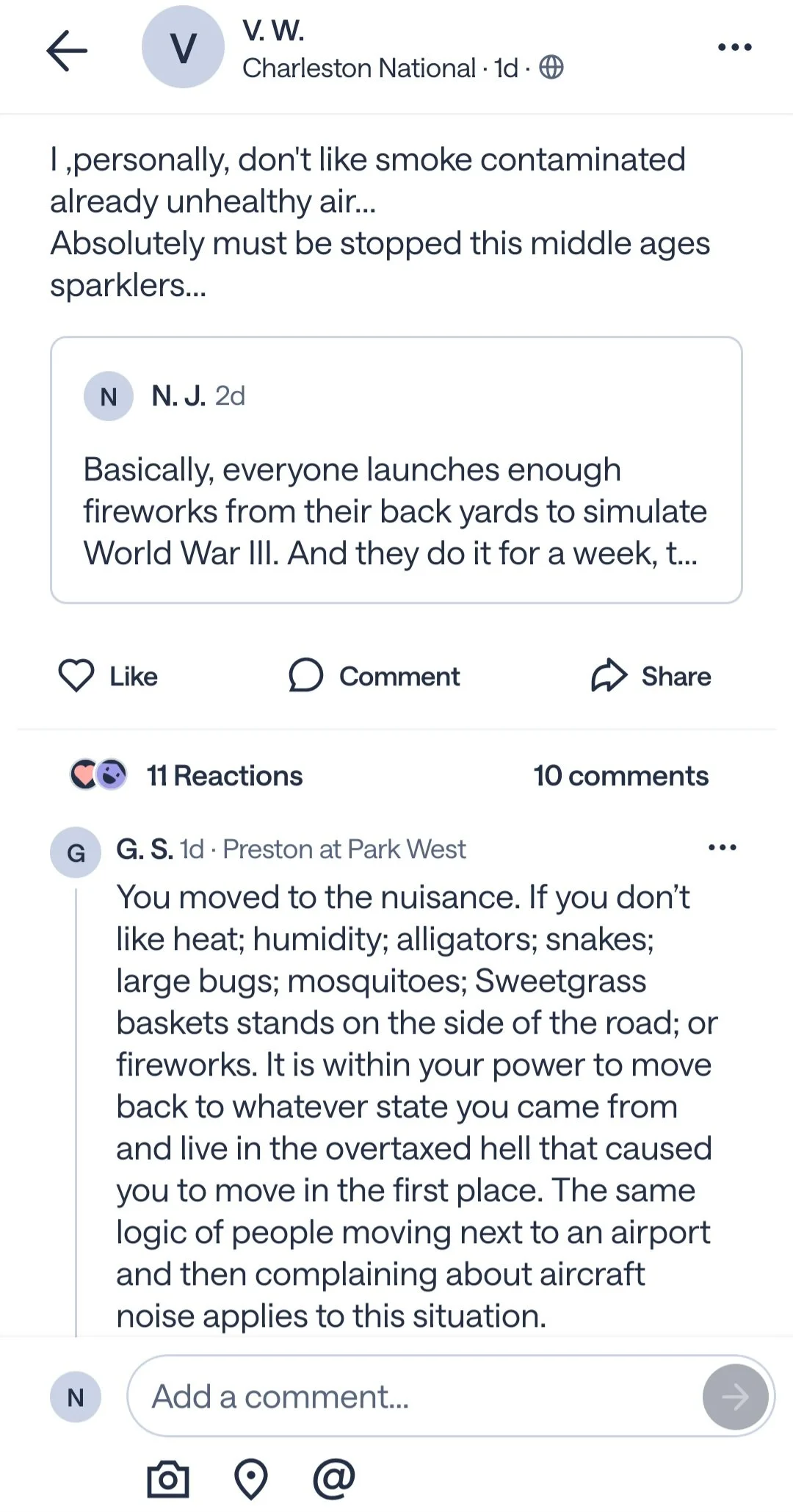
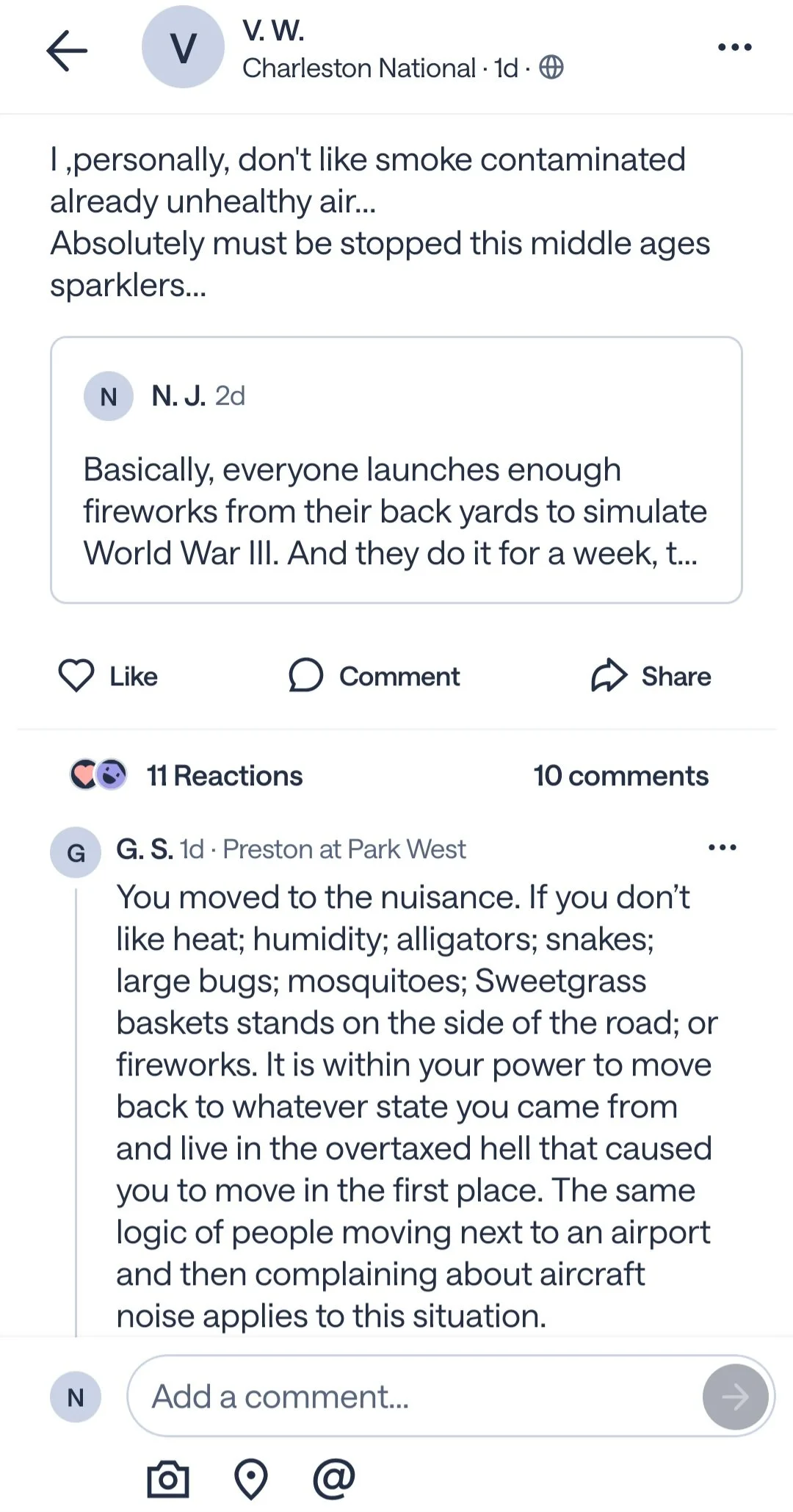
While scrolling, I came across a thread that started with someone simply sharing an opinion about the air quality after the Independence Day 250th celebration.
An opinion.
That’s it.
Then the conversation went sideways.
Instead of a discussion, it turned into multiple people piling onto the original poster. Comments shifted from debating the topic to targeting the person.
According to the timestamp, this conversation had been sitting there for at least a day.
Which brings me back to the same question:
How are some conversations allowed to continue while others are quickly flagged, hidden, or removed?
Is moderation being applied consistently?
When a platform relies heavily on community-based moderation, perception matters. If users believe certain people receive different treatment — whether because they are moderators, know moderators, or are simply more established users — trust starts to erode.
This is why an unbiased quality review process matters.
Moderation should not depend on relationships, popularity, or who has been around the longest.
Clear standards.
Accountability.
A neighborhood platform should protect healthy disagreement while preventing conversations from becoming personal attacks.
The goal shouldn’t be controlling opinions.
The goal should be to create a fair playing field for every neighbor.
Join the discussion on NielFlamm.com.

Day 23: The Report Is No Longer the Story — The Silence Is

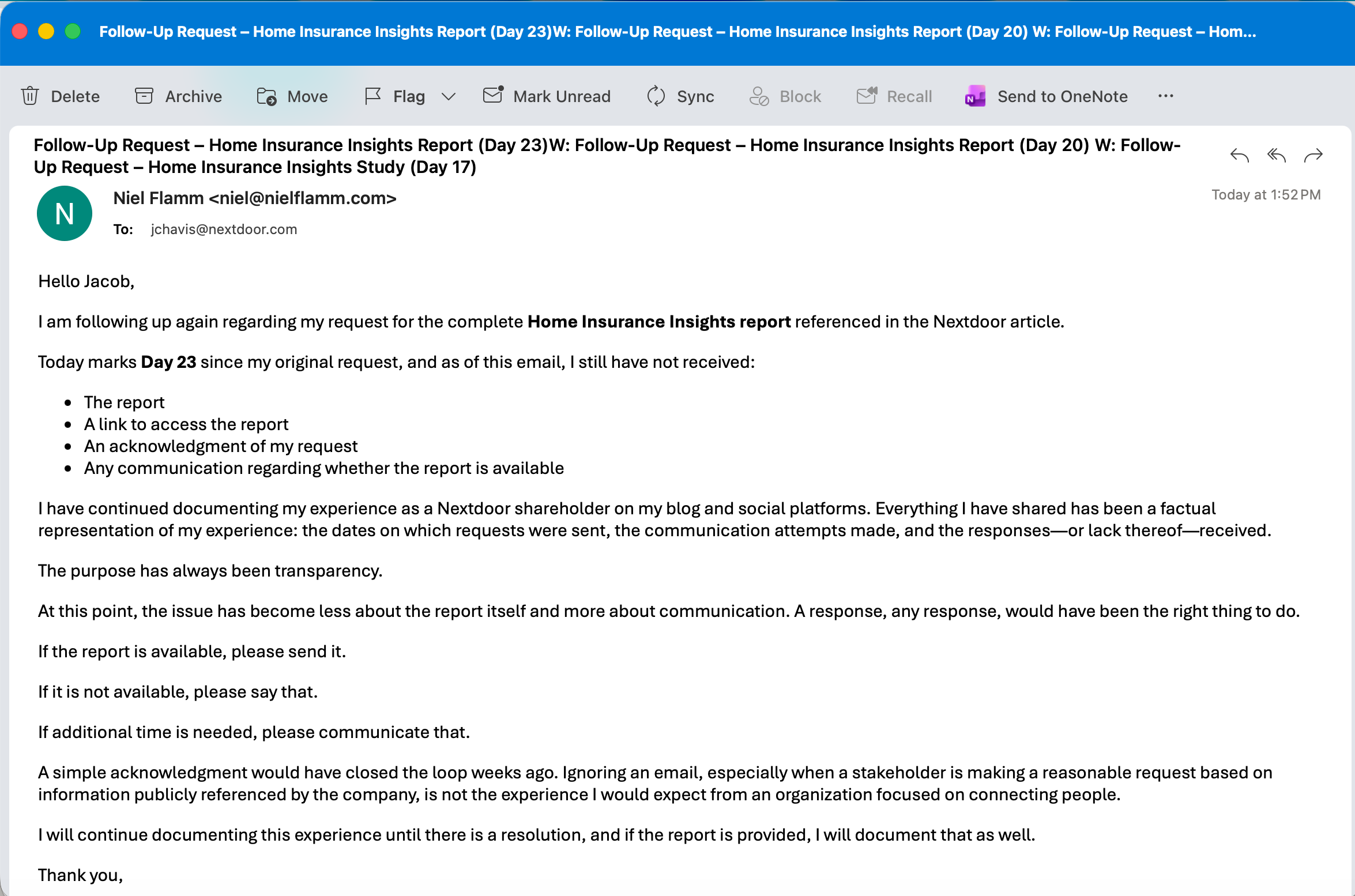
Today marks 23 days since I first requested the Home Insurance Insights report referenced in a Nextdoor article.
I sent another follow-up email today.
At this point, I still have not received:
The report
A link to the report
An acknowledgment of my request
Any communication regarding its availability
What started as a simple request for information has evolved into a larger conversation about communication, transparency, and stakeholder experience.
Throughout this process, I have documented my journey on my blog and social platforms. What I have shared is a factual timeline of my shareholder experience:
When emails were sent.
Who they were sent to.
What responses were received?
Or in this case, what responses were not received.
A response—any response—is the right thing to do.
“We’re looking into it.”
Any of those would have closed the loop.
Ignoring communication isn’t a customer experience strategy, and it raises a larger question:
If this is the experience of a shareholder asking for a report referenced publicly, what experience should users, advertisers, or partners expect when they need assistance?
Communication builds trust.
Silence creates questions.
Join the discussion on NielFlamm.com.

Nextdoor’s Identity Question: Community Platform or Data & Advertising Company?

I continue to look more deeply into Nextdoor, not only as a shareholder but also as someone trying to understand its long-term vision, strategy, and execution.
Nextdoor recently released its 2026 Back-to-School Research, which discusses today’s parents, the importance of neighborhoods, local recommendations, and how communities support each other.
On the surface, this aligns with the message CEO Nirav Tolia often shares — building connection, strengthening communities, using AI to improve the neighbor experience, and bringing people together.
I support that mission.
The challenge is that the messaging starts to feel contradictory when compared to other leadership conversations.
In a recent interview, Chief Revenue Officer Michael Kiernan discussed Nextdoor’s future revenue strategy, AI transformation, and new monetization opportunities.
He discussed how Nextdoor has over 110 million people on the platform, and how the company understands neighbors — where they live, their interests, their communities, and how they engage. He also discussed how the “neighborhood graph” could become a monetization asset.
From a business perspective, I understand this.
Nextdoor is a publicly traded company. It has shareholders. It has expenses. It needs sustainable revenue.
Advertising, partnerships, AI efficiency, and new revenue streams are expected parts of running a technology company.
But here is where I continue to ask questions:
Where does the neighbor fit into the equation?
If surveys and neighbor insights are valuable enough to promote to advertisers, partners, and the public, shouldn’t the full research methodology be transparent?
How many people participated?
How were participants selected?
What were the demographics?
What questions were asked?
What was the complete data set?
Today marks Day 22 since I requested the full research information from Jacob Chavis regarding previous Nextdoor studies.
No full study.
No methodology.
No response.
That is where trust becomes difficult.
A company cannot talk about transparency, trust, and an authentic community while also controlling which information neighbors and investors are allowed to see.
The bigger question:
Is Nextdoor a neighborhood platform that creates revenue opportunities by connecting people?
Or is Nextdoor becoming a data and advertising company powered by neighbor activity?
Those are two very different stories.
Maybe the answer is somewhere in the middle — but that requires transparency.
Neighbors deserve clarity.
Advertisers deserve clarity.
Shareholders deserve clarity.
Trust is not created through messaging.
Trust is created through actions.
Join the discussion on NielFlamm.com.