
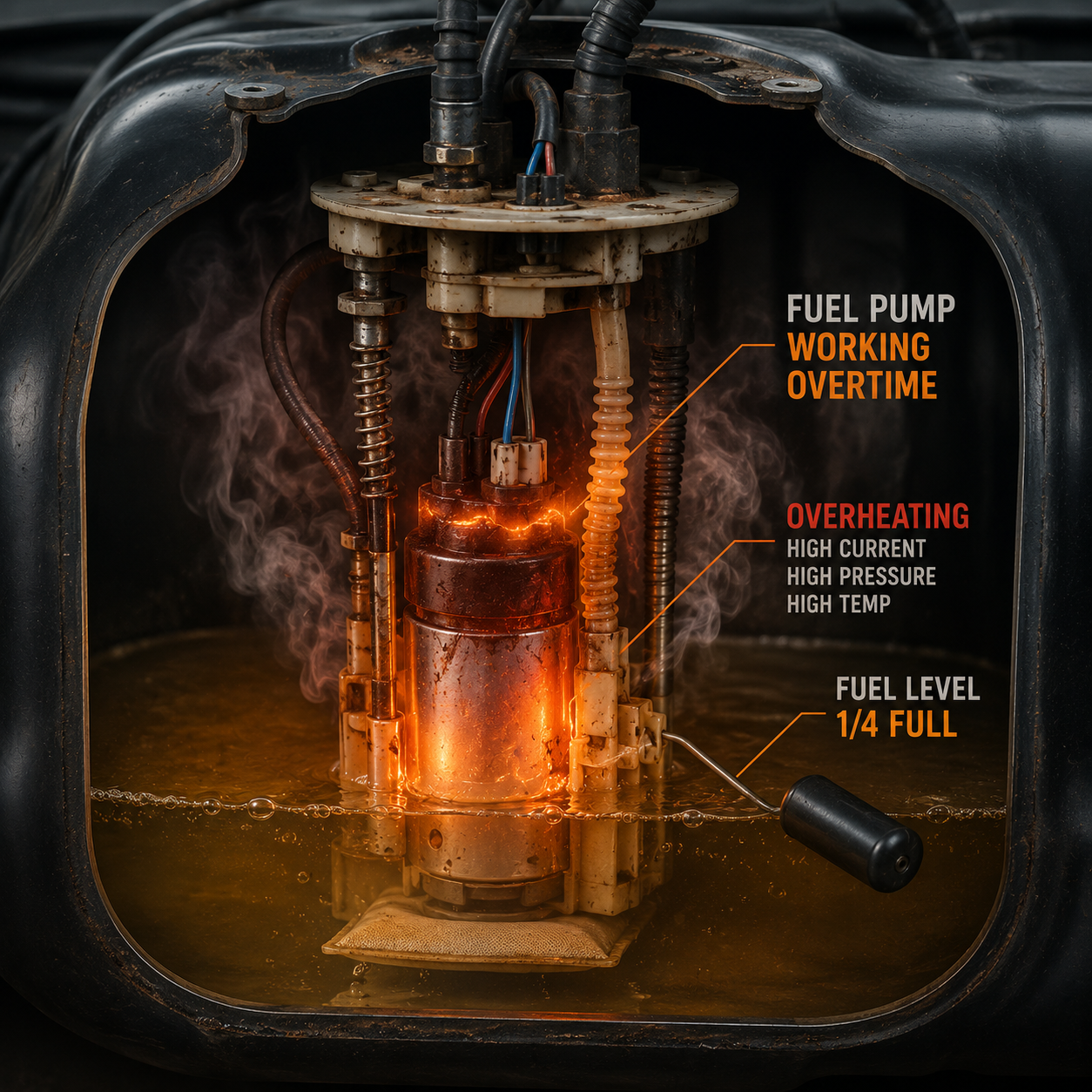
Sometimes Saving Money Costs You More: A Lesson From My Fuel Tank
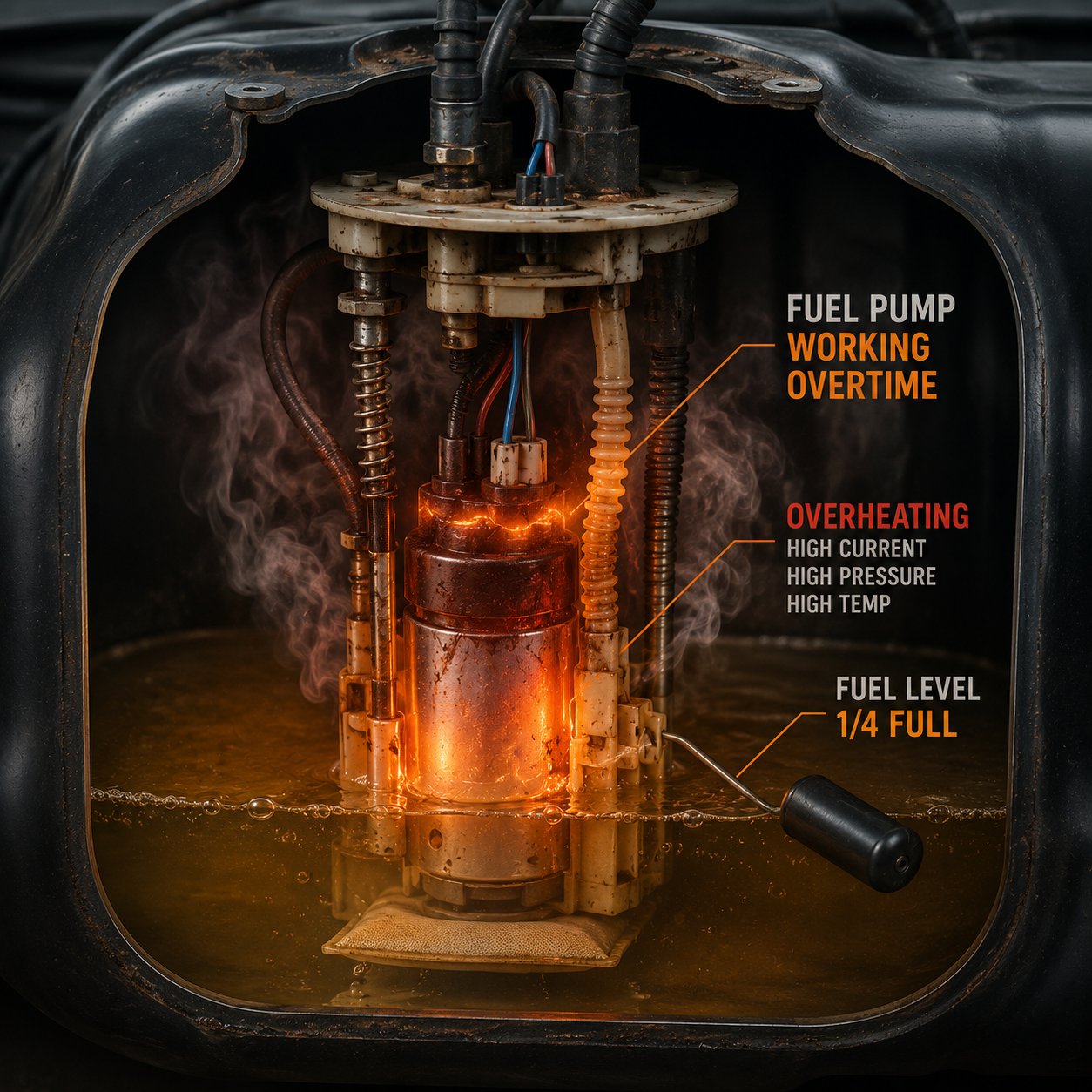
There was a piece of advice I heard about a month ago that I never got around to sharing. As I was driving to a local detox facility to bring a recovery meeting, it came back to me.
It was one of those simple pieces of car care advice that makes perfect sense once someone explains it.
Most gasoline sold in the United States contains ethanol. The exact blend varies depending on the season and location. Alcohol has impressive cooling properties. That reminded me of my drinking days.
Back then, a bottle of Jack Daniel's often lived in the freezer. Since alcohol freezes at a much lower temperature than water, there was no need for ice. If I was drinking it straight—or with Coke—it stayed ice cold without getting watered down. (Side note: Applebee's serves Pepsi products. Jack & Pepsi? No thank you.)
Anyway... back to the car.
I recently heard that during the hot summer months, it's a good idea to keep your gas tank at least half full whenever possible. Why? Because the electric fuel pump sits inside the gas tank. The gasoline surrounding it helps keep the pump cool while it's working, and having more fuel available reduces the chances of the pump working harder than it needs to.
That advice made a lot of sense.
Unfortunately, I didn't follow it.
Not too long ago, I found myself driving around with less than a quarter tank of gas. I was trying to time the market, waiting to see if gas prices would drop a few cents before filling up.
Then it hit me.
The price of gasoline might fluctuate by a few dollars per tank. Replacing a failed fuel pump can cost hundreds—or even well over a thousand dollars once you factor in labor. On many vehicles, the technician has to remove the fuel tank to access the pump.
That's a pretty expensive way to save five bucks.
Sometimes we focus so much on saving a little today that we forget the much higher cost tomorrow.
I think I'll stick with keeping my tank at least half full from now on. My wallet—and hopefully my fuel pump—will thank me.
Join the discussion on NielFlamm.com.

Day 39: We Tolerate What We Allow

I'm up ridiculously early checking the Tau Epsilon Phi Fraternity, Phi Chi Chapter Alumni Club lottery pool tickets.
Spoiler alert: We didn't win. More on that at NielFlamm.com/blog.
While updating everyone on Discord, I realized something.
Today is Day 39 since I requested a Nextdoor study from Jacob Chavis, and I still haven't received it.
I've said before that I'm not trying to get under the skin of Jacob Chavis, Nirav Tolia, or anyone at Nextdoor.
After reflecting on it, that isn't true.
I do want to create conflict. Not conflict for its own sake, but the kind of conflict that raises awareness, challenges complacency, sparks difficult conversations, and ultimately leads to meaningful solutions and better outcomes.
I want people to ask:
Why are we doing things this way?
Is there a better way?
What are we tolerating that we shouldn't?
If I could put one phrase on every Nextdoor screen saver, it would be:
"We Tolerate What We Allow."
To me, that isn't just a slogan. It's a daily reminder to question the status quo and continuously improve.
As a shareholder, I'd much rather see Nextdoor create sustainable value than have me hoping the South Carolina Education Lottery changes my financial future.
I'm also not willing to normalize a straightforward request going unanswered for 39 days. Maybe there's a good reason. Maybe there isn't. I don't know. If there is one, I'd genuinely welcome hearing it.
One thought has crossed my mind: perhaps several moves down the road, the conversation becomes, "There isn't a study," followed by the obvious question, "Why not?" If that's where this eventually leads, we'll have that discussion when the time comes. Until then, the easiest way to move the conversation forward is with a response.
Leadership shapes culture. In my opinion, the way an organization communicates—or chooses not to communicate—is one of the clearest reflections of that culture. That's why I continue to ask these questions.
One thing I've tried to do differently is encourage discussion.
If you disagree with me, tell me why.
If you think I'm missing something, I'd like to hear it.
Join the discussion on NielFlamm.com/blog. I allow comments because I believe better ideas come from open conversations.
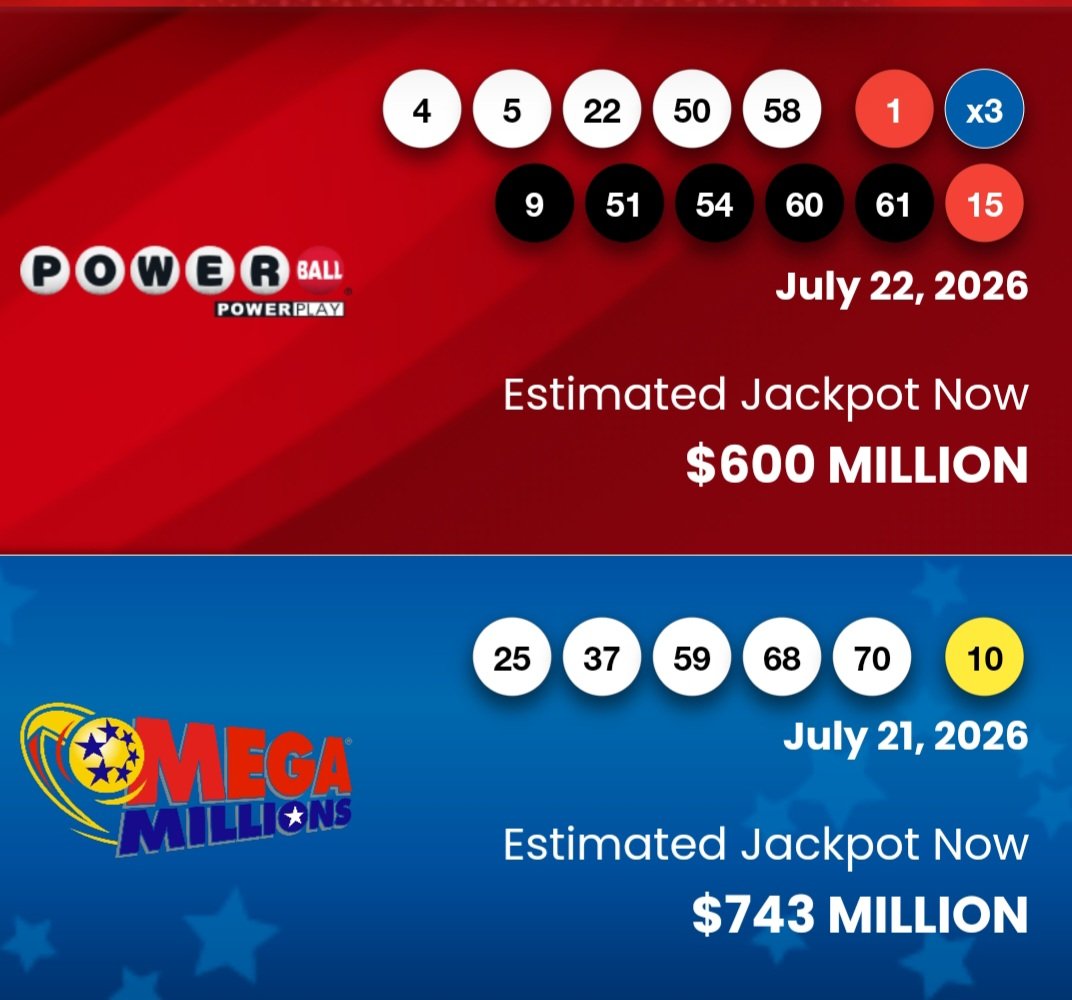
Our Lottery Pool Has Outperformed... Absolutely Nothing 😂💸
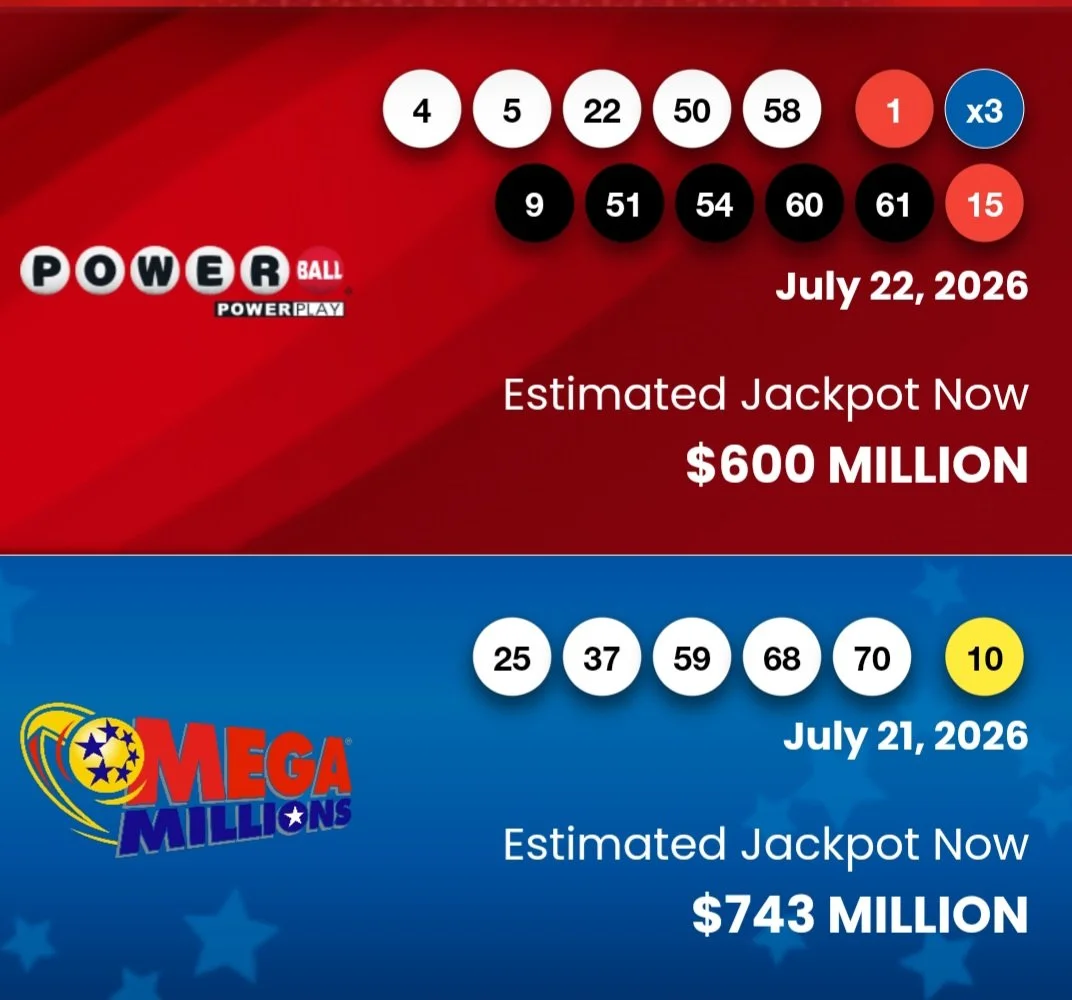
For the last few drawings, I've been leading my Tau Epsilon Phi fraternity chapter's lottery pool.
Based on my highly scientific calculations, we've probably donated somewhere around $600 to the South Carolina Lottery between Powerball and Mega Millions.
You're welcome, South Carolina.
This weekend, we're running it back.
I've asked everyone who wants in to Zelle me $20. Why Zelle? Because Venmo, PayPal, and some of the other apps want a cut when you withdraw money.
Sorry... around here we believe in wasting our money on lottery tickets, not transaction fees.
For each person, I buy:
🎟️ 5 Powerball tickets
🎟️ 2 Mega Millions tickets
A diversified portfolio, if you will.
Now, about the last Powerball drawing...
Guess who didn't win?
Us.
Well... that's not entirely true.
We actually won $12!
Since there were about a dozen of us, I graciously offered to Zelle everyone $1.
That's right.
Invest $20.
Receive $1.
A 95% loss.
Wall Street should be calling any minute now to ask me to manage a hedge fund.
I've already started thinking of names:
Niel Capital Mismanagement
Diamond Hands, Empty Wallets
The Negative Returns Investment Group
Bros Before ROI
The Institute for Advanced Financial Regret
The beautiful thing about a lottery pool is that no matter how badly you lose, you get to laugh about it with friends.
And every drawing starts the same conversation:
"This is the one."
Statistically?
Probably not.
But hope has a funny way of costing exactly twenty bucks.
Good luck to everyone playing this weekend. If one of us actually wins, I promise not to become one of those people who says, "Money doesn't change you."
I'll be too busy deciding whether my beach house should have a lazy river.
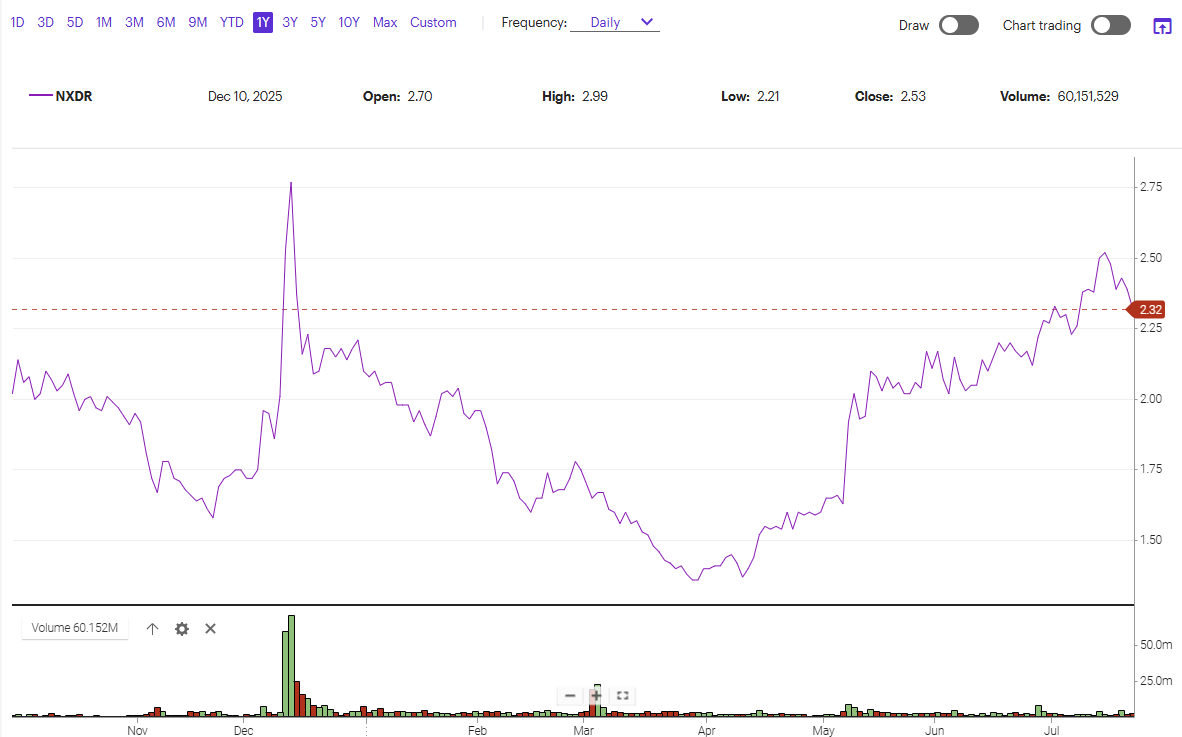
Rhetoric vs. Results: Which Creates Long-Term Shareholder Value?
Driving home from dialysis today, I found myself thinking about rhetoric.
Not rhetoric in politics, but in corporate leadership.
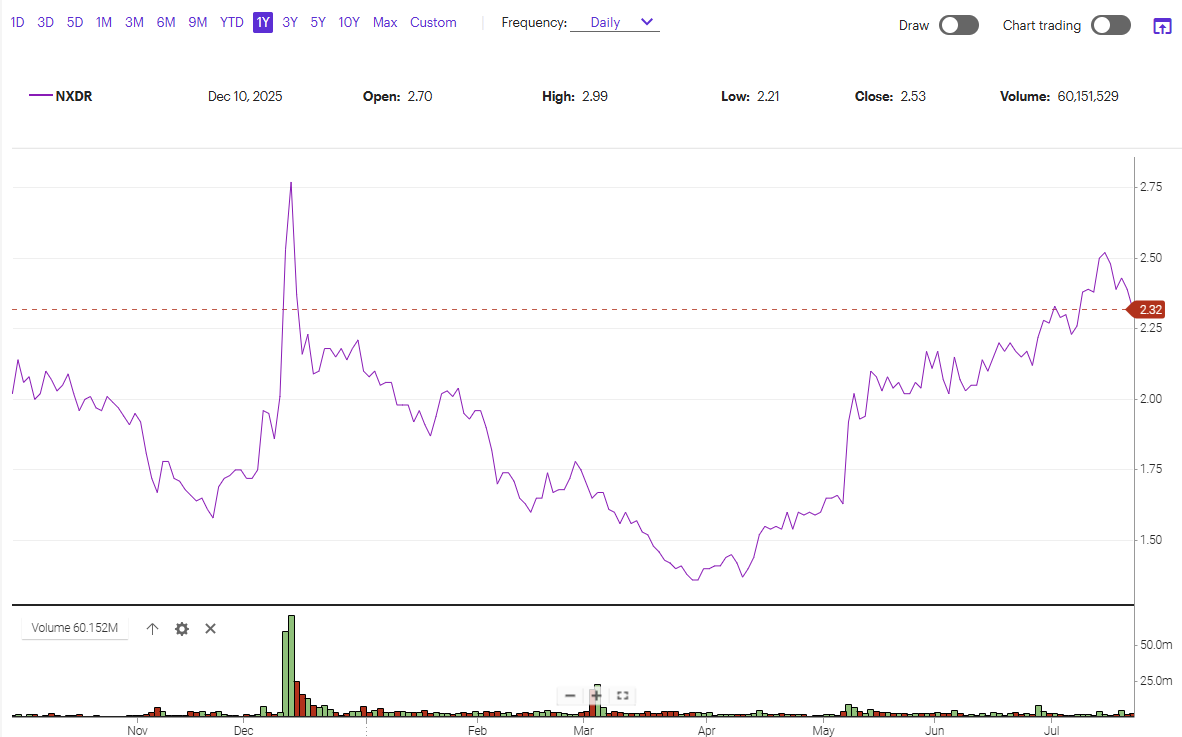
Nextdoor's stock reached a two-year high of $2.77 on December 11, 2025, and another notable high of $2.52 on July 15, 2026. Since then, I've been asking myself a simple question:
How low will this slide go?
I've shared before that I'm currently bearish on NXDR. From my perspective, the company hasn't yet demonstrated the value proposition, communication, or user experience improvements that would change my outlook.
That brings me back to rhetoric.
I have no issue with a CEO giving interviews, appearing on podcasts, speaking at conferences, or communicating with investors. Those are all legitimate responsibilities of executive leadership.
The question is one of balance.
At what point does the effort spent crafting the narrative begin to outweigh the effort spent improving the reality behind that narrative?
Throughout my career, I've had the opportunity to work for organizations ranging from small businesses to global corporations. I've met several CEOs along the way.
What impressed me wasn't how often they were in front of a microphone.
It was the results.
When products improved, customers noticed.
When service improved, customers talked about it.
When execution improved, the financials eventually reflected it.
The rhetoric became believable because it was supported by measurable outcomes.
As a shareholder, I don't invest in presentations.
I invest in execution.
I don't invest in carefully crafted messaging.
I invest in products that customers value, cultures that encourage accountability, and leadership teams that allow results to speak louder than interviews.
In my opinion, rhetoric should amplify success—not attempt to substitute for it.
That's why I continue to ask questions about transparency, communication, and the customer experience at Nextdoor.
What does the global corporate workforce think?
When a company's rhetoric and its results appear to diverge, which one ultimately determines long-term value?
Join the discussion on NielFlamm.com.
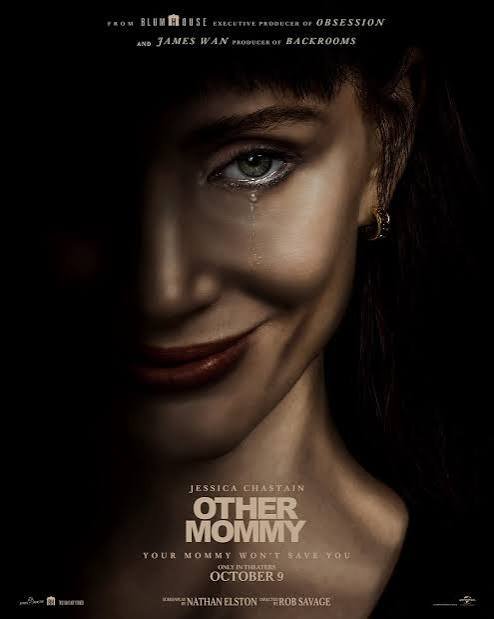
Can a Horror Movie Still Scare Me?
Today during dialysis, I was talking with one of the nurses, and somehow the conversation turned to horror movies. I'm not exactly sure how we got there, but that's dialysis for you. You show up to get your blood cleaned, and somehow you're discussing demonic possessions, haunted houses, and things that go bump in the night.
I mentioned that I love horror movies and suggested checking out my movie reviews. Come to think of it, most of them are horror. Apparently I spend my free time voluntarily trying to scare myself.
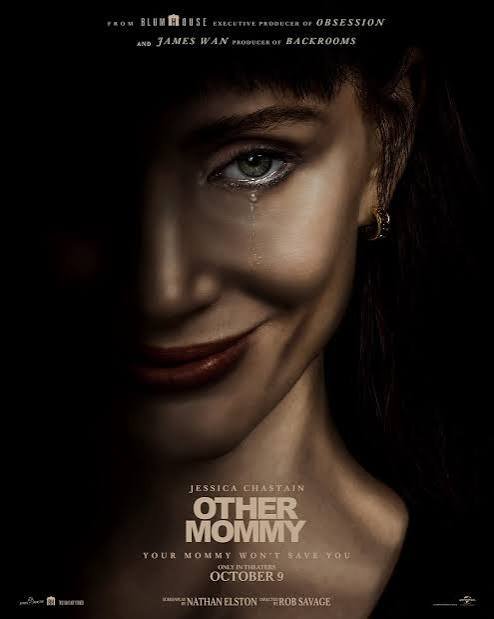
During our conversation, I came across the trailer for this upcoming movie:
🎬 Trailer: https://www.youtube.com/watch?v=bEpTgowZ1dI
Take a look and let me know what you think.
This actually looks like a movie that might shock me. My biggest concern? That Hollywood pulled a Hollywood and stuffed every scary scene into the trailer. If that's the case, congratulations...I've already seen the best three minutes.
I've been watching horror movies for as long as I can remember. One of the first that really stuck with me was Poltergeist (1982) with Craig T. Nelson and JoBeth Williams. Between the creepy clown, the TV static, and all the stories about the so-called "Poltergeist curse," it left quite an impression on a younger me.
The nurse and I talked about how years of horror movies may have desensitized me. These days, it takes a lot to make me jump. Most horror movies follow a familiar formula: creepy kid, dark hallway, loud violin screech...cue the popcorn.
But now and then, one comes along that reminds you why you love the genre. I'm hoping this is one of those movies.
Here's hoping I leave the theater thinking, "Wow, that was terrifying," instead of, "The trailer was the best part."
And to whoever at the studio is reading this...I need a pre-screen! Hook a brother up! I promise I'll bring honest feedback, avoid yelling at the screen (probably), and write a review. That's a fair trade, right?
If you've watched the trailer, let me know what you think. Does this look like a future classic, or is it another victim of the "we showed you the entire movie before opening weekend" marketing strategy?
And if you're a fellow horror fan, be sure to check out my movie reviews. Misery loves company...especially when it comes to watching scary movies together.
Join the discussion on NielFlamm.com.