
Rhetoric vs. Results: Which Creates Long-Term Shareholder Value?
Driving home from dialysis today, I found myself thinking about rhetoric.
Not rhetoric in politics, but in corporate leadership.
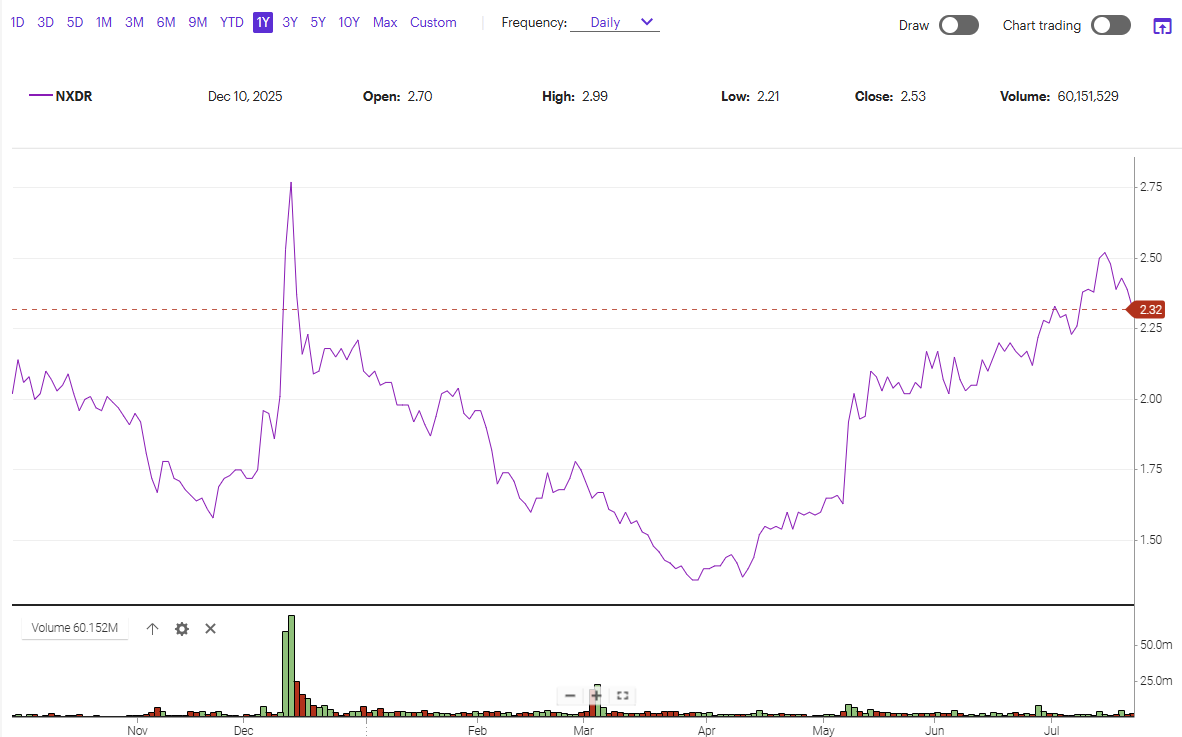
Nextdoor's stock reached a two-year high of $2.77 on December 11, 2025, and another notable high of $2.52 on July 15, 2026. Since then, I've been asking myself a simple question:
How low will this slide go?
I've shared before that I'm currently bearish on NXDR. From my perspective, the company hasn't yet demonstrated the value proposition, communication, or user experience improvements that would change my outlook.
That brings me back to rhetoric.
I have no issue with a CEO giving interviews, appearing on podcasts, speaking at conferences, or communicating with investors. Those are all legitimate responsibilities of executive leadership.
The question is one of balance.
At what point does the effort spent crafting the narrative begin to outweigh the effort spent improving the reality behind that narrative?
Throughout my career, I've had the opportunity to work for organizations ranging from small businesses to global corporations. I've met several CEOs along the way.
What impressed me wasn't how often they were in front of a microphone.
It was the results.
When products improved, customers noticed.
When service improved, customers talked about it.
When execution improved, the financials eventually reflected it.
The rhetoric became believable because it was supported by measurable outcomes.
As a shareholder, I don't invest in presentations.
I invest in execution.
I don't invest in carefully crafted messaging.
I invest in products that customers value, cultures that encourage accountability, and leadership teams that allow results to speak louder than interviews.
In my opinion, rhetoric should amplify success—not attempt to substitute for it.
That's why I continue to ask questions about transparency, communication, and the customer experience at Nextdoor.
What does the global corporate workforce think?
When a company's rhetoric and its results appear to diverge, which one ultimately determines long-term value?
Join the discussion on NielFlamm.com.
