

Day 86: Is Nextdoor Laboring? Or Are We Back to Business as Usual?
Labor Day is over.
It's Day 86 of my continuing Nextdoor case study, and after wondering yesterday whether Nextdoor was taking an extended holiday weekend, I checked again today.
I haven't received any communication regarding the two detailed Insights studies I requested.
And NXDR?
As of this writing, it's hovering around the low $2.20s. Market sources were showing roughly $2.24 late this afternoon after Friday's $2.24 close, so the exact number is moving as I write this.
Hey, at least we're talking pennies now.
Is Nextdoor laboring?
I'm still trying to figure that out.
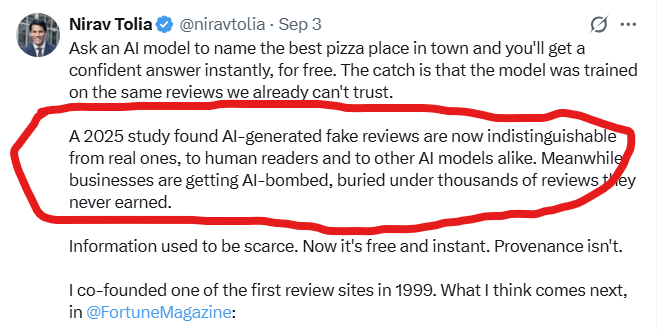
But something Nirav Tolia posted on X on September 3 caught my attention.
“A 2025 Study Found...”
In the post, Nirav wrote:
“A 2025 study found AI-generated fake reviews are now indistinguishable from real ones...”
And immediately I thought:
Here we go again.
A study.
Which study?
Who wrote it?
Where was it published?
What was the methodology?
What was the sample size?
What exactly did “indistinguishable” mean?
This probably sounds familiar to anyone who has followed my 86-day adventure in Nextdoor research transparency.
Here's the interesting part: I looked, and there is identifiable research behind Nirav's statement.
In a Fortune piece published the same day, Nirav identified it more specifically as a 2025 study from Nottingham University Business School.
Peer-reviewed 2025 studies examine AI-generated fake reviews, including a Journal of Retailing and Consumer Services study analyzing 714,016 reviews and finding meaningful linguistic differences between AI-generated fake reviews, human-generated fake reviews, and authentic reviews.
So my criticism isn't:
“The study doesn't exist.”
My question is:
Why not cite it in the original post?
If you're going to use research to establish credibility, give readers enough information to evaluate the research themselves.
Study name. Authors. Publication. Link.
Four things.
Done.
Especially when you're the CEO of a company currently promoting the idea that provenance matters.
That's almost too perfect.
Fake Reviews Didn't Arrive With ChatGPT
Another part of this discussion bothers me.
AI didn't invent fake reviews.
AI made them faster, cheaper, and easier to produce at scale.
Humans have been manipulating reputations for a very, very long time.
In fact, the history is pretty entertaining.
1800s: Walt Whitman anonymously published glowing reviews of his own Leaves of Grass. That's essentially the 19th-century version of creating a burner account and giving yourself five stars.
Early 1900s: Newspapers were already dealing with fabricated information, exaggerated claims, and “fakers.” By 1913, the New York World had established a Bureau of Accuracy and Fair Play partly to address complaints and “stamp out fakes and fakers.”
Pre-internet advertising: Businesses used testimonials and endorsements as marketing tools, creating the same fundamental problem we face today: Is this person recommending the product because they genuinely love it—or because somebody benefits from the endorsement?
Early Internet: Message boards, review sites, and eventually e-commerce let businesses and individuals create accounts and manufacture praise—or attack competitors.
Ironically, Nirav himself co-founded Epinions in 1999, one of the early user-generated review platforms. He now acknowledges that the review economy eventually became vulnerable to manipulation.
2010s: Fake-review businesses became an industry. Businesses could purchase positive reviews, competitors could be attacked with negative ones, and reviewers could operate multiple identities.
2020s: Review farms became increasingly sophisticated. Investigators found coordinated reviewers praising unrelated businesses across countries, with identical reviews sometimes appearing under different names.
Today: Generative AI has dramatically changed the economics. Instead of paying humans to crank out hundreds of reviews manually, someone can rapidly generate enormous quantities of convincing text. Research now shows LLMs can produce deceptive reviews with human-level capabilities, even though researchers can still statistically identify some linguistic differences.
Same scam.
Much better machinery.
Which Brings Me Back to Nextdoor
Nextdoor's current pitch is that verified identity and neighborhood accountability can make recommendations more trustworthy.
That's an interesting strategy.
But verification alone doesn't make an opinion truthful.
A real person can exaggerate.
A verified person can have a grudge.
A real neighbor can recommend their friend's company.
A legitimate customer can receive an incentive.
Two verified neighbors can have completely different experiences with the same business.
And, as I've previously documented, I've had my own questions about how robust Nextdoor's verification system actually is.
So “verified” is a trust signal.
It isn't a magical truth serum.
Provenance Matters? I agree.
That's actually what makes Nirav's post so interesting.
His broader argument is essentially:
Where information comes from matters.
I agree.
Completely.
Which is why when the CEO says:
“A 2025 study found...”
I want the provenance.
Name the study.
Name the researchers.
Link to it.
Let readers inspect it.
And that's precisely what I've been asking Nextdoor to provide regarding its own research.
For 86 days.
Nextdoor published Insights findings.
Nextdoor publicly told readers they could request detailed data.
I requested it.
I've emailed.
I've followed up.
I've expanded the distribution.
I sent another request Saturday.
And I'm still waiting for the two detailed studies.
Day 86
Yesterday was Labor Day.
Today I'm asking:
Is Nextdoor laboring?
Because I'm still doing the work.
Waiting for somebody at Nextdoor to answer the questions.
Nirav's post argues that provenance matters.
On that, we agree.
So here's my Day 86 suggestion:
Practice it.
When you cite research, show us the research.
When Nextdoor publishes research, show us the methodology.
When your own blog tells readers they can request detailed data, provide the detailed data—or explain why you won't.
Because whether we're talking about a restaurant review, an AI-generated recommendation, or a corporate Insights report, the principle is the same:
Don't just tell me to trust it. Give me enough information to decide whether to trust it.
Follow the continuing Nextdoor case study at NielFlamm.com/blog.
Fistulagram #4: The Gown of Shame Is On
Well, here we go again.
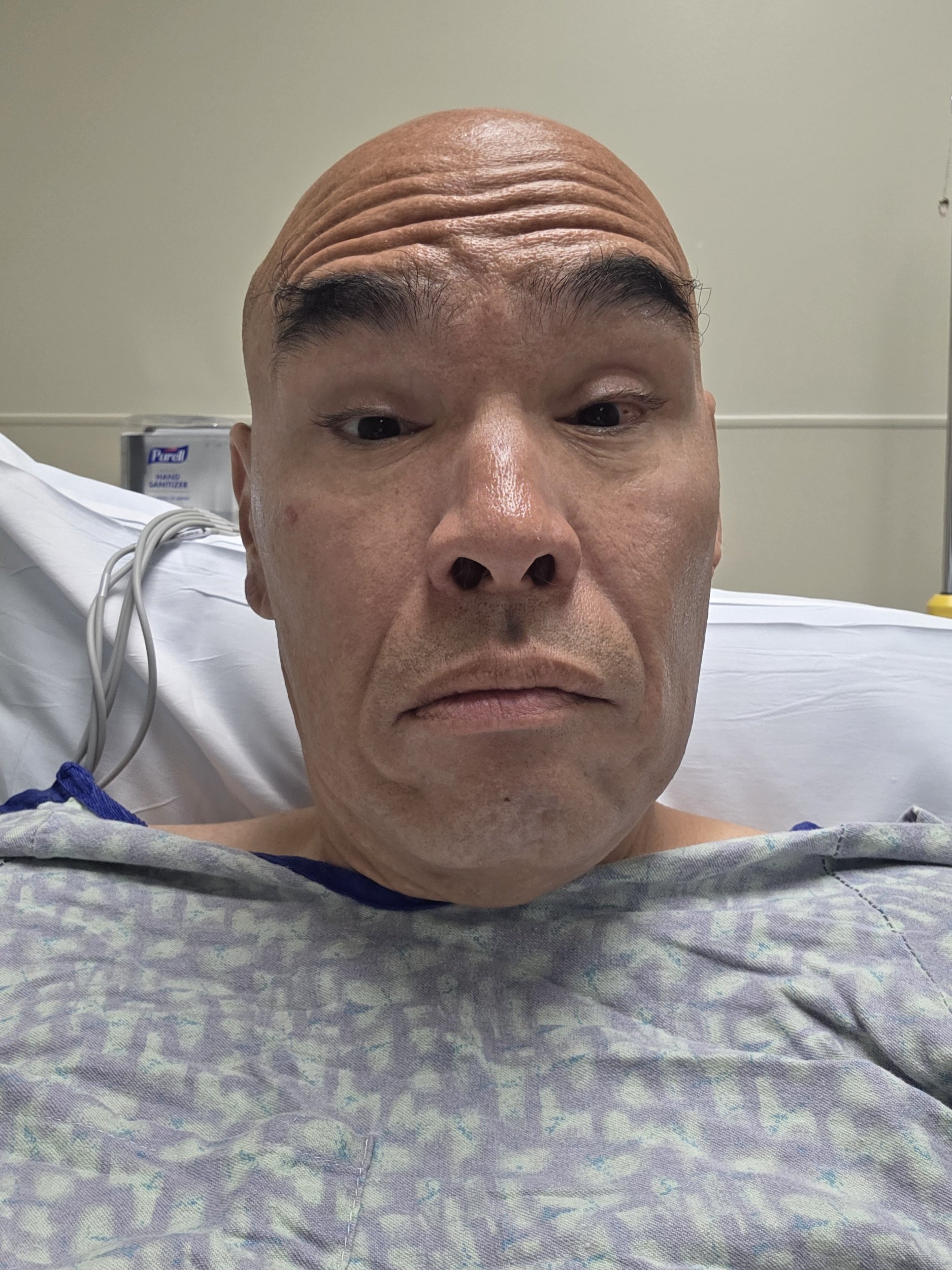
It’s 6:30 AM, and I’m officially at the hospital for Fistulagram #4.
So far, the morning checklist is moving along beautifully:
Co-pay made. 💳
Consent signed. ✍️
Gown of shame on. 👗
Dignity safely stored somewhere with my clothes.
Now?
I wait.
Specifically, I wait for the vascular surgeon to prance into the room and announce that it’s time to go ballooning.
And unfortunately, I don't mean the kind where we float peacefully over Napa Valley drinking champagne.
This balloon is going inside my dialysis access.
Why Am I Here Again?
The purpose of today's fistulagram is to check the blood flow through my AV graft—the access used during dialysis.
Contrast dye and X-rays allow the doctor to see whether there are areas that have narrowed. If there are, a small balloon can be inflated inside the vessel to open things back up and hopefully give me better blood flow during dialysis.
This is my fourth time having the procedure, so at this point I'm starting to feel like I should have a punch card.
Buy four fistulagrams, get the fifth balloon inflation FREE!
Actually...
Please don't give anyone ideas.
And Yes, I'm Doing It Awake
As I've mentioned before, I choose to do these without anesthesia or pain medication so I can drive myself home afterward.
Which means when they inflate that balloon...
I can feel it.
It's pressure from the inside of my arm, which is every bit as strange as it sounds.
The actual procedure should take roughly 30 minutes. Getting everything ready beforehand takes about another 30 minutes.
But first comes the traditional hospital activity practiced by patients everywhere:
Waiting.
I'm in the bed.
I'm wearing the gown.
I've paid for admission.
I've signed away whatever needed signing.
I haven't eaten or had anything to drink since midnight, so thankfully I have not transformed into a Gremlin.
Now all that's missing is my vascular surgeon.
Whenever you're ready, Doc.
I'll just be sitting here in my fashionable open-back ensemble waiting for you to prance through that door.
🎈🩺😂
Fistulagram #4 is officially underway.
Stay tuned for the post-balloon report.
Fistulagram #4: The Balloon Ride Nobody Asks For
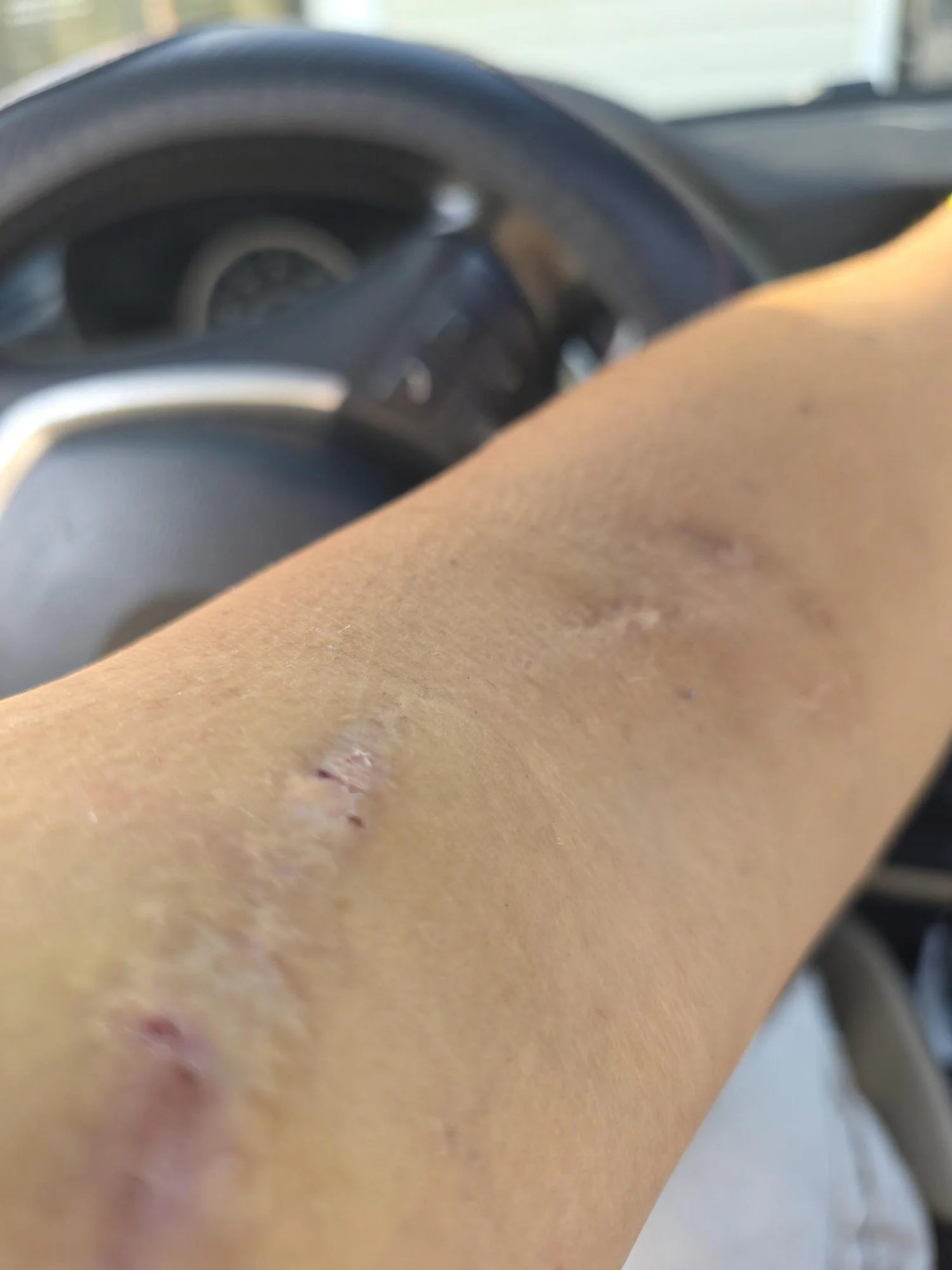
Tomorrow morning, Tuesday, September 8th, I get to experience something that has become a recurring event in my dialysis journey:
Fistulagram #4.
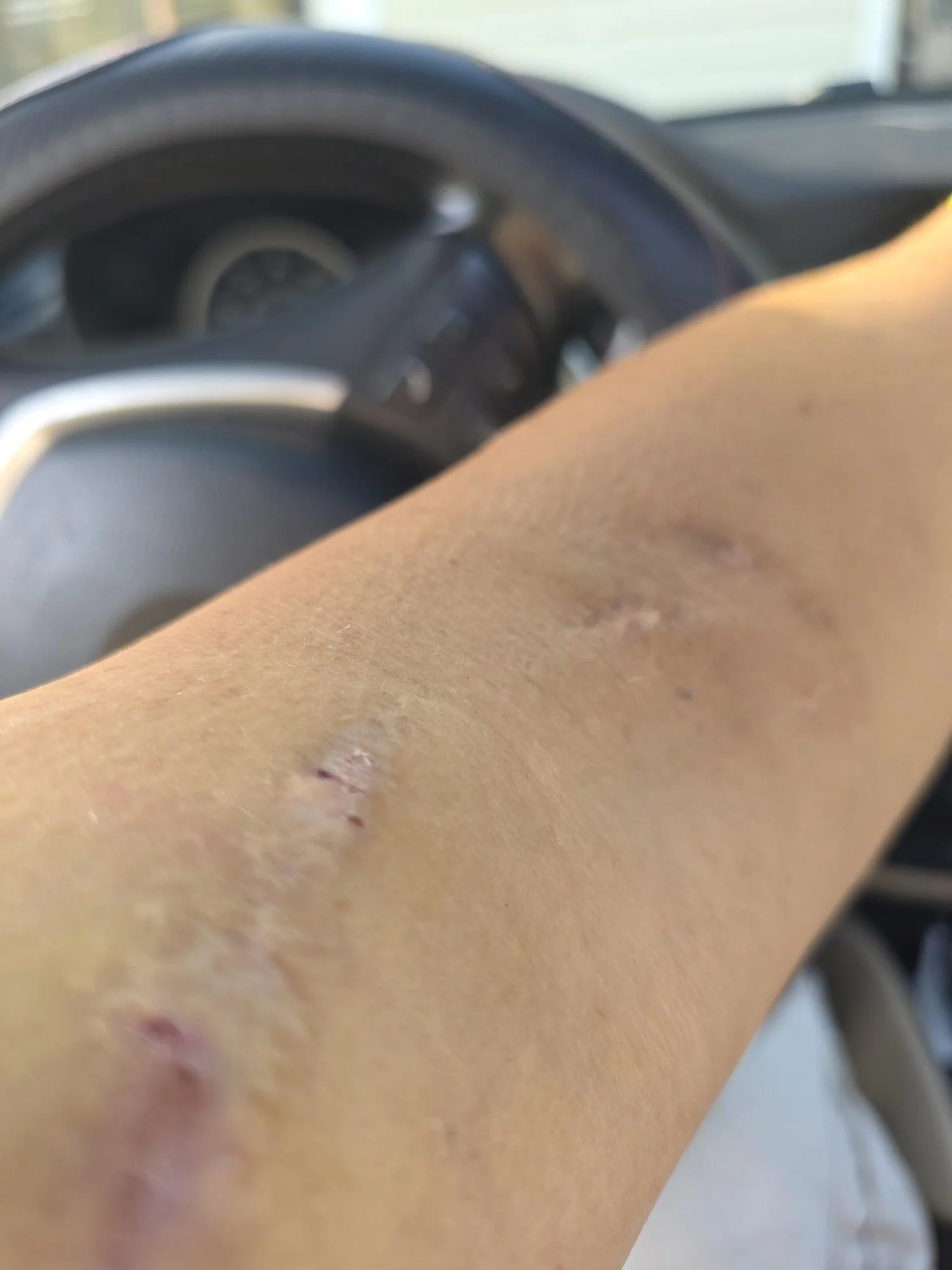
If you’ve never heard of a fistulagram, you’re not alone. It’s a procedure where a doctor injects contrast dye into your dialysis access (my AV graft), takes X-ray images to see how blood is flowing, and if they find a narrowing, they inflate a tiny balloon inside the blood vessel to open it back up.
Think of it as calling Roto-Rooter… but for your bloodstream.
The goal is simple: improve blood flow so dialysis can do a better job cleaning my blood three times a week.
Now here’s the part that usually gets people’s attention…
I don’t use anesthesia.
I don’t take pain medication.
Why?
Because I want to drive myself home afterward and get on with my day.
That doesn’t mean you don’t feel anything.
When they inflate that balloon…
Oh, I know it’s there.
You can actually feel the pressure as it expands inside your arm. It’s one of the strangest sensations I’ve ever experienced. It isn’t unbearable, but it’s definitely one of those moments where you think:
“Yep… that’s happening inside my arm.”
My instructions are the usual pre-procedure fun:
🚫 No food after midnight.
🚫 No drinking after midnight.
⏰ Arrive at the hospital at 6:30 AM for a 7:30 AM procedure.
🩺 About 30 minutes for the procedure itself.
⏳ Another 30 minutes getting prepped and recovering before heading home.
And yes…
If I accidentally eat after midnight…
I’ll turn into a Gremlin.
(Okay, maybe not medically accurate… but it makes following the instructions a little more entertaining.)
Hopefully this will improve the flow through my graft and make dialysis treatments run more efficiently.
I’ll let everyone know tomorrow how Fistulagram #4 goes. Hopefully the balloon and I will continue our strange little friendship… and hopefully it’ll be a while before we’re reunited again.
Hospital Coffee: Apparently It’s Not Just for Drinking
Unfortunately, my mother is back in the hospital. She’s been there since last Sunday, but thankfully, she’s doing a little better every day.
Today I walked into her room and immediately smelled coffee.
Not just coffee—the room smelled like somebody had opened a tiny artisanal café next to her hospital bed.
So naturally, I asked her:
“Did you get coffee?”
“No.”
Okay…
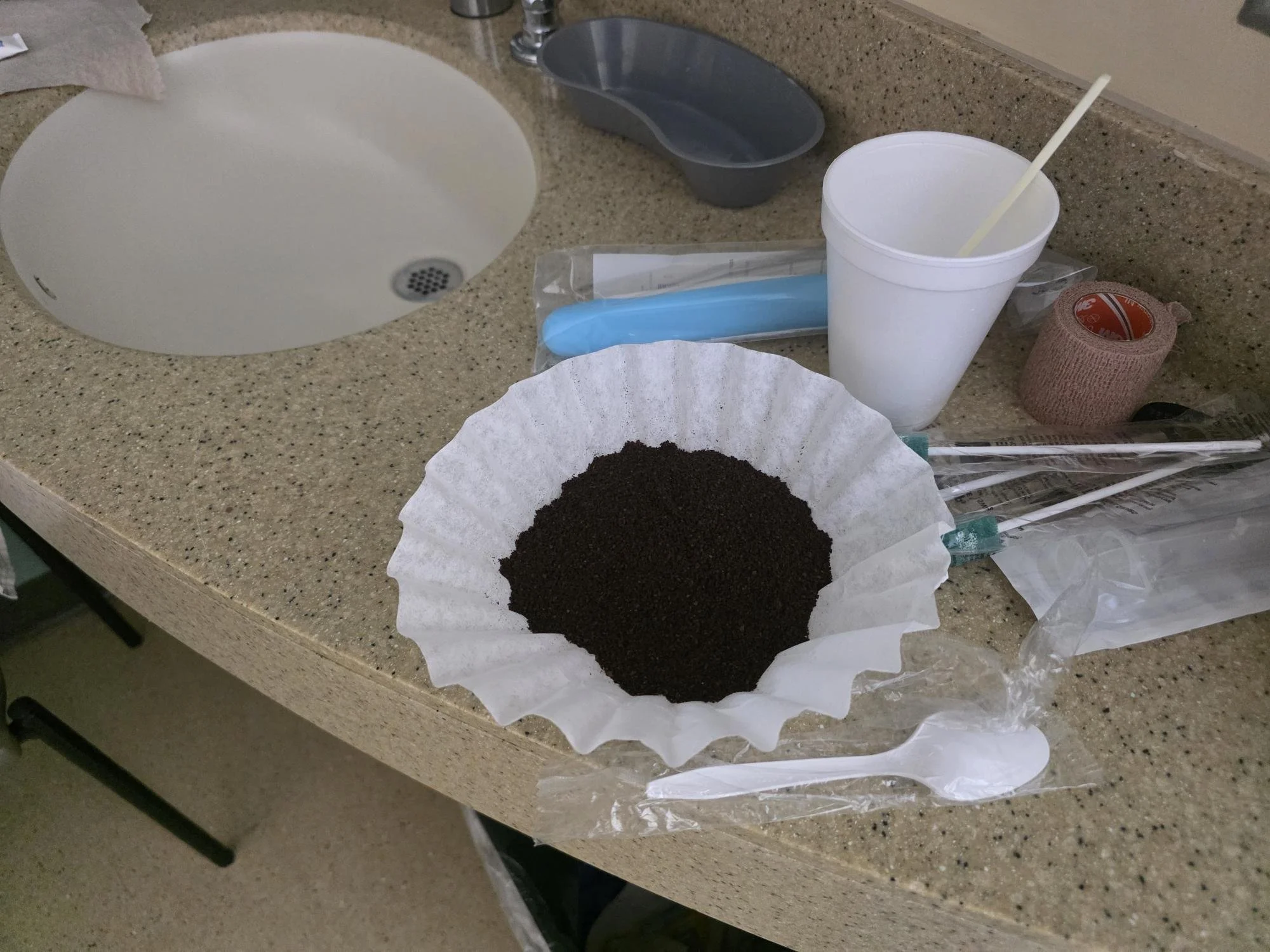
Then I spotted this.
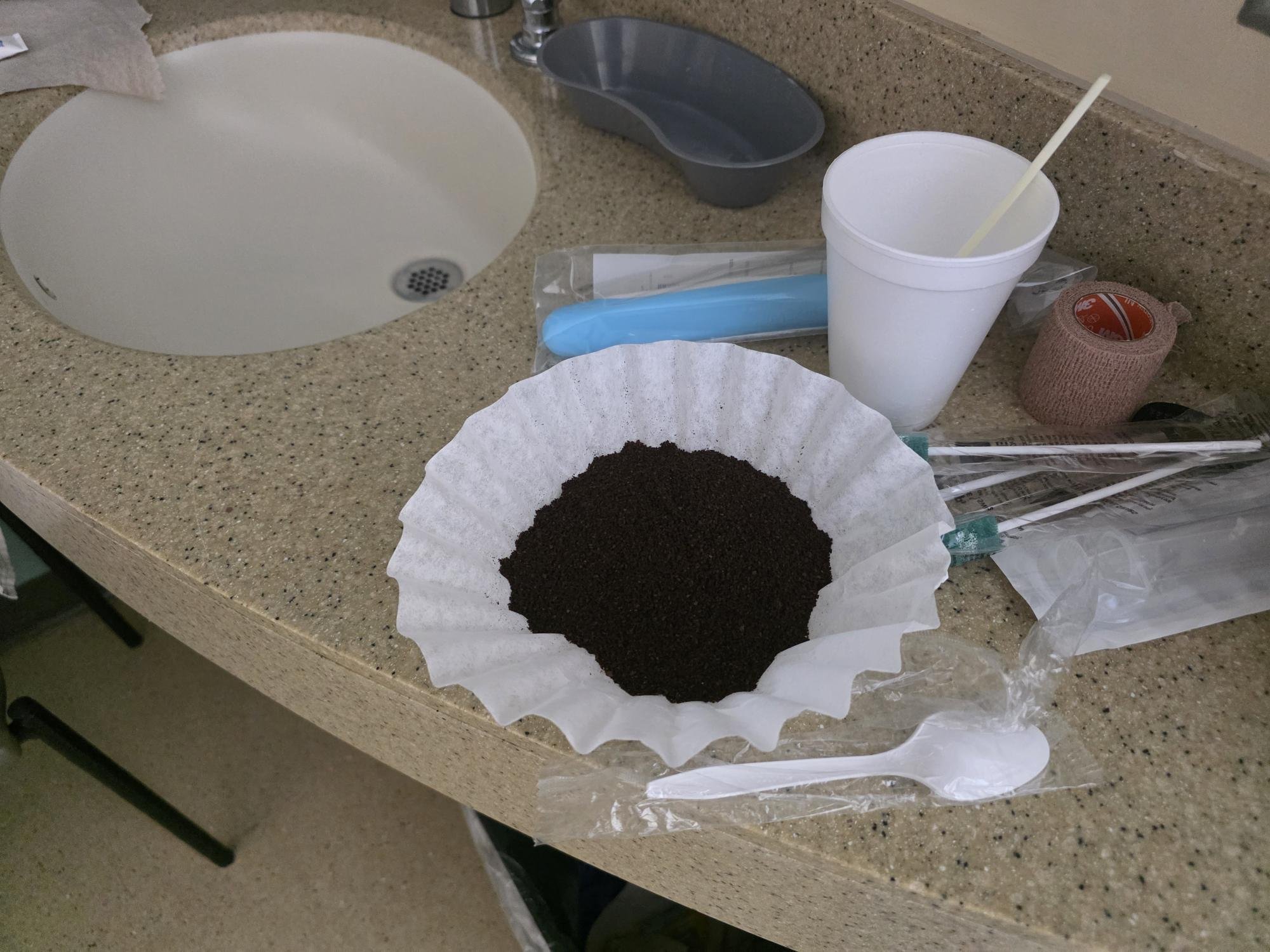
A coffee filter filled with a giant pile of dry ground coffee sitting on the counter.
Apparently, this is hospital-grade Febreze.
And I’ve actually seen hospitals do this before. Instead of spraying a bunch of chemical air fresheners around patients, they use coffee grounds to help fight unpleasant odors.
And considering some of the things that can happen in a hospital room…
that coffee has a very important job.
Forget Starbucks.
This is Stinkbucks.
☕ No espresso machine.
☕ No steamed milk.
☕ No $7 caramel macchiato.
☕ Just a mountain of Folgers standing between you and whatever happened five minutes ago.
And really, hospitals could probably make this even cheaper.
Go to Costco. Buy the biggest, cheapest can of ground coffee available. You don't even need actual coffee filters. Throw some grounds on a couple of paper towels and suddenly:
Room 312 has notes of Colombian roast with subtle undertones of “we're not going to discuss what happened in here.”
It works.
Instead of walking into a hospital room and immediately thinking, “Dear God, what IS that smell?”
I walk in thinking:
“Ooooooh… is there a coffee shop nearby?”
There isn't.
That's just the hospital fighting stink with breakfast.
And now I have a completely different concern:
If I stay here long enough smelling coffee…
someone better bring me a donut. 🍩☕😂
Happy Labor Day — Day 85: Nextdoor, Did You Forget the People Who Do the Work?
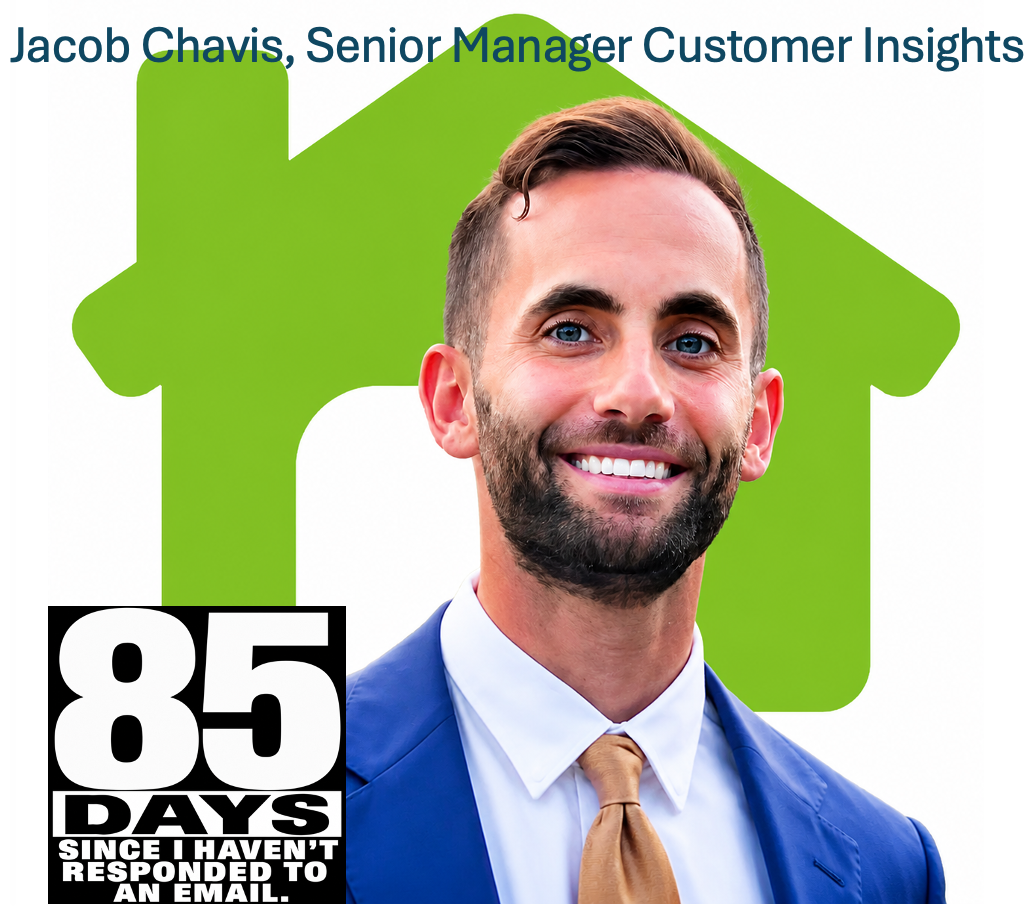
Happy Labor Day! 🇺🇸
Today is Day 85 of my continuing Nextdoor case study.
Before I get to Nextdoor, it's worth remembering what today actually represents.
Labor Day isn't simply the unofficial end of summer, a three-day weekend, mattress sales, barbecues or one last trip to the beach.
Labor Day recognizes the contributions and achievements of American workers and the labor movement that fought for better working conditions, reasonable hours, fair wages, and greater protections for working people.
It became a federal holiday in 1894, and more than 130 years later, it's still an opportunity to recognize the people whose work keeps businesses, communities, and this country moving.
Which brings me to Nextdoor.
Hello? Anybody Home?
As of this writing, I haven't seen a Labor Day post on Nextdoor.
Nothing from CEO Nirav Tolia either.
Maybe something will appear later today.
If it does, I'll happily update this post.
But right now?
Crickets. 🦗
And I find that remarkable.
This is a company whose entire identity revolves around neighborhoods, communities, local businesses, and the people who make those communities work.
Teachers.
Nurses.
First responders.
Restaurant workers.
Retail employees.
Construction workers.
Delivery drivers.
Small-business owners.
Landscapers.
Electricians.
Plumbers.
Mechanics.
And, yes, the employees who actually keep Nextdoor operating.
If there were ever a holiday that practically writes itself for a company claiming to be the “essential neighborhood network,” wouldn't Labor Day be it?
Talk About Out of Touch
This isn't about whether every corporation is required to publish a social-media post for every holiday.
Of course not.
It's about awareness and consistency with your own brand.
Nextdoor has plenty to say when there's an opportunity to talk about advertisers.
It has plenty to say about businesses building brand recognition.
It has plenty to say about reaching verified neighbors.
It has plenty to say when there's a new product, advertising opportunity, or monetization strategy to promote.
But Labor Day?
A day specifically recognizing the people who actually do the work in those neighborhoods?
Nothing so far.
From my perspective, that's another example of how out of touch Nextdoor's corporate communications can appear.
And this isn't exactly a surprise holiday.
Labor Day has been on the calendar for a while.
You can even schedule a post.
Nobody needed to abandon the barbecue this morning to log into LinkedIn.
Meanwhile, I Worked Saturday
While Nextdoor was apparently enjoying the holiday weekend, I sent another email on Saturday.
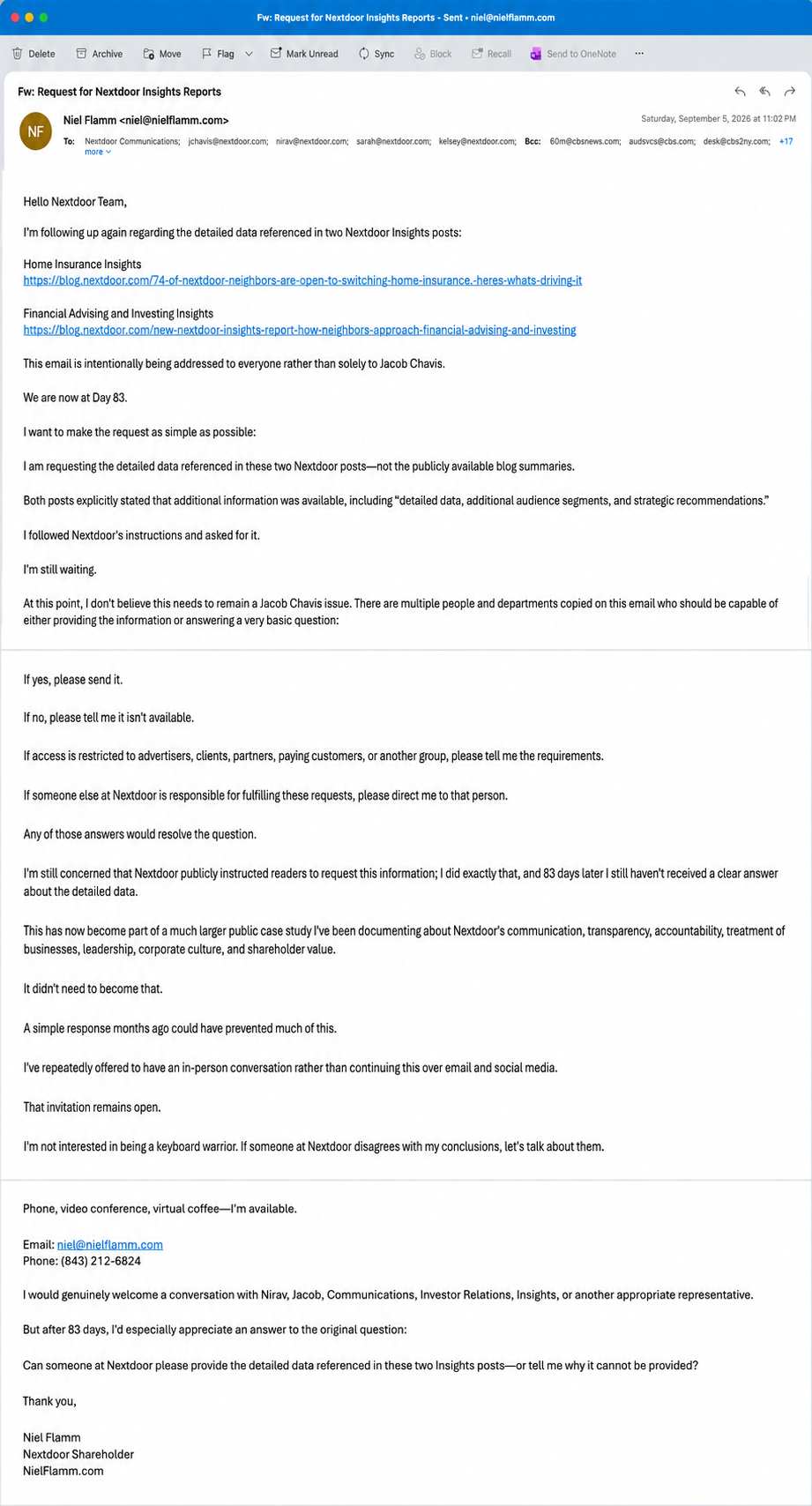
Yes.
Another one.
The subject remains the same issue I've been documenting for nearly three months:
Where are the two detailed Insights studies?
These are the two studies where Nextdoor's own published material told readers they could reach out for additional information, including detailed data, additional audience segments, and strategic recommendations.
I followed the instructions.
I've followed up.
I've clarified that I'm requesting the detailed data—not links to the summaries I've already read.
I've expanded the email beyond Jacob Chavis to include others at Nextdoor who can answer the question.
And now we're at:
Day 85.
At this point, the answer doesn't even need to be complicated.
Yes, Niel, here's the information.
Or:
No, Niel, we're not providing it.
Or:
It's only available to certain customers, advertisers, or partners.
Pick one.
I'll take clarity over silence.
The Irony of Labor Day
Maybe that's what makes today's silence particularly interesting to me.
Labor Day is partly about recognizing the value of people's work.
And one of the themes I've repeatedly raised throughout this case study is whether Nextdoor adequately recognizes the value created by the different people surrounding its platform.
Neighbors create the conversations.
Neighbors provide the recommendations.
Small businesses provide the services.
Employees build and operate the platform.
Advertisers provide revenue.
Investors provide capital.
Every one of those groups contributes something.
A healthy organization understands that relationships with those stakeholders require more than polished marketing language.
They require communication.
Listening.
Trust.
Transparency.
And accountability.
Day 85
So, Happy Labor Day to everyone working today.
Happy Labor Day to everyone fortunate enough to have today off.
Happy Labor Day to the small-business owners who don't really get holidays.
And Happy Labor Day to Nextdoor's employees too.
As for Nextdoor and Nirav Tolia:
Maybe the Labor Day message is coming.
Maybe somebody will answer tomorrow's email.
Maybe I'll finally receive those two detailed studies.
We'll see.
But as of this writing, Day 85 looks remarkably similar to many of the previous 84 days.
.I'm still waiting for somebody at Nextdoor to demonstrate that communication and accountability aren't just words used when they're convenient for the brand.
Happy Labor Day. 🇺🇸
Follow the continuing Nextdoor case study at NielFlamm.com/blog.