

Day 94: LinkedIn Thinks I Should Meet Nextdoor’s Head of People. I Agree.
Sometimes an algorithm has impeccable timing.
At 12:15 this morning, I received an email from LinkedIn with the subject line:
“N, meet Tony Castellanos.”
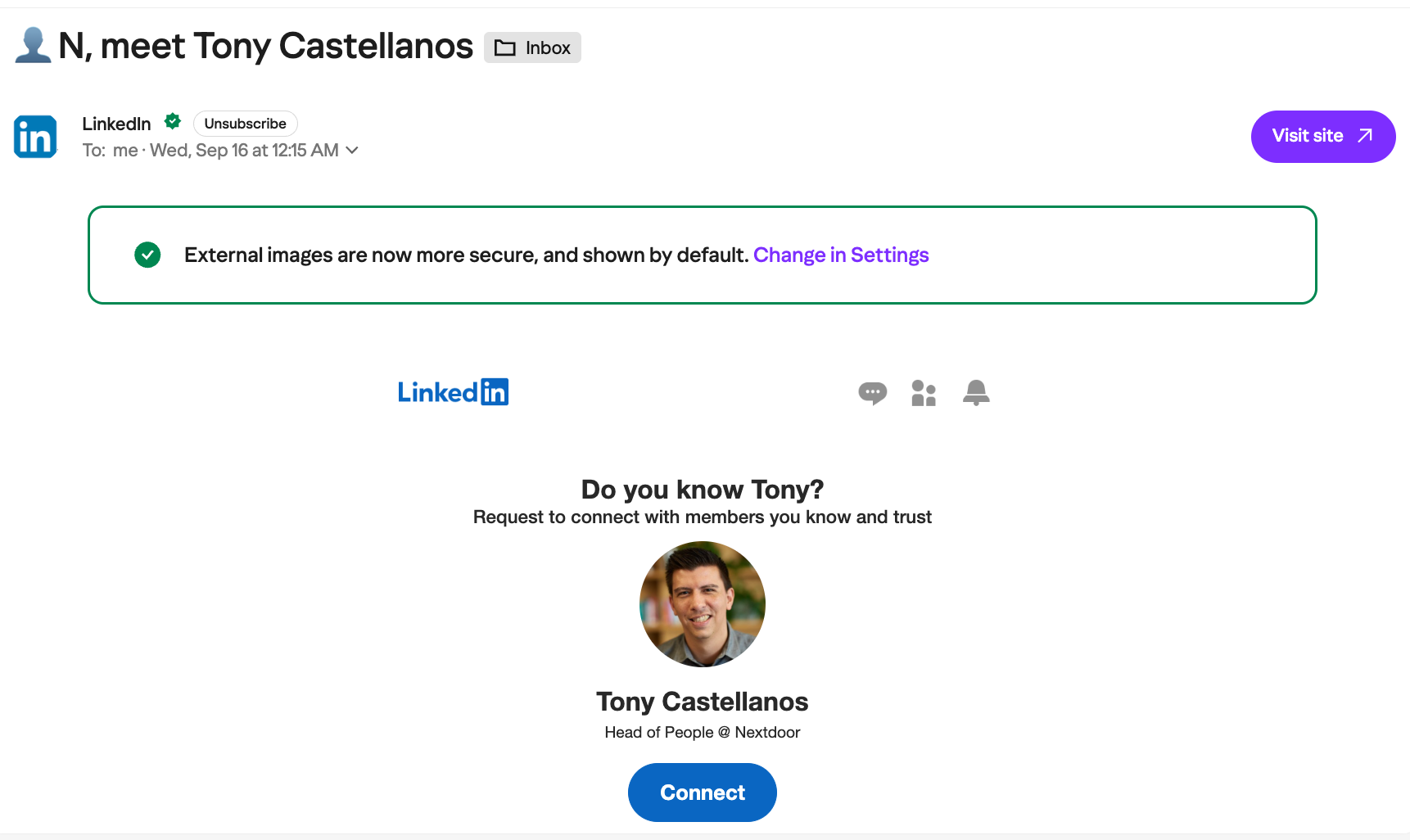
LinkedIn asked:
“Do you know Tony?”
Well, LinkedIn, not exactly.
But after 94 days, I would absolutely love to get to know him.
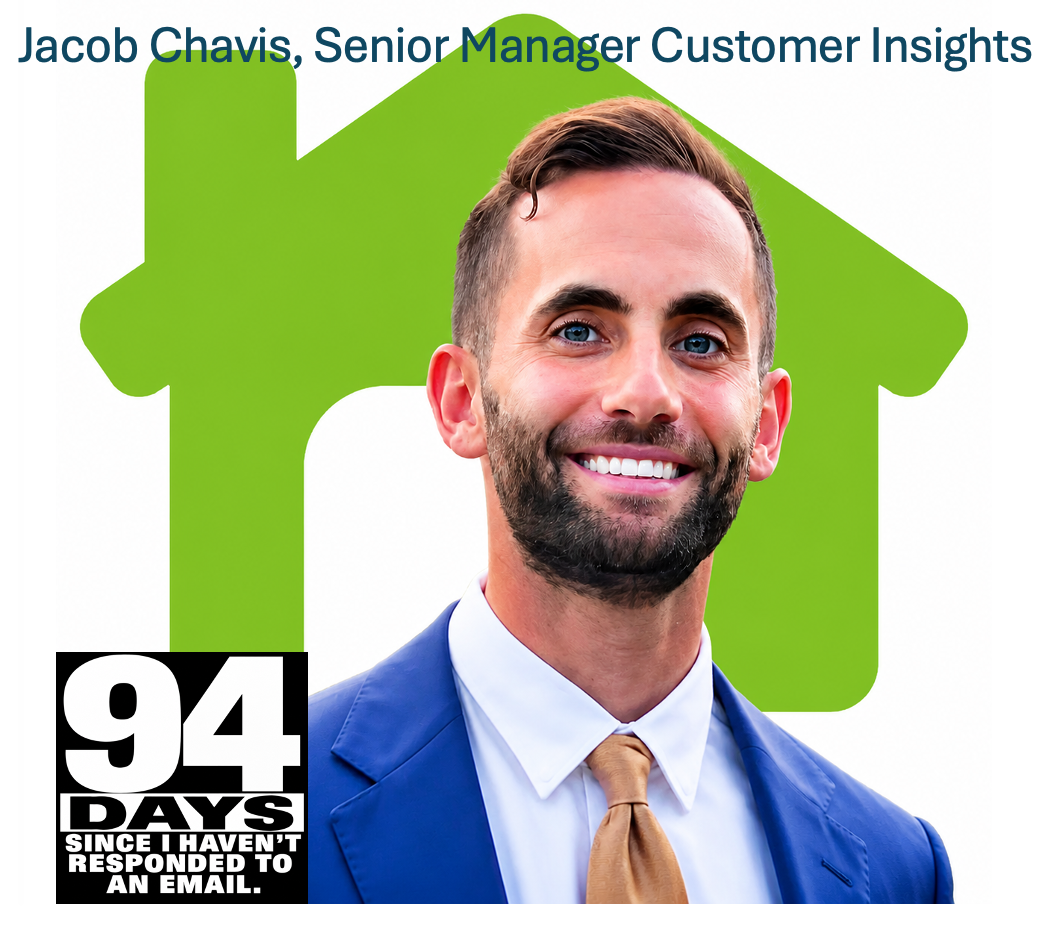
Tony Castellanos is Nextdoor’s Executive Vice President, People. Nextdoor promoted him to that position in March, giving him responsibility for its People organization, including talent acquisition, compensation, HR business partnering, and benefits. Nextdoor also describes the People function under his leadership as a strategic advisory organization that partners with senior leaders on important talent and organizational decisions. Nextdoor
So LinkedIn, your recommendation got me thinking.
Tony, Want to Have a Virtual Coffee?
I've tagged Tony a few times during this ongoing Nextdoor case study.
I may have even included him on an email or two. After 94 days, the distribution list has gotten a little crowded.
But this isn't about blaming Tony for my unanswered request.
He's not running Nextdoor Insights.
He didn't publish the Home Insurance research.
He's not responsible for sending me the data.
And I wouldn't expect the Head of People to suddenly open a spreadsheet and say:
“Niel, good news. I found your missing insurance study!”
That's not his job.
But the email made me think about something bigger.
What Does the Head of People Think?
My original request remains remarkably simple.
Nextdoor published an Insights article telling readers that they could reach out for detailed data, additional audience segments, and strategic recommendations.
I reached out.
And today is Day 94.
So I'd genuinely be interested in Tony's perspective—not necessarily on where the spreadsheet is, but on what happens organizationally when something like this continues for more than three months.
What does Nextdoor's Head of People think when a shareholder responds to a publicly advertised invitation for information and, 94 days later, still hasn't received the requested material or a definitive explanation that it isn't available?
Does he see a communication problem?
A process problem?
An ownership problem?
An escalation problem?
A training problem?
Or does he look at the situation and think Nextdoor has handled it appropriately?
I'd actually like to know.
And Then There’s Risk
This is where the People perspective becomes especially interesting.
I'm not suggesting that Tony is Nextdoor's chief risk officer, general counsel, or head of investor relations. He's not.
But senior People leaders often have a broad view of organizational behavior, leadership practices, and how internal decisions can affect employees and the business.
Nextdoor itself says Tony's People organization is designed to operate as a strategic advisor to the business. Nextdoor
So from that perspective, I'd be curious about his thoughts on organizational risk.
Not because I am declaring that Nextdoor has created some specific legal liability. That's a different question for lawyers.
I'm talking about something much more basic.
What happens when a small problem is allowed to become a 94-day problem?
The original request could have been resolved with a few sentences:
Yes, here's the data.
No, we can't provide it.
It's restricted, and here are the requirements.
That language in the article was incorrect.
Someone else handles these requests.
Any one of those would have provided closure.
Instead, we're on Day 94.
This Is Becoming a Case Study in Organizational Behavior
That's one of the reasons I've remained fascinated by this.
The longer it goes, the less interesting the actual research data becomes.
The organizational response becomes the story.
Who owns the question?
Who notices when something falls through the cracks?
Who has the authority to resolve it?
When does somebody say, “Why are we still dealing with this?”
How does feedback move through the organization?
Does escalation produce resolution—or another layer of silence?
Those are People questions.
They're also leadership questions.
And they're exactly the kinds of questions that fascinate me after more than two decades working in Learning & Development.
Sometimes what looks like a knowledge problem is really a performance problem.
Sometimes what looks like a communication problem is really an ownership problem.
And sometimes an issue survives for 94 days because nobody has decided it's their job to end it.
Tony Has Talked About Human Judgment
There's another reason LinkedIn's recommendation made me smile.
Nextdoor has recently highlighted Tony's work bringing AI into its People organization. The company says the goal is to use technology for transactional work while letting people spend more time on work that requires human judgment. Nextdoor
I actually like that philosophy.
And this seems like a pretty good opportunity for some human judgment.
Forget AI.
Forget another automated workflow.
Forget another corporate process.
A human being could probably resolve this.
Maybe over coffee.
So Yes, LinkedIn. I’d Like to Meet Tony.
LinkedIn apparently thinks Tony Castellanos and I should know each other.
I'm willing.
Tony, if you happen to see this, the invitation is sincere.
Phone.
Video.
Virtual coffee.
I'll even buy my own coffee.
I don't expect you to personally produce the Insights data. I'd simply be fascinated to hear how someone responsible for Nextdoor's People organization views what has now become a 94-day customer/shareholder communication journey.
What worked?
What didn't?
Where should ownership have existed?
What organizational risks can emerge when relatively simple questions remain unresolved?
And perhaps most importantly:
How would you prevent Day 94 from becoming Day 100?
Because tomorrow, unless something changes, there will be a Day 95.
Thanks for the introduction, LinkedIn.
Tony, the coffee invitation is open.
Follow the continuing case study at NielFlamm.com/blog.

I Can't Wait to See This... Which Is Exactly What Worries Me
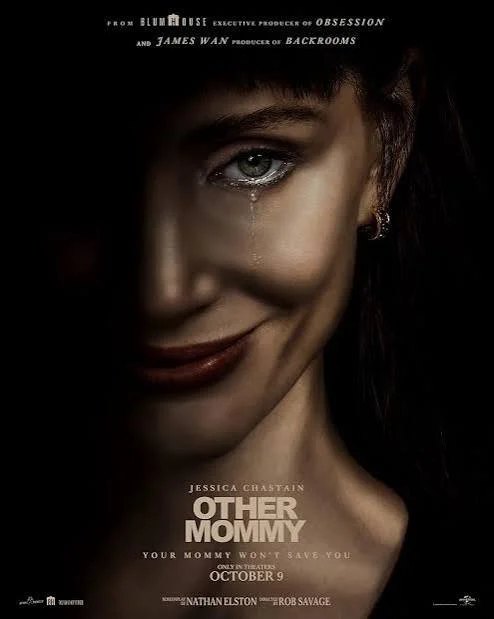
Okay...
I REALLY want to see this.
The trailer absolutely did its job. I'm interested, I'm intrigued, and I'm already wondering when I can watch the whole thing.
But I have two concerns.
First:
Did I miss any of the good parts?
We've all watched fantastic trailers, only to discover later that someone basically took the best four minutes of the movie, chopped them into a two-minute trailer, and saved us the trouble of watching the rest.
I'm hoping that's NOT what happened here.
My second concern?
Please don't go the Backrooms route.
Some of the producers involved here are also connected with Backrooms, so I'm hoping this one gives me a very different experience.
For now, though, the trailer has me.
I'm absolutely planning to watch this one.
Hopefully, when it's over, I'll be saying:
“That trailer didn't even show us the best parts.”
And not:
“Well... I guess I already saw the movie.”
🎬 Watch the trailer:
https://www.youtube.com/watch?v=-mnTITqqiT0
I'll definitely have more to say after I see it.

Some Kind of Heaven: I Came for The Villages, I Got The Real World
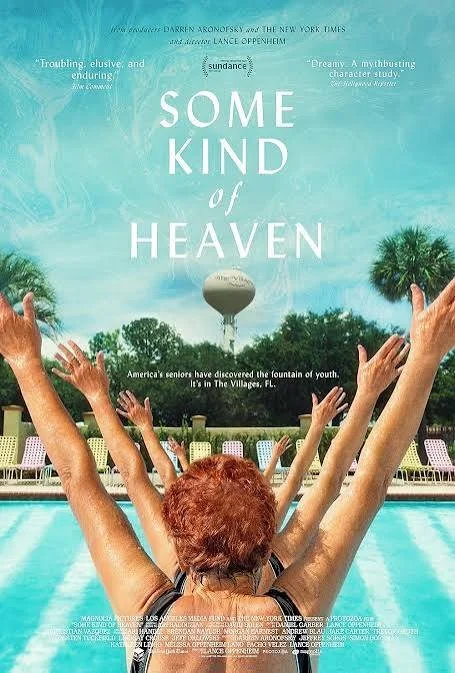
The Villages comes up surprisingly often during our twice-weekly fraternity Zooms.
Golf carts. Senior spring break. The gates. Fictional local history. And, of course...
THE LOOFAHS.
So when the algorithm suggested the 2020 documentary Some Heaven, I figured I'd finally learn what the hell is actually going on inside this massive Florida retirement community.
I didn't.
Instead, I basically got MTV's The Real World with golf carts.
The documentary follows several people dealing with relationships, loneliness, addiction, money, loss, and finding meaning later in life. The Villages is there, but it's more of a backdrop than the main character.
That's not necessarily bad—it just wasn't the documentary I expected.
So, is Some Kind of Heaven worth 81 minutes of your time?
And more importantly...
WHAT ABOUT THE LOOFAHS?
🎬 Watch my full review at NielFlamm.com/videos/moviereviews
Why I Realized I Wasn’t Cut Out for Healthcare
When I started college, I thought I wanted to be a physician.
I was a student at the Sophie B. Davis biomedical program at the City College of New York, part of the City University of New York system, in historic Harlem. It was an accelerated path: five years followed by two years of medical school, instead of the traditional four plus four.
That was the plan. My reasons for pursuing it deserve honesty.
I didn’t want to become a doctor because I felt called to help people. I wasn’t driven to make an impact or cure a disease. I wanted to be wealthy and live comfortably.
That may sound shallow. Looking back, I think it was. But those were my motivations, and pretending otherwise would make this a different story.
There is nothing wrong with wanting financial security. The problem was choosing a profession without thinking enough about whether I wanted to do the actual work.
Recently, watching my mother receive care reinforced how poorly that career would have fit me.
Seeing the Work Up Close
My mother has had two strokes in about two months. She has been in the emergency room, in the ICU, and is now back in a physical rehabilitation unit.
Through all of it, I have watched healthcare workers at every level provide care, comfort, and concern for her.
I think of them as heroes. That word comes from watching their work: attending to someone who needs help, responding to uncertainty, and bringing patience to situations that can be difficult for both patients and families.
I am grateful.
As someone who once planned to enter their profession, I am also very clear: I am not equipped to do what they do.
Knowing What I Couldn’t Give
It isn’t the sight of blood, bodily fluids, or body parts that would get to me. Although I will admit that vomit is something I find disgusting.
What I would struggle with is sustaining focus while providing care. The patience. The compassion. The ability to keep responding thoughtfully when someone needs more and is already tired.
I care about my mother deeply. But caring about someone and being prepared to care for patients throughout a demanding shift require different things.
I don’t believe I have the patience or the capacity to provide that kind of care consistently. That is uncomfortable to admit, especially while watching people give it to someone who means so much to me. I also need to be honest about that.
Patients deserve care from people who can meet those demands. A desire for a comfortable lifestyle would not have prepared me for them.
The Lifestyle I Hadn’t Thought Through
Then there are the hours.
The long shifts, particularly during residency, would have been another major challenge for me. When I think about the time and responsibility involved, the compensation during training hardly resembles the comfortable life I had imagined.
I had focused on the possible financial rewards of becoming a physician without fully considering the years of demanding work required—or whether the daily work would suit me even after training.
My picture of the profession was incomplete.
Watching my mother’s care has made the part I overlooked much harder to miss.
Gratitude and a Clearer Understanding
I am not suggesting that healthcare workers must be selfless every minute or that they shouldn’t want good pay and comfortable lives. They deserve both. I can appreciate their dedication while recognizing how much the work asks of them.
What I understand now is that my reasons for wanting to become a physician would not have been enough.
There is value in recognizing that a profession does not fit you, even one you once imagined as your future. I can respect this work deeply and acknowledge that I would have struggled to do it well.
To everyone who has cared for my mother—in the emergency room, the ICU, and rehabilitation—thank you for the care, comfort, and concern you have shown her.
Years ago, I imagined what being a physician might give me. Watching you, I see much more clearly what the work would have required of me.

Great News From the Retina Doctor: It’s Attached!
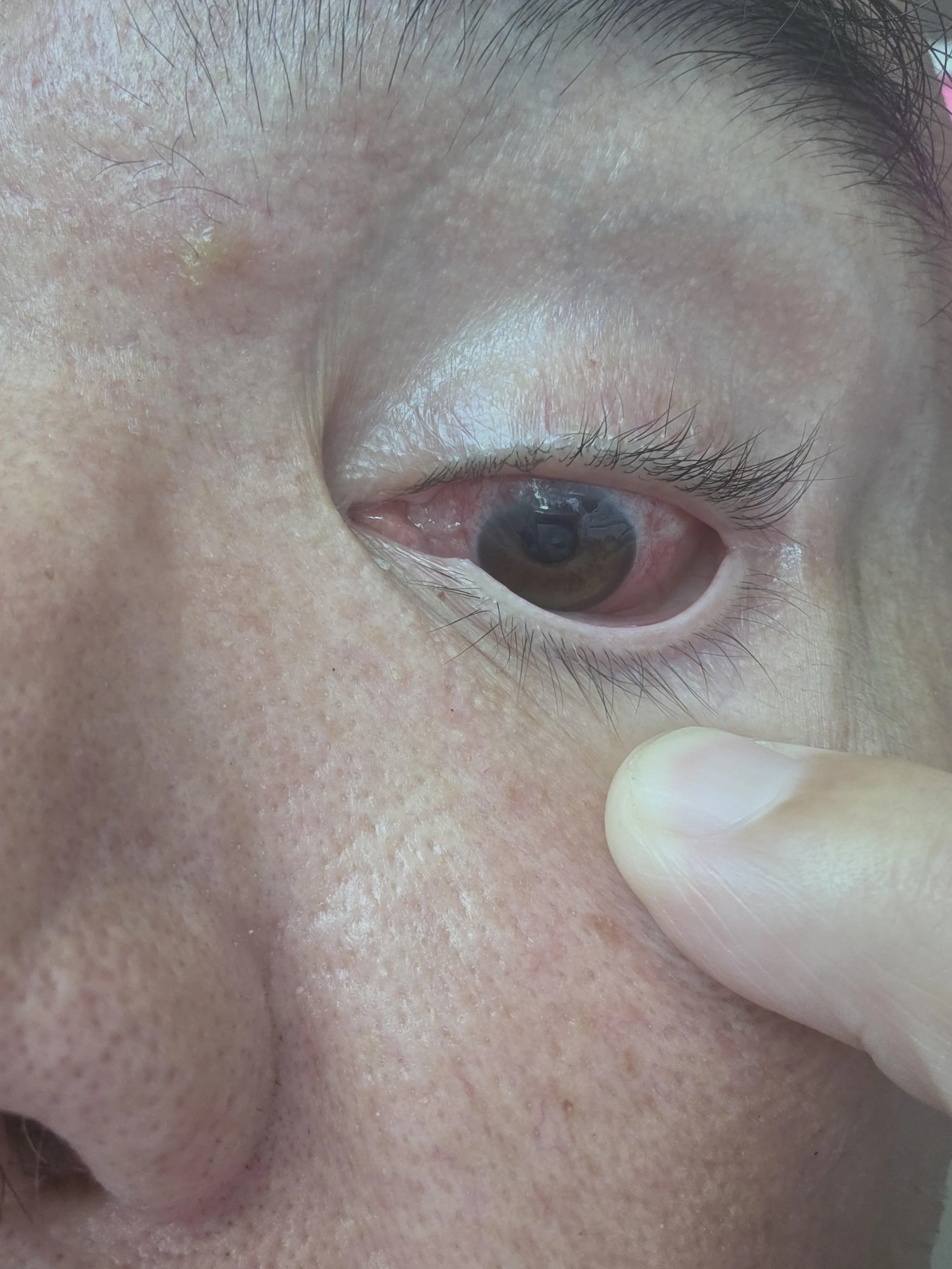
After everything my left eye has put me through over the past several months, today I finally got to hear two words I’ve been waiting for:
RETINA ATTACHED.
I went back to Retina Consultants of South Carolina earlier today for another follow-up, and that was the big news.
After the retinal detachment, surgery, silicone oil, silicone oil removal, the mysterious horizon, the bubble, the dot, the eclipse, and all the other visual special effects my eye decided to produce, my retina is attached.
I’ll take boring, attached, and functioning any day.
👁️ Not Completely Drama-Free
That doesn’t mean the eye has decided to behave perfectly.
I still have a little eye pain occasionally, and I’m seeing a few floaters. Considering what I’ve experienced recently, though, a couple of floaters feel considerably less exciting than having what looked like a solar eclipse floating around inside my eyeball.
And for once, less exciting is exactly what I want.
💉 And Then There Was the Question of a Shot...
Another issue being evaluated today: macular degeneration.
Given everything else that has happened with this eye, I wasn’t exactly looking to add another procedure to my medical résumé.
The good news?
I DON’T NEED A SHOT.
At least...
Currently.
That last word is doing some heavy lifting.
For now, there’s no injection. Instead, they’ll keep watching things, and I’ll be evaluated again in three weeks.
So I’m not declaring victory and running through the streets waving a flag just yet.
But today was unquestionably a good appointment.
Three Weeks Until the Next Chapter
Today’s eye scorecard:
Retina: ATTACHED! 🎉
Eye pain: Occasional.
Floaters: A few.
Macular degeneration: Being monitored.
Shot: Not needed currently. 💉🚫
Next evaluation: Three weeks.
After months of updates that included phrases like detached retina, silicone oil, surgery, bubble, horizon, eclipse and possible injections, I'll happily write an update where the biggest headline is:
MY RETINA IS ATTACHED.
Three weeks from now, we check again.
Until then, I’m going to enjoy some genuinely good news.
Sometimes progress isn’t dramatic. Sometimes progress is simply hearing your doctor say that something is exactly where it’s supposed to be.
And today, that’s more than enough.