
Day 109: Nextdoor Honored Five Great Neighbors. Only One Story Really Needed Nextdoor.

Day 109.
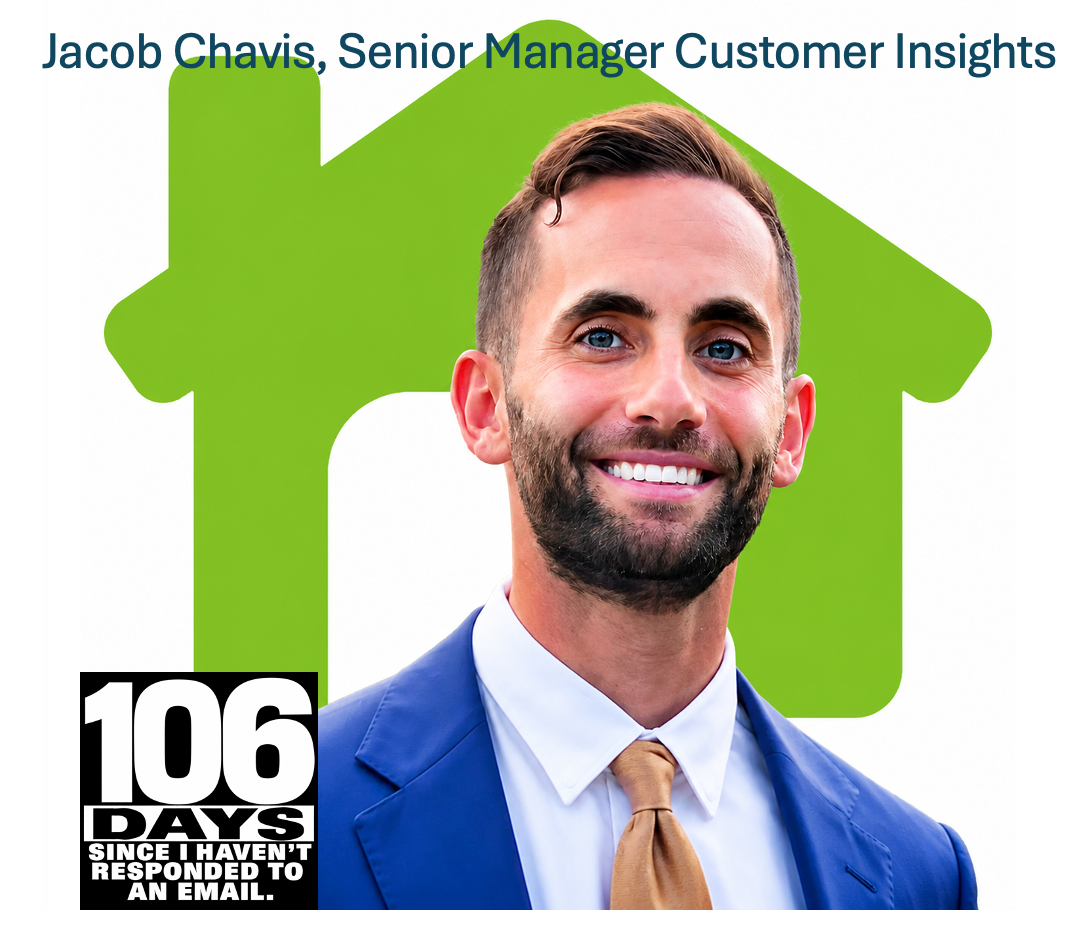
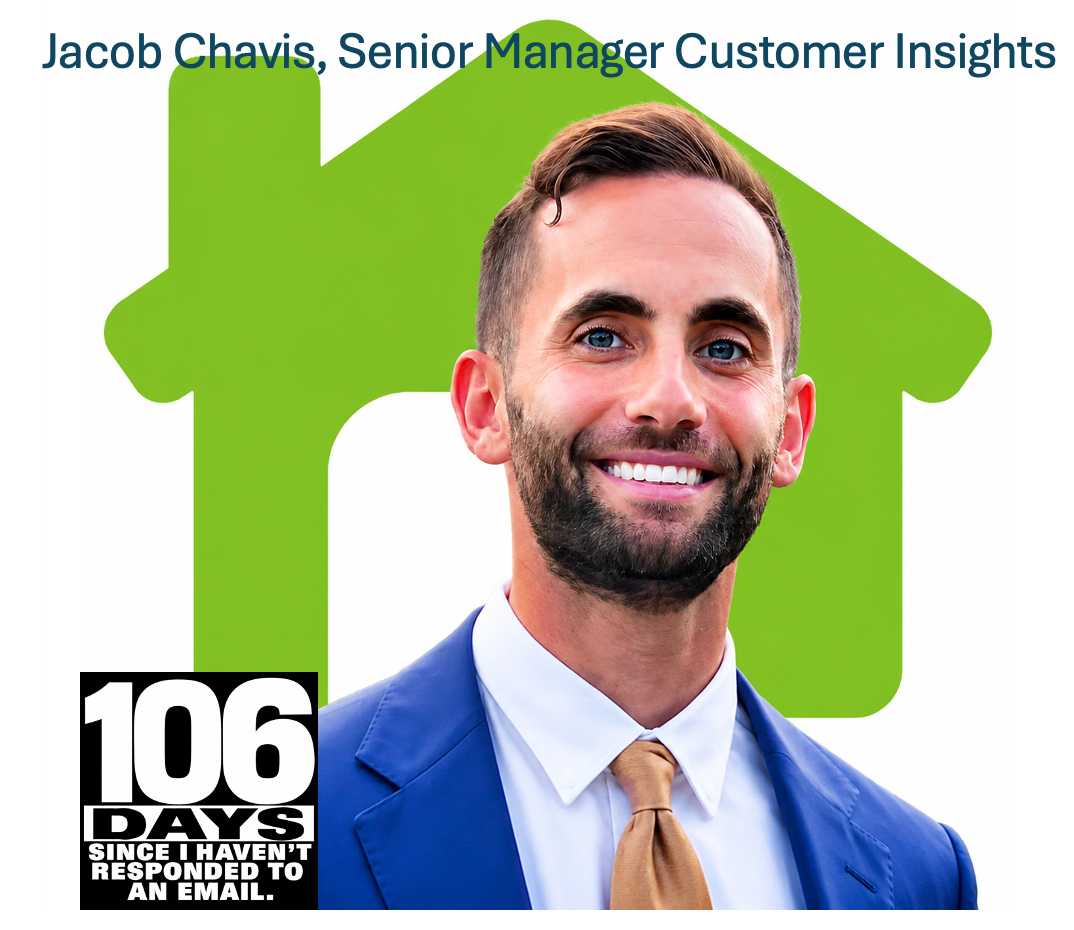
I'm still asking Nextdoor for the detailed data behind the original two Insights studies I requested.
But before getting into today's observation, let me give Nextdoor some credit.
You're welcome. 😂
I've spent 109 days publicly asking for the research Nextdoor said readers could request.
And recently, Nextdoor published a new study on neighborhood trust with substantially more methodology and research information than I've been asking to see.
I liked it.
I said so.
So, Nextdoor, you're welcome for the free accountability service.
Please let me know where the first two detailed reports I originally requested are.
I'm not asking for another summary.
Could you share the underlying research that started this 109-day project?
Now, About Those Good Neighbors
Nextdoor recently published its 2026 Good Neighbor Day honoree roll call.
And I genuinely like these stories.
They selected five honorees from more than 1,300 nominations, representing five regions of the country.
These are people doing exactly what good neighbors should do.
They're feeding people.
Helping someone recovering from a hospital stay.
Taking out trash cans.
Plowing driveways.
Maintaining neighborhoods.
Helping people when they need it.
Bravo.
But while reading Nextdoor's own descriptions of the five honorees, something jumped out at me.
Of the five individual stories, only one explicitly describes Nextdoor as part of how the actual good-neighbor work operates.
That would be Dorea in Raleigh, North Carolina.
Nextdoor says Dorea cooks free dinners for roughly 100 neighbors every Wednesday and that the operation “runs on Nextdoor.” By late September, the project had served more than 2,800 meals.
That's fantastic.
And that, to me, is exactly where Nextdoor makes sense.
A neighbor has a need.
Another neighbor wants to help.
Nextdoor becomes the conduit connecting them.
Simple.
Useful.
Local.
Neighborly.
Then I Read the Other Four Stories
The other four honorees are equally deserving.
But something is different.
Bhagwat Gupta spent years helping rebuild and improve his Texas neighborhood.
Dan Schaefer organized meals and continued helping a neighbor recovering alone.
Dan Brinsky plowed a neighbor's driveway throughout the winter so she could visit her husband in the hospital.
Karl and Debbie Word helped neighbors during a medical emergency and kept up their property while they dealt with it.
Wonderful stories.
But in Nextdoor's descriptions of those four acts, Nextdoor isn't presented as the mechanism that made the help happen.
The neighbors are the story.
Which got me thinking again about something I've been saying for months.
What Exactly Is Nextdoor?
Is Nextdoor a social-media platform?
Is it a neighborhood communication platform?
Is it a recommendation platform?
Is it a business-review platform?
Is it an advertising platform?
Is it a local-services marketplace?
Is it a research and consumer-insights company?
Is it a lead-generation platform for businesses?
Is it all of them?
Because maybe that's part of the problem.
Too many lanes.
I've questioned whether Nextdoor is trying to be so many things that its clearest value proposition gets buried underneath everything else.
And ironically, Nextdoor's own Good Neighbor stories may illustrate the question better than I ever could.

Dorea's Story Shows Me the Nextdoor I Understand
Dorea's story is incredibly easy for me to understand.
Someone cooks meals.
Other people need meals.
Neighbors volunteer.
People donate.
People help deliver.
Nextdoor helps connect them.
Boom.
There's the product.
There's the value.
That’s the reason the platform exists.
Nextdoor doesn't have to be the hero.
Dorea is the hero.
Nextdoor helps the hero find the people who need her—and helps other neighbors find a way to participate.
That's a powerful role.
In fact, I think it's more powerful than trying to make Nextdoor the center of every story.
Maybe the Best Version of Nextdoor Is the Conduit
This is where I keep coming back.
Nextdoor doesn't necessarily need to be the neighborhood.
The neighbors already are the neighborhood.
It doesn't need to create neighborliness.
People were helping the person next door long before there was an app for it.
Technology can make those connections easier.
Someone needs help.
Someone else can provide it.
Someone needs a recommendation.
Someone nearby has experience.
Someone lost a dog.
Someone three streets away just saw it.
Someone needs a plumber.
Someone nearby knows one.
Someone has extra food.
Someone else needs dinner.
Connect them.
That's a value proposition I can understand immediately.
But Then Come All the Other Lanes
Reviews.
Recommendations.
Advertising.
Business Pages.
Paid opportunities.
Consumer research.
Insights reports.
Social feeds.
Local discussions.
Business discovery.
Content.
AI.
And somewhere inside all of that is the original idea:
Neighbors connecting with neighbors.
Maybe all of those other businesses ultimately support that mission.
That's certainly a possible strategy.
But I think Nextdoor's own Good Neighbor post raises a worthwhile strategic question:
Has Nextdoor added so many lanes that the simplest reason for using Nextdoor has become harder to see?
The Good Neighbor stories don't prove the answer is yes.
But they certainly made me ask the question again.

Five Honorees. One Particularly Clear Platform Story.
That's what stood out to me.
Not because the other four honorees somehow matter less.
Quite the opposite.
Their actions are the entire point.
But Dorea's story gives me something the others don't:
A crystal-clear example of what Nextdoor itself contributed.
Nextdoor connected people.
That's it.
And that's enough.
Maybe Nextdoor doesn't need another lane.
Maybe it needs to become exceptionally good at the lane its own name has been describing all along.
Next. Door.
Neighbors helping neighbors.
Technology making the connection easier.
The people do the rest.
And now, back to Day 109
I gave Nextdoor credit for the latest research report.
I gave Nextdoor credit for recognizing these five neighbors.
And I'll continue giving the company credit when I think it gets something right.
Now let's finish some unfinished business.
Where are the detailed reports from the first two studies I requested?
It's Day 109.
You showed with the latest research that greater transparency is possible.
Great.
Now let's close the loop on the first two.
Then we'll be square.
Read Nextdoor's 2026 Good Neighbor Day honorees here:
Announcing Nextdoor's 2026 Good Neighbor Day honorees
👉 NielFlamm.com/blog
Nextdoor’s Good Neighbor Awards Get the Spirit Right. I Still Have Questions About the Selection Process.
Nextdoor is highlighting the honorees from its 2026 Good Neighbor Day program, and I want to start somewhere that may surprise people who have followed my ongoing Nextdoor posts:
Bravo. Seriously.
Nextdoor says it received more than 1,300 nominations and ultimately selected five honorees from different regions of the country. The stories are exactly the kinds of things I think deserve recognition: cooking meals for neighbors, helping someone recover after hospitalization, maintaining a neighbor's property during a difficult time, and years of service to a community. Nextdoor Blog
I love this stuff.
Being of Service Matters to Me
Being of service is an important part of my own recovery program.
Help somebody.
Extend my hand.
Be available when somebody needs me.
Do something for another person without constantly calculating what I'll get in return.
That's why I genuinely enjoy reading about these neighbors.
And I'll give Nextdoor additional credit for something else: the stories largely allow the neighbors' actions to stand on their own.
They're not simply commercials screaming, LOOK WHAT NEXTDOOR DID!
The people did these things.
The people deserve the recognition.
That's how it should be.
But Here Comes Niel With Another Question
I know. Shocking. 😂
Nextdoor has provided more information about the process than it did when I first started asking about the program.
The original nomination announcement said a committee of Nextdoor employees would select winners, with one winner per region. It said a panel would review the strongest nominations and score them based on how specific, sustained, and impactful the stories were. Nextdoor Blog
The final announcement provides a little more detail. Nextdoor says it scored nominations using a consistent rubric and reviewed them with Nextdoor employees. They selected the five honorees based on how specific and lasting the acts were and the difference they made. Nextdoor Blog
That's useful information.
But I still have questions.
Who was on the committee?
What roles did they hold at Nextdoor?
How were committee members selected?
What qualifications or experience did they bring to evaluating the nominations?
What did the scoring rubric actually look like?
Were nominations scored independently by multiple people?
Were scores averaged?
Did committee members discuss finalists and reach consensus?
Could someone recuse themselves if they knew a nominee?
Were there conflict-of-interest rules?
How did Nextdoor get from 1,300+ nominations to five people?
Those aren't accusations.
They're questions about process.
Even Reality Television Shows Us the Judges
Think about it.
American Idol doesn't tell viewers, “A committee listened to everybody. Trust us.”
We know who the judges are.
Dancing With the Stars doesn't hide the judging panel behind the ballroom curtain.
We see the judges. We see scores. We understand that there is a process.
Even competition programs built primarily for entertainment recognize that when people are being evaluated, the credibility of the process matters alongside the outcome.
I'm not suggesting Nextdoor needs Ryan Seacrest standing next to a giant scoreboard while an employee holds up a 9.5 for snow shoveling.
Although I'd probably watch that. 😂
I'm saying transparency makes recognition more credible.
Who Judges the Judges?
Here's the uncomfortable hypothetical.
Suppose someone selecting recipients of a community-service award had previously been convicted of embezzling money from a charity or employer.
Would that automatically mean that person couldn't recognize a good deed?
No.
But wouldn't people reasonably want to know who was making the decision?
I'd certainly want to know.
That's why an awards committee's identities, relevant qualifications, and conflict-of-interest standards can matter.
I'm not suggesting anyone on Nextdoor's committee has that kind of history. I don't know who the committee members were—that's precisely the point.
If Nextdoor wants people to trust a selection process, giving people enough information to understand that process would strengthen it.
Nextdoor Is Actually Close Here
This may be one of the stranger conclusions in my continuing Nextdoor case study:
I think Nextdoor got a lot right.
More than 1,300 neighbors apparently took the time to recognize someone else. Nextdoor Blog
Nextdoor established criteria.
It divided recognition geographically.
It published descriptions of how the honorees helped others.
It disclosed that employees participated in the selection.
And, most importantly to me, it largely kept the spotlight on the people actually doing the work.
That's good.
My issue is that Nextdoor stops just short of the transparency I'd like to see.
It tells us there was a committee.
Great. Who was on it?
It tells us there was a rubric.
Great. Show us the rubric.
It tells us nominations were scored.
Great. Explain how.
It tells us five people emerged from more than 1,300 nominations.
Great. Show us how the process got from Point A to Point B.
This Is Becoming a Familiar Theme
That question fits rather neatly into what I've been writing about Nextdoor under CEO Nirav Tolia for months.
Research methodology.
Detailed Insights data.
Communication.
Moderation.
Metrics.
Awards.
Again and again, I find myself arriving at essentially the same place:
Show us the process.
That's where I think Nextdoor's leadership continues to leave an opportunity on the table.
Transparency doesn't diminish these awards.
It could make them stronger.
Publish the committee.
Publish the rubric.
Explain the scoring and consensus process.
Explain conflict-of-interest safeguards.
Then get out of the way and let these neighbors enjoy the recognition they've earned.
Because on the most important part of this story, I have no complaints at all.
People helping other people deserve a spotlight.
As someone whose own recovery reminds me of the importance of extending a hand and serving others, I celebrate every one of them.
Bravo to the neighbors.
Now, Nextdoor, show us how you chose them.
👉 Read my continuing Nextdoor case study at NielFlamm.com/blog
Day 74: I’m Trying to Make the Questions Impossible to Misunderstand
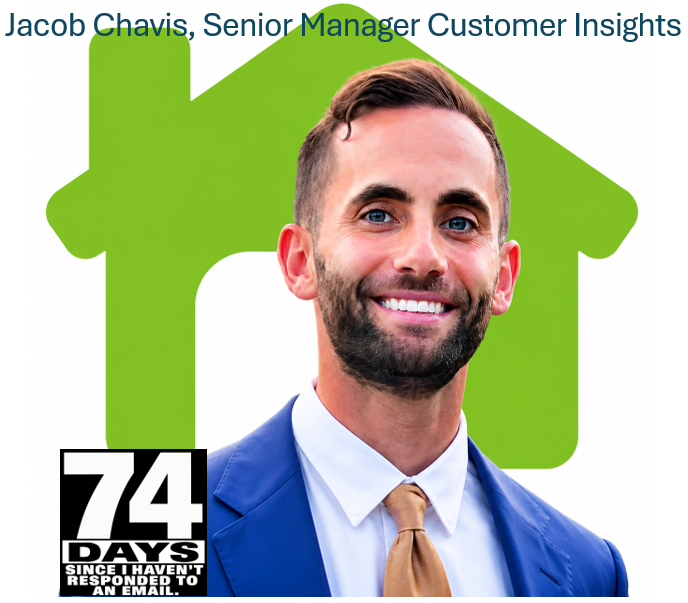
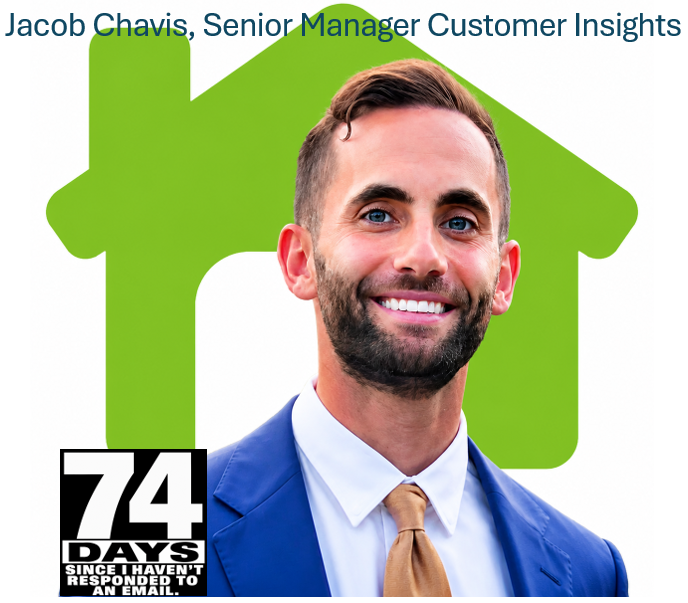
It's Day 74 of waiting for the detailed Nextdoor Insights data I've been requesting.
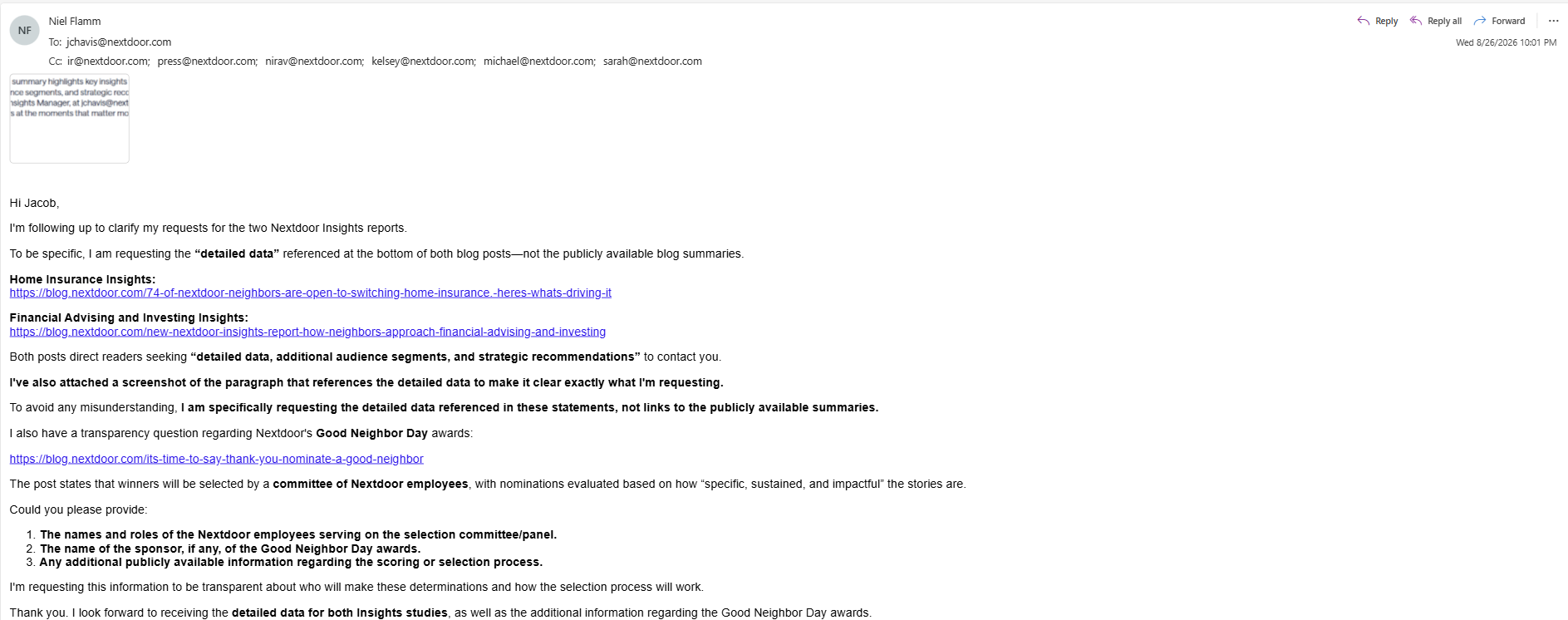
Last night, I sent another email to Jacob Chavis, copying Investor Relations, Press, Nirav Tolia, Kelsey Grady, Michael Kiernan, and Sarah Leary.
This time, I tried to remove any possible ambiguity.
I am not asking for links to the publicly available blog summaries.
I am specifically requesting the “detailed data” that Nextdoor itself says is available at the bottom of its Insights posts.
Both posts tell readers seeking:
“detailed data, additional audience segments, and strategic recommendations”
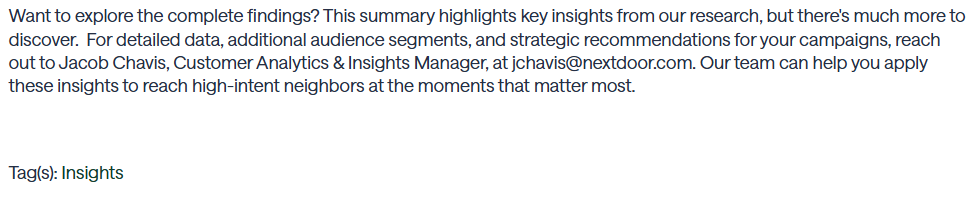
to contact Jacob.
That's what I'm doing.
Again.
I even attached a screenshot of the paragraph so there's no confusion about which information I'm requesting.
And I Added Three New Questions
My email also asks about Nextdoor's new Good Neighbor Day awards.
Nextdoor says a committee of Nextdoor employees will evaluate nominations based on how “specific, sustained, and impactful” the stories are.
So I asked:
Who are the employees serving on the committee/panel?
Who is sponsoring the awards, if anyone?
What additional information is publicly available about the scoring and selection process?
These aren't complicated questions.
They're transparency questions.
Yesterday I wrote about my concern with an unnamed panel deciding which neighbors deserve recognition.
Today I'm doing something about it:
I'm asking Nextdoor directly.
Hearing vs. Listening—Again
After 20+ years in Learning & Development, I've spent plenty of time discussing the difference between hearing and listening.
Nextdoor knows I'm asking.
Communications has responded before.
Multiple executives and departments have received my emails.
At Day 74, the issue isn’t whether the message has been heard.
The question is whether anyone will listen and answer the actual question.
No interpretation necessary.
No guessing.
No need to send the blog summaries again, please.
The request is in writing.
The screenshot is attached.
The questions are numbered.
Day 74.
Now we wait.
Again.
My LinkedIn posts are the condensed version. The complete continuing study, timeline, and my full thoughts are at NielFlamm.com/blog.
And subscribe at NielFlamm.com so you don't miss Day 75—although I'd be perfectly happy if there didn't need to be one.
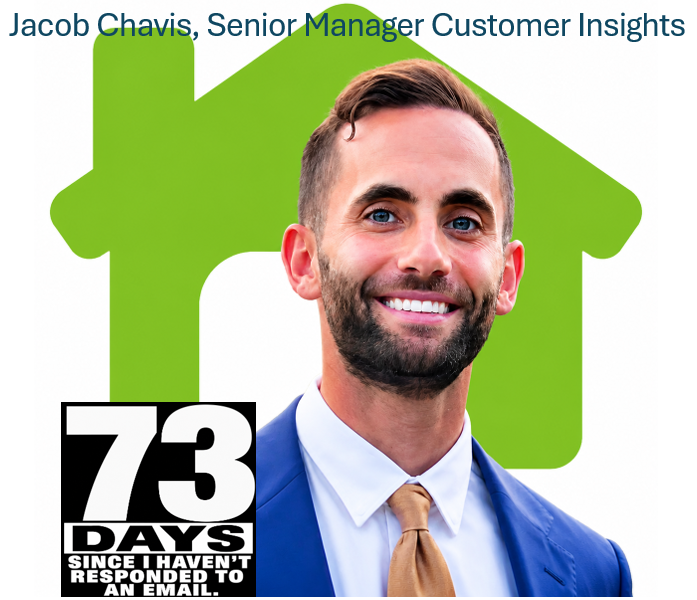
Day 73: Who Exactly Is Judging Nextdoor’s “Good Neighbors”?
It's Day 73 of waiting for the detailed Nextdoor Insights reports I've requested.
Yesterday, Nextdoor published something that initially made me smile:
“It’s Time to Say Thank You: Nominate a Good Neighbor.”
Full article:
https://blog.nextdoor.com/its-time-to-say-thank-you-nominate-a-good-neighbor
I like the concept.
Nextdoor is asking people to nominate neighbors who consistently show up for others—the person who brings in the trash cans, checks on someone after a storm, waters the plants, or does the little things that make a neighborhood better.
Five neighbors, one from each region, will be publicly recognized on National Good Neighbor Day, September 28.
Great.
Although I hope the winners receive more than a digital pat on the back.
A medal? Plaque? Certificate?
Even better: How about a Nextdoor-funded donation to each winner's favorite local charity?
The blog itself doesn't mention a monetary prize or charitable donation. It says the five winners will be publicly recognized.
Then I reached “What happens next.”
And my communications-study brain switched back on.
Wait...Who's on the Panel?
Nextdoor says that after nominations close on September 14:
“a panel reviews the strongest nominations in each region”
They're scored based on how specific, sustained, and impactful the story is. The rules further say winners are selected by a committee of Nextdoor employees, one for each of five regions.
Okay.
Who?
Who selects the “strongest” nominations before they're scored?
Who sits on the panel?
What makes those people qualified to determine impact?
How is each criterion weighted?
Is there a scoring rubric?
Will those scores be published?
Are panelists required to disclose relationships with nominees?
These aren't accusations.
They're basic transparency questions.
And perhaps I'm particularly sensitive to the word panel after everything I've documented about Nextdoor.
I've questioned its moderation structure.
I've questioned its communications strategy.
And now we're introducing another group of unnamed decision-makers making subjective judgments.
Nextdoor, Show Us Your Simon Cowell
Look at American Idol, America's Got Talent, or Dancing with the Stars.
You know who's judging.
You know their backgrounds.
You can agree or disagree with Simon Cowell, Sofia Vergara, Mel B, Howie Mandel, or whoever happens to be sitting behind the desk—but at least you know who is making the judgment.
So Nextdoor, who's behind your desk?
If you're going to celebrate the best examples of neighborliness across the country, why not make the selection process part of the celebration?
Introduce the panel.
Tell us who they are.
Explain the scoring.
Show us what qualifies someone to evaluate a “specific, sustained, and impactful” contribution.
That's not bureaucracy.
That's transparency.
And after 73 days of my ongoing Nextdoor communication experiment, transparency remains a recurring theme.
I genuinely like the idea behind #GoodNeighborDay.
But if Nextdoor wants neighbors to trust the outcome, don't just tell us that a panel made the decision.
Show us the people behind the decision.
Otherwise, we're back to another familiar Nextdoor question:
Who's making the call—and why should neighbors trust the process?
Meanwhile...
Day 73. Still waiting for those detailed reports.
Follow my continuing Nextdoor study at NielFlamm.com/blog.