
For Just $7, You Can Pretend to Be a Billionaire 💸🎰
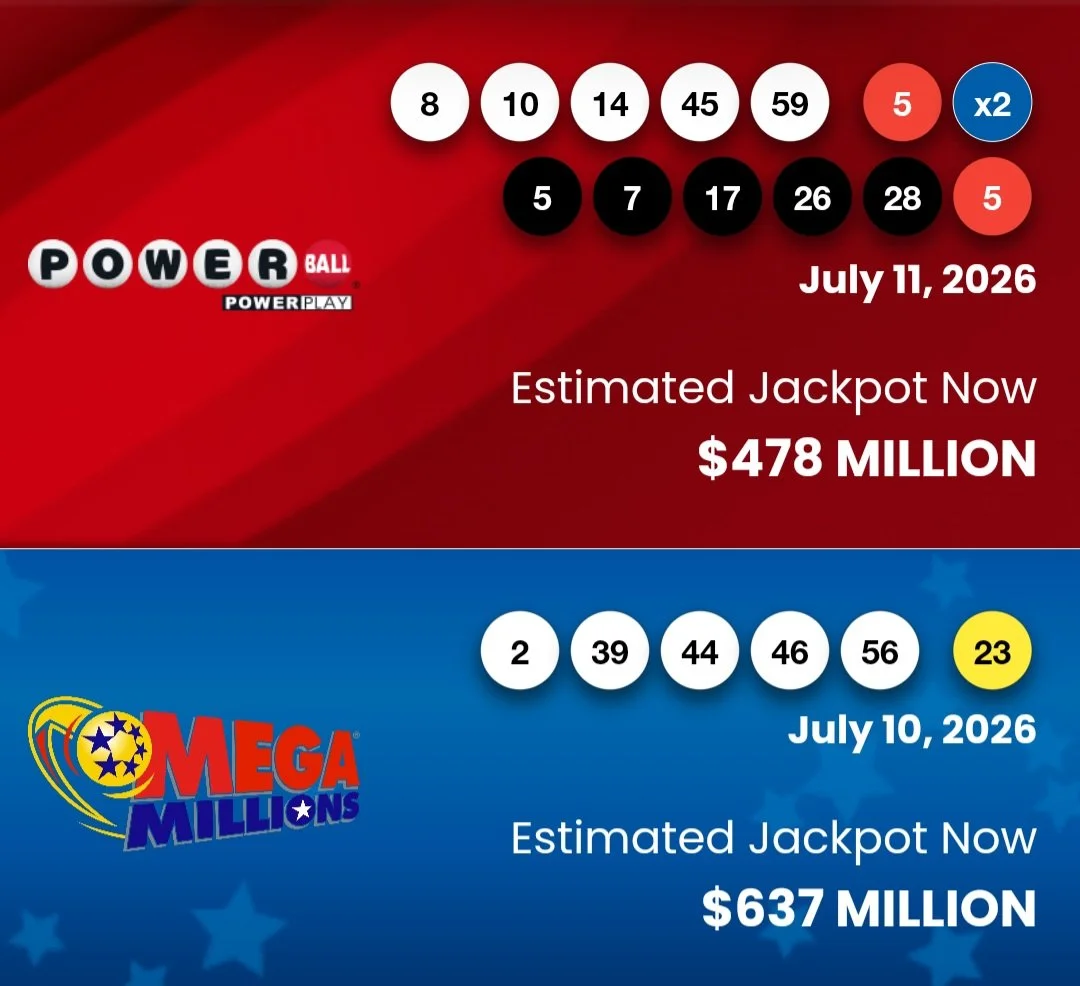
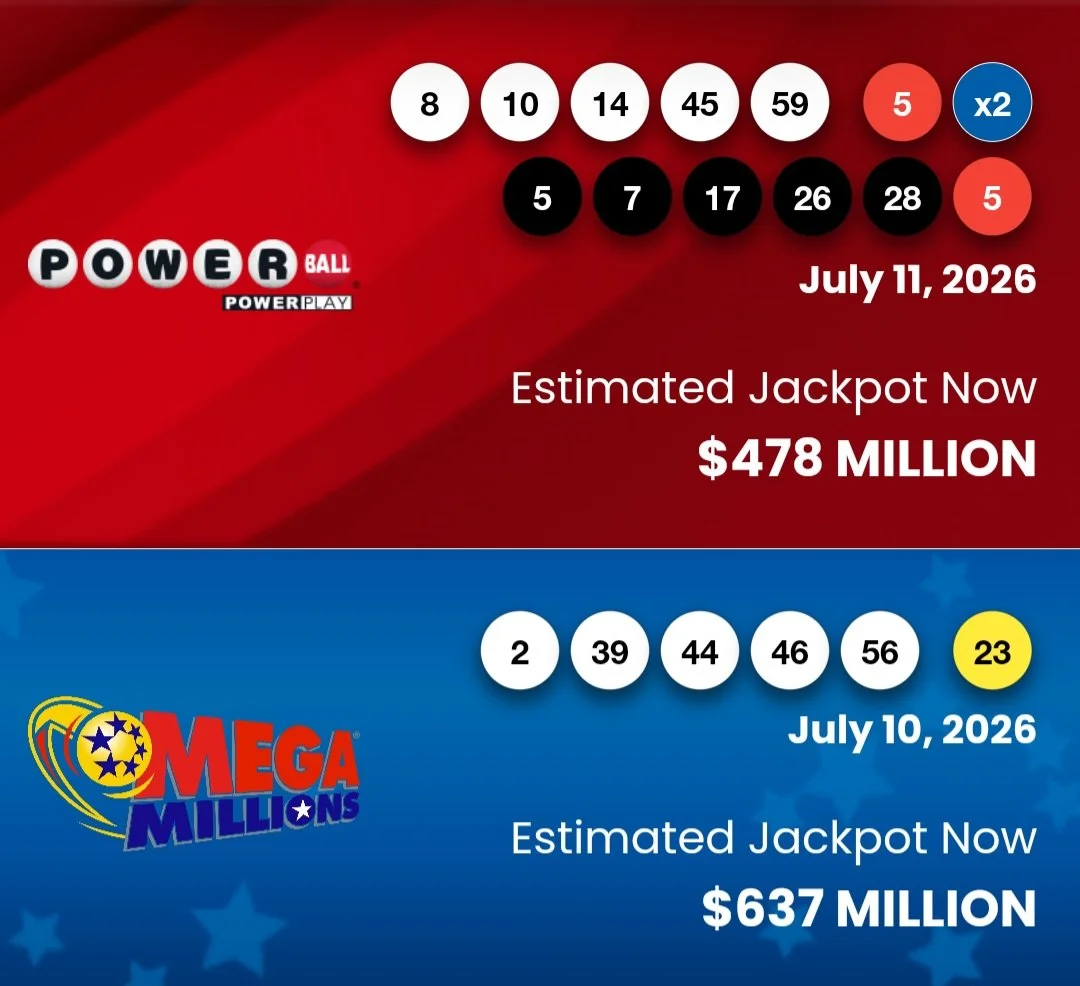
The combined jackpots for Powerball and Mega Millions have now climbed to over $1.1 BILLION.
Powerball (Monday): $476 million
Mega Millions (Tuesday): $637 million
The grand total to buy one ticket for each drawing? Just $7.
For the price of a fancy coffee, you can spend the next couple of days deciding whether your first purchase is a beach house, a sports car, or finally replacing that thing you’ve been saying you’ll replace for years.
The odds? Let’s just say they’re “character building.”
But if one of those tickets turns out to be the winner, remember who reminded you. A generous “thank you” contribution would be greatly appreciated by the Department of Niel’s Lottery Awareness Program.
And if you’re interested in putting together a lottery pool, let me know. We can increase our odds from “almost impossible” to… well… “slightly less almost impossible.”
Good luck, everyone!

Day 28: Four Full Weeks Without a Response

Today marks Day 28.
Yes, Days 27 and 28 happened to fall on a Saturday and Sunday, but the bigger picture remains the same.
It has now been four full weeks since I requested the methodology and report for a study published by the Nextdoor Communications team that listed Jacob Chavis as the contact.
No report.
No methodology.
No acknowledgment.
Realistically, this should have taken a few business days at most. Even if the report couldn’t be shared, a one-line response explaining why would have demonstrated professionalism and respect.
Instead, silence has become the response.
I also remember keeping track of CEO Nirav Tolia’s public engagement. There was a stretch of more than a month—from around Thanksgiving until New Year’s Day—with little public communication. Today, much of the messaging centers around AI, transformation, and the future.
AI is important.
But AI isn’t a substitute for accountability.
As a shareholder, I’m more interested in hearing why leadership believes the company’s performance justifies executive compensation.
After reviewing the SEC filings, I found myself asking:
What is the rationale for awarding executive bonuses while the company continues to report losses?
Executive compensation should align with the creation of long-term shareholder value.
One metric often highlighted is Adjusted EBITDA.
Adjusted EBITDA can be a useful operational measure because it removes items such as interest expense, income taxes, depreciation, amortization, stock-based compensation, restructuring charges, and certain one-time or non-recurring expenses.
However, it is not the same as profitability or cash generation.
It does not fully reflect:
Interest expense on debt.
Income taxes.
Capital expenditures needed to operate and grow the business.
Depreciation and amortization of assets.
Stock-based compensation that dilutes shareholders.
Changes in working capital.
Free cash flow available to the business.
That’s why I prefer looking at the complete financial picture rather than one adjusted metric.
As investors, we should ask:
Are executives being rewarded for building lasting shareholder value?
Or are they being rewarded for meeting adjusted targets that don’t tell the entire financial story?
Four weeks without a response, and executive incentives tied to adjusted performance metrics leave me asking more questions than I receive answers.
Leadership is measured by results.
Communication is part of those results.
Join the discussion on NielFlamm.com
I Didn’t Win… And Neither Did You (Probably) 🎰💸
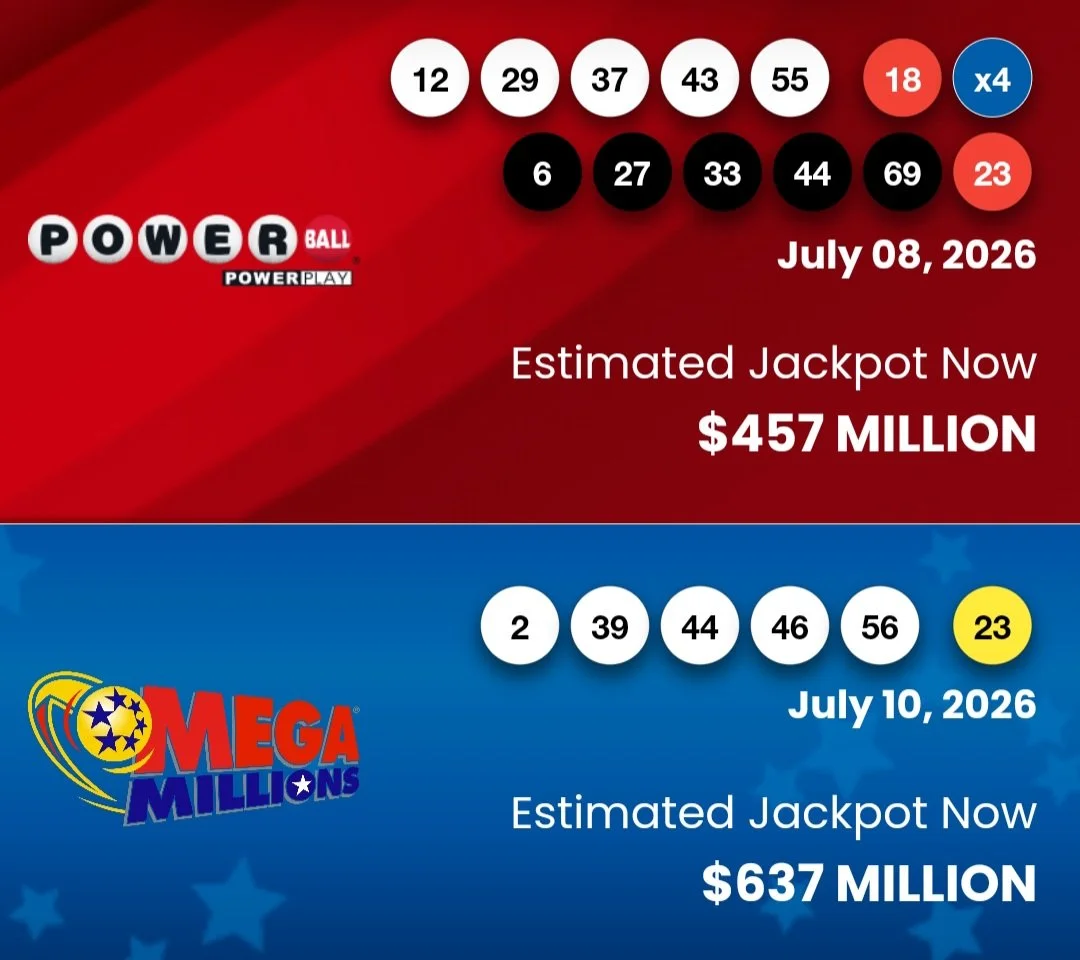
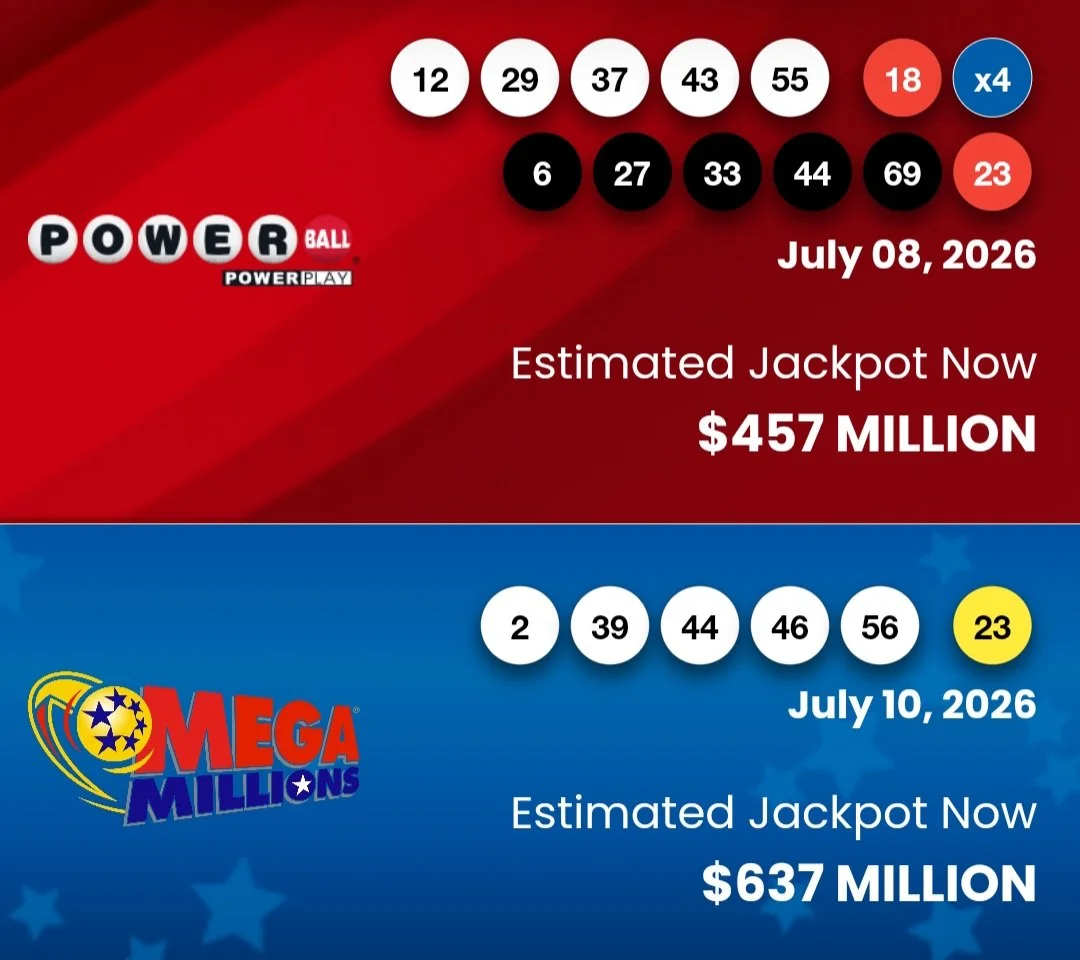
Well… I didn’t win the Mega Millions.
And I’m pretty sure you didn’t either.
How do I know? Because the jackpot went up, which means nobody hit the big one. Congratulations to all of us for continuing our streak of not becoming instant billionaires.
The next Mega Millions drawing is Tuesday.
But don’t worry! We have another opportunity to make questionable financial decisions tonight with Powerball. Tickets are just $2 each (before they tempt you with Power Play, Power-Up, Mega-Super-Ultra-Deluxe-Whatever-They-Call-It).
As a reminder, if you head out to buy a ticket because of this blog post, a friendly gratuity for the person who reminded you—namely me—is highly recommended… by me.
I don’t make the rules. Actually, I just did.
Better yet… anyone interested in joining a lottery pool? Reach out! If we’re all going to lose, we might as well lose together. And if we win? I’ll happily volunteer to hold the giant check for the photo.
Good luck tonight!
Someone has to win. It might as well be one of us.
China, Cars, Content, and a Crazy Sponsorship Idea
There is something that has surprised me over the past several months.
A significant portion of the readers and viewers of NielFlamm.com comes from China.
When I first started noticing the traffic analytics, I was curious. I did a little research into what many people call “The Great Firewall” to better understand how my content is accessible there. From what I’ve read, my content is probably about as harmless as it gets. I write about movies, leadership, technology, AI, cars, life as an amputee, dialysis, business, and whatever random thought pops into my head. I’m not trying to stir political controversy or challenge government policy. I like to keep things interesting, fun, and occasionally a little sarcastic.
It also made me think.
If Americans believe we aren’t influenced or filtered in different ways, I think we’re kidding ourselves. Our AI tools have guardrails. Algorithms decide what news we see. Streaming services determine what music and movies are recommended. Social media platforms decide what gets amplified and what disappears into obscurity. Different systems, different methods, but someone, somewhere, is always making decisions that shape what we consume.
That isn’t really the point of this post, though.
The point is that I’d love to partner with a Chinese company as a sponsor for NielFlamm.com.
If anyone from BYD (Build Your Dreams), Xiaomi Technology, or even Polestar happens to stumble across this article, let’s have a conversation.
I’m a lifelong car enthusiast. I’ve watched countless reviews of vehicles that Americans can’t easily buy, and I think there’s an opportunity to create content from a different perspective. As someone who jokingly refers to himself as a “WaSian”—part White, part Asian—I think I can bring a unique voice to a Western audience while genuinely appreciating Chinese innovation and engineering. (More on the “WaSian” story in a future post.)
Whether it’s reviewing technology, discussing automotive design, sharing ownership experiences, or simply introducing products to an American audience, I think there is room to build something fun together.
Before you leave, please take less than a minute to complete my content survey:
https://forms.cloud.microsoft/r/WPQAzYLsgs
Your feedback will help shape future articles, videos, reviews, and discussions. I genuinely want to know what you enjoy, what you’d like to see more of, and what topics you think deserve more attention.
I don’t know of many independent creators who invite their audience to help guide the direction of future content. I think creating content should be more of a conversation than a broadcast.
Let’s build something together.
Let’s be a little revolutionary.
Join the discussion on NielFlamm.com.

Day 27: When Silence Becomes the Message

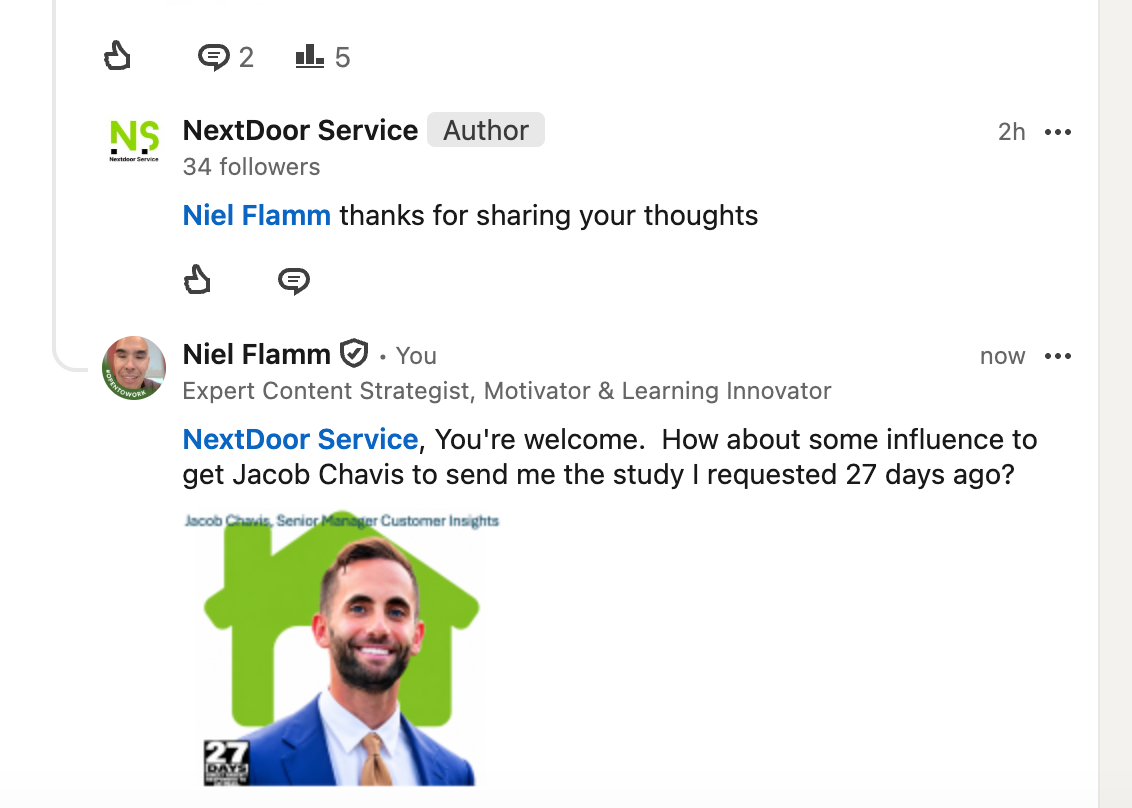
Today marks Day 27 since I requested the full methodology and report for a study published by the Nextdoor Communications team, with Jacob Chavis listed as the contact.
Twenty-seven days.
No report.
No methodology.
No acknowledgment.
Ironically, I recently received a “Thank you for sharing your thoughts” response to one of my comments from NextDoor Service. My reply was simple: Will someone finally address why Jacob Chavis has not provided the report? (See attached image.)
At this point, the larger question isn’t about the report.
It’s about leadership.
How does any manager—regardless of where they sit in the organization—allow a straightforward request to go unanswered for nearly a month?
While thinking about this, I reflected on CEO Nirav Tolia’s executive compensation disclosed in the SEC filings.
One of the performance metrics still indicated the company was operating at a loss, yet an annual bonus was awarded.
That reminded me of my years living in Las Vegas.
I’m not much of a gambler. I mostly played slot machines because they’re easy. But I understand enough Blackjack to appreciate how winning and losing work.
Imagine sitting at a Blackjack table with a $50 bet.
The dealer finishes with 20.
I finished with 18.
I lost.
Now imagine the casino sliding me $60 and saying:
“You didn’t win, but you came close. Here’s your $50 back, plus a $10 bonus.”
No casino on the Las Vegas Strip would operate that way.
Why?
Because bonuses are generally associated with achieving the positive desired outcome rather than falling short of it.
That’s why executive compensation receives so much scrutiny. Investors, employees, and customers want to understand whether incentive plans truly reward the outcomes that create long-term value.
As a shareholder, I believe communication, accountability, and executive incentives all point back to the same principle:
Results matter.
So does transparency.
I’d love to hear your perspective. Should executive bonuses primarily reward positive business outcomes, or is there a place for rewarding progress even when key financial goals haven’t yet been fully achieved?
Join the discussion at NielFlamm.com.