

Halloween, Cruising, and the Great Time-Change Confusion of 2026

It's Halloween! October 31, 2026. 🎃
I've been on a few Halloween cruises before, but something is about to happen that I haven't experienced on any of them.
I'm on a cruise with multiple time changes, AND we're crossing the end of Daylight Saving Time!
Let's see if I can explain this without confusing myself.
Leaving Florida: We started in Eastern Time.
Cozumel, Mexico: We moved into Central Time, so the clocks went BACK one hour.
Leaving Cozumel: We're now traveling east, back toward Florida and Eastern Time, so the clocks need to move AHEAD one hour.
November 1, 2026: At 2:00 AM, the United States ends Daylight Saving Time and returns to Standard Time. That means the clocks go BACK one hour.
So, let me get this straight.
We went back an hour when we entered Central Time.
We're going forward an hour as we return to Eastern Time.
And then we're going BACK another hour because Daylight Saving Time ends.
I've taken Halloween cruises before, but apparently this year the real Halloween trick is being played on my internal clock.
Anyone else having difficulty following along?
Because my brain now hurts. 😂
Happy Halloween, and don't forget to set those clocks back!
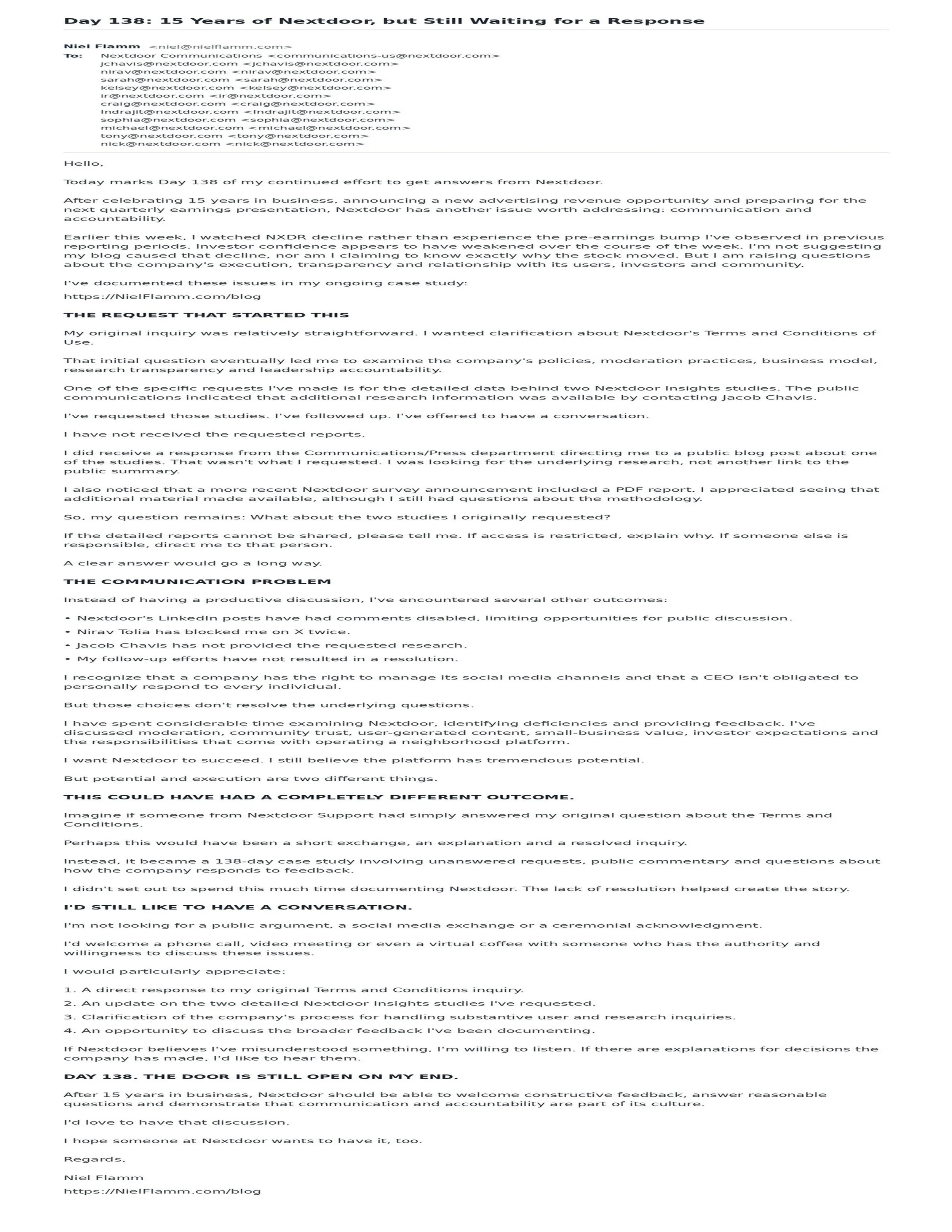
Day 138: I Sent the Email. Now, Will Anyone at Nextdoor Respond?
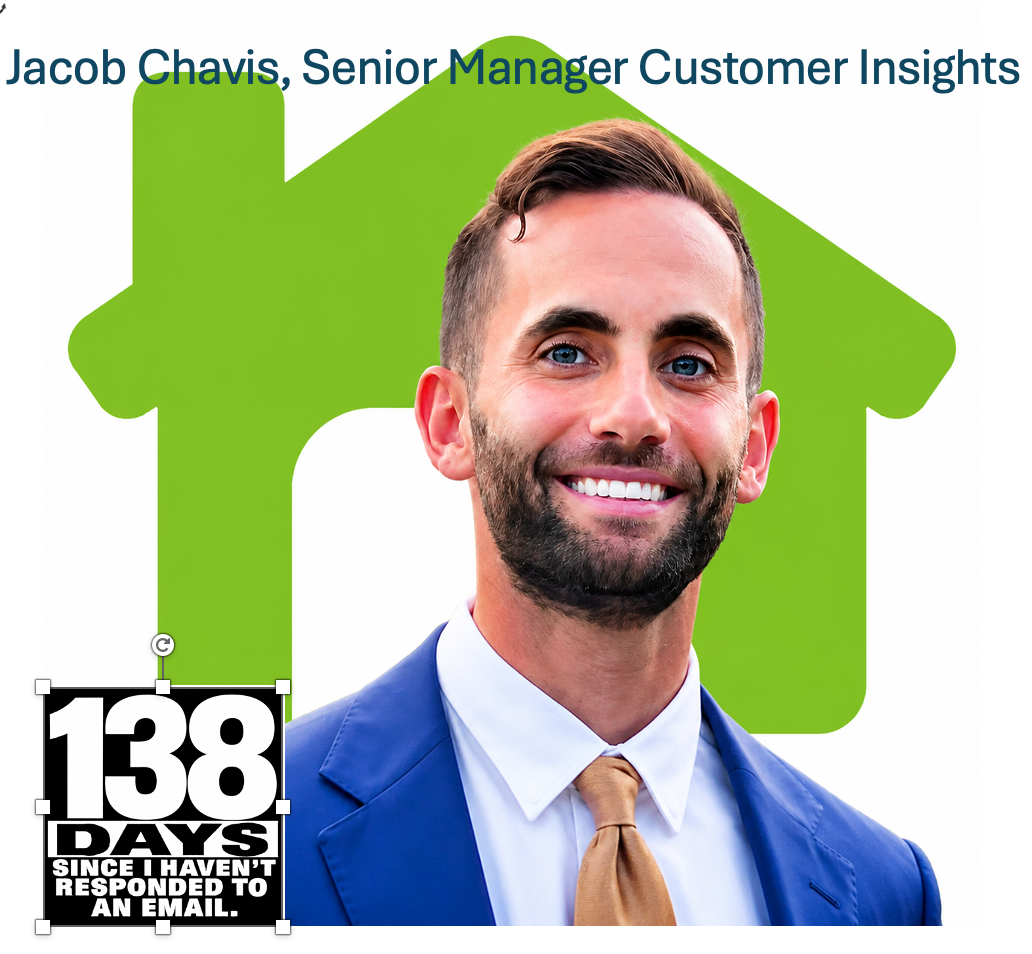
Day 138. Another day, another attempt to get a response from Nextdoor.
This time, I took a different approach. I put my thoughts, questions, and frustrations into one email and sent it to 12 people at Nextdoor.
Yes, 12.
The recipients included people in Communications, Investor Relations, leadership, and other areas of the company. Some have received emails from me before. Others are being brought into the conversation because, after 138 days, I still don't have the answers I'm looking for.
I'm not expecting 12 individual responses. I'm hoping that at least one person will take ownership and help move this conversation forward.
Fifteen years of Nextdoor, and questions that remain
Nextdoor recently celebrated its 15th anniversary, rang the closing bell at Nasdaq, and announced additional advertising opportunities and revenue initiatives.
Those are milestones worth recognizing. Building a neighborhood platform that reaches millions of people is no small accomplishment.
But anniversaries and announcements don't eliminate the questions that come with running a public company and a platform built around community trust.
This past week, I watched NXDR decline rather than experience the pre-earnings bump I've observed during previous reporting periods. Investor confidence appears to have weakened over the week.
I'm not suggesting my blog caused the decline. I'm also not claiming to know exactly why the stock moved. But I am raising questions about the company's execution, transparency, and relationship with its users, investors, and community.
A company can celebrate 15 years and still have work to do.

The request that started this
My original inquiry was relatively straightforward: I wanted clarification about Nextdoor's Terms and Conditions of Use.
That question eventually led me to examine the company's policies, moderation practices, business model, research transparency, and leadership accountability.
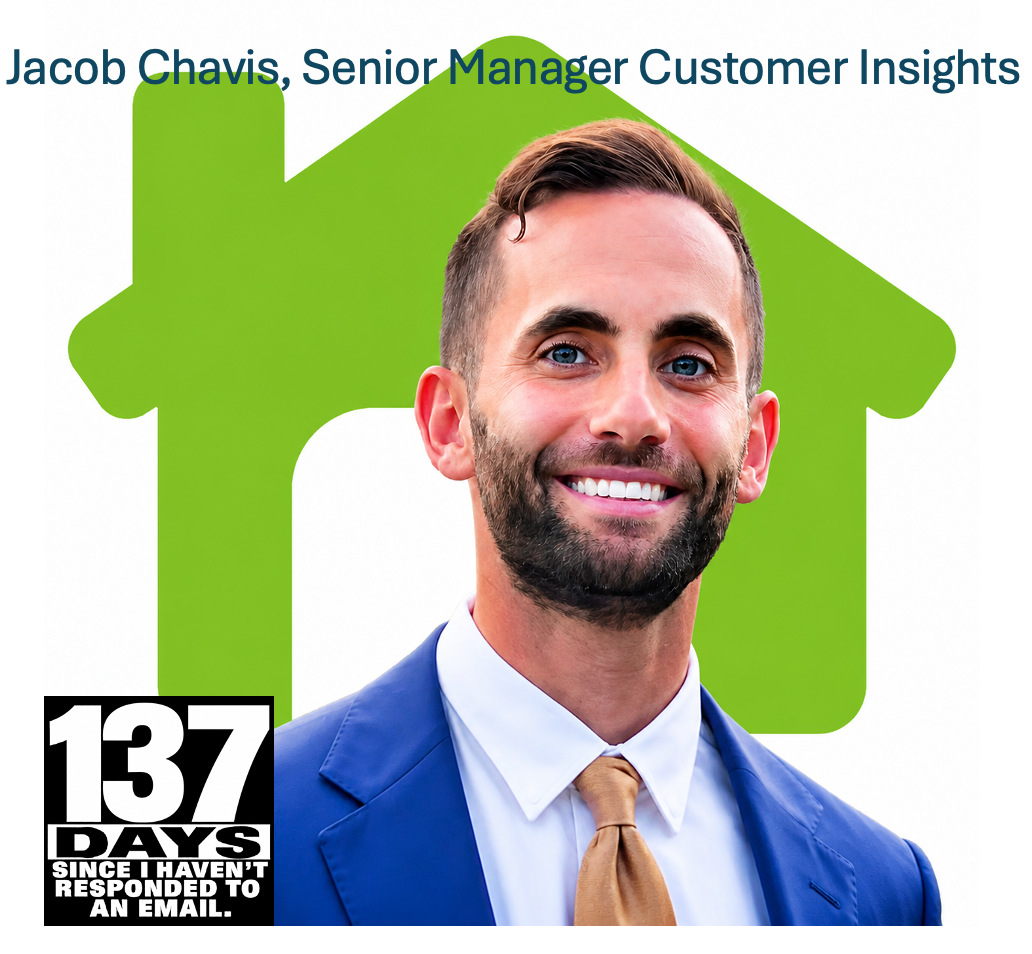
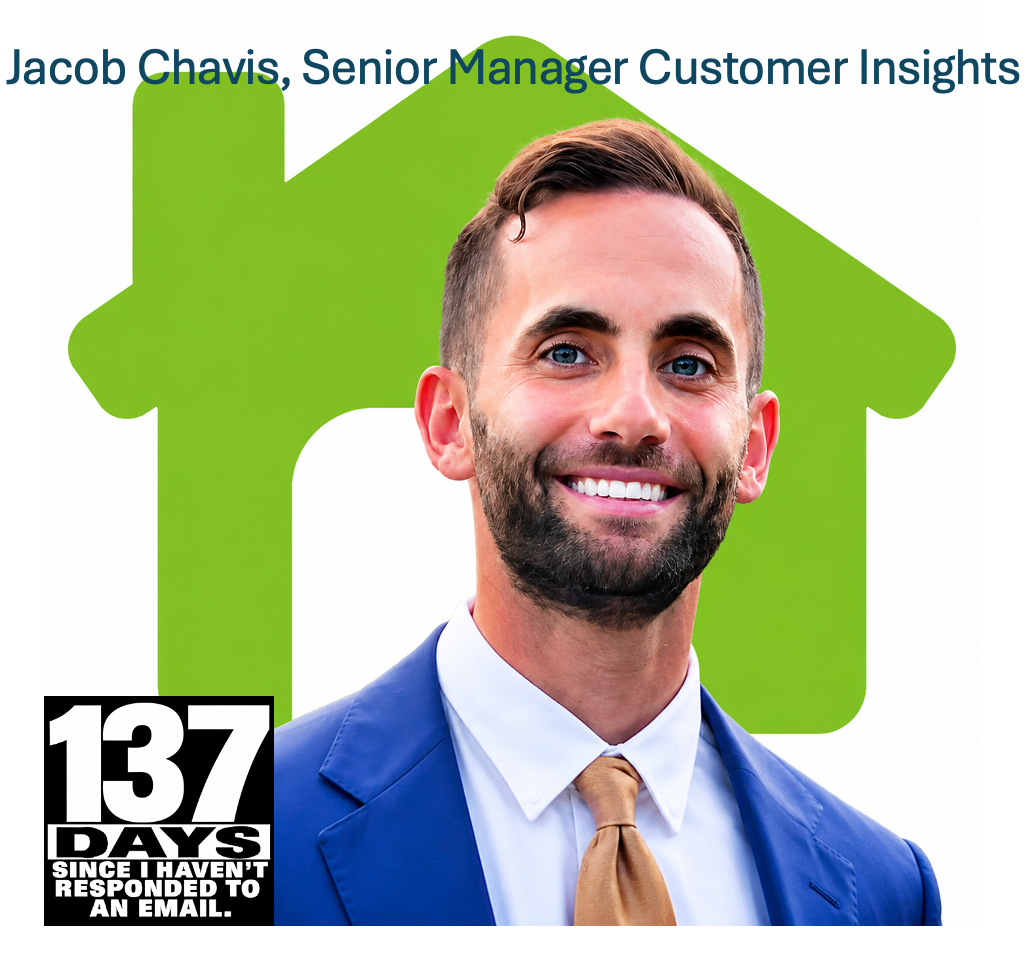
One of my specific requests has been for the detailed data behind two Nextdoor Insights studies. Public communications indicated that additional research information was available by contacting Jacob Chavis.
I've requested those studies, followed up, and offered to have a conversation.
I still haven't received the reports.
Communications/Press responded, but they directed me to a public blog post about one of the studies. That wasn't what I requested. I was looking for the underlying research, not another link to a public summary.
More recently, Nextdoor published a survey announcement that included a PDF report. I appreciated seeing additional material, but I still have questions about the methodology and the two studies I originally requested.
If you can't share the detailed reports, tell me. If access is restricted, explain why. If someone else is responsible, point me in the right direction.
A clear answer would go a long way.
Communication has become part of the case study
Over these 138 days, I've encountered several outcomes that make productive discussion difficult:
Nextdoor's LinkedIn posts have had comments disabled, limiting opportunities for public discussion.
CEO Nirav Tolia has blocked me on X twice.
Jacob Chavis has not provided the requested research.
My follow-up efforts have not resulted in a resolution.
I recognize that a company has the right to manage its social media channels. A CEO isn't obligated to personally respond to every individual. And employees have responsibilities that extend beyond answering my emails.
But those choices don't resolve the underlying questions.
The larger issue is how Nextdoor handles substantive feedback. When someone raises questions about moderation, community trust, user-generated content, small-business value, or the company's research, what happens next?
Is there a process for getting those questions to the right people? Does anyone take ownership? Does the feedback make its way into conversations about product decisions, policies, and strategy?
That's what I'd like to understand.
This could have had a completely different outcome
Imagine if someone from Nextdoor Support had simply answered my original question about the Terms and Conditions.
Perhaps it would have been a short exchange: an explanation and a resolved inquiry.
Instead, it became a 138-day case study involving unanswered requests, public commentary, and questions about how the company responds to feedback.
I didn't set out to spend this much time documenting Nextdoor. The lack of resolution helped create the story.
I've spent considerable time examining the platform, identifying deficiencies, and providing feedback. I've discussed moderation, community trust, user-generated content, small-business value, investor expectations, and the responsibilities that come with operating a neighborhood platform.
I want Nextdoor to succeed. I still believe the platform has tremendous potential.
But potential and execution are different.
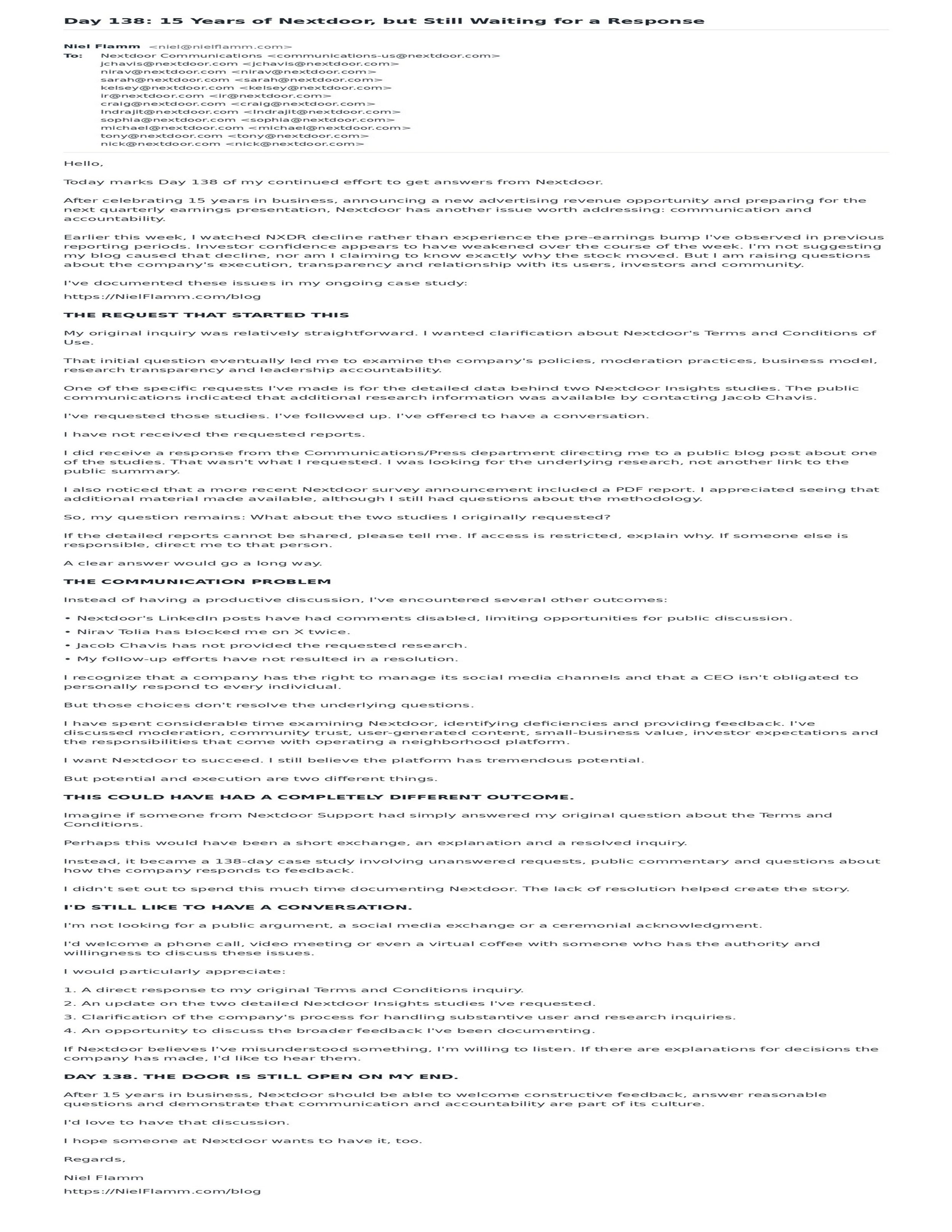
Twelve recipients. One opportunity to respond.
The email I sent isn't a demand for a public apology, a ceremonial acknowledgment, or a social media exchange.
I'm asking for four things:
A direct response to my original Terms and Conditions inquiry.
An update on the two detailed Nextdoor Insights studies I've requested.
Clarification of the company's process for handling substantive user and research inquiries.
An opportunity to discuss the broader feedback I've been documenting.
I'm willing to have a phone call, video meeting, or even a virtual coffee with someone who has the authority and willingness to discuss these issues.
If Nextdoor believes I've misunderstood something, I'm willing to listen. If there are explanations for decisions the company has made, I'd like to hear them.
I'm not asking every recipient to respond individually. I'm asking someone to take responsibility for moving the conversation forward.
Day 138. The door is still open on my end.
After 15 years in business, Nextdoor should welcome constructive feedback, answer reasonable questions, and show that communication and accountability are part of its culture.
The company has celebrated its history. It is pursuing new revenue opportunities. It is preparing to report earnings.
Those are all reasons to look forward.
But the relationship with users, the quality of moderation, the value delivered to small businesses, and investor confidence matter just as much.
I sent the email. I included the people I believe should be aware of the situation. Now I'll wait to see whether anyone decides to engage.
I'm not looking for a fight. I'm looking for a conversation.
Day 138. The door is still open on my end. Is anyone on Nextdoor willing to walk through it?
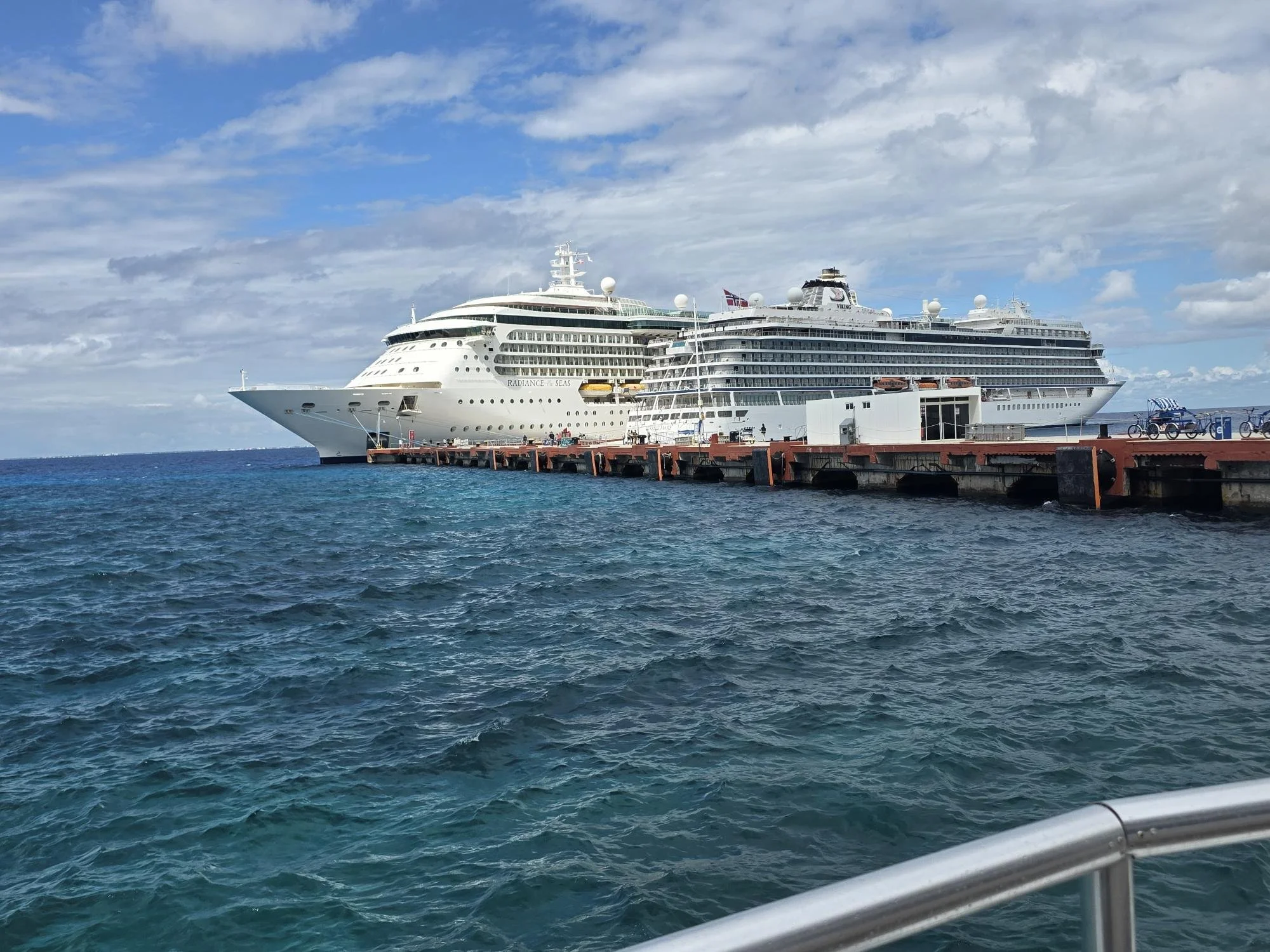
Cozumel, Bacon, Tequila, and a Little Shopping Adventure: Day 4 on Radiance of the Seas
Today was a port day in Cozumel, Mexico, and it turned into quite the adventure. There was bacon, a little walking, some bargaining, a tequila shopping mission, a secret purchase for Airica, and a return to the ship that involved surrendering a rather impressive amount of alcohol.
But I'm getting ahead of myself.
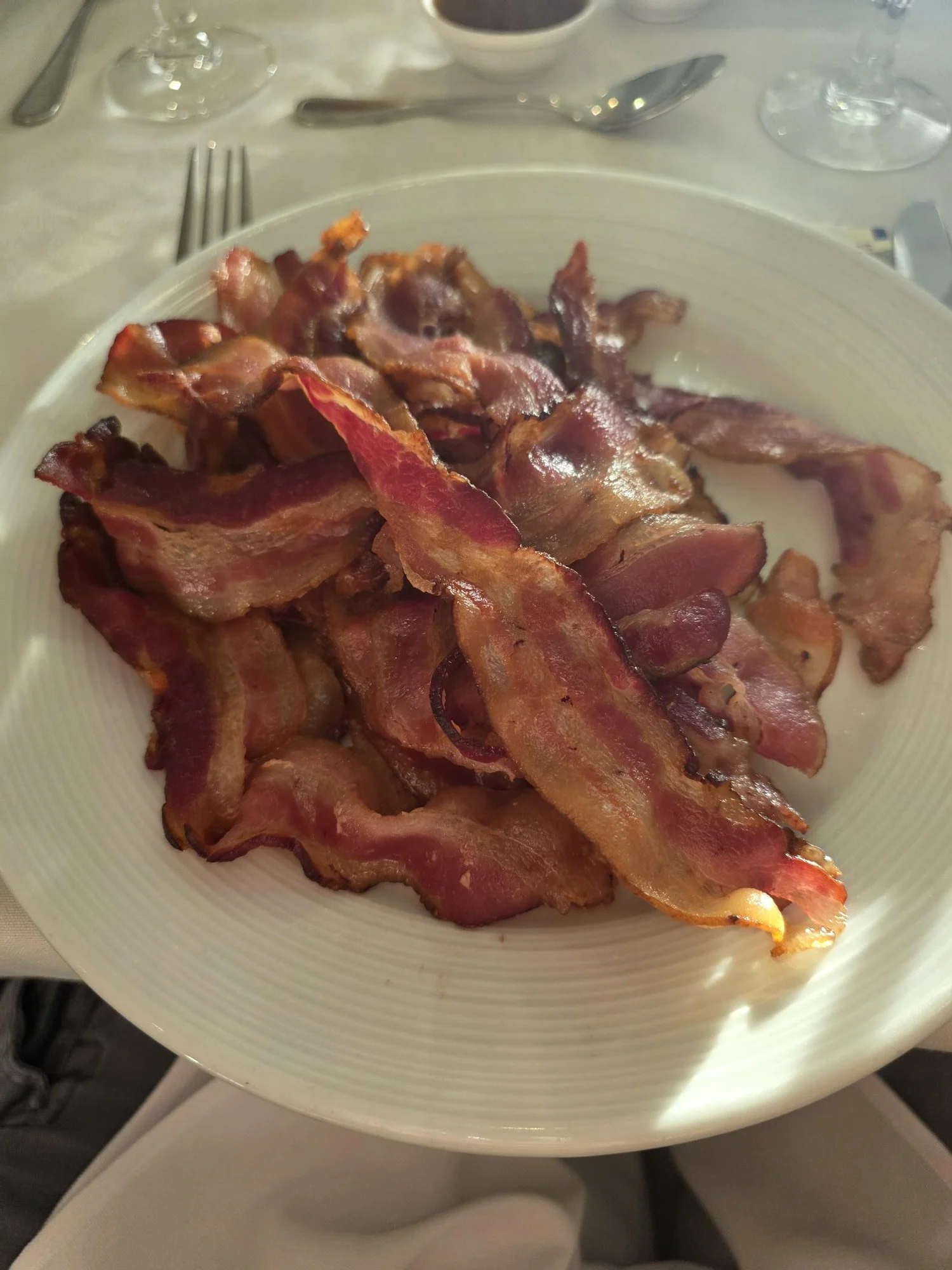
Breakfast: Did I Mention Bacon?
I was up early today. Couldn't sleep, so I was out of bed around 6:15 AM.
For breakfast, I asked for the usual.
Bacon. And more bacon.
For a moment, I thought the bacon would win. I may have underestimated just how much I love bacon. Sorry, piggies!

Along with my bacon mountain, I had pancakes, decaf coffee, cranberry juice, and a strawberry granola parfait.
Did I mention I got a lot of bacon?
With breakfast out of the way, it was time to get off the ship and explore Cozumel.
Getting Off the Ship: Not Exactly an Easy Exit
I headed down to Deck 2 to disembark.
The gangway presented a bit of a challenge. The angles were fairly steep, and there wasn't much to hold onto as I made my way up or down.

As an above-the-knee amputee, these little things matter. What might be a routine walk for another passenger can require a little more planning and concentration for me.
I also felt like I was holding up the people behind me who were eager to get off the ship and enjoy their port day.
Eventually, I made it down, presented my SeaPass card to register that I had left the ship, and started the very long walk through the customary maze of the tourist port shopping area.
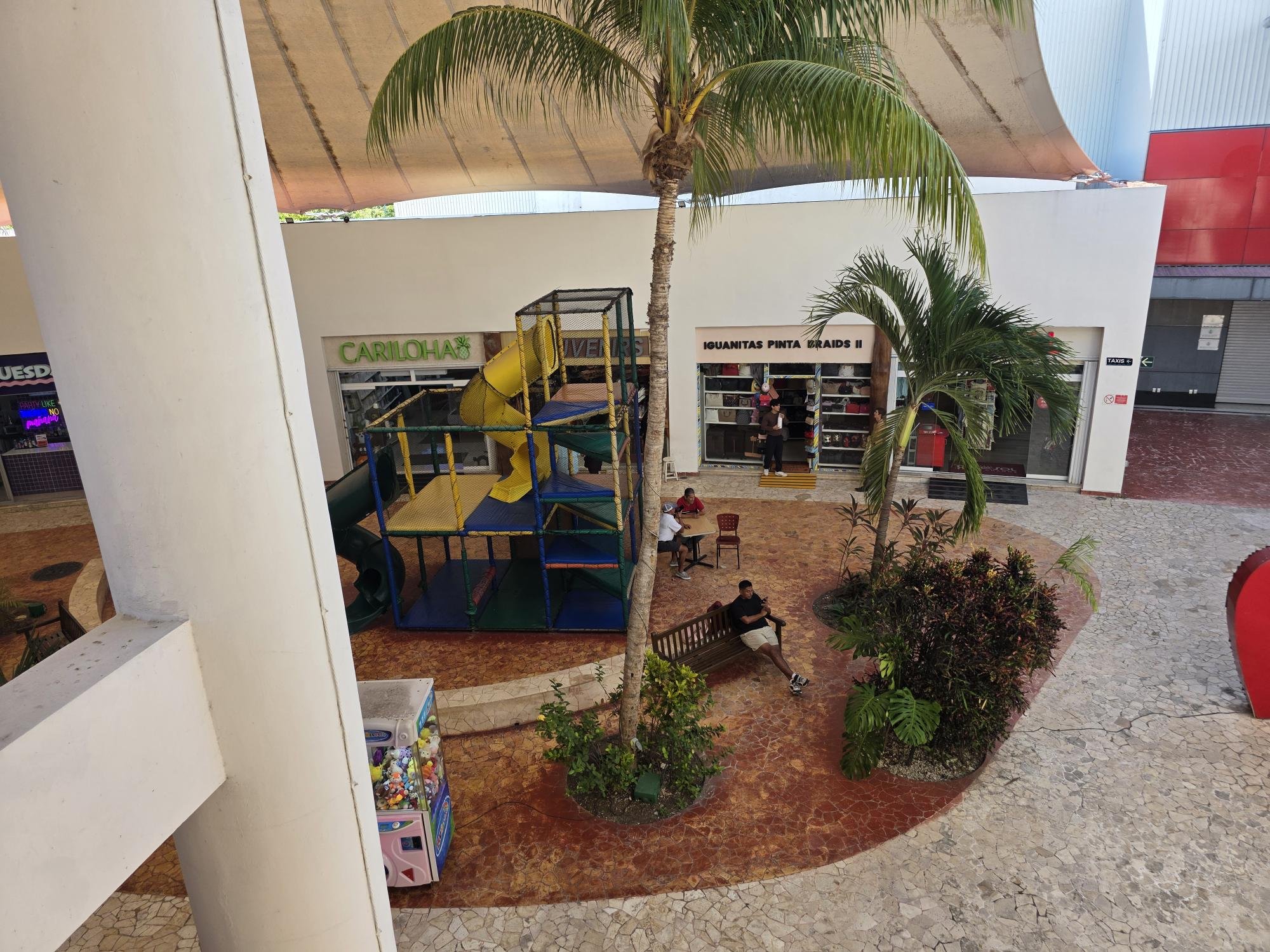
You know the one.
T-shirts, shot glasses, souvenirs, jewelry, and enough tourist merchandise to outfit an entire island.
I had a mission, though.
Mission #1: Authentic Mexican Tequila
I wanted to bring back some tequila for the folks taking care of Mom.
I wasn't looking for a huge quantity, just something authentic. My requirements were pretty straightforward:
100% agave tequila.
No sugar added.
Approximately 375 ml bottles.
I walked into one of the shops and explained to the owner/manager how many bottles I wanted.
He started at $30 and eventually came down to $25.
I passed.
I'd done some research beforehand and had a pretty good idea where I wanted to go. I wasn't interested in paying tourist-port prices just because I happened to be standing in a tourist-port shopping area.
So, onward!
The Long Walk to Mercado Soriana
Before I could make it out of the shopping maze unscathed, I had to navigate the rest of the port.
There were pedicabs available, but I declined. I figured I could use the exercise to work off some of that breakfast bacon.
After approximately 45 minutes of walking, I decided enough was enough and asked for a taxi.
The first vehicle offered was a 10-passenger van. Not a particularly large one, but one of those smaller Central/South American-style vans.
I passed.
It was just me, and I didn't want to take up an entire vehicle when another passenger might need it.
The next taxi was a small sedan with a manual transmission. Perfect. We were off!
Destination: Mercado Soriana.
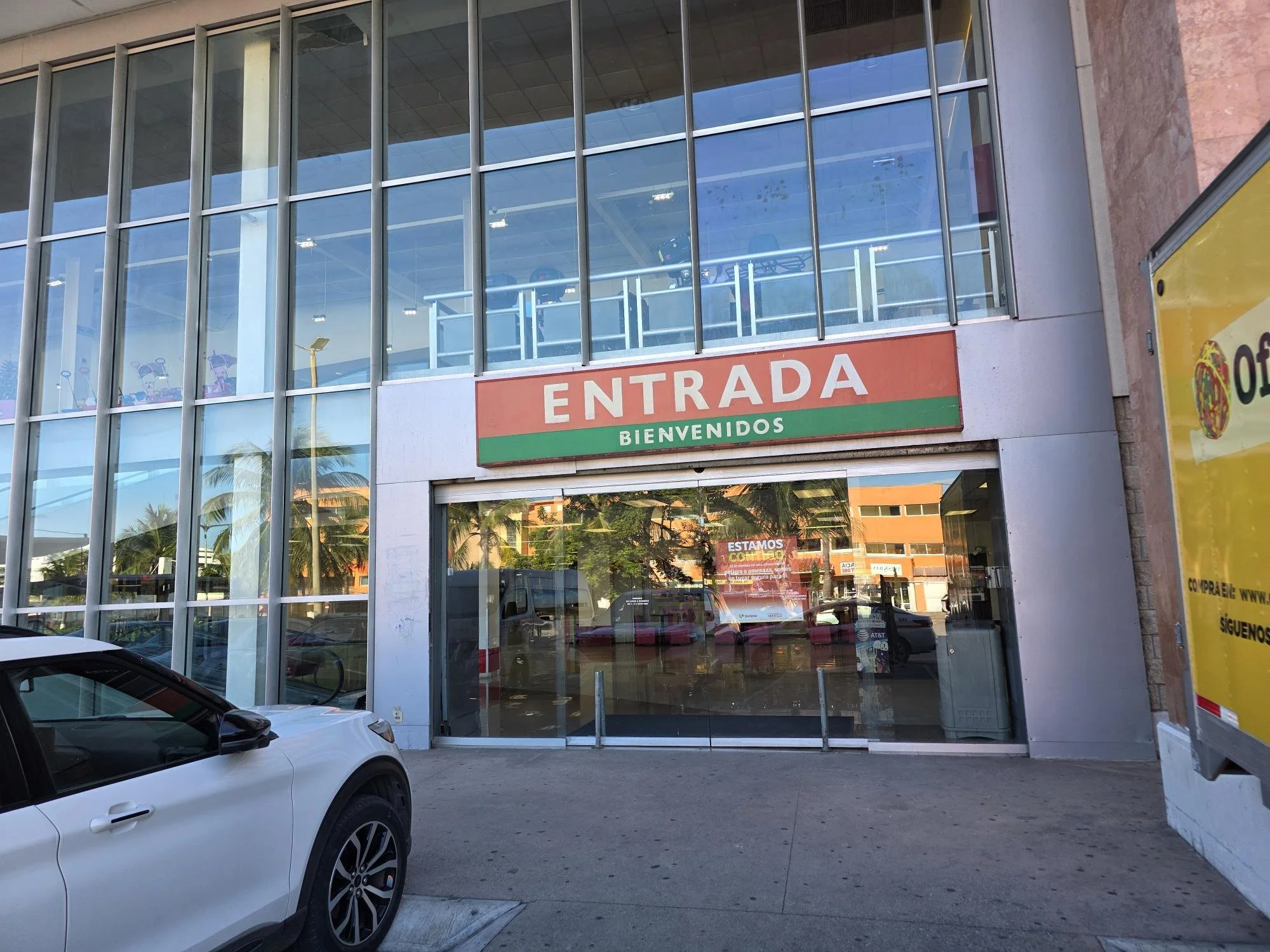
When I arrived, I had a little trouble finding the entrance. I used some of the Spanish I'd picked up while working in Gourmet Delis and eventually found my way inside.
I had to check my backpack before entering. Apparently, they take theft prevention seriously.
Once inside, I got down to business.
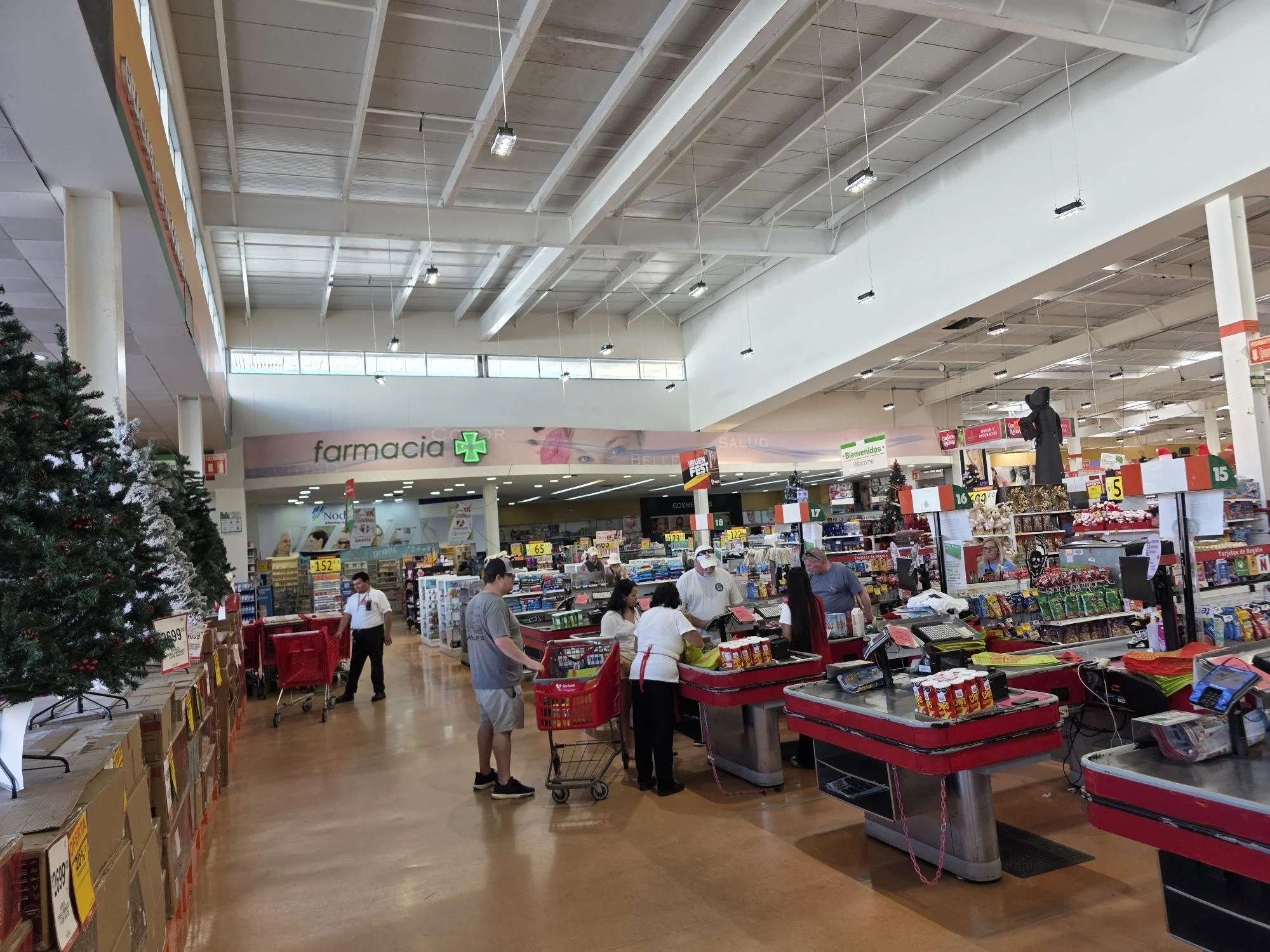
I found what I was looking for and purchased enough tequila to supply a pretty substantial party. The kind of party where everyone attending might be nursing a headache the following morning.
The funny part?
I don't even drink.
But that's not the point. This was a shopping mission for other people, and I was determined to finish it.
Mission #2: A Little Something for Airica
With the tequila mission accomplished, I had another stop to make.
I needed to visit the other Cozumel cruise port..
I negotiated the fare with the taxi driver, reached an agreement, and off we went.
This time, the destination was a Pandora store.
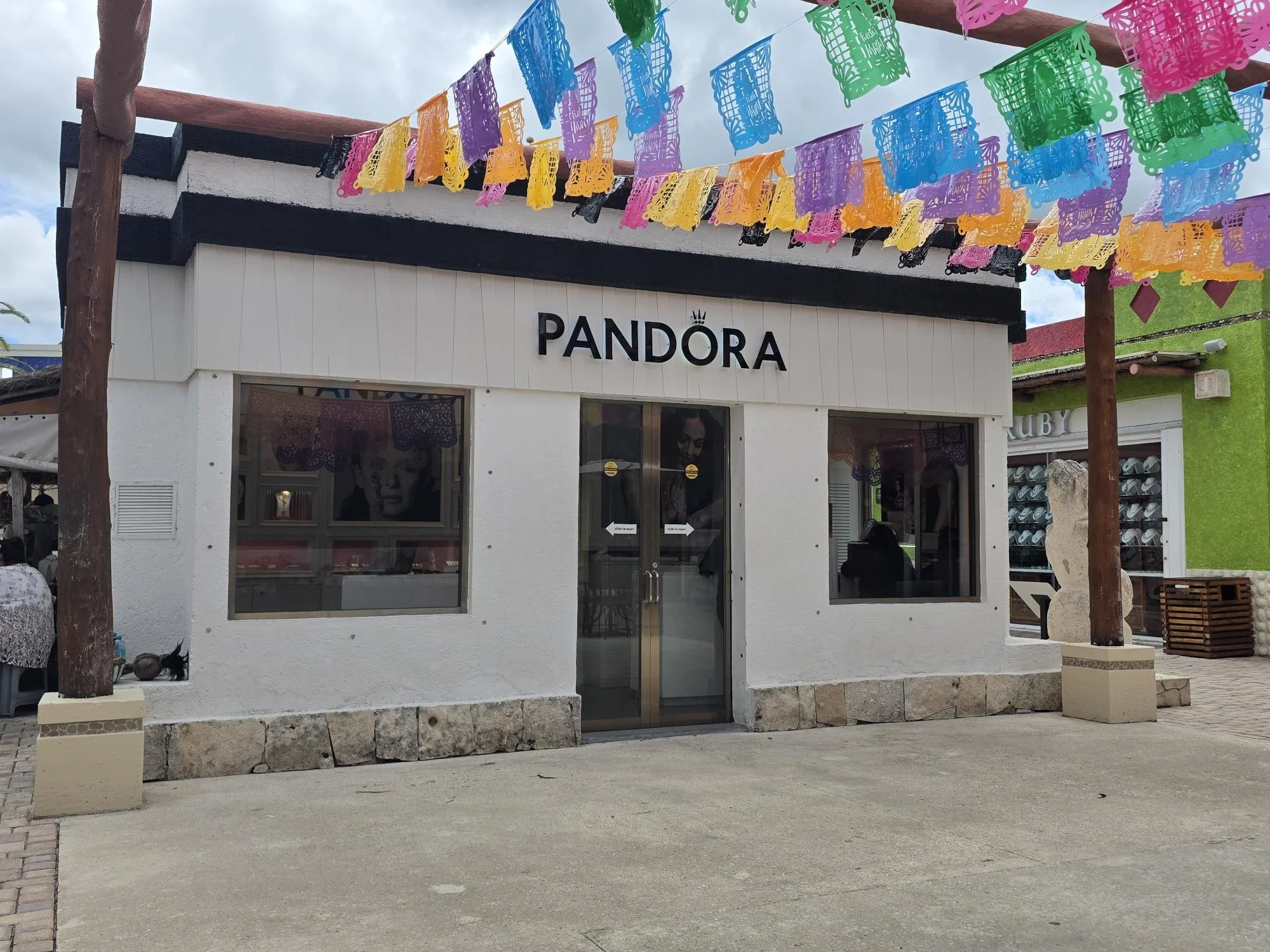
Since Radiance of the Seas wasn't docked there, I had to check in as a guest. I presented my SeaPass card, was allowed through, and started what felt like another 30-minute walk to the store.
Eventually, I made it.
I went inside, bought Airica, and headed back out.
She knows I stopped at Pandora, but she doesn't know exactly what I bought.
I'll leave a little mystery for now.
The Return Trip: As Close to the Ship as Possible
After finishing up at Pandora, I made my way back to the taxi stand.
There were a few speed bumps along the way, but nothing particularly unusual.
The driver asked where I wanted to be dropped off.
My response?
"As close to the ship as possible."
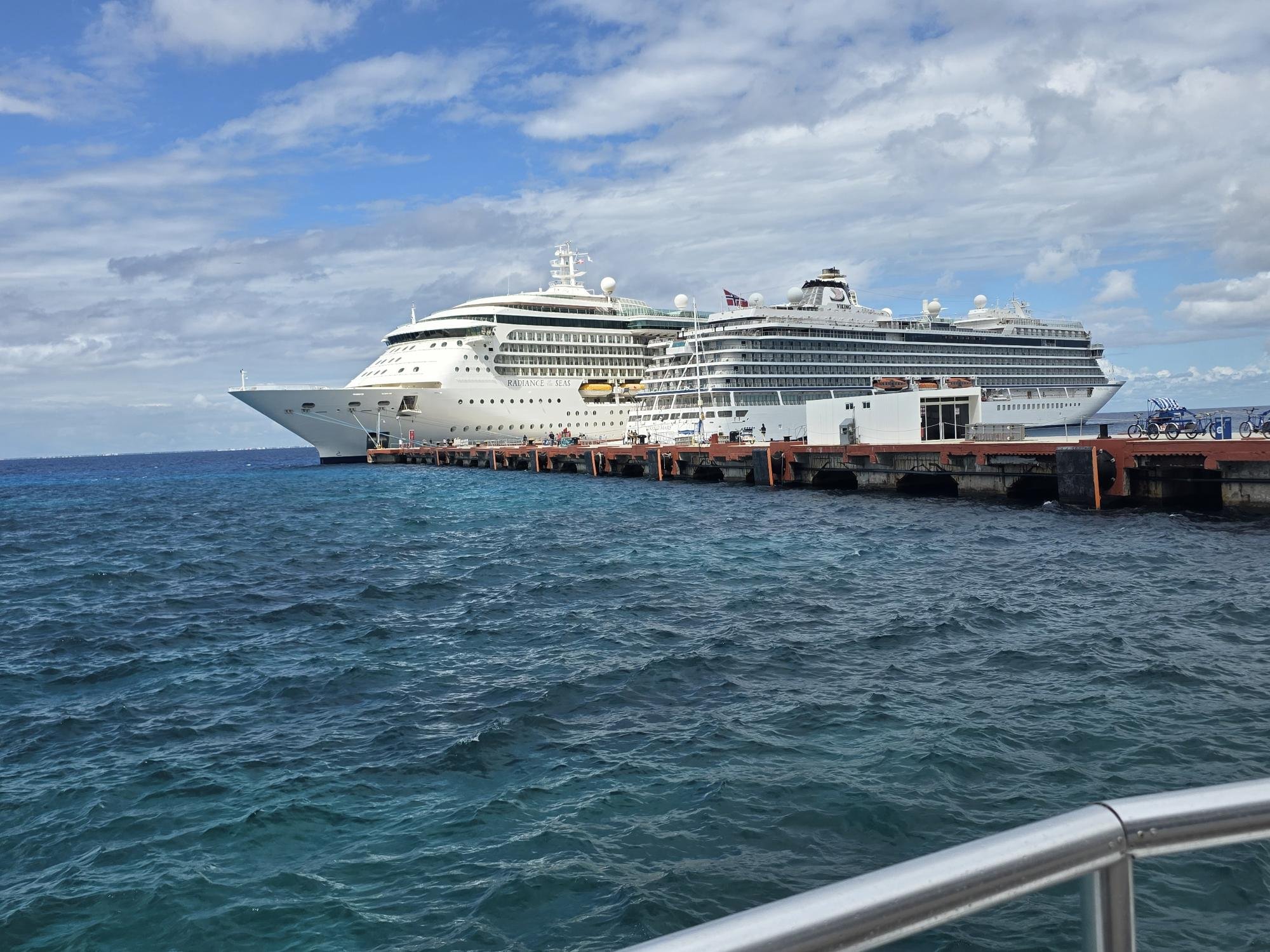
I was dropped off near the crew entrance/exit, which was super convenient because it was right by the pedicabs.
I asked one of the pedicab operators how much the ride would cost.
"Tips only."
Awesome!
I probably should have taken one of these on the way out instead of walking for 45 minutes while working off breakfast.
Lesson learned.
Customs, Security, and a Lot of Tequila
I made my way back to the passenger entrance, checked in with my SeaPass card, and placed my bags on the X-ray machine.
Because of my prosthetic, I went through a slightly different screening process.
Meanwhile, my backpack, which was now considerably heavier thanks to all that tequila, went through the machine.
The security crew asked whether I had alcohol.
I said yes.
They confiscated it.
Now, before anyone gets concerned, I'm familiar with this from previous cruises. Royal Caribbean doesn't allow passengers to bring purchased alcohol directly back to their staterooms. They hold it and arrange delivery toward the end of the cruise.
So, I checked it in for delivery tomorrow.
One of the crew members looked at the collection and commented:
"That's a lot of tequila."
My response?
"Yeah, I know, and I don't even drink."
They laughed.
I thought it was a pretty appropriate ending to the shopping adventure.
Back to the Stateroom
I finally made it to the elevator, headed upstairs, and returned to my stateroom.
First order of business: check in with Airica and let her know I wasn't sitting in a Mexican prison somewhere.
Then it was time for a shower.
After all that walking, negotiating, shopping, and navigating, I felt really good.
I'd accomplished both shopping missions, managed the challenges of getting around Cozumel with my prosthetic, and made it back to the ship with everything I intended to purchase.
Not a bad port day!
What's Next? Halloween at Sea!
Tonight is Halloween aboard the Radiance of the Seas.
I'm back on the ship, cleaned up, and ready to see what Royal Caribbean has planned for Spooky Day.
Plenty has been happening on this cruise, and apparently the adventures aren't slowing down.
Stay tuned!
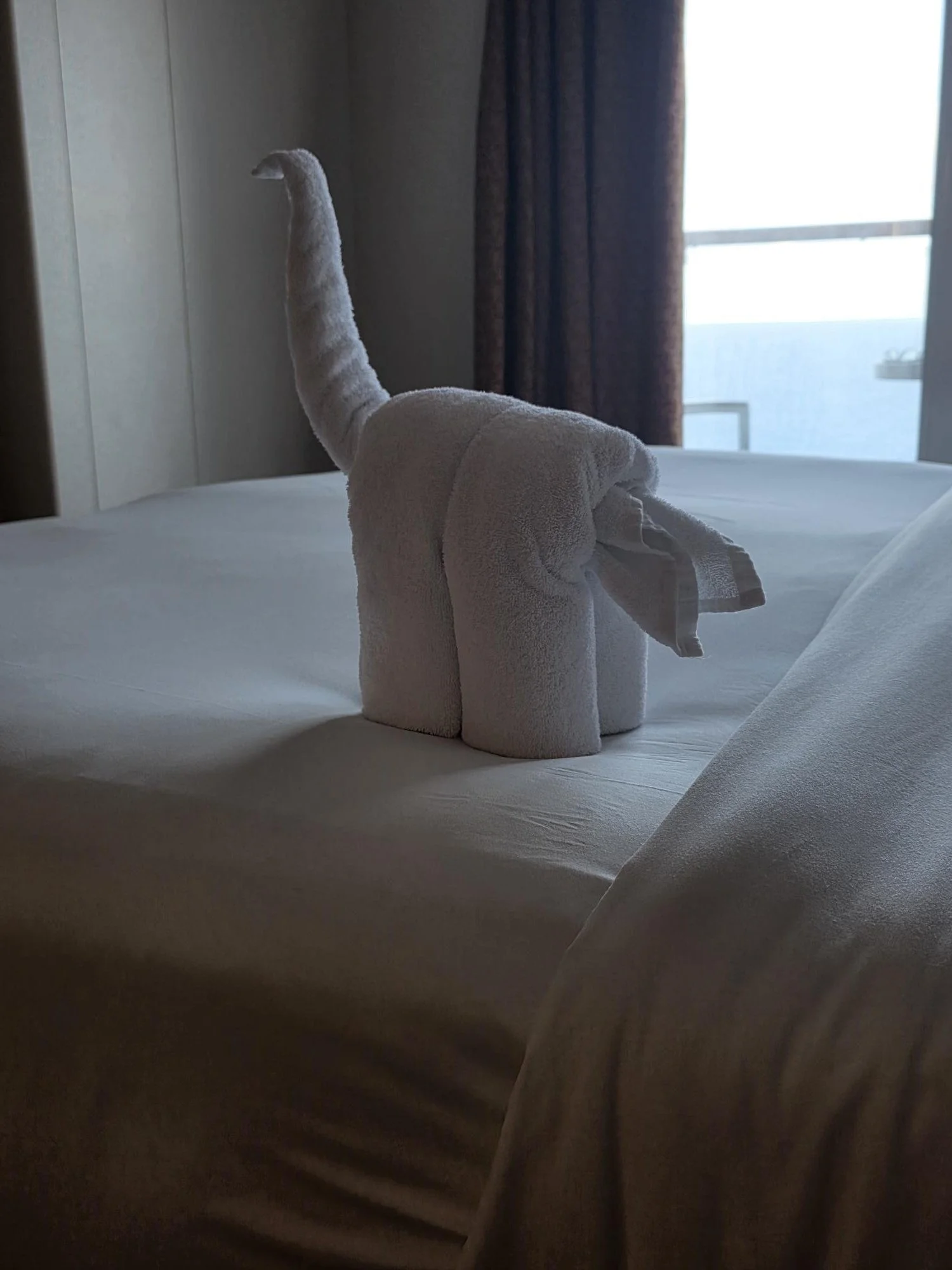
Towel Animals, Halloween, and the People Who Make Cruising Special
It's Day 3 aboard Royal Caribbean's Radiance of the Seas, and I just realized I completely forgot to write about one of my favorite parts of cruising: the towel animals!
How could I forget?
I've made a point of photographing the towel animals that have appeared in my stateroom over the past couple of days, so I figured it was time to give them their own little spotlight.
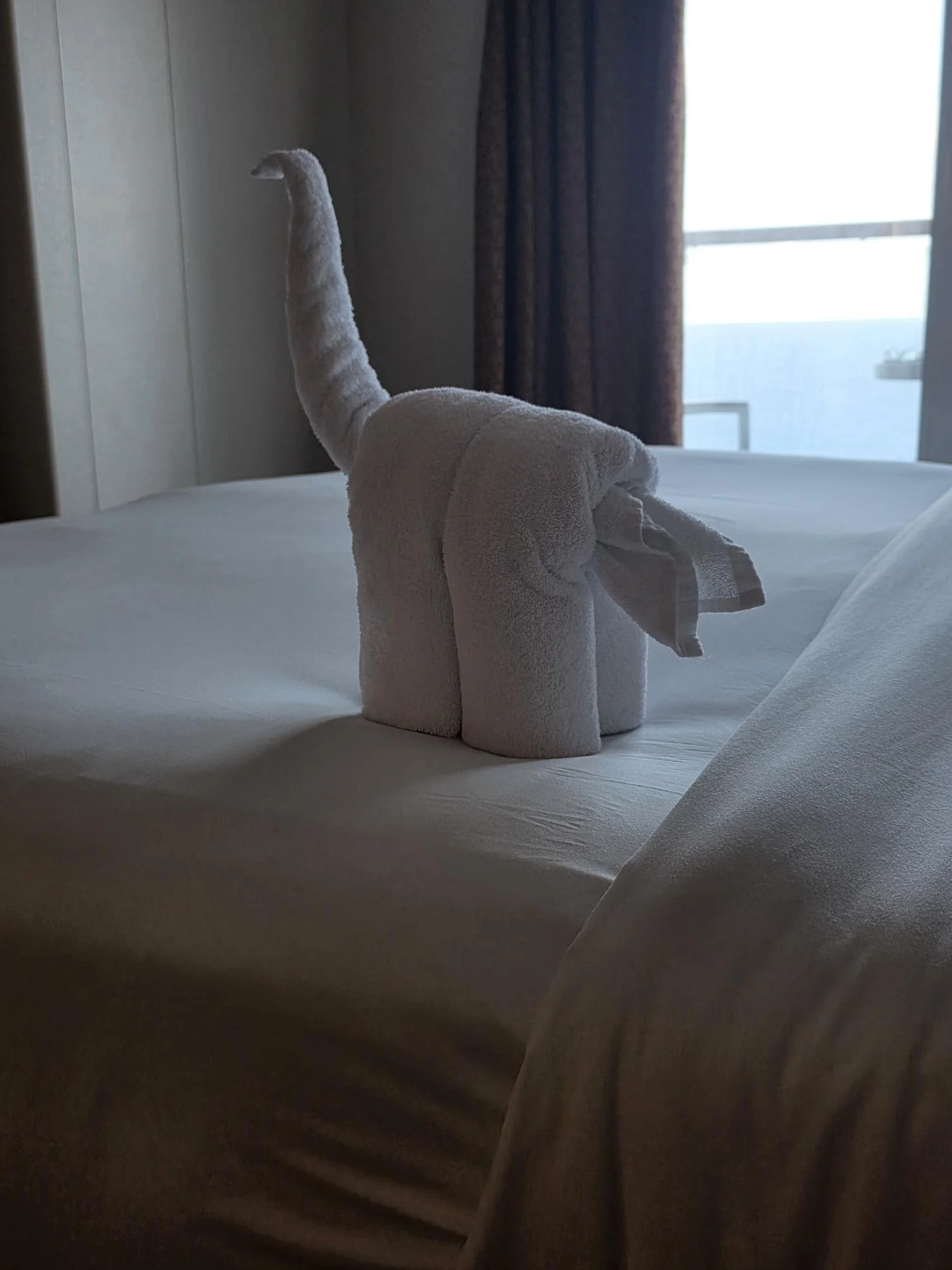
Day 2: A Dinosaur!
The towel animal on Day 2 was a dinosaur. I think it's a T-Rex, though I'm not exactly an expert at identifying towel-based prehistoric creatures.
Either way, it's pretty impressive what someone can create with a couple of towels, some folding, and a little imagination.
Day 3: A Halloween Bat!
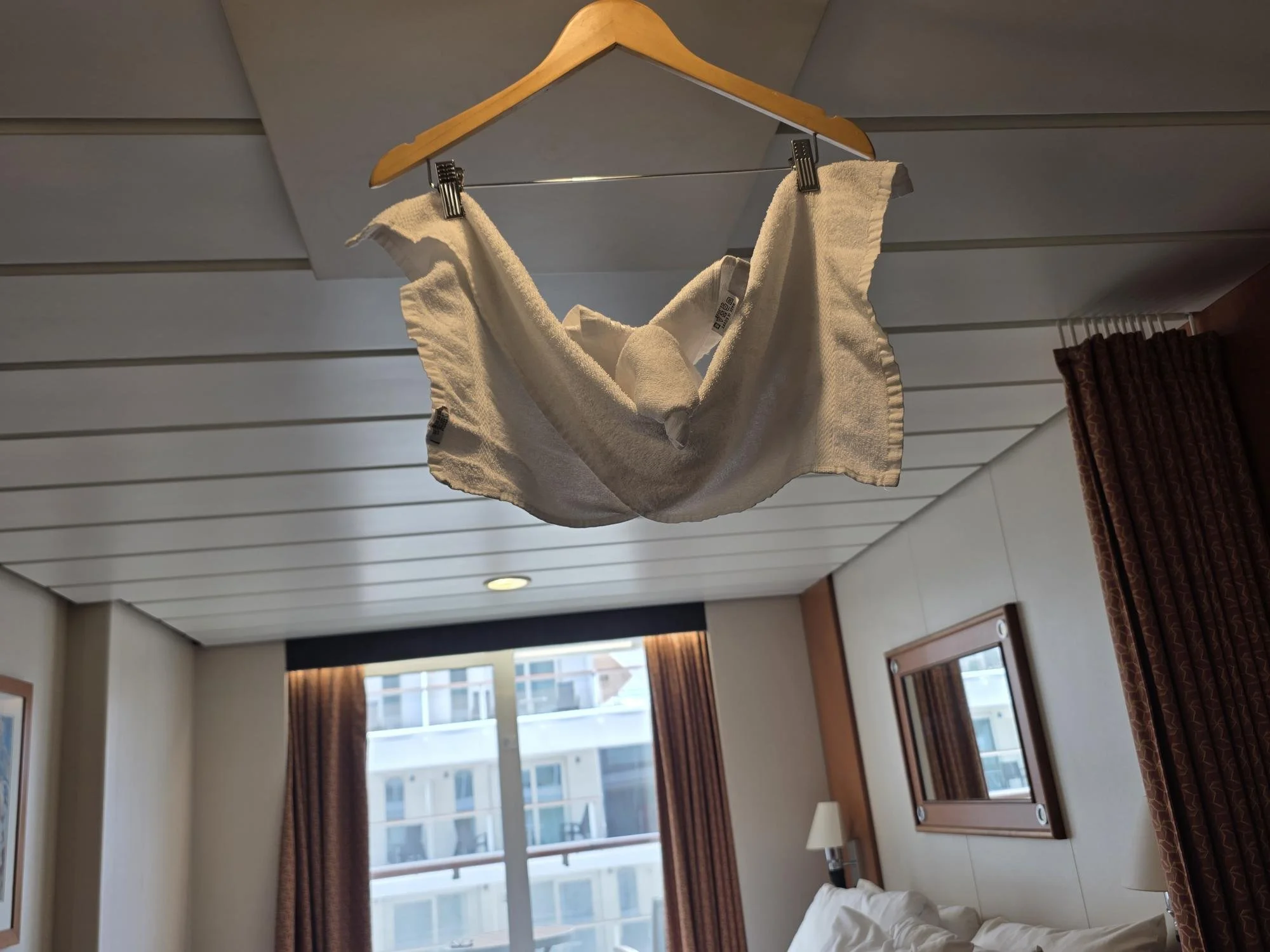
Today's creation was a bat, which I assume was in honor of Halloween, or as I like to call it, Spooky Day!
It's another fun little surprise waiting in the stateroom. You come back from enjoying the ship, exploring, or having dinner, and there's a new creation waiting for you.
I Couldn't Make One If I Tried
Here's the thing: I can barely make a bed. I struggle to color within the lines, and arts and crafts have never exactly been my strong suit.
Royal Caribbean even offers a towel animal folding class. I didn't even attempt it.
Apparently, making these various towel animals is one of the requirements of being a cabin steward. I have a newfound appreciation for that skill. It's one thing to clean and maintain a stateroom; it's another to turn ordinary towels into little works of art.
I think I'll leave that particular talent to the professionals.
A Little Extra Appreciation
These towel animals also reminded me of something else: the people who make a cruise experience special.
I've decided to keep the automatic gratuities in place and also provide additional cash tips.
The staff members I interact with directly deserve that extra appreciation. But so do the people working behind the scenes.
Think about the folks at the buffet, the people constantly cleaning, replenishing food, clearing tables, and making sure everything is ready for the next guest. They may not always get the same face-to-face recognition as the cabin stewards or dining room staff, but their work is just as important.
A cruise ship is a massive operation, and the experience we enjoy depends on thousands of little things happening behind the scenes.
The towel animals are a perfect example. They're not necessary, but they're a thoughtful touch that makes coming back to your room a little more enjoyable.
So, while I may not be able to recreate a T-Rex or a Halloween bat with a couple of bath towels, I can certainly appreciate the people who can.
And I can show that appreciation with a little extra gratitude.
Now, I wonder what Day 4 will bring. Maybe an elephant? A monkey? Whatever it is, you can bet I'll be taking a picture!
Happy Halloween from aboard the Radiance of the Seas!
Day 137: NXDR Falls to $2.24. Is Nextdoor Losing the Trust It Needs to Grow?
Fifteen years in business. New advertising opportunities. Another earnings report approaching. So why is the stock still sliding?

Day 137 of my Nextdoor case study, and NXDR is now trading at $2.24.
Let's recap.
Nextdoor recently celebrated its fifteenth anniversary by ringing the Nasdaq closing bell. The company has announced an expansion of sponsored search advertising, with new categories expected to include health care, pet care, real estate, telecommunications and financial services beginning in January.
The next quarterly earnings report is approaching, and historically I've seen a pattern where NXDR rises shortly before the earnings presentation, holds some of those gains for a day or two, and then retreats.
That's my observation of historical price behavior, not a guarantee of what will happen next.
But this time, something looks different.
With all these announcements and potential new revenue opportunities, why is NXDR trending downward?
I don't know the specific reason. I don't have access to investor trading decisions, and I won't pretend that one LinkedIn post explains the stock price.
But perhaps we should look beyond the earnings calendar and the revenue announcements.
Perhaps we should look at the experience of the people who actually use Nextdoor.
The LinkedIn Post That Caught My Attention
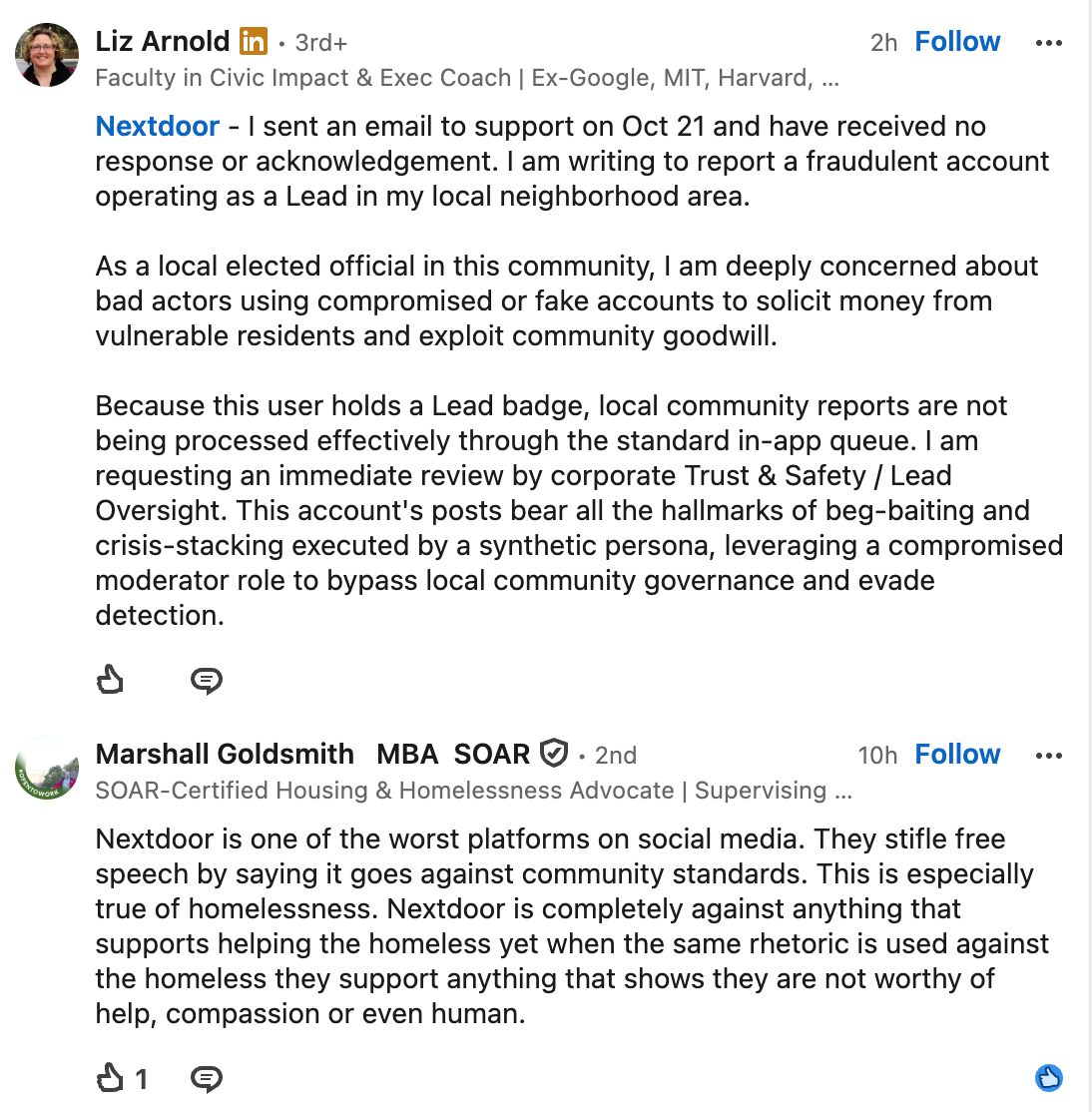
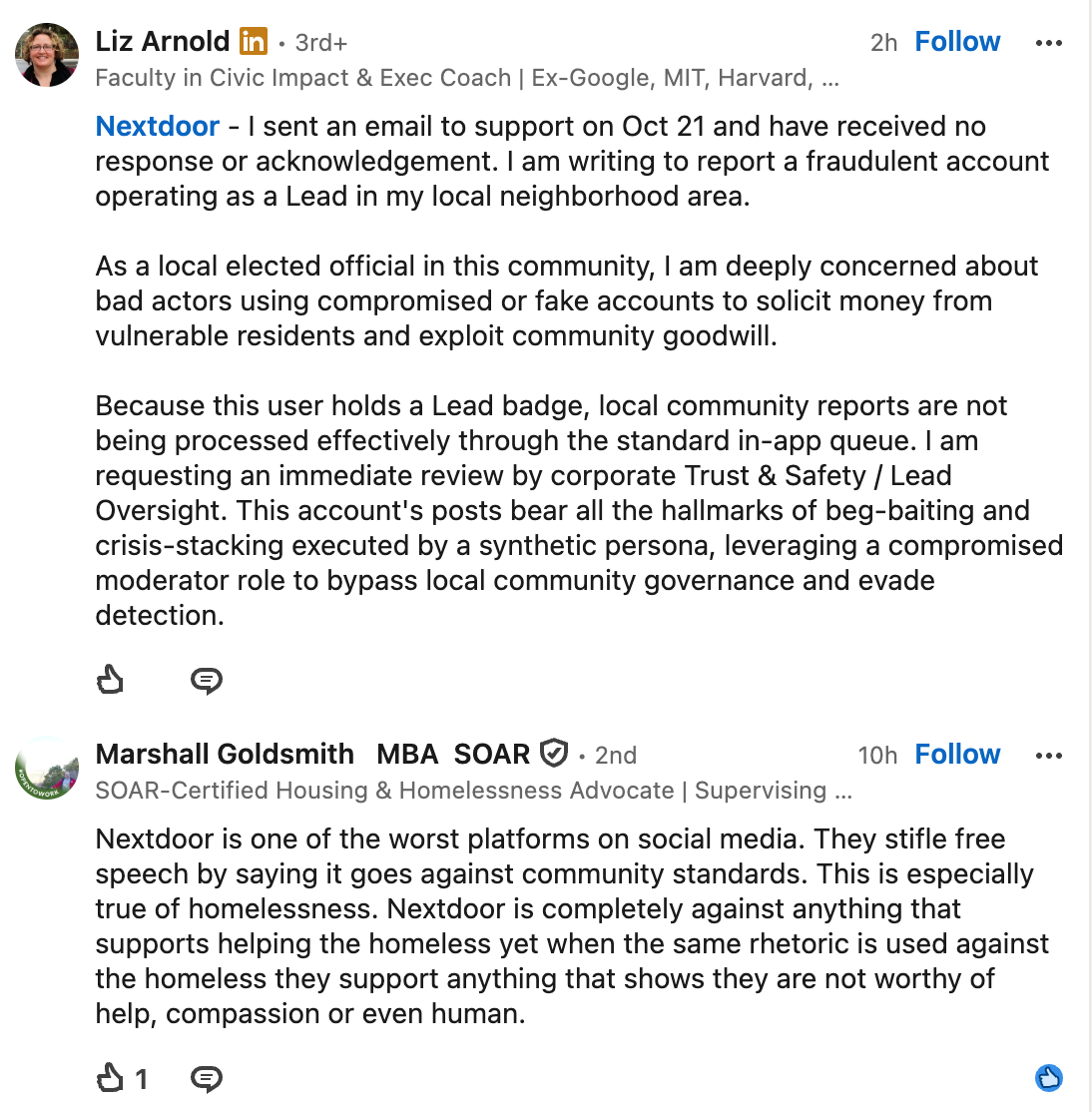
I came across a LinkedIn post by Liz Arnold that deserves attention.
She says she emailed Nextdoor Support on October 21 and received no response or acknowledgment.
Her concern involves an account allegedly operating fraudulently as a Lead in her local neighborhood. She identifies herself as a local elected official and expresses concern that compromised or fake accounts could be used to solicit money from vulnerable residents and exploit community goodwill.
She also raises a particularly important concern: because the account carries a Lead badge, she believes reports about it are not being processed effectively through the standard in-app reporting queue.
She is asking for an immediate review by Nextdoor's corporate Trust and Safety team and the people responsible for Lead oversight.
Let me be clear: these are allegations and concerns expressed in her LinkedIn post. I have not independently verified the account, the alleged fraud, or how her support request was handled.
But the issues she raises are significant.
If an account with a community leadership badge is compromised or being used deceptively, that creates a potential trust and safety problem. If the reporting process isn't working as intended, that creates another.
And if someone reports a potentially fraudulent account and receives no acknowledgment, that creates a customer-service problem.
Those are three issues a platform built around neighborhood trust should want to address.
A Lead Badge Should Come With Responsibility
Nextdoor's Lead program is intended to support community participation and neighborhood governance.
But what happens when a Lead account is compromised, misused, or otherwise becomes part of a dispute?
Is there a separate escalation process for concerns involving Leads?
Does Nextdoor regularly review whether Lead accounts are being used appropriately?
How quickly are reports involving potential fraud investigated?
Can users reach a corporate Trust and Safety team when the standard reporting process isn't working?
Does Nextdoor communicate when a report has been received and reviewed?
A badge creates an expectation.
It signals that the person has a recognized role in the community. If that role is misused, the company needs a reliable way to investigate and respond.
The trust associated with a badge should not make an account immune from scrutiny.
Another Comment Raises Questions About Moderation
The same screenshot includes a comment from Marshall Goldsmith, who describes his frustration with Nextdoor's moderation of discussions involving homelessness.
He alleges that the platform suppresses discussion supporting homeless people while allowing rhetoric directed against them.
That's his experience and interpretation, not something I can independently establish from the screenshot alone.
But it raises another recurring issue in my case study: consistency.
How does Nextdoor distinguish between a discussion that violates its Community Guidelines and one that expresses an unpopular or controversial opinion?
Are similar comments treated consistently?
Can users understand why content was removed?
And when someone believes moderation has been applied unfairly, is there a meaningful appeal process?
These are not new questions. I've been raising concerns about moderation, communication, and accountability for months.
The company needs more than a set of written rules. It needs consistent enforcement and a way to demonstrate that those rules apply fairly.

Nextdoor Wants More Advertising Revenue. What About the Existing Experience?
Let's return to the new sponsored-search opportunity.
Nextdoor wants to expand advertising into categories such as health care, pet care, real estate, telecommunications, and financial services.
That makes commercial sense. Someone searching for a veterinarian or financial service may have a specific need and be ready to consider a provider.
Advertisers want access to those high-intent moments.
But here's the problem I keep seeing:
Nextdoor is developing new ways to monetize the community while people still question the basic experience of using the platform.
More advertising opportunities don't automatically create more trust.
More revenue categories don't automatically produce better moderation.
And a larger advertising business doesn't automatically mean that users and small businesses are getting a fair value exchange.
The platform needs to get the fundamentals right.
The Gap Between Promise and Execution
Nextdoor's promise centers on connecting neighbors and building stronger communities.
That's a compelling idea.
But the experience has to support the promise.
Consider the issues that keep appearing in my case study:
For users:
Unclear or inconsistent moderation decisions.
Difficulty getting meaningful responses from Support.
Concerns about account security and impersonation.
Questions about how user-generated content is commercialized.
Limited visibility into how complaints are investigated.
For community leaders and moderators:
Questions about training and oversight.
Potential conflicts of interest.
Concerns about the misuse of moderation privileges.
Questions about the protection of nonpublic information.
For small businesses:
Questions about the return on advertising spending.
The growing commercialization of neighborhood recommendations.
Whether businesses of different sizes can access meaningful value.
For investors:
The need for sustainable revenue growth.
The path to consistent profitability.
The ability to retain users and advertisers.
Long-term shareholder value.
These are not all proven failures, and I recognize that Nextdoor has made progress in some areas. But they are recurring questions that deserve answers.

Why Is NXDR at $2.24?
That's the question investors may be asking as earnings approach.
Nextdoor has a new advertising opportunity. It has celebrated fifteen years in business. It has been promoting its neighborhood network and its commercial potential.
Yet the stock is at $2.24.
Multiple factors could explain the decline: broader market conditions, investor expectations, trading activity, company-specific concerns, or something else entirely.
I won't attribute the decline to the LinkedIn post, my case study, or any single issue without evidence.
But I do believe that a company's reputation, user experience, and ability to execute matter to its long-term prospects.
Investors aren't just buying a quarterly revenue number. They're evaluating the business they believe will exist several years from now.
And a business that depends on community trust should take reports of potential fraud, weak support, and inconsistent moderation seriously.
Day 137: Stop Adding New Features Until the Fundamentals Work
Nirav Tolia and the Nextdoor team have spent considerable time promoting new products, advertising opportunities and the company's fifteen-year history.
Those things have their place.
But I would like to see the same energy directed toward fixing the experience that users, community leaders, and small businesses encounter every day.
When someone reports a potentially fraudulent account, acknowledge the report.
When someone raises concerns about a Lead account, make sure the escalation process works.
When people question moderation decisions, provide a meaningful explanation.
When users raise concerns about privacy and nonpublic information, explain the safeguards.
And when people ask legitimate questions about the company, establish a process that brings those questions to resolution.
You cannot build a stronger commercial business on top of a community experience that people don't trust.
Perhaps the market is seeing something that isn't reflected in the anniversary photographs or the latest product announcements.
Perhaps investors want to see execution.
Perhaps users want to see accountability.
Perhaps small businesses want to see measurable value.
I don't know why NXDR is down to $2.24. But I do know that the questions about Nextdoor's underlying experience haven't disappeared.
Fifteen years is a significant milestone.
Now it's time to demonstrate that the company can deliver on the promise.
👉 Follow my continuing Nextdoor case study at NielFlamm.com/blog.