
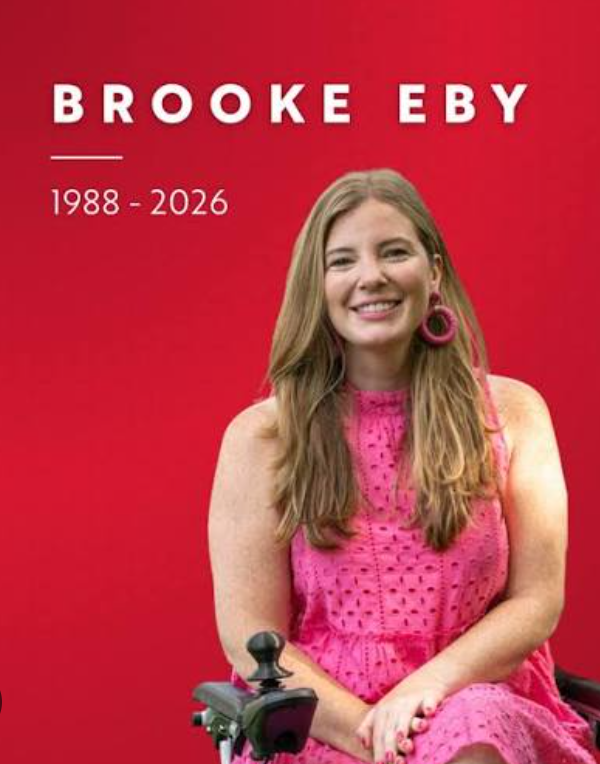
Godspeed, Brooke Eby: A Spirit ALS Couldn’t Take
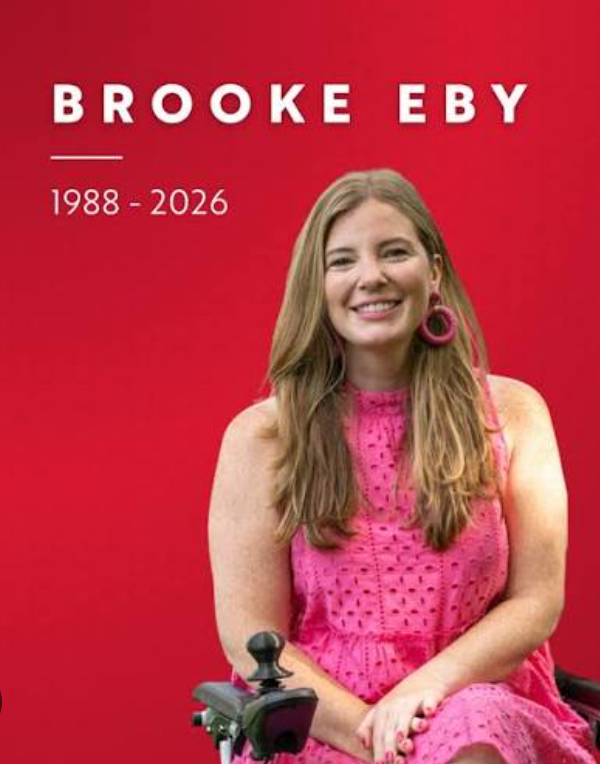
Today I learned that Brooke Eby died after her long journey with ALS, amyotrophic lateral sclerosis, commonly known as Lou Gehrig’s disease. She was only 37 years old. Brooke was diagnosed in 2022 after experiencing symptoms for years, and she eventually became an extraordinary advocate for people living with ALS. People.com
I didn't know Brooke personally.
But I felt like I knew a small piece of her because she was willing to let people like me into her life.
I came across Brooke through her social media posts under the name @LimpBroozkit. By the time I started following her, she was already using a wheelchair. I started watching her short videos, then went back, catching up on the journey that brought her there.
And I kept watching.
What ALS Takes Away
ALS is a progressive neurodegenerative disease that attacks the motor neurons in the brain and spinal cord—the nerve cells that control voluntary muscles.
As those motor neurons deteriorate and die, the brain gradually loses its ability to communicate with the muscles.
The muscles weaken. They atrophy. Movement becomes increasingly difficult.
Over time, ALS can take away a person's ability to walk, use their arms and hands, speak, swallow, eat, and eventually breathe independently. There is currently no cure that stops its progression. ALS Association
One of the things that makes ALS particularly cruel is that the beginning may not look like what most of us imagine a devastating neurological disease would look like. Early symptoms can include tripping, difficulty walking, dropping things, muscle cramps or twitching, weakness in an arm or leg, or changes in speech. ALS Association
Brooke's story made that real to me.
She talked openly about the symptoms that eventually led to her diagnosis—things that, had they happened to me, I don't know that I would immediately have connected with something as serious as ALS.
Then I watched what happened afterward.
The Wedding Story I Never Forgot
One of Brooke's stories especially resonated with me.
She talked about going to a wedding while struggling with everything that was happening to her body. She had to wear sneakers. She felt self-conscious. She wanted to leave the reception early.
A friend followed her.
Instead of letting Brooke disappear from the celebration, her friend encouraged her to stay.
Eventually, Brooke's walker became part of the party. People incorporated it into a makeshift limbo line.
Something that could have represented everything she was losing became, at least for that moment, part of the fun.
I understood that story in a way I wish I didn't.
After my amputation, I became incredibly self-conscious. There was depression. There was grief. There was sadness. I realized the body I had lived in for decades had permanently changed.
And I had to figure out how I was going to live in that changed body.
That's one reason Brooke's approach stayed with me.
She wasn't pretending ALS wasn't horrible.
She wasn't pretending she wasn't losing things.
She found a way to talk about those losses with humor, vulnerability, and transparency.
Then I Watched ALS Take More
During the last month or so, I noticed the changes becoming much more apparent.
Brooke needed a lift to transfer in and out of her wheelchair.
She was beginning to set up an eye-gaze communication system.
When she told stories, the animated movements of her arms and hands that had once accompanied her words were no longer there.
ALS kept taking.
Mobility.
Independence.
Movement.
Eventually, even speaking and swallowing became increasingly difficult. TMZ
But there was something ALS never seemed able to take.
Brooke.
Her personality was still there.
Her humor was still there.
Her willingness to tell the truth was still there.
Her desire to educate people was still there.
She didn't allow ALS to define her spirit.
A Quarter as Hard
I live with my own health challenges.
They aren't ALS, and I won't pretend they're comparable.
But watching Brooke changed how I think about living inside a body that doesn't always cooperate with the plans I have for it.
I've written openly about dialysis, kidney disease, losing my leg, prosthetics, surgeries, recovery, and all the strange little indignities that come along for the ride.
Sometimes I make jokes about them.
Sometimes I'm angry.
Sometimes I'm scared.
Sometimes I'm simply tired of dealing with it all.
And that's why Brooke's example meant something to me.
She showed that humor doesn't mean something isn't serious.
Being vulnerable doesn't mean being weak.
And acknowledging what a disease has taken doesn't require surrendering everything it hasn't.
I hope that whatever comes next in my own journey, I continue to fight even a quarter as hard to keep my spirit up as Brooke did throughout hers.
She deserved more time.
She deserved a different ending.
But in the time she had, Brooke made people laugh. She educated hundreds of thousands of people about a disease many of us knew little about. She created a community for people living with ALS and helped others feel less alone. The MoCo Show
And she made people like me stop scrolling long enough to think differently about our own lives.
I never met Brooke Eby.
I'm grateful she chose to share herself with the rest of us.
Godspeed, Brooke.
ALS took your body piece by piece. It never took your spirit.
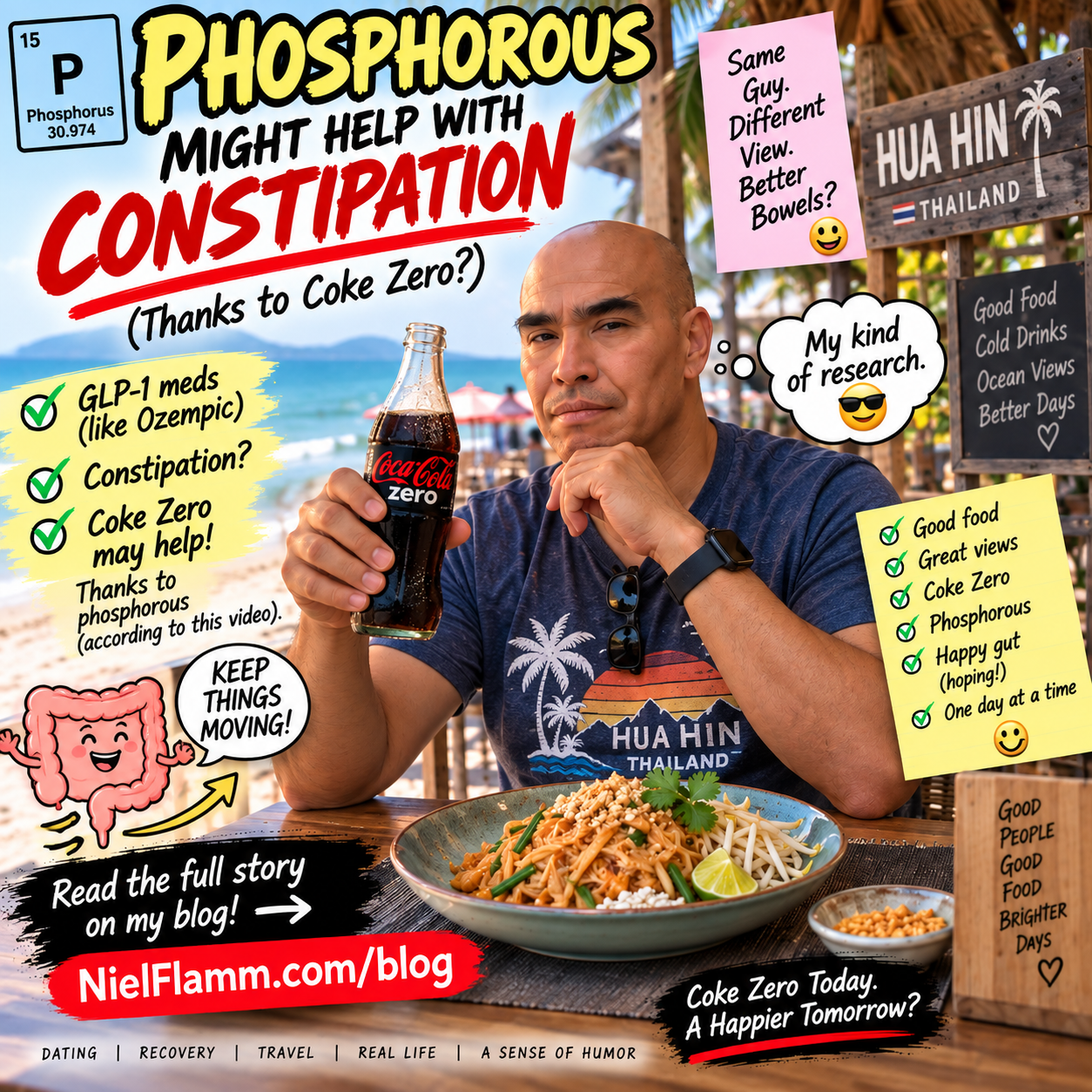
Wait… Coke Zero Is Health Food Now?
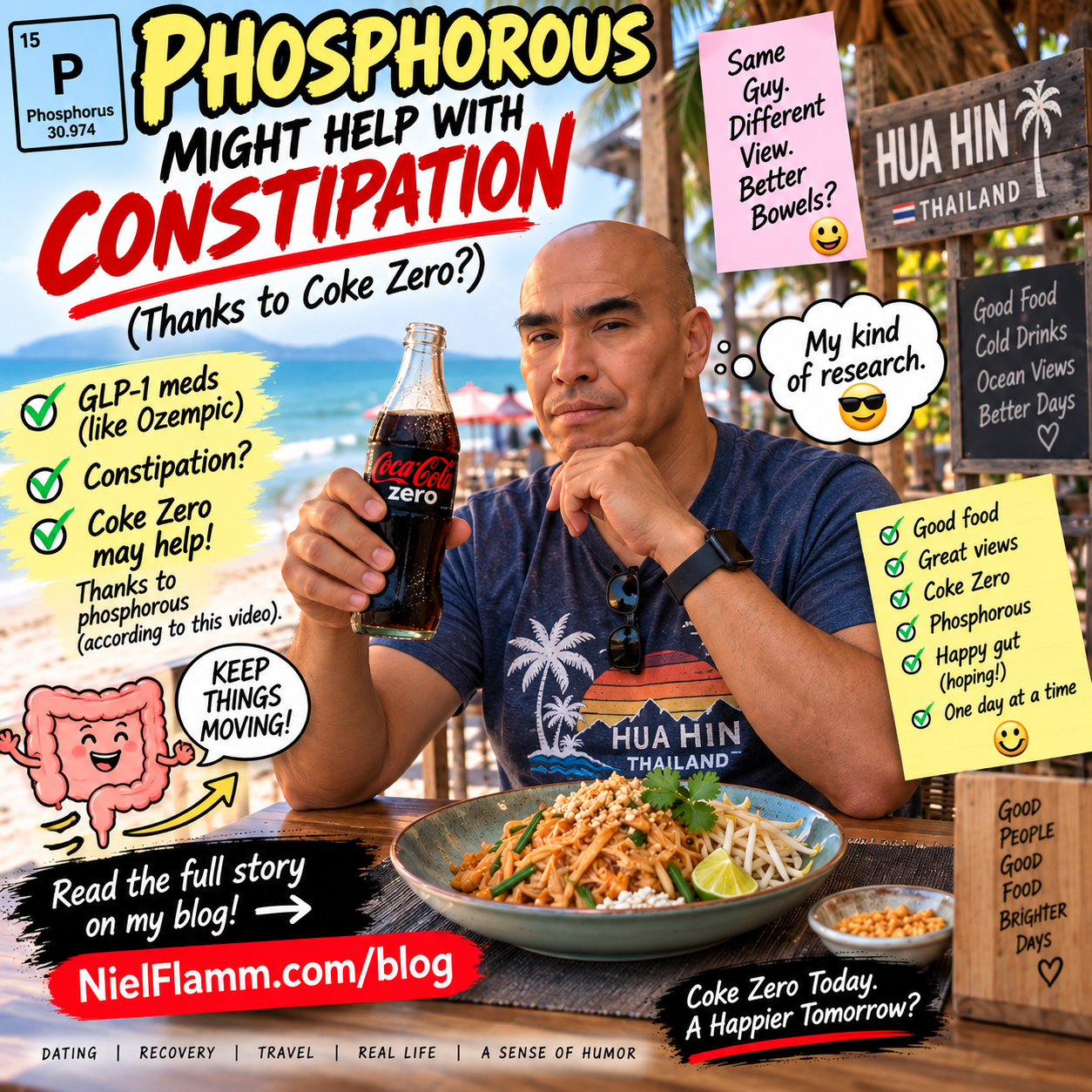
I recently came across a Facebook video with what might be the best medical advice I’ve ever heard.
The video says one way to help with constipation from GLP-1 medications is to drink Coke Zero, and the nutritionist attributes the effect to phosphorus.
My immediate reaction:
FANTASTIC!
Finally, something I’ve been training for my entire life.
Coke Zero is already one of my staple foods. I take Ozempic, and constipation can be one of the side effects.
So when somebody tells me my Coke Zero habit might actually have a purpose, naturally I'm thinking:
Doctor, should I increase my prescription from Large to Extra Large?
And somewhere at Coca-Cola headquarters, an executive just felt a disturbance in the Force.
There Is One Tiny Problem…
I couldn't independently verify the video's claim that the phosphorus in Coke Zero is an established treatment for GLP-1 constipation.
So, sadly, I'm not declaring Coke Zero a medication.
I'm merely saying that if future scientific research concludes that it is...
I was an early adopter.
And yes, before anyone reminds me about phosphorus and kidney disease—thank you for the reminder.
With my kidney situation, I already have to pay attention to phosphorus. I use a phosphate binder to hopefully help keep my phosphorus levels in line.
So this is definitely not me recommending that anyone start pounding Coke Zero as a medical treatment.
This is me discovering a video that seemingly gave my existing Coke Zero habit a scientific-sounding excuse and thinking:
FINALLY. MY MOMENT HAS ARRIVED.
Until then, I'll continue enjoying Coke Zero for the same reason I always have:
I just really like Coke Zero.
And if my consumption happens to help The Coca-Cola Company stock along the way?
You're welcome, shareholders.
I'm doing my part. One bottle at a time. 😂🥤
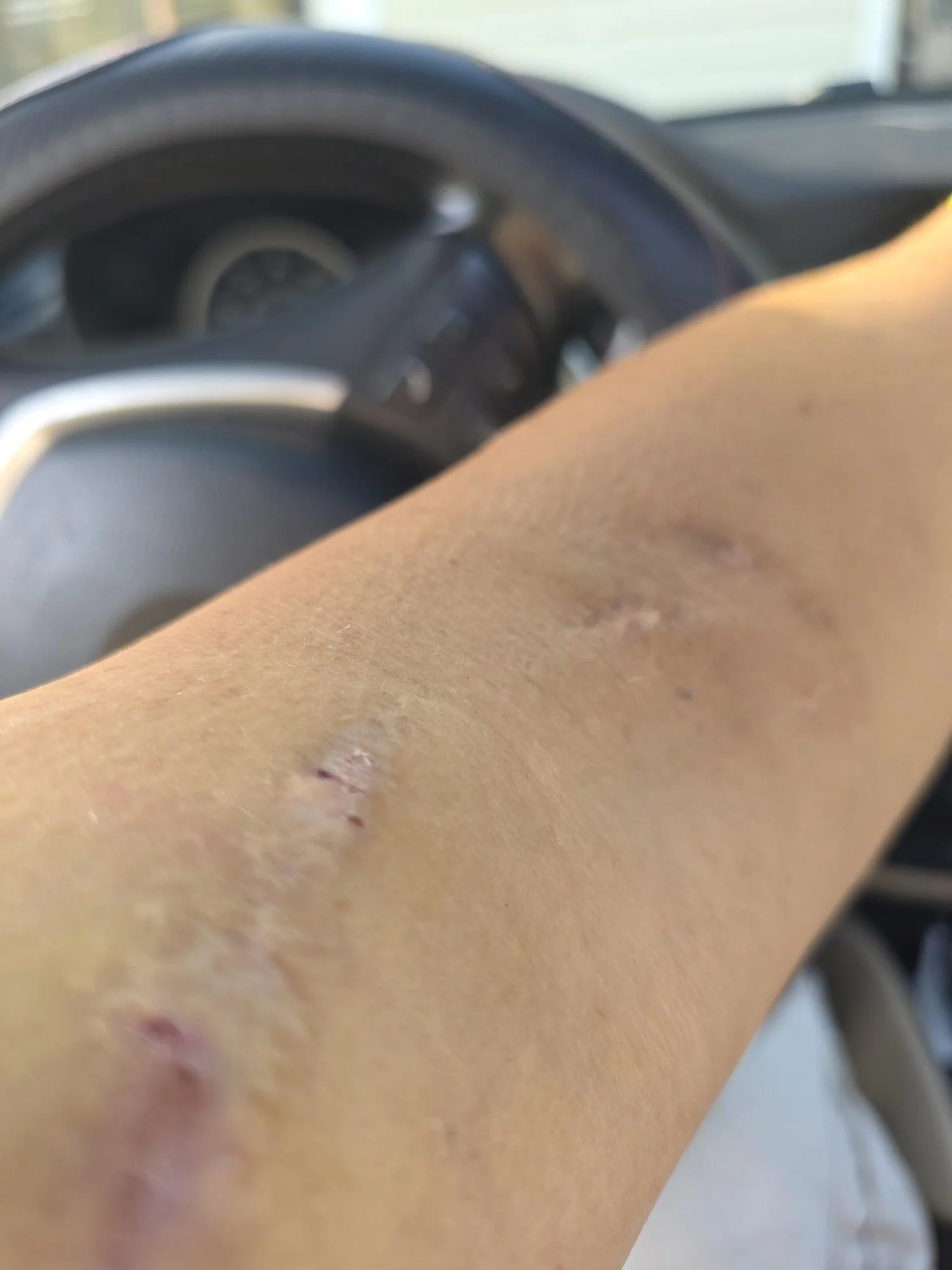
Fistulagram #4: The Balloon Ride Nobody Asks For
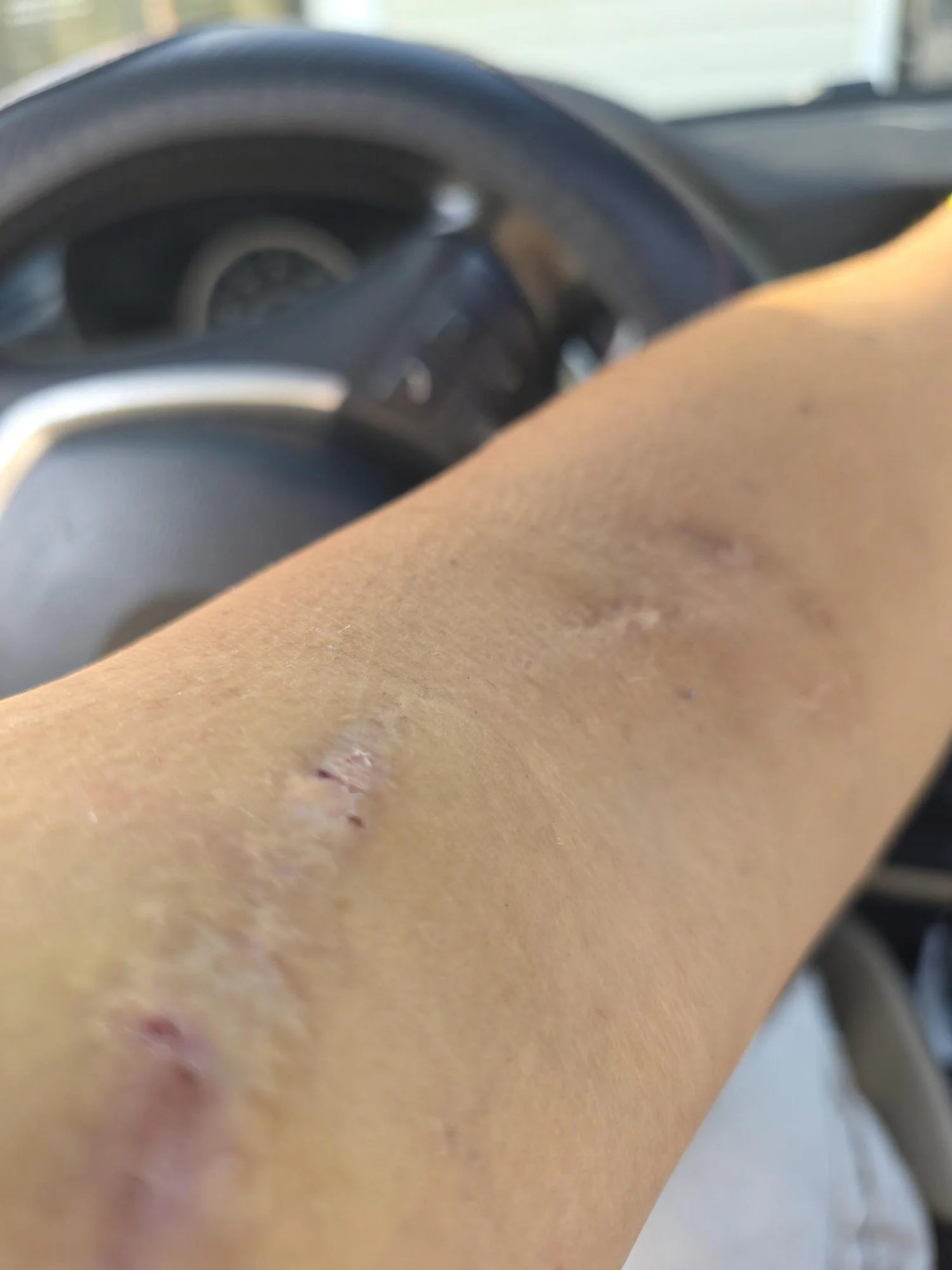
Tomorrow morning, Tuesday, September 8th, I get to experience something that has become a recurring event in my dialysis journey:
Fistulagram #4.
If you’ve never heard of a fistulagram, you’re not alone. It’s a procedure where a doctor injects contrast dye into your dialysis access (my AV graft), takes X-ray images to see how blood is flowing, and if they find a narrowing, they inflate a tiny balloon inside the blood vessel to open it back up.
Think of it as calling Roto-Rooter… but for your bloodstream.
The goal is simple: improve blood flow so dialysis can do a better job cleaning my blood three times a week.
Now here’s the part that usually gets people’s attention…
I don’t use anesthesia.
I don’t take pain medication.
Why?
Because I want to drive myself home afterward and get on with my day.
That doesn’t mean you don’t feel anything.
When they inflate that balloon…
Oh, I know it’s there.
You can actually feel the pressure as it expands inside your arm. It’s one of the strangest sensations I’ve ever experienced. It isn’t unbearable, but it’s definitely one of those moments where you think:
“Yep… that’s happening inside my arm.”
My instructions are the usual pre-procedure fun:
🚫 No food after midnight.
🚫 No drinking after midnight.
⏰ Arrive at the hospital at 6:30 AM for a 7:30 AM procedure.
🩺 About 30 minutes for the procedure itself.
⏳ Another 30 minutes getting prepped and recovering before heading home.
And yes…
If I accidentally eat after midnight…
I’ll turn into a Gremlin.
(Okay, maybe not medically accurate… but it makes following the instructions a little more entertaining.)
Hopefully this will improve the flow through my graft and make dialysis treatments run more efficiently.
I’ll let everyone know tomorrow how Fistulagram #4 goes. Hopefully the balloon and I will continue our strange little friendship… and hopefully it’ll be a while before we’re reunited again.
Hospital Coffee: Apparently It’s Not Just for Drinking
Unfortunately, my mother is back in the hospital. She’s been there since last Sunday, but thankfully, she’s doing a little better every day.
Today I walked into her room and immediately smelled coffee.
Not just coffee—the room smelled like somebody had opened a tiny artisanal café next to her hospital bed.
So naturally, I asked her:
“Did you get coffee?”
“No.”
Okay…
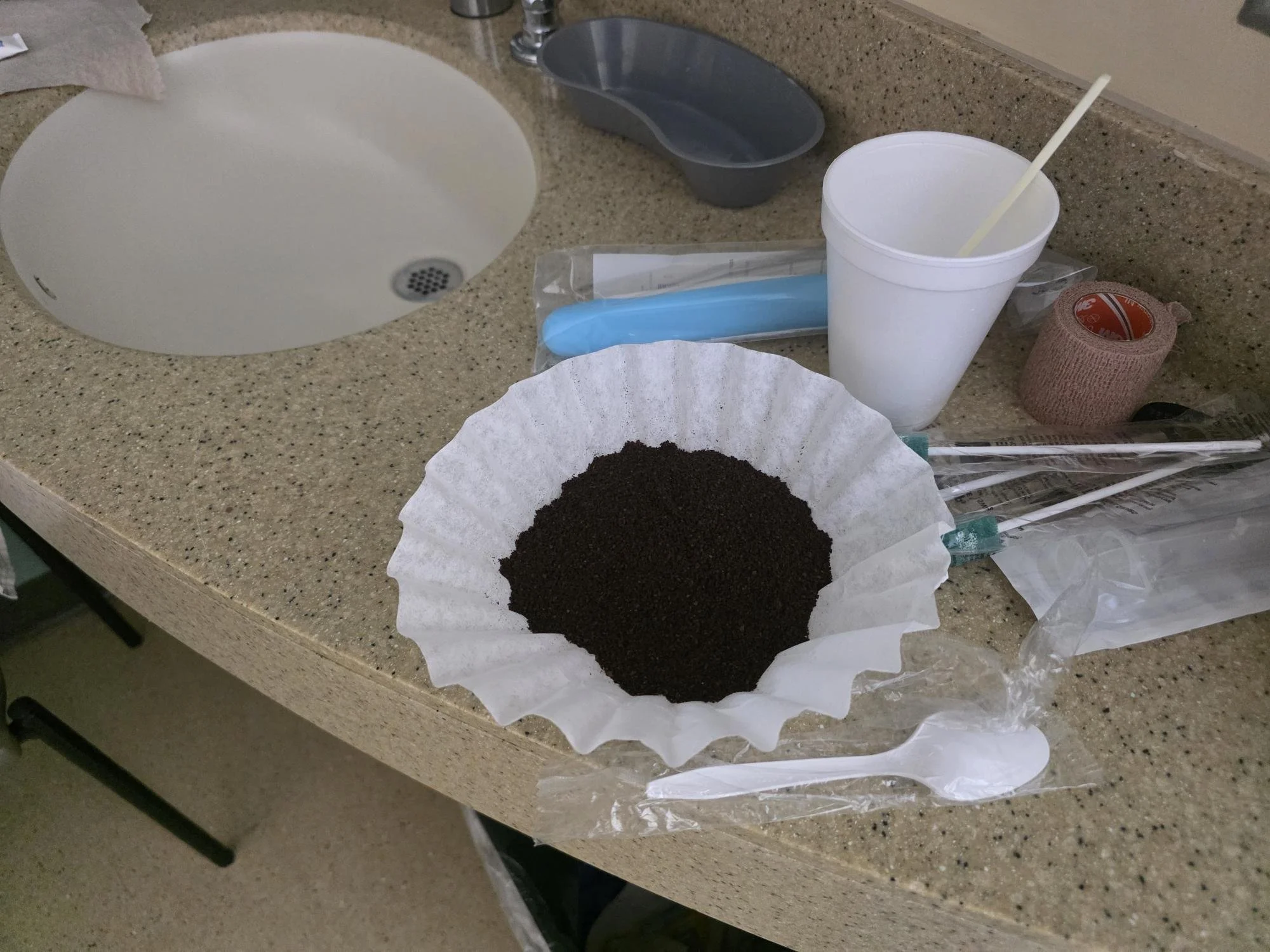
Then I spotted this.
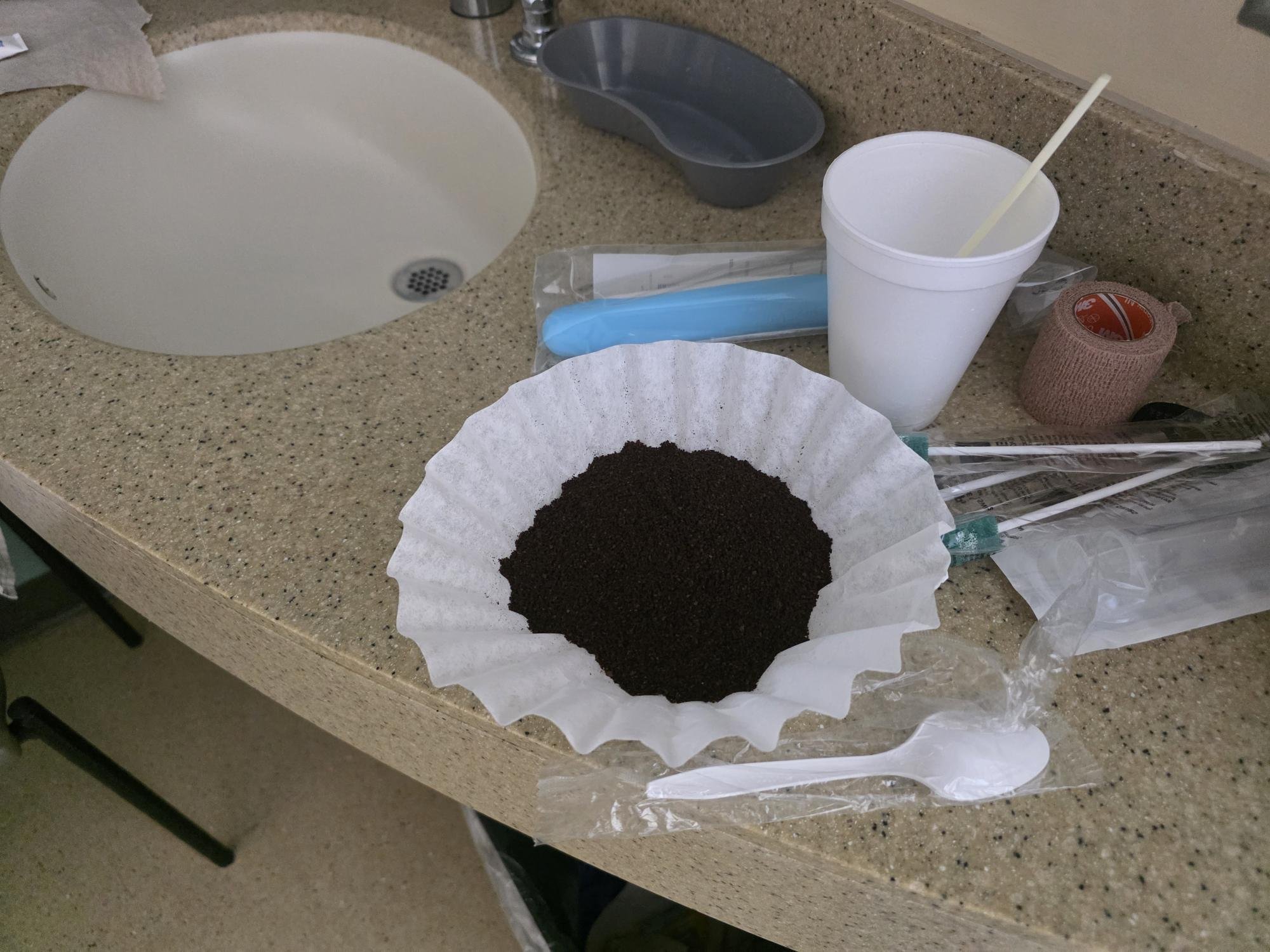
A coffee filter filled with a giant pile of dry ground coffee sitting on the counter.
Apparently, this is hospital-grade Febreze.
And I’ve actually seen hospitals do this before. Instead of spraying a bunch of chemical air fresheners around patients, they use coffee grounds to help fight unpleasant odors.
And considering some of the things that can happen in a hospital room…
that coffee has a very important job.
Forget Starbucks.
This is Stinkbucks.
☕ No espresso machine.
☕ No steamed milk.
☕ No $7 caramel macchiato.
☕ Just a mountain of Folgers standing between you and whatever happened five minutes ago.
And really, hospitals could probably make this even cheaper.
Go to Costco. Buy the biggest, cheapest can of ground coffee available. You don't even need actual coffee filters. Throw some grounds on a couple of paper towels and suddenly:
Room 312 has notes of Colombian roast with subtle undertones of “we're not going to discuss what happened in here.”
It works.
Instead of walking into a hospital room and immediately thinking, “Dear God, what IS that smell?”
I walk in thinking:
“Ooooooh… is there a coffee shop nearby?”
There isn't.
That's just the hospital fighting stink with breakfast.
And now I have a completely different concern:
If I stay here long enough smelling coffee…
someone better bring me a donut. 🍩☕😂
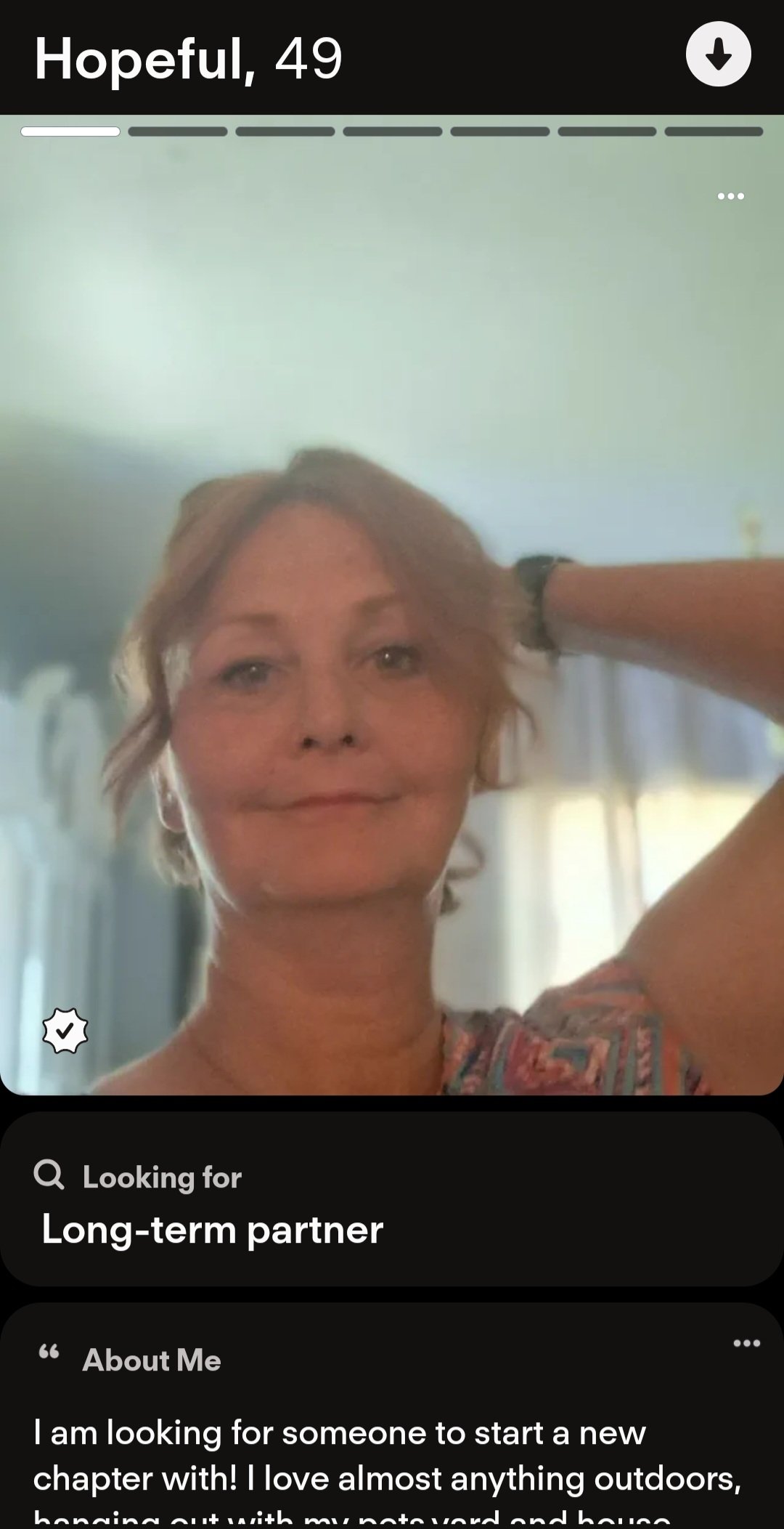
I Thought I Was Supposed to Be My True Self? Another Adventure on The Tinder
After approximately 2 billion swipes left (nope) and right (why not?), I finally got another match on the Tinder.
Her profile name?
"Hopeful."
Well, that's already one more hopeful person than I expected to find on the Tinder.
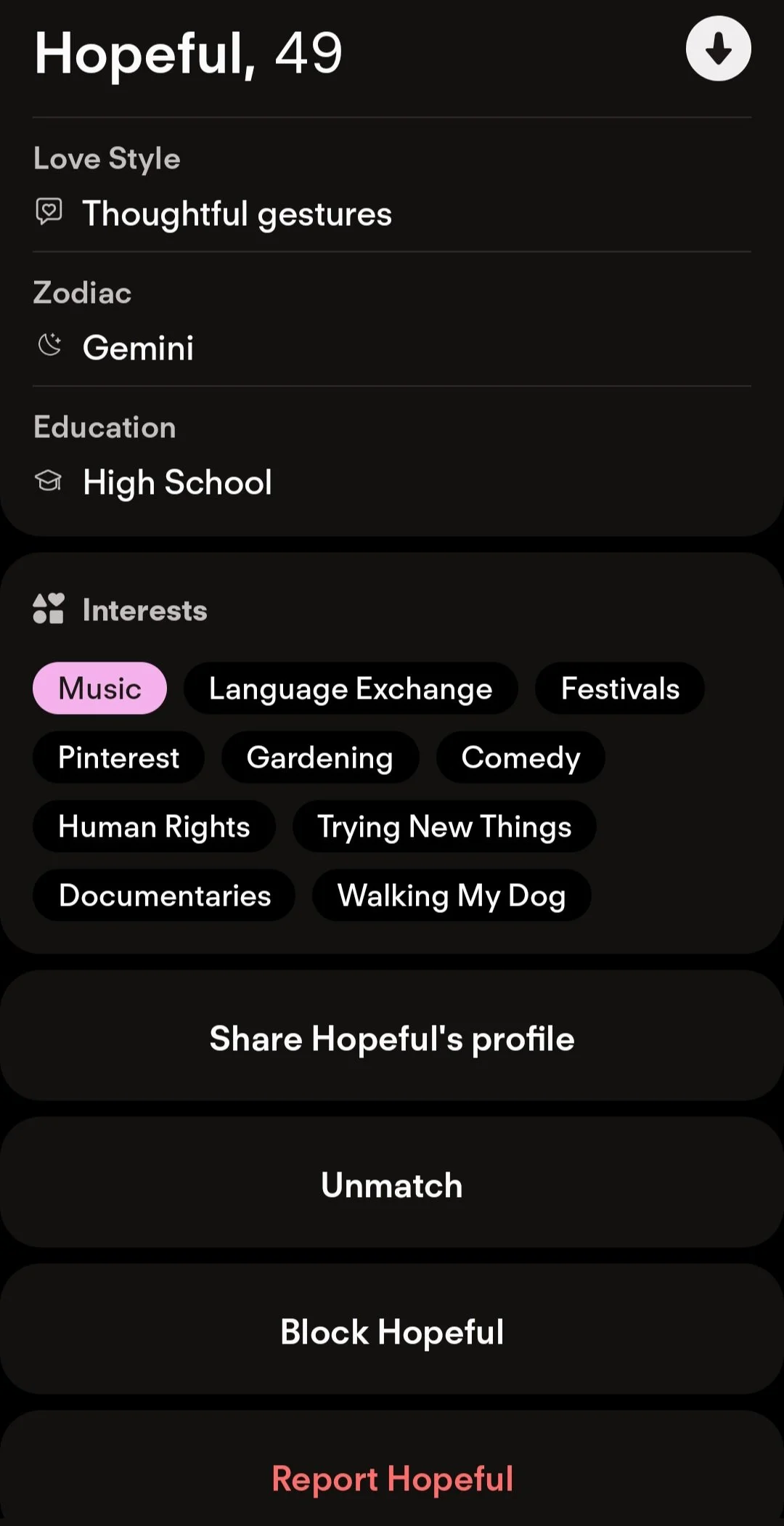
Hopeful is a straight, 5'8" woman who describes herself as:
"Down to earth, laid back woman that is looking for something real..."
Excellent.
She also wants:
"Someone that can be just there true self, no lies, no games no drama just your true self no matter what and I will be the same!"
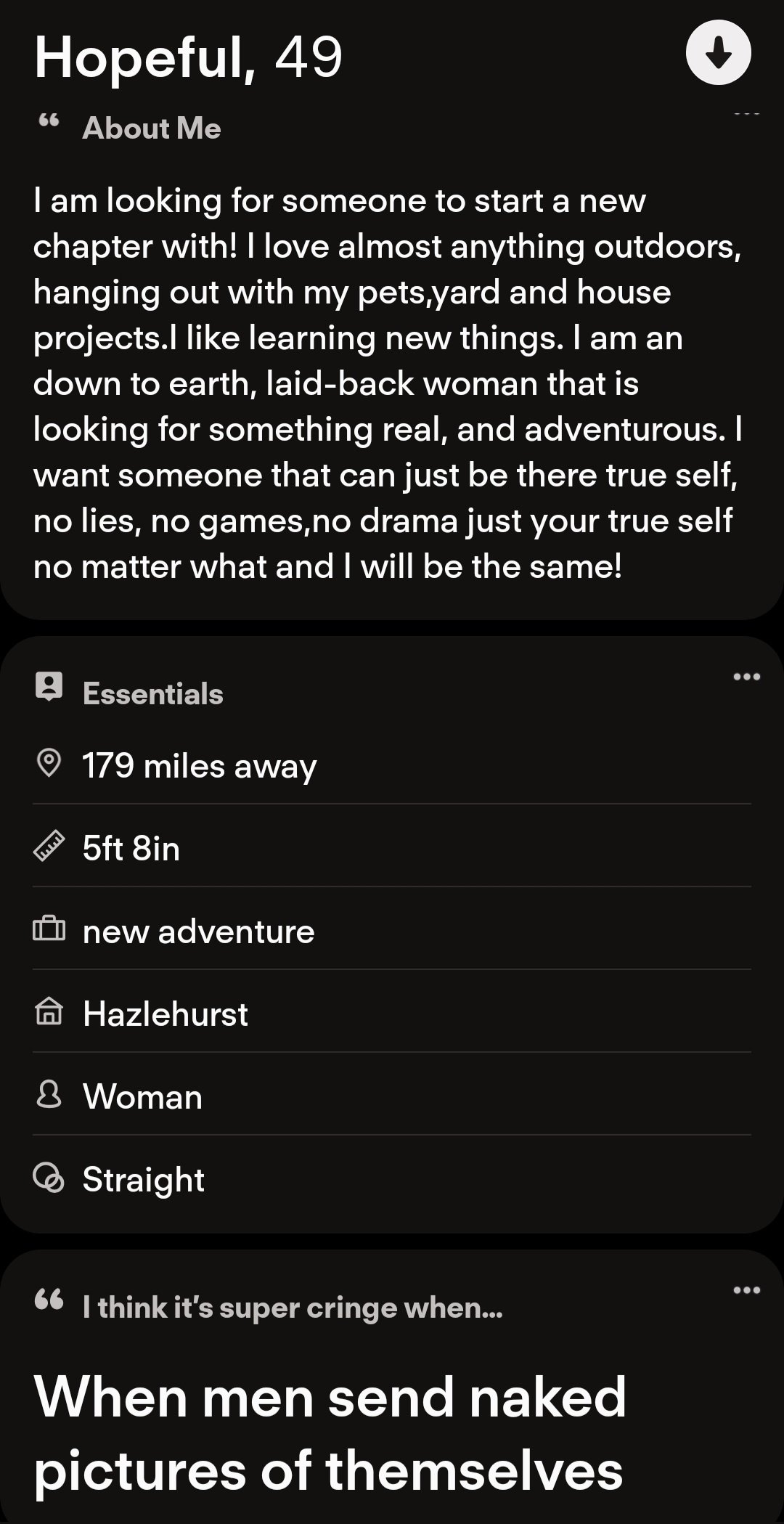
First, I believe we're looking for their true self.
But this is the Tinder, not the SATs. I'm not grading anyone.
More importantly:
Great! Imma be my true self.
Because I don't know how to be Matt Damon.
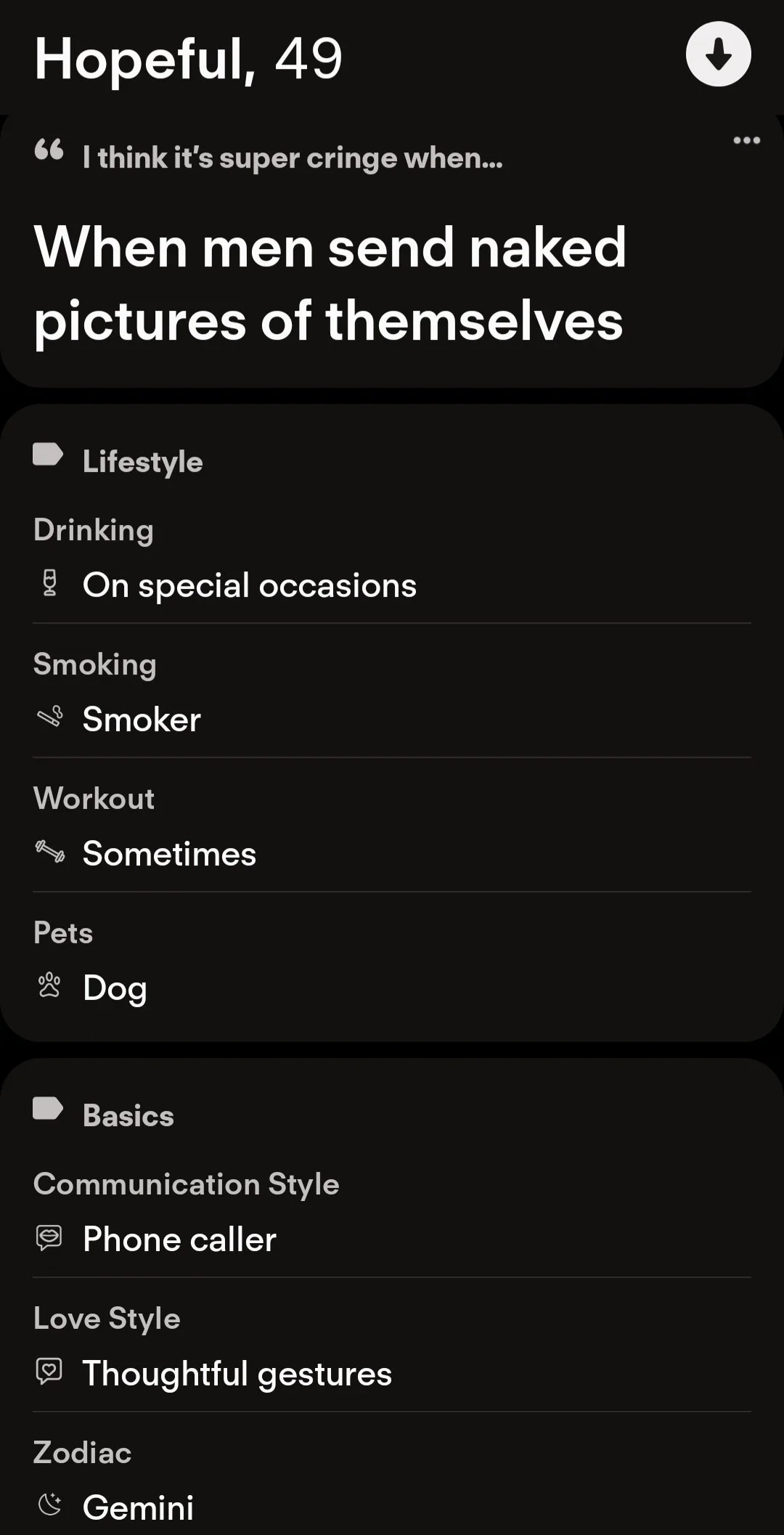
Her profile also provides some important intelligence. She doesn't like receiving nude selfies—which seems like an extremely reasonable policy—works out sometimes, smokes, which I don't, and drinks on special occasions.
Fine.
So I start the conversation:
"Good evening, Hopeful!"
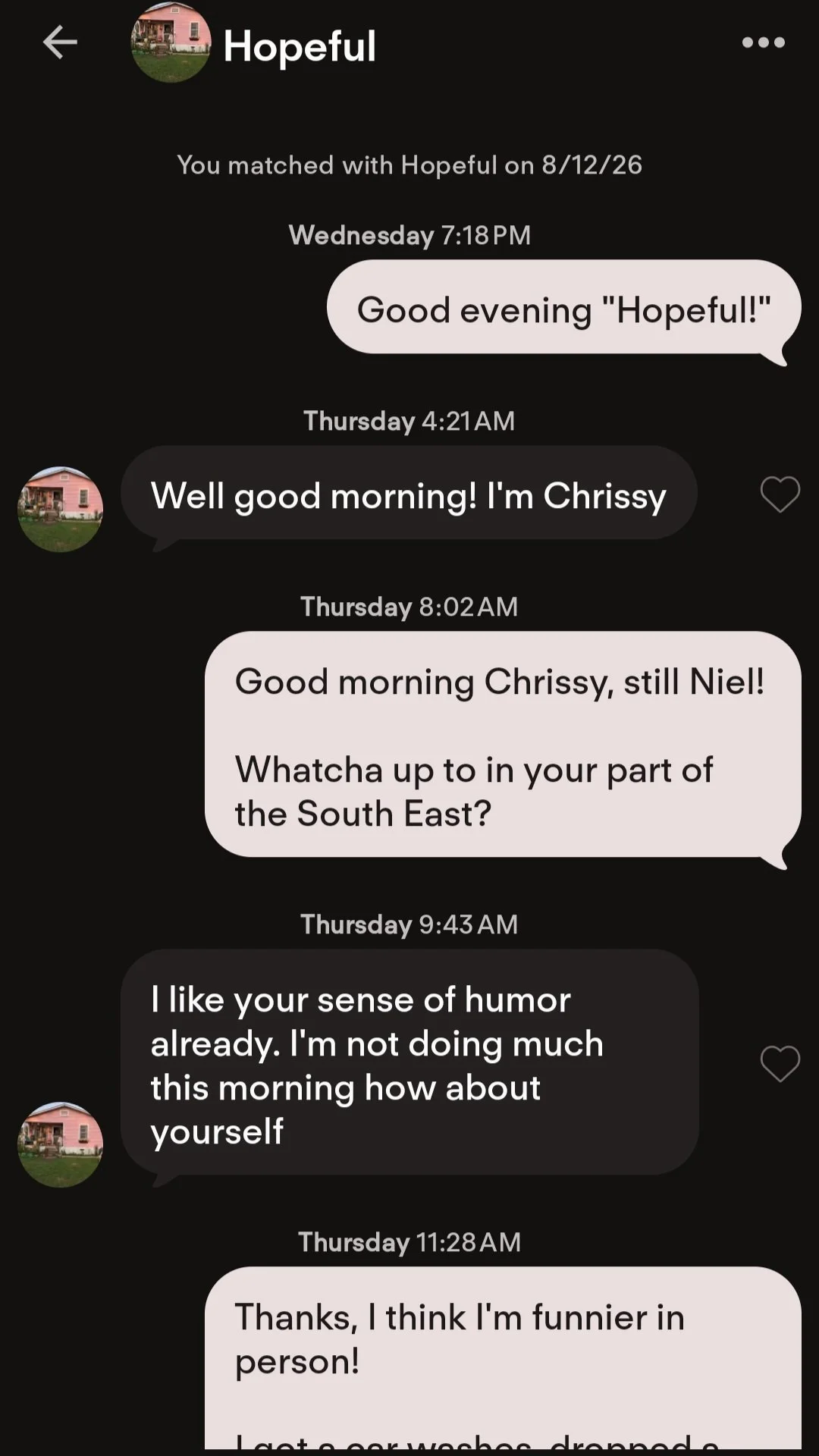
I had a sneaking suspicion her parents didn't look at their newborn daughter and say, "She's beautiful. Let's name her Hopeful."
Turns out I was correct.
Her name is Chrissy.
We start chatting. I throw in some humor. She seems to like it.
Excellent.
I tell her that I think I'm actually funnier in person.
Also excellent.
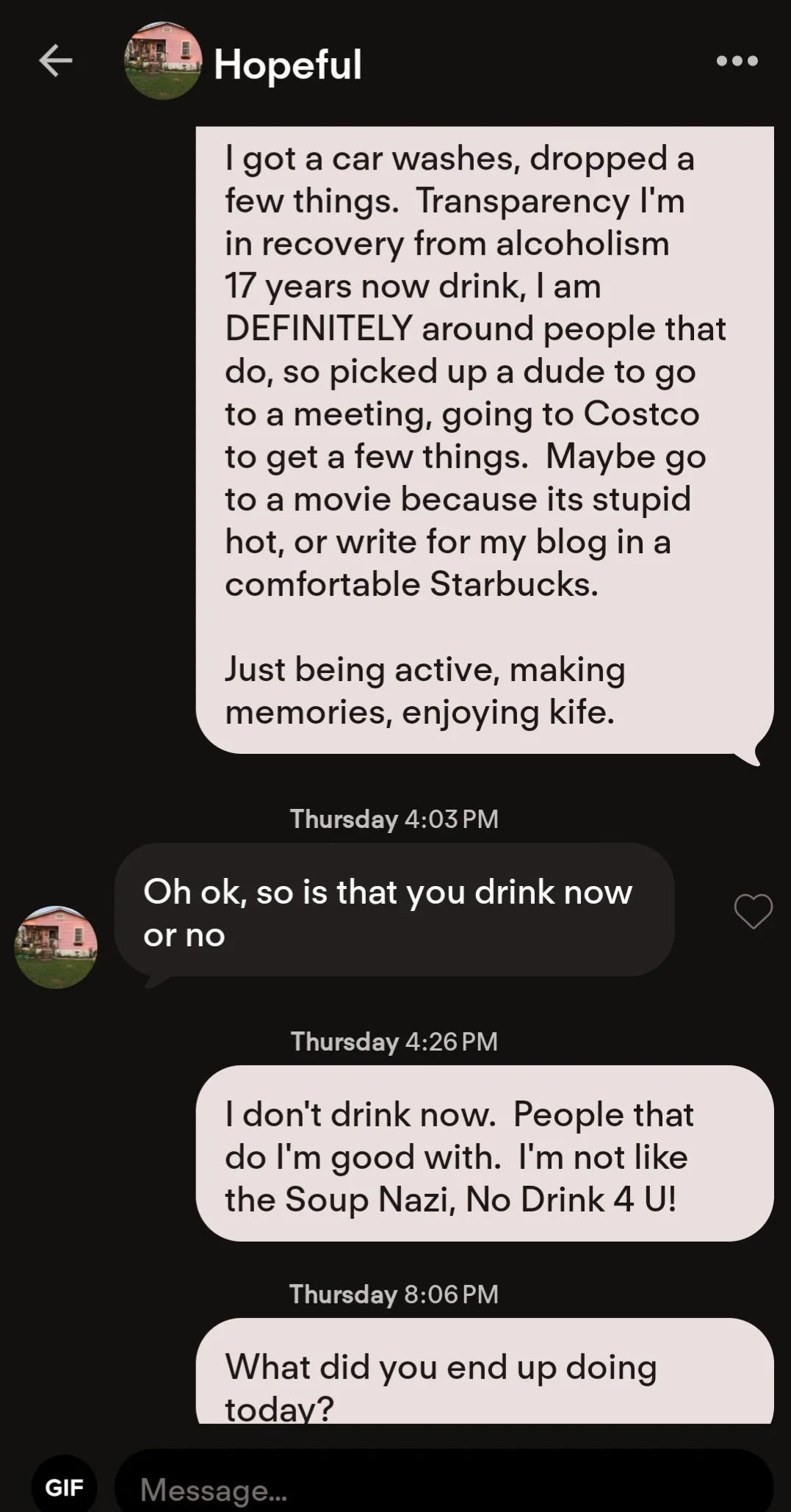
We're talking about what we're doing Thursday. I mention some completely innocuous stuff about my day. Nobody has attempted to sell cryptocurrency to anyone. Nobody claims to be conducting "market research" in Augusta.
We're making progress!
Then I mention my sobriety.
Record scratch.
The conversation takes a turn.
She asks:
"So is that you drink now or no"
I explain that no, I don't drink. I've been sober for a little over 17 years.
But I also explain that I don't care if other people drink—as long as they're responsible about it.
I'm sober.
I'm not the Soup Nazi.
NO CHARDONNAY FOR YOU!
Drink your wine. Have your cocktail. Order a beer.
I'm not going to leap across the table and slap a margarita out of your hand.
This conversation happened Thursday at around 4:30 p.m.
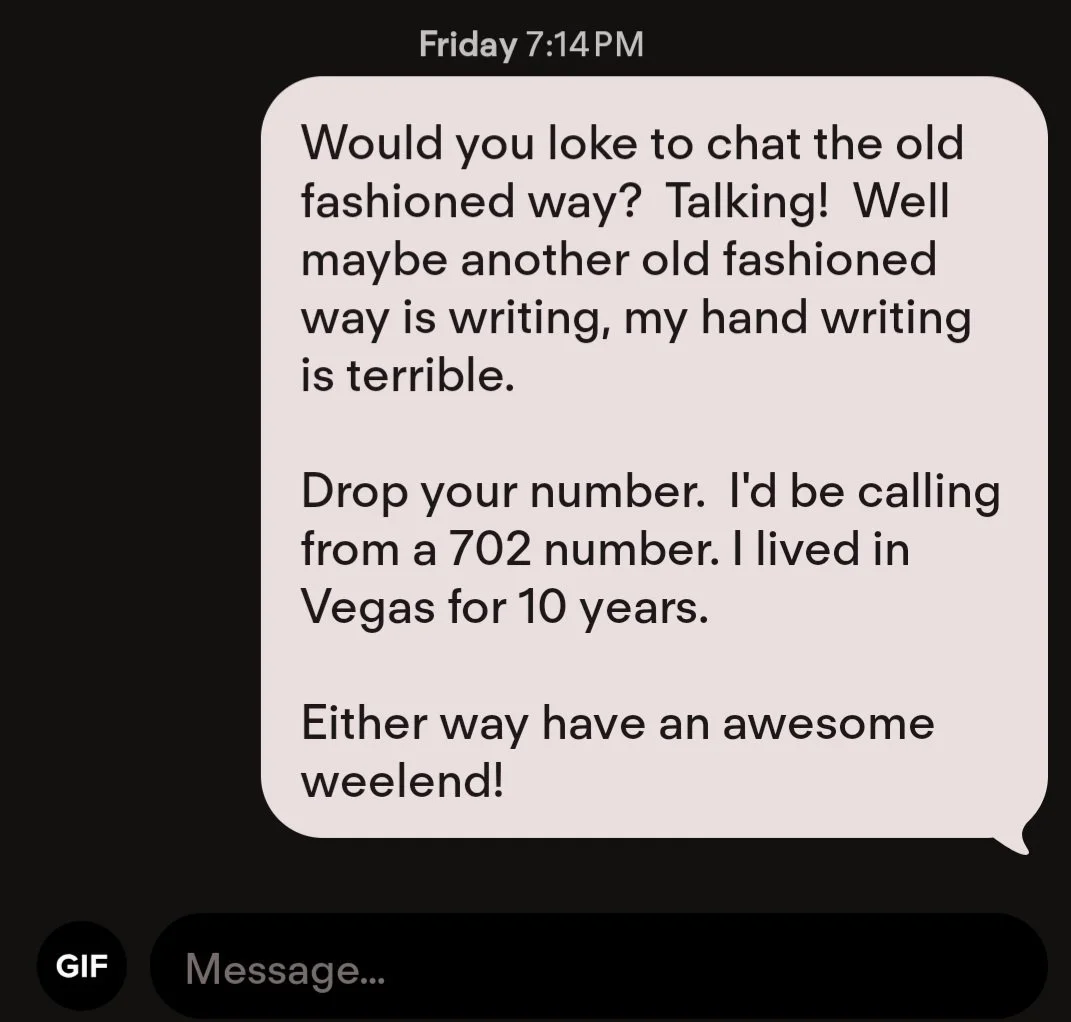
I sent a few more messages afterward.
I even asked if she'd like to talk on the phone, since her profile said that's her preferred method of communication.
And then...
Crickets.
Not even Tinder crickets.
Those crickets have probably unmatched me too.
Which leaves me slightly confused.
Wait a minute, Chrissy.
I thought you wanted someone who could be:
"Just their true self."
That's exactly what I did!
I didn't lie.
I didn't play games.
I didn't create drama.
I didn't pretend to drink.
I didn't pretend to be Matt Damon.
I showed up as my true self, just like the advertisement requested.
Apparently there were terms and conditions.
And here's what really makes me laugh:
Her profile says she drinks "on special occasions."
Is having someone who drinks booze really that important when you only drink sometimes yourself?
Maybe there's an annual Cabernet Festival I don't know about.
Maybe Valentine's Day requires tequila.
Maybe I'm supposed to hold the wine glass while she drinks it.
I have questions.
Of course, maybe she just got busy. Maybe she'll respond eventually. Maybe she met somebody else. That's dating.
But if the sobriety conversation is what killed it, that's pretty funny.
Because after dealing with fake profiles, scammers, crypto investors, mysterious 6'6" women named Hamit, and everything else I've encountered on the Tinder, I finally did exactly what a profile asked:
I was my true self.
And apparently my true self got left on read.
Maybe next time I'll try being Matt Damon.