
My Nextdoor Experiment: When Moderation Leaves Questions Unanswered
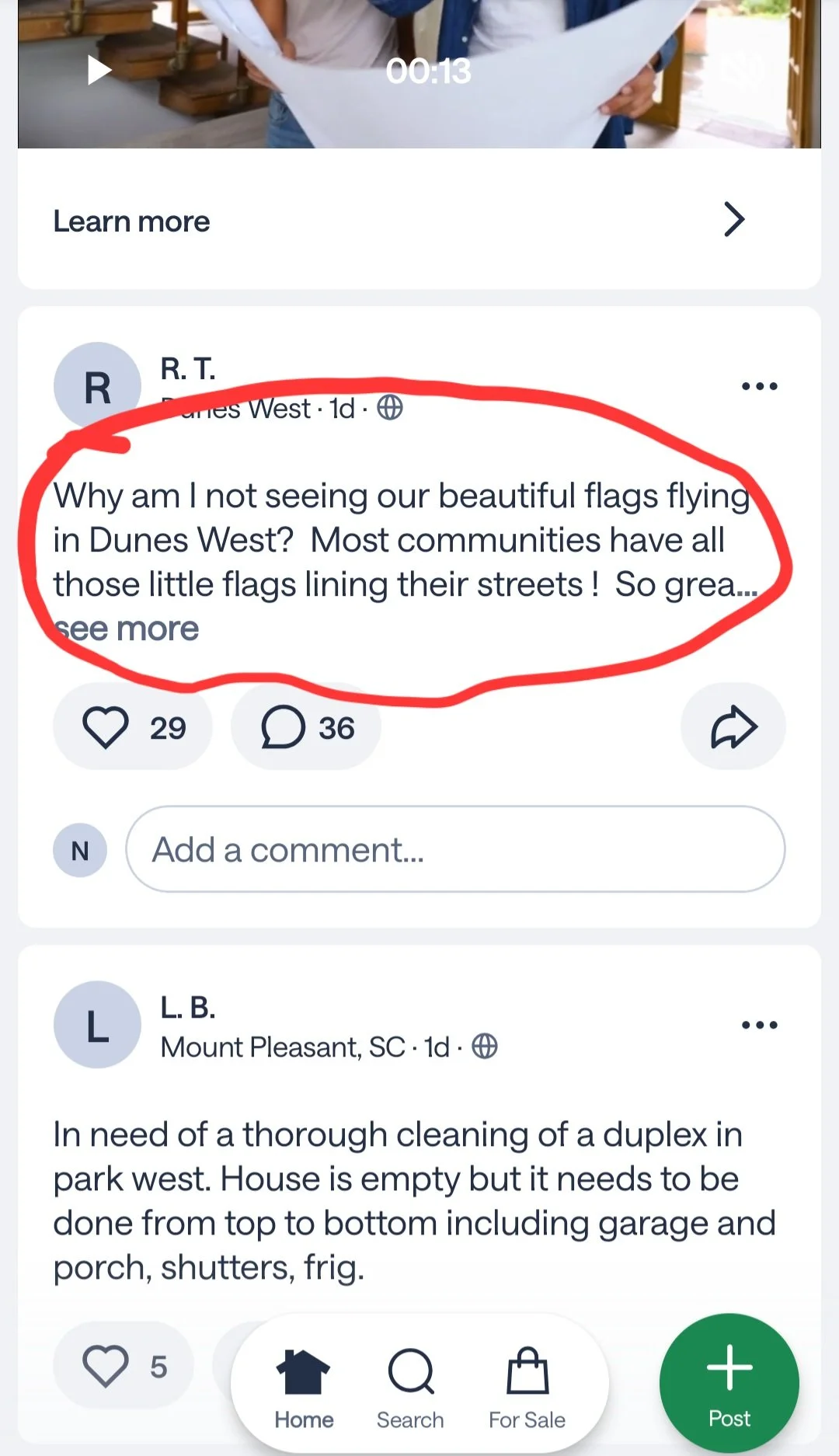
As part of my ongoing Nextdoor experiment, I continue to observe discussions in my local community. Some of what I see is thoughtful. Some of it is disappointing.
With the 250th anniversary of the founding of the United States approaching, it’s encouraging to see neighbors celebrating a milestone in our country’s history. I’m grateful to have been born in the United States and appreciate the opportunities this country has provided.
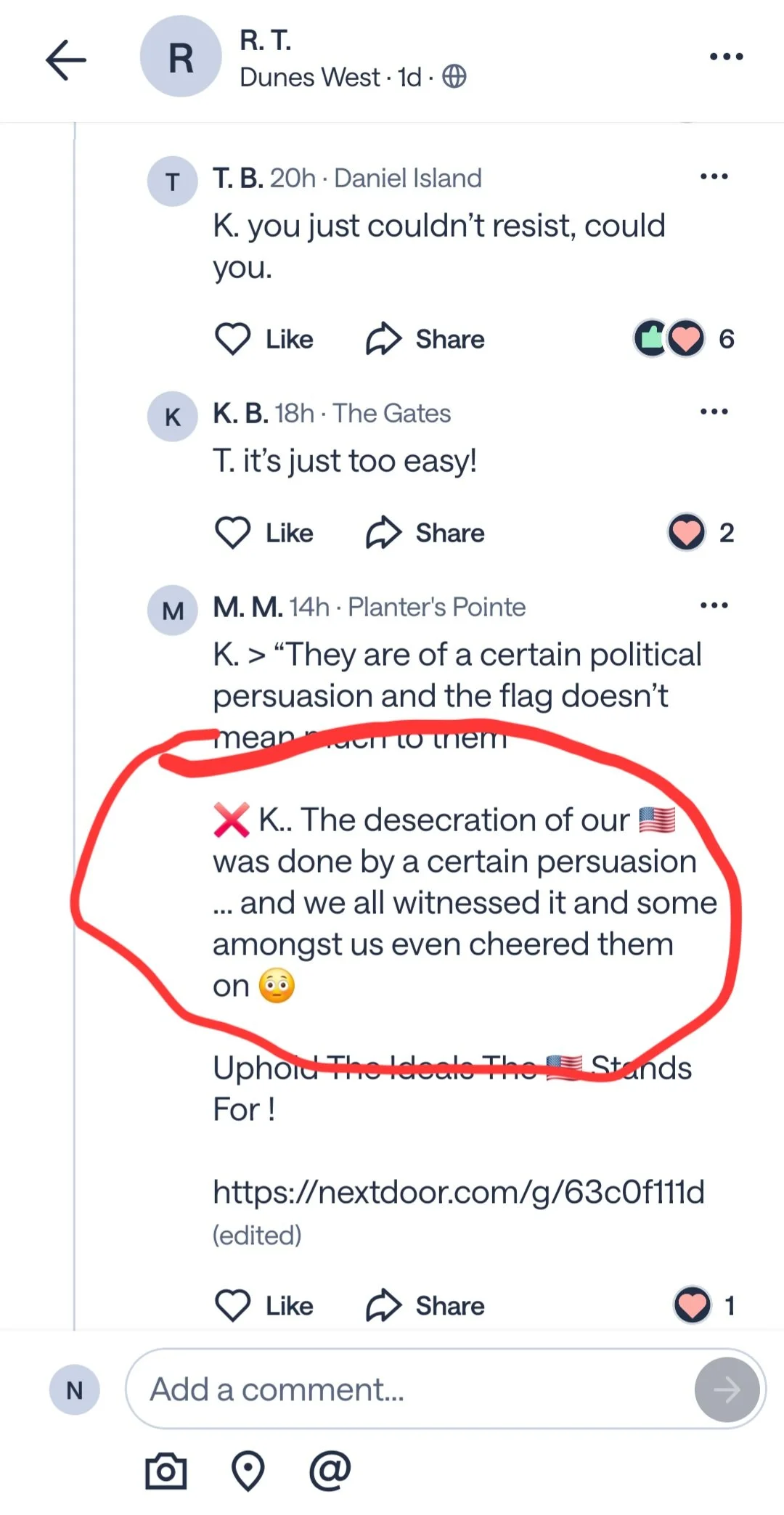
What concerns me is when conversations move beyond the topic itself and begin singling out groups of people with broad stereotypes or negative generalizations.
Whether the target is based on race, ethnicity, religion, political affiliation, or another characteristic, allowing comments that stereotype an entire group can undermine the sense of community a platform aims to foster.
I included a screenshot of the discussion in this post so readers can judge the context for themselves.
That brings me back to a question I’ve asked repeatedly:
How are moderation decisions being made, and are they being applied consistently?
When users see some comments removed while others containing personal attacks or broad stereotypes remain, it’s natural to ask whether the moderation process is consistent.
I’ve suggested before that Nextdoor could strengthen its moderation model by combining AI-assisted detection with centralized quality assurance and regular moderator coaching. Regardless of the approach, consistency and transparency are important if users are expected to trust the process.
I’d like to see moderation that encourages constructive conversations while reducing comments that target or stereotype groups of people.
You can see the screenshots, read my full analysis, and join the discussion on NielFlamm.com/blog.
What has your experience been with online community moderation?
